
REVIEW · ZANZIBAR
Zanzibar: Walking Spice Farm with Local Cooking Class
Follow the scent of Zanzibar. This six-hour outing combines a walk through Tangawizi Spice Farm with a Swahili food experience, giving you two good reasons to leave the beach for a morning: you can smell and taste fresh spices where they grow, then sit down to a locally prepared meal. I especially like the chance to see cloves, cinnamon, turmeric, vanilla, and tropical fruit in the soil rather than only in a market jar.
I also like the human scale of the experience. You travel by private group, hotel pickup and drop-off are included, and the farm walk can be adjusted for someone who has difficulty walking. The main caution is that the cooking portion may be more of a demonstration than a hands-on class, and the advertised four-course meal may arrive as one buffet meal followed by fruit.
Key points at a glance
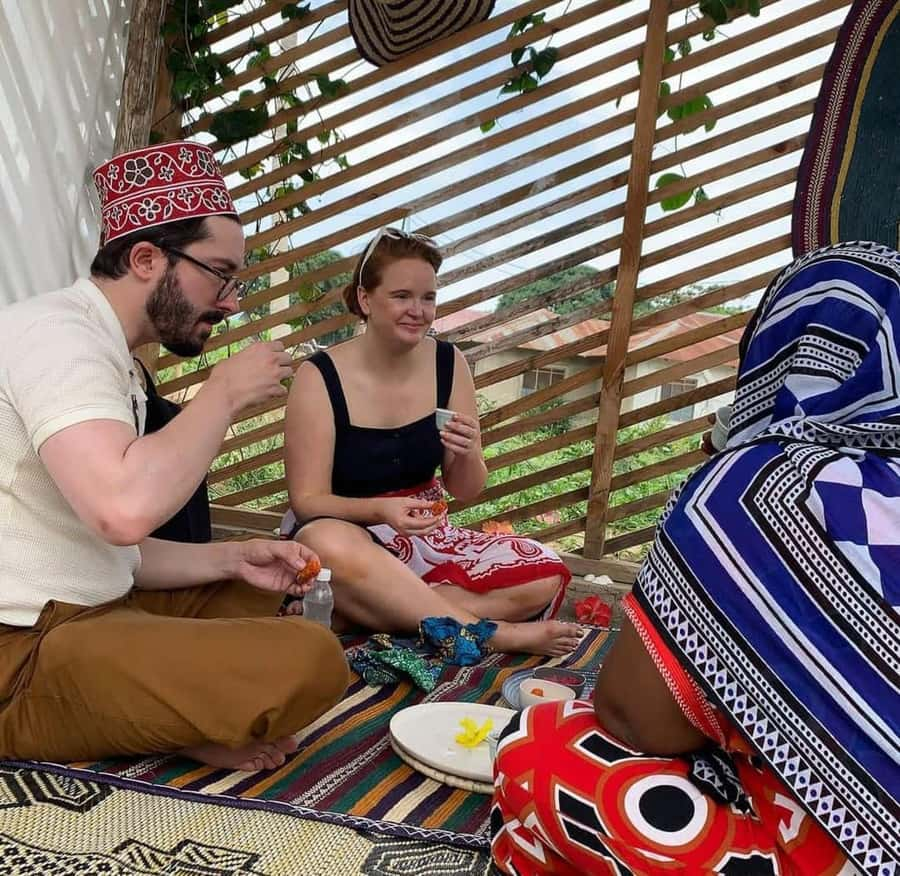
- Six hours at Tangawizi Spice Farm: The tour combines a guided farm walk, food preparation, and lunch in one half-day outing.
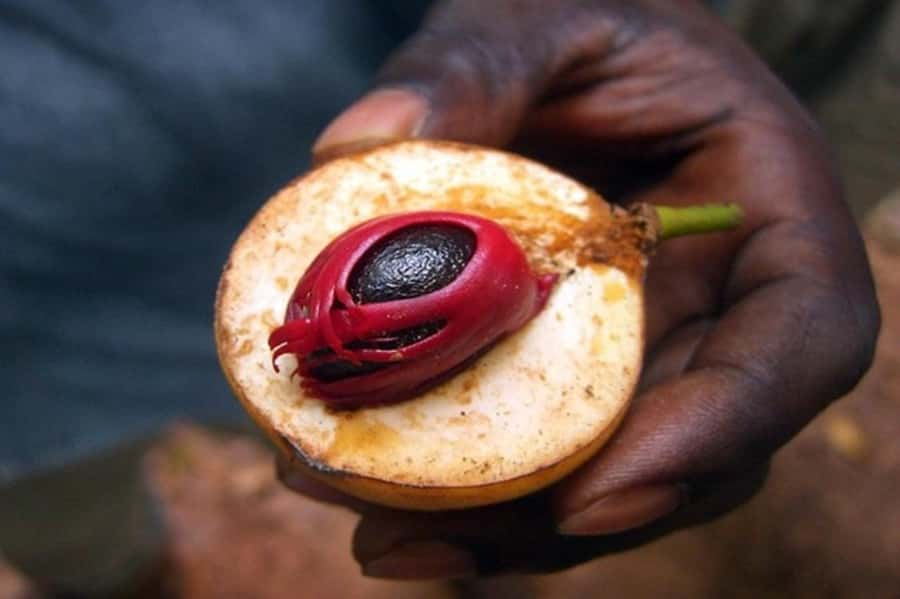
- Smell and taste Zanzibar’s crops: Expect cloves, lemongrass, nutmeg, cinnamon, turmeric, vanilla, coconut, papaya, chili, black pepper, jackfruit, cardamom, cassava, oranges, and other produce.
- Traditional Swahili cooking: The cooking setup uses basic tools, coconut milk made by hand, a wood fire, and charcoal burners.
- Private group with hotel transfers: Pickup and drop-off are available from Stone Town and the Unguja North Region.
- Strong food quality: The prepared food is the star, especially pilau rice, fish, spinach, plantain, and coconut-based dishes.
- Good but not perfect value at $50: The price makes sense if you value private transport, lunch, a guide, and a local farm visit, but expect a cultural demonstration more than formal instruction.
Why a spice farm belongs on your Zanzibar plans
Zanzibar is often called Spice Island for good reason. Cloves, cinnamon, nutmeg, turmeric, vanilla, cardamom, and black pepper are not just souvenirs here. They are part of the island’s farming life and its cooking traditions.
A spice farm walk helps connect those two worlds. You do not simply see a packet marked cinnamon at a stall. You learn to notice the plant, smell the fresh material, and understand how it fits into a dish. That simple change in perspective makes the later meal more interesting.
I like this experience because it gives you something to do with your senses. You will smell herbs, taste tropical fruit, handle spices, and see how crops are cultivated. It is a better fit for you if you enjoy learning through direct contact rather than sitting through a long historical talk.
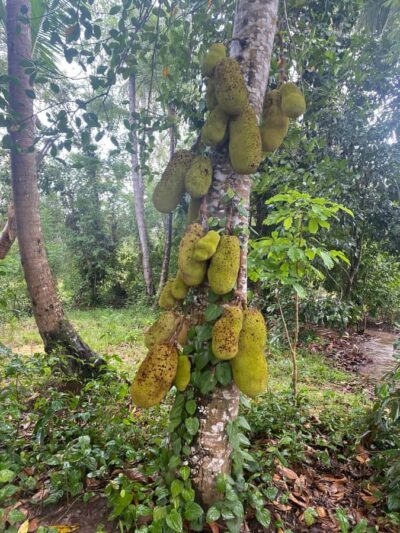
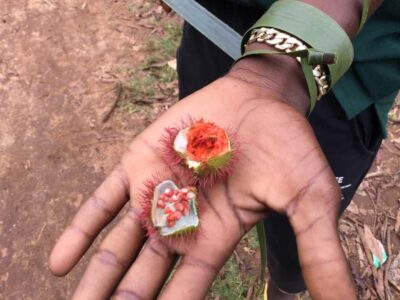
The farm is an organic working farm with a wide variety of plants available throughout the year. The exact mix of ripe fruit or ready-to-harvest spices can change with the season, but the program includes a broad range of plants. You might encounter clove, lemongrass, nutmeg, cinnamon, turmeric, vanilla, coconut, papaya, chili, black pepper, jackfruit, cardamom, cassava, and oranges.
More Spice Farm Tours around Zanzibar:
- Zanzibar: Prison Island, Stone Town, & Spice Farm Tour
★ 4.5 · 579 reviews - Full-Day Private Stone Town +Spice Farm and Prison Island Tour
★ 4.5 · 216 reviews - Zanzibar: Stone Town & Spice Farm Tour with Lunch
★ 4.5 · 97 reviews
Starting with Tangawizi Spice Farm
Your day begins with hotel pickup, with collection points available in Stone Town and the Unguja North Region. You are asked to wait at your hotel reception about 10 minutes before the scheduled time. Since the outing lasts about six hours, an early start can leave you with useful time later in the day.
At Tangawizi Spice Farm, a guide leads you along paths between spice plants, herbs, fruit trees, and other crops. This is a walking tour, not a drive-through farm visit, so comfortable shoes and protection from the sun make sense. The tour material does not give a fixed walking distance, and one important practical detail is that the guide can choose safer routes for people with mobility problems.
The walk is not only about naming plants. You are encouraged to smell and taste them, and there is a light testing element as you try to identify different scents. That turns a standard farm visit into something more playful. Clove, cinnamon, and lemongrass are easy to recognize once you know them, while less familiar plants can be harder to place.
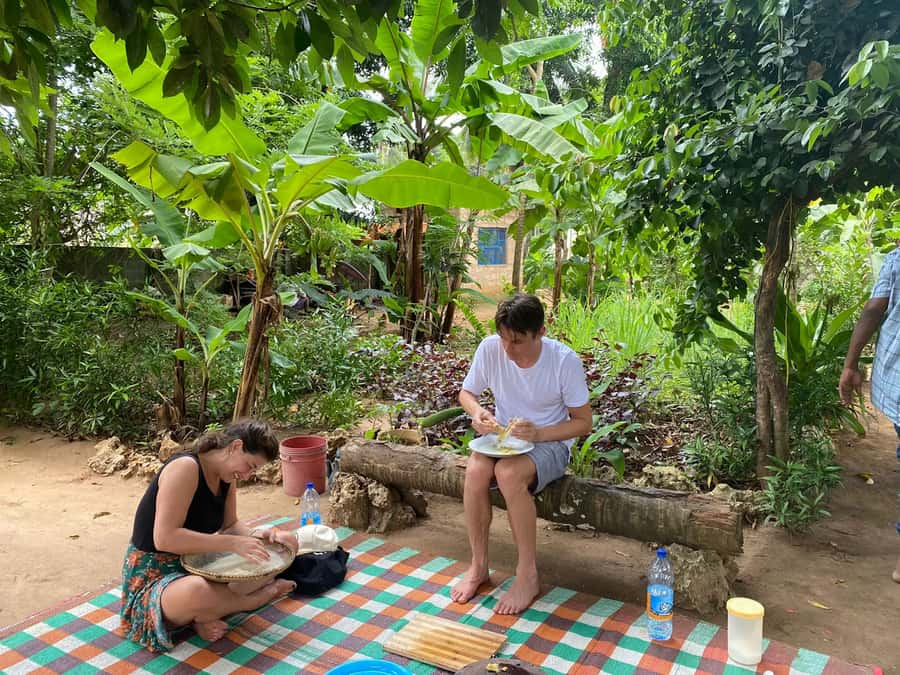
You may also see traditional coconut work. One cooking demonstration showed the women scraping coconut meat from the shell and squeezing out the milk by hand. That coconut milk then went into several dishes, a small but useful lesson in how much labor can sit behind a familiar flavor.
The spices are best understood through food
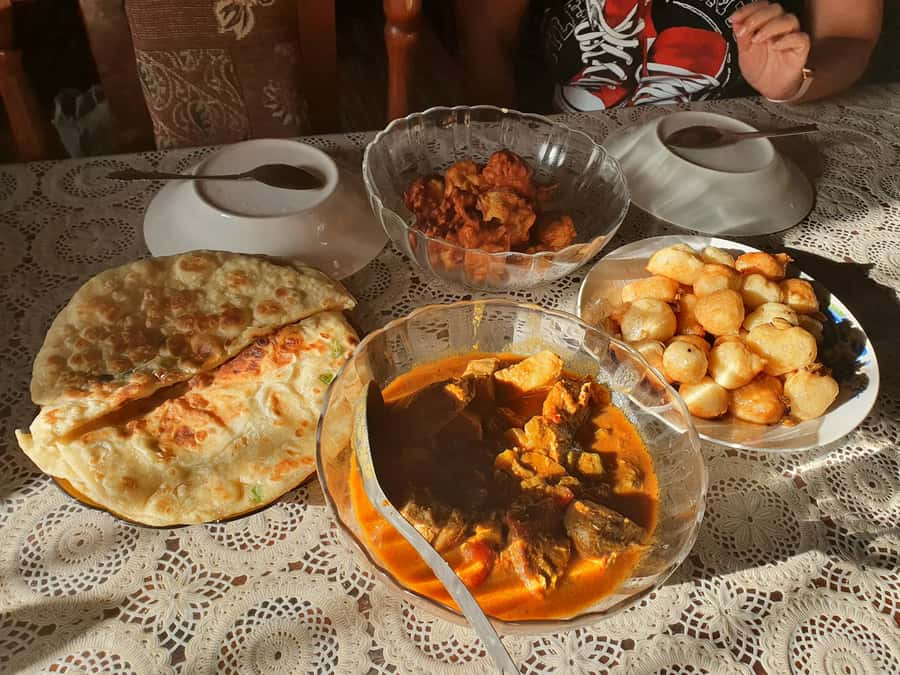
The farm walk becomes more meaningful when you connect it to lunch. The cooking session uses several of the same flavors you have just seen, smelled, or tasted. Pilau rice, for example, gets its character from a combination of spices rather than from one overpowering seasoning.
The cooking area is basic and open-air. A review describes a small hut with corrugated metal sides, coconut-frond roofing, one wood fire, and two charcoal burners. That setting is part of the appeal, but it also explains why you should not expect a polished culinary school with individual workstations.
The cooks prepare food with simple equipment and efficient movements. You may watch them make pilau rice, a tomato and onion sauce, spinach, fish, and plantain. The fish is marinated with lime and salt before being fried, while coconut milk adds body to other dishes.
The meal is widely praised for flavor. The pilau rice receives particular attention, with several spices working together in a way that shows how Zanzibar cooking differs from many Western versions of rice dishes. The fish, plantain, and vegetables give you a useful sample of everyday Swahili food rather than a highly styled restaurant plate.
Cooking class or cooking demonstration?
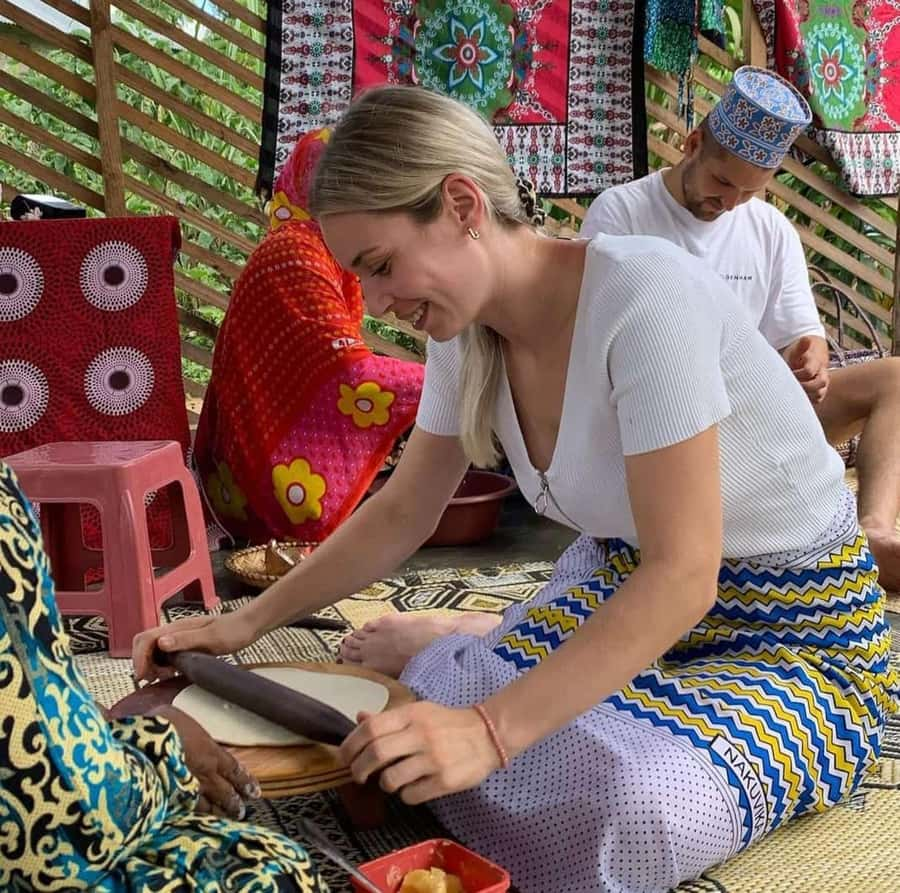
This is the main point to understand before booking. The experience is sold as a practical cooking lesson, and the description says you will prepare three meals and a dessert together before eating four courses.
In practice, the level of participation may vary. One person reported sitting in the cooking hut and watching the local women prepare the dishes rather than cooking each part personally. Another description called the food one buffet meal followed by fruit, rather than a formal four-course meal.
That does not make the experience poor. It changes what you are buying. If your priority is to learn exact knife skills, measure ingredients, and prepare each dish yourself, you may find the session too passive. If you want to watch local cooks work with familiar ingredients, ask questions, taste the results, and enjoy lunch, it is a better match.
I would treat the word class loosely here. Think of it as a local cooking demonstration with some practical elements, not a structured lesson with a printed recipe and a cooking station for every person.
The intimate format can still work well. A private group gives you a better chance to ask questions and follow the process closely. People of all ages are welcome, so families and mixed-age groups can join without needing advanced cooking ability.
More Cooking Classes around Zanzibar:
- Zanzibar: Spice Farm Tour with Traditional Cooking Lesson
★ 4.8 · 77 reviews - Zanzibar: Spice Farm Tour with Traditional Cooking Class
★ 4.6 · 16 reviews - A private half day spice farm with a cooking lesson
★ 5.0 · 13 reviews - Zanzibar: Spice Farm Tour and Cooking Class with Lunch
★ 4.2 · 11 reviews
The lunch is the payoff
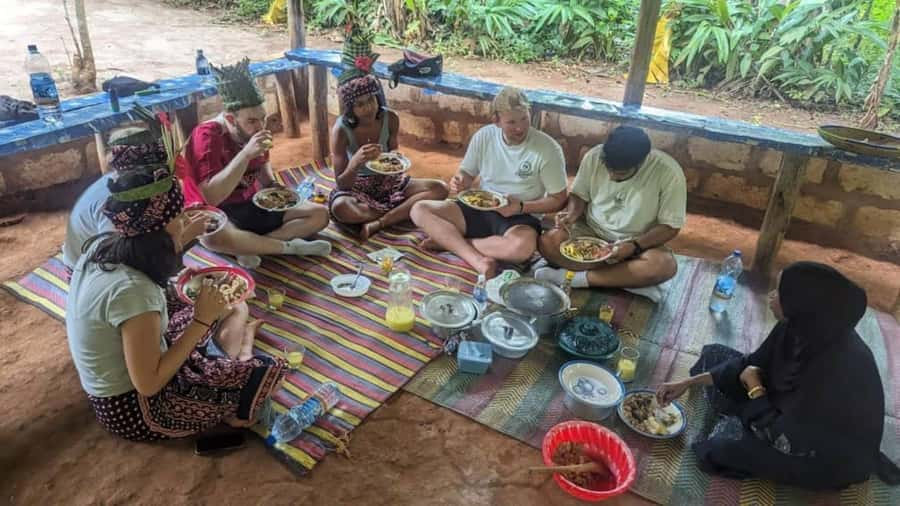
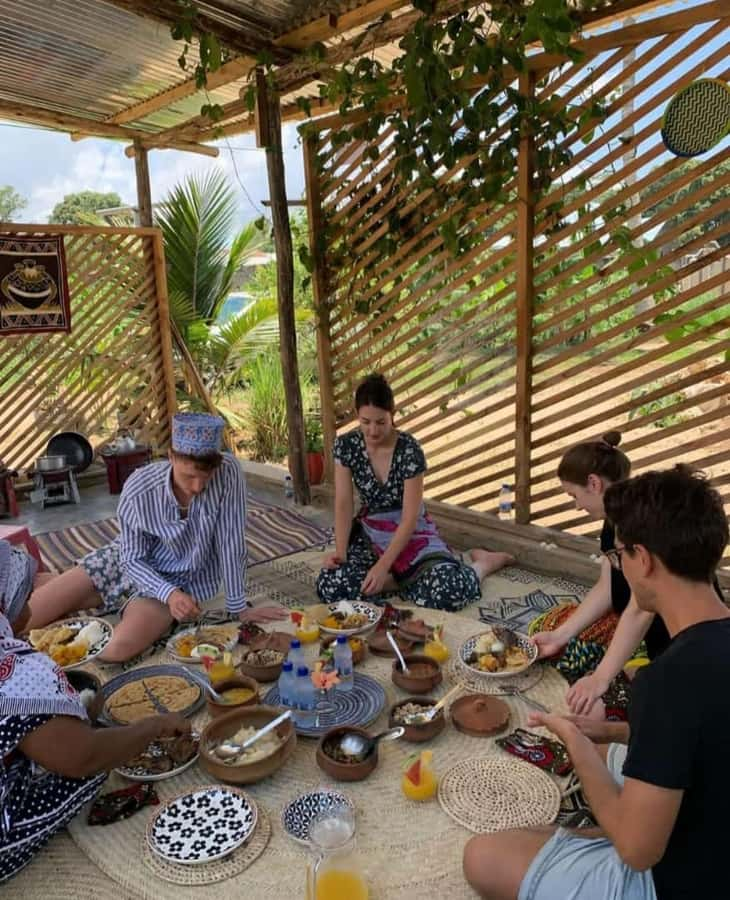
Lunch is included, and it is the strongest part of the experience for anyone who cares about food. The menu can include pilau rice, fish, spinach, plantain, a tomato and onion sauce, and fruit. The exact preparation may differ, but the meal is based on local ingredients and traditional methods.
The food is not presented as a tasting menu. It is more likely to feel like a shared local meal, with dishes gathered together and eaten after the cooking session. That is a good thing if you want generous flavors and a relaxed setting. It is less ideal if you expect a carefully timed sequence of four separate courses.
The coconut work is especially useful to watch. Fresh coconut milk has a different role from a canned ingredient, and seeing it made by hand shows how local cooks build sauces and rice dishes from basic materials. You also gain a clearer sense of the time and effort involved in traditional food preparation.
If you have strong dietary needs, ask before booking. The supplied information confirms the dishes listed above, but it does not provide a full allergy, vegetarian, or dietary accommodation policy.
Fruit tasting and the human side of the farm
The farm visit includes tropical fruit tasting. Depending on what is available, you might encounter papaya, jackfruit, coconut, oranges, cassava, or other produce. This part gives the walk a pleasant change of pace after the spice identification.
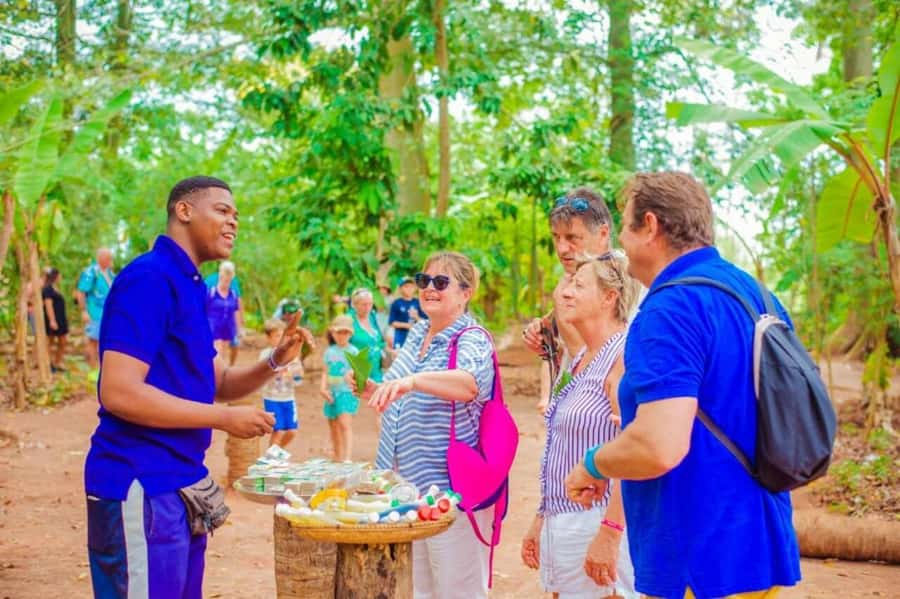
The cultural touches add warmth, though they are not the main reason to book. One outing included a man singing while climbing a coconut tree, while another person made simple crowns and ties during the walk. You may also find soaps, creams, and packaged spices for sale.
These moments can feel a little staged, but they also give you a friendly connection to the people working at the farm. I would enjoy them as extras rather than expect a carefully planned cultural performance.
Buying spices at the end
The tour finishes with a stop at a spice stall selling fresh packaged spices. This is a practical place to buy cinnamon, cloves, vanilla, or other ingredients you have just encountered in the field.
The stall accepts cash only, so keep some money with you. The tour price includes tips for the farm workers, which means you do not need to calculate a required gratuity during the visit. Still, small bills can be useful for optional extra tipping or small purchases, since one food experience specifically advised carrying them.
Compare prices and package sizes before buying. The value of the stall is convenience and context, not necessarily the lowest price on the island. You already know what the spices look and smell like, which makes it easier to choose something you will actually use at home.
What the $50 price really covers
At $50 per person, this is not the cheapest way to spend half a day in Zanzibar. It is also more than a simple farm admission. The fee covers a six-hour private experience, hotel pickup and drop-off, a guided farm visit, the cooking session, and lunch.
That package can represent good value if you are staying in Stone Town or the Unguja North Region and want transport handled for you. A private group also gives you more control over questions and walking pace than a large coach outing.
The value is weaker if you mainly want a formal cooking course. You may pay $50 and receive a demonstration with a shared meal rather than several hours of hands-on instruction. The food quality helps balance that limitation, especially if you enjoy Swahili flavors and local preparation methods.
The rating is 4.4 from nine ratings, which fits the experience well: strong food, friendly service, and an enjoyable farm walk, with some room for clearer expectations around the cooking class and meal format.
Walking, comfort, and accessibility
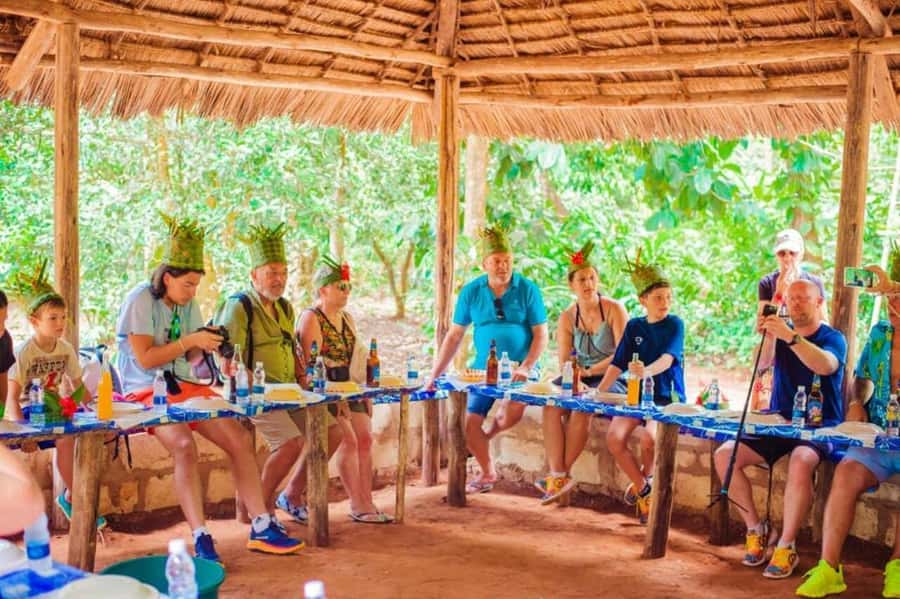
You will walk around a farm for part of the day, so this is not a fully seated excursion. The paths may be uneven, and the tour description does not promise wheelchair access or a specific accessibility setup.
Still, the guide has shown useful awareness of mobility needs. A disabled participant reported that the guide selected safer routes and remained mindful of difficult walking conditions. That is encouraging, but you should still discuss your needs when booking rather than assume every route will be suitable.
Wear shoes that can handle farm paths. Bring water, sun protection, and cash for the spice stall. The tour includes lunch, but the supplied information does not state whether drinks or snacks beyond the meal are included.
The experience is offered year-round, and guides may speak English, German, or French. Check the available language when you choose your date.
Who will enjoy this experience most?
I would recommend this outing to you if you want a relaxed introduction to Zanzibar’s food and farming culture. It works especially well for:
- People who enjoy tasting unfamiliar foods
- Families with children of different ages
- Couples who want a private half-day activity
- Visitors staying in Stone Town or northern Unguja
- Anyone curious about cloves, cinnamon, vanilla, and coconut
- People who prefer a local meal to a polished restaurant class
You may want another option if you need a strict cooking curriculum, professional kitchen equipment, or a guaranteed four-course meal. You should also ask detailed questions if walking is difficult or if you have food allergies.
The best mindset is simple: come ready to walk, smell, taste, watch, and eat. Do not arrive expecting a Western-style cooking school.
Should you book the Zanzibar spice farm tour?
I would book this experience if you want three things in one package: a farm visit, a local food demonstration, and lunch with hotel transfers. The strongest reasons are the excellent Swahili food, the chance to smell and taste spices at their source, and the personal feel of a private group.
I would book with one clarification first: ask whether your date includes hands-on cooking or mainly a demonstration, and confirm how the meal will be served. That small check removes the biggest source of disappointment.
For $50, the outing offers solid value for food-focused visitors who want a friendly, sensory look at Zanzibar beyond the beach. Just keep the cooking-class promise in perspective. This is best understood as a spice farm walk followed by a traditional cooking demonstration and meal.
FAQ
How long does the Zanzibar spice farm and cooking experience last?
The experience lasts about six hours, including the guided spice farm walk and cooking session.
Where does the tour take place?
The main visit is at Tangawizi Spice Farm in Zanzibar’s Unguja South Region.
Is hotel pickup included?
Yes. Hotel pickup and drop-off are included, with pickup options listed for Stone Town and the Unguja North Region.
Where should I wait for pickup?
You should wait at your hotel reception 10 minutes before the scheduled pickup time.
What languages are available?
The live guide may speak English, German, or French.
What spices and plants might I see?
The farm visit can include clove, lemongrass, nutmeg, cinnamon, turmeric, vanilla, coconut, papaya, chili, black pepper, jackfruit, cardamom, cassava, and oranges.
Is lunch included?
Yes. Lunch is included in the tour price.
Is the cooking session fully hands-on?
The experience is described as a practical cooking lesson, but the cooking may also be presented mainly as a demonstration. The format can include watching local cooks prepare the food and then eating together.
Can I buy spices after the farm visit?
Yes. The tour ends with a stop at a spice stall selling fresh packaged spices. The stall accepts cash only.
More Workshops around Zanzibar
- Zanzibar: Spice Farm Tour with Traditional Cooking Class
★ 4.8 · 6 reviews - Zanzibar Cooking Class [Swahili food test ] and Spice farm Private tour
★ 4.5 · 6 reviews - Zanzibar: Spice Farm Tour with Cooking lesson
★ 4.5 · 4 reviews - Spice Farm Tour with Traditional Cooking Lesson
★ 5.0 · 3 reviews
Just added around Zanzibar
- Zanzibar: Spice farm tour with Zanzibar fruits tasting★ 3.8 · 7 reviews
- Zanzibar: Stone Town City Tour and Spice Farm with Lunch★ 3.7 · 33 reviews
- ZANZIBAR, Stone town tour, Prison Island & Spice farm★ 5.0 · 11 reviews
- Zanzibar: Spice Farm Tour with Traditional Cooking Class★ 5.0 · 2 reviews
- Zanzibar: Spice Farm Tour with Traditional Cooking Class★ 4.8 · 6 reviews
- Zanzibar: Spice Farm Tour with Traditional Cooking Class★ 4.6 · 16 reviews
- Zanzibar: Spice Farm Tour with free testing fruit and Spice★ 5.0 · 2 reviews
- Zanzibar: Spice Farm Tour with Lunch & Tropical Fruits★ 4.9 · 10 reviews
Spice Farm Tours, farm by farm.
Full-Day Private Stone Town +Spice Farm and Prison Island Tour
Read our review →
Zanzibar full day Jozani forest + Spice farm and stone town
Read our review →

STONE TOWN, PRISON ISLAND AND SPICE FARM ( Lunch included )
Read our review →
Zanzibar Private Spice Farm and Stonetown Tour(Include Lunch)
Read our review →
Other lists this farm sits on