
REVIEW · ZANZIBAR
Zanzibar: Spice Farm Tour with Traditional Cooking Lesson
Spices smell different when they are alive. This three-hour outing takes you from Stone Town or your beach hotel to an organic farm where you can touch, taste, and smell cloves, cinnamon, vanilla, nutmeg, cardamom, pepper, and more. I especially like the hands-on cooking lesson and the chance to eat a local lunch made with ingredients from the farm. The fresh coconut and jackfruit add a welcome tropical touch.
The tour also gives you a useful look at Zanzibar’s spice trade, farming methods, food, and everyday life. The main drawback is that the cooking portion may be more of a demonstration and short participation than a full class, depending on the day. A few of the leaf-made souvenirs can also feel touristy.
Key points to know before you go
- Fresh spices on the plant: Smell and taste cinnamon, vanilla, cardamom, nutmeg, cloves, black pepper, turmeric, ginger, and lemongrass in their natural form.
- Lunch is part of the experience: Help with parts of a Swahili meal, then eat what has been prepared at the farm.
- Coconut work is hands-on: Watch coconut milk being made and try fresh young coconut picked from the tree.
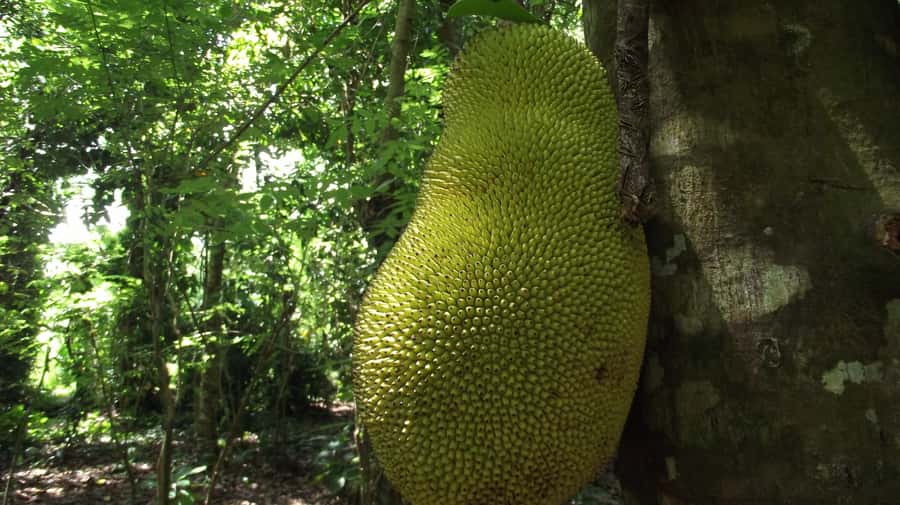
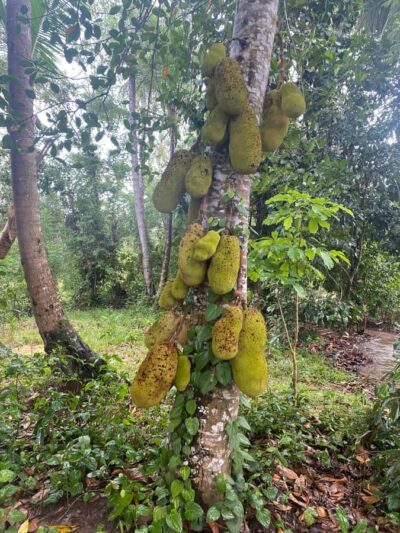
- Jackfruit is a highlight: Taste this huge tropical fruit along with other farm-grown produce.
- Private three-hour format: The experience is offered as a private group tour, with English or Swahili guiding.
- Bring cash: Spices can only be purchased with cash, so do not rely on a card at the farm shop.
Why Zanzibar’s spice farms matter
Zanzibar is often called one of the Spice Islands, along with Tanzania’s Mafia Island. The name is not just a tourist label. Spices have shaped the islands’ farming, trade, cooking, and links with the wider Indian Ocean world.
At the farm, your guide explains how plants are grown and how people use them in food and traditional medicine. This makes the visit more useful than simply walking past rows of greenery. You begin to understand that a familiar kitchen spice can look completely different before it is dried, ground, or packaged.
I like this part because it connects what you see in Zanzibar with what you already know from your own kitchen. Cinnamon is not just a brown stick in a jar. Vanilla is not just a flavoring. Nutmeg, cloves, ginger, turmeric, and pepper all have a plant form, a smell, and a place in local cooking.
The experience also gives money and attention to a local farm and community. That matters in a place where visitors can easily spend most of their time at beaches and historic sites without seeing how food is produced.
More Spice Farm Tours around Zanzibar:
- Zanzibar: Prison Island, Stone Town, & Spice Farm Tour
★ 4.5 · 579 reviews - Full-Day Private Stone Town +Spice Farm and Prison Island Tour
★ 4.5 · 216 reviews - Zanzibar: Stone Town & Spice Farm Tour with Lunch
★ 4.5 · 97 reviews
From Stone Town to the farm
The listed meeting point is in front of the Old Fort on Mizingani Road in Stone Town at 9:00 in the morning. Pickup is also available from beach hotels anywhere in Zanzibar, so you can choose the option that fits your stay.
If you meet in Stone Town, arrive ready to leave at the stated time. If you are staying at a beach hotel, confirm the pickup details when booking. Since the tour lasts only three hours, delays at the beginning can reduce the time available for the farm activities.
Transport is included from the Stone Town meeting point and from Zanzibar beach hotels. That makes the $65 price easier to assess, since you are not paying separately for a guide, lunch, and the ride to the farm. The private-group format should also appeal to couples, families, or a small group who prefer not to be folded into a large crowd.
The tour is wheelchair accessible, though the activity includes farm paths, harvesting, cooking, and movement around the property. If you use a wheelchair, it is sensible to discuss your needs in advance so the provider can explain how each activity will work.
Seeing cinnamon, vanilla, cloves, and pepper alive
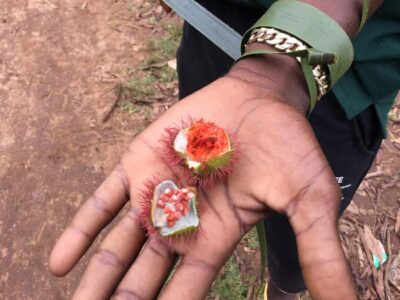
The farm walk is the heart of the morning. Instead of receiving a short list of spices, you get to handle them directly. Your guide introduces plants such as vanilla, cardamom, nutmeg, cinnamon, black pepper, ginger, turmeric, cloves, and lemongrass.
This is where the tour earns its keep. Fresh plants give off softer, greener, and sometimes sharper smells than dried spices. You can touch leaves, smell the plant, and taste selected ingredients. The contrast between a living plant and a supermarket spice makes the lesson stick.
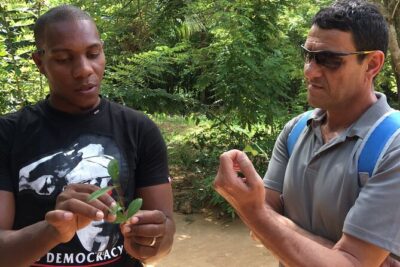
The guide also explains how spices are used to flavor dishes and how they may be used in traditional remedies. Treat the medicinal information as cultural context rather than medical advice. The value here is learning how plants fit into local life, not taking home a substitute for professional healthcare.
The quality of the guiding matters. Names connected with the experience include Chiquito, Abdullah, Ahmad, Khamis, and Juma. Chiquito receives particular praise for his humor and clear explanations, while Ahmad is noted for being a helpful driver. Khamis and Juma are remembered for making the outing lively and personal, with Juma also helping take photographs for one visitor.
Guides may teach you a few Swahili words along the way and explain how spices connect with Zanzibar’s food, economy, and past. The best moments are likely to come from asking questions rather than rushing from plant to plant.
Tropical fruit, jackfruit, and the fresh-coconut stop
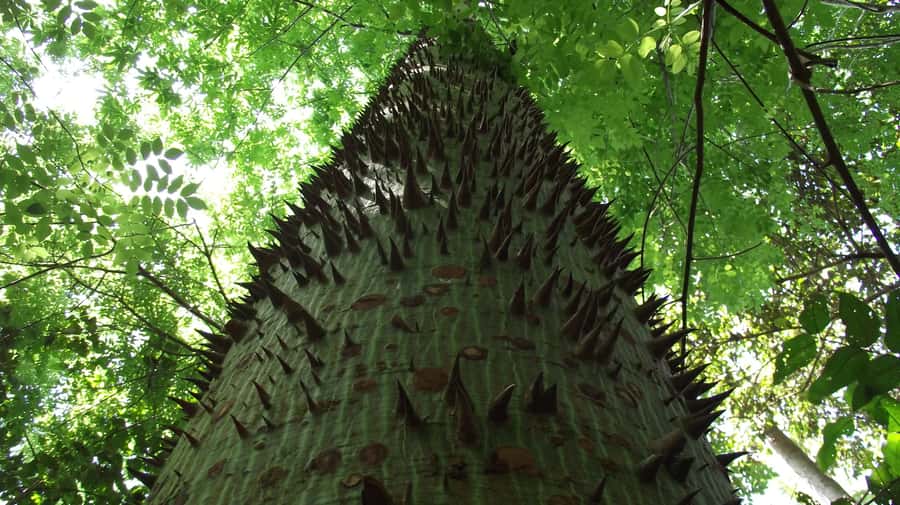
The spice walk is mixed with fruit tasting, which keeps the three-hour schedule varied. You may see and taste tropical fruit, including jackfruit, described here as the world’s largest fruit. Its size alone makes it memorable, but the real pleasure is trying it fresh at the farm.
Fresh young coconut is another featured stop. A coconut climber picks fruit from the tree, giving you a chance to drink or taste coconut at its freshest. This is not the same as buying a packaged drink from a shop. It also shows the skill involved in gathering a food that visitors usually see only after it has been opened and prepared.
Some visitors describe the fruit and coconut as highlights of the day. I can see why. The farm becomes more than a spice garden when you are tasting ingredients that have just been picked.
The outdoor setting means you should prepare for sun and uneven ground. Comfortable shoes, a hat, sunscreen, and water are sensible choices. You are not visiting a climate-controlled museum, so dress for a warm morning and practical movement.
More Cooking Classes around Zanzibar:
- Zanzibar: Spice Farm Tour with Traditional Cooking Class
★ 4.6 · 16 reviews - A private half day spice farm with a cooking lesson
★ 5.0 · 13 reviews - Zanzibar: Spice Farm Tour and Cooking Class with Lunch
★ 4.2 · 11 reviews - Zanzibar: Walking Spice Farm with Local Cooking Class
★ 4.4 · 9 reviews
Cassava leaves, coconut milk, and the cooking lesson
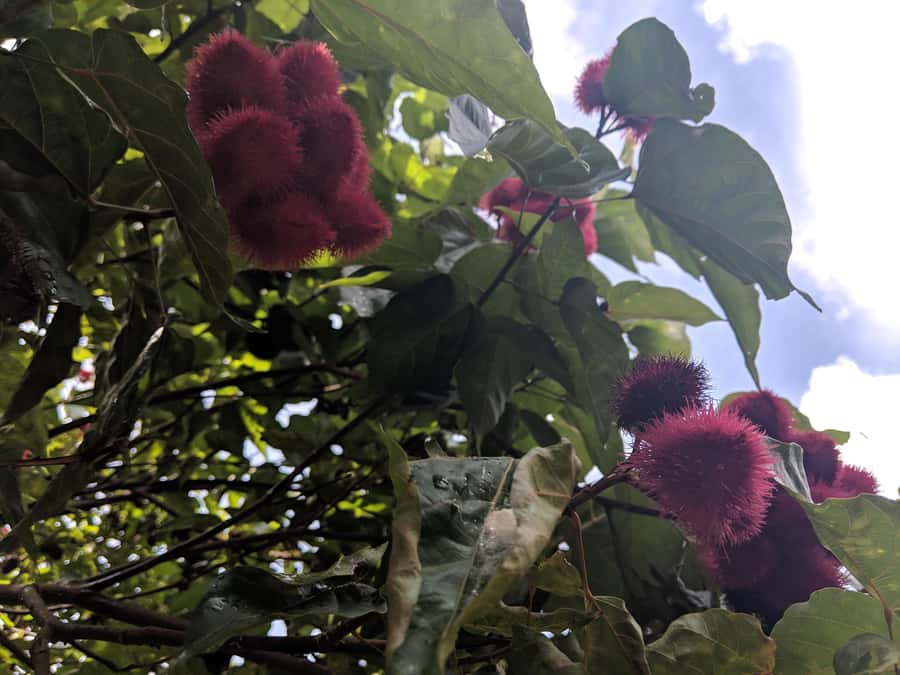
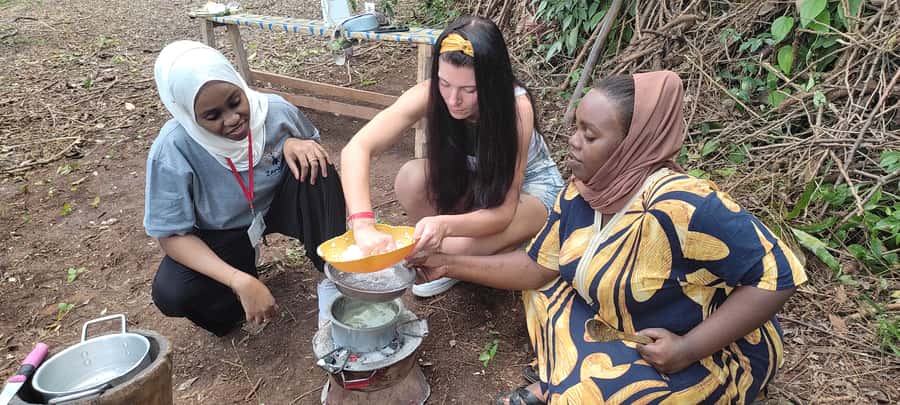
The cooking segment gives the tour its strongest local connection. You have the opportunity to join a cassava leaf harvest, learn how coconut milk is made, and take part in preparing food.
This is also the part where expectations need adjusting. The experience is described as a traditional cooking lesson, but participation may vary. At times, you may help with several steps. At other times, the farm staff may demonstrate a dish and let you handle only some of the ingredients.
That distinction matters if you are booking specifically for a full cooking class. You should expect a cultural food experience with practical participation, not necessarily a long, structured lesson where you prepare every dish from beginning to end.
Still, I like the focus on coconut milk and cassava leaves because these are not generic cooking-school props. They are tied to local ingredients and everyday food. You get to see how a meal begins before it reaches the plate.
The activity can be especially enjoyable for children and curious cooks, provided they are comfortable with an informal format. It is also a good choice if you want more than a sightseeing walk but do not need a formal recipe lesson.
Lunch at the farm
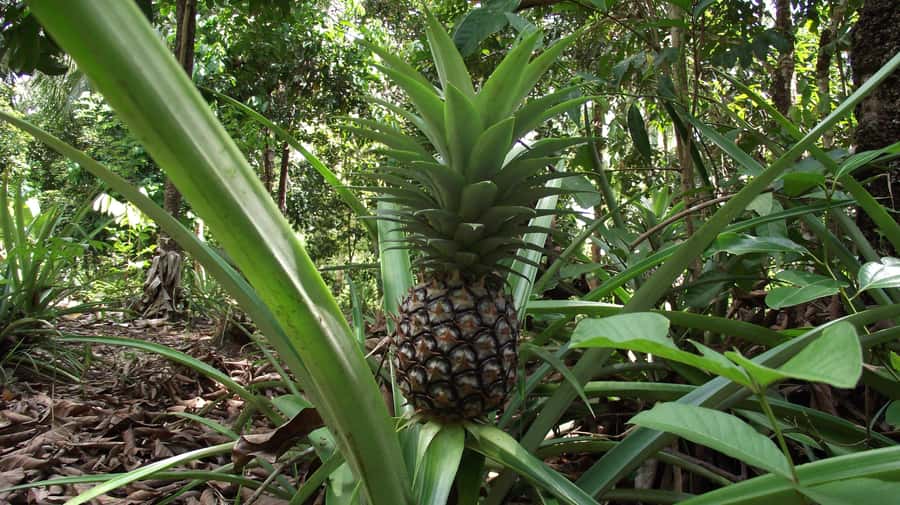
The morning ends with lunch prepared from the ingredients you have been examining and helping to use. The meal is a traditional Swahili spread, and the food receives some of the strongest praise connected with this experience.
You should arrive hungry. One useful tip is not to eat a large breakfast before the tour, since you will taste fruit, coconut, spices, and food during the morning before the main meal.
Eating at the farm gives the cooking lesson a clear purpose. You are not simply watching someone prepare food and then leaving. You get to sit down and taste the result, with the spices and techniques still fresh in your mind.
The lunch is included in the $65 price, along with the guide and local community contribution. For me, that makes the cost fair, especially if you use the hotel pickup. A separate spice tour, meal, and transport arrangement could quickly approach the same price while giving you less personal contact.
The meal is not likely to suit someone seeking a polished restaurant setting. The appeal is the connection between farm, kitchen, and table. If you prefer formal service or have strict dietary requirements, ask about the food before booking, since no detailed menu is provided.
Buying spices and handling the touristy extras
The farm shop gives you a chance to take Zanzibar’s flavors home. You might find fresh spices, teas, and packaged ingredients, but bring cash because spice purchases are cash-only.
This is a good place to buy small gifts if you want something more useful than a standard souvenir. Fresh spices can also help extend the memory of the tour into your own kitchen. Pack them carefully in your luggage and check the rules that apply to food products when returning home.
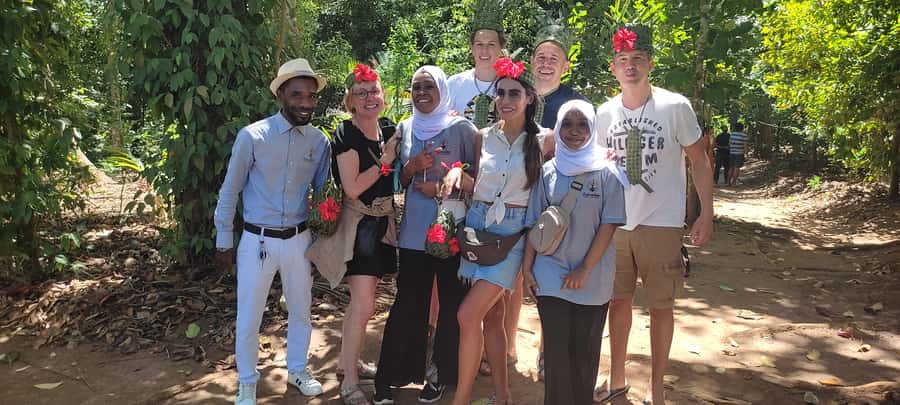
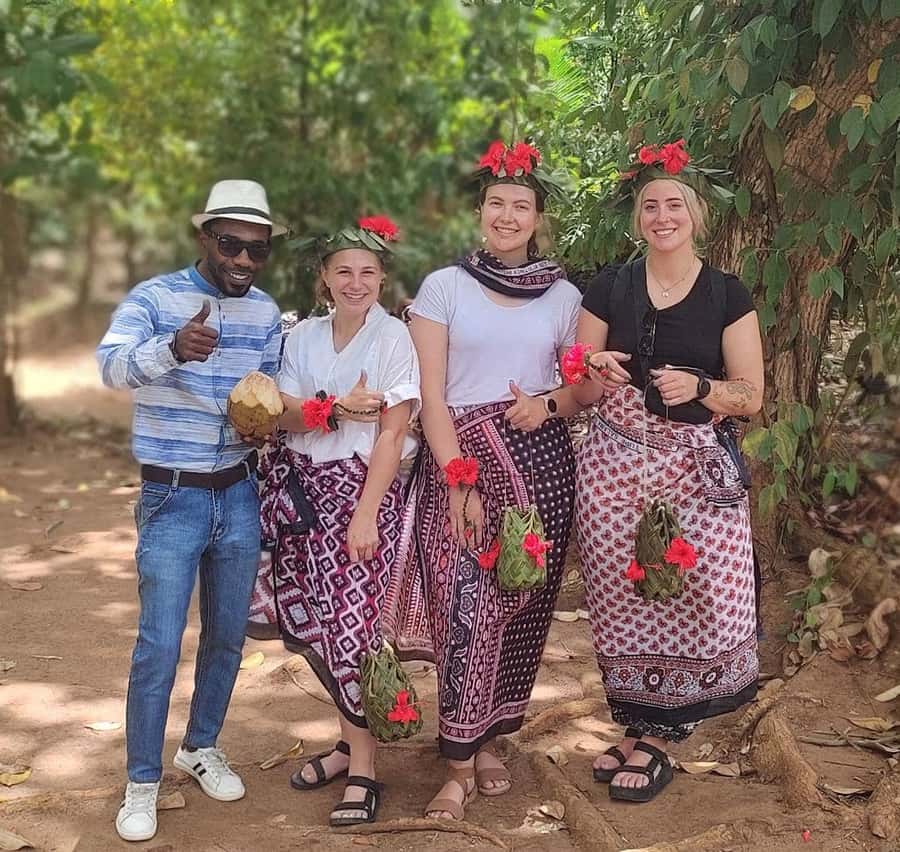
There may also be playful demonstrations involving leaf-made items such as a crown, tie, or handbag. These can be amusing for photographs, especially for families, but not everyone will find them natural. One visitor found this part too tourist-focused and disliked being expected to tip afterward.
My advice is simple: enjoy it if you like it, and do not confuse it with the main experience. The real value is in the plants, food, guide, and farm setting. Keep some cash for spices, but ask about the price of any extra item or tip before accepting it.
What the three-hour schedule feels like

Three hours is enough for a focused introduction, but it leaves little room for a slow farm visit. The morning typically moves through the spice walk, fruit tasting, coconut and cassava activities, cooking, lunch, and shopping.
That pace works well if you are fitting the tour between Stone Town sightseeing, a beach day, or other Zanzibar plans. It also means the guide needs to keep the group moving. One experience was cut short because of timing, so arriving promptly is important.
The private-group setup is a plus for questions and photographs. You can ask the guide to explain a plant again or spend a little extra time on an activity, though the exact flexibility will depend on the day and the pickup schedule.
The experience is not suitable for pregnant women. Everyone else should bring water, sun protection, comfortable shoes, and a small amount of cash. English and Swahili are available, and live guiding keeps the visit personal rather than self-guided.
Who should book this spice farm visit?
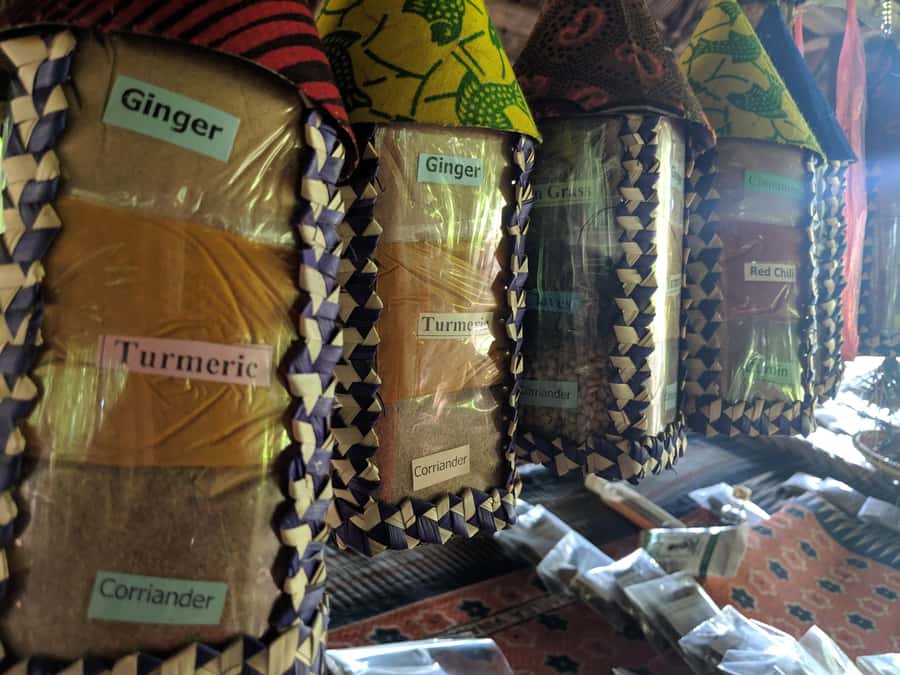
I would recommend it most strongly to people who want food and culture together. You do not need to be a serious cook. You only need enough curiosity to smell unfamiliar plants, taste fresh produce, and help with simple farm and kitchen tasks.
It is a good fit for:
- Couples looking for an easy cultural outing from Stone Town or a beach hotel
- Families who enjoy fruit tasting and hands-on activities
- Visitors interested in Swahili food and local farming
- First-time visitors who want an introduction to Zanzibar beyond the beach
- Small private groups that value a flexible guide
I would be more cautious if your main goal is a detailed professional cooking course. The lesson may include demonstrations and limited participation rather than full preparation of every dish. I would also skip it if you dislike informal outdoor conditions, cash-only shopping, or playful tourist add-ons.
Is the Zanzibar spice farm tour worth $65?
At $65 per person, the tour offers solid value when you use the included pickup, guide, lunch, and community contribution. You are paying for more than a farm walk: the package combines transportation, cultural explanation, fruit tasting, practical food preparation, and a meal.
The high rating of 4.8 from 77 reviews fits the strongest parts of the experience: friendly guides, clear explanations, excellent food, and the chance to smell spices directly from the plants. The guide can make a major difference, and the named guides connected with this outing are repeatedly praised for warmth, humor, and good information.
The drawbacks are limited but worth knowing. The schedule can feel tight, the cooking may not be as extensive as the description suggests, and the leaf crafts may feel staged. None of these cancels the main experience, but they help you book with the right expectations.
Should you book it?
Book this tour if you want to taste Zanzibar as well as see it. The fresh spices, jackfruit, coconut, cassava leaves, and Swahili lunch create a much more memorable morning than a simple plantation walk.
I would book it early in your Zanzibar stay if possible. The tour can introduce local food, farming, a few Swahili words, and the role of spices in island life before you spend more time exploring. Bring cash, arrive hungry, wear practical shoes, and treat the cooking lesson as hands-on cultural participation rather than a guaranteed full recipe class.
FAQ
Where does the tour meet in Stone Town?
The meeting point is in front of the Old Fort on Mizingani Road in Stone Town. The stated meeting time is 9:00 AM.
Can I be picked up from my beach hotel?
Yes. Pickup is available from beach hotels anywhere in Zanzibar, and pickup is optional.
How long does the spice farm tour last?
The experience lasts three hours.
What languages does the guide speak?
Live guiding is available in English and Swahili.
Is lunch included?
Yes. Lunch at the spice farm is included, and you have the opportunity to help prepare parts of a traditional meal.
Can I buy spices at the farm?
Yes. Spices are available for purchase at the farm shop, but purchases can only be made with cash.
Is the tour wheelchair accessible?
Yes, the activity is listed as wheelchair accessible.
Is the tour suitable for pregnant women?
No. Pregnant women are listed among those for whom the activity is not suitable.
More Workshops around Zanzibar
- Zanzibar: Spice Farm Tour with Traditional Cooking Class
★ 4.8 · 6 reviews - Zanzibar Cooking Class [Swahili food test ] and Spice farm Private tour
★ 4.5 · 6 reviews - Zanzibar: Spice Farm Tour with Cooking lesson
★ 4.5 · 4 reviews - Spice Farm Tour with Traditional Cooking Lesson
★ 5.0 · 3 reviews
Just added around Zanzibar
- Zanzibar: Spice farm tour with Zanzibar fruits tasting★ 3.8 · 7 reviews
- Zanzibar: Stone Town City Tour and Spice Farm with Lunch★ 3.7 · 33 reviews
- ZANZIBAR, Stone town tour, Prison Island & Spice farm★ 5.0 · 11 reviews
- Zanzibar: Walking Spice Farm with Local Cooking Class★ 4.4 · 9 reviews
- Zanzibar: Spice Farm Tour with Traditional Cooking Class★ 5.0 · 2 reviews
- Zanzibar: Spice Farm Tour with Traditional Cooking Class★ 4.8 · 6 reviews
- Zanzibar: Spice Farm Tour with Traditional Cooking Class★ 4.6 · 16 reviews
- Zanzibar: Spice Farm Tour with free testing fruit and Spice★ 5.0 · 2 reviews
Spice Farm Tours, farm by farm.
Full-Day Private Stone Town +Spice Farm and Prison Island Tour
Read our review →
Zanzibar full day Jozani forest + Spice farm and stone town
Read our review →
STONE TOWN, PRISON ISLAND AND SPICE FARM ( Lunch included )
Read our review →
Zanzibar Private Spice Farm and Stonetown Tour(Include Lunch)
Read our review →
Private Tour Zanzibar Unique Stone Town with spice Farm Plantations
Read our review →Other lists this farm sits on