
REVIEW · ZANZIBAR
Zanzibar: Spice farm tour with Zanzibar fruits tasting
Spices tell Zanzibar’s story. This three-hour walk from the People’s Palace Museum takes you into village farms where you can smell cloves, cinnamon, ginger, and lemongrass at their source. I like the small private-group format and the chance to taste fresh fruit instead of simply viewing plants from a vehicle. The main caution is meeting-point reliability, since one booking ended with a long wait for the guide.
I also like the flexible feel of the tour: you can start at an available time, and the price includes transport from the meeting point, entrance fees, a local guide, and fruit tasting. Still, $45 per person is not the cheapest farm visit, and repeated requests for tips have bothered some visitors. Ask what is included before you agree to any extra payment.
Key points to know before you book
- Three hours from central Zanzibar: Meet the guide in front of the People’s Palace Museum, then travel to a private spice farm and return to the same place.
- A real walking tour: Expect to move through village paths and cultivated plots rather than simply sit through a presentation.
- Cloves, cinnamon, ginger, and more: You learn how common spices are grown and used, with opportunities to smell and taste them.
- Fruit tasting is part of the price: Pineapple, bananas, oranges, and watermelon are among the tropical fruits offered.
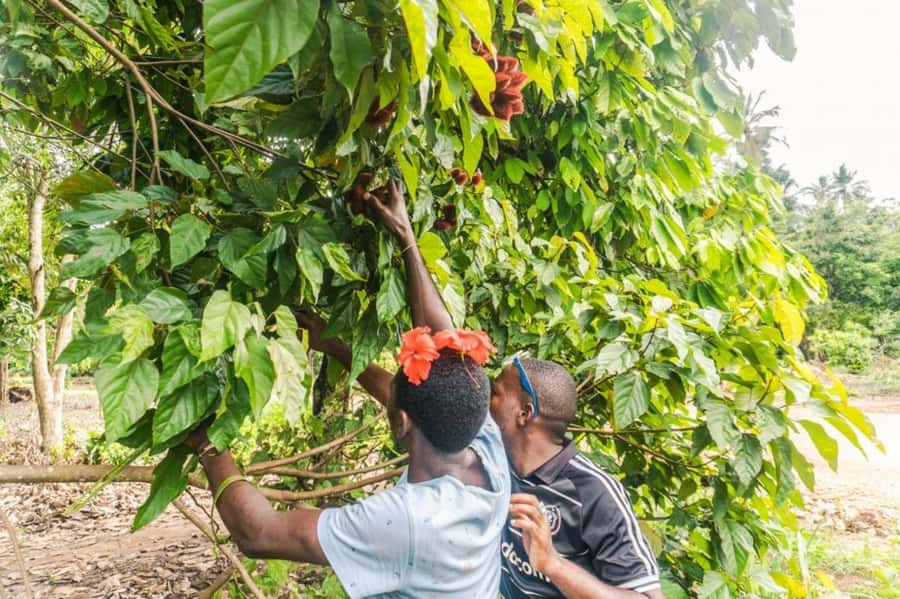
- Local climbing demonstrations: You may see people climb spice and coconut trees, one of the more memorable parts of the visit.
- Private groups with English or French guides: Ramadan is one guide name specifically praised for clear explanations.
Starting at the People’s Palace Museum
The tour begins in front of the People’s Palace Museum. This is your meeting point, not a hotel pickup location, so plan your route across Zanzibar City carefully. The guide should be waiting near the museum door, and you should keep your phone available in case you need to clarify the exact spot.
Transport from the meeting point to the farm and back is included. Hotel pickup and drop-off are not included in the $45 price, but they can be arranged for an additional charge. That distinction matters. If you are staying outside the city, the extra transfer may change the value of the tour.
One practical concern deserves attention: a booking once involved an hour-long wait at the meeting point. Most of the available feedback describes punctual, well-run service, but I would still confirm the start time and meeting place shortly before setting out. Arriving a little early is sensible, especially if you have other plans that afternoon.
The tour is offered as a private group. That usually gives you more room to ask questions than a large coach excursion, and it suits solo visitors particularly well because there is no stated minimum number of participants. A solo visitor can book a spice-farm outing without having to join it with a second attraction.
More Spice Farm Tours around Zanzibar:
- Zanzibar: Prison Island, Stone Town, & Spice Farm Tour
★ 4.5 · 579 reviews - Full-Day Private Stone Town +Spice Farm and Prison Island Tour
★ 4.5 · 216 reviews - Zanzibar: Stone Town & Spice Farm Tour with Lunch
★ 4.5 · 97 reviews
Walking through Zanzibar’s spice country
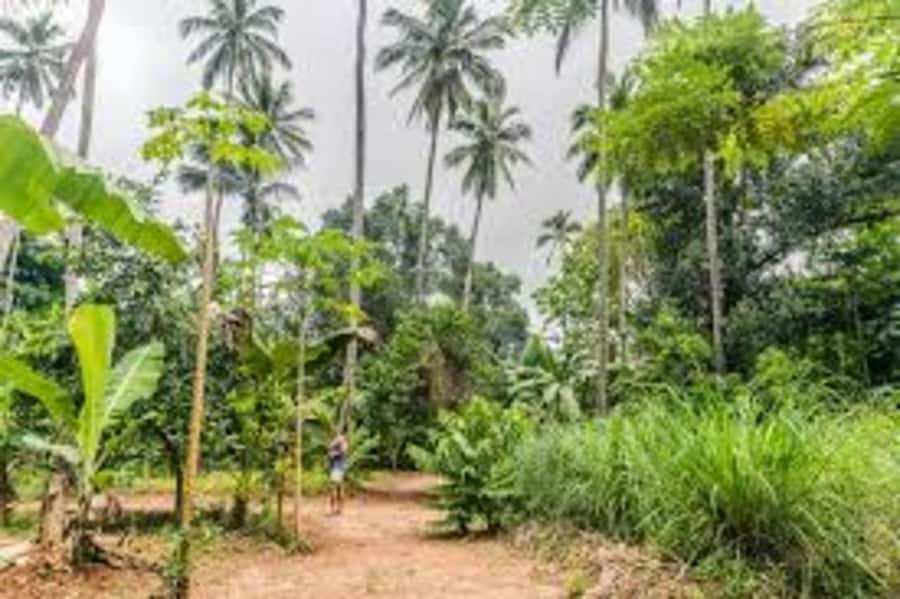
The farm visit lasts about two hours of the three-hour tour. You walk through cultivated areas and village surroundings while the guide introduces the plants one by one. This is not just a list of names. The useful part is hearing what each spice is used for and seeing the plant that produces it.
Cloves, cinnamon, ginger, and lemongrass are among the featured plants. You can smell and taste some of the spices, which helps turn familiar kitchen ingredients into something more tangible. Cinnamon is no longer just a powder in a jar, and ginger becomes more interesting when you connect its sharp scent and flavor with the plant growing nearby.
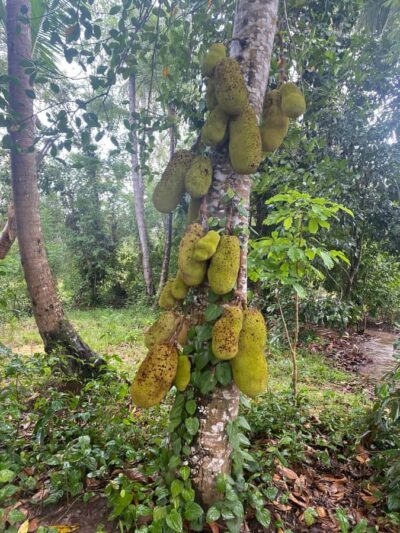
The farm also includes other trees and plants. Jackfruit, eucalyptus, and acacia have been pointed out during the walk, giving the visit a wider focus than spices alone. This is helpful if you enjoy botany or want a better sense of how village cultivation works. The guide can show you that the farm is not a single-purpose field filled with one crop.
I would not book this expecting a formal agricultural lesson with detailed production figures. The appeal is direct contact: walking, smelling, tasting, and asking questions as you go. The amount of explanation may depend on your guide. Ramadan, specifically, has been praised for speaking clearly and making the information easy to follow.
Wear shoes you can walk in and clothing suited to warm conditions. The tour is on foot, and the ground at a farm may not be as smooth as a city pavement. The supplied information does not promise shade, seating, or a particular level of physical difficulty, so keep your expectations simple and prepare for a warm outdoor walk.
Watching people climb spice and coconut trees

One of the tour’s livelier moments is seeing local people climb spice trees and coconut trees. This shows the work behind the plants in a way that a shop display cannot. You are not only hearing that coconuts or spices are part of local life, you are seeing the skill involved in reaching them.
The climbing demonstration is also a good reminder that the farm is a working place, not a museum set. The tour connects plants with people, village routines, and the practical task of collecting what grows above ground. For many people, this will be more memorable than simply hearing a description of a clove tree.
Palm-leaf decorations add a playful touch. During the visit, you may receive or wear accessories such as ties, rings, bracelets, and glasses made from palm leaves. They make for amusing photographs and give the walk a light, informal mood.
You should clarify the status of these decorations before paying extra for anything. One visitor expected the necklace and crown to be included as part of the tour and felt disappointed when they were not treated as a complimentary feature. The listed experience does describe palm-leaf accessories, but it does not give a clear price for every item or say that all possible decorations are free.
Fruit tasting at the farm

The fruit tasting is one of the strongest reasons to choose this outing over a basic spice shop visit. The selection can include pineapple, bananas, oranges, and watermelon. You get a chance to taste the produce in the same general setting where you have been looking at crops and trees.
This part is especially useful if you are traveling with someone who is less interested in plant names. Spices can be subtle, but fruit tasting gives the tour an immediate reward. A pineapple or orange also offers a welcome break during a warm walk.
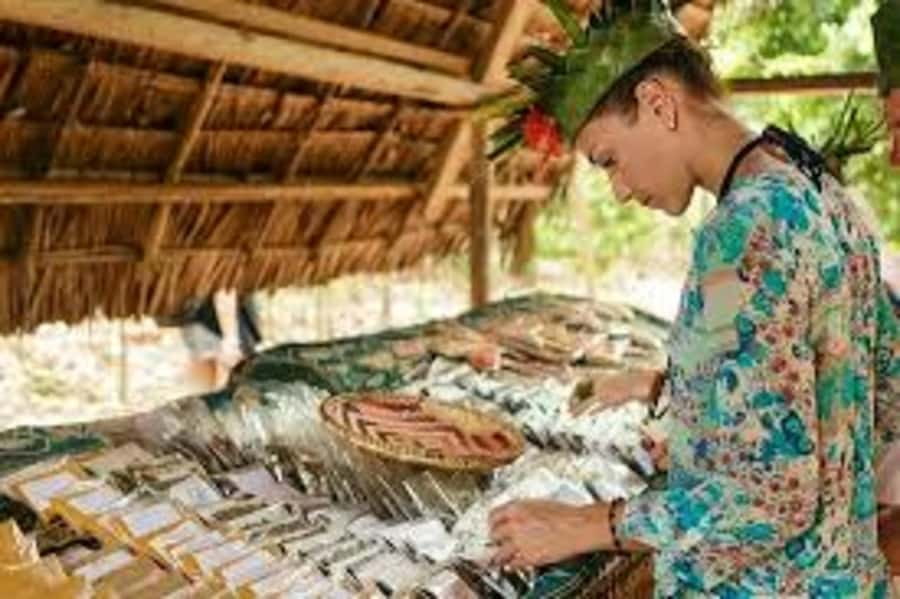
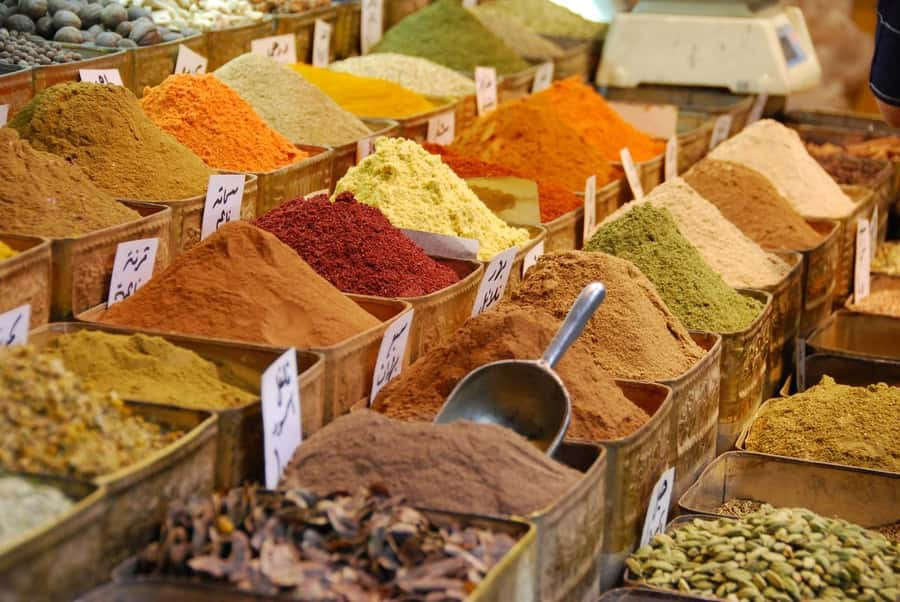
The tasting is included in the price, along with entrance fees and the guide. Fresh spices can also be bought at the farm. Buying directly at the source may appeal to you if you want a practical souvenir, but take a moment to compare what you are being offered with what you actually need. Small packets are easy to carry; large amounts of spices quickly become extra luggage.
The tour description does not guarantee every fruit on every date. It lists pineapple, bananas, oranges, and watermelon as examples, so treat the exact selection as seasonal or subject to availability. The key promise is the tasting itself, not a fixed menu.
More Food and Drink Tours around Zanzibar:
- Zanzibar Cooking Class [Swahili food test ] and Spice farm Private tour
★ 4.5 · 6 reviews - Spice farm walking tour with Zanzibar fruits tasting
★ 5.0 · 2 reviews - Sorrento Farm and Food Experience including Olive Oil, Limoncello, Wine tasting
★ 5.0 · 2,524 reviews - Lahaina: Maui Ku’ia Estate Guided Cacao Farm Tour and Tasting
★ 5.0 · 1,103 reviews
What the $45 price really covers
At $45 per person, this sits in the mid-range for a short private activity. The value is strongest if you want a focused spice-farm visit with no added activity. You are paying for a private group, a local guide, entrance fees, transport between the meeting point and farm, and fruit tasting.
That package can work well for a solo visitor. There is no stated minimum number of participants, and the flexible start time makes it easier to fit around a city visit. A private format also means you do not have to spend the afternoon waiting for a large group to gather or moving through several unrelated stops.
The value is less clear if you expect a full-day cultural tour, hotel transfers, a large meal, or extensive shopping. Those are not included. Hotel pickup and return cost extra, and the tour itself lasts only three hours. At this price, you are buying a concentrated farm visit, not an all-purpose Zanzibar excursion.
I would also set aside a small amount for a tip if you feel the guide has done a good job, but tipping should not feel like a running sales pitch. One complaint focused on repeated requests for tips despite the advertised price. You can decide what the service was worth to you at the end rather than feeling pressured during the walk.
Guide quality and language options

The tour is available with a live guide in English or French. That makes the choice of guide important because plant tours depend on clear explanations. A guide who simply names each spice will give you a thinner experience than one who explains its uses and answers questions.
Ramadan has been singled out for clear speaking and good communication. If you are able to request a guide, asking for Ramadan may be useful, although availability is not stated. Other comments praise the guide in general, along with a friendly driver who provided an extra ride to a new accommodation after the tour. That extra transfer should not be treated as part of the standard package, but it suggests that transport arrangements may sometimes be handled with flexibility.
Because the group is private, tell the guide what interests you. If you care about food, ask about uses for the spices. If you enjoy plants, ask about jackfruit, eucalyptus, acacia, and other trees. If you want photographs, say so before moving quickly through the farm.
Timing, comfort, and the shape of the afternoon
The full activity takes about three hours, with around two hours at the private farm. That leaves enough time to fit the visit into an afternoon without giving up an entire day. It works well for someone who has already seen Zanzibar City and wants a change from museums, streets, and shops.
The walking is the main physical feature. You will move through villages and farm areas, so this is not a seated tasting session. The supplied details do not specify wheelchair access, toilet facilities, shade, or the exact ground conditions. If any of those are important to you, ask the operator before booking.
The meeting and return point is the People’s Palace Museum. This makes planning easier if you are staying nearby or combining the farm visit with time in the city. It is less convenient if your hotel is far away, since hotel transfers cost extra.
The flexible starting time is useful, but availability changes by date. Check the available times before you build the rest of your day around the tour. If your schedule is tight, allow extra time for the transfer to the farm and for the return to the museum.
Who will enjoy this farm visit most?

I would recommend it to solo visitors, couples, and small private groups who want a straightforward introduction to Zanzibar’s spice-growing villages. It suits you if you like learning through your senses and prefer a local guide, a walk, and a few tastes over a polished show.
It is also a good match for people who have only an afternoon free. You get plants, village paths, climbing demonstrations, fruit, and the chance to buy spices without committing to a full-day outing.
Families may enjoy the fruit tasting, palm-leaf accessories, and tree climbing. Still, the activity is primarily a walking tour, and no special children’s program is described. If you are traveling with young children, confirm that the pace and farm conditions will work for them.
I would be more cautious if you dislike outdoor heat, walking on uneven ground, or shopping discussions. I would also choose another activity if your main goal is a detailed cooking class or a long cultural tour. Those are not promised here.
Should you book the Zanzibar spice farm tour?

Book it if you want a compact, private visit centered on Zanzibar’s plants and flavors. The strongest features are the clear focus, fruit tasting, included transport from the city meeting point, and the chance to see people working with spice and coconut trees. The tour is especially appealing for solo visitors because there is no stated minimum group size.
Before you pay, confirm the meeting time, ask about hotel transfer costs, and clarify which palm-leaf decorations are included. If you value good explanations, request Ramadan when possible. With those points settled, $45 is a fair price for a three-hour introduction to Zanzibar’s farms, provided you want a focused visit rather than a full-day package.
FAQ
Where does the tour begin?
You meet the guide in front of the door of the People’s Palace Museum.
How long does the tour last?
The complete tour lasts three hours. About two hours are spent at the private spice farm.
Is hotel pickup included?
No. Pickup and drop-off from your hotel are excluded, but they can be arranged for an additional charge.
What transport is included?
Transport from the People’s Palace Museum to the tour and back to the museum is included.
Which languages are available?
The tour has live guides who speak English or French.
What spices can I learn about?
The tour includes information about cloves, cinnamon, ginger, lemongrass, and other spices.
Which fruits can I taste?
The fruit tasting can include pineapple, bananas, oranges, and watermelon.
Is the tour private?
Yes. The activity is offered for a private group, and no minimum number of participants is stated.
Just added around Zanzibar
- Zanzibar: Stone Town City Tour and Spice Farm with Lunch★ 3.7 · 33 reviews
- ZANZIBAR, Stone town tour, Prison Island & Spice farm★ 5.0 · 11 reviews
- Zanzibar: Walking Spice Farm with Local Cooking Class★ 4.4 · 9 reviews
- Zanzibar: Spice Farm Tour with Traditional Cooking Class★ 5.0 · 2 reviews
- Zanzibar: Spice Farm Tour with Traditional Cooking Class★ 4.8 · 6 reviews
- Zanzibar: Spice Farm Tour with Traditional Cooking Class★ 4.6 · 16 reviews
- Zanzibar: Spice Farm Tour with free testing fruit and Spice★ 5.0 · 2 reviews
- Zanzibar: Spice Farm Tour with Lunch & Tropical Fruits★ 4.9 · 10 reviews
Spice Farm Tours, farm by farm.
Full-Day Private Stone Town +Spice Farm and Prison Island Tour
Read our review →
Zanzibar full day Jozani forest + Spice farm and stone town
Read our review →

STONE TOWN, PRISON ISLAND AND SPICE FARM ( Lunch included )
Read our review →
Zanzibar Private Spice Farm and Stonetown Tour(Include Lunch)
Read our review →
Other lists this farm sits on