
REVIEW · ZANZIBAR
Zanzibar: Spice Farm Tour with Lunch & Tropical Fruits
Spices grow here, not just in jars. This 2.5-hour visit to a small plantation near Dole village gives you a close look at cloves, cinnamon, vanilla, turmeric, nutmeg, and other plants that shape Zanzibar’s cooking and trade. I like the hands-on setting, where you can smell and taste plants rather than simply hear a list of names. I also like that the tour includes tropical fruit, drinking water, a traditional lunch, and a visit to the farm shop.
The main consideration is the meeting point. You must reach the entrance to Jambo Spice Farm in Dole village yourself, since the supplied details do not mention hotel pickup or transport. The tour is also offered in English, so you should be comfortable following plant names and explanations in that language.
Key Things to Know Before You Go
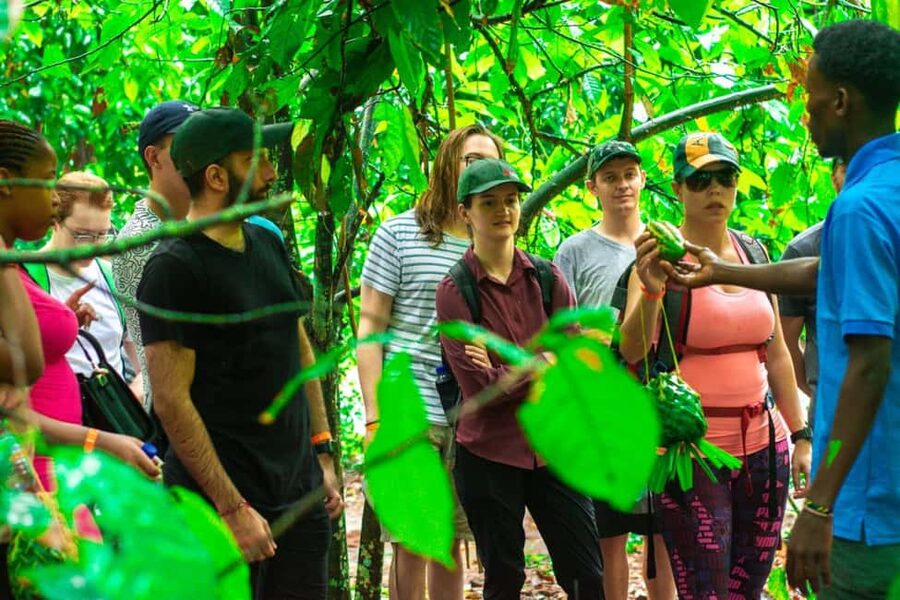
- Cloves and vanilla grow in the plantation: You see familiar kitchen spices as living plants, along with cinnamon, cardamom, pepper, ginger, nutmeg, turmeric, and curry.
- Fruit is part of the tour: Papaya, mango, jackfruit, tamarind, and other tropical produce add plenty of tasting to the walk.
- Traditional lunch is included: The $27 price covers food, fruit, water, entry, a guide, and government fees.
- Plant lore goes beyond cooking: You hear about neem leaves, the iodine tree, and traditional uses for several herbs.
- The visit ends at a spice shop: You can buy freshly harvested spices, soaps, and oils to take home.
- Expect a relaxed two-hour-plus outing: The planned duration is 2.5 hours, with one account describing a visit lasting a little over two hours.
Why Zanzibar Is Called the Spice Island
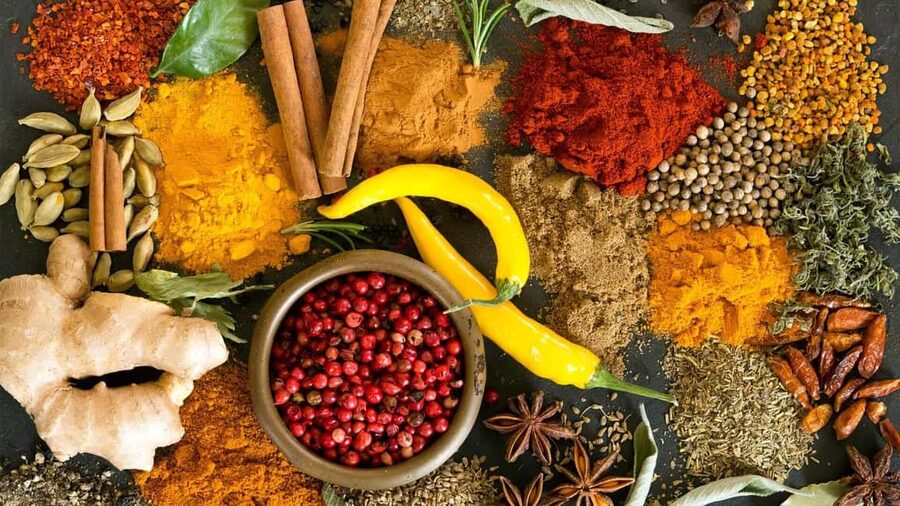
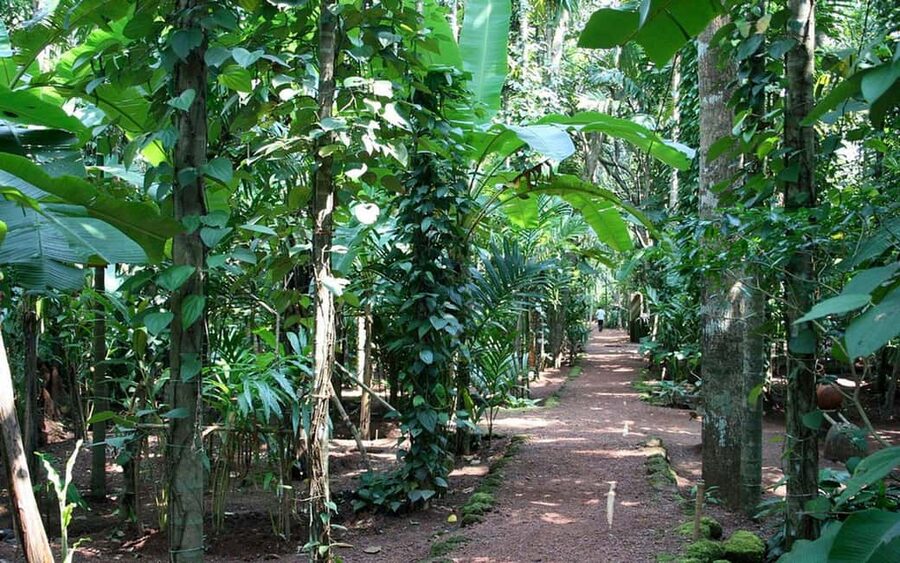
Zanzibar’s spice identity becomes easier to understand when you see the plants in the soil. At the plantation, cinnamon, cloves, vanilla, cardamom, pepper, nutmeg, turmeric, ginger, menthol, curry, and tamarind are presented as growing crops rather than anonymous powders.
That change in viewpoint is the real value of the tour. At home, you may reach for a jar of cinnamon or pepper without thinking about the plant behind it. Here, the guide connects the leaf, bark, seed, pod, or fruit with the ingredient used in cooking.
The tour also gives you a little cultural background. You learn about the origins and traditional uses of the plants, along with the ways Zanzibar’s spices are used in local food. I find this more useful than a purely botanical walk because it connects what you see with something you can understand and use.
The plantation is described as small, which is a plus if you prefer a personal setting to a large commercial attraction. It also means the experience is not a grand agricultural estate with endless paths. Think of it as a compact guided visit, packed with smells, tastes, and short explanations.
More Spice Farm Tours around Zanzibar:
- Zanzibar: Prison Island, Stone Town, & Spice Farm Tour
★ 4.5 · 579 reviews - Full-Day Private Stone Town +Spice Farm and Prison Island Tour
★ 4.5 · 216 reviews - Zanzibar: Stone Town & Spice Farm Tour with Lunch
★ 4.5 · 97 reviews
Following the 2.5-Hour Plantation Walk
The visit begins at the entrance to Jambo Spice Farm in Dole village, in Zanzibar’s Unguja South Region. You meet the English-speaking guide there, and the activity ends back at the same point.
The exact order of plants and stops can vary, but the heart of the visit is a guided walk through the plantation. You move from one plant to another, learning what it is, how it is used, and in some cases how it fits into traditional remedies.
Cloves are one of the most important plants to see. Zanzibar is strongly linked with clove production, so this is not just another item on a spice checklist. The guide helps place the crop within the wider story of why the island earned its famous nickname.
Cinnamon provides another useful lesson because the spice comes from tree bark, not from a seed or fruit. Vanilla, pepper, cardamom, nutmeg, turmeric, and ginger each give you a different example of how everyday flavorings come from very different parts of plants.
You may also see menthol, curry, tamarind, and coffee beans during the walk. One account described a particularly broad range of things to smell, taste, or eat, including lemongrass and even stink fruit. The exact selection can depend on what is growing at the time, but the variety is part of the fun.
Bring your curiosity rather than expecting a formal museum-style presentation. The appeal comes from being outside among trees and bushes, with the guide pointing out plants that could easily be missed if you walked through alone.
From Kitchen Spices to Traditional Remedies

The farm walk is not limited to cooking. The guide also explains traditional plant uses, including neem leaves, which are associated locally with treating malaria and indigestion, and the iodine tree, known for wound-healing use.
These points add cultural context, but you should treat them as traditional knowledge rather than medical advice. The tour is a chance to learn how plants have been used in local life, not a substitute for a doctor or proven treatment.
This is one of the strongest parts of the visit for anyone interested in daily life in Zanzibar. Food gives you one connection to the island, but medicinal plants show how people have also relied on their surroundings for household remedies and practical needs.
The guide’s role matters here. The English guide was praised for speaking very well, and one account noted that the guide knew many plant terms in German too. That could be useful if you are more comfortable with some German vocabulary, but English is the stated tour language.
Tropical Fruit, Tasting, and the Included Lunch
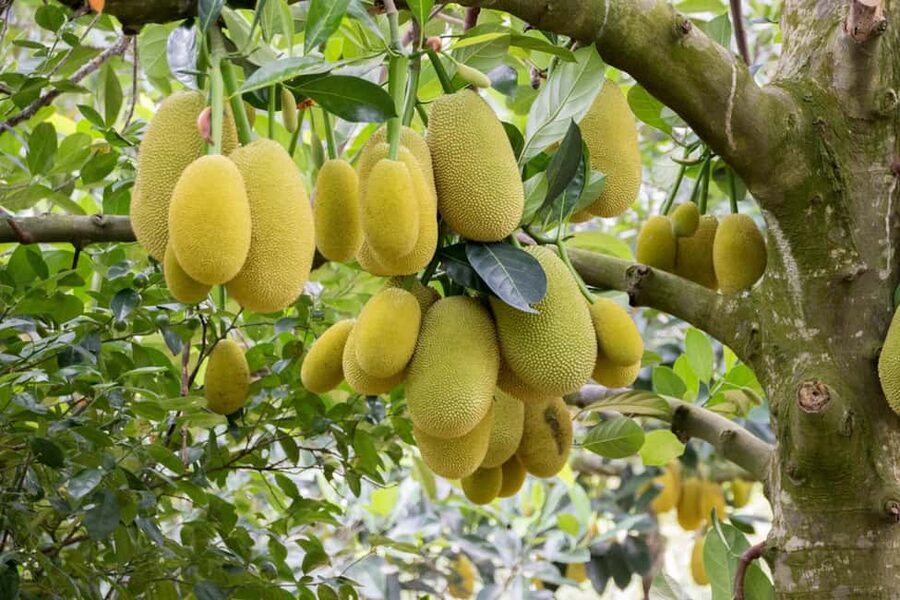
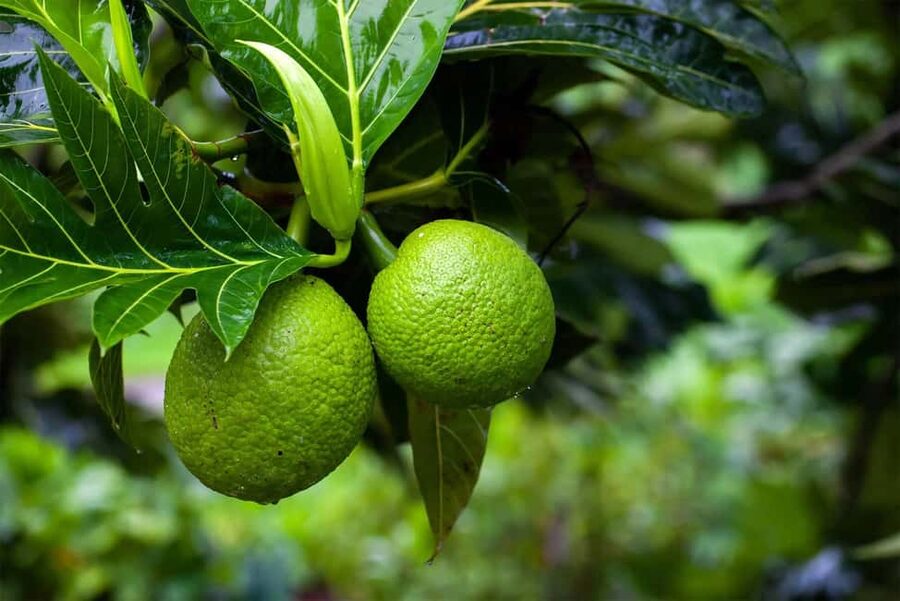
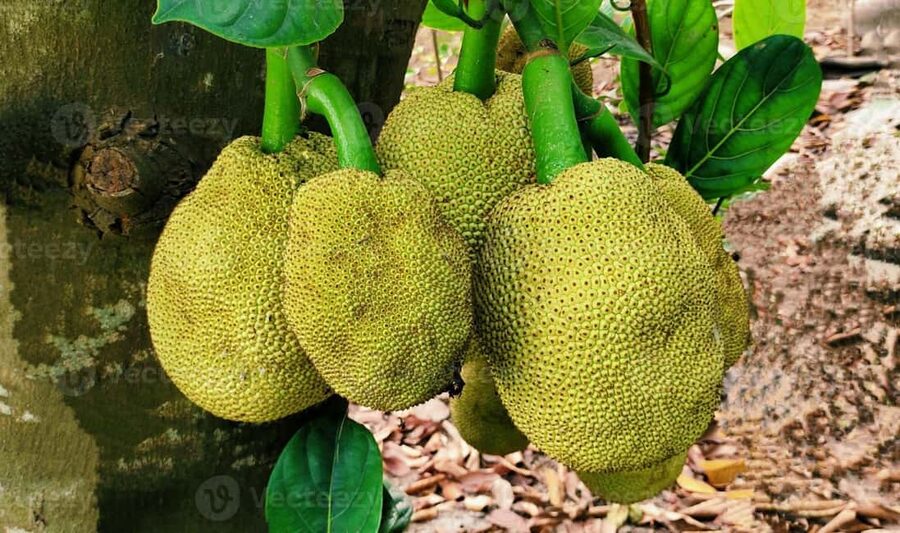
The tropical fruit portion keeps the tour from feeling like a long lesson in dried spices. Papayas, mangoes, and jackfruit are specifically included, and the experience can also feature tamarind and other produce available at the plantation.
Jackfruit is worth paying attention to if you have not tried it before. Its size, texture, and sweet flavor make it very different from the fruit most visitors know at home. Mango and papaya provide more familiar tastes, while other offerings may give you a chance to try something completely new.
The fruit is not simply decoration. Tasting helps you understand Zanzibar’s food culture in a direct way. Smelling a spice and sampling fruit gives you stronger memories than hearing a guide name twenty plants in a row.
A traditional lunch is included in the price, along with drinking water. The food was described as delicious, which makes the meal an important part of the value rather than a minor extra. The available details do not specify the exact menu, so you should not book expecting a particular dish.
Plan on the meal adding a welcome pause to the walking and tasting. Since the tour covers a lot of plant information in about 2.5 hours, lunch gives the experience a more relaxed rhythm.
More Lunch Experiences around Zanzibar:
- Zanzibar:Stone Town & Spice Farm Private Tour Lunch Included
★ 4.2 · 94 reviews - Zanzibar Private Spice Farm and Stonetown Tour(Include Lunch)
★ 5.0 · 53 reviews - STONE TOWN, PRISON ISLAND AND SPICE FARM ( Lunch included )
★ 5.0 · 53 reviews - Zanzibar: Stone Town City Tour and Spice Farm with Lunch
★ 3.7 · 33 reviews
A Friendly, Informal Feel
The strongest praise is aimed at the people. The guides and plantation staff were described as friendly, helpful, and welcoming, and the visit was said to feel comfortable from start to finish.
That matters on a small farm. A good guide can turn an ordinary plant into a story you remember, while a rushed or unclear explanation would make the same walk feel flat. Here, the human side appears to be a major reason the experience works.
There are also a few colorful touches. One account mentioned Mr. Butterfly, the coconut picker, as a memorable part of the visit. The name suggests the kind of informal character you might meet around the plantation, rather than a tightly scripted attraction.
You should allow for the possibility that the experience feels more local and relaxed than polished. That is part of its appeal, but it also means the visit may not have the precise structure of a large museum or professionally staged food show.
The Farm Shop: Spices, Soaps, and Oils
The tour ends with a visit to the plantation’s spice shop. You can buy freshly harvested spices to use at home, along with soaps and oils.
This is a useful final stop if you want a souvenir that has a real connection to the place. A small packet of Zanzibar spice is easier to carry than a carved object and more likely to become part of your everyday life.
Take a moment before buying. Smell the products, compare what is available, and choose items you will actually use. The shop is part of the experience, but buying is optional. You are not required to purchase anything to enjoy the farm.
You should also remember that prices and available products are not provided here. The tour cost does not appear to include shop purchases, so treat anything you buy as an extra expense.
Is the $27 Price Good Value?
At $27 per person, this is a strong value if you want several activities in one short outing. The fee includes the guide, plantation entrance, traditional lunch, tropical fruit, drinking water, and government fees.
That package is better than paying separately for a simple farm entrance and then arranging food afterward. You get a guided walk, tastings, a meal, and cultural explanations in one visit.
The value is especially good for first-time visitors to Zanzibar who want a gentle introduction to local food and agriculture. You are not paying only for a photo stop. You are paying for interpretation, the chance to taste produce, and access to a working-style plantation setting.
Still, keep your expectations in proportion. This is a small farm tour lasting around 2.5 hours, not a full-day tour of Zanzibar’s history or countryside. If you want extensive transport, several villages, or a large selection of structured activities, this experience alone will not meet that need.
Who Will Enjoy This Tour Most?
I would recommend this tour to food lovers, curious families, and anyone who wants a break from beaches and historic streets. It gives you something to do with your senses: smell bark and leaves, taste fruit, see spice plants, and eat lunch.
It also suits people who prefer a compact activity. A 2.5-hour schedule leaves room for another plan later in the day, though you should allow extra time if you need to reach Dole village or are arranging your own transport.
The tour may be less suitable if you dislike guided walks, tropical fruit tasting, or informal explanations. It is also not the best choice if you need a tour in a language other than English, since English is the stated language.
Families should find the tasting element engaging, especially if children enjoy identifying plants and trying unfamiliar fruit. The information provided does not specify age rules, so check before booking if you are traveling with very young children.
Practical Advice for Meeting and Booking
The start and end point are the entrance to Jambo Spice Farm in Dole village. The activity returns to the meeting point, so arrange your onward plans with that in mind.
No hotel pickup is listed. You should confirm how you will reach the farm before booking, especially if you are staying far from Unguja South Region. The meeting instruction asks you to arrive in front of the entrance, so do not assume the guide will collect you elsewhere.
The tour is offered with reserve now and pay later terms, and cancellation is allowed up to 24 hours in advance for a full refund. Those terms help if your Zanzibar plans are still moving around.
The overall rating is 4.9 from 10 reviews, with repeated praise for the guides, staff, vegetation, fruit, and lunch. The number of reviews is small, so I would treat the score as encouraging rather than conclusive. The praise is consistent enough, though, to make the people and the relaxed farm setting key reasons to consider it.
Should You Book the Jambo Spice Farm Tour?
Book it if you want an affordable, friendly introduction to Zanzibar’s spice culture, with lunch and fruit included. The combination of cloves, vanilla, cinnamon, traditional plant uses, tropical produce, and a farm shop gives you plenty for $27.
I would skip it only if you want a major full-day attraction, guaranteed hotel transport, or a detailed menu and fixed schedule. For everyone else, this is a practical way to see where familiar flavors come from and to leave with a few useful souvenirs instead of another forgettable trinket.
FAQ
Where does the Zanzibar spice farm tour start?
The tour starts in front of the entrance to Jambo Spice Farm in Dole village, Zanzibar.
Where does the activity end?
The activity ends back at the meeting point at Jambo Spice Farm.
How long does the tour last?
The planned duration is 2.5 hours. One account described the visit as lasting a little over two hours.
What language is the tour offered in?
The tour is offered in English.
What spices can I see on the plantation?
The plantation may include cloves, cinnamon, turmeric, nutmeg, vanilla, cardamom, curry, menthol, pepper, tamarind, and ginger.
What tropical fruits are included?
The experience includes tropical fruits such as papayas, mangoes, and jackfruit.
Is lunch included?
Yes. A traditional lunch, tropical fruits, drinking water, the guide, entrance fees, and government fees are included.
Can I buy spices after the tour?
Yes. The tour includes a visit to the plantation spice shop, where you can buy freshly harvested spices. Soaps and oils may also be available.
Can I cancel for a full refund?
Yes. You can cancel up to 24 hours in advance for a full refund.
Just added around Zanzibar
- Zanzibar: Spice farm tour with Zanzibar fruits tasting★ 3.8 · 7 reviews
- Zanzibar: Stone Town City Tour and Spice Farm with Lunch★ 3.7 · 33 reviews
- ZANZIBAR, Stone town tour, Prison Island & Spice farm★ 5.0 · 11 reviews
- Zanzibar: Walking Spice Farm with Local Cooking Class★ 4.4 · 9 reviews
- Zanzibar: Spice Farm Tour with Traditional Cooking Class★ 5.0 · 2 reviews
- Zanzibar: Spice Farm Tour with Traditional Cooking Class★ 4.8 · 6 reviews
- Zanzibar: Spice Farm Tour with Traditional Cooking Class★ 4.6 · 16 reviews
- Zanzibar: Spice Farm Tour with free testing fruit and Spice★ 5.0 · 2 reviews
Spice Farm Tours, farm by farm.
Full-Day Private Stone Town +Spice Farm and Prison Island Tour
Read our review →
Zanzibar full day Jozani forest + Spice farm and stone town
Read our review →

STONE TOWN, PRISON ISLAND AND SPICE FARM ( Lunch included )
Read our review →
Zanzibar Private Spice Farm and Stonetown Tour(Include Lunch)
Read our review →
Other lists this farm sits on