

REVIEW · ZANZIBAR
Zanzibar: Stone Town & Spice Farm Tour with Lunch
Spices tell Zanzibar’s story. This five-hour private tour pairs the island’s Arab, Persian, Indian, and European heritage with a hands-on visit to an organic spice farm. I especially like the chance to smell and taste spices straight from living plants, and the tour’s mix of Stone Town sights, market life, fresh fruit, and farm cooking.
The traditional farm lunch adds real value to the $73 price, particularly since entrance fees, water, a guide, and transport are included when you select pickup. The main caution is pace: Stone Town and the farm are both packed into one half-day, so the town portion may feel brisk, and some visitors have found the English explanations easier to follow than others.
Key things to know before booking
- The spice farm is the strongest part: Expect vanilla, cardamom, nutmeg, cinnamon, black pepper, cloves, and other plants to be explained, touched, smelled, and tasted.
- Stone Town covers major sights: The route includes the Old Slave Market site, Anglican Church, City Market, fish auction, Palace Museum, House of Wonder, Old Fort, Tippu Tip, Freddie Mercury’s House, Peace Memorial, and Natural History Museum.
- Lunch is part of the experience: You can see local ingredients, help with simple food preparation, and eat a meal at the farm.
- Fresh coconut is a highlight: A climber picks young coconuts from the tree for you to try.
- Bring cash: The farm shop accepts cash only, and several guides or staff may be involved during the day, making small tips useful.
- The meeting point is simple: Meet at 9 AM in front of the Old Fort on Mizingani Road, unless you choose hotel pickup.
Why this combination works in Zanzibar
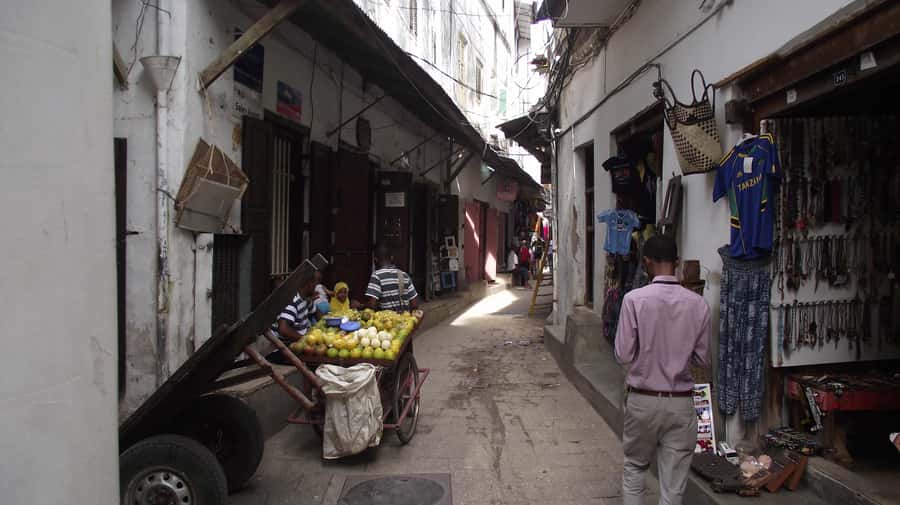
Stone Town and the spice farms show two different sides of Unguja. In the old city, you see Zanzibar as a trading port shaped by many cultures. At the farm, you connect the island’s famous spices with soil, trees, leaves, seeds, cooking, and medicine.
That contrast gives the tour a clear purpose. You are not simply looking at old buildings, then riding to a farm for a tasting. You are seeing how Zanzibar’s past trade and present food culture fit together.
The tour costs $73 per person and lasts about five hours. That is fair value if you want a guide, several entrance fees, lunch, and transport arranged in one outing. It is less appealing if you prefer to explore Stone Town slowly on your own or spend most of the day at the farm.
The private format should also appeal to you if you want a more personal pace. Still, the exact setup can involve a driver and separate guides for the farm and city. Ahmed, one driver praised for being punctual, friendly, and helpful, handled transfers for one party, while Beka led the farm visit and Juma guided the Stone Town walk on other departures.
More Spice Farm Tours around Zanzibar:
- Zanzibar: Prison Island, Stone Town, & Spice Farm Tour
★ 4.5 · 579 reviews - Full-Day Private Stone Town +Spice Farm and Prison Island Tour
★ 4.5 · 216 reviews - Zanzibar:Stone Town & Spice Farm Private Tour Lunch Included
★ 4.2 · 94 reviews
Starting in Stone Town at the Old Slave Market
The usual meeting point is in front of the Old Fort at 9 AM. If you choose hotel pickup, confirm that option when booking. Without pickup, you will need to reach Mizingani Road yourself.
The walking portion begins at the former slave market site and the Anglican Church. This is a serious and important stop, not a decorative introduction to the town. It gives you a way to understand the human cost behind Zanzibar’s role in Indian Ocean trade.
The Anglican Church occupies the former market area, and the tour uses the site to explain that history before moving into the narrow streets. I appreciate this order. You begin with context, then see the city’s architecture and daily life with a better sense of what shaped it.
Wear comfortable shoes. Stone Town’s lanes are narrow, and the walking route moves through busy areas rather than broad, quiet streets. Sunscreen and drinking water are also sensible, especially since Zanzibar’s heat can make a five-hour outing feel longer.
City Market and the fish auction

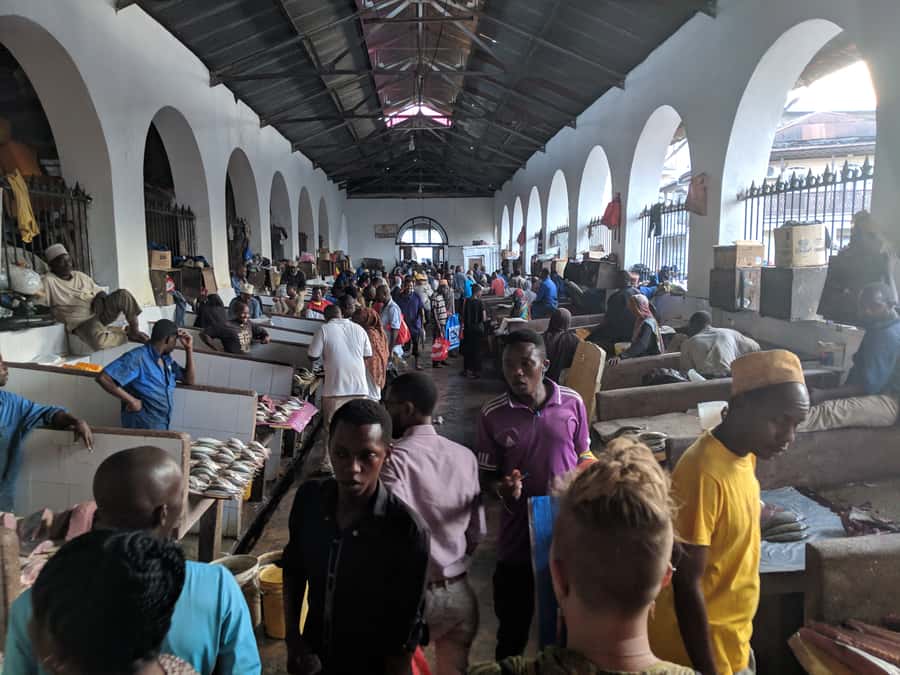
The City Market is one of the most useful stops for seeing Stone Town as a working city. Fresh produce and fruit are bought and sold here, and the route lets you watch local shoppers and traders handling ordinary daily business.
The fish auction adds another layer. It is lively, direct, and not polished for sightseeing. You may find the smells and close activity stronger than expected, but that is part of its value. This is a place where the city’s food supply is visible rather than hidden behind restaurants and hotel kitchens.
I would keep your camera ready, but remain respectful. The tour is about watching how the market works, not treating people as scenery. The guide can help explain what you are seeing, particularly if the auction is active during your visit.
Palace Museum, House of Wonder, and the Old Fort
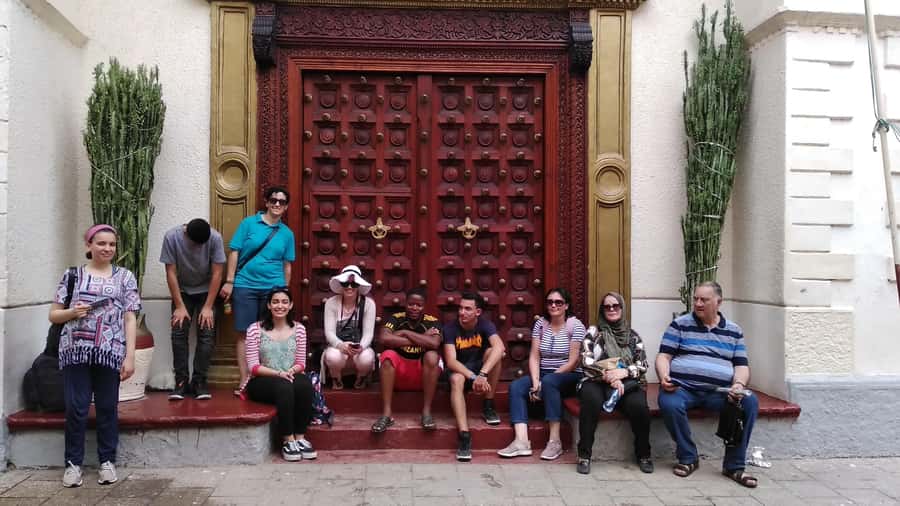
After the market, the tour moves to several major buildings. The Palace Museum helps explain Zanzibar’s royal past, while the House of Wonder, also called Bait-al-ajab, is known as the largest and tallest building in Stone Town.
The House of Wonder is an easy landmark to recognize and an important part of the city’s identity. Depending on access and timing, the tour may focus more on seeing the building and explaining its place in town than on spending a long period inside each attraction. That is worth remembering: five hours does not allow a museum-style visit at every stop.
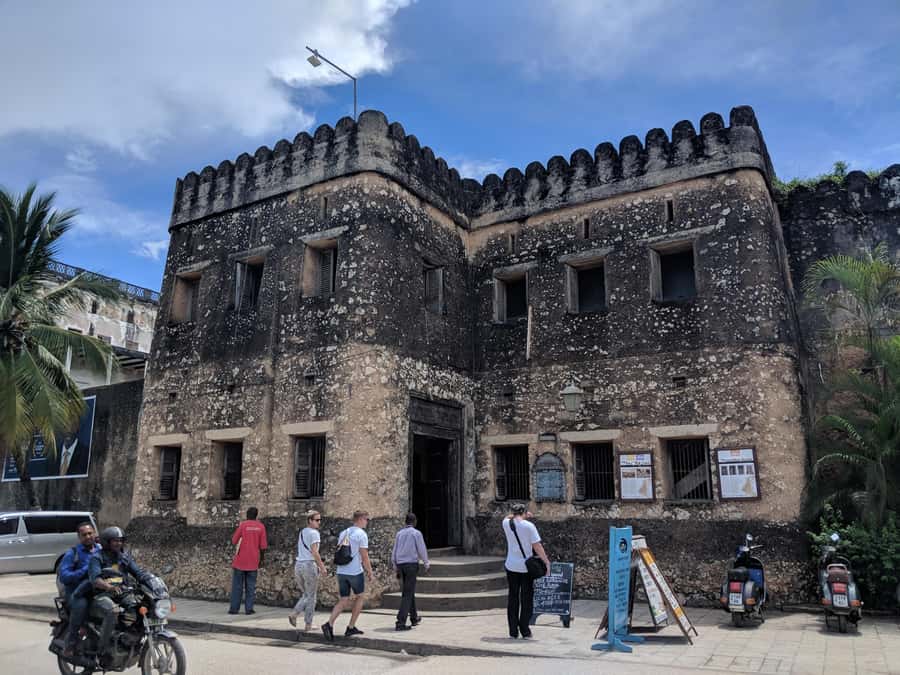
The Old Fort makes a natural anchor for the route. It is also the meeting point, so you may recognize it at the beginning and return to the area during the walk. The fort, Palace Museum, and House of Wonder show how much history is concentrated within a fairly small part of Stone Town.
The tour also points out Tippu Tip and Freddie Mercury’s House. These stops widen the story beyond grand buildings. Tippu Tip connects to Zanzibar’s trading past, while Freddie Mercury’s House links the old city to a famous modern figure born in Zanzibar.
More Lunch Experiences around Zanzibar:
- Zanzibar Private Spice Farm and Stonetown Tour(Include Lunch)
★ 5.0 · 53 reviews - STONE TOWN, PRISON ISLAND AND SPICE FARM ( Lunch included )
★ 5.0 · 53 reviews - Zanzibar: Stone Town City Tour and Spice Farm with Lunch
★ 3.7 · 33 reviews - Zanzibar: Jozani forest tour & Spice farm tour with lunch
★ 4.5 · 31 reviews
Peace Memorial and the final Stone Town sights
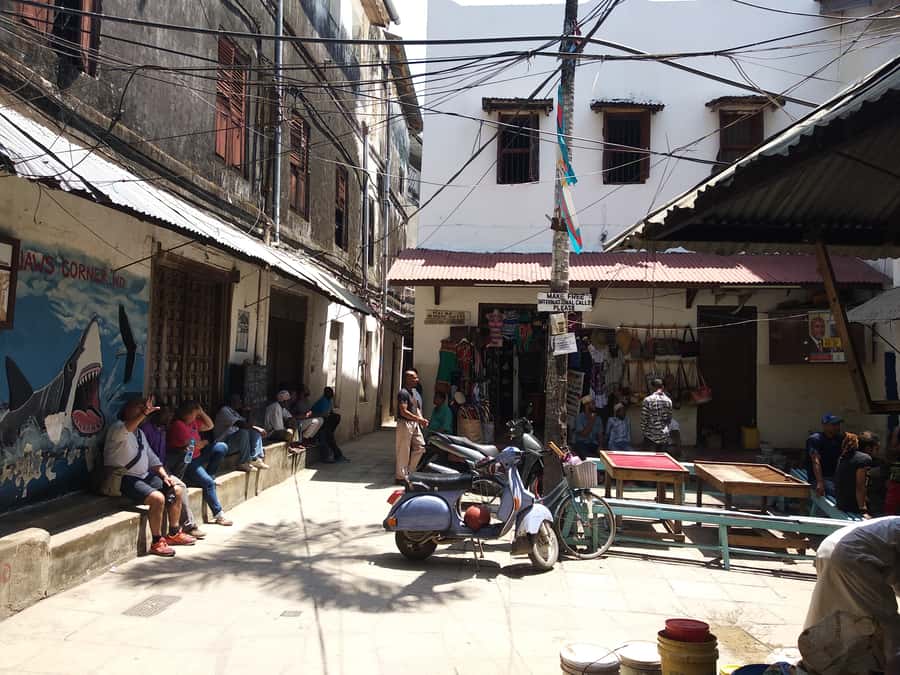
The Peace Memorial and Natural History Museum are included among the other city attractions. They add variety to the walk, though you should not expect an in-depth museum visit at every location.
This part of the tour works best if you want an introduction to the city rather than a specialist architectural or historical walk. A strong guide can make the difference. Juma was praised for a relaxed, clear, and engaging approach, while Ahmed was described as particularly well informed about Zanzibar’s past.
English is the listed tour language. One departure had a city guide whose English made questions difficult, so communication may vary between guides. If a detail matters to you, ask your guide to slow down or repeat it. That simple step can make the history much easier to follow.
From city streets to the Spice Islands
The farm visit explains why Zanzibar and Tanzania’s Mafia Island are often called the Spice Islands. Cloves, nutmeg, cinnamon, and black pepper are central examples, but the tour introduces many more plants.
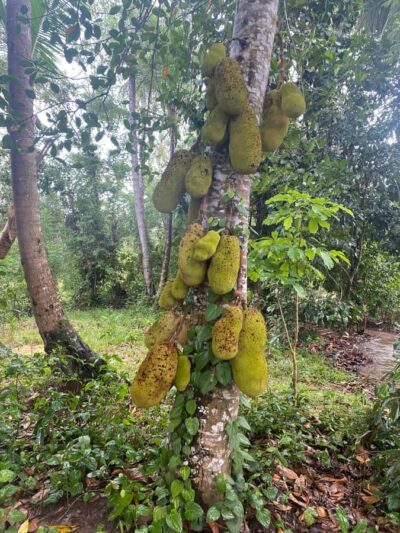
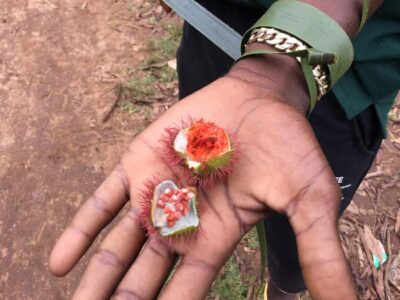
This is not just a shop visit with jars on shelves. You see spices growing and learn how they are used in food and traditional medicine. You can touch, smell, and taste parts of the plants, seeds, and fruits. For many people, this is the most memorable part because familiar kitchen ingredients become real plants with leaves, pods, bark, flowers, or seeds.
Vanilla, cardamom, and nutmeg are among the examples mentioned during the visit. The guide explains how the plants are grown and how the finished spices are used. You might already know the smell of cinnamon or black pepper from a kitchen cupboard, but seeing the source gives those everyday ingredients a new meaning.
The farm guide is an important part of the experience. Beka was praised for spending two to three hours explaining the plants and growing process. That amount of time suggests the farm section can be generous, although the balance between farm and city may differ by departure.
Tasting fruit and learning simple farm cooking

The farm is active rather than purely observational. You may join a cassava leaf harvest, help make coconut milk, and try some cooking. These activities are simple, but they show how local ingredients move from plant to meal.
The fresh fruit tasting is another strong point. You can try fruit directly from the source, along with spices and other farm products. The exact fruit selection may change, so think of this as a chance to taste what is available rather than a fixed tasting menu.
Then comes one of the tour’s best small moments: a climber goes up a coconut tree and picks young coconuts for you. You get to drink coconut water from fruit harvested moments earlier. It is a clear, memorable example of the distance between a farm and a supermarket.
The cooking element also makes lunch feel earned. Instead of simply sitting down to an anonymous meal, you have seen some of the ingredients and taken part in parts of the preparation. The meal has been described as generous and surprisingly good, with local food served at the farm.
Lunch and the spice shop
Lunch is included, so you do not need to budget separately for the main meal. It is served at the spice farm and fits naturally into the visit.
I see this as one of the better reasons to choose the combined tour. A separate Stone Town walk and a separate farm visit could take more planning, while this outing gives you food, transport, guiding, and entrance fees in one package.
After lunch, you can browse the farm shop. This is where cash matters. The shop accepts cash only, and you may also want small notes for tips. One day can involve a driver, a farm guide, a city guide, and other staff who help with the farm activities. Tipping is not presented as a fixed fee, but carrying cash gives you the choice.
Do not feel obliged to buy spices. The shop is convenient, but the experience is still worthwhile if you leave without a purchase. If you do buy something, ask about how the spice is used and how to store it before packing it away.
Timing, comfort, and practical drawbacks
Five hours is enough for a useful introduction, but not enough for a slow, exhaustive visit to every listed sight. You may spend roughly two to three hours at the farm on some departures, leaving less time for Stone Town. Other departures may divide the time differently.
That matters if your priorities are specific. Choose this tour if you want a broad taste of both places. If your main interest is Stone Town’s buildings, a dedicated city walk may give you more time for museums and side streets. If the farm is your priority, this tour already gives it strong attention.
Large bags and luggage are not allowed. Bring comfortable shoes, sunscreen, water, and cash. The tour is listed as wheelchair accessible in one section, but the information also says it is not suitable for wheelchair users. I would clarify access directly before booking rather than relying on the general label.
The tour has free cancellation up to 24 hours before departure, and you can reserve now and pay later. Those terms help if your Zanzibar plans may shift, but you should still check the available starting time when choosing your date.
Who will get the most from this tour?
I would recommend it to first-time visitors who want a quick but meaningful introduction to Zanzibar. Families and couples may like the variety, since the day moves from history to markets, plants, fruit, cooking, and lunch.
It also suits people who learn best by using their senses. Smelling fresh cardamom, tasting fruit, handling spices, and drinking a young coconut can make the farm easier to remember than a standard guided explanation.
The tour may not suit you if you dislike busy markets, strong food smells, uneven walking, or a full schedule. It is also not the best choice for someone who wants hours of independent exploration in Stone Town.
Should you book the Stone Town and Spice Farm Tour?
I would book this tour if you want both Zanzibar’s history and its food culture in one well-organized half-day. The spice farm earns the strongest praise for good reason: it is hands-on, personal, and supported by a substantial lunch. The city section then gives you the main landmarks and a useful introduction to Stone Town’s past.
At $73, the value is solid when hotel pickup is selected and you make use of the included lunch, entrance fees, water, and guides. Before booking, confirm the pickup choice, ask about accessibility, and carry enough cash for the shop and tips.
Choose it for variety and convenience. Skip it only if you already know Stone Town well, want to explore at your own pace, or would rather give one subject an entire day.
FAQ
Where does the tour begin?
The meeting point is in front of the Old Fort on Mizingani Road in Stone Town at 9 AM. Hotel pickup is available when that option is selected.
How long does the tour last?
The experience lasts five hours. You should check the available starting time for your chosen date.
What language is the tour conducted in?
The listed tour language is English.
Is lunch included?
Yes. Lunch at the spice farm is included in the tour price.
Can I buy spices during the tour?
Yes. The spice farm has a shop, but it accepts cash only.
What should I bring?
Bring comfortable shoes, sunscreen, drinking water if you want extra, and cash. Large bags and luggage are not allowed.
Is the tour suitable for wheelchair users?
The activity information gives conflicting details, listing wheelchair accessibility but also saying it is not suitable for wheelchair users. Contact the provider before booking to confirm whether the route meets your needs.
Just added around Zanzibar
- Zanzibar: Spice farm tour with Zanzibar fruits tasting★ 3.8 · 7 reviews
- Zanzibar: Stone Town City Tour and Spice Farm with Lunch★ 3.7 · 33 reviews
- ZANZIBAR, Stone town tour, Prison Island & Spice farm★ 5.0 · 11 reviews
- Zanzibar: Walking Spice Farm with Local Cooking Class★ 4.4 · 9 reviews
- Zanzibar: Spice Farm Tour with Traditional Cooking Class★ 5.0 · 2 reviews
- Zanzibar: Spice Farm Tour with Traditional Cooking Class★ 4.8 · 6 reviews
- Zanzibar: Spice Farm Tour with Traditional Cooking Class★ 4.6 · 16 reviews
- Zanzibar: Spice Farm Tour with free testing fruit and Spice★ 5.0 · 2 reviews
Spice Farm Tours, farm by farm.
Full-Day Private Stone Town +Spice Farm and Prison Island Tour
Read our review →Stone Town & Spice Farm Private Tour Lunch Included
Read our review →
Zanzibar full day Jozani forest + Spice farm and stone town
Read our review →

STONE TOWN, PRISON ISLAND AND SPICE FARM ( Lunch included )
Read our review →
Zanzibar Private Spice Farm and Stonetown Tour(Include Lunch)
Read our review →
Other lists this farm sits on