
REVIEW · ZANZIBAR
Zanzibar: Spice Farm Tour and Cooking Class with Lunch
Spices tell Zanzibar’s story through scent, taste, and touch. This five-hour outing takes you from your hotel to Jambo Spice Farm Dole, where you walk through plantations, handle fresh ingredients, and help prepare a three-course Swahili meal with a local chef. I like the combination of farm walking and cooking, and I also like the chance to taste fruit straight from the source rather than simply buying packaged spices in Stone Town.
The strongest part is the sensory lesson: cloves, cinnamon, ginger, lemongrass, and other plants become much easier to remember when you can smell and touch them. The meal is another highlight, especially the pilau rice, curry, and side dishes prepared over an open fire. My main caution is that the cooking may feel more like helping local cooks than taking a formal lesson, and pickup communication has not always been reliable.
At $63 per person, the price is fair if your rate includes dependable hotel transport, a private group, lunch, the farm tour, fruit, and the cooking activity. Bring cash, though. Several people were asked for tips during different parts of the day, and that can affect how relaxed the outing feels.
Key points to know before you book
- You taste spices from living plants: Cloves, cinnamon, ginger, lemongrass, and other ingredients are introduced in the plantation rather than only shown in jars.
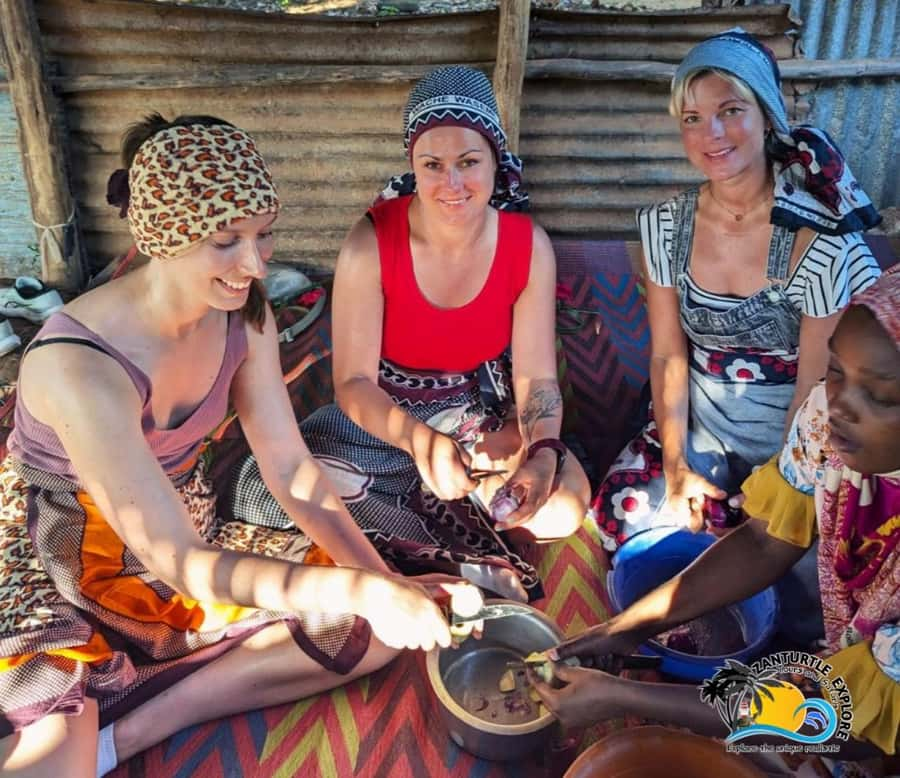
- The cooking is cooperative, not formal: You may chop vegetables, stir pots, and work alongside the chef more than receive a structured cooking lesson.
- Fresh fruit is a real highlight: Pineapple, bananas, oranges, watermelon, red bananas, and small mangoes may be part of the tasting.
- The farm visit includes local skills: You can see people climb spice and coconut trees, collect bark, and search for particular plants.
- Hotel pickup covers several Zanzibar areas: Collection and return are offered in Stone Town, Mjini Magharibi, Unguja North, and Unguja South.
- Allow extra patience at pickup: One confirmed booking involved a 90-minute delay, while other pickups went smoothly.
From hotel pickup to Jambo Spice Farm Dole
The day begins with pickup at your hotel lobby or reception area. The operator asks for your hotel name and room number, and the stated pickup area covers much of the island, including Stone Town, the Mjini Magharibi Region, Unguja North, and Unguja South.
The ride to the farm is scheduled to take about one hour. That transfer matters because Zanzibar’s spice farms are in the central part of Unguja, not in the middle of Stone Town or along the beach resort strip. If you are staying in the south, the drive gives you a convenient way to reach the countryside without arranging separate transport.
I would confirm the pickup time and location with the provider before the day begins. Most of the feedback about transport is positive, but there was a serious problem for at least one couple when a driver collected other people from the same hotel and left them waiting for more than an hour. Another person reported a 90-minute delay, which shortened the farm visit. On the other hand, pickup worked smoothly for others, and the return driver delivered people to the correct location.
That mixed record is the main practical weakness of the outing. If you have an evening flight, a separate tour, or a fixed dinner reservation, leave plenty of space after the planned return.
More Spice Farm Tours around Zanzibar:
- Zanzibar: Prison Island, Stone Town, & Spice Farm Tour
★ 4.5 · 579 reviews - Full-Day Private Stone Town +Spice Farm and Prison Island Tour
★ 4.5 · 216 reviews - Zanzibar: Stone Town & Spice Farm Tour with Lunch
★ 4.5 · 97 reviews
A walking lesson among Zanzibar’s spice plants
At Jambo Spice Farm Dole, the first major activity is a guided walk through the village and plantation. This is not just a stroll past rows of crops. The point is to connect familiar kitchen spices with the plants that produce them.
You may see and handle cloves, cinnamon, ginger, and lemongrass. The guide explains traditional uses while you smell leaves, touch bark, and taste selected ingredients. That method works well because many spices look less impressive than they smell. Cinnamon bark, for example, makes more sense when you can see the plant material rather than only buy ground cinnamon in a packet.
The walk also introduces the work behind the ingredients. Farm laborers may climb trees, search for particular plants, and cut sections of bark. You can also see people climb spice trees and coconut trees. These moments add useful context to a subject that is often reduced to souvenir shopping.
Guide Mateo received particularly strong praise for making the walk playful and involving. His approach included asking people to guess spices from leaves and trees, turning the tour into a simple smell-and-touch quiz. That kind of activity suits families and curious adults who prefer participation to a long lecture.
The walking section is scheduled for about two hours, though the day’s exact rhythm can change with pickup delays. Wear comfortable shoes, use sunscreen, and bring a hat. The farm is an outdoor setting, and you will want your hands free for smelling plants, tasting fruit, and taking photographs.
Tropical fruit tasting with more than pineapples
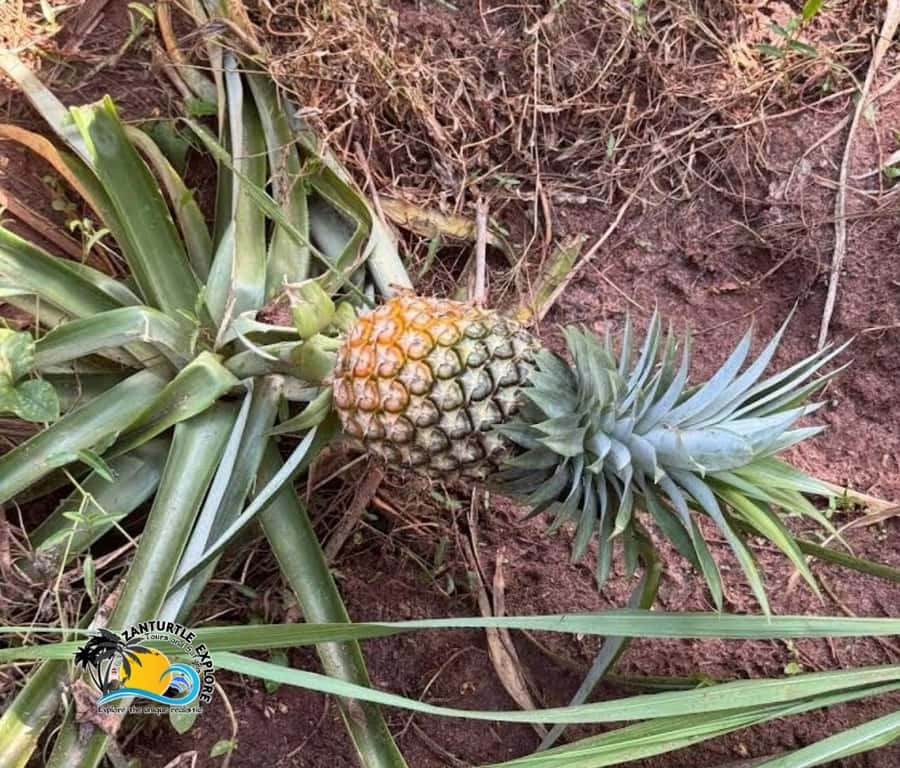
Fruit tasting forms an important part of the visit. You may try pineapple, bananas, oranges, and watermelon, along with less familiar varieties such as red bananas and small mangoes.
This is one of the simplest pleasures of the day. The fruit helps break up the spice explanations, and it gives you a better sense of how local ingredients are eaten beyond the dishes prepared in the cooking area. I would not book this solely as a fruit tour, but it is a welcome part of the farm visit.
The presentation may include palm-leaf accessories made on the spot. You might receive a leaf tie, ring, armband, glasses, or a small crown. The people making these items are sometimes called the Butterfly men. This is a lighthearted photo opportunity, though it also connects to one of the outing’s recurring issues: several people may ask for tips during the day.
Bring some cash if you are comfortable giving small tips. At the same time, know that repeated requests can make the activity feel less spontaneous. The cost of personal purchases and tips is not included in the $63 price.
Cooking pilau, curry, and Swahili side dishes
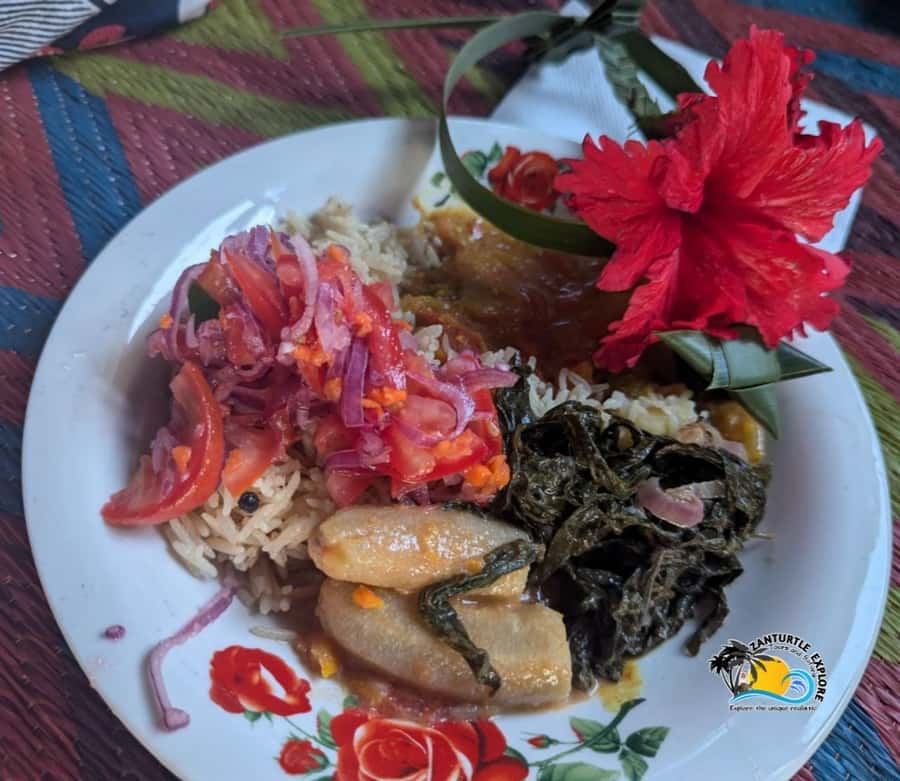
After the plantation walk, you return to the cooking area for about an hour and a half of food preparation, lunch, and free time. The chef provides the ingredients and equipment, so you do not need to bring anything for the meal.
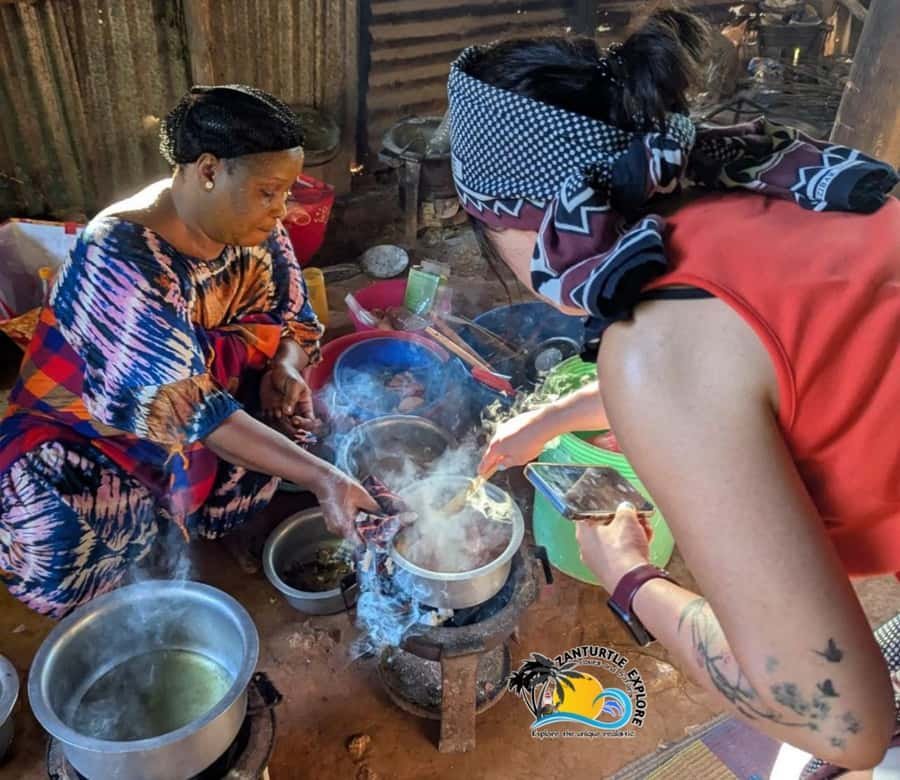
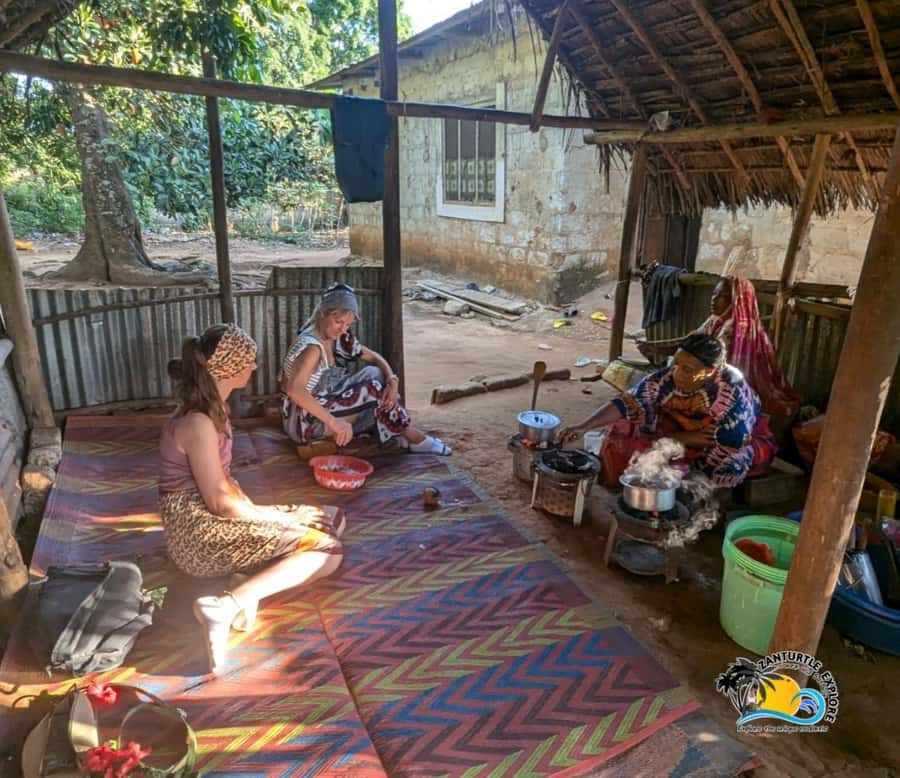
The menu described by past participants includes Tanzanian pilau rice, curry, and side dishes, followed by dessert. The meal is prepared with local cooks, often over an open fire and outdoors. That setting is a major part of the appeal. You are not simply seated at a restaurant while someone else prepares a plate. You help with the process, talk with the people around you, and then eat what you worked on.
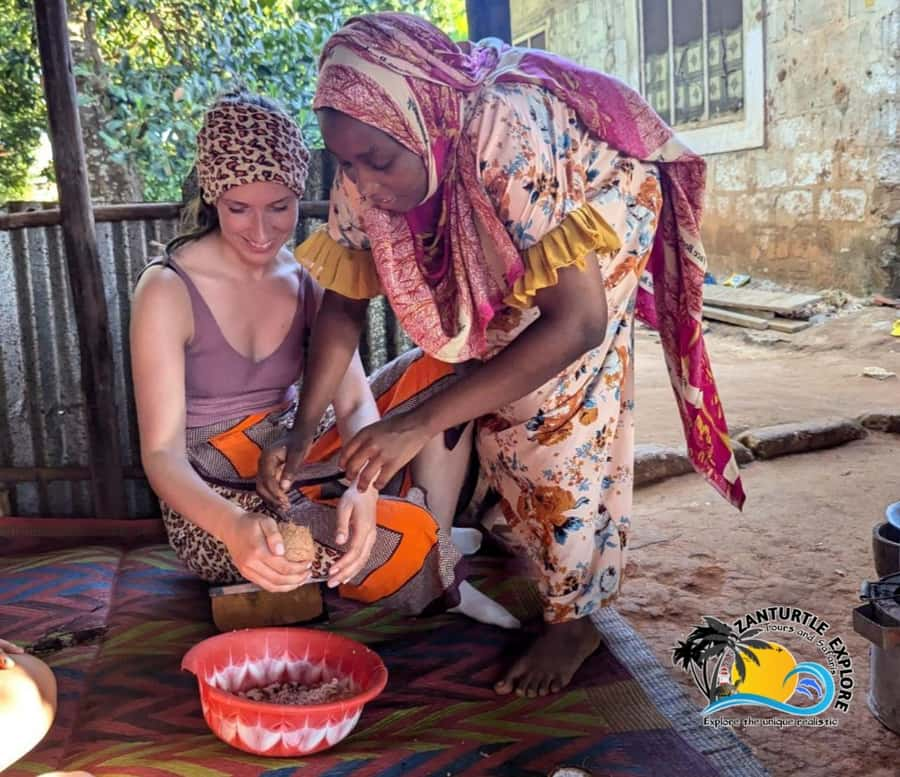
I would set your expectations correctly. This is not necessarily a technical cooking school where you receive precise measurements, a printed recipe, and individual instruction at every stage. In practice, you may chop vegetables, stir food, prepare ingredients, and assist the chef. Some people found that arrangement enjoyable and social. Others felt the lesson was only moderately educational because they did limited cooking themselves.
That difference comes down to what you want. If you want a relaxed introduction to Swahili food and a shared meal, this format works well. If you want to master pilau or recreate the entire menu at home, ask how much active cooking you will do before booking.
The food itself is one of the most consistent strengths. People described the meal as delicious, and the combination of fragrant rice, curry, and side dishes gives you a direct taste of Zanzibar’s spice traditions. Soft drinks and fruit are included, along with lunch made during the class.
Alcohol is not allowed, so this is best treated as a food and culture outing rather than a lunch with drinks. Personal expenses are extra.
More Cooking Classes around Zanzibar:
- Zanzibar: Spice Farm Tour with Traditional Cooking Lesson
★ 4.8 · 77 reviews - Zanzibar: Spice Farm Tour with Traditional Cooking Class
★ 4.6 · 16 reviews - A private half day spice farm with a cooking lesson
★ 5.0 · 13 reviews - Zanzibar: Walking Spice Farm with Local Cooking Class
★ 4.4 · 9 reviews
Why the plantation matters beyond souvenirs
Zanzibar has a strong public identity as a spice island, but a farm visit helps turn that slogan into something concrete. You see the materials before they reach a market stall, and you learn that a spice can be bark, root, leaf, flower bud, or fruit.
The tour also gives you a closer look at local work. Seeing someone climb a coconut tree or gather bark explains the labor involved in ingredients that seem cheap and ordinary in a supermarket. That connection is valuable, especially if you have already visited Stone Town’s markets and want more than a sales pitch.
There is also a shopping stop or free time at the farm. Spices may be available for purchase, and one person found the prices better than those at the Stone Town market. Another person considered the spices very expensive and felt pressured by repeated sales and tipping requests. Prices can vary, so compare before buying and do not feel obliged to purchase.
A good rule is to treat shopping as optional. The farm tour, food, and fruit are the main reasons to come. Buy something if you like the product and price, not because the setting makes you feel rushed.
Private groups, languages, and accessibility
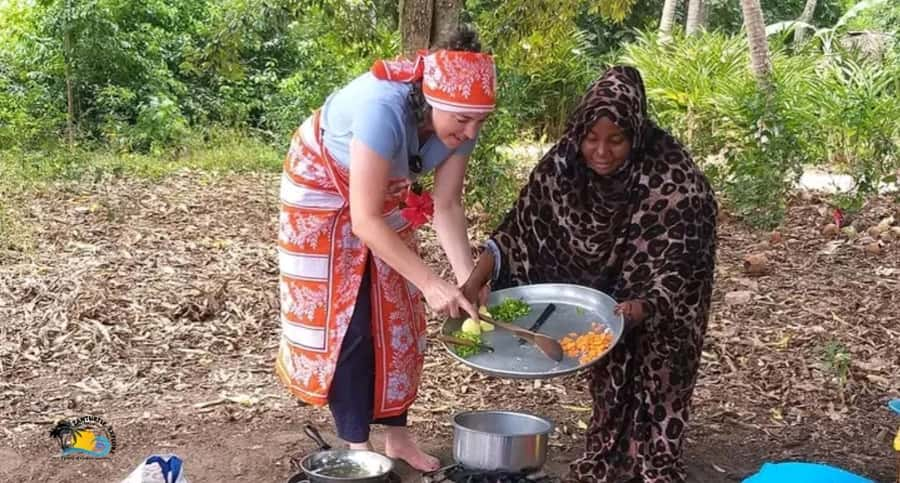
The activity is described as a private group, which can make the cooking and walking portions more comfortable than joining a large mixed party. The exact group size is not stated, so I would not assume that private means one couple and one chef. It does mean your booking is organized as a private group rather than an open shared tour.
Guiding is available in English, Italian, French, German, Portuguese, Spanish, Polish, Arabic, Swahili, Czech, Russian, and Romanian. State your language preference when arranging the tour. A shared language makes a big difference during the spice identification and cooking sections, where small details matter.
Wheelchair access is listed. Since much of the visit takes place outdoors on a farm and includes a walking tour, anyone with mobility concerns should still describe their needs in advance. The provider allows special requests to be written before booking.
The schedule totals about five hours, including roughly two hours of walking and plantation sightseeing, one and a half hours at the cooking and lunch section, and about two hours of road travel. In practical terms, this is a half-day outing with a full meal, not a quick stop between beach activities.
Is $63 a fair price?
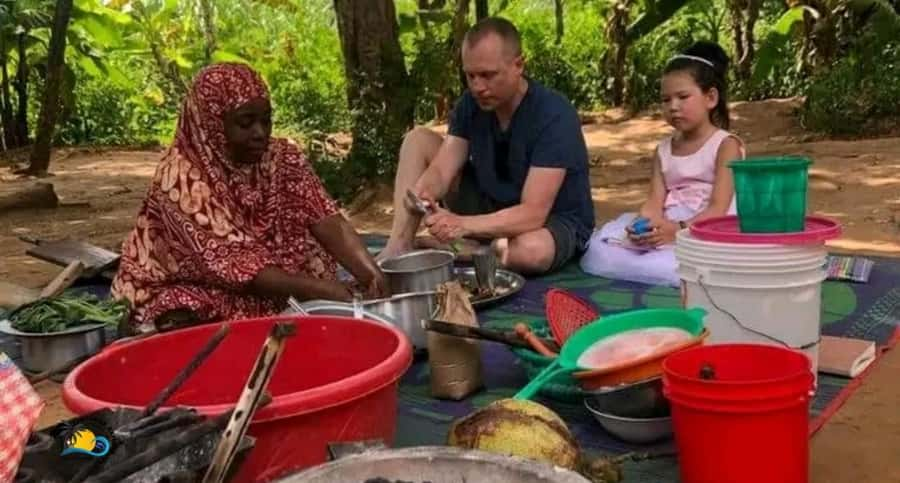
At $63 per person, the value depends on how smoothly the day runs and how much you value the combination of transport, food, and guidance.
The price includes:
- Hotel pickup and return
- A guided spice plantation walk
- A local chef and cooking activity
- Ingredients and cooking equipment
- Soft drinks and fruit
- The three-course meal and dessert
- Opportunities to smell, touch, and taste spices
For many people, that is a reasonable package. A separate taxi to the central region, a farm entrance, lunch, and a cooking activity could add up quickly. The private-group setup also adds value for people who prefer not to share a kitchen activity with a large crowd.
The price is less attractive if you mainly want to buy spices or if you expect a formal lesson with detailed recipes. It is also less satisfying if transport delays cost you a large part of the five-hour schedule. Tips and personal purchases are extra, so carry cash and allow for that additional expense.
The overall rating is 4.2 from 11 ratings, which fits the pattern here: strong marks for the farm, fruit, food, and social atmosphere, with weaker marks for transport communication, pressure to tip, and the limited technical depth of the cooking lesson.
Who will enjoy this Zanzibar half-day outing?
I would recommend it to anyone who wants a food-focused view of rural Zanzibar rather than another beach excursion. It suits couples, families, and small private groups who enjoy tasting, touching, and helping with a meal.
It is especially good for you if:
- You want to learn how spices grow
- You enjoy local food more than formal sightseeing
- You like casual interaction with cooks and farm workers
- You want hotel transportation included
- You have enough schedule flexibility to absorb a delay
- You are happy with a shared cooking activity rather than a strict lesson
I would be more cautious if you dislike outdoor heat, do not want to walk through a farm, or feel uncomfortable with tip requests. You should also choose another activity if your priority is a precise culinary course with written recipes and extensive individual instruction.
Bring comfortable shoes, a hat, sunscreen, a camera, and cash. Do not bring pets, alcohol, or drugs. The tour is also covered by free cancellation up to 24 hours before the start, and you can reserve now and pay later, which helps if your Zanzibar plans are still moving around.
Should you book the spice farm and cooking class?
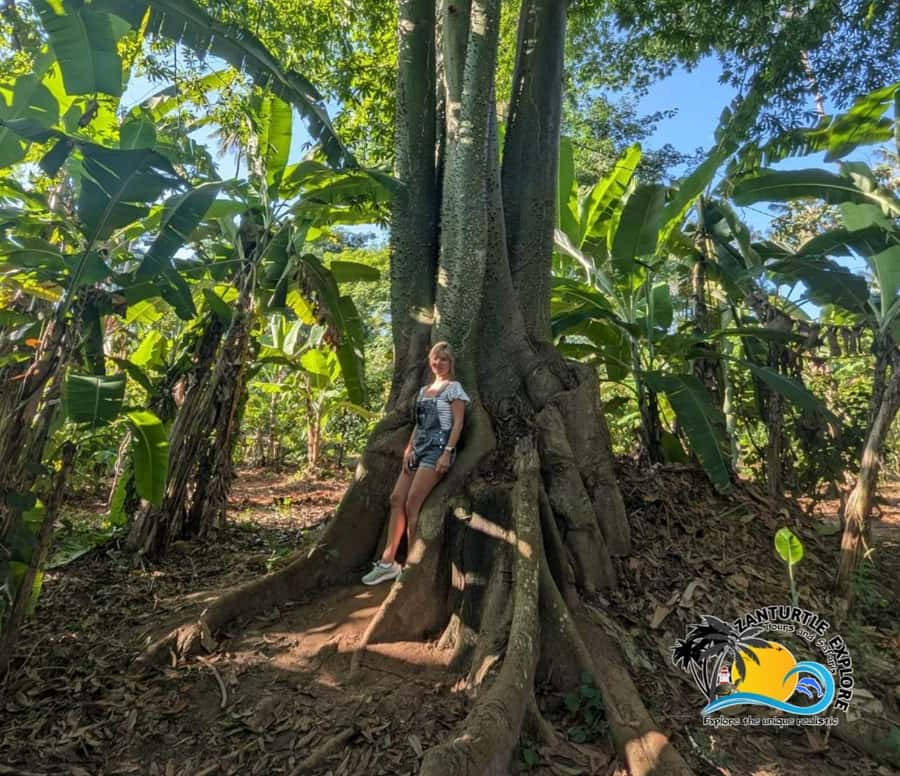
Book this tour if you want a friendly, sensory introduction to Zanzibar’s spice culture, with a real meal at the end. The best moments are the simple ones: guessing a spice from a leaf, tasting a red banana, watching someone climb a tree, and eating pilau that you helped prepare.
Go in expecting a cooperative farm visit, not a professional cooking school. Confirm pickup details, keep your schedule flexible, and bring cash for tips and shopping. With those conditions in mind, $63 is a fair price for a private half-day that joins transport, plantation access, fruit tasting, cooking, and lunch in one package.
FAQ
How long does the Zanzibar spice farm tour and cooking class last?
The activity lasts five hours, including transport, the guided farm visit, cooking, lunch, and the return trip.
Where does the spice farm visit take place?
The tour visits Jambo Spice Farm Dole in the central region of Zanzibar, on Unguja.
Is hotel pickup included?
Yes. Hotel pickup and drop-off are included, with service listed for Stone Town, Mjini Magharibi, Unguja North, and Unguja South. You should provide your hotel name and room number.
What food will I prepare during the cooking class?
The meal includes three courses and dessert. The food mentioned includes Tanzanian pilau rice, curry, and side dishes. Lunch consists of the dishes prepared during the class.
Which spices and fruits might I taste?
The farm visit can include cloves, cinnamon, ginger, lemongrass, and other spices. Fruit tasting may include pineapple, bananas, oranges, watermelon, red bananas, and small mangoes.
What languages are available for the guide?
Guiding is available in English, Italian, French, German, Portuguese, Spanish, Polish, Arabic, Swahili, Czech, Russian, and Romanian.
What should I bring to the tour?
Bring comfortable shoes, a hat, sunscreen, a camera, and cash. Personal expenses and tips are not included. Pets, alcohol, and drugs are not allowed.
More Workshops around Zanzibar
- Zanzibar: Spice Farm Tour with Traditional Cooking Class
★ 4.8 · 6 reviews - Zanzibar Cooking Class [Swahili food test ] and Spice farm Private tour
★ 4.5 · 6 reviews - Zanzibar: Spice Farm Tour with Cooking lesson
★ 4.5 · 4 reviews - Spice Farm Tour with Traditional Cooking Lesson
★ 5.0 · 3 reviews
More Lunch Experiences around Zanzibar
- Zanzibar:Stone Town & Spice Farm Private Tour Lunch Included
★ 4.2 · 94 reviews - Zanzibar Private Spice Farm and Stonetown Tour(Include Lunch)
★ 5.0 · 53 reviews - STONE TOWN, PRISON ISLAND AND SPICE FARM ( Lunch included )
★ 5.0 · 53 reviews - Zanzibar: Stone Town City Tour and Spice Farm with Lunch
★ 3.7 · 33 reviews
Just added around Zanzibar
- Zanzibar: Spice farm tour with Zanzibar fruits tasting★ 3.8 · 7 reviews
- Zanzibar: Stone Town City Tour and Spice Farm with Lunch★ 3.7 · 33 reviews
- ZANZIBAR, Stone town tour, Prison Island & Spice farm★ 5.0 · 11 reviews
- Zanzibar: Walking Spice Farm with Local Cooking Class★ 4.4 · 9 reviews
- Zanzibar: Spice Farm Tour with Traditional Cooking Class★ 5.0 · 2 reviews
- Zanzibar: Spice Farm Tour with Traditional Cooking Class★ 4.8 · 6 reviews
- Zanzibar: Spice Farm Tour with Traditional Cooking Class★ 4.6 · 16 reviews
- Zanzibar: Spice Farm Tour with Lunch & Tropical Fruits★ 4.9 · 10 reviews
Spice Farm Tours, farm by farm.
Full-Day Private Stone Town +Spice Farm and Prison Island Tour
Read our review →
Zanzibar full day Jozani forest + Spice farm and stone town
Read our review →

STONE TOWN, PRISON ISLAND AND SPICE FARM ( Lunch included )
Read our review →
Zanzibar Private Spice Farm and Stonetown Tour(Include Lunch)
Read our review →
Other lists this farm sits on