
REVIEW · ZANZIBAR
Zanzibar: Spice Farm Tour with Traditional Cooking Class
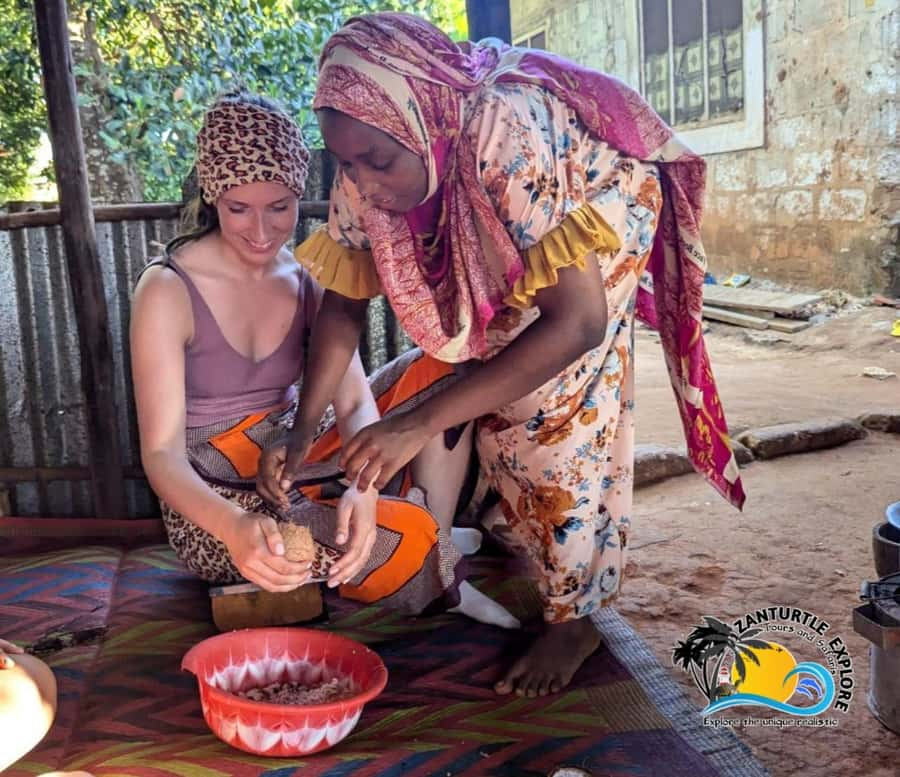
Fresh spices, warm food, real participation. This five-hour outing from Stone Town combines a guided farm walk with a traditional Swahili cooking class. I like the chance to smell and taste cinnamon, cloves, vanilla, nutmeg, lemongrass, and other plants at their source. I also like that you harvest ingredients before cooking them with a local chef. The main drawback is that the farm is more like a large garden built for visits than a working plantation.
The cooking session is the heart of the experience, especially if you prefer doing something over simply looking at things. The fruit tasting, traditional cooking tools, music, and dance add local flavor. Just be ready for repeated requests for tips at several stops, and do not expect polished toilets.
Key points to know before booking
- Five hours from Stone Town: Allow about one hour each way in the van, plus roughly three hours at Jambo Spice Farm Dole.
- Hands-on Swahili cooking: You harvest vegetables and spices, then prepare and eat a traditional meal with a local chef.
- A full spice lesson: You may taste and smell cinnamon, vanilla, nutmeg, cloves, ginger, pepper, cumin, tamarind, chili, ylang-ylang, and lemongrass.
- Tropical fruit tasting included: Mangoes, papaya, pineapple, passion fruit, bananas, avocado, and local grapefruit may be available, depending on the farm’s supply.
- Private booking, shared setting: Your transfer and booking are private, but the farm itself can feel busy, with other groups on the paths.
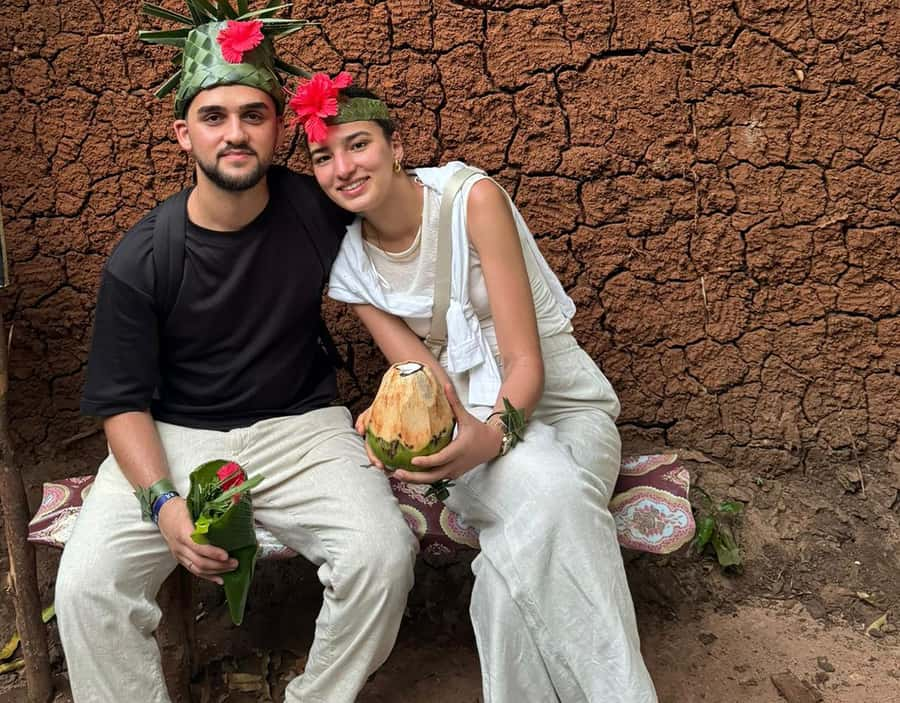
- Bring cash and patience: Several people may expect a tip, and there are chances to buy spices, fruit, and handmade leaf decorations.
What this Zanzibar spice tour is really like
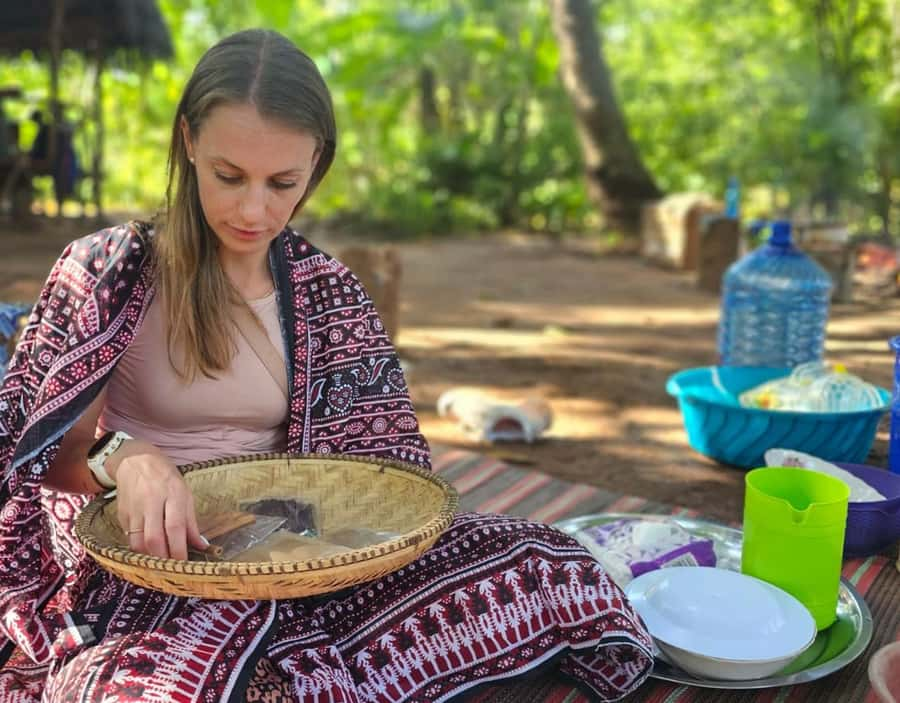
Zanzibar’s food makes more sense after you see the plants behind it. Spices are not just jars on a market shelf here. They are leaves, bark, roots, seeds, flowers, and fruit, each with a different smell and use.
This tour gives you a simple way to connect those ingredients with everyday cooking. A guide leads you around Jambo Spice Farm Dole, explaining where the plants come from and how they are used in food and traditional remedies. The tour is designed to involve your senses. You smell the plants, taste some of them, and try to identify them as you walk.
I like that the experience is not limited to a lecture. You are expected to harvest some vegetables and spices, then carry those ingredients into the cooking class. That link between garden and plate makes the day more useful than a quick walk past labeled plants.
Still, keep your expectations in check. Based on the experience described by one visitor, the farm can feel like a large garden with tangled paths rather than a broad agricultural estate. It is also set up for tourism, so you may pass other groups and move from one planned stop to another.
That does not make it worthless. It simply means you are booking a guided cultural activity, not a quiet visit to a remote farm.
More Spice Farm Tours around Zanzibar:
- Zanzibar: Prison Island, Stone Town, & Spice Farm Tour
★ 4.5 · 579 reviews - Full-Day Private Stone Town +Spice Farm and Prison Island Tour
★ 4.5 · 216 reviews - Zanzibar: Stone Town & Spice Farm Tour with Lunch
★ 4.5 · 97 reviews
The one-hour ride from Stone Town
Hotel pickup and drop-off are included from Stone Town and other hotels in Zanzibar. You are asked to provide your hotel name and room number, and the representative meets you in the lobby or reception area.
The drive takes about one hour each way. That is a meaningful part of a five-hour outing, so you should think of the tour as a half-day trip rather than a short activity near central Stone Town.
The van ride gives the day an easy structure. You do not have to arrange a taxi, bargain with a driver, or find the farm yourself. Pickup is also useful if you are staying outside Stone Town, since the provider says it can collect and return you to any hotel in Zanzibar.
The tradeoff is time. If you are staying far from Stone Town, your total day may run longer than the advertised five hours. Ask for the exact pickup time when you book, and keep your schedule light afterward.
The tour is offered as a private group. That is good news if you want your own transfer and a more personal pace. At the same time, the farm can be busy, and a private booking does not mean you will have the whole property to yourself.
Walking through Jambo Spice Farm Dole
At the farm, the first activity is a guided walking tour. You follow the guide along paths lined with spices and useful plants. The focus is on identification, smell, taste, and practical use.
The list is impressive for a single visit. You may encounter:
- Cinnamon
- Vanilla
- Nutmeg
- Lemongrass
- Cloves
- Ylang-ylang
- Cumin
- Ginger
- Pepper
- Tamarind
- Chili
The guide explains how spices fit into Zanzibar cooking and how some herbs and plants are used for medicinal purposes. A good part of the fun is being asked to guess the spice before the answer is given. This turns the walk into a small test of your senses rather than a string of names to forget by lunchtime.
The tour can also include fresh tropical fruit. Mangoes, passion fruit, avocado, papaya, local grapefruit, bananas, and pineapples are among the possibilities. The exact selection is likely to depend on what is ready at the farm.
You should wear shoes that can handle uneven paths and clothing suitable for both walking and cooking. A hat, sunscreen, water, and insect repellent are sensible additions. The supplied information does not describe difficult hiking, but this is still an outdoor farm visit, not a paved museum tour.
There may also be opportunities to buy spices and fruit. This can be a useful way to take a small piece of the experience home, but check prices and pack spices carefully if you are continuing to another country.
Harvesting ingredients for lunch
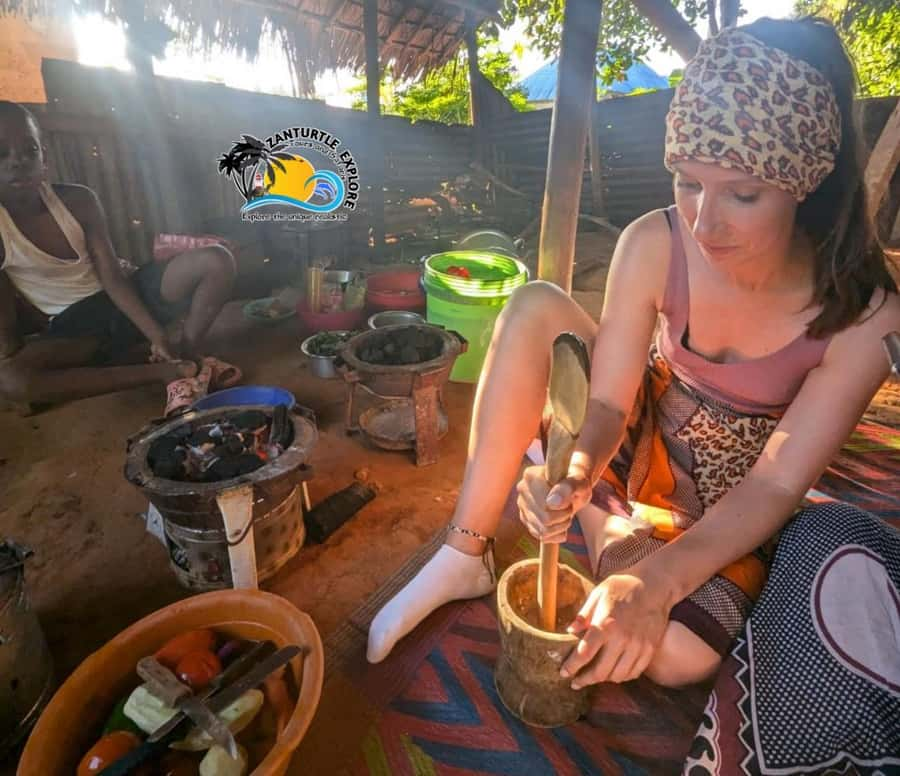
The most appealing part of the plan is the harvest. Rather than watching the kitchen team do everything, you help collect vegetables and spices for the meal.
This step gives the cooking class a clear purpose. You see the ingredients in the garden, pick some of them, and then use them in food. For families, that hands-on sequence can work well. One parent described a three-year-old child enjoying the farm and being included in the kitchen.
The activity is also a good fit if you like learning by doing. You are not expected to arrive with cooking skills. The chef and guides lead you through the process, using traditional methods and equipment modeled on older cooking practices from the Zanzibar coast.
The experience may feel less polished than a modern cooking studio. That is part of its appeal, but it can also mean a slower and more informal session. Come ready to participate, ask questions, and accept that the lesson may not follow the neat, carefully timed format of a professional culinary school.
More Cooking Classes around Zanzibar:
- Zanzibar: Spice Farm Tour with Traditional Cooking Lesson
★ 4.8 · 77 reviews - A private half day spice farm with a cooking lesson
★ 5.0 · 13 reviews - Zanzibar: Spice Farm Tour and Cooking Class with Lunch
★ 4.2 · 11 reviews - Zanzibar: Walking Spice Farm with Local Cooking Class
★ 4.4 · 9 reviews
Why the cooking class is the highlight

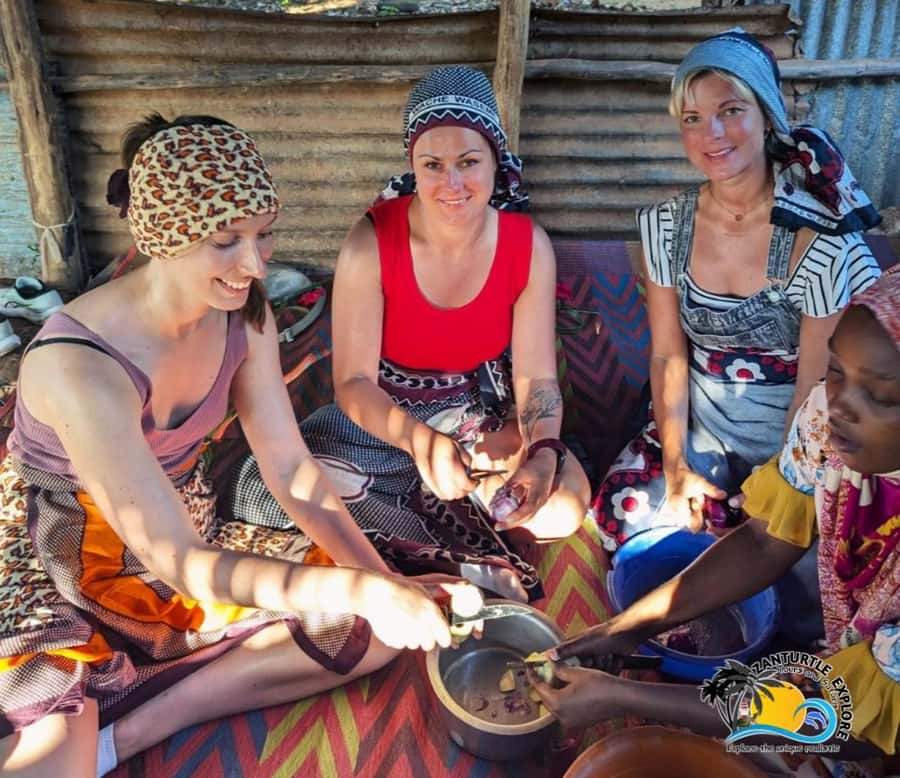
After the walk and harvest, you head to the cooking area. The local chef shows you how to prepare a traditional Swahili meal, and you help with the work before sitting down to eat what you made.
This is where the tour earns much of its price. You receive a farm visit, a guided spice lesson, a practical cooking class, lunch, drinks, and fruit tasting in one package. More important, you gain a better sense of how spices work together in Zanzibar food.
The cooking equipment is replicated from older cooking arrangements used along the coast. The information does not specify every dish on the menu, so you should not book this expecting a particular recipe. Instead, think of it as a chance to learn the general methods and flavors of a local meal.
The personal quality of the class can vary. A French participant described a lovely shared lunch and cooking time with Aïcha, while another person felt the kitchen staff seemed distant and did not talk much. If conversation matters to you, ask questions directly and tell the chef what you would like to learn.
The class is also advertised with traditional music and dance. These elements add to the cultural setting, although the exact form and length are not specified. Treat them as part of the atmosphere rather than the main reason to book.
Lunch, fruit, and the social side of the visit
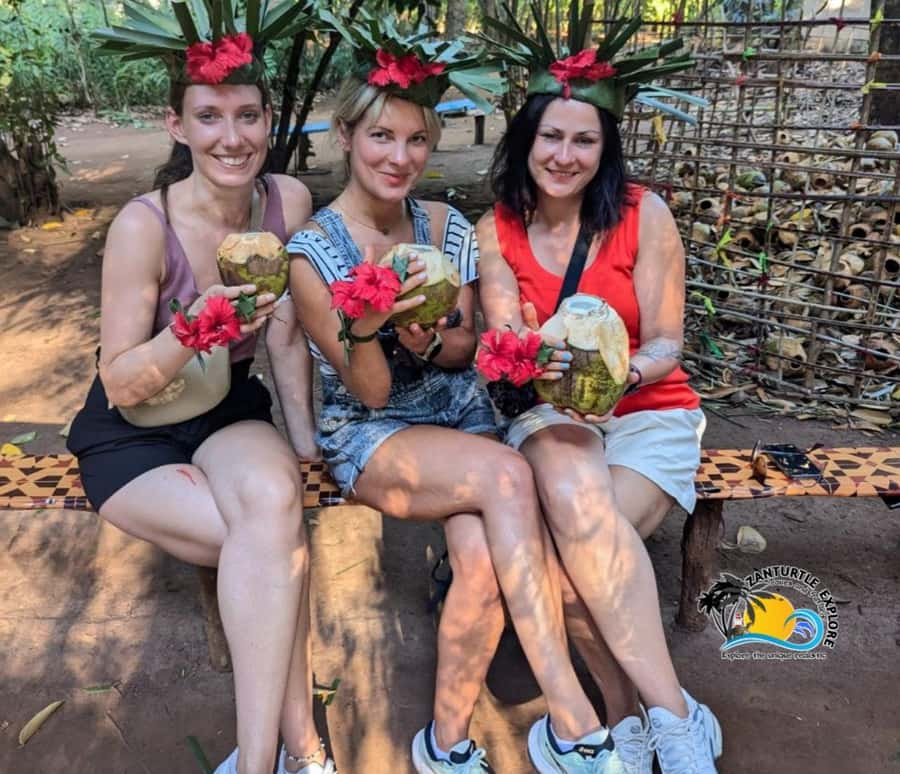
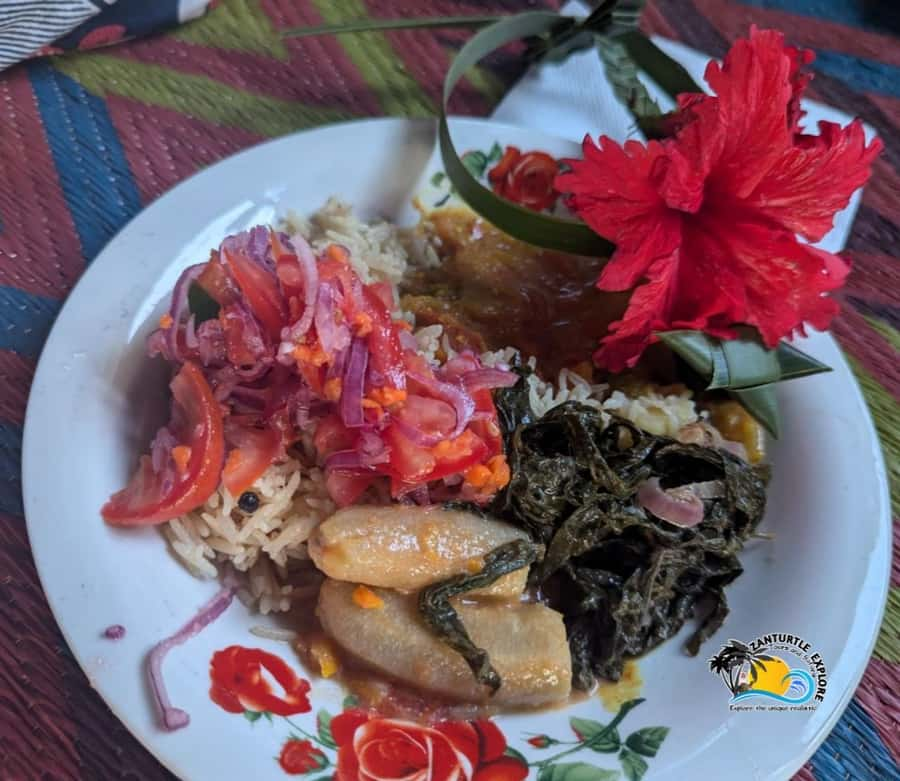
You eat the meal prepared during the class, with drinks and tropical fruit included. The food received strong praise, and that matters because lunch is not a minor add-on here. It is the payoff for the harvesting and cooking work.
The fruit tasting gives you another way to compare familiar foods with produce grown in Zanzibar. Papaya, pineapple, banana, mango, passion fruit, avocado, and grapefruit offer very different textures and levels of sweetness.
The social tone can be warm and personal, particularly on a private booking. Several people enjoyed the guides and the food. A guide who speaks your preferred language can also make a real difference, since the tour is offered in Arabic, English, French, German, Italian, Polish, Russian, and Spanish.
There are some cultural and practical complications. At different points, you may be offered coconuts, leaf decorations, or other small extras, followed by a request for a tip or purchase. One visitor felt that these requests came too often, including requests connected with children and women from the village.
Other people found the tipping less forceful and simply divided a modest amount among several workers. My advice is simple: decide in advance what you are comfortable giving, carry small Tanzanian shilling notes, and ask clearly if something has an extra cost. That avoids confusion and helps you enjoy the activity without feeling cornered.
What the $61 price includes
At $61 per person, the price is reasonable if you value a full half-day with transport and food. The package includes hotel pickup and return, the guide, government fees, entrance and conservation fees, the spice walk, harvesting, cooking equipment, lunch, drinks, tropical fruit, and the farm activities.
You are paying for several separate services:
- Transport from your hotel
- A guided spice and fruit walk
- Hands-on harvesting
- A cooking class with a local chef
- A prepared meal and drinks
- Entrance and conservation charges
- Traditional music and dance
That is a fair bundle, especially if you would otherwise need to arrange a taxi and pay separately for a cooking class. The value drops if you mainly want a large working plantation or a quiet botanical visit. It also drops if you dislike shopping stops or repeated tipping requests.
International flights, visas, airport taxes, and personal spending are not included. Spices, fruit, decorations, and tips may require extra money, so keep those costs separate from the advertised price.
The provider offers free cancellation up to 24 hours before the activity and allows you to reserve now and pay later. That is useful if your Zanzibar plans are still changing.
Small problems worth knowing in advance
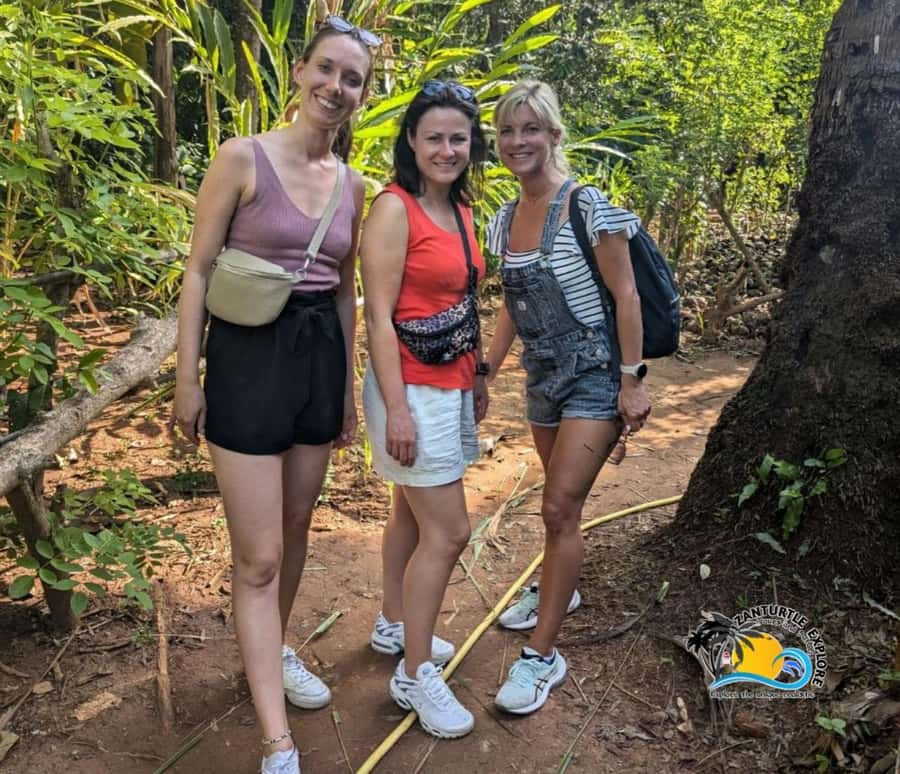
The biggest practical complaint concerns the toilets, which were described as poor. If you need a comfortable restroom, use one before leaving your hotel and keep expectations modest at the farm.
The farm may also feel crowded. Even though your booking is private, other groups can be on the paths, and the route may feel organized around a series of stops. You may see sales opportunities or demonstrations that feel more commercial than spontaneous.
The tipping culture is another point to consider. Tips are common in tourism, but the repeated requests can affect the mood. Set a budget before you arrive and do not feel obliged to buy every item offered.
Finally, the cooking class may be more enjoyable than the farm walk for some people. If you are most excited about food, tell the guide and chef that you want to be involved. If you are mainly interested in botany or agriculture, the small scale may disappoint.
Who should book this experience
I would recommend this tour to you if you want a practical introduction to Zanzibar food and spices. It suits couples, families, first-time visitors, and anyone who prefers a hands-on activity to a simple sightseeing stop.
Families should find plenty to keep children involved, especially during fruit tasting, harvesting, and cooking. The private group format can also make it easier to manage a child’s pace, although the farm paths and cooking area may not feel highly controlled.
It is a good choice for food-minded visitors who want lunch included and do not want to plan the transport. It also suits people who enjoy buying edible souvenirs, since spices and fruit are available.
I would look elsewhere if you want a large commercial plantation, spotless facilities, or a fully private farm with no other groups. I would also think twice if you dislike informal sales pitches or prefer a formal cooking school with a fixed menu and polished teaching space.
Should you book the Zanzibar spice farm and cooking class?
Book it if your priority is local food, active participation, and convenience. The cooking class, harvest, fruit tasting, and spice lesson create a fuller experience than a quick farm visit, and the included transfer makes the $61 price easier to justify.
Go in with realistic expectations. This is a tourist-friendly garden and cooking activity, not a silent agricultural estate. Bring comfortable clothing, sunscreen, insect repellent, water, and small cash for tips. If you can accept the modest facilities and occasional sales pressure, you will likely leave with useful spice knowledge, a satisfying meal, and a better feel for how Zanzibar flavors come together.
FAQ
How long does the spice farm and cooking class take?
The activity lasts about five hours. The van ride from Stone Town takes approximately one hour each way, with the remaining time spent at Jambo Spice Farm Dole.
Where does pickup take place?
Pickup is available from hotels in Zanzibar, including locations in Stone Town. You meet the representative in your hotel lobby or reception area and should provide the hotel name and room number.
Is this a private tour?
The booking is offered as a private group. However, the farm itself can have other groups visiting at the same time.
What spices can I learn about?
The tour may cover cinnamon, vanilla, nutmeg, lemongrass, cloves, ylang-ylang, cumin, ginger, pepper, tamarind, chili, and other spices and herbs.
Is lunch included?
Yes. You harvest ingredients, take part in preparing a traditional Swahili meal, and eat the food made during the cooking class. Drinks and tropical fruits are also included.
Which languages are available?
The live guide service is available in Arabic, English, French, German, Italian, Polish, Russian, and Spanish.
What should I bring?
Bring comfortable shoes, a hat, sunscreen, water, insect repellent, and a camera. Wear clothing suitable for both walking and cooking, and be prepared to participate in harvesting and food preparation.
More Workshops around Zanzibar
- Zanzibar: Spice Farm Tour with Traditional Cooking Class
★ 4.8 · 6 reviews - Zanzibar Cooking Class [Swahili food test ] and Spice farm Private tour
★ 4.5 · 6 reviews - Zanzibar: Spice Farm Tour with Cooking lesson
★ 4.5 · 4 reviews - Spice Farm Tour with Traditional Cooking Lesson
★ 5.0 · 3 reviews
Just added around Zanzibar
- Zanzibar: Spice farm tour with Zanzibar fruits tasting★ 3.8 · 7 reviews
- Zanzibar: Stone Town City Tour and Spice Farm with Lunch★ 3.7 · 33 reviews
- ZANZIBAR, Stone town tour, Prison Island & Spice farm★ 5.0 · 11 reviews
- Zanzibar: Walking Spice Farm with Local Cooking Class★ 4.4 · 9 reviews
- Zanzibar: Spice Farm Tour with Traditional Cooking Class★ 5.0 · 2 reviews
- Zanzibar: Spice Farm Tour with Traditional Cooking Class★ 4.8 · 6 reviews
- Zanzibar: Spice Farm Tour with free testing fruit and Spice★ 5.0 · 2 reviews
- Zanzibar: Spice Farm Tour with Lunch & Tropical Fruits★ 4.9 · 10 reviews
Spice Farm Tours, farm by farm.
Full-Day Private Stone Town +Spice Farm and Prison Island Tour
Read our review →
Zanzibar full day Jozani forest + Spice farm and stone town
Read our review →

STONE TOWN, PRISON ISLAND AND SPICE FARM ( Lunch included )
Read our review →
Zanzibar Private Spice Farm and Stonetown Tour(Include Lunch)
Read our review →
Other lists this farm sits on