
REVIEW · ZANZIBAR
Zanzibar: Spice Farm Tour with Traditional Cooking Class
Spices make Zanzibar taste different. This half-day outing takes you from hotel pickup to a local farm, where you can smell, taste, and handle cloves, vanilla, cinnamon, nutmeg, and more before preparing a Swahili meal with a local chef. I like the hands-on spice walk and the chance to harvest ingredients yourself. I also like that your cooked lunch is included, so the meal becomes part of the lesson rather than just another restaurant stop.
The main consideration is time. The cooking class can feel long, especially after the farm walk and fruit tasting, so this suits you best if you enjoy a relaxed food experience rather than a quick sightseeing stop. At $61 per person, the private transport, guide, ingredients, cooking equipment, tastings, and meal make it a good value for a half-day cultural activity.
Key points at a glance
- Taste spices straight from the farm: Smell and sample cloves, cinnamon, vanilla, nutmeg, ginger, turmeric, lemongrass, pepper, chili, cumin, tamarind, and ylang-ylang.
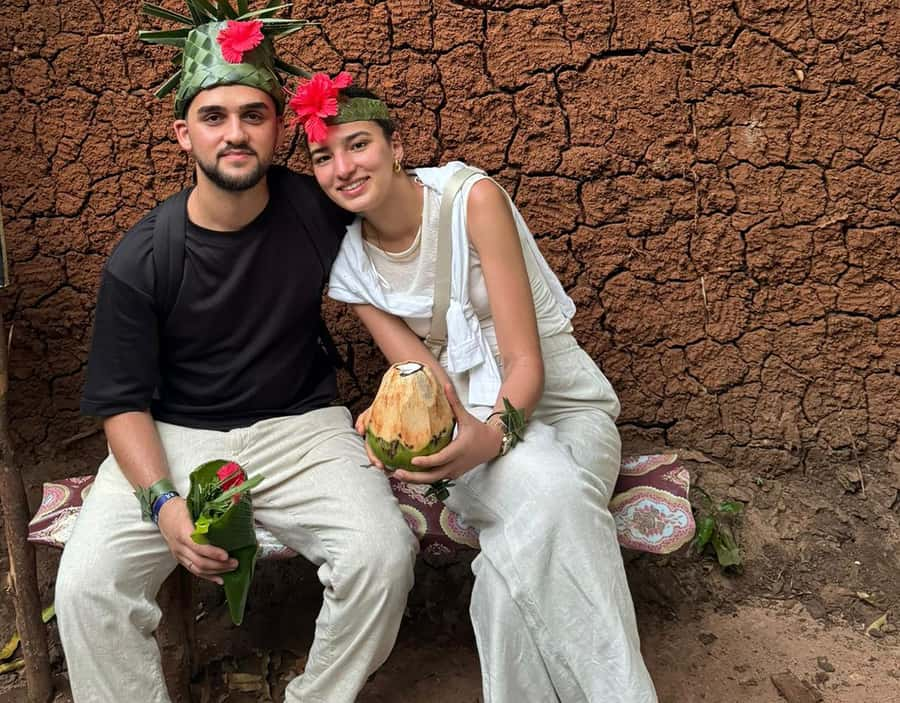
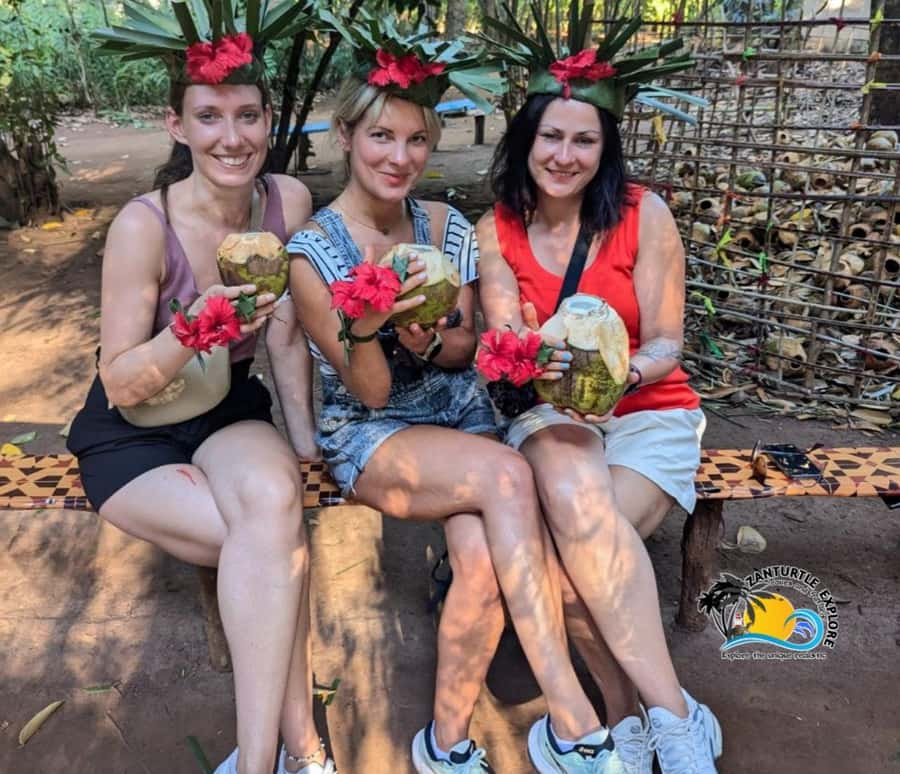
- Start with a coconut welcome: Your arrival includes coconut juice and tropical fruit before the walking tour begins.
- Harvest before you cook: You collect vegetables and spices with the local chef, then use them in a traditional Swahili meal.
- Private hotel-to-hotel service: A driver picks you up at your hotel and returns you there after the meal.
- Expect a flexible half-day: The activity lasts about 3.5 to 5 hours, with the cooking session making the biggest difference to the total time.
- Good for many dietary and mobility needs: You can submit special requests before booking, and the activity is listed as wheelchair accessible.
Why Zanzibar’s spices deserve a closer look
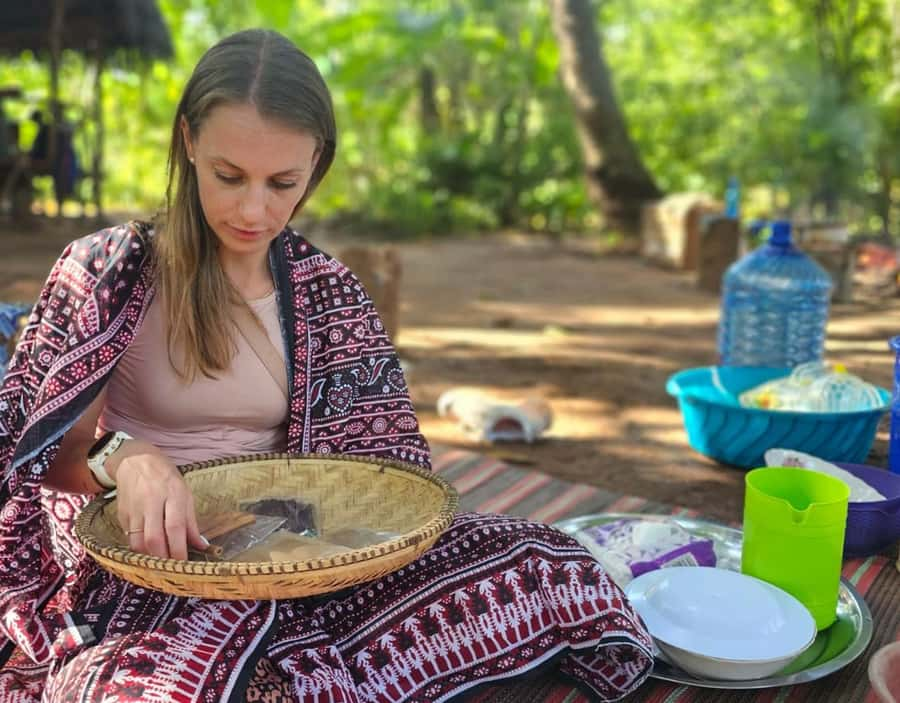
Zanzibar’s food is shaped by the spices that grow on the island and by the ways local cooks use them. This tour gives you a direct introduction instead of presenting the subject as a display behind glass. You walk among the plants, handle fresh material, and learn how each ingredient fits into cooking or traditional medicine.
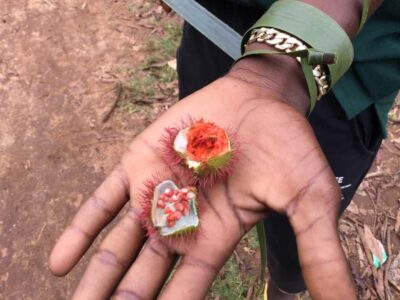
The farm visit covers a long list of familiar and less familiar ingredients. You may see and taste cloves, cinnamon, vanilla, nutmeg, ginger, turmeric, lemongrass, black pepper, chili, cumin, tamarind, and ylang-ylang. The value is in comparing the fresh plant with the dried spice you know from a kitchen shelf.
I especially like the sensory side of this visit. Smelling cinnamon bark, tasting fresh fruit, and handling herbs help you remember the lesson far better than a list of spice names. The guide and local farmers explain where the ingredients come from, how they are harvested, and how simple preparation methods have been passed down over time.
This is also a useful way to understand Zanzibar cuisine before you eat it elsewhere. You will have a better sense of why certain dishes smell warm, sharp, sweet, or citrusy. The tour does not simply tell you that spices matter. It lets you experience their taste and scent at close range.
More Spice Farm Tours around Zanzibar:
- Zanzibar: Prison Island, Stone Town, & Spice Farm Tour
★ 4.5 · 579 reviews - Full-Day Private Stone Town +Spice Farm and Prison Island Tour
★ 4.5 · 216 reviews - Zanzibar: Stone Town & Spice Farm Tour with Lunch
★ 4.5 · 97 reviews
A gentle start with coconut juice and fruit
Your day begins with pickup from your hotel. The driver meets you in the lobby or reception area, so you need to provide the hotel name and room number when arranging the outing. The ride takes you to a local spice farm in the Unguja South Region.
On arrival, you receive coconut juice and fruit. This is a small touch, but it gives the experience an easy, welcoming start. The fruit tasting may include mango, pineapple, banana, papaya, passion fruit, avocado, and local grapefruits.
Do not expect a formal meal at this point. Think of it as a fresh introduction to the farm and its produce. You get a chance to settle in, meet the local team, and begin tasting before the main walk.
The fruit portion also adds useful contrast to the spices. Zanzibar is not only about pungent cloves and pepper. Sweet, sour, creamy, and citrus flavors all have a place in the island’s food culture.
Walking through the spice farm

The guided walk is the heart of the first half. You move through the farm with an escort who explains what grows there and how the ingredients are used. You can smell and taste many of the plants, which makes the visit active and suitable for families as well as adults.
Some ingredients will be familiar. Cinnamon, vanilla, ginger, turmeric, and lemongrass are easy to recognize from cooking. Others, such as ylang-ylang and tamarind, may be less familiar, and the guide’s explanations help put them into context.
The tour also covers harvesting and preparation. You learn how farmers collect and handle the spices using straightforward methods. That practical focus is more useful than a long historical lecture, especially if you want to connect the farm to the food you will cook later.
The walk is not only about seeing plants. You are encouraged to use your senses. Smell the bark, taste the fruit, and compare the different types of spice. Bring a camera if you want photographs, but keep your attention on the guide and the plants. This is a place where touching and smelling tell you more than a picture does.
Wear comfortable shoes. You will be walking outdoors, and sunscreen, a hat, water, and insect repellent are sensible additions. The supplied information does not specify the exact walking surface, so comfortable footwear is the safest choice.
From harvest basket to Swahili cooking class
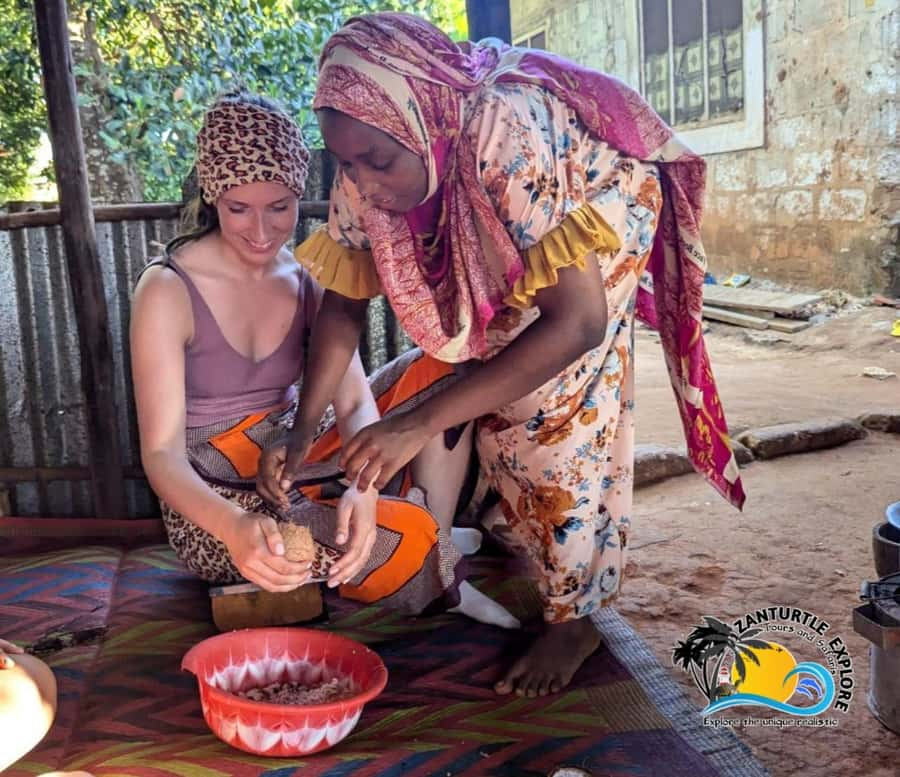
After the spice walk, you harvest vegetables and spices with the local chef. This step makes the cooking class feel connected to the farm. Instead of receiving every ingredient already measured and prepared, you take part in gathering some of what goes into the meal.
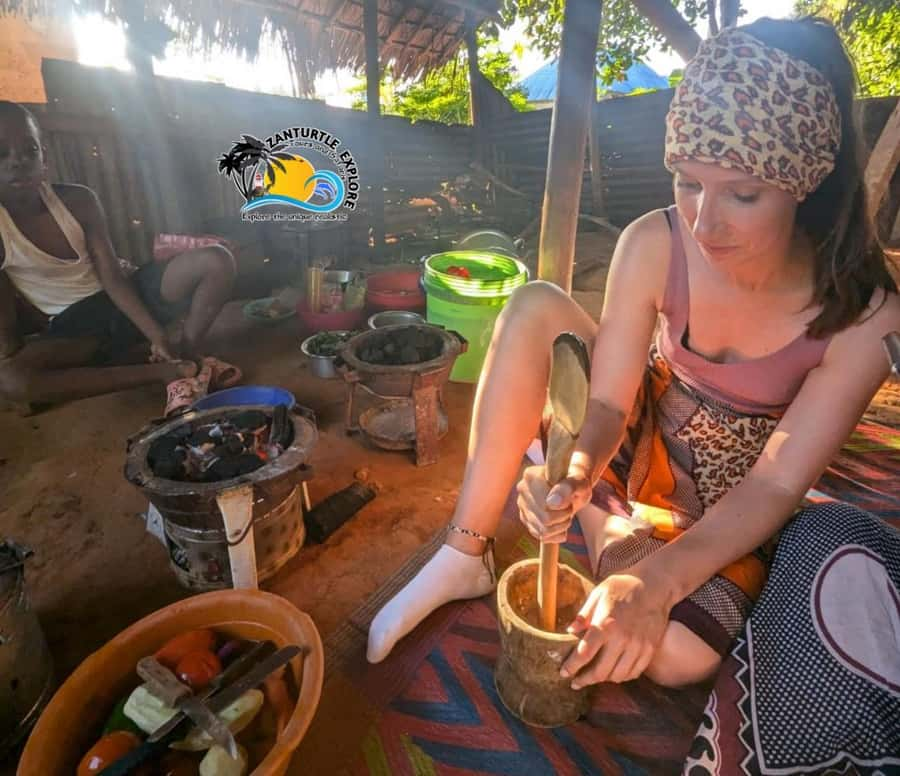
The chef then leads you to the cooking area. You prepare a traditional Swahili meal step by step, using traditional cooking methods and old-style cooking tools. The chef explains the ingredients as you work, so you learn not only what to add but also how the parts fit together.
This is the part of the tour that requires patience. A cooking class is slower than watching a demonstration, and the full experience can last up to five hours. One January booking praised the organization, the food, and the spice visit but found the cooking lesson rather long. I would take that as useful planning advice, not a reason to skip the activity.
If you enjoy cooking, the length is part of the appeal. You have time to follow the process, ask for clarification, and see how the spices affect the final dish. If you prefer a fast excursion with several major sights, this class may feel too leisurely.
The equipment and cooking ingredients are included, so you do not need to bring utensils or supplies. You also do not need to pay extra for the meal you prepare. Once the food is ready, you sit down and eat it together.
More Cooking Classes around Zanzibar:
- Zanzibar: Spice Farm Tour with Traditional Cooking Lesson
★ 4.8 · 77 reviews - Zanzibar: Spice Farm Tour with Traditional Cooking Class
★ 4.6 · 16 reviews - A private half day spice farm with a cooking lesson
★ 5.0 · 13 reviews - Zanzibar: Spice Farm Tour and Cooking Class with Lunch
★ 4.2 · 11 reviews
The lunch is part of the lesson

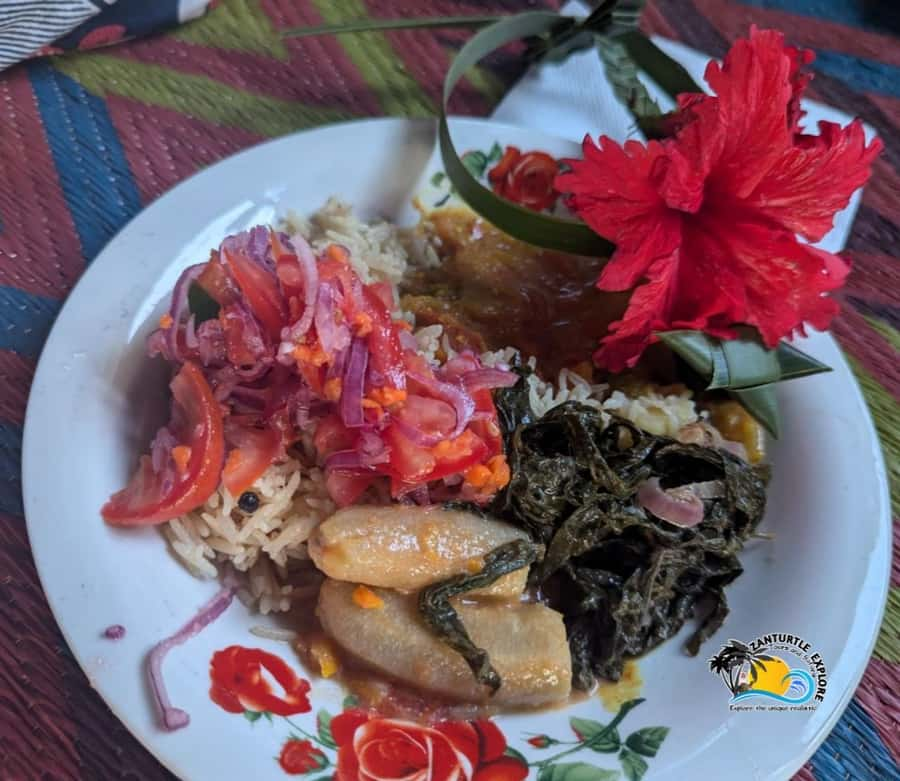
The cooked lunch gives the class a satisfying finish. You are not simply handed a plate after watching someone else work. You eat the meal made through your own effort, with the farm’s vegetables and spices forming a clear link between the walk and the table.
I like this format because it turns food into a shared cultural activity. The chef can explain ingredients while you use them, and the meal gives you an immediate way to judge the balance of flavors. You may remember the spice combinations more clearly because you tasted them in the dish you helped prepare.
The exact menu is not specified, so do not book this expecting a particular recipe. If you have dietary needs or other requests, you can write them before making the reservation. That is the right time to mention allergies, restrictions, or other special requirements.
The meal is traditional Swahili food, but the activity is still educational rather than a restaurant-style lunch. The cooking process matters as much as the final plate. Allow enough time to enjoy both.
Private transport makes the half-day easier
Hotel pickup and drop-off are included. Your driver meets you at the hotel lobby or reception area, takes you to the farm, and returns you after the meal. That removes the need to arrange a separate taxi for a rural outing.
The activity is offered as a private group. This matters if you prefer to ask questions, set a comfortable pace, or keep the cooking class focused on your own party. It also makes the price easier to judge, since the $61 fee includes transport and a private setup rather than only farm admission.
The advertised duration is 3.5 to 5 hours. Treat it as a half-day commitment, not a tightly timed three-hour visit. The length may depend on the pace of the walk, the amount of tasting, and how much time the cooking class takes.
A previous January booking specifically praised the driver for being punctual and friendly, as well as the overall organization. That is useful because transport can shape your mood before the tour even begins. Still, confirm your hotel details carefully and be ready at the agreed meeting point.
Who will get the most from this experience
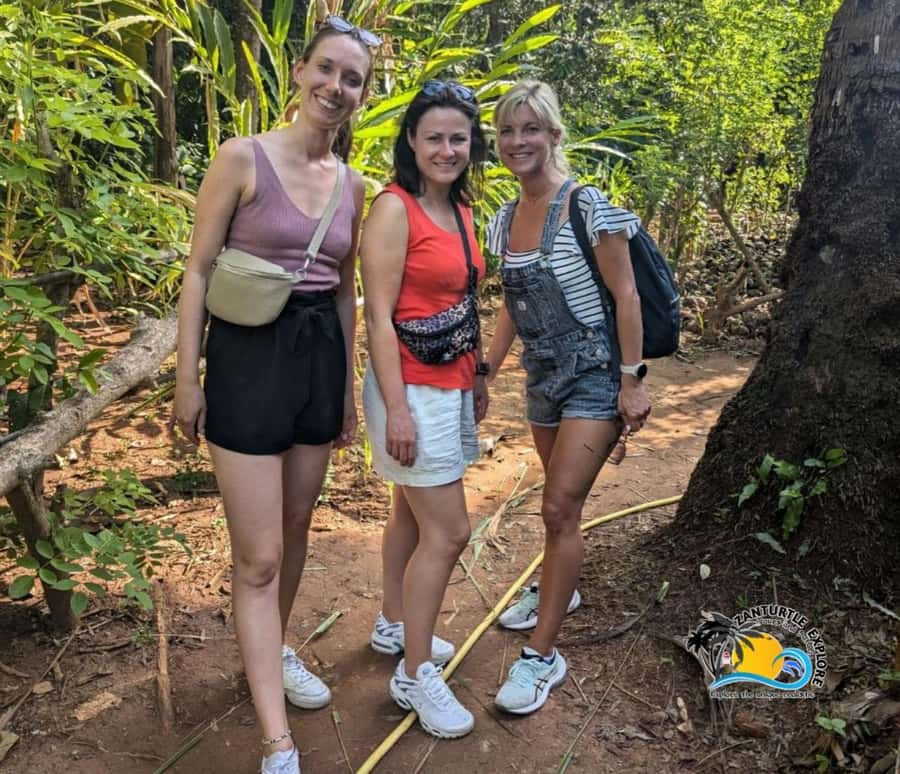
This outing is a strong fit if you like food, local agriculture, and activities where you do more than watch. Families can enjoy the tasting and harvesting, while couples and solo visitors get a relaxed introduction to Zanzibar’s cooking traditions.
It also suits you if you want a cultural activity that does not require a full day. The 3.5 to 5-hour schedule leaves room for another plan, though I would avoid booking something tightly timed immediately afterward. The cooking portion can take longer than expected.
You may want to choose another activity if you dislike outdoor walking, have little interest in cooking, or want a tour packed with monuments and sightseeing stops. The focus here is narrow and purposeful: spices, fruit, farming, cooking, and food.
The listed wheelchair accessibility is an important advantage, though you should still share any mobility needs before booking. The information does not describe every path, surface, or cooking-area arrangement, so specific questions are sensible.
The tour supports several languages, including Arabic, Dutch, English, French, German, Italian, Polish, Portuguese, Russian, Spanish, and Swahili. A live guide is included, which gives you the chance to ask about ingredients as you encounter them.
Is $61 a fair price?
At $61 per person, this is not the cheapest way to spend a morning in Zanzibar, but it covers a useful bundle of services. You receive hotel transport in both directions, a private group experience, a guided farm tour, spice and fruit tastings, coconut juice, harvesting, a cooking lesson, all ingredients and equipment, and the meal.
If you booked transport and a cooking lesson separately, the total would be harder to control. Here, the price also buys convenience. You do not need to find the farm, negotiate a taxi, shop for ingredients, or locate a restaurant after the class.
The value is strongest for people who want participation. If you only want to see a spice farm and take a few photographs, the cooking class may add more time and cost than you need. If you want to understand Zanzibar food by making it yourself, the price is reasonable.
The perfect 5 rating from two bookings is encouraging, especially because the positive points include punctual transport, a pleasant farm setting, generous tastings, and food that turned out well. The small sample means I would treat the score as a positive signal rather than a guarantee of every detail.
What to bring and how to prepare
Pack light but prepare for an outdoor farm visit and a cooking session.
- Comfortable shoes for walking
- A hat for sun protection
- Sunscreen
- Water
- Insect repellent
- A camera
Pets are not allowed. You can submit special requests before booking, which is especially important for food allergies, mobility concerns, or other needs.
The tour includes food and drinks listed in the program, but bringing water is still wise. The activity takes place outdoors and can last most of a morning or afternoon. Plan for heat, walking, tasting, and a longer cooking period.
Give yourself room in the schedule after the tour. The advertised range reaches five hours, and the cooking class has been described as long by at least one person who otherwise enjoyed the outing. A flexible afternoon is better than a rushed transfer or dinner reservation.
Cancellation is free up to 24 hours before the activity, and you can reserve now and pay later. Those terms are helpful if your Zanzibar plans are still shifting, but check the final booking details before you confirm.
Should you book this spice farm tour?
Book it if you want to connect Zanzibar’s food with the plants and people behind it. The strongest parts are the chance to smell and taste fresh spices, the fruit welcome, the harvesting, and the meal you prepare with a local chef.
I would recommend it most to food lovers, families, couples, and anyone who prefers a hands-on cultural outing to a quick photo stop. The private hotel transport and included lunch make $61 a fair price for the amount of time and service involved.
Skip it if you want a short, fast-paced excursion or if you find cooking classes tiring. The lesson can be slow, and the full activity may take five hours. For everyone else, this is a practical and flavorful way to spend half a day in southern Unguja.
FAQ
Where does the spice farm tour take place?
The activity takes place in the Unguja South Region of Zanzibar, Tanzania.
How long does the experience last?
The tour lasts about 3.5 to 5 hours. Starting times depend on availability.
Is hotel transportation included?
Yes. Pickup and drop-off at your Zanzibar hotel are included. You meet the driver in the hotel lobby or reception area.
What will I do at the spice farm?
You take a guided walk, learn how spices are grown and prepared, smell and taste different ingredients, and sample tropical fruits.
Which spices might I see and taste?
The tour includes cloves, cinnamon, vanilla, nutmeg, ginger, turmeric, lemongrass, pepper, chili, cumin, tamarind, and ylang-ylang.
Is the cooking class included in the price?
Yes. The cooking class with a local chef, cooking ingredients, equipment, and the traditional Swahili lunch you prepare are included.
What languages are available for the live guide?
Guide languages include Arabic, Dutch, English, French, German, Italian, Polish, Portuguese, Russian, Spanish, and Swahili.
Is the activity wheelchair accessible?
Yes. The activity is listed as wheelchair accessible. Share your specific mobility needs before booking because the available information does not describe every path or cooking-area detail.
Can I cancel the booking?
Yes. You can cancel up to 24 hours in advance for a full refund. Reserve now and pay later is also available.
More Workshops around Zanzibar
- Zanzibar: Walking Spice Farm with Local Cooking Class
★ 4.4 · 9 reviews - Zanzibar: Spice Farm Tour with Traditional Cooking Class
★ 4.8 · 6 reviews - Zanzibar Cooking Class [Swahili food test ] and Spice farm Private tour
★ 4.5 · 6 reviews - Zanzibar: Spice Farm Tour with Cooking lesson
★ 4.5 · 4 reviews
Just added around Zanzibar
- Zanzibar: Spice farm tour with Zanzibar fruits tasting★ 3.8 · 7 reviews
- Zanzibar: Stone Town City Tour and Spice Farm with Lunch★ 3.7 · 33 reviews
- ZANZIBAR, Stone town tour, Prison Island & Spice farm★ 5.0 · 11 reviews
- Zanzibar: Walking Spice Farm with Local Cooking Class★ 4.4 · 9 reviews
- Zanzibar: Spice Farm Tour with Traditional Cooking Class★ 4.8 · 6 reviews
- Zanzibar: Spice Farm Tour with Traditional Cooking Class★ 4.6 · 16 reviews
- Zanzibar: Spice Farm Tour with free testing fruit and Spice★ 5.0 · 2 reviews
- Zanzibar: Spice Farm Tour with Lunch & Tropical Fruits★ 4.9 · 10 reviews
Spice Farm Tours, farm by farm.
Full-Day Private Stone Town +Spice Farm and Prison Island Tour
Read our review →
Zanzibar full day Jozani forest + Spice farm and stone town
Read our review →

STONE TOWN, PRISON ISLAND AND SPICE FARM ( Lunch included )
Read our review →
Zanzibar Private Spice Farm and Stonetown Tour(Include Lunch)
Read our review →
Other lists this farm sits on