
REVIEW · ZANZIBAR
Zanzibar Spice Farm Half-Day Walking Tour
Follow the scent of Zanzibar. This three-hour walking tour takes you from Zanzibar City into local spice farms, where you can see cultivation up close, taste fresh fruit, and learn how cloves, saffron, and other spices shaped the island. I especially like the small-group private format and the chance to see ordinary rural life on foot rather than from behind a vehicle window.
I also like that hotel pickup and drop-off are included, with morning and afternoon departures. The main drawback is the $75 price, which feels fair only if you value the guide, transport, and personal attention. The spice shop may also test your budget, since local products can cost more than you expect.
Key points to know before you book
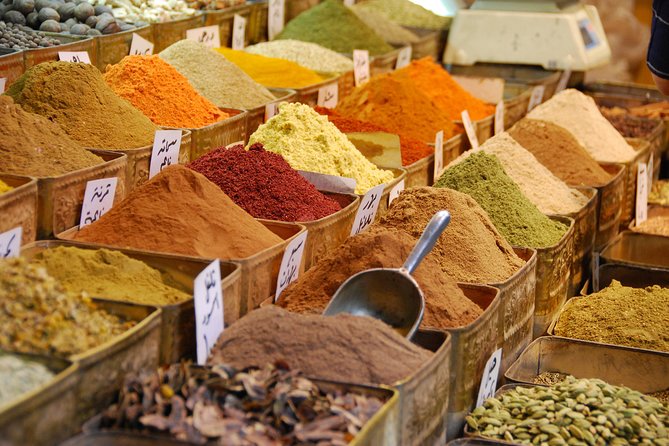
- You walk through working spice farms: Expect a hands-on look at spice and fruit cultivation rather than a formal museum visit.
- The guide makes the difference: Explanations cover local uses, farming, and Zanzibar’s trade past.
- Hamamni Persian Baths adds a Stone Town link: The 15-minute stop connects the spice trade to the island’s sultan-era history.
- Fresh fruit is part of the reward: Tasting fruit from the farm gives the tour a simple, local finish.
- The community shop is convenient but not cheap: It is a good place to buy spices, but compare prices with your budget in mind.
- Comfort matters: Wear good walking shoes and dress conservatively, especially if you visit from Stone Town or another part of Zanzibar City.
What this three-hour Zanzibar experience is really about
This is not a long plantation expedition or a full-day cultural outing. It is a compact walk that gives you a useful introduction to Zanzibar’s farming life, spice trade, and village setting.
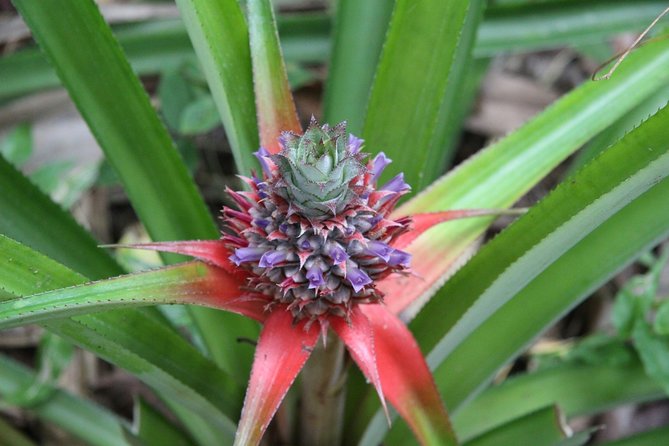
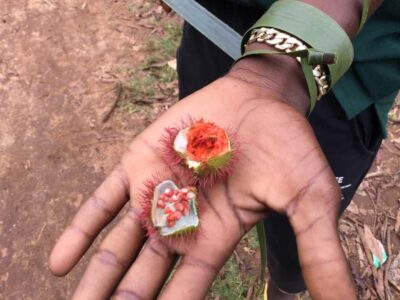
The tour is built around seeing, smelling, and tasting. You walk among spice and fruit crops, watch workers climb into spice trees, and hear how these products are grown and used. That makes the experience more memorable than simply hearing a guide list spices from a roadside stall.
I like the pace on paper. Three hours is enough time to learn something without giving up an entire day at the beach or in Stone Town. A morning departure leaves the afternoon open, while an afternoon departure can fit well after other city sightseeing.
Because this is a private activity, only your group takes part. That gives you more room to ask questions and adjust the pace than you would get on a large coach outing. The exact number of people in your group is not specified, but the private setup is still a meaningful advantage for couples, families, or friends traveling together.
More Spice Farm Tours around Zanzibar:
- Zanzibar: Prison Island, Stone Town, & Spice Farm Tour
★ 4.5 · 579 reviews - Full-Day Private Stone Town +Spice Farm and Prison Island Tour
★ 4.5 · 216 reviews - Zanzibar: Stone Town & Spice Farm Tour with Lunch
★ 4.5 · 97 reviews
From Hamamni Persian Baths to Zanzibar’s past

The listed historic stop is Hamamni Persian Baths, in the Hamamni neighborhood of Stone Town. You spend about 15 minutes here, with no separate admission charge.
The baths were built between 1870 and 1888 for Sultan Barghash bin Said and continued serving as public baths until 1920. That short stop gives the farm visit a useful city-side introduction. Zanzibar’s spice economy did not exist in isolation. It was connected to the sultans, trade, public life, and Stone Town’s built heritage.
Do not expect a long guided exploration of the baths. Fifteen minutes is enough for a quick look and a little context, not a full architectural tour. I would treat it as a scene setter rather than the main attraction.
This stop may be especially worthwhile if you have not yet explored Stone Town. If you have already spent hours visiting its major buildings, the baths may feel brief. Still, it helps frame the rest of the outing before you head toward the farms.
Walking through farms instead of just hearing about spices
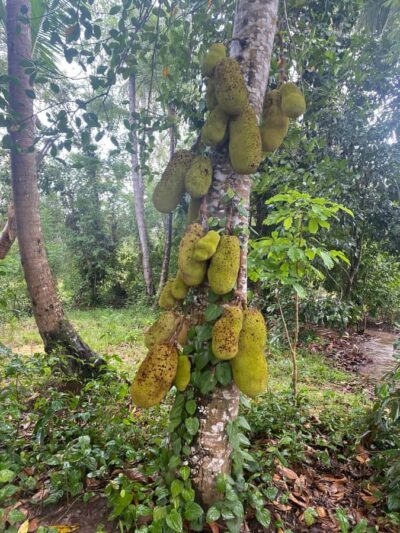
The main part of the tour takes place on foot through spice farms and plantations. You will see spice and fruit cultivation and get a closer look at rural life around Zanzibar City.
The most engaging detail is the chance to watch workers climb into spice trees. That turns an abstract explanation into something you can see in front of you. Farming is physical work, and this brief glimpse helps you understand the effort behind the small packets of cloves, cinnamon, or other products sold in shops.
The tour also focuses on how spices are used. A good guide can connect the plant in the field with the ingredient in a kitchen, medicine cabinet, or local tradition. The supplied tour information promises a professional guide, and the experience is strongest when the guide explains what you are seeing in clear, practical terms.
The guide’s explanations are one of the best reasons to book. You can expect discussion of Zanzibar’s spice trade, cultivation, and local culture. The guide may be multilingual, so it is worth confirming your preferred language when you book if that matters to you.
Do not expect every part of the farm to be arranged like a polished attraction. That is part of the appeal, but it also means the experience may feel less predictable than a museum visit. The value comes from seeing real cultivation and asking questions, not from elaborate displays.
Cloves, saffron, and the trade behind the crops

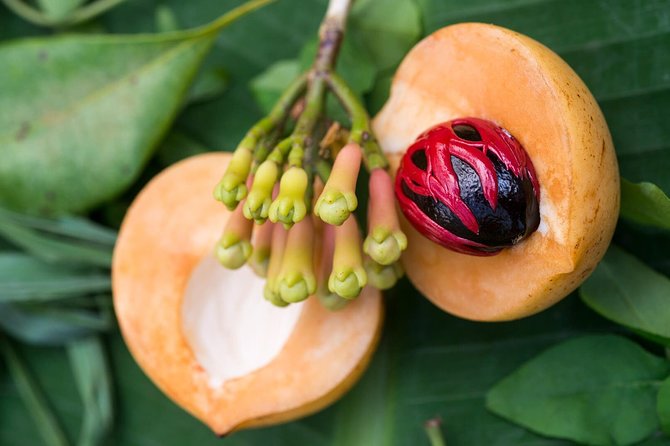
The spice talk includes an interesting detail about cloves. Cloves are sold through the government, and saffron ranks as the second most expensive spice after them. Those facts give the walk a little economic context and help explain why some spices cost more than others.
You may already know cloves as a baking spice or a scent in holiday drinks. On Zanzibar, they also belong to the island’s wider commercial story. Learning about how they are sold and valued makes the farm visit more than a collection of pleasant smells.
Saffron is another useful comparison. It is famous for its high price, but the explanation here places it just behind cloves in cost. That gives you a practical reason to pay attention when the guide discusses the crops rather than treating every spice as equally valuable.
The tour is not presented as a specialist botany lesson, so you should not book it expecting detailed scientific classification. It is better suited to you if you want a clear introduction to cultivation, trade, and everyday use.
More Half-Day Trips around Zanzibar:
- Half-Day Private Spice Tour in Kizimbani Farms, Zanzibar
★ 4.0 · 4 reviews - Zanzibar: Half-Day Spice Farm Tour,the flavours of Zanzibar
★ 4.7 · 3 reviews - Half-Day Thai Cooking Class at Organic Farm in Chiang Mai
★ 5.0 · 19,087 reviews - Half-Day Thoroughbred Horse Farm Tour in Kentucky
★ 5.0 · 1,924 reviews
Fresh fruit gives the walk a simple local finish
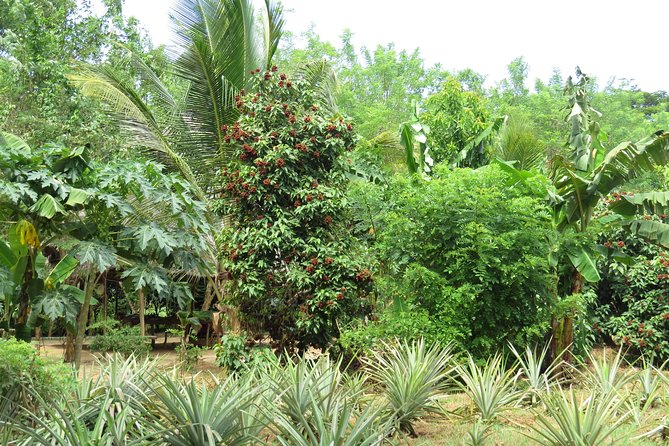
At the end of the tour, you receive some local fruit. Food and drinks are not generally included, so this small tasting is a useful distinction. It is part of the farm experience, not a full meal.
I like this ending because it brings the tour back to the field. You are not only looking at plants or buying packaged products. You get to taste something connected to the local growing season.
Do not count on the fruit to replace lunch. The tour lasts about three hours, and no complete meal is included. If you choose an afternoon departure, plan your food around the outing. You should also bring any drinks you need, since food and drinks are listed as extras.
The fruit tasting may be modest, but it is exactly the sort of detail that makes a rural visit feel personal. It gives the experience a clear final moment before your return to Zanzibar City.
Is the $75 cost fair?
At $75 per person, this is not the cheapest way to spend three hours in Zanzibar. The price makes more sense when you count the professional guide, hotel pickup and drop-off, private format, farm walk, historic stop, and fruit tasting.
If you are staying in Zanzibar City and would otherwise need to arrange transport to a farm, the included pickup is useful. It saves you from negotiating a separate ride and gives the outing a clear start and finish.
The value is also stronger for people who want interpretation. A spice farm without explanations would be little more than a pleasant walk among plants. Here, the guide adds information about farming, local life, and the island’s trade past.
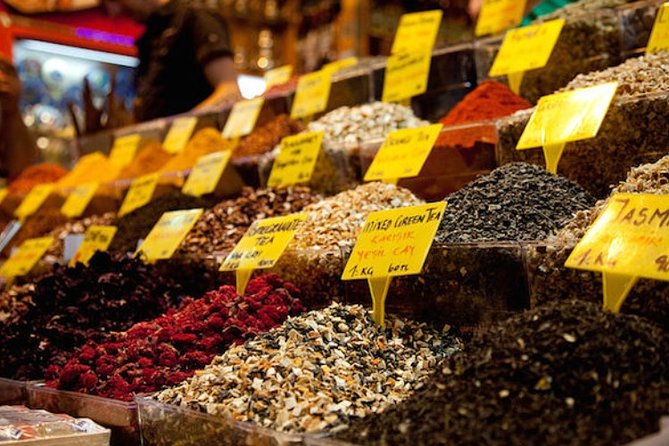
The weaker part of the value is shopping. The community spice shop is a convenient place to buy local products, but it may feel expensive. That does not automatically make it a bad stop. You are also supporting a local sales point and buying in the setting where the products were discussed. Still, set a spending limit before you go.
For a budget-focused visitor who only wants to see spices, $75 may feel high. For a couple or private group that values transport and a personal guide, the cost is easier to justify.
Clothing, shoes, and physical effort
Dress conservatively. Women should cover their shoulders and wear long skirts or trousers, and modest clothing is the safest choice for everyone. This is especially important because the experience connects Stone Town with local communities and village farms.
Wear good walking shoes. The tour is described as a walking experience, and comfortable footwear will matter more than stylish sandals. The required fitness level is moderate, so you should be comfortable walking for part of a three-hour outing.
The description does not give a precise walking distance or explain the condition of every path. You might find uneven ground or surfaces that are less polished than city streets. If you have mobility concerns, ask the provider for current details before booking.
Sun protection and water are sensible additions, though the supplied information does not state that they are provided. Since food and drinks are not included, plan accordingly.
Morning or afternoon: which departure works better?
Both morning and afternoon departures are available. Your best choice depends on the rest of your Zanzibar plans.
A morning tour works well if you want the afternoon for Stone Town, the beach, or a relaxed meal. It may also suit you if you prefer to do a walking activity earlier in the day.
An afternoon tour can fit around a slow morning or other plans in Zanzibar City. It may be convenient if you want to visit the baths and farms after sightseeing elsewhere. Since exact start times are not provided, check the available departure time before confirming.
The tour lasts about three hours, not counting any extra time that might be needed for pickup arrangements. Keep your schedule reasonably flexible rather than booking another activity immediately afterward.
Who will enjoy this tour most?
I would recommend this experience to you if you want a cultural outing with a clear local focus. It suits people who enjoy walking, asking questions, tasting produce, and learning how ordinary goods connect to history and trade.
It is also a good choice for first-time visitors who want more than Stone Town streets and beach time. The farm setting gives you a different view of Zanzibar, while the Hamamni stop keeps the experience linked to the city.
Families may like the variety of seeing workers in the trees, handling spices, and tasting fruit. The moderate fitness requirement means you should consider the walking ability of every person in your group.
You may want to skip it if you dislike guided walks, prefer a highly polished attraction, or are looking for a full meal and a full-day excursion. The tour is short and focused. It does not try to cover every part of Zanzibar.
Booking confirmation is sent within 48 hours, subject to availability. Since the activity is private and departure times may fill, give yourself enough notice. You can cancel for a full refund if you do so at least three full days before the local start time. Cancellations or changes made later are not accepted for a refund.
Should you book the Zanzibar spice farm walk?
Book it if you want a manageable three-hour introduction to Zanzibar’s farms, spices, and rural culture, especially with hotel transport included. The strongest features are the private format, the guide’s explanations, the worker activity in the spice trees, and the fresh fruit at the end.
Think twice if $75 feels high for a short outing or if you dislike shopping stops. The community shop may cost more than expected, and the Hamamni Baths visit is brief.
For me, the deciding question is simple: do you want to understand where Zanzibar’s famous spices come from, or do you only want to buy them? If you want the story, the walk, and the local setting, this tour earns its place in your itinerary.
FAQ
How long does the Zanzibar spice farm tour last?
The tour lasts approximately three hours.
Is hotel pickup included?
Yes. Hotel pickup and drop-off in Zanzibar are included.
Are morning and afternoon departures available?
Yes. Both morning and afternoon departure options are offered.
What is included in the price?
The price includes a professional guide and hotel pickup and drop-off.
Is food included?
No. Food and drinks are not included, although local fruit is provided at the end of the tour.
Can I cancel for a full refund?
Yes. You must cancel at least three full days before the experience start time, based on local time. Later cancellations and changes are not accepted for a refund.
Just added around Zanzibar
- Zanzibar: Spice farm tour with Zanzibar fruits tasting★ 3.8 · 7 reviews
- Zanzibar: Stone Town City Tour and Spice Farm with Lunch★ 3.7 · 33 reviews
- ZANZIBAR, Stone town tour, Prison Island & Spice farm★ 5.0 · 11 reviews
- Zanzibar: Walking Spice Farm with Local Cooking Class★ 4.4 · 9 reviews
- Zanzibar: Spice Farm Tour with Traditional Cooking Class★ 5.0 · 2 reviews
- Zanzibar: Spice Farm Tour with Traditional Cooking Class★ 4.8 · 6 reviews
- Zanzibar: Spice Farm Tour with Traditional Cooking Class★ 4.6 · 16 reviews
- Zanzibar: Spice Farm Tour with Lunch & Tropical Fruits★ 4.9 · 10 reviews
Spice Farm Tours, farm by farm.
Full-Day Private Stone Town +Spice Farm and Prison Island Tour
Read our review →
Zanzibar full day Jozani forest + Spice farm and stone town
Read our review →

STONE TOWN, PRISON ISLAND AND SPICE FARM ( Lunch included )
Read our review →
Zanzibar Private Spice Farm and Stonetown Tour(Include Lunch)
Read our review →
Other lists this farm sits on