
REVIEW · ZANZIBAR
Private Zanzibar Spice Farm Tour
Smell the island before you taste it. This private Zanzibar spice farm tour gives you a close look at cinnamon, cloves, cardamom, nutmeg, vanilla, and black pepper, with the chance to taste spices and seasonal fruit straight from the plant. I like the private format, which lets your guide adjust the pace, and I like the included Stone Town hotel pickup, water, entrance fee, and return transport.
The tour also adds a useful local touch by introducing you to traditional houses and village life, not just rows of plants. Guides such as Alfa, Abdul, Khalfan, and Watermelon have been praised for clear explanations, humor, and language skills. The main catch is location: pickup from a beach hotel costs an extra $45 round trip, and lunch costs $12 if arranged ahead.
If you want a short, educational outing with plenty of tasting and photo opportunities, this is a strong choice. If you expect a large commercial plantation, a full meal, or a whole-day excursion, you may find the two to three-hour visit too brief.
Key things to know before you go

- The tour is fully private: Only your group takes part, so you can ask questions and move at a comfortable pace.
- Spices are explained from plant to kitchen: You learn about roots, stems, branches, soil, and the finished spice.
- Tasting is part of the fun: You may smell and sample fresh spices, seasonal fruit, coconut, and banana decorations at an added cost.
- Stone Town pickup is included: Round-trip taxi transfer applies when your hotel is in the Stone Town area.
- Beach hotel transport costs extra: A round trip from a beach hotel is listed at $45, so confirm this before booking.
- The strongest feature is the guiding: Alfa, Abdul, Khalfan, and Watermelon have each received praise for friendly, clear, and entertaining tours.
Why Zanzibar’s spices matter
Zanzibar is often called Spice Island, and that nickname is not just a souvenir-shop slogan. Cloves, cinnamon, nutmeg, peppers, cardamom, and other spices have shaped the island’s trade and daily cooking for centuries.
The tour connects those plants to Zanzibar’s past, including the period when the sultanate of Oman controlled the island from the 18th century onward. You are not simply looking at a bag of ground cinnamon. You get to see where the spice begins, how it grows, and how it becomes part of local life.
That connection is what makes the visit worthwhile. In a supermarket, cinnamon is a brown powder in a jar. At the farm, you can learn to recognize the plant, smell the fresh bark, and understand that spices come from different parts of a plant. Some come from bark, some from seeds, some from fruit, and some from roots or leaves.
The guide is important here. The most praised guides do more than recite plant names. Alfa has been described as cheerful and flexible, while Abdul made the guess that spice activity entertaining. Khalfan has explained the links between Zanzibar and Oman, and Watermelon has provided French-language guiding.
More Spice Farm Tours around Zanzibar:
- Zanzibar: Prison Island, Stone Town, & Spice Farm Tour
★ 4.5 · 579 reviews - Full-Day Private Stone Town +Spice Farm and Prison Island Tour
★ 4.5 · 216 reviews - Zanzibar: Stone Town & Spice Farm Tour with Lunch
★ 4.5 · 97 reviews
Walking through Jambo Spice Farm
The main stop is Jambo Spice Farm, where the tour lasts about two hours. The pace is designed for looking, smelling, asking questions, and tasting rather than rushing from one display to another.
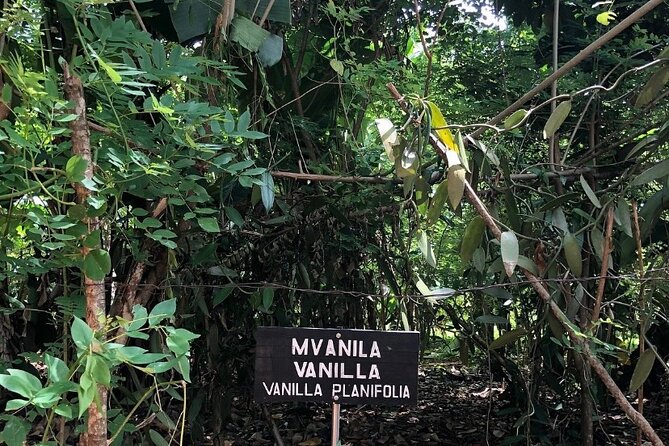
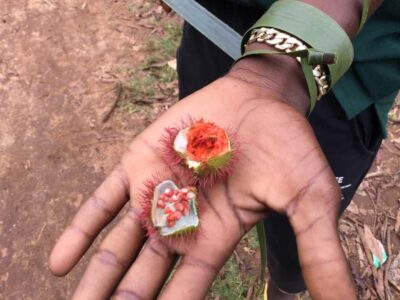
You can expect to encounter cinnamon, cardamom, nutmeg, Indian almonds, vanilla, black pepper, and other spices grown in Zanzibar’s villages and plantations. The appeal is the variety. A short walk can introduce you to plants that you may use often but rarely see in their natural form.
The guide explains the plants from the ground up, including soil, roots, stems, branches, and the parts used in cooking. That makes the experience useful for families and for anyone who wants more than a quick photo stop.
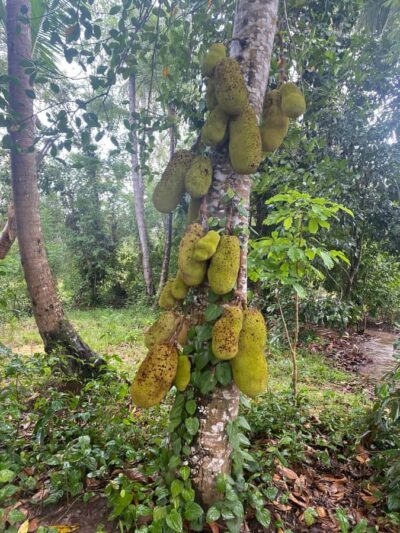
You may also taste spices and seasonal fruit directly from the tree. The tasting element gives the visit some energy, especially if you enjoy comparing familiar flavors with fresh plant material. It is also where the tour becomes more hands-on than a standard garden walk.
Bring your curiosity. Ask to smell the spices before they are prepared, and ask which parts of each plant are used. The tour is private, so you have a better chance to pause when something catches your attention instead of following a fixed group schedule.
From Oman-era trade to everyday cooking
The historical explanation is brief but useful. Zanzibar’s spice trade is tied to the arrival and influence of the Omani sultanate, and the island’s identity developed alongside the cultivation and export of spices.
You will hear about this connection while standing among the plants, which gives the history a physical setting. It is easier to understand the importance of cloves or cinnamon when you can see the source instead of hearing a detached lecture in a museum.
The tour also places spices within ordinary Zanzibari life. These are not only export products or tourist souvenirs. They are ingredients used in local kitchens and part of the island’s cultural identity.
That context is one of the best reasons to choose a farm tour early in your Zanzibar visit. It can help you recognize flavors later when you order local food. If you plan to eat Zanzibar cuisine during your stay, the guide’s explanations may make those meals more interesting.
Village houses and a closer look at local life
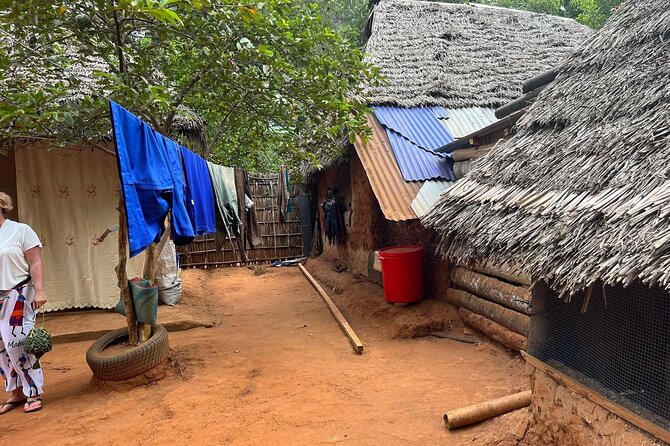
The experience includes a look at traditional houses in a village, including older homes where people still live. This portion gives the tour a wider purpose. You are seeing how the spice-growing area fits into daily life, not just visiting a plantation arranged for sightseeing.
The information provided does not give a detailed architectural itinerary, so you should not expect a long village walking tour or a formal house museum. Think of it as a short local-life element attached to the farm visit.
That modest approach can be a plus. You are not being asked to spend an entire day on a staged cultural program. Instead, the farm visit gives you a glimpse of the rural setting and the homes that remain part of the community.
Be respectful when taking photographs. The tour welcomes pictures for memories, but a traditional house is also someone’s home. Ask before photographing residents or private spaces.
More Farm Tours around Zanzibar:
- Zanzibar:Stone Town & Spice Farm Private Tour Lunch Included
★ 4.2 · 94 reviews - Zanzibar full day Jozani forest + Spice farm and stone town
★ 4.7 · 90 reviews - Zanzibar: Spice Farm Tour with Traditional Cooking Lesson
★ 4.8 · 77 reviews - A Private Full Day Tour To Stone Town & Spice Farm
★ 5.0 · 53 reviews
The tasting, guessing, and photo moments
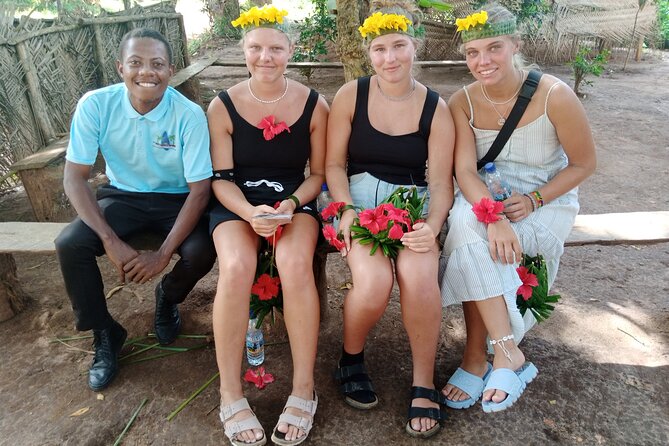
Spice tours work best when they use more than words. Here, the sensory side includes smelling, tasting, and identifying different spices. Abdul’s guess that spice activity has been singled out as a fun part of the morning, especially for people who enjoy a little friendly challenge.
Fresh fruit adds another layer. Seasonal fruit may be tasted directly from the tree, depending on what is available at the time of your visit. Since the tour description does not promise specific fruit on every date, keep your expectations flexible.
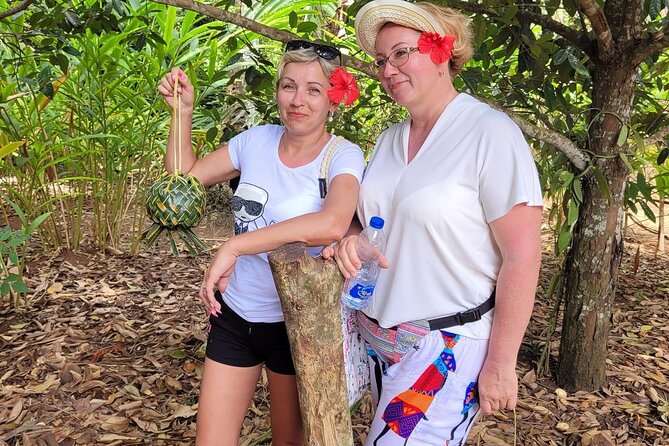
Photography is encouraged, and the farm offers plenty of natural subjects. You can take pictures of spice plants, fruit, and the setting, and you may have opportunities for simple souvenir photos with fresh produce.
One optional extra involves coconut and banana decorations, which cost extra. This has been described as a fun ending to the visit, but it is not part of the $65 price. Ask about the cost before agreeing to any add-on.
The farm also has spice shops operated by villagers. You can buy spices there if you want to take home cinnamon, pepper, vanilla, or other products. Personal purchases are not included, so bring spending money if shopping is part of your plan.
What the $65 price includes
At $65 per person, the tour offers reasonable value if you are staying in Stone Town and want a private half-day activity. The price includes the farm entrance, a professional certified guide based at the spice plantations, bottled water, private transport, transport waiting time, and taxi pickup and return from a Stone Town hotel.
That package matters. A cheaper farm admission by itself may not include the ride, guide, or waiting time. Here, you are paying for an organized visit with transport and personal attention.
The value is strongest for couples, families, and small groups who would rather avoid a large shared vehicle. A family of five has previously benefited from a guide tailoring the experience to the group’s interests, and the private setup gives you more freedom than a fixed group excursion.
The price is less attractive if you are based on the coast. Beach hotel transfer costs an additional $45 round trip, and that can change the total considerably. Message the provider in advance so you know the full cost before confirming.
Lunch is another optional expense. Zanzibar local food with soft drinks costs $12 per person in cash, but it must be arranged ahead of time. The tour itself lasts only two to three hours, so lunch is not essential if you have other plans in Stone Town.
Getting there and planning your timing
Pickup is offered, but the included hotel transfer applies to hotels in the Stone Town area. If your accommodation is at a beach hotel, you need to request the extra transfer in advance.
The average booking time is about 13 days ahead. That is a useful guide if your schedule is fixed, especially during a busy holiday period. The experience may sometimes be arranged on shorter notice. One booking was organized late in the evening and confirmed the following morning, but you should not rely on last-minute availability.
The tour runs for roughly two to three hours, with the farm portion listed at about two hours. That makes it easy to combine with other plans, including a Stone Town walk, a relaxed lunch, or an afternoon at your hotel.
Wear something comfortable for walking around a farm, and carry water even though a bottle is provided. A hat and sun protection are sensible choices, though the supplied information does not specify how much shade is available.
The guides make the difference
The clearest strength of this experience is the guiding. Alfa has been praised for his English, warm manner, and ability to shape the tour around a family’s interests. Abdul has been described as funny and energetic, especially during the spice-identification game.
Khalfan has provided explanations about the Omani period and Zanzibar’s spice trade. Watermelon has guided in French, which may help French-speaking visitors feel more at ease.
Names and guide assignments may vary, so you should not assume you will receive a particular person. Still, the repeated praise points to an important fact: this tour depends heavily on the guide bringing the plants and stories to life.
A good guide can turn a short walk into a memorable lesson. A less engaging guide would leave you with little more than a list of plant names. The provider is Alfa Tours & Safaris, and the experience has a 4.9 rating from 11 ratings, with 100 percent recommending it. That is a positive signal, though the sample is small.
Who should book this spice farm tour?
I would recommend it to families, couples, first-time Zanzibar visitors, and anyone curious about food. Children may enjoy the tasting and guessing elements, while adults can focus on the trade history, agriculture, and local homes.
It also suits you if you want a private activity without giving up a full day. The short duration leaves room for Stone Town sightseeing or a beach afternoon.
Language may be another reason to consider it. English guiding is available, and French guiding has been provided by Watermelon. Confirm your language preference when booking rather than assuming a particular guide.
You may want a different experience if you are seeking a long plantation walk, a substantial included meal, or extensive village interaction. The tour offers a taste of those subjects, not a full-day cultural program.
Booking, cancellation, and practical limits
Confirmation is provided at the time of booking, and most people can participate. The activity is private, meaning only your group takes part.
You can cancel for a full refund up to 24 hours before the local start time. Cancellations or changes made within 24 hours are not refunded or accepted. Medical insurance is not included, and tips are optional.
The most important booking detail is your hotel location. Stone Town pickup is included, but beach hotel transfer is extra. Also arrange lunch in advance if you want the $12 local meal and soft drinks.
Should you book the Zanzibar Spice Farm Tour?
Book it if you want an affordable, private introduction to the plants, flavors, and trade connections that help explain Zanzibar. The combination of farm tasting, friendly guiding, village houses, and included Stone Town transport gives the outing more substance than a simple souvenir stop.
I especially like it for a first or second day on the island. It gives you useful food context, a look beyond the city, and a manageable two to three-hour schedule.
Check the extra transport cost carefully if you stay at a beach hotel. If that $45 charge fits your budget, this is a worthwhile half-day visit. If you already have a full-day spice and village itinerary, compare the plans so you do not pay twice for similar stops.
FAQ
How much does the private Zanzibar Spice Farm Tour cost?
The listed price is $65 per person. Personal purchases, optional lunch, tips, medical insurance, and beach hotel transfer are not included.
How long does the tour last?
The experience lasts approximately two to three hours. The Jambo Spice Farm visit itself is listed at about two hours.
Is hotel pickup included?
Round-trip taxi pickup is included for hotels located in the Stone Town area. Pickup from a beach hotel costs $45 for two-way transport and should be arranged in advance.
Is this a private tour?
Yes. Only your group participates in the activity, and private transportation is included.
What spices can you see?
The tour may include cinnamon, cardamom, nutmeg, Indian almonds, vanilla, black pepper, and other spices grown in Zanzibar villages and plantations.
Can you taste the spices and fruit?
Yes. You may taste different spices and seasonal fruit directly from the plant or tree, depending on what is available during your visit.
Is lunch included?
No. Zanzibar local food with soft drinks costs $12 per person in cash and must be arranged in advance.
Can you buy spices at the farm?
Yes. Spice shops operated by villagers are available if you want to purchase spices or souvenirs. Personal spending is not included.
What is the cancellation policy?
You receive a full refund if you cancel at least 24 hours before the local start time. Cancellations or changes made less than 24 hours before the start are not accepted and are not refunded.
Just added around Zanzibar
- Zanzibar: Spice farm tour with Zanzibar fruits tasting★ 3.8 · 7 reviews
- Zanzibar: Stone Town City Tour and Spice Farm with Lunch★ 3.7 · 33 reviews
- ZANZIBAR, Stone town tour, Prison Island & Spice farm★ 5.0 · 11 reviews
- Zanzibar: Walking Spice Farm with Local Cooking Class★ 4.4 · 9 reviews
- Zanzibar: Spice Farm Tour with Traditional Cooking Class★ 5.0 · 2 reviews
- Zanzibar: Spice Farm Tour with Traditional Cooking Class★ 4.8 · 6 reviews
- Zanzibar: Spice Farm Tour with Traditional Cooking Class★ 4.6 · 16 reviews
- Zanzibar: Spice Farm Tour with Lunch & Tropical Fruits★ 4.9 · 10 reviews
Spice Farm Tours, farm by farm.
Full-Day Private Stone Town +Spice Farm and Prison Island Tour
Read our review →
Zanzibar full day Jozani forest + Spice farm and stone town
Read our review →

STONE TOWN, PRISON ISLAND AND SPICE FARM ( Lunch included )
Read our review →
Zanzibar Private Spice Farm and Stonetown Tour(Include Lunch)
Read our review →
Other lists this farm sits on