

REVIEW · ZANZIBAR
ZANZIBAR, Stone town tour, Prison Island & Spice farm
Stone Town keeps its secrets in plain sight. I like the mix of old city streets and carved Zanzibari doors, followed by the hands-on fun of smelling and tasting spices at a working farm. The boat ride to Prison Island adds a change of pace, with giant tortoises and clear coastal water.
The main drawback is time. Seven hours covers three major attractions, so Stone Town can feel quick, especially if you want to linger in museums or shop. Prison Island also costs an extra $15, which lifts the real price above the advertised $125.
Key points to know before booking
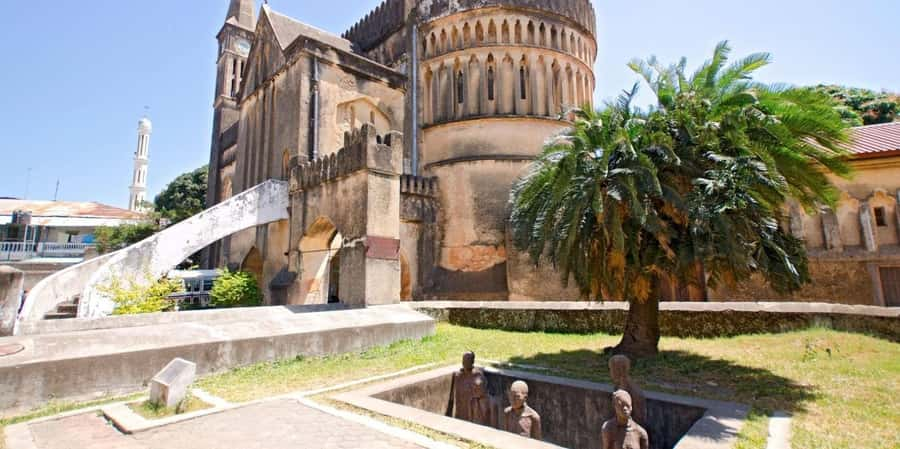
- Three very different Zanzibar experiences: You move from Stone Town’s trade-era buildings to a spice plantation and then an island tortoise sanctuary.
- Private touring makes a difference: Pickup, transport, and guiding are arranged for your group, with guides available in English, German, Italian, French, and Spanish.
- Stone Town gets about 2.6 hours: That is enough for the main streets and historic sights, but not enough for a slow museum-heavy visit.
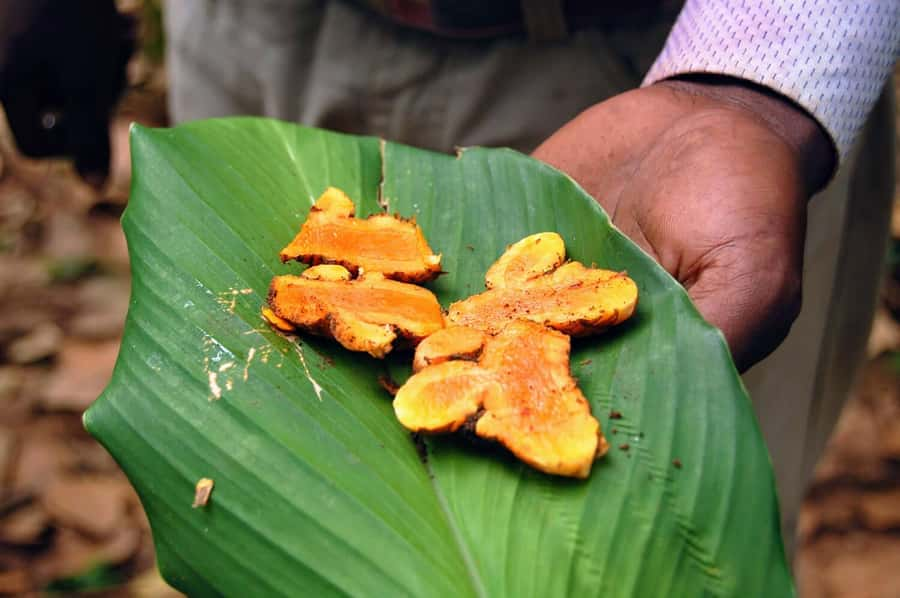
- The spice farm is hands-on: You can smell, touch, and taste cloves, cinnamon, vanilla, cardamom, turmeric, lemongrass, tropical fruit, and more.
- Budget another $15 for Prison Island: That entrance fee is not included in the $125 price.
- Lunch is part of the deal: A local Swahili meal is served at the spice farm, making the package better value than a sightseeing trip with meals left to you.
Three sides of Zanzibar in one day
This is a full day by Zanzibar standards, but it is not a slow, leisurely outing. You are combining a guided city walk, a plantation visit, lunch, and a boat trip to Changuu, better known as Prison Island.
That variety is the tour’s greatest strength. You get architecture, difficult colonial-era history, food, farming, sea views, and animals without having to arrange separate taxis, boats, and admissions. For a first visit to Zanzibar, that makes the day easy to understand and easy to book.
The private-group format is also useful. Your guide can answer questions and adjust the pace more easily than a large coach tour. A few visitors have had guides such as Hassan and Felix, both praised for clear explanations and strong language skills. One German-speaking guide was particularly good at answering questions about local communities as well as historical events.
The advertised duration is seven hours. Pickup is available from a wide list of beach and town areas, including Stone Town, Nungwi, Kendwa, Paje, Kiwengwa, Bwejuu, Uroa, and Pwani Mchangani. From some beach hotels, the van ride can take about an hour before the sightseeing really begins, so keep the entire day open.
More Spice Farm Tours around Zanzibar:
- Zanzibar: Prison Island, Stone Town, & Spice Farm Tour
★ 4.5 · 579 reviews - Full-Day Private Stone Town +Spice Farm and Prison Island Tour
★ 4.5 · 216 reviews - Zanzibar: Stone Town & Spice Farm Tour with Lunch
★ 4.5 · 97 reviews
Stone Town’s doors, markets, and difficult past
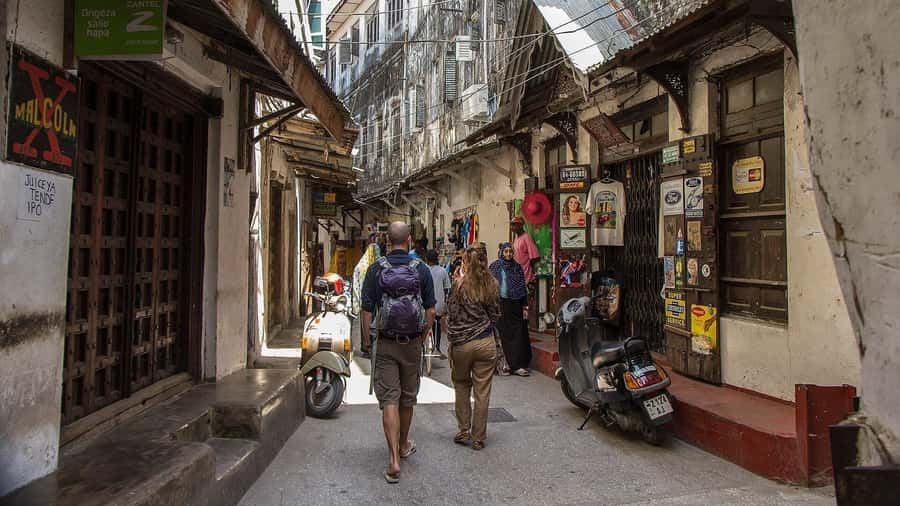
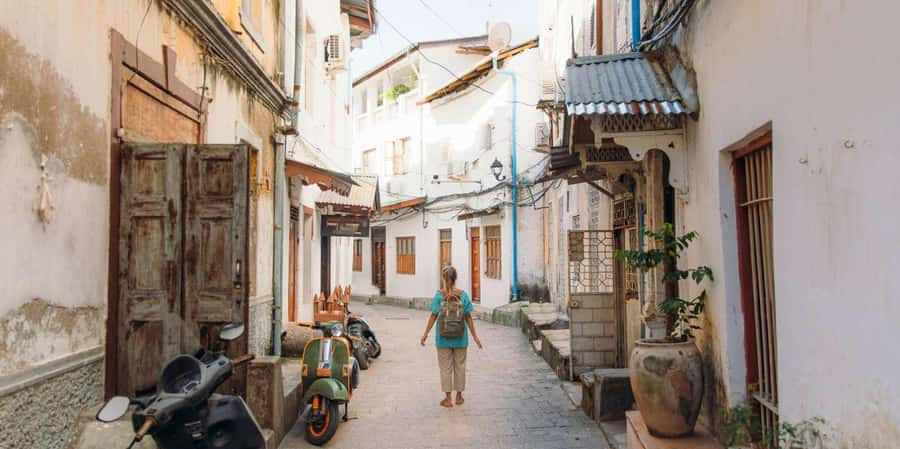
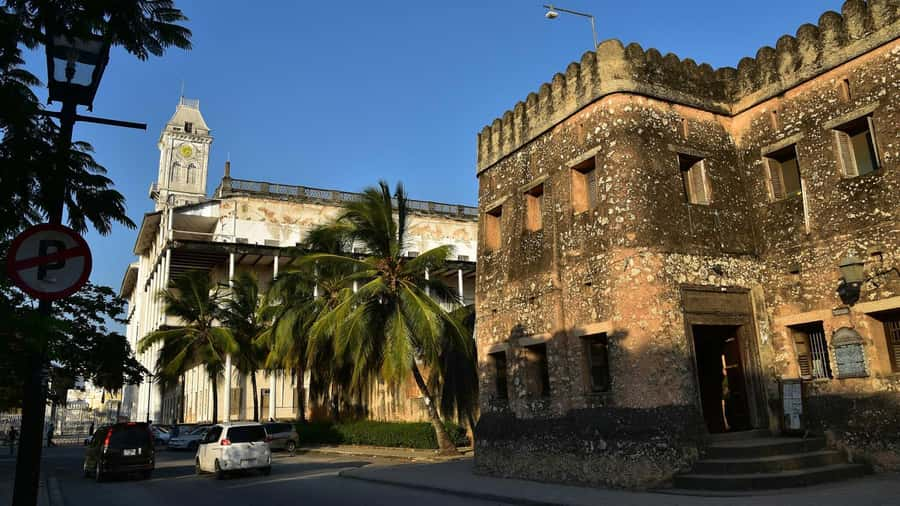
Stone Town is the intellectual and historical heart of this experience. Its narrow lanes reflect centuries of contact among African, Arab, Indian, Persian, and European cultures. Zanzibar’s old city became a UNESCO World Heritage site in 2000, and the best way to understand it is on foot.
I especially like that the walk focuses on details you could easily miss alone. Look for heavy hardwood doors with carved panels, metal studs, and decorative frames. Former palaces, Arab mansions, and the Sultan’s Palace help explain the wealth once gathered in this port.
The old slave market is an important stop, but it is not light sightseeing. Zanzibar played a major role in the Indian Ocean slave trade, and the guide can help place the market within the wider story of trade and exploration. This part of the tour gives the day moral weight. You are not simply admiring old buildings. You are learning how prosperity was built and who paid the price.
You will also pass daily markets and narrow commercial streets. These give you a better sense of present-day Stone Town than a list of monuments alone. The city is lived in, worked in, and sometimes gloriously untidy. Watch your footing, listen for traffic in the lanes, and leave room for people moving through their own neighborhood.
Shopping comes later in the walking visit. This can be useful if you want spices, small crafts, or souvenirs, but do not let shopping consume your limited city time. One practical point came through clearly: some historic buildings may be under renovation. If a particular palace or landmark is partly covered or closed, the guide can still explain its role, but your photographs may not match the ideal picture in your head.
The city portion is listed at roughly 2.6 hours, including walking, sightseeing, free time, and shopping. That is a fair introduction, not a full Stone Town study. If you have already visited the city, tell the guide what you have seen and what you want to revisit. A private group may be able to make room for personal interests.
The spice farm makes Zanzibar smell like Zanzibar
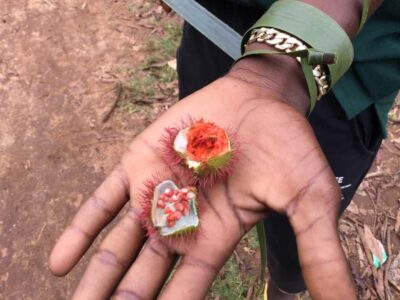
The plantation visit is the most sensory part of the day. Rather than looking at labels in a shop, you walk among crops and learn how they grow and how they are used.
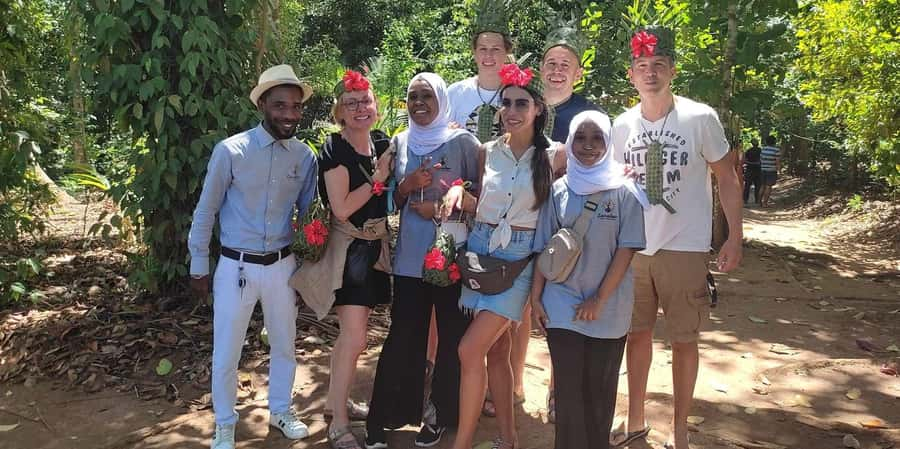
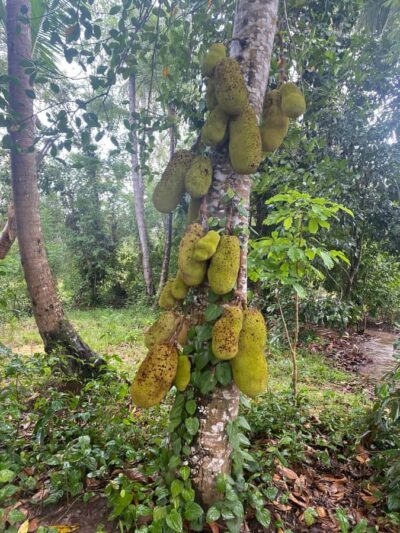
Zanzibar became known as Spice Island because of crops such as cloves, nutmeg, cinnamon, and black pepper. The tour also covers vanilla, cardamom, turmeric, chili, cassava, coconut, papaya, lemongrass, and other tropical plants. You can smell leaves, handle samples, and taste some of the produce.
That hands-on approach matters. A dried clove in a kitchen jar is one thing. A fresh plant, its scent, and its place in local cooking make the spice easier to remember. The guide also explains the uses of these crops, including their role in food and traditional preparations.
The plantation’s story includes Portuguese traders, who introduced spices and herbs to Zanzibar from colonies in South America and India during the 16th century. The farm visit therefore connects directly with the trade routes you hear about in Stone Town. The city shows where goods were bought and sold. The plantation shows what made those goods valuable.
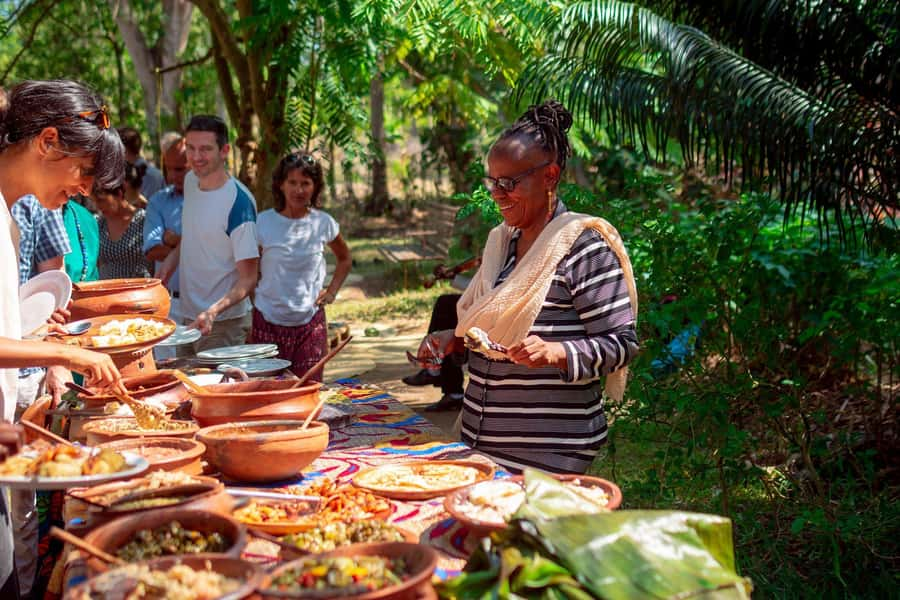
The tour ends with a local Swahili lunch at the farm. This is one of the stronger inclusions in the package. You are not left searching for a restaurant between attractions, and the meal gives you a chance to taste how spices are used in everyday cooking rather than only smelling them on the trail.
Some parts of the farm visit are playful. You may be crowned king or queen, receive a freshly opened coconut, or watch a coconut climber at work. The Zanzibar butterfly, or coconut climber, is a lighthearted touch that many families and first-time visitors will enjoy. It can feel a little staged, but it is part of the traditional presentation and keeps the experience from becoming a straight botany lesson.
You will also have the chance to buy spices after the tour. That is convenient, but compare prices and quality before purchasing. The tour gives you a better idea of what the spices look and smell like, which helps you make a more informed choice.
Boat to Prison Island and the giant tortoises
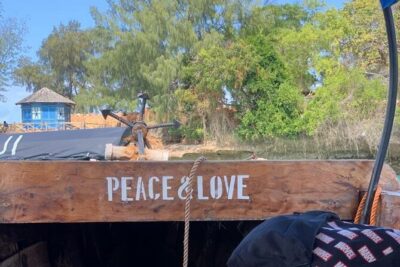
Prison Island, called Changuu in Swahili, is reached by boat from Stone Town. The crossing is listed at about 30 minutes in one direction, with another boat segment of roughly 33 minutes shown in the day’s transport plan. Conditions can affect the feel of the ride, so bring sunglasses, protect your camera, and keep beachwear handy.
The island’s main attraction is the Aldabra giant tortoise sanctuary. These animals were brought from the Seychelles and are not native to Zanzibar. Some weigh around 200 kilograms, live for more than 100 years, and include a resident said to be about 200 years old.
You can touch and feed the tortoises in the sanctuary. That close contact is memorable, but treat the animals gently and follow the guide’s instructions. The visit is more than a quick photograph with a large shell. It is a chance to see how the sanctuary cares for long-lived creatures that have become one of Zanzibar’s best-known symbols.
The island also carries a darker story. It was used as a prison for rebellious slaves in the 1860s. The name Prison Island can suggest a grand ruined penitentiary, but the value of the stop lies in hearing how the site functioned and how its role changed over time. The tortoises make the stop cheerful; the island’s past keeps it from being merely an animal encounter.
The boat journey itself is part of the appeal. One detailed account described the crossing as especially beautiful, with clear water and a relaxed island atmosphere. Still, do not expect a full beach day. The island is one part of a tightly packed excursion, and the time there is shared between the sanctuary, the history, and the return boat.
More Farm Tours around Zanzibar:
- Zanzibar:Stone Town & Spice Farm Private Tour Lunch Included
★ 4.2 · 94 reviews - Zanzibar full day Jozani forest + Spice farm and stone town
★ 4.7 · 90 reviews - Zanzibar: Spice Farm Tour with Traditional Cooking Lesson
★ 4.8 · 77 reviews - A Private Full Day Tour To Stone Town & Spice Farm
★ 5.0 · 53 reviews
Is $125 a fair price?
At $125 per person, the tour is not the cheapest way to see Zanzibar. The price becomes easier to justify because it includes hotel pickup and drop-off, a private group, a guide, boat transport, entry tickets listed for the main activity, government taxes, and lunch.
You should add the $15 Prison Island entrance fee. That brings the practical cost to about $140 per person before any shopping or extra purchases at the farm. Ask at booking how the included entry tickets are allocated, since Prison Island is specifically excluded.
The value is strongest if you are staying outside Stone Town. A beach hotel in Nungwi, Kendwa, Paje, or another resort area would require transport to the city, a boat arrangement, and a way to reach the plantation. Here, the driver and guide handle the connections.
It is also good value for a first full day on Unguja when you want variety. If you only want Stone Town, you can find a more focused walking tour for less. If you want a full day at sea, this is not the right choice either. You are paying for convenience and range rather than depth at one single site.
Clean, well-kept vehicles and punctual pickups were important positives for some previous outings with this provider. Those details matter in Zanzibar, where a late start can squeeze the city walk and make the final boat connection feel rushed.
Timing, comfort, and who should book
The tour is best for an active adult or family group that can handle walking, a van ride, boat transfers, uneven streets, warm weather, and a full schedule. Wear comfortable shoes for Stone Town, use sun protection, and bring cash for the excluded entrance fee and optional purchases.
Bring sunglasses, a camera, beachwear, and cash. Alcohol and drugs are not allowed, and the activity rules also prohibit littering, loud noise, and making fires.
The experience is not suitable for pregnant women, people with back or heart problems, wheelchair users, people with animal allergies, or people over 70. These limits are tied to the walking, road transfers, boat ride, and close contact with animals. If someone in your group has a medical concern, this is not the outing to book casually.
The order of stops can vary. The published plan gives Stone Town about 2.6 hours, followed by additional transport and a longer block of roughly 3.35 hours for the later activities, lunch, and guiding. Some groups have visited Prison Island before Stone Town and the spice farm, so confirm the day’s sequence with your guide at pickup.
The city visit may feel too fast if you want long museum stops. A French-speaking visitor specifically found the plantation visit especially enjoyable but felt the town tour moved quickly. That is useful advice: focus on the guide’s storytelling and the street details, not on checking off every building.
Should you book this Zanzibar day trip?
Book it if you want a first-day overview of Zanzibar with transport, lunch, history, nature, and a little shopping handled in one private outing. The strongest parts are the spice farm, the giant tortoises, the boat ride, and the personal attention from guides such as Hassan and Felix.
Think twice if Stone Town is your main reason for visiting. You may prefer a dedicated city walk with more time for museums, markets, and photography. Also budget the extra $15 for Prison Island and accept that renovation work may limit what you can see at some historic buildings.
For most people staying at a beach resort, I would consider this a sensible splurge. It shows you several sides of Zanzibar in one day, and the local lunch and guide make the price more reasonable than arranging each piece separately.
FAQ
How long does the Zanzibar tour last?
The experience lasts about seven hours, not including any extra time you may spend preparing before pickup or returning to your room after drop-off.
What locations offer hotel pickup?
Pickup is available from Zanzibar, Stone Town, Unguja North Region, Unguja South Region, Nungwi, Kendwa, Paje, Bwejuu, Uroa, Pwani Mchangani, and Kiwengwa.
Is hotel pickup and drop-off included?
Yes. You should wait for the driver or guide in your hotel reception or lobby.
Is the tour private?
Yes. It is operated as a private group experience.
Which languages are available?
Guiding is available in English, German, Italian, French, and Spanish.
Is lunch included?
Yes. A local Swahili lunch at the spice farm is included.
Is the Prison Island entrance fee included?
No. You need to pay an additional $15 for Prison Island entrance.
What can I see at the spice farm?
You can see, smell, touch, and taste spices, herbs, and tropical crops including cloves, cinnamon, vanilla, cardamom, turmeric, black pepper, chili, coconut, papaya, cassava, and lemongrass.
Can I see and feed giant tortoises?
Yes. Prison Island is home to an Aldabra giant tortoise sanctuary where you can touch and feed the animals.
What should I bring?
Bring sunglasses, a camera, beachwear, and cash. Comfortable walking shoes are also practical for Stone Town and the plantation.
Just added around Zanzibar
- Zanzibar: Spice farm tour with Zanzibar fruits tasting★ 3.8 · 7 reviews
- Zanzibar: Stone Town City Tour and Spice Farm with Lunch★ 3.7 · 33 reviews
- Zanzibar: Walking Spice Farm with Local Cooking Class★ 4.4 · 9 reviews
- Zanzibar: Spice Farm Tour with Traditional Cooking Class★ 5.0 · 2 reviews
- Zanzibar: Spice Farm Tour with Traditional Cooking Class★ 4.8 · 6 reviews
- Zanzibar: Spice Farm Tour with Traditional Cooking Class★ 4.6 · 16 reviews
- Zanzibar: Spice Farm Tour with free testing fruit and Spice★ 5.0 · 2 reviews
- Zanzibar: Spice Farm Tour with Lunch & Tropical Fruits★ 4.9 · 10 reviews
Spice Farm Tours, farm by farm.
Full-Day Private Stone Town +Spice Farm and Prison Island Tour
Read our review →
Zanzibar full day Jozani forest + Spice farm and stone town
Read our review →
STONE TOWN, PRISON ISLAND AND SPICE FARM ( Lunch included )
Read our review →
Zanzibar Private Spice Farm and Stonetown Tour(Include Lunch)
Read our review →
Other lists this farm sits on