
REVIEW · ZANZIBAR
Zanzibar: Spice Farm Tour with Cooking lesson
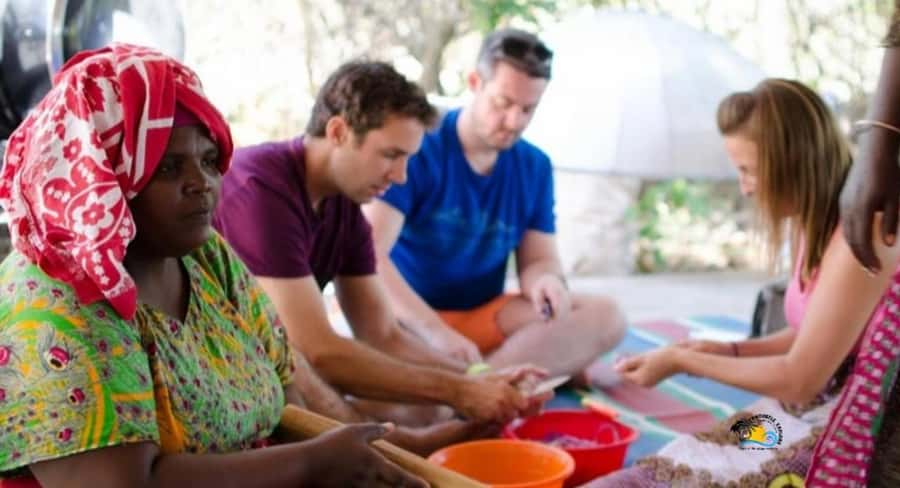
Zanzibar tastes better when you help cook it. This five-hour experience combines a guided walk through Darajani Market, a spice-farm visit, and a traditional Swahili cooking lesson. I like the practical format: you do not just smell cloves and taste fruit, you harvest ingredients and use them in lunch.
I also like the personal scale. The tour is arranged as a private group, includes hotel pickup and drop-off, and offers a trained guide in several languages. The main caution is language matching. Although Arabic, English, French, German, Italian, Polish, Spanish, Swahili, Russian, and Portuguese are listed, a German booking has previously received an English-speaking guide, which may be difficult for children or anyone needing simple instructions.
Key points to know before booking
- Darajani Market comes first: You begin with a guided look at local shopping and buy ingredients before heading to the farm.
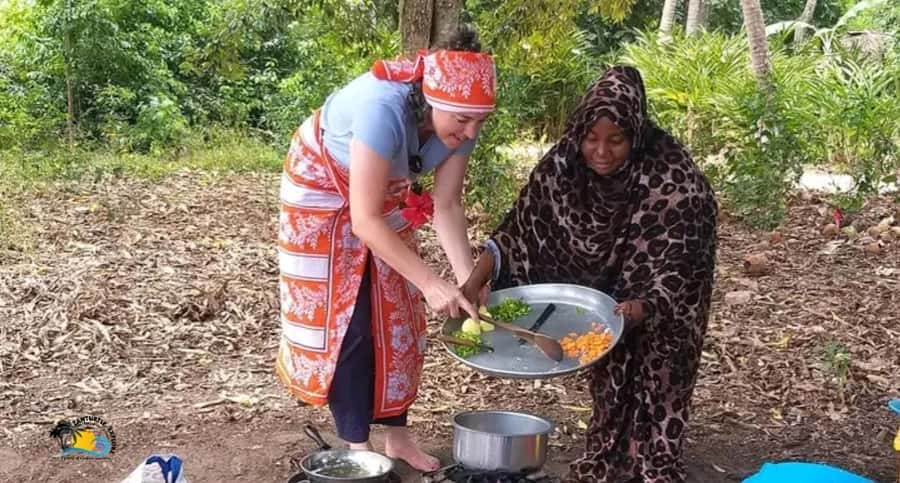
- You harvest part of your lunch: Vegetables and spices are gathered at the farm and used during the cooking class.
- The $66 price covers a full half-day: Transport, guide, entrance and conservation fees, cooking equipment, lunch, drinks, and tropical fruit are included.
- The food lesson is hands-on: You cook a traditional Swahili meal with a local chef rather than simply watching a demonstration.
- Tasting goes beyond spices: Coconut, watermelon, cloves, bananas, and other harvested fruits are part of the tasting experience.
- Check language and dietary needs carefully: The activity is not suitable for people with food allergies, and you should confirm your preferred guide language before paying.
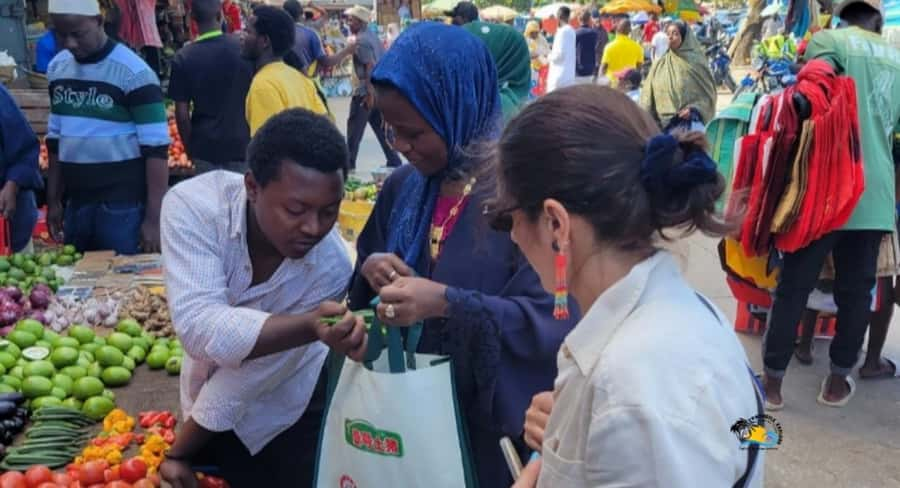
Starting at Darajani Market

The day begins in Zanzibar City at Darajani Market, where you get a look at the everyday business of food. Rather than arriving at a farm with no context, you first see how ingredients are bought and used locally.
Your guide leads you through the market and helps you purchase ingredients for the cooking lesson. This opening stop gives the activity a useful sense of place. Spices are not presented as souvenirs alone. They are part of meals, trade, household routines, and local food culture.
The market visit also makes the cooking class feel more connected to Zanzibar. You are not handed a prepared basket of ingredients. You take part in the process, then carry that connection to the farm and kitchen.
The tour uses a public vehicle from the market to the spice farm. That detail matters. This is not a luxury food excursion with private transport at every stage. The public ride gives the day a more local feel, but anyone expecting a polished, private transfer should set expectations accordingly.
Hotel pickup and drop-off are included from any hotel in Zanzibar. You are asked to provide your hotel name and room number, and the representative meets you in the lobby or reception area. Since the experience lasts five hours, pickup timing is worth confirming when you book.
More Spice Farm Tours around Zanzibar:
- Zanzibar: Prison Island, Stone Town, & Spice Farm Tour
★ 4.5 · 579 reviews - Full-Day Private Stone Town +Spice Farm and Prison Island Tour
★ 4.5 · 216 reviews - Zanzibar: Stone Town & Spice Farm Tour with Lunch
★ 4.5 · 97 reviews
Walking through the spice farm
At the farm, the focus shifts from the market to the source. You walk with a culinary guide and learn about the origins of spices, their role in Zanzibar food, and the medicinal uses associated with local spices and herbs.
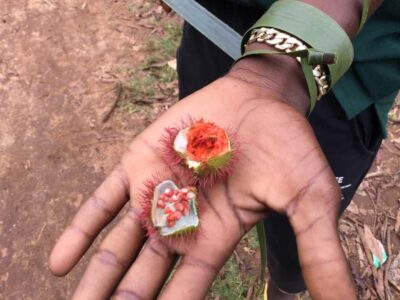
The tour includes opportunities to taste, smell, and handle ingredients. Cloves are specifically included, along with tropical fruit such as coconut, watermelon, and bananas. This is a better way to understand spices than reading labels in a shop. A smell can tell you something quickly, but tasting shows how an ingredient fits into food.
You also harvest vegetables and spices for the cooking lesson. That hands-on task is one of the strongest parts of the experience. It gives you a clear sense of where the meal begins and helps you recognize ingredients when you cook with them later.
The farm portion is also where the tour provides useful cultural context. Zanzibar is widely associated with spices, but this activity connects that reputation to cooking and daily food rather than treating the farm as a photo stop. You learn why certain spices matter and how local herbs have been used.
Wear comfortable shoes. The experience includes a farm walk and harvesting, so footwear suited to uneven or outdoor conditions makes more sense than sandals or formal shoes. Bring a camera if you want to record the plants and preparation, but keep some attention on the guide. The value here comes from identifying what you are seeing.
Cooking a traditional Swahili meal
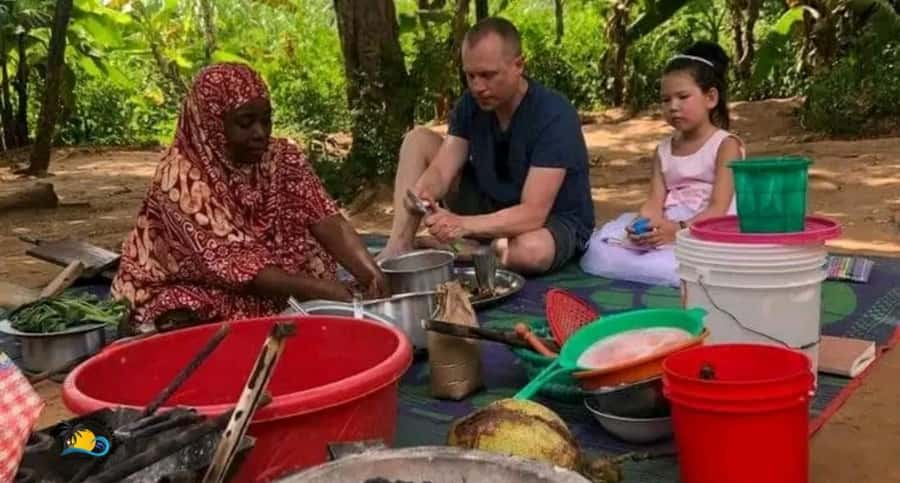
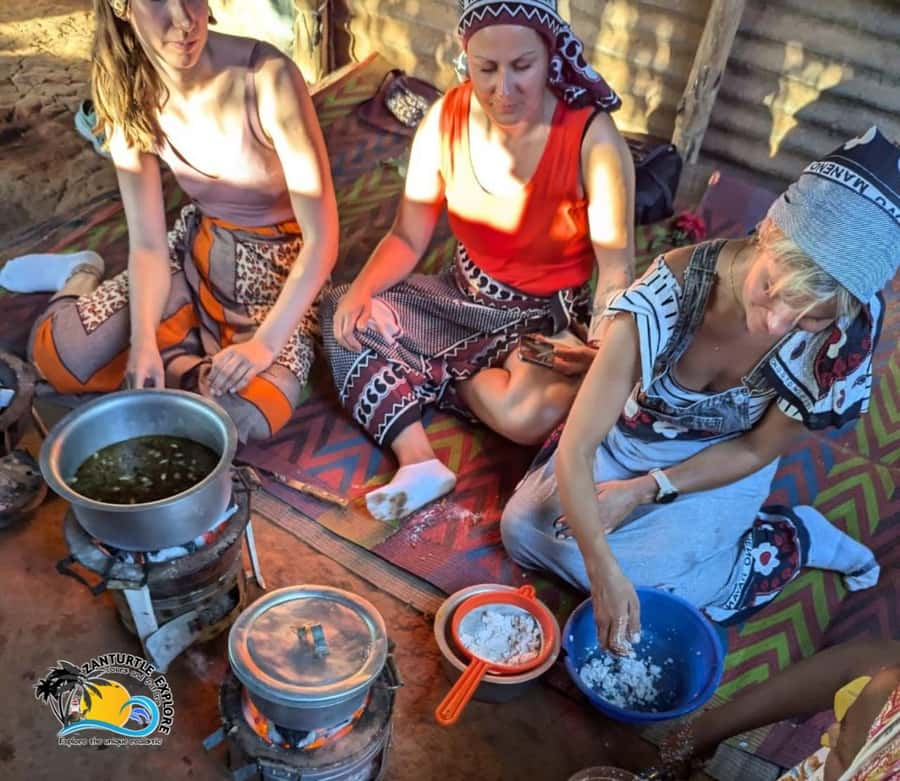
After harvesting, you return to the cooking area with the chef. The class uses cooking equipment provided by the operator, and you take part in preparing a traditional Swahili meal.
I like this approach because it turns food into a skill rather than a performance. You get to work with the spices and vegetables you have just encountered. The lesson also uses older cooking techniques and apparatuses modeled on equipment from earlier generations around the Zanzibar coast.
The exact menu is not specified, so you should not book expecting one named dish. Instead, think of this as a practical introduction to Swahili cooking methods and flavors. You will learn how the harvested ingredients are used, then sit down to eat the meal you helped prepare.
That can be especially rewarding for anyone who enjoys food markets, cookbooks, or bringing holiday ideas home. One participant bought spices afterward to recreate the dishes at home. The tour includes the chance to buy spices and fruit, so you can continue experimenting after you return.
The class is described as involving the chef at every step. That matters for beginners. You are not expected to know the techniques already, and the activity is designed around participation. Still, cooking lessons vary by guide and group, so the amount of time you spend doing each task may differ.
Tasting fruit, cloves, and local flavors
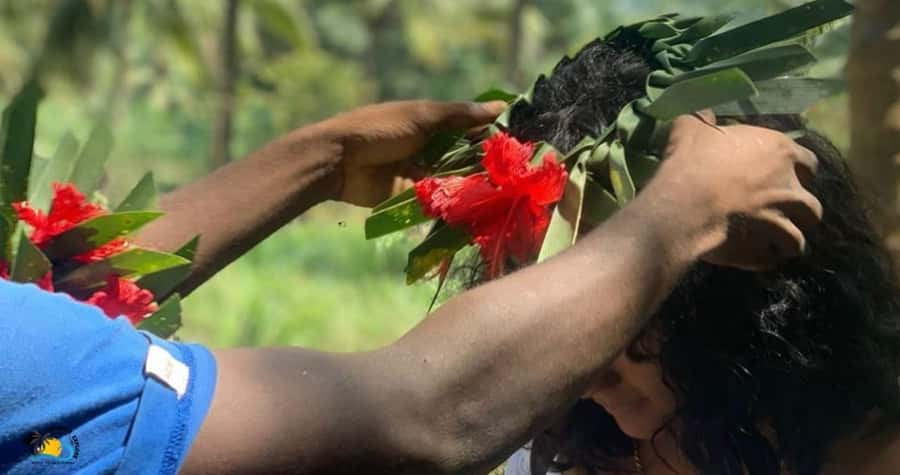
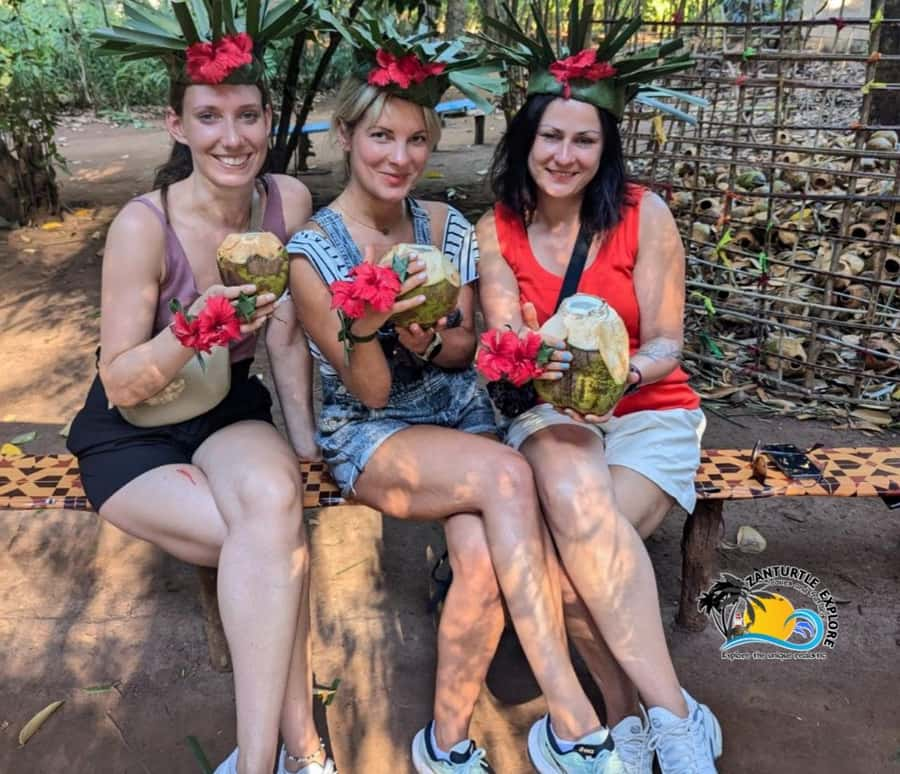
The tasting element gives the tour a playful side. Coconut, watermelon, cloves, and bananas are among the listed flavors, with fruit harvested during the experience included in lunch and drinks.
Cloves can be especially interesting because they are strong, dry, and aromatic when tasted alone. Comparing that direct flavor with its use in a cooked meal helps explain why spice is handled carefully. Coconut and fruit provide a softer contrast and keep the tasting from becoming a parade of intense flavors.
The activity is not only about seasoning. It also introduces the relationship between fruit, herbs, vegetables, and prepared food. That broader view is useful if you want to understand Zanzibar cooking instead of simply buying a packet of spice mix.
Food allergies require serious attention. The experience is specifically marked as unsuitable for people with food allergies, and the available information does not promise substitutions or allergy-safe preparation. If you have any dietary concern, write your request before booking and ask for a clear answer.
More Cooking Classes around Zanzibar:
- Zanzibar: Spice Farm Tour with Traditional Cooking Lesson
★ 4.8 · 77 reviews - Zanzibar: Spice Farm Tour with Traditional Cooking Class
★ 4.6 · 16 reviews - A private half day spice farm with a cooking lesson
★ 5.0 · 13 reviews - Zanzibar: Spice Farm Tour and Cooking Class with Lunch
★ 4.2 · 11 reviews
Traditional music and the older cooking setup
Traditional music and dance are included, adding a cultural element after the market and farm work. The activity also highlights cooking apparatuses modeled on earlier coastal methods.
These details help the experience feel less like a standard farm tour. You get food, farming, music, and older household techniques in one half-day program. The focus remains fairly simple, but the combination gives the day variety.
I would keep expectations sensible. The activity does not promise a full historical performance or a long music program. Treat the music and dance as part of the welcome and cultural setting, not as the main event.
The same goes for the older cooking equipment. It adds character and helps explain how food was prepared in earlier times, but the primary reason to book is the chance to harvest and cook. If your main interest is traditional food, this is a useful extra rather than a separate museum visit.
What the $66 price really covers
At $66 per person, the price is fair if you use the full package. It includes a private group, guide, hotel pickup and drop-off, market and farm activities, entrance and conservation fees, harvesting, cooking equipment, lunch, drinks, tropical fruit, and the spice tour.
That is a stronger value than a basic spice-farm walk because the cooking lesson and meal are included. Transport also matters in Zanzibar, where arranging separate rides can add cost and planning work.
The price is less attractive if you mainly want a quick farm visit or a shopping stop. Much of the value comes from spending the full five hours moving through the market, farm, and kitchen. You should book it for the complete food experience, not just for a short photo opportunity.
Spice purchases are listed among the included activities, but the details of what you buy and how much you spend are not specified. Bring cash for personal purchases and possible extras. Visa and international flights are not included, as expected.
The private-group format is useful for couples, families, and small groups who want to ask questions or work at their own pace. It may also make the cooking lesson feel more relaxed than a large class. No group size is stated, so confirm the maximum if that affects your decision.
Language, children, and accessibility
The listed guide languages are unusually broad: Arabic, English, French, German, Italian, Polish, Spanish, Swahili, Russian, and Portuguese. Still, you should confirm the actual guide language before booking. The published language list does not guarantee that every language is available for every departure.
This point is particularly important for children. A cooking class can be fun for young participants, but instructions about knives, heat, and ingredients need to be understood clearly. If your child does not speak English, ask for written confirmation of a suitable guide.
The activity is listed as wheelchair accessible. That is helpful, but the day includes a market walk, public transport, a farm walk, and harvesting. The information does not explain the exact access conditions at each point, so wheelchair users should request specific details before reserving.
Comfortable shoes are recommended for everyone. Bring a camera, but also carry cash for spice and fruit purchases. Alcohol and drugs are not allowed, and you should not arrive intoxicated.
Cancellation and booking flexibility

You can cancel up to 24 hours in advance for a full refund. The reserve-now-and-pay-later option is useful if your Zanzibar schedule is still moving around.
Before booking, use the request field to state preferences and special needs. This is the right place to ask about guide language, hotel pickup, dietary concerns, mobility requirements, and price preferences.
Do not rely only on the general list of languages or the phrase private group. Get the details that matter to you confirmed in writing, especially if you are booking for children or anyone with food restrictions.
Who will enjoy this Zanzibar experience?
I would recommend this tour to you if you enjoy food, local markets, and practical cultural activities. It suits people who want to do something with their hands rather than spend the day only looking at sights.
It is also a good choice for visitors who want to bring a piece of Zanzibar home. You learn how spices are used, prepare a meal, and can buy ingredients afterward. That gives the experience a useful afterlife in your own kitchen.
Families may enjoy the harvesting, fruit tasting, music, and cooking, but language support must be checked carefully. The cooking portion may be a hit with older children, while younger children may need close supervision.
This is less suitable if you have food allergies, dislike market or public transport conditions, or want a fully private vehicle throughout the day. It may also disappoint anyone expecting a formal culinary school with a fixed menu and advanced instruction. The strength here is participation and local contact, not polished luxury.
Should you book it?
Book this experience if you want a half-day that connects Zanzibar’s market life, spice farming, and home cooking. The strongest reasons are the harvest-to-meal format, the private-group setup, the included lunch and transport, and the chance to taste ingredients in their natural and cooked forms.
Before paying, confirm your guide language, the pickup time, and how the farm portion works for your mobility needs. If you have food allergies, choose another activity unless the operator gives you a clear, specific safety plan. For everyone else, $66 is a sensible price for a hands-on food experience that offers more than a quick spice tour.
FAQ
How long does the Zanzibar spice farm and cooking tour last?
The experience lasts five hours.
What is included in the $66 price?
The price includes a professional guide, government fees and taxes, hotel pickup and drop-off, harvesting, the spice tour, cooking equipment, lunch, drinks, tropical fruit, traditional music and dance, entrance fees, and conservation fees.
Is hotel pickup available?
Yes. Pickup and drop-off are available from any hotel in Zanzibar. You should provide your hotel name and room number, and meet the representative in your hotel lobby or reception area.
Which languages are available for the guide?
The listed languages are Arabic, English, French, German, Italian, Polish, Spanish, Swahili, Russian, and Portuguese. Confirm your preferred language before booking because availability may vary.
Is the activity suitable for people with food allergies?
No. The activity is listed as unsuitable for people with food allergies. You may still submit special requests before booking, but the supplied information does not promise allergy-safe substitutions.
Can I cancel the tour or pay later?
Yes. You can cancel up to 24 hours in advance for a full refund. A reserve-now-and-pay-later option is also available.
More Workshops around Zanzibar
- Zanzibar: Walking Spice Farm with Local Cooking Class
★ 4.4 · 9 reviews - Zanzibar: Spice Farm Tour with Traditional Cooking Class
★ 4.8 · 6 reviews - Zanzibar Cooking Class [Swahili food test ] and Spice farm Private tour
★ 4.5 · 6 reviews - Spice Farm Tour with Traditional Cooking Lesson
★ 5.0 · 3 reviews
Just added around Zanzibar
- Zanzibar: Spice farm tour with Zanzibar fruits tasting★ 3.8 · 7 reviews
- Zanzibar: Stone Town City Tour and Spice Farm with Lunch★ 3.7 · 33 reviews
- ZANZIBAR, Stone town tour, Prison Island & Spice farm★ 5.0 · 11 reviews
- Zanzibar: Walking Spice Farm with Local Cooking Class★ 4.4 · 9 reviews
- Zanzibar: Spice Farm Tour with Traditional Cooking Class★ 4.8 · 6 reviews
- Zanzibar: Spice Farm Tour with Traditional Cooking Class★ 4.6 · 16 reviews
- Zanzibar: Spice Farm Tour with Traditional Cooking Class★ 5.0 · 2 reviews
- Zanzibar: Spice Farm Tour with free testing fruit and Spice★ 5.0 · 2 reviews
Spice Farm Tours, farm by farm.
Full-Day Private Stone Town +Spice Farm and Prison Island Tour
Read our review →
Zanzibar full day Jozani forest + Spice farm and stone town
Read our review →

STONE TOWN, PRISON ISLAND AND SPICE FARM ( Lunch included )
Read our review →
Zanzibar Private Spice Farm and Stonetown Tour(Include Lunch)
Read our review →
Other lists this farm sits on