
REVIEW · ZANZIBAR
Zanzibar Stone Town Historical Tour and Spice Farm Tour
Zanzibar tells its story in streets and spices. This private 3.5-hour outing combines Stone Town’s historic landmarks with a hands-on visit to a local spice farm, giving you two very different sides of the island in one morning or afternoon. I like the thoughtful pairing: the Palace Museum and Old Slave Market provide serious cultural context, while Jambo Spice Farm brings the experience back to everyday island life. I also like that water, fruit, a traditional spiced lunch, entrance fees, and Stone Town hotel pickup are included. The main consideration is timing. With several stops, walking, transport, and a two-hour farm visit packed into roughly three and a half hours, the schedule may feel brisk.
The tour is private, so you are not folded into a large group. Guides such as Ali and Daudi have earned praise for answering questions, adjusting the outing, and handling the driving carefully. You should also know that spice products at the farm may cost more than those sold elsewhere, so enjoy the tasting, compare prices, and buy only what you truly want to carry home.
Key points at a glance
- Two sides of Zanzibar in one outing: Walk through Stone Town’s old quarters, then learn how cloves, cinnamon, and cardamom grow at Jambo Spice Farm.
- A serious stop at the Old Slave Market: The former market and Anglican Cathedral offer important, sometimes difficult context about the East African slave trade.
- Private guiding with room for questions: Only your group participates, and guides including Ali and Daudi are praised for patience and flexibility.
- Lunch is part of the deal: You receive water, fruit, and a traditional meal flavored with local spices.
- Good value at $50 per person: Included admissions, transport around Stone Town, guiding, and lunch make the price attractive for a short private tour.
- Spice shopping needs a little restraint: The farm sells quality products, but prices can be higher than elsewhere in Zanzibar.
Why this pairing works so well

Stone Town and the spice farms explain different parts of Zanzibar’s identity. In the old city, you see the marks left by sultans, traders, colonial rule, religion, and the slave trade. At the farm, you learn about the crops that helped make Zanzibar famous and still shape local food and commerce.
I like this combination because it avoids a common problem with short tours: spending the entire day looking at buildings without connecting them to island life. After hearing about royal power and international trade, you handle the plants themselves, smell fresh spices, taste fruit, and eat food seasoned with them.
The private format adds real value. You can ask why a building matters, pause when a guide points out a detail, or request more time at one stop if the schedule allows. A tour like this is especially useful early in your Zanzibar stay, when you are still learning how the island’s past connects to its present.
The 4.9 rating from 30 reviews, along with a 100 percent recommendation rate, reflects a consistently well-liked product. That does not mean every moment will be perfect. The tour covers a lot of ground, and the schedule leaves limited room for a slow, unhurried exploration of Stone Town’s lanes.
More Spice Farm Tours around Zanzibar:
- Zanzibar: Prison Island, Stone Town, & Spice Farm Tour
★ 4.5 · 579 reviews - Full-Day Private Stone Town +Spice Farm and Prison Island Tour
★ 4.5 · 216 reviews - Zanzibar: Stone Town & Spice Farm Tour with Lunch
★ 4.5 · 97 reviews
House of Wonders and the first look at Stone Town
The House of Wonders is one of the city’s best-known landmarks. You visit to appreciate its grand architecture and its role in presenting Zanzibar’s cultural heritage. The stop is more than a photo opportunity. It gives your guide a natural place to explain how Stone Town developed as a center of political power, trade, and contact between different cultures.
You should expect to explore the exterior and learn from the guide about its historical and cultural importance. The supplied details do not promise a full interior museum visit, so keep your expectations focused on the landmark and its story rather than a long indoor exhibition.
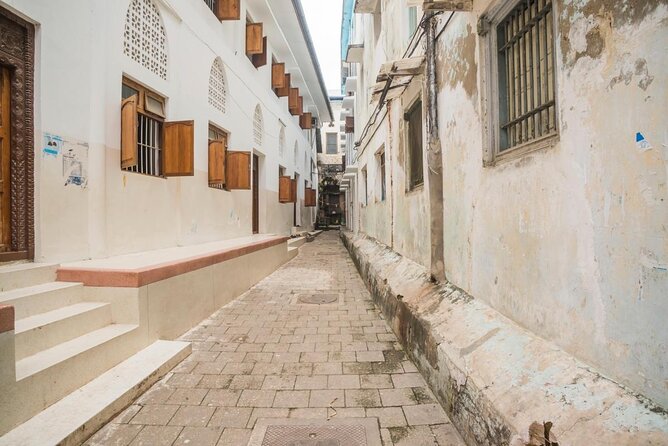
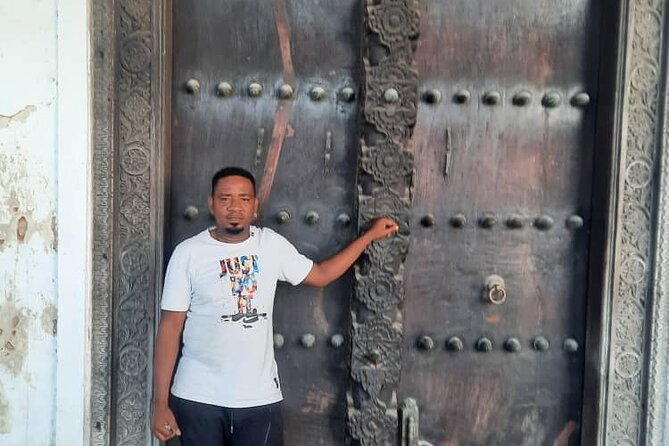
Stone Town is best understood on foot. Its narrow streets and tightly packed buildings reward attention to small details, including carved doors, changing architectural styles, and signs of the city’s layered past. Wear shoes that are comfortable for walking and leave room in your schedule for the fact that traffic and street conditions can affect the pace.
Freddie Mercury’s former home
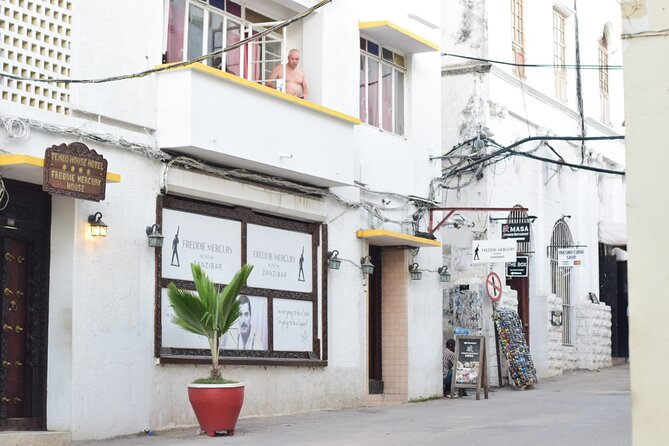
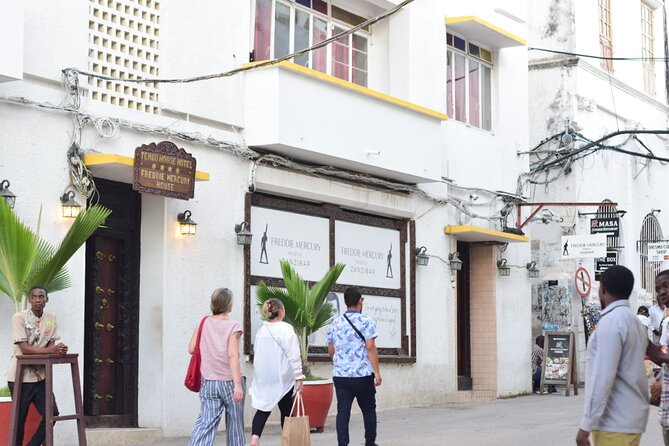
The route passes the former residence of Freddie Mercury, the famous Queen frontman who was born in Zanzibar. You do not enter the house, but seeing the exterior adds a modern pop-culture note to a tour otherwise centered on older royal and religious sites.
This is a brief stop, so it should not be the reason you book the tour. Still, it gives you a useful reminder that Zanzibar’s story is not confined to palaces and colonial buildings. The island has connections to well-known figures from recent global culture, too.
If you are a Queen fan, this stop will likely be more meaningful than it is for someone unfamiliar with Mercury’s connection to Zanzibar. Either way, it is a quick addition that does not require a major detour according to the planned route.
Palace Museum: 30 minutes with the sultans
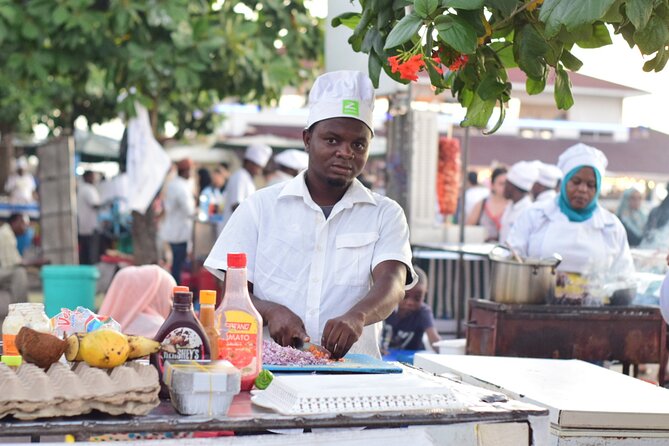
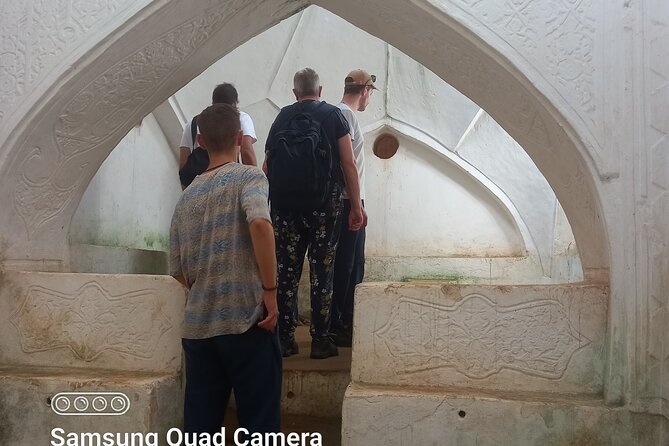
The People’s Palace Museum, also called the Palace Museum, was once the residence of Zanzibar’s sultans. The included 30-minute visit gives you a window into the royal household, with artifacts and rooms that help explain how the ruling family lived and governed.
Half an hour is enough for an introduction, but not for an exhaustive museum visit. I would treat this as a focused historical stop rather than a place where you can read every display at leisure. Your guide’s explanations matter here, since they can connect the objects and rooms to Zanzibar’s political past.
This is one of the most useful parts of the tour for first-time visitors. Stone Town can seem like a maze of attractive old buildings until you understand which ones carried political power. The Palace Museum gives the city a clearer framework.
More History and Heritage Tours around Zanzibar:
- Stone town historical tour + Spice farm tour
★ 5.0 · 29 reviews - Tromsø: Reindeer Camp and Sami Cultural Tour with Lunch
★ 4.7 · 3,326 reviews - Kona Tour: Bee Farm, Kona Coffee, and National Historical Parks
★ 4.5 · 78 reviews - Full-Day Tour Exploring History, Nature and Aloe Vera Farm
★ 4.5 · 40 reviews
The Old Slave Market and Anglican Cathedral
The visit to the former Old Slave Market is the most emotionally serious portion of the day. You learn about the slave trade in the region and its effect on Zanzibar and the wider area. The Anglican Cathedral was built on the site, creating a place where religious symbolism and painful history meet.
The stop lasts about 45 minutes and includes admission. You should expect a sober presentation rather than a light sightseeing break. This is a place to listen, ask respectful questions, and give the subject the attention it deserves.
The cathedral also helps explain the physical transformation of the site. A place once linked to human captivity became a Christian place of worship and remembrance. That does not erase what happened there, but it gives the site another layer of meaning.
I appreciate that this stop is included rather than skipped in favor of easier attractions. You should not expect the visit to answer every question about the slave trade, but it provides important context for Zanzibar’s position in Indian Ocean commerce and its links with Africa, Arabia, and beyond.
Jambo Spice Farm: two hours among cloves and cardamom
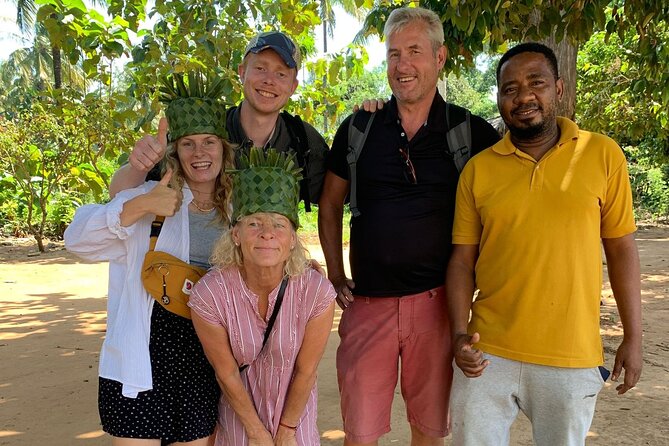
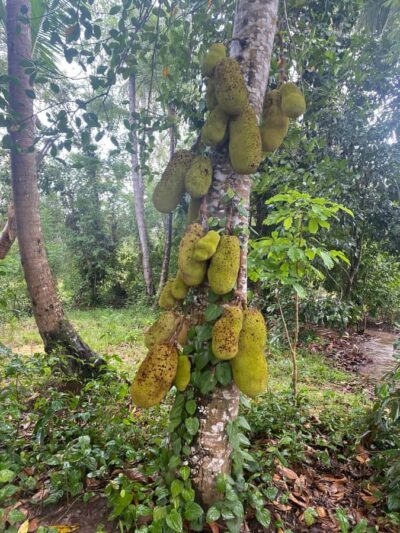
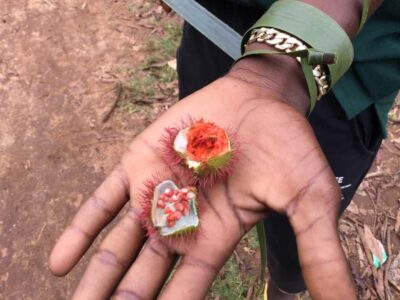
The final major stop is Jambo Spice Farm, where you spend about two hours learning how spices and tropical produce are grown and processed. You can expect to see and smell crops such as cloves, cinnamon, and cardamom, with the guide explaining their uses and cultivation.
This is a sensory visit. You may pick and taste fresh produce, compare aromas, and see why Zanzibar is associated with spices. The farm setting also gives you a break from Stone Town’s hard surfaces and close streets without turning the day into a passive sightseeing ride.
The farm visit is particularly good for families and anyone who learns best by doing. A spice name becomes easier to remember when you can touch the plant, smell it, and taste the finished ingredient. The experience also gives you a better appreciation of the work behind ingredients that usually arrive in a small jar at home.
A traditional meal featuring the farm’s spices is included. The details do not specify a fixed menu, so you should expect local food rather than a particular dish. Water and fruit are also provided, which is helpful in Zanzibar’s warm climate.
There is a shop where you can purchase spices and other farm products. I would compare prices before buying a large quantity. One guest found the products more expensive than similar items elsewhere, so the convenience and farm connection may come with a premium. Buying a small amount as a keepsake makes more sense than assuming everything here is the best bargain on the island.
The guides and private format
The quality of the guide can make or break a short cultural tour. Here, Ali and Daudi receive especially strong praise. Ali is described as punctual, a careful driver, flexible, and helpful with questions. Daudi is praised for explaining both the farm and Stone Town while taking care to provide a good overall experience.
Those details matter because the itinerary changes character several times. You need a guide who can move from royal history to the slave trade, then switch to practical explanations about crops and food. A patient guide also makes the private format more useful, since you can ask questions that might be ignored in a large group.
Only your group participates. That makes the $50 price more appealing than it might first appear. You are paying not only for entry and transport, but also for a private guide, a meal, and the ability to shape the conversation around your interests.
The tour is listed with pickup and drop-off around Stone Town. One booking included pickup and return to Paje for an extra charge at what the guest considered a good rate, but you should not assume that service is included. Confirm your location and any extra transport cost before booking.
Is $50 per person good value?
For a private outing, $50 per person is a fair price. The package includes an experienced professional guide, entrance fees, water, fruit, a traditional spiced lunch, and hotel pickup and drop-off around Stone Town. You also receive a combined city and countryside program without having to arrange separate transport.
The value is strongest if you want an introduction rather than a specialist tour. You see major Stone Town landmarks, visit two substantial historical sites, and spend two hours at a spice farm. The price also removes the need to negotiate separate taxis between the old city and the farm.
The value is weaker if you prefer slow museum visits or want an entire day devoted to one subject. Thirty minutes at the Palace Museum and 45 minutes at the Old Slave Market provide orientation, but not a detailed academic study. Likewise, the spice farm is educational and enjoyable, but the shopping prices may not suit a strict budget.
I would compare this tour with the cost of booking a Stone Town guide, transport to a farm, entrance fees, and lunch separately. Once those pieces are counted, the bundled price looks sensible, especially for couples, families, or small groups who want a private day without complicated planning.
Timing, walking, and practical details
The stated duration is about three hours and 30 minutes. The Palace Museum takes 30 minutes, the Old Slave Market and cathedral take 45 minutes, and the farm takes about two hours. That leaves only a small amount of time for driving, the Freddie Mercury stop, the House of Wonders, and movement through Stone Town.
Because of that, I would begin on time and avoid expecting long unscheduled breaks. If you want extra time for shopping in Stone Town, ask the guide at the start whether the route can be adjusted.
The tour begins at Forodhani in Zanzibar and ends back at the meeting point. Hotel pickup and drop-off are offered around Stone Town. Confirmation is provided when you book, and the activity is near public transport.
Most people can participate, and the tour is private. The supplied details do not give specific accessibility information, so you should ask the provider directly if you have mobility concerns. Stone Town’s narrow streets and the walking portions of the tour may affect comfort, even though no special restriction is listed.
Free cancellation is available if you cancel at least 24 hours before the start time. Cancellations or changes inside that window are not refunded or accepted, with cut-off times based on Zanzibar local time.
Who should book this tour?
I would recommend it to first-time visitors who want a compact introduction to Zanzibar. It also suits anyone who wants history with a practical, hands-on activity rather than a full day of museums.
Families may appreciate the variety. Children who tire of buildings can look forward to fruit, spices, and tasting at the farm. Couples and small groups benefit from the private format, especially if they enjoy asking questions or tailoring the pace.
This is less suitable for you if you want a leisurely Stone Town walking tour with long photo stops. It may also disappoint if you expect to enter Freddie Mercury’s former home or spend a full day at the spice farm. Neither is promised.
Should you book it?
Book this tour if you want strong value in a short private outing and would like to connect Zanzibar’s royal past, slave-trade history, famous landmarks, and spice production. The guides’ patience, the included lunch, and the mix of serious history with sensory activity make it a well-rounded choice.
Before paying, confirm pickup if you are staying outside Stone Town, ask how the timing will work for your preferred start time, and set modest expectations for shopping prices at the farm. If those points suit you, this is an efficient and worthwhile first look at Zanzibar.
FAQ
How long does the Zanzibar Stone Town and spice farm tour last?
The tour lasts approximately three hours and 30 minutes. The listed visits include 30 minutes at the Palace Museum, 45 minutes at the Old Slave Market and Anglican Cathedral, and two hours at Jambo Spice Farm.
What is included in the $50 price?
The price includes a professional tour guide, water, fruit, a traditional local meal featuring spices, entrance fees, and pickup and drop-off around Stone Town.
Is hotel pickup available?
Yes. Pickup and drop-off are offered from hotels around Stone Town. The standard details do not include pickup outside that area.
Is the tour private?
Yes. Only your group participates in the activity.
Do I enter Freddie Mercury’s former home?
No. The tour passes by the former residence and lets you see the exterior, but entry inside the house is not included.
Can I cancel for a full refund?
Yes, if you cancel at least 24 hours before the experience begins. Cancellations or changes made less than 24 hours before the start time are not refunded.
Just added around Zanzibar
- Zanzibar: Spice farm tour with Zanzibar fruits tasting★ 3.8 · 7 reviews
- Zanzibar: Stone Town City Tour and Spice Farm with Lunch★ 3.7 · 33 reviews
- ZANZIBAR, Stone town tour, Prison Island & Spice farm★ 5.0 · 11 reviews
- Zanzibar: Walking Spice Farm with Local Cooking Class★ 4.4 · 9 reviews
- Zanzibar: Spice Farm Tour with Traditional Cooking Class★ 5.0 · 2 reviews
- Zanzibar: Spice Farm Tour with Traditional Cooking Class★ 4.8 · 6 reviews
- Zanzibar: Spice Farm Tour with Traditional Cooking Class★ 4.6 · 16 reviews
- Zanzibar: Spice Farm Tour with free testing fruit and Spice★ 5.0 · 2 reviews
Spice Farm Tours, farm by farm.
Full-Day Private Stone Town +Spice Farm and Prison Island Tour
Read our review →
Zanzibar full day Jozani forest + Spice farm and stone town
Read our review →

STONE TOWN, PRISON ISLAND AND SPICE FARM ( Lunch included )
Read our review →
Zanzibar Private Spice Farm and Stonetown Tour(Include Lunch)
Read our review →
Other lists this farm sits on