
REVIEW · ZANZIBAR
Zanzibar Aromatic Spice Farms Tour
Follow the scent of cinnamon. This three-hour spice farm walk gives you a close look at how Zanzibar’s famous cloves, vanilla, turmeric, nutmeg, and tropical fruits grow, rather than presenting them only as items in a market. I like the hands-on tasting and the chance to see crops in the soil, and I also like that the tour is private, with transport by private vehicle. The main consideration is the price: at $102.57 per person, it offers personal service, but it costs more than a simple shared farm visit.
The tour also adds a traditional Swahili lunch at the farm, which helps you understand how these ingredients are used in everyday cooking. Guides such as Zamir, James, and young Italian- and French-speaking guides have led the walk, but transport arrangements may need attention. One party had to wait for a second van because the first vehicle was too small.
Key points at a glance
- See spices growing in a working shamba: You walk among plants instead of only hearing about finished spices in a shop.
- Taste and smell the ingredients directly: Clove, lemongrass, vanilla, cinnamon, turmeric, black pepper, cardamom, chili, and seasonal fruit are part of the experience.
- Learn from local guides: Zamir and James have been praised for clear explanations, while Italian and French-language guiding may be available.
- Eat a Swahili lunch at the farm: The meal shows how Zanzibar’s spices move from field to cooking pot.
- Finish at a cash-only spice stall: You can buy fresh packaged spices, but bring cash if you want souvenirs.
- Private transport adds comfort: Only your group participates, though you should confirm vehicle size for larger parties.
Why a spice farm belongs on your Zanzibar itinerary
Zanzibar is closely linked with the spice trade, and the island’s crops tell a more useful story than a row of jars in a souvenir shop. Portuguese traders introduced many spices to Zanzibar in the 16th century, bringing plants and seeds from South America and India. On this visit, you get to connect that past with living plants, local farming, and food.
I like tours that explain ordinary objects in a fresh way. A vanilla pod may look familiar in a kitchen, but seeing the plant and learning how it grows gives the ingredient a different weight. The same goes for cloves, cinnamon, pepper, and turmeric. You begin to notice that many common spices require careful cultivation and plenty of manual work.
The visit is also more than a botanical lesson. You smell leaves, taste fruit, and hear how the crops can be used. That makes the tour suitable for adults who enjoy food, families looking for an easy outdoor activity, and anyone who wants a break from Stone Town’s streets and historic buildings.
The experience has a modest 4.6 rating from five submitted ratings, with praise focused on the explanations, tastings, and language options. The small number of ratings means I would treat the score as encouraging rather than definitive.
More Spice Farm Tours around Zanzibar:
- Zanzibar: Prison Island, Stone Town, & Spice Farm Tour
★ 4.5 · 579 reviews - Full-Day Private Stone Town +Spice Farm and Prison Island Tour
★ 4.5 · 216 reviews - Zanzibar: Stone Town & Spice Farm Tour with Lunch
★ 4.5 · 97 reviews
Walking through the shamba, one plant at a time
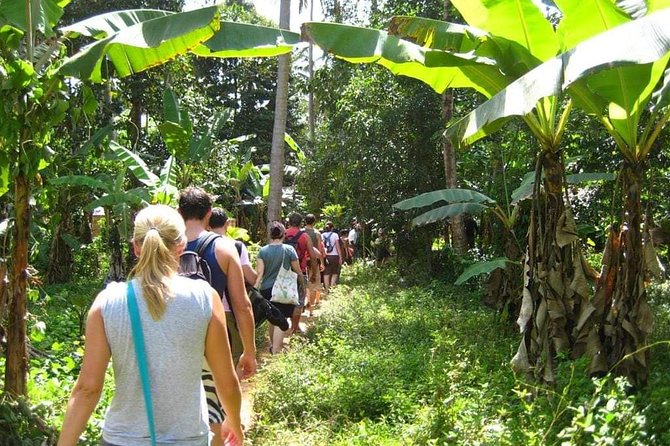
The main activity is a walking tour through a spice farm, known locally as a shamba. Expect the guide to stop at different plants and explain how the spice or fruit grows, what part of the plant is used, and how it reaches the kitchen.
This format is more useful than a quick plantation photo stop. You get time to connect the name of a spice with its plant. Cloves, for instance, are not simply brown pieces in a jar. Vanilla is not just a flavor added to ice cream. The tour’s value comes from seeing those ingredients as crops with growth stages and cultivation needs.
Zamir from Madeira Travel and Tours of Zanzibar has led walks at the Union Spice Farm, which operates alongside a local village. His explanations have covered how the plants grow and how people use them. James has also guided the farm tour, with clear attention to the work involved in producing spices.
The walking itself should be manageable for most people, since the activity is a short farm visit and most participants can take part. Still, you are outdoors, on a farm rather than a paved museum route. Children must be accompanied by an adult, and you should consider the weather when choosing your date.
The best part for me is the direct contact with the ingredients. You may rub or handle a leaf, smell it in your hand, and then compare that scent with the finished spice. That small act makes the lesson stick.
The plants and flavors you can expect
The crop list is broad, though the exact mix may change with the season. You can expect to encounter or taste:
- Clove
- Lemongrass
- Nutmeg
- Cinnamon
- Turmeric
- Vanilla
- Coconut
- Papaya
- Chili
- Black pepper
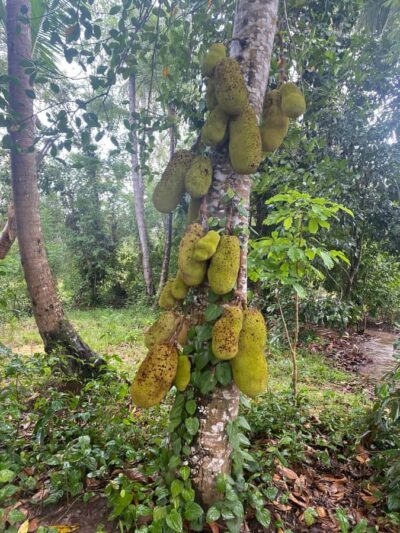
- Jackfruit
- Cardamom
- Cassava
- Oranges
Not every crop will be at the same stage when you visit. That is part of the point. A farm is not a display arranged for perfect timing, and seasonal fruit availability can affect what you taste.
The spice portion is especially good for anyone who cooks. You can compare familiar flavors with the plants that produce them and learn how the crops are used in local food. The fruit tasting adds a welcome change from the sharper aromas of pepper, chili, and turmeric. Papaya, oranges, jackfruit, and coconut give the visit a sweet and refreshing side.
Vanilla is one of the more memorable stops because the plant and pod are easy to recognize once you have seen them growing. The experience can also correct assumptions about how much work goes into a small amount of finished spice. The visit in February 2019 was praised for showing the size of a growing vanilla bean and the manual labor involved in cultivation.
You should think of the tasting as an introduction, not a full market sampling session. The stated experience includes seasonal fruit and spice tasting, but the exact amount and selection are not fixed.
A Swahili lunch that connects the farm to the table
After the walk, you enjoy a traditional Swahili lunch at the farm. This is an important part of the outing because it gives the spices a practical purpose. Instead of ending with a lecture and a vehicle ride, the visit shows how local ingredients appear in food.
I like this kind of meal because it helps you understand the difference between tasting an ingredient by itself and eating it as part of a dish. Spices can seem strong when you smell or chew them alone. In cooking, they work with other ingredients, heat, and texture.
The meal also gives the tour a local character. You are not simply touring a crop collection. You are seeing the link between farming, cooking, and daily life in Zanzibar.
One point needs checking before you book: the overview describes lunch as part of the visit, while the listed inclusions specifically mention seasonal fruit and private transport but do not separately list lunch. I would confirm exactly what the lunch includes and whether any extra payment applies.
More Farm Tours around Zanzibar:
- Zanzibar:Stone Town & Spice Farm Private Tour Lunch Included
★ 4.2 · 94 reviews - Zanzibar full day Jozani forest + Spice farm and stone town
★ 4.7 · 90 reviews - Zanzibar: Spice Farm Tour with Traditional Cooking Lesson
★ 4.8 · 77 reviews - A Private Full Day Tour To Stone Town & Spice Farm
★ 5.0 · 53 reviews
The final spice stall and what to buy
The tour finishes at a spice stall where you can buy fresh packaged spices. This is a practical ending, especially if you want to take home cloves, cinnamon, turmeric, vanilla, or other ingredients you have just seen growing.
The stall is cash only. Bring local cash if you expect to shop, because card payment is not offered at this stop. You do not need to buy anything to complete the tour, and the purchase stop should not change the educational value of the farm walk.
Take a moment to compare what you are buying with what you saw in the field. That is a better way to choose souvenirs than grabbing a mixed spice packet without knowing what it contains.
The tour price already includes tips for the farm workers, so you do not need to budget a required gratuity for that part of the visit. The provider’s response to one guest also says a tip is not always necessary. If you feel your guide or farm staff gave extra care, a personal tip remains your choice, not an obligation built into the outing.
Is $102.57 a fair price?
At $102.57 per person, this is not a bargain-priced farm stop. The value depends on what you want from the day.
You are paying for a private experience, private vehicle transport, a guide, the farm walk, tastings, and the meal described at the farm. Because only your group participates, you may have more freedom to ask questions and move at a comfortable pace than you would on a large shared excursion.
The price makes more sense for couples, families, or small groups who value a private setting. It is harder to justify if you only want to see a few spice plants and buy a packet of cinnamon. In that case, a less expensive shared option may suit you better.
The cultural and food connection improves the value. You are not just paying for transport to a farm. You are getting an explanation of plant growth, a chance to smell and taste ingredients, and a meal that shows how spices are used.
Still, confirm the lunch details and transport size before paying. One party arrived in a van that could not hold everyone and had to wait for another vehicle. That does not erase the farm’s strengths, but it shows why group size and vehicle arrangements matter.
Guides, languages, and the feel of the visit
The quality of a spice farm tour depends heavily on the guide. Plants do not speak for themselves. A good guide turns a row of leaves into a useful lesson about farming, food, and local life.
Zamir has led the Union Spice Farm walk and explained both growing stages and practical uses. James has also received praise for making the tour interesting. The experience has included guides who speak French and Italian, including a young Italian-speaking guide who led a couple through the plantation.
If language matters to you, request your preferred language when booking and confirm that it is available on your date. The supplied information shows French and Italian guiding has been offered, but it does not promise a particular guide or language for every departure.
The private format is another benefit. Only your group participates, so you can ask why a crop is harvested in a certain way or how a spice is used in cooking without worrying about a large crowd. The tradeoff is that private tours can feel expensive if you are traveling alone.
Timing, pickup, and practical planning
The listed duration is approximately three hours. That is long enough for the farm walk, tasting, meal, and spice stall, but short enough to fit around other Zanzibar plans.
Pickup is offered, and transport is by private vehicle. The tour is also near public transportation, though pickup is the easier choice if it is available from your accommodation. Confirm the meeting point and vehicle size, especially for a larger family or group.
The experience requires good weather. If poor weather cancels the tour, you can choose another date or receive a full refund. The tour also requires a minimum number of participants, so a cancellation for that reason brings the same choice of a new date or a full refund.
Wear clothing suitable for an outdoor farm walk and plan for warm conditions, though the supplied details do not specify a dress code or equipment list. Bring cash for the final spice stall. Children are welcome with an adult, and most people can participate.
Free cancellation is available up to 24 hours before the start time for a full refund. Changes or cancellations made less than 24 hours before the start are not accepted for a refund.
Who will enjoy this tour most?
I would recommend this experience to you if you enjoy food, plants, local agriculture, or short cultural excursions. It is also a good choice when you want something beyond Stone Town but do not want to spend a full day away from the city.
Families may like the smells, colors, fruit tasting, and simple farm setting. Children can see that spices come from plants, not just supermarket containers. An adult must accompany them, and the visit works best when children are interested in touching, smelling, and asking questions.
Couples and small private groups will appreciate the private vehicle and group-only format. Language support may also make the experience more comfortable for French- or Italian-speaking visitors, provided you confirm availability.
I would hesitate if you dislike outdoor walking, have no interest in food or farming, or want a tightly timed luxury excursion. The guide and vehicle arrangements matter, and a farm visit has a more informal rhythm than a museum tour.
Should you book the Zanzibar spice farm tour?
Book it if you want to understand Zanzibar through its food. The strongest parts are the plant-by-plant explanations, direct tastings, seasonal fruit, and Swahili lunch. The experience gives ordinary kitchen ingredients a clear local setting.
At $102.57 per person, I would book it for a private group that values a personal guide and transport. Before confirming, ask about the lunch inclusion, preferred language, pickup details, and vehicle size. Bring cash for the spice stall, and keep your schedule flexible enough for a three-hour farm visit.
Skip it if your main goal is a low-cost souvenir stop. For everyone else, especially food lovers and families, this is a useful and enjoyable way to see how Zanzibar’s famous spices begin.
FAQ
How long does the Zanzibar spice farm tour last?
The experience lasts approximately three hours.
Is transportation included?
Yes. Transport by private vehicle is included, and pickup is offered.
Is this a private tour?
Yes. Only your group participates in the activity.
What can I taste during the tour?
You can taste spices, herbs, and seasonal tropical fruits. Examples include clove, lemongrass, nutmeg, cinnamon, turmeric, vanilla, coconut, papaya, chili, black pepper, jackfruit, cardamom, cassava, and oranges.
Is lunch included?
The experience includes a traditional Swahili lunch at the farm, but the listed inclusions specifically mention seasonal fruit and private transport. Confirm the exact lunch details before booking.
Can I cancel for a full refund?
Yes, if you cancel at least 24 hours before the experience start time. Cancellations made less than 24 hours in advance are not refundable.
Just added around Zanzibar
- Zanzibar: Spice farm tour with Zanzibar fruits tasting★ 3.8 · 7 reviews
- Zanzibar: Stone Town City Tour and Spice Farm with Lunch★ 3.7 · 33 reviews
- ZANZIBAR, Stone town tour, Prison Island & Spice farm★ 5.0 · 11 reviews
- Zanzibar: Walking Spice Farm with Local Cooking Class★ 4.4 · 9 reviews
- Zanzibar: Spice Farm Tour with Traditional Cooking Class★ 5.0 · 2 reviews
- Zanzibar: Spice Farm Tour with Traditional Cooking Class★ 4.8 · 6 reviews
- Zanzibar: Spice Farm Tour with Traditional Cooking Class★ 4.6 · 16 reviews
- Zanzibar: Spice Farm Tour with free testing fruit and Spice★ 5.0 · 2 reviews
Spice Farm Tours, farm by farm.
Full-Day Private Stone Town +Spice Farm and Prison Island Tour
Read our review →
Zanzibar full day Jozani forest + Spice farm and stone town
Read our review →

STONE TOWN, PRISON ISLAND AND SPICE FARM ( Lunch included )
Read our review →
Zanzibar Private Spice Farm and Stonetown Tour(Include Lunch)
Read our review →
Other lists this farm sits on