

REVIEW · ZANZIBAR
STONE TOWN AND SPICE FARM TOUR
Follow Zanzibar’s scents and stories. This full-day tour pairs a traditional spice farm with Stone Town, giving you two very different views of the island in one outing. I like the hands-on tasting of cinnamon, vanilla, nutmeg, cloves, and cardamom, and I like that hotel pickup, entry fees, water, and a professional guide are included.
The main consideration is pace. You cover a spice plantation and several Stone Town sights in one day, so this suits you if you want a broad cultural introduction rather than a slow, highly focused visit to either place. Food is not included, and you should carry cash for personal purchases.
Key Things to Know Before You Go

- The spice farm comes first: Smell, taste, and identify spices and fruits while learning how Zanzibar earned its Spice Island nickname.
- Stone Town is best explored on foot: Narrow alleys, old buildings, markets, and courtyards form the heart of the city visit.
- The Old Fort and House of Wonders add historical weight: These major landmarks help explain Stone Town’s mix of Swahili, Arab, Persian, and European influence.
- The sensory side is a real strength: The tour is not limited to looking at plants. You can handle spices and sample them at their source.
- Hotel transfers simplify the day: Pickup and drop-off are included, which is useful when you are staying outside central Stone Town.
- The $100 price covers important basics: Guide services, attraction entry fees, refreshments, spice tasting, bottled water, and transport are included, but not food or alcohol.
Why Combine a Spice Farm With Stone Town?
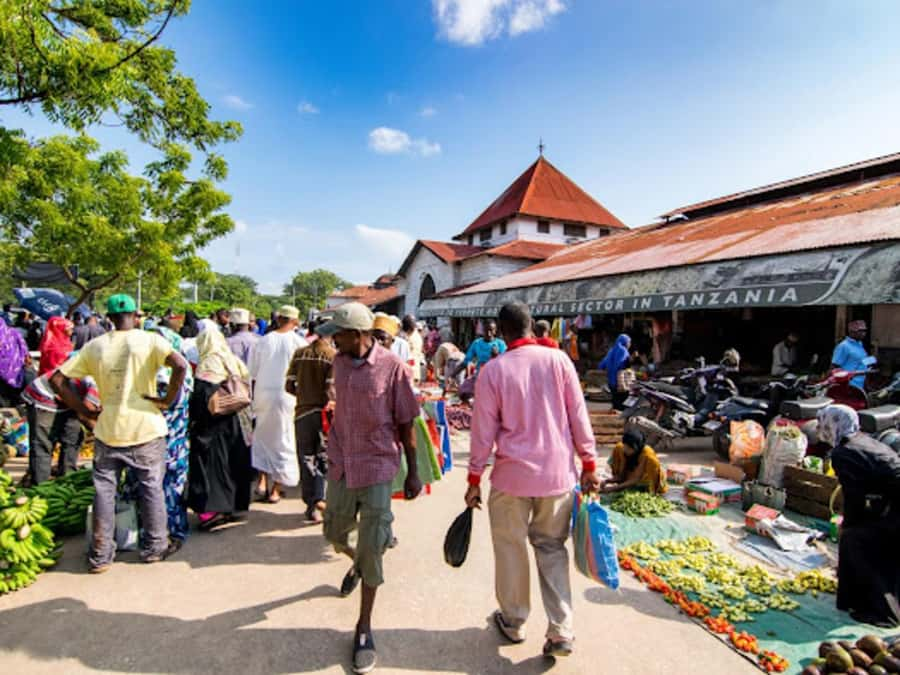
Zanzibar makes more sense when you connect its products with its port city. The spice farm shows you where familiar ingredients begin. Stone Town shows you the trade routes, buildings, and cultures that helped make those ingredients important.
I like this pairing because it avoids making the day only about monuments. A historic building can be impressive, but the smell of fresh cinnamon or cloves gives you a more direct sense of Zanzibar’s identity. You are not simply hearing that spices mattered. You are handling them, tasting them, and seeing the plants themselves.
The order also works well. Starting among trees and spice plants gives you a quiet, sensory opening. You then move into the tight streets of Stone Town, where the subject shifts from farming to commerce, power, and urban life.
The tour description does not give a precise departure time or total number of hours. It does call the outing full-day, so plan to give it most of your day rather than trying to fit another major activity around it.
More Spice Farm Tours around Zanzibar:
- Zanzibar: Prison Island, Stone Town, & Spice Farm Tour
★ 4.5 · 579 reviews - Full-Day Private Stone Town +Spice Farm and Prison Island Tour
★ 4.5 · 216 reviews - Zanzibar: Stone Town & Spice Farm Tour with Lunch
★ 4.5 · 97 reviews
Morning at the Spice Farm
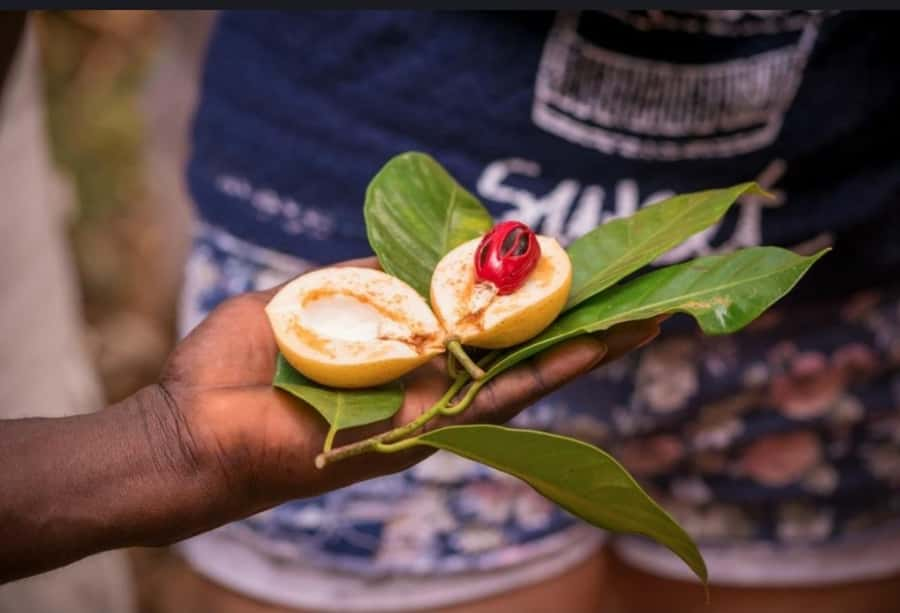
The spice plantation is the most unusual part of the day. An expert guide introduces you to plants associated with Zanzibar, including cinnamon, vanilla, nutmeg, cloves, and cardamom.
For many people, spices are kitchen items bought in small jars. Here, you get to connect those smells and flavors with living plants. You can smell and taste the ingredients, and the hands-on format makes the lesson easier to remember than a standard talk.
The farm visit also explains why Zanzibar became known as the Spice Island. That context matters. The spices are not just a pleasant tourist stop. They are part of the island’s long connection with trade and overseas visitors.
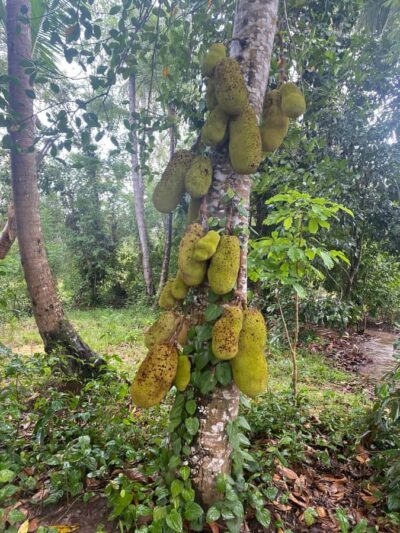
You may also encounter fruit during the farm walk. The information provided promises interaction with exotic fruits as well as spices, so the visit has a wider focus than a simple plantation tour.
One published account describes the first part as fragrant, set among trees and monkeys. That detail gives you a useful picture of the setting: this is an outdoor visit, not a polished indoor exhibit. You should expect natural surroundings, changing scents, and a walk between plants.
Wear comfortable shoes and clothes that work in warm conditions. Sunscreen is also sensible, since the tour takes place outdoors. The attraction of the farm is its direct contact with the plants, but that also means you should be ready for sun and uneven walking conditions rather than a formal museum environment.
What You Actually Learn About Zanzibar’s Spices

The best farm tours answer simple questions. What does the plant look like before processing? Which part is used? How does the smell change when the spice is fresh? How does Zanzibar’s trade story connect to the ingredients in your kitchen?
This tour is designed around those questions. You can identify spices by sight and smell, then taste them. That makes the experience useful for food lovers, but you do not need to be a serious cook to enjoy it.
Cinnamon, vanilla, nutmeg, cloves, and cardamom also create a good range of scents. Some are warm and sweet, while others are sharper and stronger. Sampling several in one place gives you a clearer idea of how different ingredients contribute to cooking and drinks.
Refreshments and spice tasting are included. Food is not, so do not assume the included tasting is a full meal. If you need lunch during a full-day outing, check the day’s arrangements in advance or carry enough cash for food.
Walking Into Stone Town’s Narrow Streets
After the plantation, the tour moves into Stone Town, Zanzibar’s historic center and a UNESCO World Heritage Site. The change is dramatic. You leave open farm space and enter narrow, winding streets shaped by centuries of trade and settlement.
This is where a guide becomes especially useful. Stone Town can feel confusing at first because the lanes turn often and the old buildings are packed closely together. A guided walk helps you connect the architecture with the people and cultures that shaped it.
The tour focuses on Swahili, Arab, Persian, and European influence. That mix is one of Stone Town’s central features. You are not looking at a single architectural tradition, but at a port city shaped by movement, trade, and changing power.
I like that the walk includes more than famous facades. Local markets and hidden courtyards are part of the plan, giving you a closer look at daily city life and the less formal parts of the old quarter. These places can tell you as much about Stone Town as a major monument.
The lanes may be crowded at points, and the walking surface may not always be smooth. Comfortable shoes are not a minor suggestion here. They will make it easier to pay attention to the streets, buildings, and guide instead of thinking about your feet.
More Farm Tours around Zanzibar:
- Zanzibar:Stone Town & Spice Farm Private Tour Lunch Included
★ 4.2 · 94 reviews - Zanzibar full day Jozani forest + Spice farm and stone town
★ 4.7 · 90 reviews - Zanzibar: Spice Farm Tour with Traditional Cooking Lesson
★ 4.8 · 77 reviews - A Private Full Day Tour To Stone Town & Spice Farm
★ 5.0 · 53 reviews
The Old Fort and House of Wonders

The Old Fort is one of the main stops. Its heavy historic walls offer a clear reminder that Stone Town was not only a trading center but also a place where defense and political control mattered.
The House of Wonders adds another layer. Together, these sites help you read Stone Town as a former center of power, commerce, and cultural exchange. The tour includes entry fees to the main attractions, so you do not need to calculate separate admission costs at each included stop.
The available information does not give a detailed room-by-room schedule for either landmark. That is worth keeping in mind. Your guide will shape how much time you spend at each place, and the overall day includes both the farm and the city.
If you prefer a slow museum visit, you may find this combined format brisk. If you want an introduction to the city’s key sights without arranging several separate visits, the combination is efficient and practical.
Markets, Courtyards, and the Everyday City

Stone Town is not only about monumental buildings. Its markets and side streets provide the strongest sense of the city as a living place.
Markets can be visually and socially busy, with goods, smells, and movement competing for your attention. Keep your belongings secure and stay close enough to hear the guide. The tour description does not promise shopping time or a specific market schedule, so think of these stops mainly as part of the city walk rather than a dedicated shopping trip.
The hidden courtyards offer a different mood. They can make the old city feel more private and layered, especially after the noise of the main streets. These smaller spaces are one reason a guided walk can be more rewarding than simply following a map between landmarks.
The tour’s blend of major buildings and less obvious corners is well judged. The Old Fort and House of Wonders give you orientation, while the markets and courtyards help you understand how Stone Town functions beyond its most photographed places.
The Guide and Languages
A professional guide is included, and the tour is offered in English, French, Italian, and German. That range makes the tour accessible to many visitors and matters because the history of Stone Town is easier to follow when explanations are clear.
The guide’s role is particularly important at the spice farm. Plant names and uses can blur together if you only hear them once. Tasting and smelling help, but a good explanation connects each plant to Zanzibar’s wider story.
In Stone Town, the guide should help you notice details you might otherwise pass without understanding. Old buildings can look attractive but anonymous when you do not know what you are seeing. The cultural background gives the streets more meaning.
No individual guide name is provided, and the available information does not specify group size. If you care about a private tour or a small group, ask the operator before booking.
Is $100 a Fair Price?
At $100 per person, the tour is not the cheapest way to spend a day in Zanzibar. Its value depends on how many included services you would otherwise arrange separately.
The price includes hotel pickup and drop-off, a professional guide, entry fees to the main attractions, refreshments, spice tasting, and bottled water. Those inclusions reduce the need to organize transport, find a guide in Stone Town, and pay separate admissions.
The price makes the most sense if you want both the farm and the city in one organized outing. It is less compelling if you already have transport, plan to explore Stone Town independently, or want to spend a whole day at one location.
You also have the option to reserve now and pay later, which helps if your schedule is still changing. Cancellation is allowed up to 24 hours before departure for a full refund. Be at your hotel reception 10 minutes before departure, since the included pickup depends on an orderly start.
Remember the extra costs. Food and alcohol are not included, and you should bring cash. The included refreshment and tasting are useful additions, but they should not be treated as lunch.
Who Will Enjoy This Tour Most?
I would choose this tour for a first visit to Zanzibar when you want cultural context without arranging several separate activities. It is especially suited to:
- History fans who want Stone Town’s major landmarks and cultural influences explained together.
- Food lovers who enjoy learning through smell and taste.
- Curious families and adults who prefer hands-on visits to formal sightseeing.
- Visitors staying outside Stone Town who value hotel transport.
- People with limited time who want a farm and city overview in one full day.
It may be less suitable if you dislike walking, sun, or a full schedule. It may also disappoint you if your main aim is a long, unhurried museum visit or a dedicated food tour with a full meal.
Practical Tips for a Better Day
Wear comfortable shoes before you leave the hotel. Stone Town’s narrow streets require walking, and the farm adds an outdoor portion to the day.
Use sunscreen and choose comfortable clothing. The farm setting means you should prepare for sun and warmth rather than dress only for indoor sightseeing.
Bring cash even though the main costs are covered. Food and alcohol are excluded, and cash can also be useful for personal purchases if the market portion interests you.
Keep water with you. A bottle is included, but a full day in outdoor and urban settings can make extra water useful.
Arrive at reception 10 minutes before departure. This small step matters because late arrivals can complicate hotel pickup and reduce time at the first stop.
Ask about the departure time, group size, meal arrangements, and the order of stops before you go. Those details are not specified, and they can affect how well the tour fits your plans.
Should You Book the Stone Town and Spice Farm Tour?
Book it if you want one guided cultural day that links Zanzibar’s spice-growing traditions with Stone Town’s old streets and major landmarks. The hands-on tastings are the tour’s strongest feature, while the city walk adds useful context about Swahili, Arab, Persian, and European influence.
The $100 price is reasonable when you value hotel transfers, entry fees, a guide, refreshments, and tasting in one package. Just set realistic expectations: food is not included, the day may feel full, and the itinerary is designed as an introduction rather than an exhaustive study of either the farm or Stone Town.
For a first look at Zanzibar’s culture, history, and flavors, this is a sensible choice. If you prefer to move slowly or spend hours in one place, arrange separate visits instead.
FAQ
What does the Stone Town and Spice Farm Tour cost?
The tour costs $100 per person.
Where does the tour take place?
The experience takes place in Zanzibar’s Unguja South Region and includes a traditional spice farm and historic Stone Town.
Is this a full-day tour?
Yes. It is described as an immersive full-day tour combining the spice farm and Stone Town.
Is hotel pickup included?
Yes. Hotel pickup and drop-off are included.
Are attraction entry fees included?
Yes. Entry fees to the main attractions are included.
Is food included?
No. Food is not included in the tour price.
Is alcohol included?
No. Alcohol is not included.
What should I bring?
Bring comfortable shoes, sunscreen, comfortable clothes, and cash.
What languages are available?
The tour is available in English, French, Italian, and German.
How early should I arrive for pickup?
You should be at your hotel reception lobby 10 minutes before the departure time.
Can I pay later?
Yes. You can reserve your place and pay later.
What is the cancellation policy?
You can cancel up to 24 hours in advance for a full refund.
Just added around Zanzibar
- Zanzibar: Spice farm tour with Zanzibar fruits tasting★ 3.8 · 7 reviews
- Zanzibar: Stone Town City Tour and Spice Farm with Lunch★ 3.7 · 33 reviews
- ZANZIBAR, Stone town tour, Prison Island & Spice farm★ 5.0 · 11 reviews
- Zanzibar: Walking Spice Farm with Local Cooking Class★ 4.4 · 9 reviews
- Zanzibar: Spice Farm Tour with Traditional Cooking Class★ 5.0 · 2 reviews
- Zanzibar: Spice Farm Tour with Traditional Cooking Class★ 4.8 · 6 reviews
- Zanzibar: Spice Farm Tour with Traditional Cooking Class★ 4.6 · 16 reviews
- Zanzibar: Spice Farm Tour with free testing fruit and Spice★ 5.0 · 2 reviews
Spice Farm Tours, farm by farm.
Full-Day Private Stone Town +Spice Farm and Prison Island Tour
Read our review →
Zanzibar full day Jozani forest + Spice farm and stone town
Read our review →

STONE TOWN, PRISON ISLAND AND SPICE FARM ( Lunch included )
Read our review →
Zanzibar Private Spice Farm and Stonetown Tour(Include Lunch)
Read our review →
Other lists this farm sits on