
REVIEW · TANZANIA
Spice Farm – spice up your life in Zanzibar
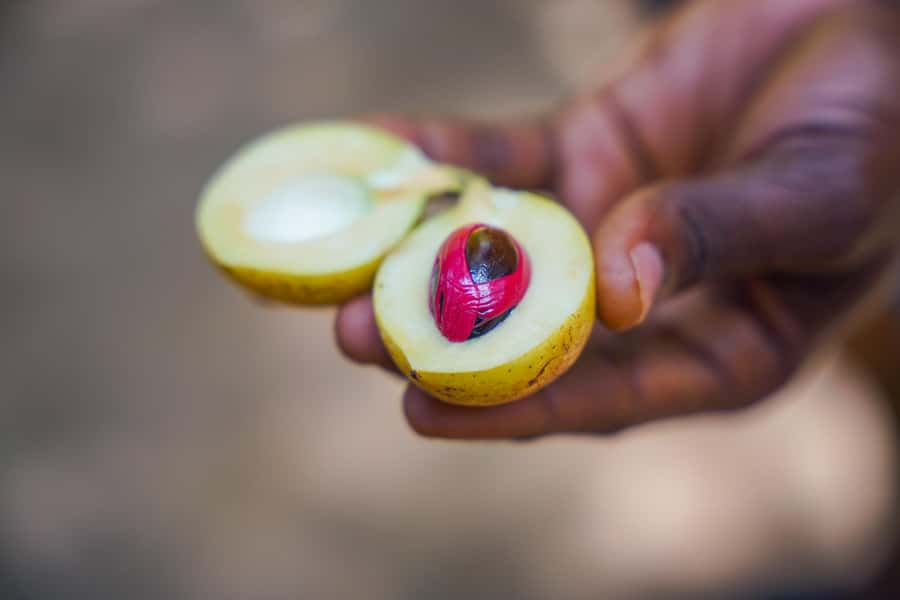
Follow the scent of cloves. This popular Unguja South excursion takes you through rural Zanzibar, where farmers explain how cinnamon, vanilla, nutmeg, ginger, and other crops are grown and used. I especially like the hands-on tasting and the included traditional Zanzibar lunch, both of which make this more than a quick walk through a plantation.
The $60 price also includes hotel pickup and return, bottled water, taxes, fuel surcharges, and service fees. My main caution is the pickup arrangement: most of the feedback describes smooth transport, but one serious complaint reports a missed hotel pickup and unreachable contacts. I would confirm your pickup details before the day of the tour.
Key points to know before you go

- Cloves connect the tour to Zanzibar’s past: You will learn why Zanzibar became known around the world for spices such as cloves, nutmeg, and cinnamon.
- You taste far more than spices: Mangoes, passion fruits, avocado, papaya, local grapefruits, bananas, pineapples, and other tropical fruit are part of the experience.
- The lunch is part of the attraction: Food is cooked in a local kitchen and seasoned with herbs and spices from the area.
- The setting is rural and personal: The route passes through villages and plantations, giving you contact with local farmers and everyday countryside life.
- The $60 fee covers the important extras: Hotel transport, lunch, bottled water, fuel costs, taxes, and service fees are included.
- Check the transport contact before departure: The overall rating is 4.6 from 18 ratings, but one account describes a major communication failure with the pickup.
Why Zanzibar became known as the Spice Island
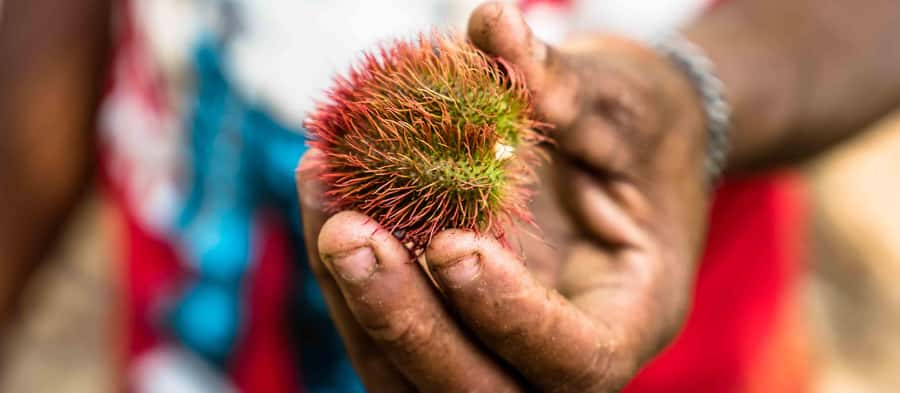
This tour works best when you understand the story behind the crops. Zanzibar was once one of the world’s leading producers of cloves, nutmeg, and cinnamon. The island’s warm tropical climate helped imported plants take root and become part of its trade, cooking, medicine, and daily life.
Spices were brought from Asia and Latin America in the 16th century. Over time, Zanzibar became closely linked with the international spice trade. That history gives the farm visit some weight. You are not simply smelling cinnamon bark or holding a vanilla pod. You are seeing crops connected to the island’s economy and its place between Africa, Arabia, Asia, and the wider Indian Ocean world.
I like this kind of tour because it explains something you may otherwise encounter only at a market stall. A packet of cloves can look ordinary. Once you learn what the plant looks like and how its scent is used, the spice becomes easier to understand.
The tour also takes you away from the more familiar coastal resort setting. The rural areas of Unguja offer a different view of Zanzibar, with villages, farms, tropical plants, and local food at the center of the day.
More Spice Farm Tours around Tanzania:
- Zanzibar: Prison Island, Stone Town, & Spice Farm Tour
★ 4.5 · 579 reviews - Full-Day Private Stone Town +Spice Farm and Prison Island Tour
★ 4.5 · 216 reviews - Zanzibar: Stone Town & Spice Farm Tour with Lunch
★ 4.5 · 97 reviews
Walking through the plantations and villages
The guided route moves through plantations and village areas, where farmers help introduce you to the crops. The emphasis is on using your senses. You can smell, taste, and examine the plants rather than simply hearing a list of names.
The range is impressive. You may encounter:
- Cinnamon
- Vanilla
- Nutmeg
- Lemongrass
- Cloves
- Ylang-ylang
- Cumin
- Ginger
- Pepper
- Tamarind
- Chili
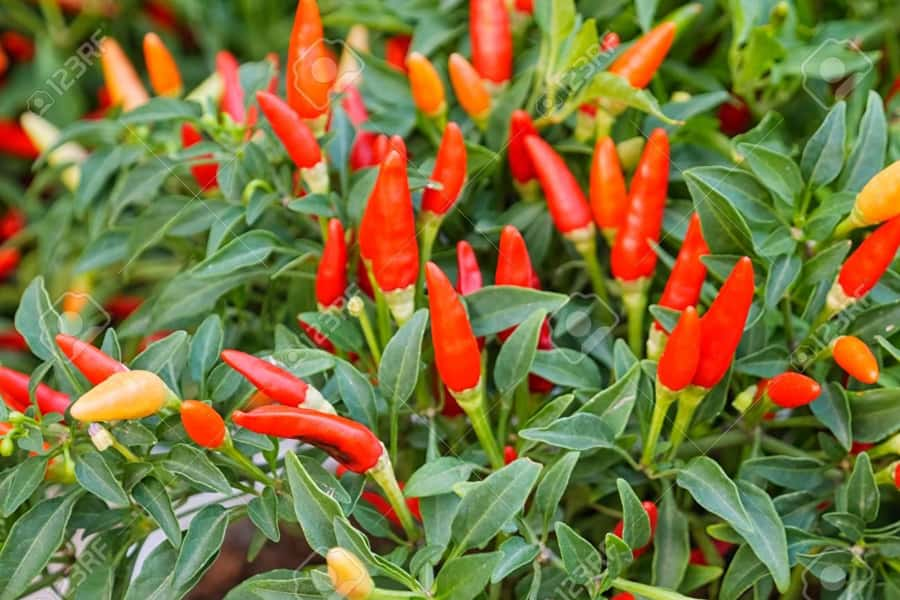
Each plant offers a different lesson. Cinnamon is familiar in powdered form, but seeing its source helps you understand why the bark is harvested and dried. Vanilla brings a softer, sweeter aroma. Ginger and chili connect directly to cooking, while lemongrass has culinary and medicinal uses.
Your guide explains how spices and herbs are used in food and traditional remedies. That practical angle matters. You are not expected to remember every botanical detail. Instead, you get a clearer sense of why these plants matter in Zanzibar homes and kitchens.
The guides are described as friendly, informative, competent, and sometimes funny. That last point is useful. A farm tour can become a long string of plant names if the presentation is flat. Here, the humor and conversation appear to help keep the walk relaxed.
The exact group size and tour duration are not provided, so I would not plan other fixed activities too tightly around it. The route includes outdoor walking through plantations and village areas, so comfortable clothing and shoes make sense. That advice is practical rather than decorative: you will get more from the tour if you are ready to walk and pay attention to the plants around you.
The fruit tasting is more than a sweet break
One of the nicest parts of the day is the chance to taste freshly picked tropical fruit. The selection includes mangoes, passion fruits, avocado, papaya, local grapefruits, bananas, pineapples, and more.
This adds variety to the spice focus. After several aromatic plants, fruit gives you a different way to understand the local growing conditions. You can compare familiar fruit with varieties and flavors you may not often find at home.
I particularly like the inclusion of avocado and local grapefruit alongside sweeter choices such as pineapple and banana. It suggests that the tasting is meant to show the range of produce grown in Zanzibar, not just provide a sugary snack.
Still, you should keep your expectations sensible. The information does not promise a formal fruit market, cooking demonstration, or large tasting table. The experience is centered on a guided farm visit, with fruit tasting as one part of it.
A Swahili lunch cooked at the farm
Lunch is included, and it is served at the farm after being prepared in a local kitchen. The meal is traditional Zanzibar cuisine, seasoned with local herbs and spices.
This is one of the strongest reasons to consider the tour. You learn what the spices do in a dish instead of only smelling them in raw form. Cinnamon, ginger, chili, cumin, pepper, and other ingredients make more sense when you taste them as part of a meal.
The food received particularly warm praise, with descriptions of a delicious meal presented in keeping with the theme. Another assessment calls it a superb Swahili meal. Those comments match the design of the excursion: the lunch is not an unrelated stop added to fill time. It completes the story of the farm.
I also appreciate that the meal is cooked in a local kitchen. That points to a more direct connection with local food traditions than a standard restaurant stop. You should not expect a fine-dining setting. The appeal is the setting, the ingredients, and the link between the crops and the plate.
The supplied details do not list the dishes or provide information about dietary requirements. If you have allergies or special food needs, ask the operator before booking. The tour includes lunch, but no specific menu is promised.
More Farm Tours around Tanzania:
- Zanzibar:Stone Town & Spice Farm Private Tour Lunch Included
★ 4.2 · 94 reviews - Zanzibar full day Jozani forest + Spice farm and stone town
★ 4.7 · 90 reviews - Arusha or Moshi : Hot Spring, Waterfall & Coffee Farm Tour
★ 4.8 · 80 reviews - Zanzibar: Spice Farm & Stone Town Tour with Lunch
★ 4.5 · 80 reviews
What the $60 price really covers
At $60 per person, this is not just an entry ticket to a plantation. The price includes hotel pickup and return, local lunch, bottled water, taxes, fuel surcharges, and service fees.
That package makes the cost easier to assess. You are paying for transport as well as the guided farm experience and meal. If you are staying away from the farm area, the included transfer can save you the trouble of arranging separate transport.
The lunch also improves the value. A paid excursion that requires you to buy your own meal and water can quickly cost more than the headline price suggests. Here, those basic needs are already included.
I would still compare the tour with your other plans. If you have little interest in plants, food, or local agriculture, a full farm visit may feel slower than a beach or town excursion. But if you want to understand Zanzibar beyond its shorelines, the price is reasonable for an outing that combines transport, education, tasting, and lunch.
There is no stated tour duration, and group size is not listed. That means you cannot judge the price by hours alone. Judge it by the mix of experiences and the convenience of hotel transport.
Pickup matters more than it sounds
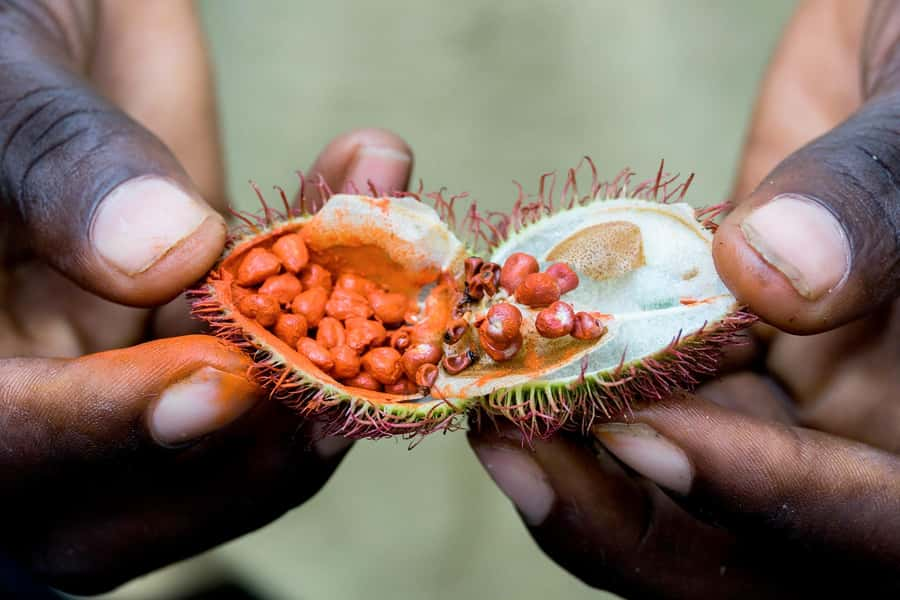
Hotel pickup and drop-off are listed as included, and most of the feedback describes the transport as working perfectly. One especially positive account says the whole day was well organized, from collection at the hotel to the return.
That is important in Zanzibar, where a reliable transfer can make a simple day much easier. You do not need to find the plantation yourself, arrange a separate driver, or work out how to return after lunch.
But there is one serious warning. A poor account describes a promoter who did not arrive at the hotel, failed to answer emails, and provided a phone number that was not assigned. When the customer contacted another number, that person reportedly said there was no reservation.
I would not ignore that complaint. The overall score of 4.6 from 18 ratings is strong, and the positive feedback repeatedly praises organization. Still, pickup failure can ruin an otherwise appealing excursion. Before you go, save the provider’s confirmation, check the hotel pickup time, and make sure you have a working contact number for Amaya Tours Company Limited.
The booking terms allow you to reserve and pay later, which is useful if you want to keep your plans flexible. You can also cancel up to 24 hours in advance for a full refund. Those terms reduce the financial risk, but they do not replace the need to confirm the transport details.
Language choices and guide quality
The tour is offered in English, Italian, German, French, and Russian. That is a useful range, especially for a guided experience where plant names, food traditions, and cultural explanations matter.
The guide is central to the quality of the day. The strongest feedback describes the explanations as informative and competent, while also noting a friendly and humorous tone. I would value that balance. You want clear facts, but you also want someone who can keep the walk human and conversational.
The information does not provide guide names, so you should not book expecting a particular individual. Instead, choose your preferred language when making the reservation and confirm it ahead of time.
A good guide can also help connect the separate parts of the tour. Cinnamon, fruit, lunch, and village life can otherwise feel like unrelated stops. The guide’s job is to explain how they fit together, from cultivation to cooking and local use.
Buying spices to take home
The tour includes an opportunity to buy spices as gifts. That can be a practical way to remember the visit, especially if you want something more useful than a generic souvenir.
You might consider buying small amounts of the spices you actually learned about, such as cinnamon, cloves, pepper, ginger, or chili. Since the information does not specify prices, packaging, quantities, or payment methods, do not assume the farm shop will meet every shopping need.
I would treat the buying opportunity as optional, not as a reason to book the entire excursion. Its real value is that you can connect a purchase with the plant and the story you just encountered. It is more meaningful than buying an unlabeled spice packet in a tourist area.
You should also check any customs rules that apply when taking food products home. The tour information does not cover import restrictions, so that part is your responsibility.
Who will enjoy this farm visit most
I would recommend the tour to you if you want a break from resort scenery and prefer an outing with local food, plants, and cultural context. It suits curious eaters, home cooks, families interested in nature, and anyone who wants to see more of rural Unguja.
It is also a good choice if you value convenience. Hotel transport, lunch, and bottled water are included, and the tour is available in several languages.
You may want to skip it if you dislike outdoor walking, have no interest in food or agriculture, or prefer highly structured sightseeing with exact timings and famous monuments. The appeal here comes from the setting and the explanations, not from a major landmark.
I would also be cautious if your travel schedule is extremely tight. Since the duration is not stated, leave enough room around the excursion rather than booking another important activity immediately afterward.
Should you book the Zanzibar Spice Farm tour?
Yes, if you want to connect Zanzibar’s famous spices with the farms, food, and people behind them. The combination of plantation visits, fruit tasting, a local lunch, and hotel transport gives the $60 price solid value.
The best parts are the sensory ones: smelling cloves and lemongrass, tasting tropical fruit, and eating a spiced meal prepared at the farm. Just confirm your pickup arrangements before departure, since one serious communication problem appears alongside many positive reports about organization.
For a first visit to Zanzibar, I would choose this tour when I wanted a practical look at the island beyond beaches. It will not suit every schedule or interest, but it offers a clear, enjoyable way to understand why Zanzibar earned its famous spice reputation.
FAQ
Where does the spice tour take place?
The experience takes place in the Unguja South Region of Tanzania, in rural areas of Zanzibar.
How much does the tour cost?
The price is $60 per person.
Is hotel pickup and drop-off included?
Yes. Hotel pickup and return are included in the tour price.
Is lunch included?
Yes. You receive a local lunch at the farm, featuring traditional Zanzibar cuisine cooked in a local kitchen.
What food can I expect to taste?
The experience includes tropical fruits such as mangoes, passion fruits, avocado, papaya, local grapefruits, bananas, and pineapples. Lunch is seasoned with local herbs and spices.
Which spices can I see on the tour?
The tour may include cinnamon, vanilla, nutmeg, lemongrass, cloves, ylang-ylang, cumin, ginger, pepper, tamarind, chili, and other plants.
Which languages are available?
The tour is offered in English, Italian, German, French, and Russian.
Can I reserve now and pay later?
Yes. You can reserve your place and pay later, with no payment required at the time of booking.
What is the cancellation policy?
You can cancel up to 24 hours in advance for a full refund.
Just added around Tanzania
- Zanzibar:Jozani forest, Spice farm with Swahili Cuisine clas★ 4.2 · 3 reviews
- Zanzibar: Spice farm tour with Zanzibar fruits tasting★ 3.8 · 7 reviews
- Zanzibar: Walking Spice Farm with Local Cooking Class★ 4.4 · 9 reviews
- Zanzibar: Stone Town City Tour and Spice Farm with Lunch★ 3.7 · 33 reviews
- ZANZIBAR, Stone town tour, Prison Island & Spice farm★ 5.0 · 11 reviews
- Zanzibar: Spice Farm Tour with Traditional Cooking Class★ 5.0 · 2 reviews
- Zanzibar: Spice Farm Tour with Traditional Cooking Class★ 4.8 · 6 reviews
- Zanzibar: Spice Farm Tour with Traditional Cooking Class★ 4.6 · 16 reviews
Spice Farm Tours, farm by farm.
Full-Day Private Stone Town +Spice Farm and Prison Island Tour
Read our review →
Zanzibar full day Jozani forest + Spice farm and stone town
Read our review →

STONE TOWN, PRISON ISLAND AND SPICE FARM ( Lunch included )
Read our review →
Zanzibar Private Spice Farm and Stonetown Tour(Include Lunch)
Read our review →
Other lists this farm sits on