
REVIEW · ZANZIBAR
Private Guided Tour on Prison Island Stone Town and Spice Farm
See three sides of Zanzibar in one day. This private tour links giant tortoises, old Stone Town, and the fragrant plants behind the Spice Islands name. I like the private format, which keeps the pace flexible, and I like the strong focus on guides such as Macra and Mansur, who are praised for patience, clear explanations, and helpful local advice. The main drawback is the packed eight-hour schedule, with roughly two hours at each stop and extra time spent moving between them.
You get hotel pickup, transport, a guide, mineral water, lunch, and entrance fees for $120 per person. That is fair value if you want one well-organized day rather than arranging three separate outings. Still, this is not a quiet, slow-paced tour. You will cover a lot, and Stone Town may feel rushed if you want time for extended shopping or photography.
Key points at a glance

- Giant Aldabra tortoises on Prison Island: See adult and young tortoises, visit the small museum, and have time for the beach and Indian Ocean air.
- Stone Town in two focused hours: Walk through Zanzibar’s oldest quarter, with Arab, Indian, European, and Swahili influences in its streets and buildings.
- Hands-on spice farm visit: Touch, smell, and taste spices at their source, then watch a coconut climber and sample seasonal tropical fruit.
- Private guiding from Macra or Mansur: Macra is praised for comfort and practical travel help, while Mansur is singled out for patience and explanations about ginger, nutmeg, and local culture.
- Lunch and transport included: Swahili food, bottled water, fees, and transportation make the $120 price easier to judge.
- A full day with little wasted planning: Pickup is offered, and the tour works well if you want Zanzibar’s main cultural stops in one booking.
Why this three-stop Zanzibar day works
Zanzibar can feel scattered at first. The coast, Stone Town, islands, and farming areas each offer a different side of the place. This tour gives you a useful first look at all three without asking you to solve the transport puzzle yourself.
The day begins with Prison Island, continues into Stone Town, and finishes at Zito Spice Farm. The order may change, since the provider suggests doing the spice farm first in some cases, but the content remains the same. You get wildlife, history, food, and local agriculture in one outing.
I like that this is a private activity. Your group is the only group taking part, so you can ask questions without competing with a busload of people. The guides are also praised for more than facts. Macra is noted for checking on comfort and offering travel tips, while Mansur is described as helpful, patient, and especially good at explaining spices and Stone Town.
The tradeoff is time. Two hours at each stop sounds generous on paper, but travel between your hotel, the coast, the island, the city, and the farm uses part of the eight-hour day. Think of this as a strong overview rather than a slow, detailed study of every place.
More Spice Farm Tours around Zanzibar:
- Zanzibar: Prison Island, Stone Town, & Spice Farm Tour
★ 4.5 · 579 reviews - Full-Day Private Stone Town +Spice Farm and Prison Island Tour
★ 4.5 · 216 reviews - Zanzibar: Stone Town & Spice Farm Tour with Lunch
★ 4.5 · 97 reviews
Prison Island and its giant tortoises
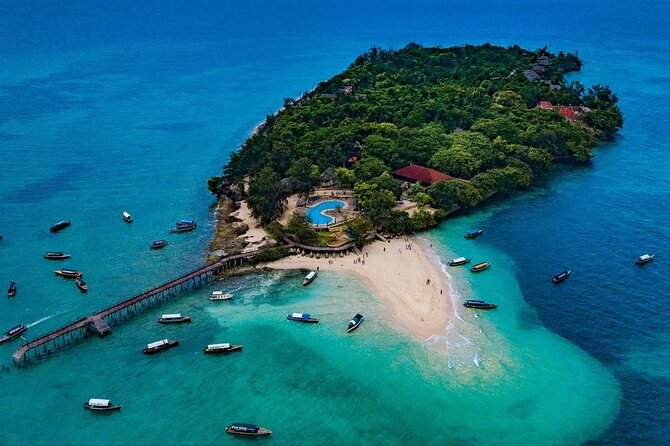
The boat trip to Changuu, better known as Prison Island, leads to the most unusual stop of the day. The island is home to Aldabra giant tortoises originally brought from the Seychelles in 1919. The population began with four adult tortoises and has grown to more than one hundred.
The tortoises are the main event. You can see large adults as well as younger animals, and the setting gives you a chance to observe them at close range. Their size alone makes this memorable, though you should remember that this is a protected enclosure, not a wild encounter.
The island also has a small museum that adds context to the site. The name Prison Island hints at its past, and the stop can feel more serious than its beach setting first suggests. The historical side is described as poignant, so allow yourself time to consider the island’s past rather than treating it only as a photo stop.
You also have access to the beach and the Indian Ocean breeze. Swimming is part of the appeal, although the supplied details do not promise a fixed amount of swimming time or specific beach facilities. Bring practical beach clothing if you hope to swim, but keep your main attention on the tortoise area and museum.
Two hours is a sensible length here. It gives you time to see the animals, hear the explanation, visit the museum, and enjoy the shoreline without turning the stop into an all-day beach visit. I would not choose this tour solely for swimming. Choose it for the combination of wildlife, island setting, and history.
One small emotional note is worth mentioning. The tortoise story is fascinating, but the island’s past can feel sad. That contrast gives the stop more substance. You are not simply looking at enormous animals in a pleasant setting. You are also hearing how the island has been used and protected over time.
Stone Town’s narrow streets and layered past
Stone Town is the cultural center of the tour. It has been a UNESCO World Heritage site since 2005 and forms the oldest part of Zanzibar City. Its appeal comes from the way Arab, European, Indian, and Swahili influences appear together in the architecture, streets, markets, and traditions.
In two hours, your guide can help you read the city rather than simply walk through it. Look for carved doors, old facades, narrow alleyways, and the busy feel of the spice market. The point is not to tick off every building. It is to understand how trade, migration, religion, and colonial influence shaped Zanzibar.
The tour also covers Zanzibar’s history of the slave trade in the nineteenth century. This is an important part of Stone Town’s past, and it gives the city a weight that is easy to miss if you only shop and take photographs. Ask your guide to explain the subject in the places connected with it. A private tour gives you room to ask direct questions and set the level of detail you want.
Shopping is included, with time for souvenirs and the spice market. Keep your expectations practical. Two hours can give you a good introduction and a chance to buy something small, but it is not enough for a relaxed browse through every lane. If you are serious about shopping, you may want to return to Stone Town on another day.
Zanzibar-born singer Freddie Mercury is another part of the city’s modern identity. His birthplace adds a popular music connection to the older Arab, Indian, European, and Swahili character of the town. The city works best when you notice these layers together: old trade routes, local life, colonial-era influence, and modern tourism.
Stone Town is also the stop most likely to feel rushed. Narrow streets slow walking, and there is a lot to see in a compact area. Stay close to the guide, wear comfortable shoes, and keep your camera ready. The value here comes from the explanation, not from trying to cover every corner.
Zito Spice Farm and the making of the Spice Islands
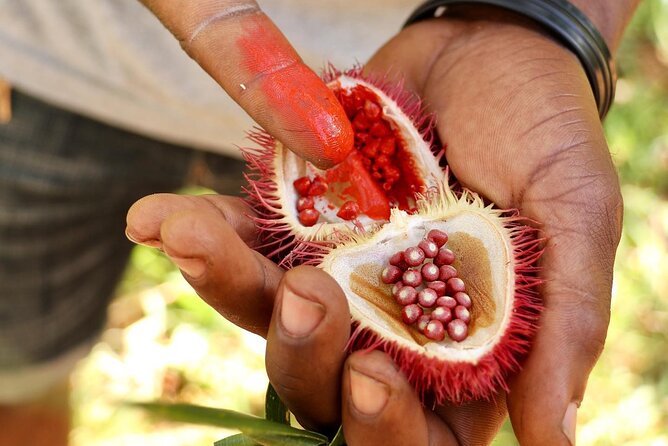
The spice farm is the most sensory part of the day. Zanzibar is known as the Spice Islands, and the tour explains why. The supplied information says that about 85 percent of spice and herb plants grow in Zanzibar, with spices forming the island’s second-largest industry after tourism.
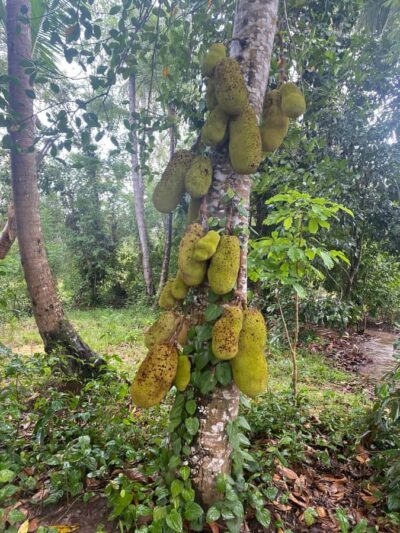
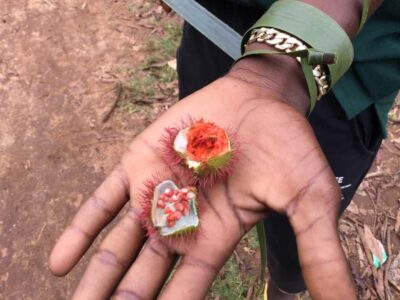
This stop is not just a garden walk. You can touch, smell, and taste spices while seeing the plants they come from. Ginger and nutmeg receive specific praise, but the guide’s job is to connect the familiar kitchen ingredient with its living source. That simple connection can change how you think about a spice you have used for years.
A good guide matters here. Mansur is specifically praised for explaining ginger, nutmeg, and Stone Town, while other feedback highlights the guide’s ability to answer questions and make the day comfortable. The experience depends on clear explanations, since many spice plants can look ordinary until you know what to smell or handle.
The tour also includes a coconut climber demonstration. This adds a lively local skill to the farm visit, and a song called Malaika has been part of the entertainment described by one guest. Seasonal tropical fruit and coconut tasting are included as well, giving you a direct taste of the farm setting.
I like this stop because it connects tourism to work and agriculture. You are learning where products come from, how they are used, and why they matter to Zanzibar’s economy. It is also a welcome change of pace after the stone lanes and historical detail of the city.
The farm can be a shopping stop as well, so watch your spending if you are tempted by packaged spices. Personal expenses are not included in the tour price. The experience includes tasting and information, but anything extra you purchase is yours to pay for.
More Guided Tours around Zanzibar:
- Full-Day Guided private Dolphins tour+ Monkeys + Stone town &spice Farm Zanzibar
★ 4.5 · 7 reviews - Zanzibar: Spice Farm Guided Tour with Lunch
★ 4.7 · 2 reviews - Mykonos: Farm, Ano Mera Village, and Beaches Guided Tour
★ 4.4 · 1,283 reviews - Lahaina: Maui Ku’ia Estate Guided Cacao Farm Tour and Tasting
★ 5.0 · 1,103 reviews
Lunch, transport, and the real value of $120

At $120 per person, the price is easiest to judge as a bundle. You receive transportation, all listed fees and taxes, a private guide, mineral water, and lunch. The meal is described as delicious Swahili cuisine, with some limited-budget alternatives available if you prefer another option.
The private format is the biggest value point. You are not paying only for entry to Prison Island or access to a farm. You are paying for someone to connect the sites, manage the day, explain the culture, and handle transportation. That matters in Zanzibar, where three separate stops could otherwise require more planning and negotiation.
The price makes the most sense for couples, families, or small groups who want a private day and do not mind the full schedule. Group discounts are offered, so the cost per person may become more attractive when several people book together. Solo visitors should think harder about value, since $120 is a larger personal expense for a day built around three shared themes.
The meal and water are useful inclusions, but lunch should not be treated as a fine-dining experience. The description points to Swahili food and limited alternatives, so tell the provider about your preferred option when booking rather than assuming a wide menu.
Tips, alcohol, and personal purchases are not included. Gratitude for the guide or driver is also separate. Carry some money for souvenirs or farm products, but keep the budget distinction clear.
Guides who shape the day
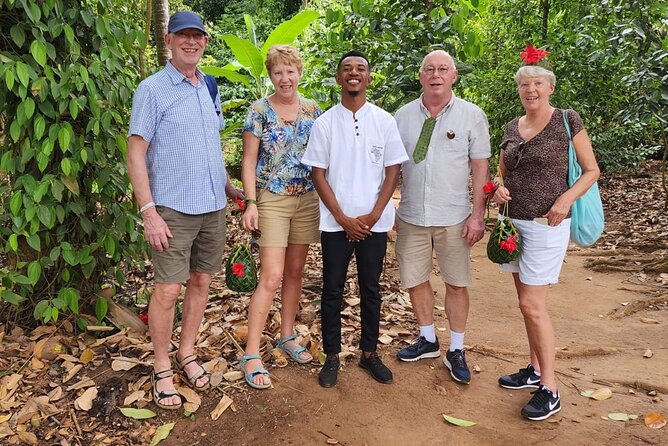
The strongest praise centers on the guides. Macra is described as attentive, helpful, and good at offering practical travel tips. That is valuable on a long day because comfort, timing, and small questions can affect the whole experience.
Mansur receives similar praise for being helpful and patient. His explanations of ginger, nutmeg, Stone Town, and Zanzibar culture are specifically noted. If you are assigned one of these guides, ask questions early. A private tour is most useful when you make it conversational instead of waiting for a fixed speech at each stop.
The provider emphasizes patience, commitment, and hard work in its guiding approach. Those promises are best judged through the actual pace and communication on the day, but the named guides receive strong personal praise for making the experience informative and pleasant.
No guide can remove every practical limitation. Stone Town can still feel short, and travel time still eats into an eight-hour schedule. A good guide can help you choose what matters most, which is another reason to say what you care about at the start.
Who should book this experience
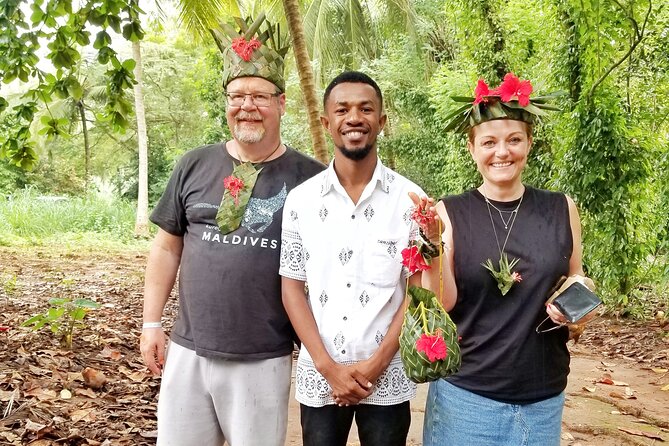
I would recommend this tour if you want a broad introduction to Zanzibar in one day. It suits first-time visitors, couples, families, and small groups who value a private guide over the lowest possible price.
It is also a good fit if you want cultural context. The day is not limited to beaches. You will hear about the slave trade, see mixed architectural traditions, learn how spices grow, and visit an island with a complicated past.
Families may appreciate the variety. The tortoises provide an immediate focus, the spice farm offers smells and tastes, and the city adds history and photography. Service animals are allowed, and most travelers can participate according to the supplied information.
I would hesitate if your priority is a slow beach day, serious shopping, or a long historical tour of Stone Town. The schedule is broad rather than leisurely. You should also consider the weather, since poor conditions can lead to a new date or a full refund.
Book ahead if your Zanzibar dates are fixed. The experience is booked an average of 40 days in advance, which suggests that waiting until the last minute may limit your choices. Confirmation is provided at booking, pickup is offered, and the activity runs daily during the stated operating period.
Free cancellation is available up to 24 hours before the start time. Within 24 hours, the payment is not refunded, and late changes are not accepted. Weather or minimum-participant cancellations are handled with a different date or a full refund.
FAQ

How long does the tour last?
The tour lasts about eight hours, including travel time between your hotel and the destinations.
What places are included?
The tour includes Prison Island, Stone Town, and Zito Spice Farm.
Are entrance fees included?
Yes. The listed tour price includes all fees and taxes, along with admission for the scheduled stops.
Is transportation provided?
Yes. Transportation and pickup are offered.
Is lunch included?
Yes. Lunch featuring Swahili cuisine is included. Limited-budget alternatives may be available.
Is this a private tour?
Yes. Only your group participates in the activity.
Can I cancel for a full refund?
You can cancel at least 24 hours before the start time for a full refund. Cancellations within 24 hours are not refunded.
What happens if bad weather cancels the tour?
If poor weather causes cancellation, you will be offered a different date or a full refund.
Should you book this Zanzibar tour?
Book it if you want one well-managed day that combines wildlife, history, food, and agriculture. The private format, included transport and lunch, and praised guides such as Macra and Mansur make the $120 price reasonable for a small group.
Skip it if you want to linger. Stone Town deserves more than two hours, and Prison Island is not designed here as a full beach day. For a first visit, though, this tour gives you a useful map of Zanzibar’s character, from giant tortoises and Indian Ocean air to carved city doors and freshly handled spices.
Just added around Zanzibar
- Zanzibar: Spice farm tour with Zanzibar fruits tasting★ 3.8 · 7 reviews
- Zanzibar: Stone Town City Tour and Spice Farm with Lunch★ 3.7 · 33 reviews
- ZANZIBAR, Stone town tour, Prison Island & Spice farm★ 5.0 · 11 reviews
- Zanzibar: Walking Spice Farm with Local Cooking Class★ 4.4 · 9 reviews
- Zanzibar: Spice Farm Tour with Traditional Cooking Class★ 5.0 · 2 reviews
- Zanzibar: Spice Farm Tour with Traditional Cooking Class★ 4.8 · 6 reviews
- Zanzibar: Spice Farm Tour with Traditional Cooking Class★ 4.6 · 16 reviews
- Zanzibar: Spice Farm Tour with free testing fruit and Spice★ 5.0 · 2 reviews
Spice Farm Tours, farm by farm.
Full-Day Private Stone Town +Spice Farm and Prison Island Tour
Read our review →
Zanzibar full day Jozani forest + Spice farm and stone town
Read our review →

STONE TOWN, PRISON ISLAND AND SPICE FARM ( Lunch included )
Read our review →
Zanzibar Private Spice Farm and Stonetown Tour(Include Lunch)
Read our review →
Other lists this farm sits on