
REVIEW · ZANZIBAR
A Half Day Private Tour To Spice Farm
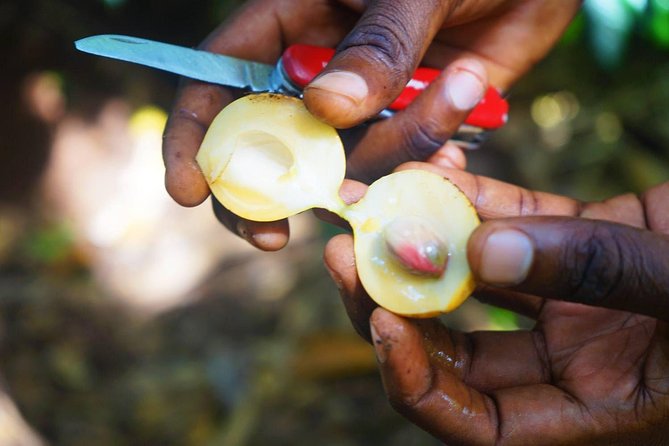
Spices tell Zanzibar’s story. This private visit to Zito Spice Farm gives you a short, hands-on look at how cloves, cinnamon, vanilla, nutmeg, cardamom, ginger, and turmeric are grown, prepared, and used. I like the focus on everyday Zanzibari life, especially the links between plants, cooking, medicine, and traditional ceremonies. I also like that tropical fruit tasting is included, along with private transport and a guide.
The main consideration is the short length. The farm visit takes about two hours, and the full experience runs roughly two to three hours, so this is an introduction rather than a full-day rural tour. At $65 per person, the value depends on how much you appreciate private transport and personal guiding. It is a practical half-day choice, but you should not expect a long agricultural expedition.
Key points to know before booking
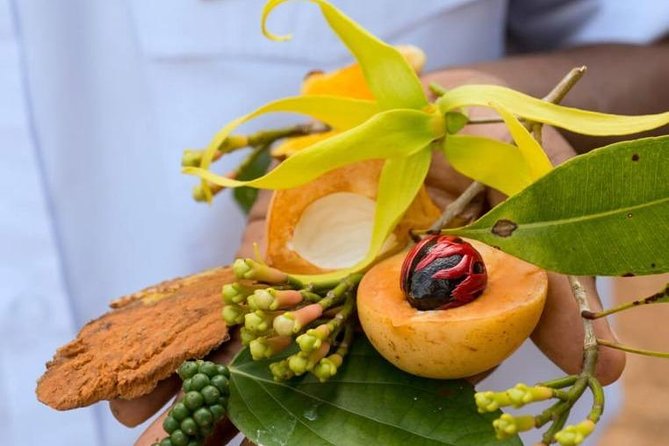
- Zito Spice Farm is the heart of the visit: You walk through small gardens and farms rather than simply looking at spice displays.
- You learn the full plant-to-kitchen story: The guide explains cultivation, harvesting, preparation, cooking uses, and medicinal uses.
- Tropical fruit tasting is included: Fresh fruit adds a pleasant food element to the plant tour.
- Private transport makes the timing simple: Pickup is offered, and only your own group takes part in the activity.
- Issa receives especially warm praise: He is described as friendly, reassuring, and attentive to whether you are enjoying the experience.
- The cancellation window is clear: You receive a full refund if you cancel at least 24 hours before the start time.
Why Zanzibar is called Spice Island
Zanzibar’s spice reputation is not just a souvenir-shop slogan. On this tour, you get to see the plants connected with that name and learn how they fit into daily life for local Zanzibaris.
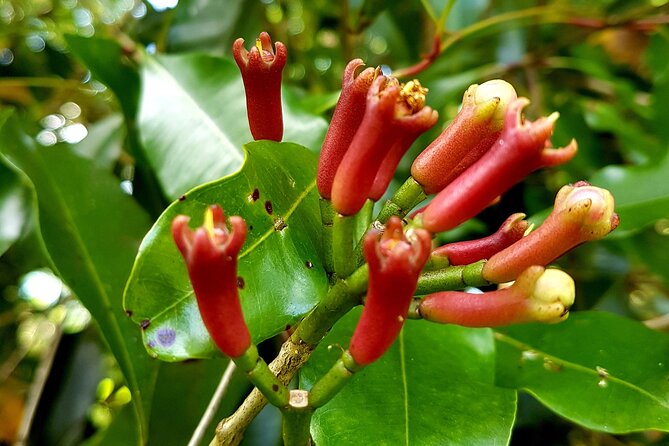
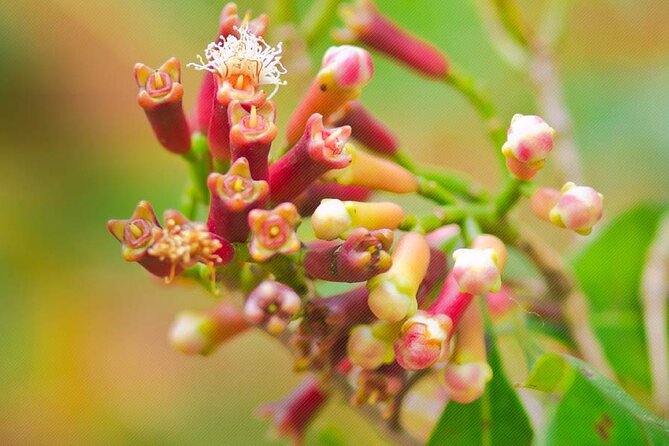
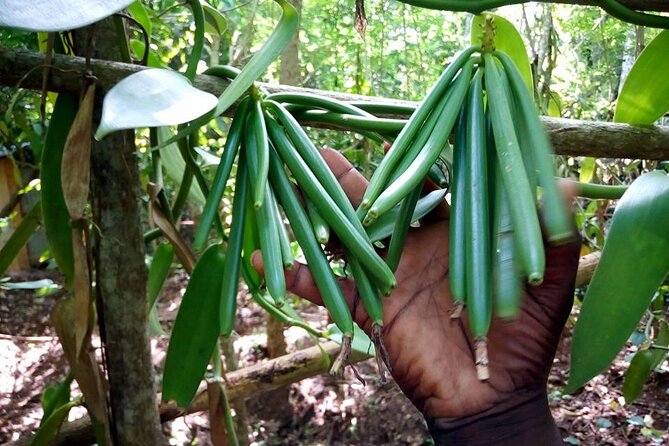
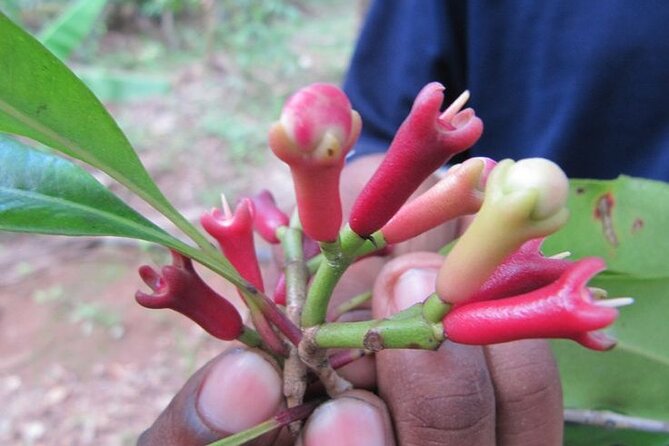
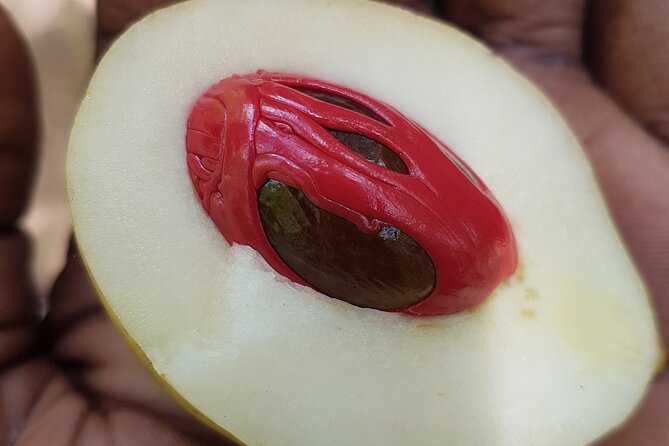
The farm grows or presents a wide range of spices, including cloves, cinnamon, vanilla, nutmeg, cardamom, ginger, and turmeric. The visit also includes medicinal and ornamental plants, as well as tropical fruit trees and plants. That variety matters because the experience is not limited to one famous crop. You are shown how several kinds of plants serve different purposes.
The guide explains how spices are cultivated, harvested, and prepared. You also learn how they enter local cooking and how some plants are used as herbal medicine. Traditional ceremonies are part of the discussion too, giving the walk a cultural purpose beyond identifying leaves and bark.
I like this approach because it connects what you see in the garden with what you may encounter elsewhere in Zanzibar. Cinnamon is not just a fragrant stick. Turmeric is not merely a bright yellow powder. The point is to understand how plants move from the soil into food, home remedies, and customs.
The experience also gives you a useful answer when someone asks why Zanzibar is known as Spice Island. You will have seen the plants and heard how local communities use them, rather than learning only a polished slogan.
More Spice Farm Tours around Zanzibar:
- Zanzibar: Prison Island, Stone Town, & Spice Farm Tour
★ 4.5 · 579 reviews - Full-Day Private Stone Town +Spice Farm and Prison Island Tour
★ 4.5 · 216 reviews - Zanzibar: Stone Town & Spice Farm Tour with Lunch
★ 4.5 · 97 reviews
Walking through Zito Spice Farm

The main activity is a guided walking tour through small spice gardens and farms in rural areas of Zanzibar. The walk is described as short, with about two hours allocated to the farm stop.
That time should give you room to listen, look closely at the plants, and ask questions without turning the visit into an exhausting outing. Since this is a private activity, the pace can be more personal than a large group visit. Your group is the only group taking part, which can make it easier to pause when you find a plant especially interesting.
The farm setting is important. Spices can seem abstract when you encounter them only in packets or jars. Seeing them as living plants gives you a clearer sense of what they look like before harvesting and preparation. You may find that some familiar kitchen ingredients are not immediately recognizable in their natural form.
The information covers both practical and cultural uses. You can learn how plants support local cuisine, how certain varieties are used for herbal medicine, and how others relate to ceremonies. The guide is there to interpret those connections, not simply point at plants and name them.
The supplied details do not specify the exact walking surface, so I would avoid assuming that the route is fully paved or suitable for every mobility need. Most people can participate, but if you have a particular mobility concern, ask the operator before booking.
Spices, medicine, and daily life
One of the strongest parts of this experience is its connection to ordinary life. You are not only told which spices grow in Zanzibar. You learn what people do with them.
Cooking is one clear part of the story. Ginger, turmeric, cardamom, cinnamon, cloves, and other spices can be discussed in relation to local cuisine. The tour does not include lunch, so the food element comes through the explanations and the fruit tasting rather than a full meal.
Herbal medicine adds another layer. The guide explains how different plants can be used for remedies, which helps you see the farm as a place of local knowledge rather than only commercial agriculture. The information provided does not name particular treatments, so you should treat this as cultural education, not medical advice.
Traditional ceremonies are also included in the subject matter. This is useful because plants can have meaning that is not obvious from their flavor or scent. A spice may belong to the kitchen, the medicine cabinet, or a custom, depending on how it is used.
I would approach this part with curiosity and respect. The best questions are likely to be simple ones: How is the plant harvested? Which part is used? Is it mainly for cooking, medicine, or ceremony? How is it prepared? A private setting gives you a better chance to ask these without worrying about holding up a large group.
Tropical fruit tasting adds a welcome pause
Fresh tropical fruit is included in the tour. It is a small detail, but it makes the experience more than a plant identification walk.
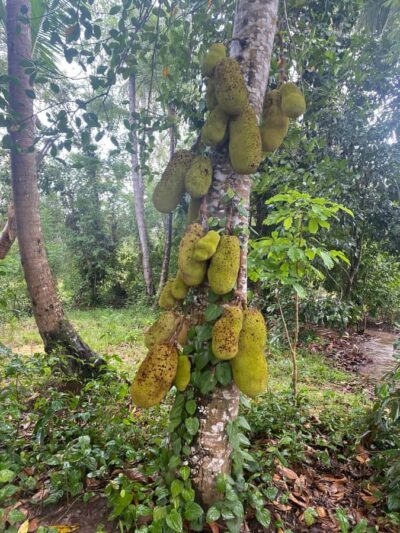
Tasting fruit directly during a farm visit gives you a sensory contrast to the spices. Spices are often associated with strong aromas and dried ingredients, while fruit offers freshness and sweetness. The tasting also gives the guide another way to discuss what grows in Zanzibar and how local produce fits into daily meals.
The exact fruits are not specified, so you should not book expecting a particular variety. Think of this as a chance to sample what is available rather than a fixed tasting menu.
Bottled water is also included. That is useful on a warm farm walk, though the tour details do not state the quantity or brand. Since the visit takes place outdoors and includes walking, sensible clothing and sun protection are still practical choices, even though those items are not listed as inclusions.
More Farm Tours around Zanzibar:
- Zanzibar:Stone Town & Spice Farm Private Tour Lunch Included
★ 4.2 · 94 reviews - Zanzibar full day Jozani forest + Spice farm and stone town
★ 4.7 · 90 reviews - Zanzibar: Spice Farm Tour with Traditional Cooking Lesson
★ 4.8 · 77 reviews - A Private Full Day Tour To Stone Town & Spice Farm
★ 5.0 · 53 reviews
What private transport changes
Pickup is offered, and private transportation is included. This can make a real difference in Zanzibar, where arranging your own way to a rural farm may add time and uncertainty.
Because this is a private activity, only your group participates. That setup is well suited to couples, families, and small groups who prefer to move at their own pace. It also gives you more room to ask about particular spices or local customs.
The price is $65 per person. That includes private transportation, the guide, admission, all fees and taxes, bottled water, and tropical fruit. Visa costs, personal expenses, and lunch are not included.
I see the price as reasonable if you value door-to-door simplicity and a private guide. A larger shared activity might cost less per person, but this option is designed around your own group. The value is less about the number of stops and more about the combination of transport, access, explanation, tasting, and a short schedule.
Group discounts are available, though no discount amount is given. If you are booking for several people, ask how the group rate applies before paying. That could improve the value for a family or larger party.
The guide can shape the experience
The guide matters a great deal on a short cultural tour. With only two hours at the farm, clear explanations and a friendly manner can make the difference between a useful visit and a rushed walk past plants.
Issa is specifically praised for making people feel comfortable and safe and for checking that they are enjoying the tour. He is also credited with giving a warm welcome to a couple visiting Zanzibar. Those details suggest a personal style rather than a purely scripted presentation.
You should still remember that guide availability may vary. Issa is associated with the experience, but the supplied information does not promise that he will lead every departure. If meeting him is important to you, ask the operator when you book.
The provider is Zanzibar Crystal Tours & Safaris. The company handles the guide, transport, and farm arrangements, allowing you to focus on the visit itself.
How this fits into a Zanzibar itinerary
A two to three hour tour is easy to place into a busy Zanzibar schedule. You can use it as a morning or afternoon activity, provided your pickup time is arranged clearly.
It works especially well for someone staying in or near Zanzibar City who wants to add a rural cultural experience without giving up a full day. It may also suit you after visiting historic parts of the city, since the farm offers a different view of the island and its communities.
The tour is not designed as a long food tour, a full cooking class, or a day of countryside sightseeing. Lunch is not included, and only one farm stop is identified. If you want several villages, a large agricultural area, or a longer meal experience, this may feel too brief.
On the other hand, short can be a strength. You get a focused introduction without committing to an entire day. Families and couples may appreciate the manageable length, especially if they have other plans.
The activity is listed as suitable for most people and is near public transportation. Pickup is offered, so you may not need to rely on public transport, but the availability of that option gives you another way to think about reaching the area.
What the tour includes and what it does not
The included items are straightforward:
- Private transportation
- Guide fees
- Farm admission
- All fees and taxes
- Bottled water
- Tropical fruits
The exclusions are equally important:
- Visa costs
- Personal expenses
- Lunch
The lack of lunch is not a serious weakness for a tour lasting only a few hours, but it matters if you are planning your day around meals. You should arrange lunch separately rather than assuming the farm visit will include one.
Personal expenses can include anything outside the listed inclusions. The details do not specify shopping opportunities or souvenir costs, so keep your spending flexible if you want to buy something during the outing.
Confirmation is received at booking. The experience requires good weather. If poor weather causes cancellation, you are offered a different date or a full refund.
For your own cancellation, you must cancel at least 24 hours before the start time for a full refund. Cancellations or changes made within 24 hours are not accepted for a refund. The cut-off uses local time, so check the start time carefully if you are booking from another time zone.
Who will get the most from this visit
I would recommend this experience to you if you want a short cultural activity with a clear focus. It suits people who enjoy learning how food and plants connect with everyday life, rather than simply collecting photographs.
It is a particularly good match for:
- Couples seeking a private outing
- Families wanting a manageable farm visit
- Small groups who can benefit from group discounts
- First-time visitors curious about Zanzibar’s spice identity
- People who value pickup and private transportation
- Anyone interested in cooking, herbal medicine, or traditional ceremonies
You may want something else if you dislike guided walks, do not care about plants, or expect a full meal and a long list of attractions. The tour is also not ideal if poor weather is likely during your available time, since the activity depends on suitable conditions.
The private format is its biggest practical advantage. You are not simply dropped at a farm and left to explore. A guide explains what you are seeing and how it fits local life.
Should you book the Zito Spice Farm tour?
Book it if you want an efficient, personal introduction to Zanzibar’s spice culture. The combination of a rural farm walk, plant-to-kitchen explanations, herbal and ceremonial context, fruit tasting, private transportation, and guide support gives the short visit real substance.
I would be more cautious if you expect lunch, a cooking lesson, or a full-day tour. At $65 per person, the price makes the most sense for people who value privacy and included transport. Ask about group discounts, confirm the pickup details, and check whether Issa is available if his warm guiding style is part of your decision.
For a half-day addition to a Zanzibar City itinerary, this is a sensible choice. It gives you a clearer understanding of why Zanzibar is called Spice Island without asking you to surrender an entire day.
FAQ
How long does the spice farm tour last?
The experience lasts approximately two to three hours. The visit to Zito Spice Farm is listed as taking about two hours.
Where does the tour take place?
The experience is based in Zanzibar City, Tanzania, and visits Zito Spice Farm in the rural areas of Zanzibar.
Is pickup offered?
Yes. Pickup is offered, and private transportation is included.
Is the tour private?
Yes. Only your own group participates in the activity.
How much does the tour cost?
The listed price is $65 per person. Group discounts are available, but the discount amount is not specified.
What spices can you learn about?
The tour may cover nutmeg, cinnamon, vanilla, cloves, cardamom, ginger, turmeric, and other spices, medicinal plants, and ornamental plants.
Is fruit tasting included?
Yes. Tropical fruits are included as part of the experience.
Is lunch included?
No. Lunch is not included.
What happens if bad weather cancels the tour?
If poor weather causes cancellation, you are offered a different date or a full refund.
How late can I cancel for a full refund?
You must cancel at least 24 hours before the experience start time to receive a full refund. Cancellations within 24 hours are not refunded.
Just added around Zanzibar
- Zanzibar: Spice farm tour with Zanzibar fruits tasting★ 3.8 · 7 reviews
- Zanzibar: Stone Town City Tour and Spice Farm with Lunch★ 3.7 · 33 reviews
- ZANZIBAR, Stone town tour, Prison Island & Spice farm★ 5.0 · 11 reviews
- Zanzibar: Walking Spice Farm with Local Cooking Class★ 4.4 · 9 reviews
- Zanzibar: Spice Farm Tour with Traditional Cooking Class★ 4.8 · 6 reviews
- Zanzibar: Spice Farm Tour with Traditional Cooking Class★ 4.6 · 16 reviews
- Zanzibar: Spice Farm Tour with Traditional Cooking Class★ 5.0 · 2 reviews
- Zanzibar: Spice Farm Tour with free testing fruit and Spice★ 5.0 · 2 reviews
Spice Farm Tours, farm by farm.
Full-Day Private Stone Town +Spice Farm and Prison Island Tour
Read our review →
Zanzibar full day Jozani forest + Spice farm and stone town
Read our review →

STONE TOWN, PRISON ISLAND AND SPICE FARM ( Lunch included )
Read our review →
Zanzibar Private Spice Farm and Stonetown Tour(Include Lunch)
Read our review →
Other lists this farm sits on