

REVIEW · ZANZIBAR
Zanzibar Spice Farm Tour
Spices grow better than souvenirs. This private Zanzibar spice farm tour takes you from Stone Town into a working shamba, where you can smell, taste, and identify crops rather than simply hear a list of them. I like the personal pace and the chance to ask broad questions about Zanzibar. I also like the fresh fruit tasting, especially coconut milk, mango, and bananas. The main catch is the basic farm setting, with no restroom reported and a final shop where prices and packaging may disappoint.
The walk covers clove, cinnamon, vanilla, turmeric, lemongrass, nutmeg, cardamom, black pepper, chili, cassava, and more. I would treat the farm walk as the real event and the spice stall as optional. Private guiding makes this a better fit for families and curious first-time visitors than for anyone expecting a polished attraction.
Key points at a glance
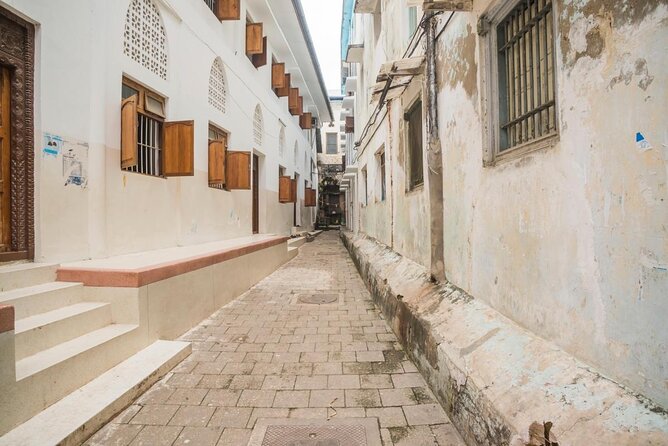
- Tangawizi Spice Farm: The central stop is a walking tour through a working shamba near Stone Town.
- Fruit and spice tasting: You may sample bananas, mango, coconut milk, oranges, papaya, jackfruit, and other local produce alongside spices.
- Portuguese trade connection: The guide explains how Portuguese traders introduced crops from India and South America during the 16th century.
- Private pace: Only your group takes part, so you can ask questions and spend more time on plants that interest you.
- Palm-leaf hats: Guides may make simple hats during the walk, a small hands-on touch that children especially enjoy.
- Shop with care: The closing spice stall accepts cash only, and product prices and packaging have drawn criticism.
From Stone Town to a Zanzibar shamba
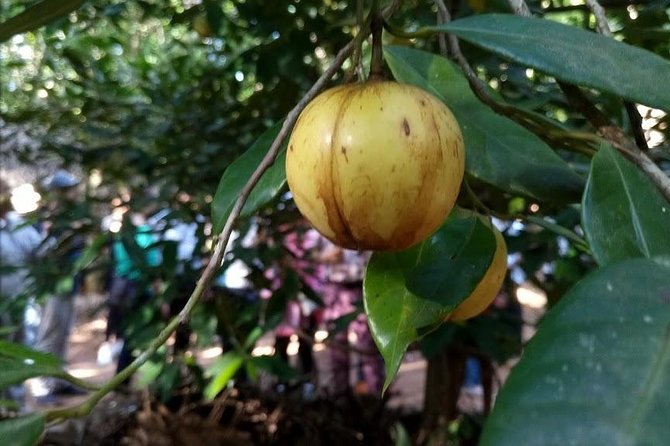
The meeting point is 6 Degrees South at Plot 60, Waterfront Shangani Street, in Zanzibar. It is described as easy to find and near public transportation. Hotel pickup and drop-off are included, but because the listed meeting point and hotel transfer details appear together, I would confirm the exact pickup arrangement when booking.
The advertised experience lasts about three hours. The farm visit itself is listed as two hours, leaving time for transport, introductions, and the final spice stall. That makes this a manageable half-day outing rather than a full-day commitment. You can fit it around other Stone Town plans without giving up an entire morning or afternoon.
The activity is private, which matters more here than it might on a standard sightseeing tour. A spice farm works best when you can stop, sniff a leaf, ask how a crop is used, or let a child take a closer look. You are not tied to the questions of a large group.
More Spice Farm Tours around Zanzibar:
- Zanzibar: Prison Island, Stone Town, & Spice Farm Tour
★ 4.5 · 579 reviews - Full-Day Private Stone Town +Spice Farm and Prison Island Tour
★ 4.5 · 216 reviews - Zanzibar: Stone Town & Spice Farm Tour with Lunch
★ 4.5 · 97 reviews
Why Zanzibar is known for spices
The tour gives useful background before turning to the plants themselves. Spices and herbs were introduced to Zanzibar by Portuguese traders in the 16th century, with crops brought from Portuguese colonies in India and South America.
That history helps explain why Zanzibar is linked so strongly with cloves and other fragrant crops. The point is not just to memorize dates. You get a clearer sense of how trade changed the island’s agriculture and cooking.
Your guide also explains how the crops can be used in home cooking. That practical angle is one of the strongest parts of the experience. A cinnamon stick, turmeric root, or cardamom pod is easier to understand when you see the plant and hear how it reaches a kitchen.
Ask questions as you go. The tour specifically allows you to ask your personal guide about Zanzibar, not only about the farm. If you want local context beyond the plants, this is the time to request it.
The walk through Tangawizi Spice Farm
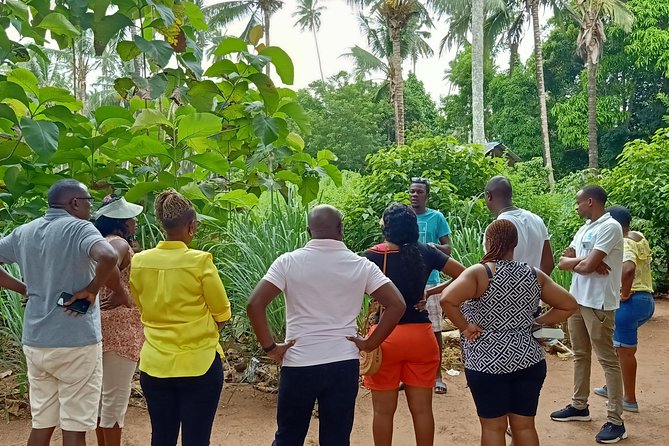
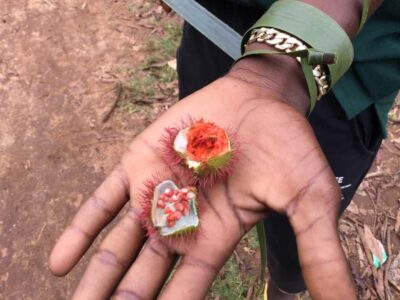
The main activity is a guided walk through Tangawizi Spice Farm. You see spices, herbs, and fruit growing in the ground or on trees, rather than meeting them only as dried packets at a market.
The range is broad. You may encounter:
- Cloves and cardamom
- Cinnamon and nutmeg
- Lemongrass and vanilla
- Turmeric and black pepper
- Chili and cassava
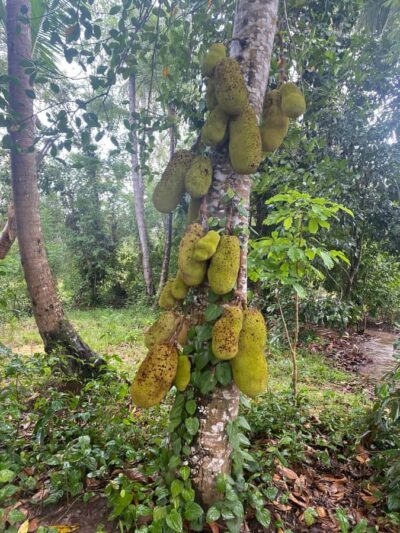
- Coconuts, papaya, oranges, and jackfruit
The farm is described as basic, and that is worth keeping in mind. This is not a heavily polished visitor center with a full set of facilities. It is a community-run, nongovernmental farm, so the experience has a more direct, working quality. That can feel authentic, but it also means you should not expect a restroom or elaborate infrastructure.
The guide is an important part of the value. One particularly memorable demonstration involves a guide climbing a coconut tree. It gives the walk a lively, local character and helps turn a lesson about coconuts into something you can actually watch.
Children may enjoy the simple palm-leaf hats made during the visit. They are not a major attraction by themselves, but they add a playful moment to a walk that could otherwise feel like a long series of plant names.
Smelling, tasting, and pairing the produce
This is not a look-only farm tour. You will smell and taste spices, herbs, and tropical fruit along the route. The mix may include bananas, coconut milk, mango, jackfruit, oranges, papaya, and other produce listed for the farm.
The tasting is valuable because many spices are familiar only in powdered form. Seeing the whole plant and then smelling or tasting it gives you a better sense of what you are buying and cooking with. Pairing fruit and spices also makes the experience more engaging for children.
Fresh coconut is a highlight. The combination of watching a coconut demonstration, then trying coconut milk, connects the crop, the tree, and the food in a simple way. Mango and bananas add familiar flavors, while jackfruit and other tropical fruit may be newer to some people.
Do not expect a full meal. The included tasting is part of the tour, not a substitute for lunch. Bring water? Bottled water is included, but it is still sensible to keep your expectations focused on small tastings during a walking visit.
More Farm Tours around Zanzibar:
- Zanzibar:Stone Town & Spice Farm Private Tour Lunch Included
★ 4.2 · 94 reviews - Zanzibar full day Jozani forest + Spice farm and stone town
★ 4.7 · 90 reviews - Zanzibar: Spice Farm Tour with Traditional Cooking Lesson
★ 4.8 · 77 reviews - A Private Full Day Tour To Stone Town & Spice Farm
★ 5.0 · 53 reviews
The final spice stall and the value question
The tour finishes at a stall selling fresh packaged spices. It is cash only. This is the moment to slow down and decide if you actually want to buy anything.
The products have received the least favorable comments connected with the experience. Concerns include higher prices than expected, packaging that could be improved, and pressure to tip or purchase because the farm supports the local community. The farm’s local management also means the tour provider says it has limited control over what the shop sells.
My advice is simple: enjoy the farm first, then inspect the packets carefully. Compare prices if you have already visited shops in Stone Town. Ask what is included, check the packaging, and do not feel obliged to buy merely because the stall is part of the route.
The shop does not erase the value of the farm walk, but it affects how you judge the $140 price. If the fee covers a private guide, transport, water, tastings, and your own schedule, the cost may make sense for a small group that values convenience. If you mainly want inexpensive spices, you may find better shopping elsewhere.
Is $140 per person fair?
At $140 per person, this is not a budget walk. Its value depends heavily on how many people are in your private group and how much you care about personal attention.
You are paying for more than admission. The package includes hotel pickup and drop-off, bottled water, a guided farm visit, and fruit and spice tasting. A private guide also means you can shape the conversation instead of following a fixed group script.
For a family or small group that wants an easy outing from Stone Town, those services may justify the rate. You avoid arranging separate transport and get a guide who can answer questions about both Zanzibar and the farm.
For a solo visitor or couple watching costs closely, the math is less attractive. The farm itself is basic, and the shop may not offer strong value. I would book this for the private format and local explanation, not for luxury, extensive facilities, or bargain shopping.
The published information gives an overall rating of 4 out of 5 from three ratings. That suggests a generally positive experience, but the small number of ratings means you should read the strengths and limitations carefully rather than treat the score as final proof.
Who will enjoy this private tour?
This outing suits you if you enjoy seeing how food grows. It is especially useful for families, since the tasting, palm-leaf hats, and coconut demonstration give children several concrete things to watch and try.
It also works well for visitors who want a gentle introduction to Zanzibar beyond Stone Town’s streets. You get agriculture, trade history, cooking uses, and local fruit in one short visit.
The private format helps if you have specific interests. You might ask about the use of turmeric in cooking, how vanilla grows, or which spices are commonly used at home. The guide can focus on your questions instead of moving a large group along.
I would think twice if you need modern facilities, dislike sales stops, or want a detailed commercial farm operation. The reported lack of a restroom is a practical concern, and the spice stall requires a firm budget.
Practical advice before you go
Wear shoes suitable for walking around a farm. The activity is on foot, and the surface may be more rustic than a paved attraction. The supplied information says most people can participate, but it does not give detailed accessibility information, so ask the operator if you have mobility concerns.
Bring some cash if you may want to shop. The final stall accepts cash only. You do not need to buy anything, and I would decide in advance how much you are willing to spend.
Confirm your pickup details. The tour starts at 6 Degrees South on Waterfront Shangani Street, while hotel pickup and drop-off are also included. A quick confirmation prevents confusion about where your vehicle will meet you.
Keep the timing flexible within the advertised window. The full activity is approximately three hours, while the farm visit is listed as two hours. That difference likely includes transport and the shop, but exact timing can vary.
Cancellation is free if you cancel at least 24 hours before the local start time. Cancellations or changes made less than 24 hours ahead are not refunded or accepted.
The authentic parts and the rough edges
The best part of this experience is its direct contact with crops. You smell leaves, taste fruit, see how plants grow, and hear how spices fit into everyday cooking. That is more useful than simply walking past shelves of dried goods.
The guide-led explanations are another strong point. The farm’s history, the Portuguese connection, and the cooking advice give the visit a clear purpose. The coconut-tree demonstration and palm-leaf hats add charm without turning the tour into a staged show.
The rough edges are just as clear. The setting is basic, restroom facilities may be absent, and the final shop has a mixed reputation for price and packaging. You should also view tipping as your own choice, not as an automatic part of the experience.
That combination makes the tour best for people who value local contact over polish. If you want a spotless facility and tightly controlled retail experience, this may frustrate you. If you can accept a simple farm and judge the day by the walk, guide, and tastings, it offers plenty to enjoy.
Should you book the Zanzibar Spice Farm Tour?
Book it if you want a private, easy-to-arrange outing from Stone Town with local explanations, fruit tasting, and a close look at Zanzibar’s spices. Families and small groups are likely to get the most from the flexible pace.
Skip it if your main goal is cheap spice shopping, modern facilities, or a full-day agricultural tour. Treat the store as optional, carry cash only if you want to browse, and keep the $140 price in mind.
For the right visitor, the farm walk is the prize. The packets at the stall are not.
FAQ
Where does the Zanzibar Spice Farm Tour start?
The listed meeting point is 6 Degrees South at Plot 60, Waterfront Shangani Street, Zanzibar, Tanzania.
How long does the tour last?
The experience lasts approximately three hours. The walking visit at Tangawizi Spice Farm is listed as two hours.
Is hotel pickup included?
Yes. Hotel pickup and drop-off are included, although you should confirm the exact pickup arrangement because a specific meeting point is also provided.
Is this a private activity?
Yes. Only your group participates, so you can go at your own pace and ask your personal guide questions about Zanzibar.
What will I see at the spice farm?
You can see and learn about cloves, lemongrass, nutmeg, cinnamon, turmeric, vanilla, coconut, papaya, chili, black pepper, jackfruit, cardamom, cassava, oranges, and other crops.
Is food or tasting included?
Yes. Fruit and spice tasting is included, along with bottled water.
Can I buy spices at the end?
Yes. The tour ends at a stall selling fresh packaged spices. The stall accepts cash only.
Are restroom facilities available?
The available information does not list a restroom, and a report from the farm specifically noted that there was no washroom. Plan accordingly.
What is the cancellation policy?
You can cancel for a full refund up to 24 hours before the experience starts. Cancellations or changes made less than 24 hours before the local start time are not accepted or refunded.
Just added around Zanzibar
- Zanzibar: Spice farm tour with Zanzibar fruits tasting★ 3.8 · 7 reviews
- Zanzibar: Stone Town City Tour and Spice Farm with Lunch★ 3.7 · 33 reviews
- ZANZIBAR, Stone town tour, Prison Island & Spice farm★ 5.0 · 11 reviews
- Zanzibar: Walking Spice Farm with Local Cooking Class★ 4.4 · 9 reviews
- Zanzibar: Spice Farm Tour with Traditional Cooking Class★ 5.0 · 2 reviews
- Zanzibar: Spice Farm Tour with Traditional Cooking Class★ 4.8 · 6 reviews
- Zanzibar: Spice Farm Tour with Traditional Cooking Class★ 4.6 · 16 reviews
- Zanzibar: Spice Farm Tour with free testing fruit and Spice★ 5.0 · 2 reviews
Spice Farm Tours, farm by farm.
Full-Day Private Stone Town +Spice Farm and Prison Island Tour
Read our review →
Zanzibar full day Jozani forest + Spice farm and stone town
Read our review →

STONE TOWN, PRISON ISLAND AND SPICE FARM ( Lunch included )
Read our review →
Zanzibar Private Spice Farm and Stonetown Tour(Include Lunch)
Read our review →
Other lists this farm sits on