
REVIEW · ZANZIBAR
Spice Farm Tour -Half Day
Smell the island before you see it. This three-hour Zanzibar spice farm tour combines a walk through a working shamba with tastings of spices, herbs, and tropical fruit, plus a stop at the ornate Kidichi Persian Baths. I like the direct contact with crops such as cloves, cinnamon, vanilla, turmeric, and black pepper, and I like that hotel pickup and drop-off are included. The main consideration is that the experience involves walking outdoors and tasting many ingredients, so it may feel less comfortable in hot or wet weather.
The $50 price is fair if you value transport, a guide, and a broad introduction to Zanzibar’s farming traditions in one outing. You also have time to buy spices, and a cooking class can be arranged on request. The detailed schedule is not very precise about how the three hours are divided, so I would treat the timing as approximate rather than expect a tightly timed program.
Key Things to Know Before You Go
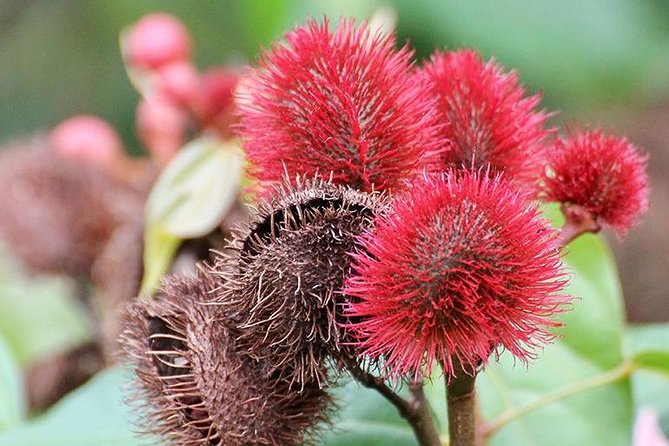
- Kidichi Persian Baths: See the domed bathhouses built in 1850 for Sultan Seyyid Said’s Persian wife, Princess Sheherezade.
- Spices you can taste and smell: Expect cloves, lemongrass, nutmeg, cinnamon, turmeric, vanilla, chili, black pepper, cardamom, and more.
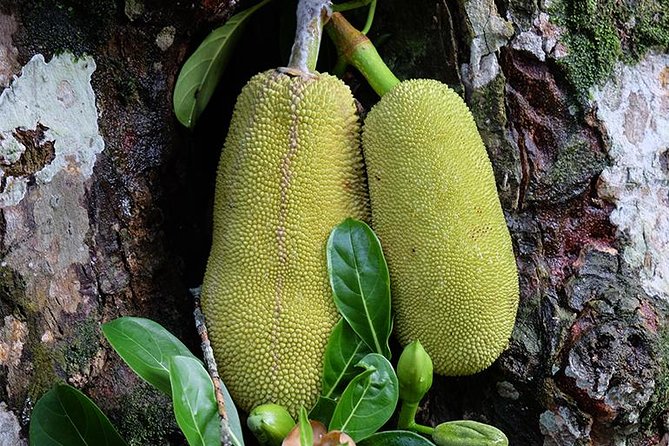
- Tropical fruit tasting: Seasonal produce may include jackfruit, pineapple, bananas, papaya, oranges, coconut juice, lychee, and other local fruit.
- Walking through a shamba: You learn how crops grow and how people use them, rather than seeing spices only as dried goods in a shop.
- Hotel transport included: Pickup and drop-off make this useful if you are staying in Zanzibar City or nearby.
- Cooking class option: Ask when booking if you want to turn the farm visit into a more hands-on food experience.
Why Zanzibar’s Spice Farms Matter
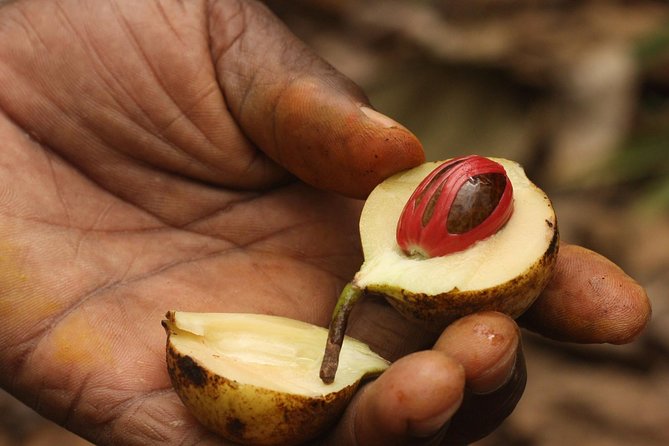
Zanzibar is strongly associated with cloves, but this tour gives you a wider view of island agriculture. In the shamba, spices do not arrive in neat jars. You see them as living plants, smell their leaves or bark, and learn how each crop is used in cooking, drinks, or traditional remedies.
That shift is the real value of the experience. A cinnamon stick looks familiar in a kitchen drawer. Seeing where cinnamon comes from gives it a story. The same is true of turmeric, vanilla, nutmeg, cardamom, and black pepper.
I especially like the tasting element because it keeps the tour active. You are not simply listening to a long talk. You smell and taste ingredients as the guide explains them, then try tropical fruit grown in the same broad farming area. The result should appeal to curious eaters, families, and anyone who wants a break from museums and beach time.
The tour also offers a glimpse of ordinary rural life. You walk through the farm, see how crops are cultivated, and move through countryside filled with greenery. Do not expect a formal botanical garden with labels at every turn. This is presented as a working farm visit, which means the experience may feel more informal and dependent on the guide’s explanations.
More Spice Farm Tours around Zanzibar:
- Zanzibar: Prison Island, Stone Town, & Spice Farm Tour
★ 4.5 · 579 reviews - Full-Day Private Stone Town +Spice Farm and Prison Island Tour
★ 4.5 · 216 reviews - Zanzibar: Stone Town & Spice Farm Tour with Lunch
★ 4.5 · 97 reviews
Kidichi Persian Baths and Sultan Seyyid Said
The first planned stop is Kidichi Persian Baths, built in 1850 by Sultan Seyyid Said for his Persian wife, Princess Sheherezade, the granddaughter of Fatah Ali Shah of Persia. The site sits at one of the highest points on Zanzibar Island.
The baths are decorated with ornamental Persian stucco work. Their domed bathhouses, deep stone baths, and large seats give the site a very different character from the plain baths nearby at Kizimbani. Those simpler baths were built within the sultan’s clove and coconut plantation.
This stop adds useful historical context before the farm walk begins. Zanzibar’s spice trade was tied to the sultanate, plantations, and connections across the Indian Ocean. The baths are not just an extra photo stop. They help explain the wealth and cultural links that shaped the island during the nineteenth century.
You should keep your expectations measured. The information provided describes the buildings and their setting, but not the length of the visit or the extent of on-site interpretation. If you enjoy architecture and royal history, you will probably appreciate the stop. If your main goal is tasting spices, it may feel like a short historical pause before the farm portion.
Walking Through the Shamba
After Kidichi, the route continues through the countryside and into the spice farm area. The walking section is the heart of the outing. Your guide describes how spices, herbs, and fruit grow, how they are cultivated, and how they can be used.
Among the named crops are:
- Cloves
- Lemongrass
- Nutmeg
- Cinnamon
- Turmeric
- Vanilla
- Chili
- Black pepper
- Cardamom
- Cassava
- Coconut
- Papaya
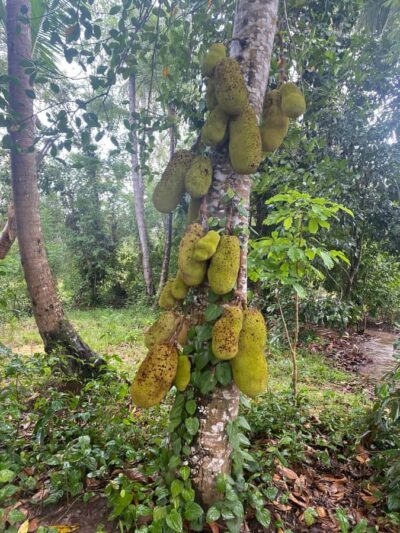
- Jackfruit
- Oranges
The list is long, but that is part of the appeal. Zanzibar’s farm life is not reduced to one famous crop. You get a mix of trees, roots, vines, herbs, and fruit plants, each with a different smell, texture, and use.
I would pay close attention to the guide’s handling of the plants. The most useful part of a farm tour is often learning which section of a plant is used. Bark, seed, root, pod, leaf, and fruit can all have different purposes. The tour description promises explanations of how the crops are used, so this is where the quality of the guide matters most.
The activity calls for a moderate level of physical fitness. That does not suggest a strenuous hike, but you will be walking around a farm rather than sitting in a vehicle for the whole visit. Wear practical shoes and clothing suitable for warm outdoor conditions. A bottle of water is included, though you may want additional water if you know you drink a lot in the heat.
Tasting Spices, Coconut, and Seasonal Fruit
The tasting portion gives the tour its strongest sensory appeal. You may smell and sample spices as well as fruit such as pineapple, banana, green coconut juice, jackfruit, papaya, oranges, lychee, and other seasonal produce. The exact selection can change because fruit availability depends on the season.
Some of the named items may be less familiar. Jackfruit can be large and sweet, while coconut water offers a cool contrast to stronger spices. You may also encounter chili, black pepper, cinnamon, or lemongrass in forms that show how different fresh ingredients are from their dried and packaged versions.
The experience may include additional fruit such as durian, love apple, soursop, or other local produce. Since the schedule describes these as seasonal, I would not book this expecting every listed item on every visit. Think of the list as a guide to the farm’s range, not a fixed tasting menu.
This is also a good place to ask questions. If you cook at home, ask how the spice is normally used and whether it is better fresh, dried, or ground. If you have food allergies or strong dislikes, tell the guide before sampling anything. The available information does not describe a formal allergy program, so you should make your needs clear.
More Farm Tours around Zanzibar:
- Zanzibar:Stone Town & Spice Farm Private Tour Lunch Included
★ 4.2 · 94 reviews - Zanzibar full day Jozani forest + Spice farm and stone town
★ 4.7 · 90 reviews - Zanzibar: Spice Farm Tour with Traditional Cooking Lesson
★ 4.8 · 77 reviews - A Private Full Day Tour To Stone Town & Spice Farm
★ 5.0 · 53 reviews
A Possible Cooking Class on Request
A cooking class is available if arranged in advance. This option could add real value, especially if you want more than a walk and tasting session. Seeing an ingredient is useful. Learning how it enters a local dish gives you something practical to take home.
The supplied details do not specify the class menu, length, cost, or group format. Ask for those details before booking rather than assuming the cooking class is included in the $50 price. The standard tour includes the guide, transport, and water, but not lunch, coffee, or tea.
If you choose the class, allow enough time for the added activity. The advertised tour lasts about three hours, while the cooking option may change the schedule. Confirm the arrangement with Zanzibar Treasure Tour & Safaris before you set other plans for the day.
The Guide Makes the Difference
The strongest praise for this experience concerns the guide’s approach. The guide is described as well-informed, relaxed, and enjoyable, which is exactly the right mix for a farm visit. You need clear explanations, but you do not want a lecture that turns every plant into a school assignment.
A good guide should help you notice small details, explain the crops in plain language, and connect the farm to Zanzibar’s food and cultural traditions. This matters because the farm itself may not offer the polished presentation of a large commercial attraction. The guide provides the structure.
The tour operator is Zanzibar Treasure Tour & Safaris. No individual guide’s name is supplied, so I would not assume you will have the same person on every departure. The experience has a maximum of 20 participants, which keeps it small enough for questions but does not guarantee a private walking group.
Transport is described as private, comfortable, and air-conditioned, with hotel pickup and drop-off. That is a useful inclusion in Zanzibar, where arranging separate transport can take time and add cost. The tour is still a group activity, with group discounts available, so clarify the transport and group setup if those details matter to you.
Is $50 a Fair Price?
At $50 per person, the tour sits in a reasonable range for a half-day outing that includes pickup, drop-off, a professional guide, admission to Kidichi Persian Baths, and a bottle of water. You are paying for more than farm entry. The price also covers the convenience of transport and the guide’s interpretation.
The value is strongest if you are staying in Zanzibar City and want one organized activity that combines nature, food, and history. It is also useful early in a Zanzibar visit because it introduces local ingredients you may see later in markets and restaurants.
The price is less compelling if you only want to buy spices quickly. A short market visit would be simpler. This tour earns its cost through the walk, explanations, tastings, and historical stop.
Lunch, coffee, and tea are not included. Restroom facilities on board are also not provided. Plan accordingly, especially if you are traveling with young children or prefer frequent comfort stops.
Who Will Enjoy This Tour Most?
I would recommend this experience to food lovers, families, first-time visitors to Zanzibar, and anyone interested in how everyday ingredients are grown. The mix of walking, tasting, transport, and history gives you variety without taking up a full day.
Children may enjoy identifying fruit and smelling spices, though the moderate physical requirement and outdoor conditions are worth considering. The tour is not described as specifically designed for young children, so parents should judge their child’s tolerance for walking and heat.
It also suits visitors who want a cultural activity beyond the beach. You see local farming, hear about Zanzibar’s past, and get a practical introduction to ingredients used across the island. The experience may be less satisfying for someone seeking a highly polished attraction, a fixed menu, or an exact minute-by-minute schedule.
The tour requires good weather. If rain or poor conditions force a cancellation, you can receive a different date or a full refund. You can also cancel for a full refund if you do so at least 24 hours before the start time. Changes or cancellations made within 24 hours are not accepted for a refund.
What to Bring and How to Plan the Day
Wear shoes suitable for walking on a farm and clothing that works in warm outdoor conditions. Bring interest in food, a willingness to taste unfamiliar fruit, and a few questions for the guide.
Because a bottle of water is included but other drinks are not, bringing extra water is sensible. You may also want cash or another payment method for spice purchases, since the tour description identifies the farm visit as a good time to shop but does not state which payment methods are accepted.
Keep the rest of your schedule flexible. The experience is listed as approximately three hours, while one itinerary detail gives two hours for the included stop and farm portion. That difference suggests you should not plan a tightly timed appointment immediately afterward.
Should You Book the Zanzibar Spice Farm Tour?
Book it if you want a friendly introduction to Zanzibar’s crops, flavors, and plantation history without arranging transport yourself. The combination of Kidichi Persian Baths, farm walking, tastings, and a relaxed guide gives the experience more substance than a simple spice shopping stop.
I would skip it only if you dislike outdoor walking, do not care about food or farming, or need a highly precise schedule. For most visitors with half a day available, $50 is a sensible price for a well-rounded taste of the island beyond the shoreline.
FAQ
How long does the Zanzibar Spice Farm Tour last?
The tour lasts approximately three hours. One itinerary detail refers to a two-hour portion, so the schedule should be treated as approximate.
Is hotel pickup and drop-off included?
Yes. Hotel pickup and drop-off are included, and the transport is described as comfortable and air-conditioned.
What is included in the tour price?
The price includes an experienced professional guide, hotel pickup and drop-off, admission to the included attraction, and a bottle of water.
Is lunch included?
No. Lunch, coffee, and tea are not included.
What spices and fruit can I see or taste?
The tour may include cloves, lemongrass, nutmeg, cinnamon, turmeric, vanilla, chili, black pepper, cardamom, cassava, coconut, papaya, jackfruit, oranges, pineapple, bananas, and other seasonal fruit.
Can I take a cooking class during the tour?
Yes. A cooking class is available on request. The supplied details do not state its price, menu, or added duration, so confirm those points before booking.
What happens if bad weather cancels the tour?
If poor weather causes a cancellation, you will be offered another date or a full refund. Free cancellation is also available when you cancel at least 24 hours before the start time.
Just added around Zanzibar
- Zanzibar: Spice farm tour with Zanzibar fruits tasting★ 3.8 · 7 reviews
- Zanzibar: Stone Town City Tour and Spice Farm with Lunch★ 3.7 · 33 reviews
- ZANZIBAR, Stone town tour, Prison Island & Spice farm★ 5.0 · 11 reviews
- Zanzibar: Walking Spice Farm with Local Cooking Class★ 4.4 · 9 reviews
- Zanzibar: Spice Farm Tour with Traditional Cooking Class★ 5.0 · 2 reviews
- Zanzibar: Spice Farm Tour with Traditional Cooking Class★ 4.8 · 6 reviews
- Zanzibar: Spice Farm Tour with Traditional Cooking Class★ 4.6 · 16 reviews
- Zanzibar: Spice Farm Tour with free testing fruit and Spice★ 5.0 · 2 reviews
Spice Farm Tours, farm by farm.
Full-Day Private Stone Town +Spice Farm and Prison Island Tour
Read our review →
Zanzibar full day Jozani forest + Spice farm and stone town
Read our review →

STONE TOWN, PRISON ISLAND AND SPICE FARM ( Lunch included )
Read our review →
Zanzibar Private Spice Farm and Stonetown Tour(Include Lunch)
Read our review →
Other lists this farm sits on