
REVIEW · ROME
Rome Street Food Tour and Jewish Ghetto Area Guided Sightseeing
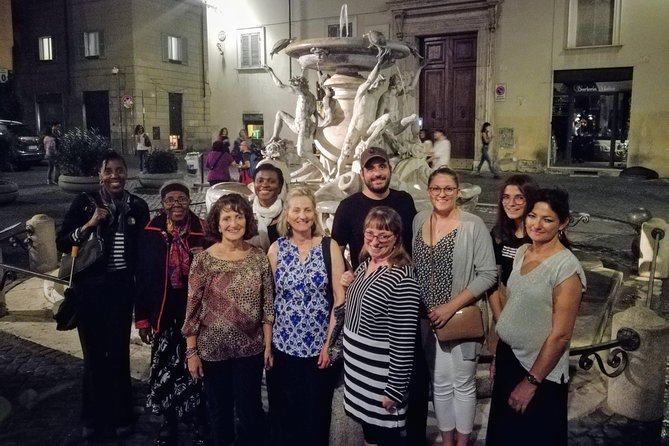
Rome tastes better on foot. This 2.5-hour walk links Campo de’ Fiori, the Jewish Ghetto, and the Pantheon with generous samples of Roman street food. I like the compact route and the small group, capped at 15 people, because you get both a quick introduction to central Rome and room to ask your guide questions.
I also like the mix of food and ancient sites: pizza, supplì, fried zucchini flower, gelato, the ruins at Largo Argentina, and the Pantheon all fit into one outing. The main drawback is value for anyone expecting a full meal, since some tastings are snack-sized and drinks cost extra. Hot weather can also make the walking less comfortable, with little chance to sit.
Quick take: six useful things to know
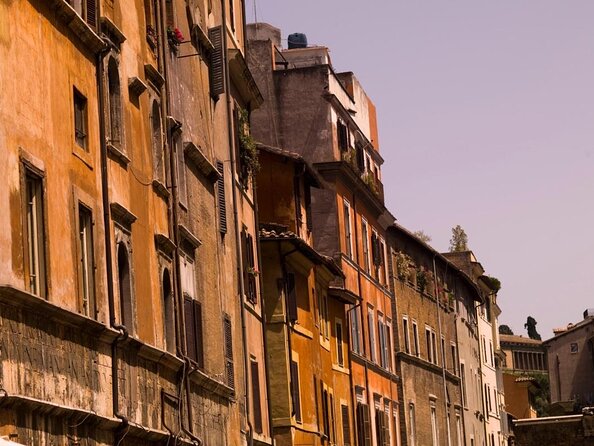
- The route covers three historic areas: Campo de’ Fiori, the Jewish Ghetto, and Piazza della Rotonda near the Pantheon.
- The food is distinctly Roman: expect pizza, salami, supplì, seasonal Jewish-style artichoke or zucchini flower, and gelato.
- The group is limited to 15 people: that is small enough for more direct contact with the guide.
- Vegetarians can be accommodated: tell the operator when booking. Vegan, gluten-free, and dairy-free diets cannot be accommodated.
- The tour ends near the Pantheon: Piazza di Sant’Eustachio is close to a taxi stand and public transportation.
- The guide quality matters here: the tour has received a 4.8 rating from 13 ratings, with all recommending it. Guides named in the feedback include Matias, along with Luca’s team.
Why this Rome food walk works well for first-time visitors
Rome can feel like a museum without walls. Every few steps bring another column, church, fountain, or half-buried ruin. That is wonderful, but it can also make your first day feel like a long list of names. This tour gives you a simple way into the city: walk, taste, listen, and connect each bite with the street around you.
The experience lasts about two hours and 30 minutes. That is long enough to cover several important sights without taking over your whole day. You begin at Piazza Campo de’ Fiori and finish at Piazza di Sant’Eustachio, close to the Pantheon. You will need to make your own way to the starting point, and hotel pickup and drop-off are not included.
The small-group format is especially useful in Rome’s busy center. With a maximum of 15 people, you should have a better chance of hearing the guide and asking about ingredients, customs, or the buildings along the way. One especially strong point in the feedback is the guide’s energy and clear speaking style. Matias is praised by name, and another guide is described as easy to understand and full of energy.
This is not a sit-down food lesson. You will be walking between tasting stops, with no promise of a seat at each one. If you want a long Roman lunch, book a restaurant. If you want a useful introduction to central Rome with food along the way, this format makes sense.
More Food and Drink Tours around Rome:
- Tasty Trionfale Farmers Market Food Tour and Local Wines Tasting
★ 5.0 · 43 reviews - Rome: Vatican Street Food and Wine Tour with Farmers Market
★ 5.0 · 37 reviews - Wine Tasting and Food Tour at Vatican and Trionfale Farmers
★ 5.0 · 12 reviews
Campo de’ Fiori: start with food and orientation
The tour begins at Piazza Campo de’ Fiori, one of the most recognizable squares in central Rome. The first section lasts about 15 minutes and focuses on the surrounding neighborhood, including less obvious details that you might miss while walking alone.
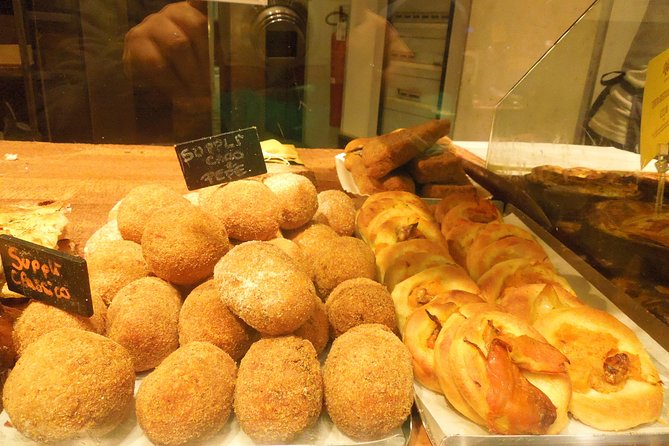
The food starts here with several items from the sample menu. Pizza and salami provide familiar first tastes, while supplì offers a more Roman choice. Supplì is a fried rice ball filled with tomato and mozzarella, usually eaten as a quick snack. It is crisp outside, soft inside, and filling enough to show why Roman street food is built for people on the move.
I like beginning with these simple foods because they remove some of the pressure from ordering in Rome. You get a chance to taste local staples before choosing meals on your own. The experience also includes bottled water, which is helpful during a warm afternoon, though other drinks are available only for an additional charge.
Do not expect the food to arrive as a formal course-by-course meal. The menu labels several items as starters, and the portions are best understood as tastings. That distinction matters when you judge the $54.13 price. You are paying for food, a guide, and the sightseeing route, not just the number of bites.
The Jewish Ghetto and Pompey Theatre
The walk continues toward the Jewish Ghetto and the area around Pompey Theatre. This is where the food and history pairing becomes especially effective. The neighborhood brings a different layer of Rome into view, including the Great Synagogue and historic buildings that are easy to pass without context.
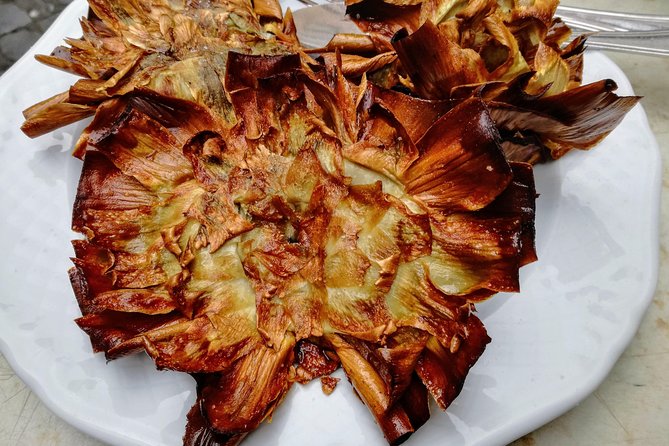
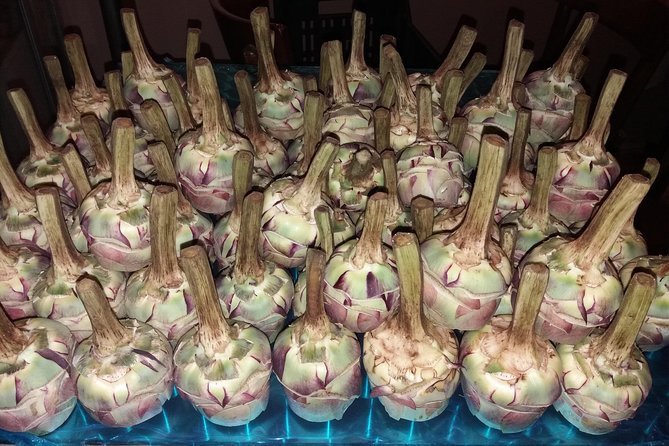
The route also includes a taste associated with Roman Jewish cooking: a Jewish-style artichoke when artichokes are in season. At other times, the tasting changes to a fried zucchini flower. This seasonal choice is a small but worthwhile detail. It keeps the menu tied to what is available rather than pretending every dish is fixed year-round.
The zucchini flower is served as a street-food-style tasting, and it gives you something different from pizza and supplì. Along with the artichoke or flower, the menu includes gelato for a sweet finish. The combination covers several textures and flavors without turning the tour into a heavy meal.
The Jewish Ghetto portion also helps explain why a food walk can be more useful than a standard sightseeing loop. You are not only looking at façades. You are connecting a neighborhood with its culinary traditions and with the buildings that shaped its identity. The tour does not include a separate synagogue admission, and the supplied details do not promise interior visits, so treat the Great Synagogue as part of the guided sightseeing rather than a guaranteed indoor stop.
Largo Argentina and the story of Julius Caesar
At Area Sacra di Largo Argentina, you will see the ruins linked with the assassination of Julius Caesar. The scheduled stop lasts about 10 minutes, so this is a short viewing and explanation rather than a long archaeological visit.
That brevity is both a strength and a limit. Ten minutes keeps the tour moving and leaves time for food, but anyone hoping for a detailed study of Roman archaeology will want more time elsewhere. The value here comes from the guide’s explanation and the chance to place the famous event within the modern city.
Largo Argentina is a good reminder of Rome’s odd rhythm. Ruins do not always arrive behind grand gates. Sometimes they sit below the level of the street, surrounded by ordinary traffic and daily life. A guide can help you notice what the site represents instead of treating it as another pile of old stones.
More Food Tours around Rome:
- Rome: Small-Group Tasty Food Tour Around Farmers Market
★ 4.5 · 6 reviews - Rome City Center Largest Farmers Market and Street Food Tour
★ 5.0 · 5 reviews - Sorrento Farm and Food Experience including Olive Oil, Limoncello, Wine tasting
★ 5.0 · 2,524 reviews - Florence Sunset Food Tour with Wine & Dine at a Tuscan farmhouse
★ 5.0 · 194 reviews
Piazza della Rotonda and the Pantheon
The final major sightseeing stop is Piazza della Rotonda, home of the Pantheon. The tour allots about 10 minutes here, with an explanation of the building’s design, meaning, and changing uses over the centuries.
The Pantheon is one of the best-preserved ancient Roman monuments, and it is a fitting endpoint for a short introduction to Rome. The guide is set to discuss how the building was planned, what its features represent, and how it served different purposes over time. Even a brief explanation can make the structure more readable when you return for a longer visit.
The timing also gives you a practical advantage. Since the tour ends near the Pantheon at Piazza di Sant’Eustachio, you can continue sightseeing in the area instead of making a long trip back to your starting point. The end point is close to a taxi station and public transportation, which makes it simple to head to your next stop.
Keep your expectations realistic. The tour does not list Pantheon admission as included, and the stop is only about 10 minutes. You are getting an exterior-focused guided look, not a full museum visit.
What you will eat along the way
The sample menu includes six tasting items:
- Pizza
- Salami
- Supplì
- Jewish-style artichoke or zucchini flower, depending on the season
- Gelato
- Bottled water
The menu has enough variety to make the food portion feel like more than one repeated snack. Pizza and salami are familiar, supplì brings a classic Roman specialty, the vegetable tasting changes with the season, and gelato gives the walk a clean finish.
Vegetarians can be accommodated, but you must advise the operator when booking. This is not a suitable choice for vegans, and it cannot accommodate gluten-free or dairy-free diets. Those limits are important because pizza, mozzarella in supplì, salami, and gelato are central to the listed menu.
Drinks are not included beyond bottled water. You can buy additional drinks, but factor that into your budget if you want wine, coffee, or something cold during the walk. The route takes place rain or shine, so wear shoes that can handle uneven city streets and check the forecast before leaving.
Is $54.13 fair for two and a half hours?
At $54.13 per person, this is not the cheapest way to eat in Rome. You could buy several snacks on your own for less. The price becomes easier to justify if you value a guide, a planned route, and a quick lesson in the city’s food and landmarks.
The small group improves the calculation. A maximum of 15 people is more personal than a large coach-style outing, and the guide’s role is central to the experience. You are paying for interpretation as much as for pizza and gelato.
I would call the price reasonable for a first visit, especially if you plan to use the tour as an orientation walk. It is less compelling for someone who already knows central Rome, speaks confidently about Roman history, and prefers to choose every food stop independently.
The feedback gives the experience a 4.8 rating from 13 ratings, with 100 percent recommending it. That is a positive signal, but the small number of ratings means I would still weigh the practical limitations: hot weather, no guaranteed seating, and snack-sized portions. One rating specifically found it a little expensive for the food, which is fair if you judge the cost only by the menu.
The guide can make or break the walk
Food tours depend heavily on the person leading them. Here, the strongest praise centers on energy, clarity, and a friendly manner. Matias is named as a particularly pleasant host, while another guide is praised for being easy to understand.
That matters in a group setting. You will be outdoors, near active streets, and moving from one stop to another. A guide who speaks clearly and keeps the pace lively can turn a simple snack route into a useful afternoon. A poor guide would leave you with little more than a list of foods, so this is an area where the positive feedback carries real weight.
The experience is operated by Made in Italy Tours by Luca and his team of guides. The booking information says it is offered in English. Children must be accompanied by an adult, and service animals are allowed.
Who should book this experience?
I would recommend it most strongly to first-time visitors who want an easy introduction to central Rome. It suits you if you enjoy walking, prefer small groups, and want history explained beside the actual streets and ruins rather than in a classroom.
It also works for people who want a food sampler instead of a long meal. You can try Roman specialties without committing to a full restaurant menu, then use what you liked to guide later meals.
Vegetarians should contact the operator at booking time. Families can join as long as children are accompanied by an adult, and most people can participate. The tour is near public transportation, but you are responsible for reaching Campo de’ Fiori on your own.
I would skip it if you need vegan, gluten-free, or dairy-free food. I would also choose another plan if sitting down is important, since the tour does not promise seating and one piece of feedback specifically noted the heat and lack of places to sit.
My booking advice
Book this tour if you want Rome’s center explained through food, especially on your first visit. The best parts are the compact route, the Roman specialties, the Jewish Ghetto connection, and the chance to ask a guide questions in a group of no more than 15.
Before paying, check three things: you can eat dairy and gluten, you are comfortable walking in heat or rain, and you understand that the tastings are not a full lunch. If those conditions fit, the tour offers a useful two-and-a-half-hour introduction, with the Pantheon waiting at the end for more sightseeing.
Free cancellation is available when you cancel at least 24 hours before the start time. Changes or cancellations inside that window are not accepted for a refund. The tour also needs a minimum number of people to operate, and if it is canceled for that reason, you will be offered another date or experience, or a full refund.
FAQ
How long does the Rome street food tour last?
The tour lasts approximately two hours and 30 minutes.
Where does the tour begin?
It begins at Piazza Campo de’ Fiori in Rome.
Where does the tour end?
It ends at Piazza di Sant’Eustachio, near the Pantheon and close to a taxi station.
What food is included?
The tastings include pizza, salami, supplì, a Jewish-style artichoke or zucchini flower depending on the season, gelato, and bottled water.
Can vegetarians join the tour?
Yes. Vegetarians can be accommodated, but you should advise the operator when booking. The tour cannot accommodate vegan, gluten-free, or dairy-free diets.
Are drinks and hotel transfers included?
Bottled water is included, but other drinks are available to buy. Hotel pickup and drop-off are not included.
Just added around Rome
- Private Farmer’s Market Tour & Tasting in Rome★ 5.0 · 2 reviews
- Rome: Small-Group Tasty Food Tour Around Farmers Market★ 4.5 · 6 reviews
- Wine Tasting and Food Tour at Vatican and Trionfale Farmers★ 5.0 · 12 reviews
- Farmers Market Shopping with Roman Full Course Class – (SHARED)★ 5.0 · 23 reviews
- Rome City Center Largest Farmers Market and Street Food Tour★ 5.0 · 5 reviews
- Farmer’s Market and Pasta Making with Italian Wine★ 5.0 · 15 reviews
- Private Farmouse: Rome Countryside Lunch with Chef & Villa D’Este★ 5.0 · 4 reviews
- Harvest & Flavor: Pastamaking Class/Wine Tasting – Countryside★ 5.0 · 2 reviews
Rome Farm Tours, farm by farm.
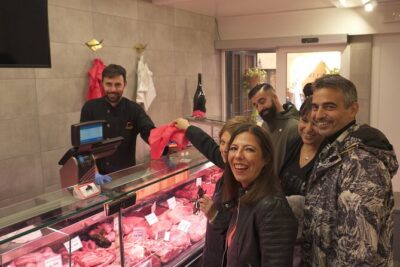
Farmers’ Market Shopping with Cooking Class and Pasta Making
Read our review →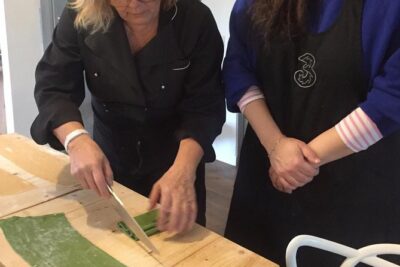
Pasta Fresca Cooking Class in a Farmhouse with a Local
Read our review →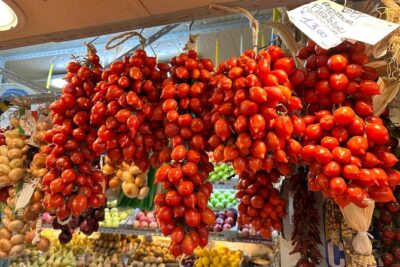
Tasty Trionfale Farmers Market Food Tour and Local Wines Tasting
Read our review →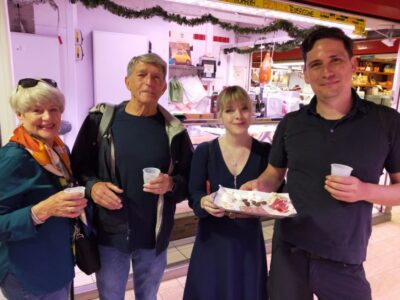
Vatican Street Food and Wine Tour with Farmers Market
Read our review →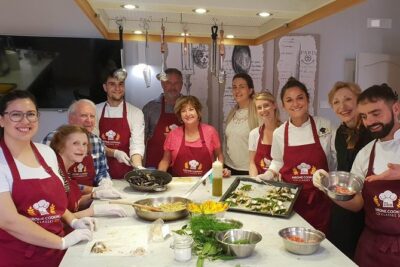
Farmers Market Shopping with Roman Full Course Class – (SHARED)
Read our review →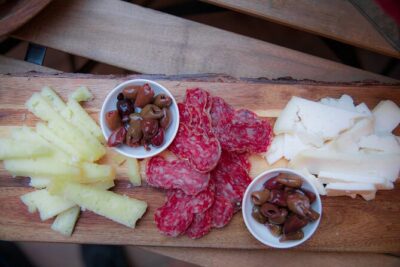
Farm to table dinner in Rome: A trip through Italy
Read our review →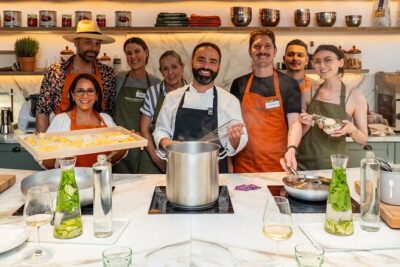
Farmer’s Market and Pasta Making with Italian Wine
Read our review →
Wine Tasting and Food Tour at Vatican and Trionfale Farmers
Read our review →Other lists this farm sits on