
REVIEW · ROME
Rome: Vatican Street Food and Wine Tour with Farmers Market
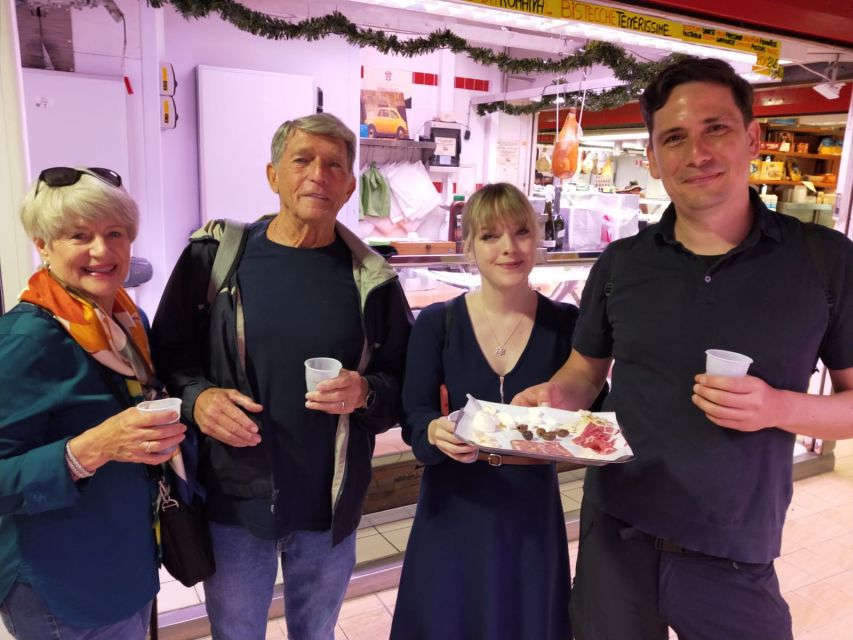
Rome tastes best at market level. This two-hour walk through Prati and Trionfale trades grand museum halls for pizza, cheese, wine, and everyday Roman life near the Vatican. I like the chance to explore the Trionfale farmers market, one of the city’s oldest and largest, while a local guide explains what you are eating. I also like the practical food tips, which can help you find good picnic supplies after the tour.
The experience feels generous for $79, especially when the tastings include wine, cheeses, pizza, fried rice balls, cured meats, pastries, olives, and other regional foods. Guides such as Bruno, Barbara, Martina, Matteo, and Gabriel have been praised for their warmth and useful advice. The main drawback is firm: this tour does not suit vegans or people who need gluten-free, dairy-free, or lactose-free food.
Key points to know before booking
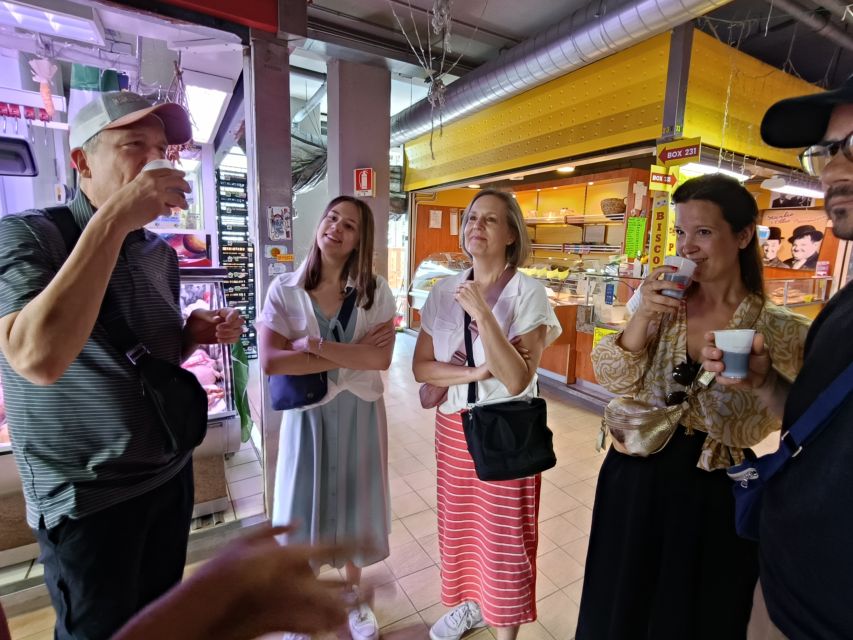
- The Trionfale Market is the heart of the tour: You will taste foods from market sellers and see where Romans shop for fresh ingredients.
- Expect a meal-sized tasting, not just a nibble: The stops can include pizza, cheeses, cured meats, fried rice balls, pastries, olives, fruit, truffles, mushrooms, coffee, and wine.
- The route stays near the Vatican: You walk through Prati, Trionfale, and nearby Vatican streets, but this is a food and neighborhood tour, not a Vatican Museums visit.
- Guides add local context: Bruno, Barbara, Martina, Matteo, and Gabriel have all been praised for clear explanations, Roman stories, and restaurant or food-buying advice.
- The $79 price can be good value: You receive guided sightseeing and a substantial selection of food and wine in a small group.
- Dietary limits matter: Vegetarian options must be requested ahead of time, and vegan, gluten-free, dairy-free, and lactose-free diets are not accommodated.
Why this Vatican-area food walk works
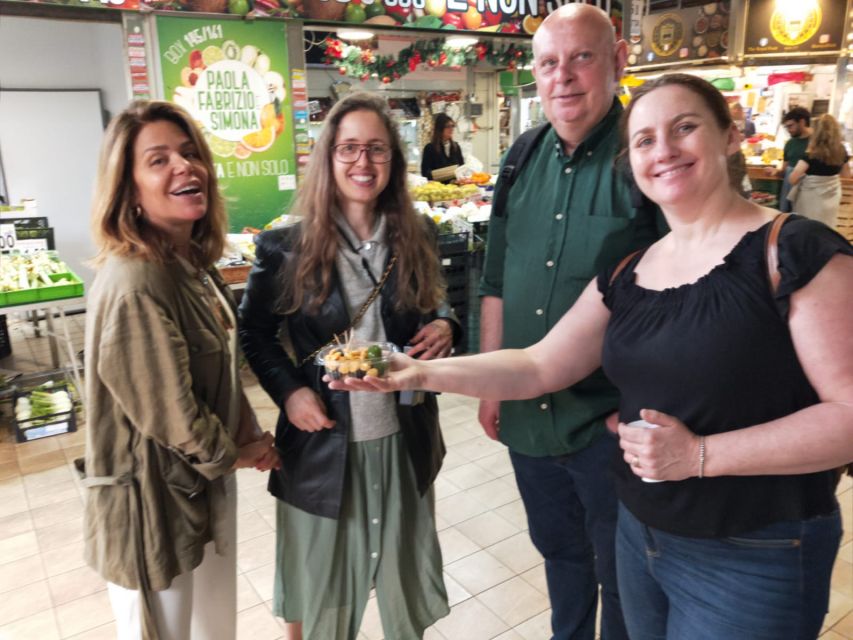
Many Rome tours lead you from one ancient monument to the next. This one gives you a look at the city between the monuments. You meet on the stairs in front of Santa Maria delle Grazie al Trionfale, then walk through the Prati and Trionfale districts toward the market and nearby food stops.
I like this starting point because it puts you in a real neighborhood from the first minute. The setting is close to the Vatican, but the focus is not on entering the basilica or museums. You are there to see shops, market counters, local sellers, and places where Roman food is part of ordinary life.
Your English-speaking guide provides the thread that connects the food to Rome. You might hear about local customs, market traditions, and small facts about the surrounding streets. The guides are a major part of the experience. Bruno has been praised for introducing the group to market sellers and producers, while Barbara received particular praise for explaining both the area and ways to enjoy Rome after the tour.
The group format is small, though no exact maximum is provided. That usually matters in a market, where a large crowd can make it hard to hear or stand around a tasting counter. You should still expect a walking activity with several food stops, not a sit-down restaurant meal.
More Farmers Market Tours around Rome:
- Tasty Trionfale Farmers Market Food Tour and Local Wines Tasting
★ 5.0 · 43 reviews - Farmers Market Shopping with Roman Full Course Class – (SHARED)
★ 5.0 · 23 reviews - Farmers Market Shopping and Roman Full Course Class – SHARED
★ 5.0 · 12 reviews
Starting at Santa Maria delle Grazie al Trionfale
The meeting point is the stairs in front of the church of Santa Maria delle Grazie al Trionfale. Arrive ready to walk and look for the guide there. Comfortable shoes are important, and weather-appropriate clothing will make the two hours easier in hot sun, cool weather, or rain.
The first part of the route helps you get oriented in the area around the Vatican. You pass through Prati and Trionfale, two districts that give the tour its local feel. The route includes streets near important sights, but the emphasis is on the atmosphere of the neighborhood and the places where people eat and shop.
This is useful early in a Rome visit. A guide can point out the difference between a place designed mainly for sightseeing and a place where Romans stop for a quick bite or buy ingredients for home. I would book it near the start of your stay if you want food ideas for later meals.
The tour ends at Piazza del Risorgimento. That location is practical because it keeps you close to the Vatican area and gives you an easy place to continue exploring. The route does not return you to the starting church, so keep that in mind when planning the rest of your day.
Trionfale Market and the taste of daily Rome
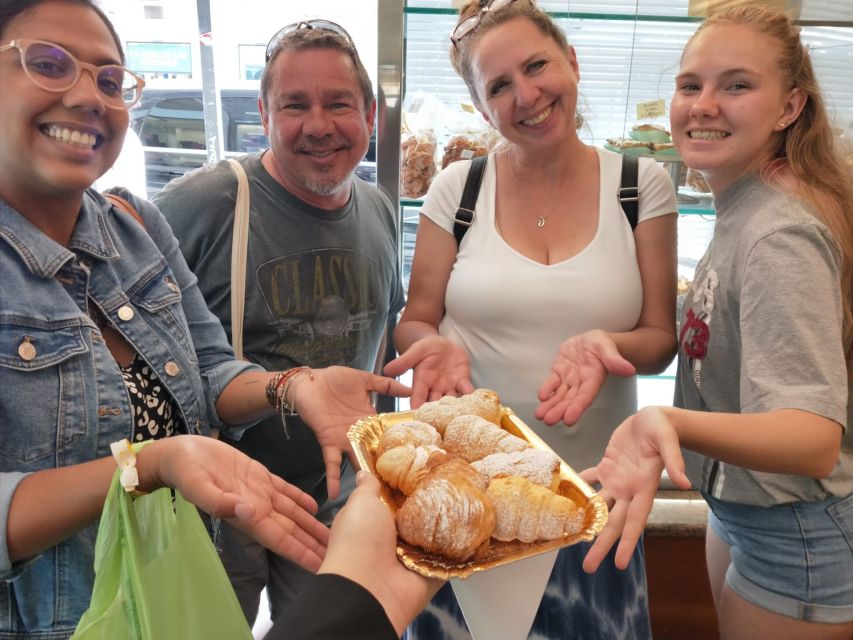
The Trionfale Market is the main reason to choose this experience over a generic city food walk. It is described as one of Rome’s biggest and oldest farmers markets, and the tour uses it as more than a backdrop. You stop to taste food and learn about the sellers and products.
The exact tasting order can vary, but the listed foods give you a good idea of the range. You may try freshly baked pizza, cheeses, cured meats, olives, pastries, fruit, and fried rice balls. The fried rice balls are a typical Roman-style street food, offering a crisp, savory contrast to the softer cheeses and baked goods.
Wine is served alongside the food. The tasting focuses on famous wines from the Lazio region, so you get a local match rather than a generic Italian wine sampler. Several stops may include wine, and the amount appears generous enough that you should plan this as a food-and-wine activity rather than a quick tasting before lunch.
The market also brings less expected foods into the mix. Past tastings have included truffles and mushrooms, along with coffee and fresh produce. These details matter because they make the experience feel connected to shopping and cooking, not simply to prepared snacks.
I especially like the advice about buying food after the tasting. You may find affordable produce, cheeses, cured meats, pastries, or other market items suitable for a picnic or quick meal. Your guide can help you understand what looks good and how to choose, though the cost of anything you purchase separately is not included in the $79 price.
What you are likely to eat and drink
You should arrive hungry. The food is not limited to one signature bite, and the tasting may include several categories of Roman and regional food. Pizza gives you a familiar starting point, while fried rice balls show off a more distinctly Roman street-food tradition.
Cheeses, cured meats, and olives make the tasting feel like an informal aperitivo. Pastries and coffee add a sweeter, lighter change of pace. Truffles, mushrooms, and fruit broaden the selection and give you a better sense of what appears in an Italian market beyond the dishes served in tourist restaurants.
Wine is an important part of the tour rather than a minor extra. You sample regional wines while moving through the market and surrounding area. If you do not drink alcohol, the supplied information does not say whether substitutions are available, so ask the provider before booking.
The portions are not specified, but the experience has been described as generous and full of food and drinks. I would not treat it as a guaranteed replacement for dinner, since the number and size of servings can change. Still, a substantial breakfast beforehand would defeat the purpose. A light meal or no meal is the sensible plan.
More Wine Tours around Rome:
- Farmer’s Market and Pasta Making with Italian Wine
★ 5.0 · 15 reviews - Wine Tasting and Food Tour at Vatican and Trionfale Farmers
★ 5.0 · 12 reviews - Harvest & Flavor: Pastamaking Class/Wine Tasting – Countryside
★ 5.0 · 2 reviews - From Porto: 2 Wine Regions, Farm-to-Table Lunch & Boat
★ 4.9 · 5,724 reviews
The guides make the difference
A food tour can become a list of samples unless the guide gives the tasting a sense of place. This experience has earned strong praise for guides who explain the area, answer questions, and offer useful suggestions for later meals.
Bruno is described as a real Roman who shared advice about fresh food and introduced the group to producers and sellers. That is valuable in a market, where a guide can explain what to look for and help you feel less like an outsider hovering at a counter. He has also been praised for recommendations about buying food for picnics and quick meals.
Barbara has been praised for sharing local facts and helping the group notice details around the route. Martina was described as friendly and well informed about the places and foods covered. Matteo received praise for his stories about Rome and for helping with purchases. Gabriel was noted for combining food knowledge with wider information about the city.
Guides can change, so you should not book with the expectation of receiving one particular person. The repeated pattern is more useful: the guide is central to the experience, and the best value comes from asking questions. Ask what to buy at the market, where to eat later, and which foods are genuinely local rather than simply popular with tourists.
The walk between Prati, Trionfale, and the Vatican
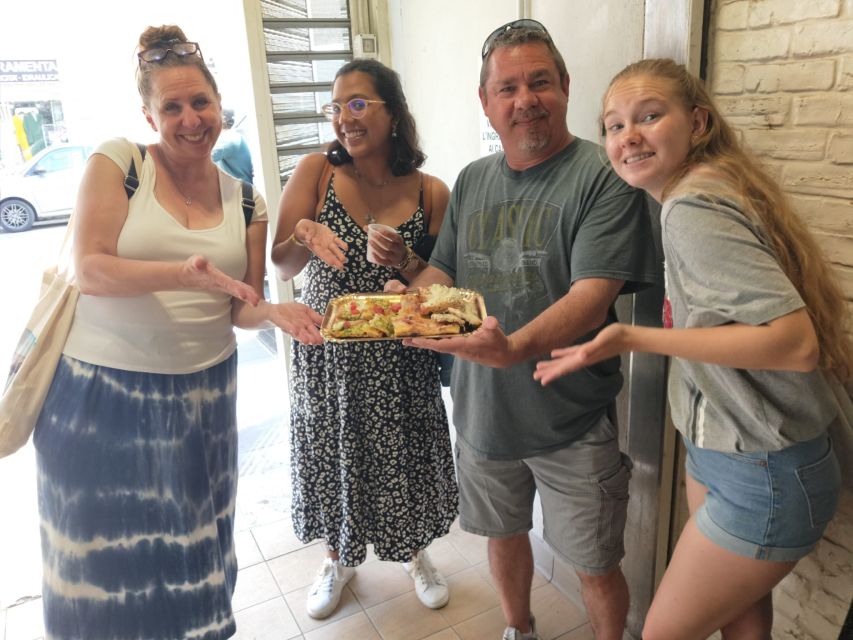
The route gives you a different view of the Vatican area. You see colorful streets and historic places while moving between tasting stops. This is not a major monument checklist, and that is both its strength and its limit.
I like the slower scale. You get time to notice storefronts, market activity, and the rhythm of a Roman neighborhood. The guide’s commentary can add context to places you might otherwise pass without a second look.
If this is your first visit to Rome, the walk can serve as a useful introduction to food customs and local geography. It also gives you a starting point for returning to Prati or Trionfale on your own. If you already know the area well, the market tastings and food advice are likely to be more rewarding than the sightseeing commentary.
The two-hour duration keeps the tour manageable. You get a focused introduction without giving up an entire morning or afternoon. The tradeoff is that the route cannot cover every part of the Vatican neighborhood or provide a long history lesson. It is a compact food walk with some sightseeing woven in.
Is $79 a fair price?
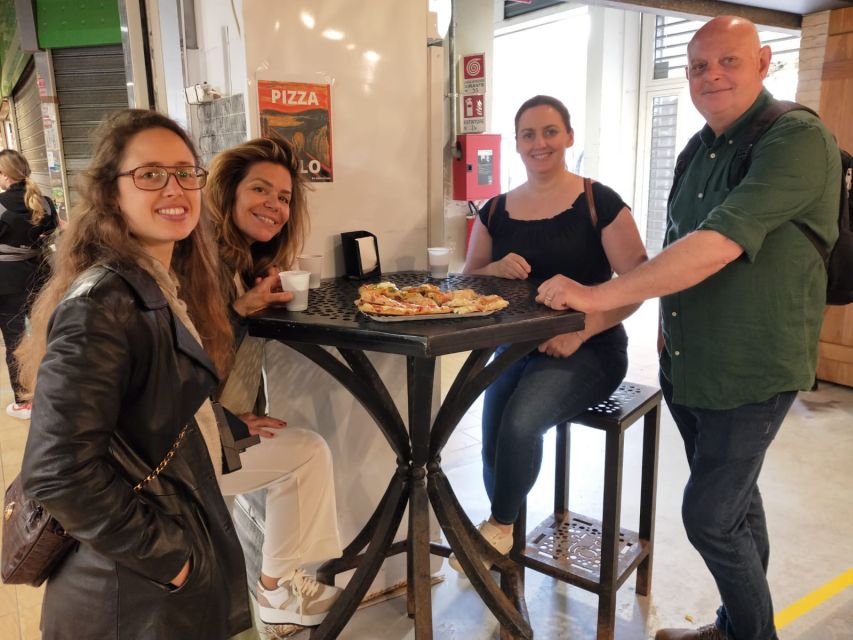
At $79 per person, this is not the cheapest way to eat in Rome. You could buy pizza, coffee, cheese, and wine on your own for less, especially if you are comfortable choosing market food without help.
The price becomes easier to justify when you count the guide, the organized route, the range of tastings, and the chance to meet sellers through a local host. A self-guided market visit may show you the same counters, but it will not necessarily explain what to try or how the foods fit into Roman eating habits.
The value also depends on how much you eat. If the tasting is generous, as the available comments suggest, you receive several food samples and regional wines for two hours. The tour can function as lunch for some people, though I would not promise that for every appetite.
It is a better buy for food-focused visitors than for people who want major historical sights. You are paying for access to local food culture and useful orientation, not for entry tickets or a formal meal in a restaurant.
Dietary needs and practical limits
You need to tell the provider in advance if you require vegetarian food or have allergies or intolerances. Vegetarian options may be possible, but they must be arranged ahead of time.
The tour does not accommodate vegans, people with lactose intolerance, people with dairy-free needs, or people with gluten intolerance. If cross-contact or strict avoidance is important for your health, do not assume that a request at the meeting point will solve the problem.
The experience is also not suitable for wheelchair users. The route involves walking through streets and a market, and no accessible arrangement is promised.
Wear shoes you can walk in for two hours. Check the forecast and dress for it. Wine is part of the tasting, so plan the rest of your day sensibly and do not assume you can rush straight into another demanding activity.
Who should book this Roman food experience?
I would recommend it to someone who wants food, local districts, and a guide’s advice in one compact outing. It suits couples, small groups, and solo visitors who like tasting several things instead of ordering one full dish. It also works well for a first or second day in Rome because you can use the food suggestions later.
It is especially good for people curious about markets. The Trionfale Market is not simply a photo stop. You get to taste products, see sellers at work, and learn what might make a good purchase for a picnic.
I would be cautious if you want a major history tour, a formal wine class, or a guaranteed full lunch. The food and wine are the stars, while the history comes in short stories and observations along the walk.
FAQ
Where does the tour meet?
Your guide waits on the stairs in front of Santa Maria delle Grazie al Trionfale.
Where does the tour end?
The tour ends at Piazza del Risorgimento.
How long does the experience last?
The tour lasts two hours.
Is the tour offered in English?
Yes. The listed live tour language is English.
Can vegetarians join?
Vegetarian options may be available, but you must tell the activity provider in advance.
Can vegans or people with gluten and dairy restrictions join?
No. The tour does not accommodate vegans, people with gluten intolerance, people with lactose intolerance, or people requiring dairy-free food.
Should you book it?
Book this tour if you want to eat your way through a real Roman market and prefer local guidance to a standard sightseeing route. The strongest reasons are the Trionfale Market, the broad range of food and wine, and the practical advice about buying affordable ingredients for later.
Skip it if you need a fully accessible route, strict allergy accommodations, or a tour centered on Vatican art and monuments. For everyone else, $79 is a reasonable price for a two-hour small-group introduction to Prati, Trionfale, Roman street food, and Lazio wine. Go hungry, wear good shoes, and leave room in your bag for market finds.
More Food Tours around Rome
- Sorrento Farm and Food Experience including Olive Oil, Limoncello, Wine tasting
★ 5.0 · 2,524 reviews - Florence Sunset Food Tour with Wine & Dine at a Tuscan farmhouse
★ 5.0 · 194 reviews - Charleston Farm-to-Table Food Tour and Chef’s Challenge
★ 5.0 · 110 reviews - Santorini Family Farm Food & Wine Tour with Cooking Class
★ 5.0 · 107 reviews
More Food and Drink Tours around Rome
- Rome Street Food Tour and Jewish Ghetto Area Guided Sightseeing
★ 5.0 · 13 reviews - Rome: Small-Group Tasty Food Tour Around Farmers Market
★ 4.5 · 6 reviews - Rome City Center Largest Farmers Market and Street Food Tour
★ 5.0 · 5 reviews - Private Farmer’s Market Tour & Tasting in Rome
★ 5.0 · 2 reviews
Just added around Rome
- Private Farmer’s Market Tour & Tasting in Rome★ 5.0 · 2 reviews
- Rome: Small-Group Tasty Food Tour Around Farmers Market★ 4.5 · 6 reviews
- Wine Tasting and Food Tour at Vatican and Trionfale Farmers★ 5.0 · 12 reviews
- Rome Street Food Tour and Jewish Ghetto Area Guided Sightseeing★ 5.0 · 13 reviews
- Farmers Market Shopping with Roman Full Course Class – (SHARED)★ 5.0 · 23 reviews
- Rome City Center Largest Farmers Market and Street Food Tour★ 5.0 · 5 reviews
- Farmer’s Market and Pasta Making with Italian Wine★ 5.0 · 15 reviews
- Private Farmouse: Rome Countryside Lunch with Chef & Villa D’Este★ 5.0 · 4 reviews
Farmers Market Tours, farm by farm.
San Francisco Food Tour: Ferry Building and Ferry Plaza Farmers Market
Read our review →
VIP Bogota City Tour: Farmers Market, Monserrate, Candelaria, 9hr
Read our review →
Tasty Trionfale Farmers Market Food Tour and Local Wines Tasting
Read our review →
Farmers Market Shopping with Roman Full Course Class – (SHARED)
Read our review →
Calgary Food Walking Tour: Calgary Farmers Market
Read our review →
Food Tasting at Locals Favorite Farmers Market in Belgrade
Read our review →
Other lists this farm sits on