
REVIEW · ROME
Farmers Market Shopping with Roman Full Course Class – (SHARED)
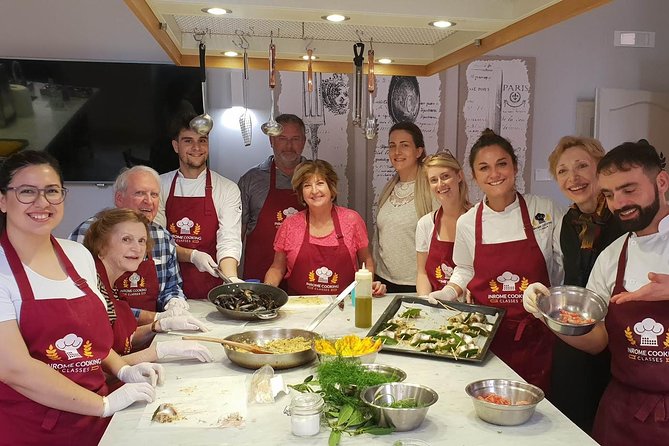
Rome tastes better when you help make lunch. This small-group cooking class begins at Campo de’ Fiori, where you shop for ingredients with your chef before walking to a cooking school inside a 17th-century palace. I like the market-to-table format, and I like that a maximum of eight people gives you real time at the worktable instead of a distant view of a demonstration. The main caution is that the menu changes with the market, and parts of the cooking may be more hands-on for some dishes than others.
The price is $216.04 per person, which is not cheap for a half-day activity. Still, it includes the market visit, a four-course meal, prosecco, wine or beer, soft drinks, coffee, and an English-speaking chef. The strongest part is the human touch: chefs such as Davide, Roberto, Marco, Filippo, Adri, and Teresa have been praised for their warmth, humor, and practical tips.
Key details at a glance
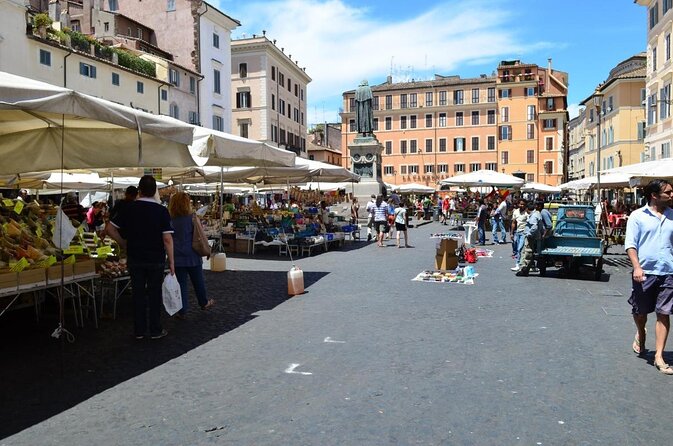
- Campo de’ Fiori starts the lesson: You shop for produce and other ingredients before cooking, rather than entering a classroom with every item already measured.
- The kitchen sits in a 17th-century palace: The setting gives the class a sense of place and includes a separate dining room for the finished meal.
- Four courses are prepared and served: Expect fresh pasta, a meat, chicken, or fish main, a vegetable side, and dessert such as tiramisù or panna cotta.
- The group is capped at eight people: This is small enough for questions, help with pasta, and individual cooking tips.
- Prosecco begins the social side of the class: Antipasti and drinks are served before the hands-on work gets underway.
- The menu follows the market: You may work with Roman vegetables, handmade pasta, seasonal meat, or dishes such as ravioli, ossobuco, semifreddo, or vanilla ice cream.
Meeting at Campo de’ Fiori at 9:00 a.m.
The class begins at 9:00 a.m. at Piazza Campo de’ Fiori, 55 to 52. That early start matters. The market visit is meant to be part of the cooking lesson, not just a quick photo stop before the real activity.
Campo de’ Fiori is a practical place to begin because it puts food right in the center of the morning. You meet the chef, look at the available produce, and help shape the meal. This is more useful than hearing a fixed lecture about Roman cuisine because you see the ingredients before they reach the cutting board.
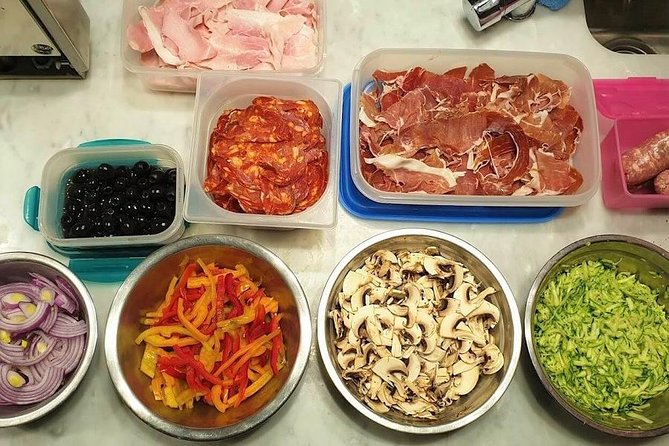
The chef may explain vegetables that are unfamiliar outside central Italy. One class worked with broccoletti, puntarelle, artichokes, wild salad greens, and Sicilian tomatoes. Another group visited a butcher while choosing ingredients for ossobuco. These details give the market walk a clear purpose: you are learning what Romans cook with, not simply strolling past colorful stalls.
I would keep your expectations realistic about the length of this stop. One participant wished for more time in the market, while another found the market and butcher visit a pleasant start to the morning. The class has a lot to fit into four and a half hours, so the shopping portion may feel brisk.
There is also a practical seasonal issue. In August, the listed market was closed, and the chef arranged a taxi to Eataly instead. The group still shopped, cooked, and had a good day, but the experience changed because of the closure. That is a useful reminder that Roman opening hours can be less dependable than a printed schedule suggests.
More Farmers Market Tours around Rome:
- Tasty Trionfale Farmers Market Food Tour and Local Wines Tasting
★ 5.0 · 43 reviews - Rome: Vatican Street Food and Wine Tour with Farmers Market
★ 5.0 · 37 reviews - Farmers Market Shopping and Roman Full Course Class – SHARED
★ 5.0 · 12 reviews
From market produce to a palace kitchen
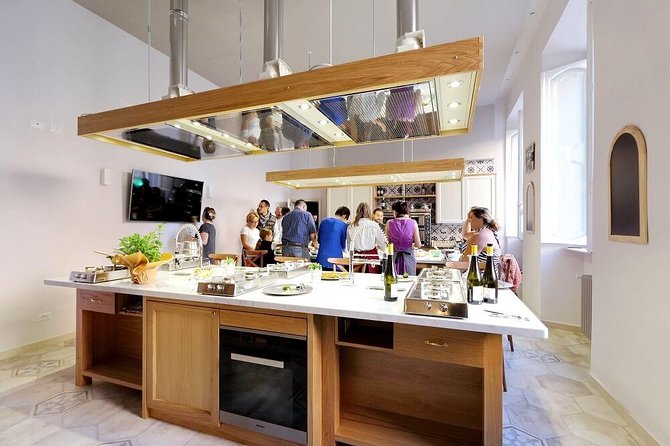
After the shopping, you walk a short distance to the cooking school. The school is in a former private residence inside a 17th-century palace, with a modern kitchen and a separate dining room.
That combination works well. The kitchen gives you room to work, while the dining room lets you sit down properly afterward. You are not balancing a plate on a stool beside a cooking station. The change from worktable to dining room helps the class feel like a real meal rather than a food demonstration with a sample at the end.
You begin with an antipasti and prosecco reception. This is a small detail, but it sets a friendly pace. You can have a snack, meet the chef, and settle in before handling pasta dough or preparing the main course. Wine or beer is served with lunch or dinner, and soft drinks, coffee, and tea are also included.
The maximum group size is eight. That is one of the best reasons to consider this class instead of a large cooking demonstration. You can ask about a technique, get help with a knife cut, or have the chef look at your pasta. The class still depends on the chef’s teaching style and on how many people want to take the lead, but the group limit gives you a fair chance to participate.
Fresh pasta is the star lesson
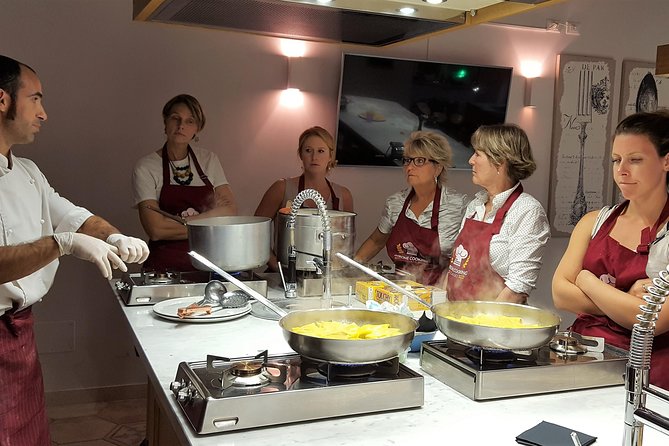
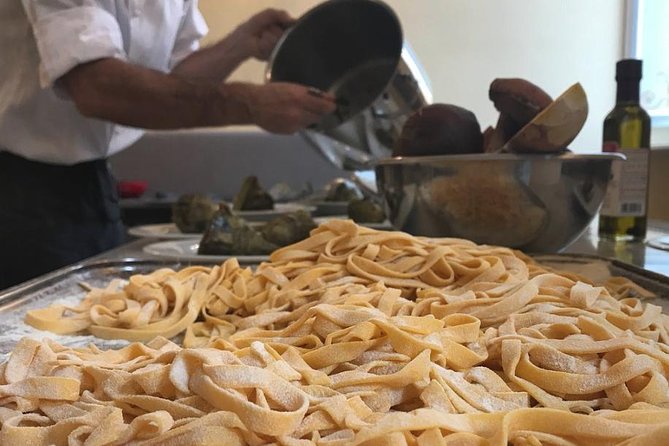
Fresh pasta is listed as the first course, and it receives the most praise in the feedback. Making pasta by hand gives you a skill you can repeat at home, unlike a complex restaurant dish that depends on specialist equipment.
Several menus included pasta in different forms. One class made ravioli with broccoletti and ricotta. Another prepared cavatelli. A separate group worked on mini calzoni. The exact shape depends on the market and the chef, but the lesson is clearly about dough, filling, shaping, and cooking rather than simply watching someone boil noodles.
This is where chefs such as Davide, Roberto, and Filippo seem to make a difference. Their teaching is described as clear, easygoing, and practical. You can expect small tips about technique, including the details that make homemade pasta taste better. One participant specifically singled out the small touches that improved the finished pasta.
You should not assume every person will prepare every part of every course from start to finish. One participant wanted more involvement with the main dish, even though the pasta lesson was hands-on. The chef may take over some finishing work so the meal arrives at the right time and at a restaurant-worthy standard.
That trade-off is sensible. You get a real cooking lesson, but you also get a polished meal. If your main goal is to spend four hours doing every task yourself, this may feel slightly limited. If you want to learn, eat well, and avoid a disappointing final plate, the balance works.
A Roman main course shaped by the market
The second main course is called the secondi piatti, and it may feature meat, chicken, or fish. The menu can also include a vegetable side, known as contorni. Since the ingredients are chosen at the market, you do not get one fixed recipe guaranteed for every session.
That flexibility is a strength for curious cooks. You might prepare ossobuco with seasonal vegetables, or work with ingredients selected around the group’s preferences. One chef asked what the group wanted to learn, then built the meal around available produce and local cooking traditions.
A particularly good example included three kinds of artichokes, ravioli with broccoletti and ricotta, ossobuco, and a vanilla and lemon semifreddo. It shows how broad the class can be. You may learn a pasta technique, a meat preparation, vegetable handling, and a dessert in the same morning.
The drawback is that the level of participation can vary by dish. Pasta naturally invites everyone to shape, fill, or roll. Meat and fish may need more work from the chef, especially when timing and food safety matter. You will still be involved, but do not expect equal hands-on time for all four courses.
The class suits cooks at different levels. A nine-year-old took part in making pasta with a parent, while an experienced home cook found the instruction useful rather than too basic. That range suggests the chefs adjust their explanations to the group instead of delivering one rigid lesson.
More Market Tours around Rome:
- Farmers’ Market Shopping with Cooking Class and Pasta Making
★ 5.0 · 91 reviews - Farmer’s Market and Pasta Making with Italian Wine
★ 5.0 · 15 reviews - Rome: Small-Group Tasty Food Tour Around Farmers Market
★ 4.5 · 6 reviews - Rome City Center Largest Farmers Market and Street Food Tour
★ 5.0 · 5 reviews
Dessert, drinks, and a proper sit-down meal
Dessert may be tiramisù, panna cotta, semifreddo, vanilla ice cream, or another sweet chosen for the class. Tiramisu received special praise, partly because it offers a satisfying hands-on task and partly because it is easy to make again at home.
The dessert course helps round out the value of the activity. You are not paying only to learn pasta. You are also getting a full meal that may include antipasti, pasta, a main dish, a side, dessert, drinks, and coffee or tea.
The meal is served after the cooking, in the dining room. Wine or beer is included, along with the opening prosecco and soft drinks. That makes the experience social without requiring you to buy additional drinks once the class starts.
Recipes are another practical benefit, though you should make sure you receive them. Multiple participants asked for recipes afterward, and the provider directed one person to email Walks Inside Rome at [email protected] with the subject line recipes. If you want to recreate the food at home, ask about the recipes before leaving or follow up promptly.
How the chefs shape the experience
The most praised element is not the building or the menu. It is the chef leading the session.
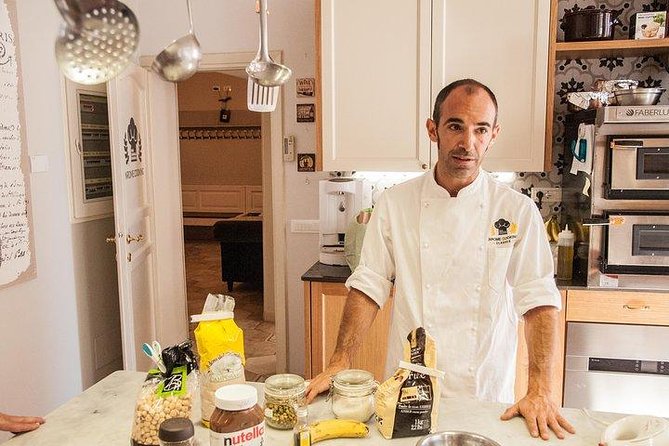
Davide is described as an excellent teacher and gracious host. Roberto is praised for being relaxed, entertaining, and easy to follow. Marco brought humor and made the small details of homemade pasta memorable. Filippo shared useful tips and helped make the food lesson enjoyable for both adults and a teenager.
Adri’s approach appears especially suited to people interested in ingredients. He explained vegetables and cooking methods in detail, including the background of regional produce, while respecting different food preferences. Another class with Felipo and Teresa was praised for friendly instruction and a pleasant market visit.
The staff also helped one couple arrange a wine trip outside Rome a few days later. That is not part of the formal class, so you should not book expecting travel planning as an included service. Still, it shows the kind of personal attention that can make a cooking school feel connected to the wider region.
The rating is 4.9 from 23 reviews, with 100 percent recommending the experience. That is a strong result, and the praise is consistent: good food, warm chefs, a well-equipped kitchen, and a genuinely hands-on pasta lesson. The few reservations are also useful: the market walk may be short, some menu parts may be less hands-on, and market closures can force a change of plan.
Is $216.04 a fair price?
At $216.04 per person, this is a premium food activity. You should compare it with what the price includes rather than treating it as a simple cooking lesson.
You receive about four and a half hours of instruction and dining. The cost covers market shopping, the kitchen session, food, antipasti, prosecco, wine or beer with the meal, soft drinks, coffee, tea, taxes, and handling charges. Hotel pickup and drop-off are not included, but the meeting point is near public transportation and the activity ends back there.
For a casual lunch, the price is high. For a small cooking class with a full meal, alcoholic drinks, a chef, and a central Rome setting, the value is easier to defend. It is especially worthwhile if you plan to use the recipes afterward. The class becomes less attractive if you dislike group activities, want a long market tour, or care more about eating than cooking.
I would consider it good value for a couple, family, or small group that wants one substantial food experience in Rome. It is also a useful choice early in your stay because the market lesson may change the way you shop and order food for the rest of your visit.
Who should book this class?
This experience is a strong fit for home cooks who want practical skills. Fresh pasta, stuffed pasta, dessert, vegetable preparation, and regional ingredients give you several techniques to take home.
It also suits families. Children must be accompanied by an adult, and a nine-year-old successfully enjoyed the pasta portion with a parent. The limited group size helps keep children involved, though the class is still a serious cooking session rather than a children’s activity.
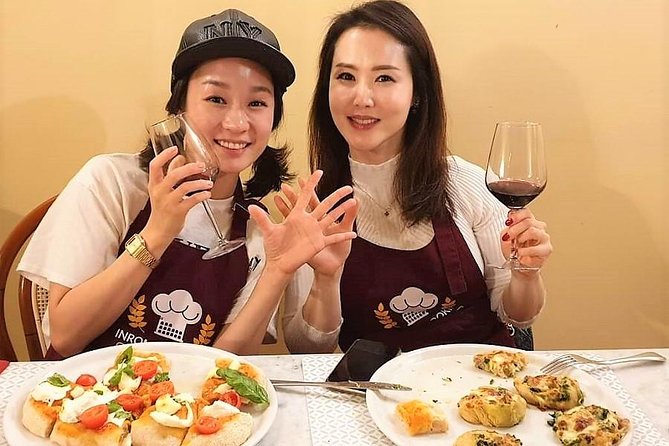
Couples and friends will like the shared meal at the end. The prosecco reception and included wine make the class feel festive without turning it into a drinking tour.
Vegetarians can request a vegetarian option, but you must communicate dietary needs, allergies, and restrictions when booking. Since the menu depends on what is purchased, early notice matters. I would not wait until the morning of the class to explain a serious allergy.
The class may be less suitable for anyone who wants a long guided market tour or a completely fixed menu. It also may not satisfy an advanced cook looking for a highly technical masterclass, though one experienced cook found enough new material to keep the session worthwhile.
Practical details before you reserve
Confirmation is normally sent at booking. Reservations made within 48 hours of the class are subject to availability confirmation, so last-minute plans need extra care.
The minimum is two people. If that number is not reached, the class may be canceled after confirmation, with an alternative experience or a full refund offered.
You can cancel for a full refund up to 24 hours before the start time. Cancellations or changes made less than 24 hours before the local start time are not refunded or accepted.
The meeting point is Piazza Campo de’ Fiori, and the class starts at 9:00 a.m. The activity ends at the same meeting point. Children need adult supervision, and the maximum group size is eight.
Should you book it?
Yes, if you want a food activity that combines shopping, cooking, and a proper Roman meal. The best reasons are the small group, the market-led menu, the strong chefs, and the chance to learn fresh pasta in a beautiful old setting.
I would book it with two expectations in mind. The market visit may be shorter than you hope, and the chef may handle more of the main course than you do. If those limits are acceptable, the class offers more than a meal and more than a basic demonstration. You leave with new recipes, a full stomach, and a better understanding of how Roman cooking begins with the ingredients.
FAQ
Where does the cooking class begin?
It begins at Piazza Campo de’ Fiori, 55 to 52, 00186 Rome, Italy.
What time does the class start?
The start time is 9:00 a.m.
How long does the experience last?
It lasts approximately four hours and 30 minutes.
What food is included?
The meal includes fresh pasta, a meat, chicken, or fish course, a vegetable side, and dessert. Possible desserts include tiramisù or panna cotta.
Are drinks included?
Yes. The experience includes an antipasti and prosecco reception, wine or beer with lunch or dinner, soft drinks, and coffee or tea.
Is the class taught in English?
Yes. An English-speaking chef leads the class.
Can I request a vegetarian menu?
Yes. A vegetarian option is available, but you must communicate that request when booking. You should also provide details about allergies and other dietary restrictions.
What happens if the class does not reach the minimum number?
The activity requires at least two people. If it is canceled because the minimum is not met, you will be offered an alternative class or a full refund.
More Workshops around Rome
- From Rome: Pasta Fresca Cooking Class in a Farmhouse with a Local
★ 5.0 · 62 reviews - Harvest & Flavor: Pastamaking Class/Wine Tasting – Countryside
★ 5.0 · 2 reviews - Half-Day Thai Cooking Class at Organic Farm in Chiang Mai
★ 5.0 · 19,087 reviews - Florence Pizza or Pasta Class with Gelato Making at a Tuscan Farm
★ 5.0 · 6,801 reviews
Just added around Rome
- Private Farmer’s Market Tour & Tasting in Rome★ 5.0 · 2 reviews
- Rome: Small-Group Tasty Food Tour Around Farmers Market★ 4.5 · 6 reviews
- Wine Tasting and Food Tour at Vatican and Trionfale Farmers★ 5.0 · 12 reviews
- Rome Street Food Tour and Jewish Ghetto Area Guided Sightseeing★ 5.0 · 13 reviews
- Rome City Center Largest Farmers Market and Street Food Tour★ 5.0 · 5 reviews
- Private Farmouse: Rome Countryside Lunch with Chef & Villa D’Este★ 5.0 · 4 reviews
- Harvest & Flavor: Pastamaking Class/Wine Tasting – Countryside★ 5.0 · 2 reviews
- Farmer’s Market and Pasta Making with Italian Wine★ 5.0 · 15 reviews
Farmers Market Tours, farm by farm.
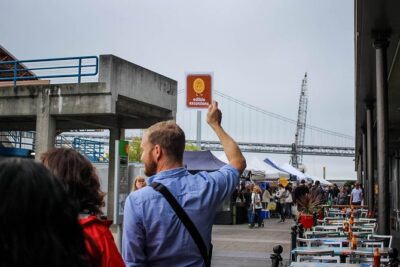
San Francisco Food Tour: Ferry Building and Ferry Plaza Farmers Market
Read our review →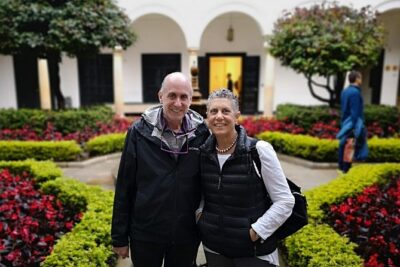
VIP Bogota City Tour: Farmers Market, Monserrate, Candelaria, 9hr
Read our review →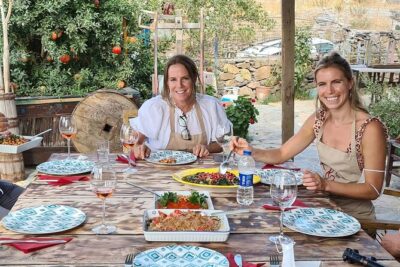
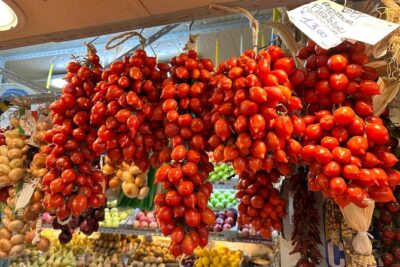
Tasty Trionfale Farmers Market Food Tour and Local Wines Tasting
Read our review →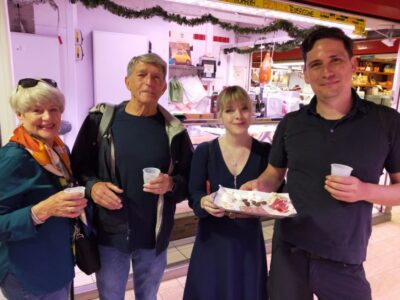
Vatican Street Food and Wine Tour with Farmers Market
Read our review →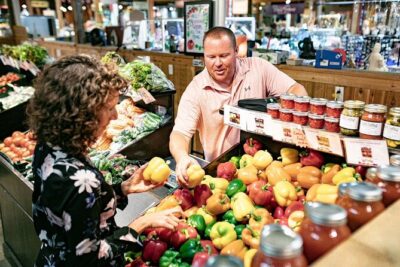
Calgary Food Walking Tour: Calgary Farmers Market
Read our review →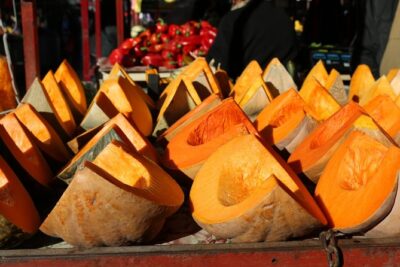
Food Tasting at Locals Favorite Farmers Market in Belgrade
Read our review →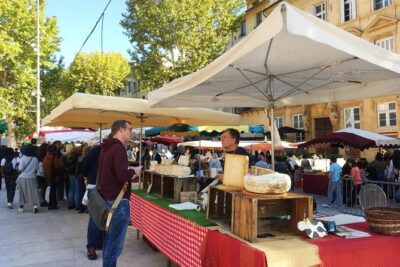
Other lists this farm sits on