
REVIEW · GREECE
Kalamata: Farm-to-Table Experience with Cooking
Fresh food starts in the garden. This farm-to-table day near Kalamata gives you a real hand in the meal, from picking tomatoes and herbs to making regional cheese and cooking over a rustic outdoor kitchen. I especially like the small group of up to 10 people and the chance to meet the goats and chickens that supply part of the meal. The main consideration is practical: you must arrange your own transport, and the farm’s uneven ground is not suitable for wheelchair users or people with back problems.
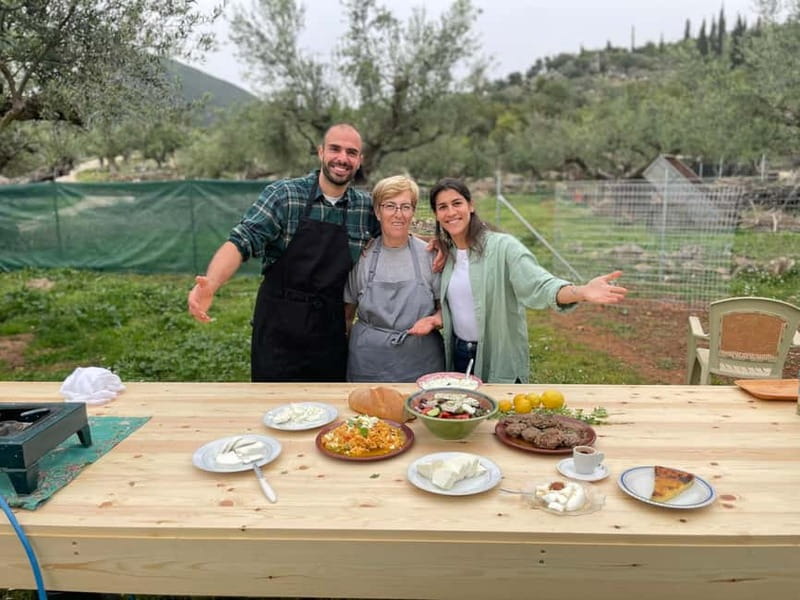
The hosts, Nicole and Porta, bring warmth and patience to the day. Their approach is friendly rather than formal, and the cooking has a useful, you can do this at home quality. The only real question is timing. This is listed as a one-day activity, but the exact starting time varies, so check the schedule before planning the rest of your day.
Key points at a glance
- Pick the ingredients yourself: Gather tomatoes, peppers, herbs, eggs, and seasonal produce from the working farm.
- Make two local cheeses: Learn about Sfela, a semi-hard brined cheese, and Anthotyro, a soft cheese with a mild, creamy texture.
- Meet the farm animals: Goats provide milk for the cheese, while free-range chickens provide eggs for the cooking.
- Cook a full Greek meal: Prepare Kagianas, beef patties, tzatziki, Greek salad, and other dishes with local guidance.
- Eat beneath the olive trees: The final meal takes place outdoors, surrounded by the sounds and smells of rural Messinia.
- Keep the group small: With no more than 10 participants, you should have plenty of room to ask questions and take part.
Arriving at Mama Gaia in rural Messinia
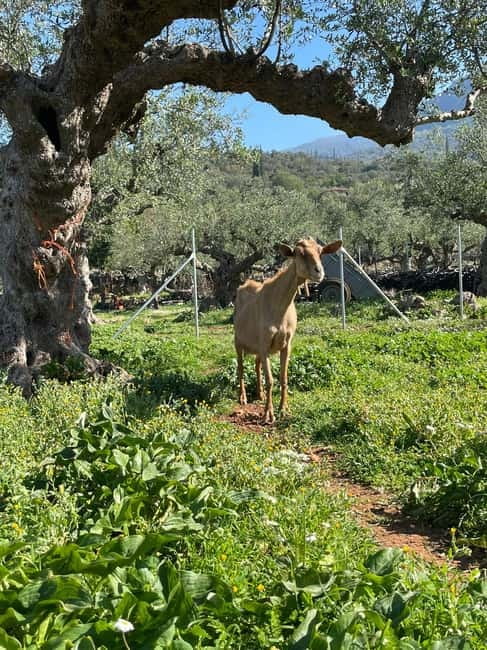
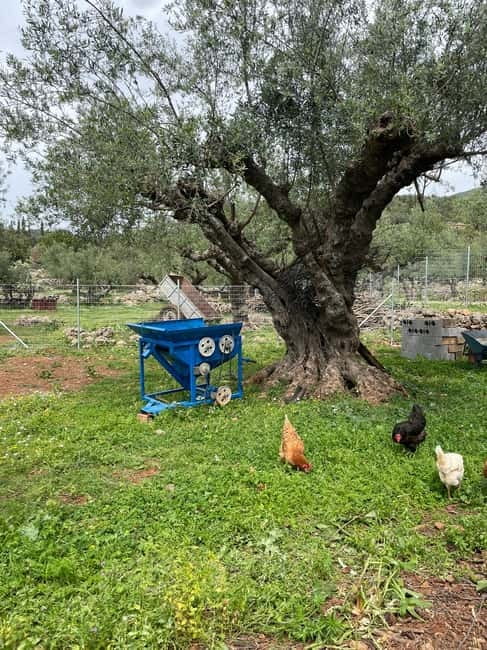
Mama Gaia is set in the countryside of Messinia, not in central Kalamata. That matters because this is not a cooking demonstration tucked into a city restaurant. You arrive at a working farm, with olive trees, garden plots, animals, and open views across the surrounding countryside.
Your hosts greet you and introduce you to the rhythm of the place. The welcome is a major part of the experience. Nicole has been praised for making the day memorable, while Nicole and Porta are described as warm, encouraging, and clearly devoted to farming and traditional cooking.
I like this personal start because it gives the food a setting. You are not simply told that Greek ingredients are fresh. You see where some of them come from, handle them yourself, and learn why they matter.
The exact meeting and starting details are not included here, so you should check the booking information carefully and allow time to reach the farm. Transportation to and from the farm is not included, and personal expenses are also your responsibility.
More Cooking Classes around Greece:
- Naxos Perivoli Farm Experience & Wood-fire Cooking Class
★ 5.0 · 339 reviews - Cretan Cooking Class and Olive Oil Tasting
★ 5.0 · 178 reviews - Melanes: Naxos Perivoli Farm & Cooking Class with Wood Fire
★ 5.0 · 177 reviews
Picking tomatoes, herbs, eggs, and seasonal produce
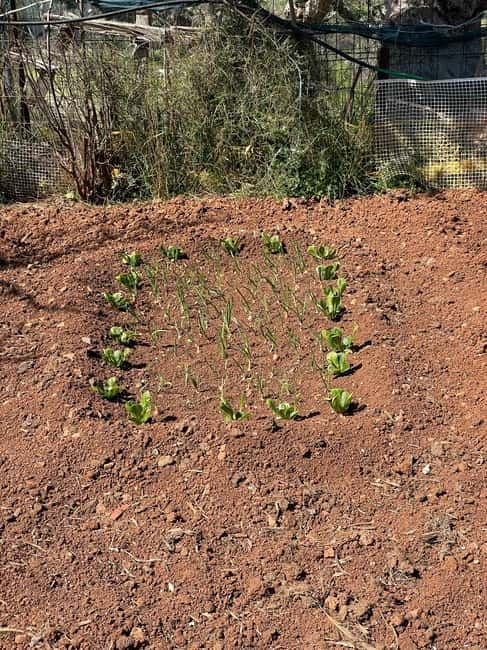
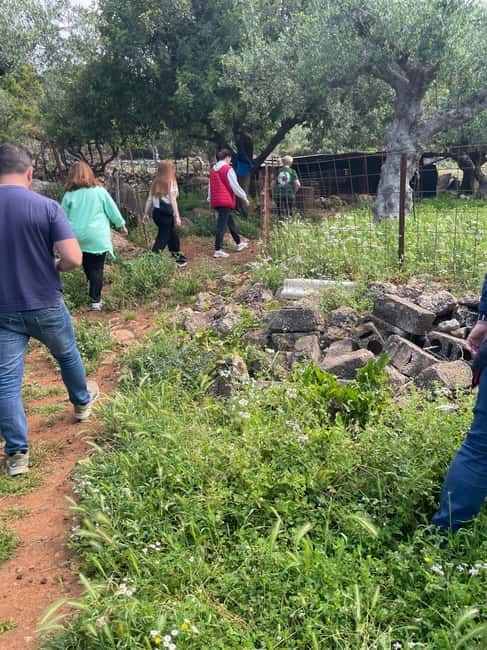
The garden is the first place where the meal takes shape. You walk through the vegetable plots with your hosts and pick tomatoes, peppers, herbs, and other produce that is available at the time of year you visit.
This is a simple activity, but it gives you a better feel for Greek cooking. Many traditional dishes depend on a short list of good ingredients rather than elaborate preparation. A tomato picked nearby, fresh herbs, local olive oil, and eggs from the coop can carry much of the meal.
You also collect fresh eggs from the chickens. Depending on the season, you may taste or learn about olives, figs, and other products suited to Messinia’s Mediterranean climate. The seasonal wording is important. You should not expect every fruit or garden item on every date, but you can expect the hosts to explain what is growing when you arrive.
The garden visit is also a good reason to wear sensible shoes. You will be walking on uneven ground, and comfortable clothing is more useful here than anything stylish. Bring a hat, sunscreen, water, and a camera. The farm scenery and animals give you plenty to photograph, but keep your attention on where you step.
Goats, chickens, and the working farm
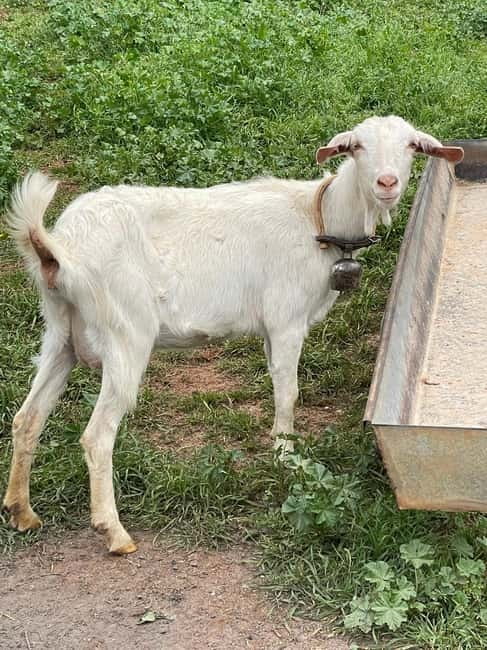
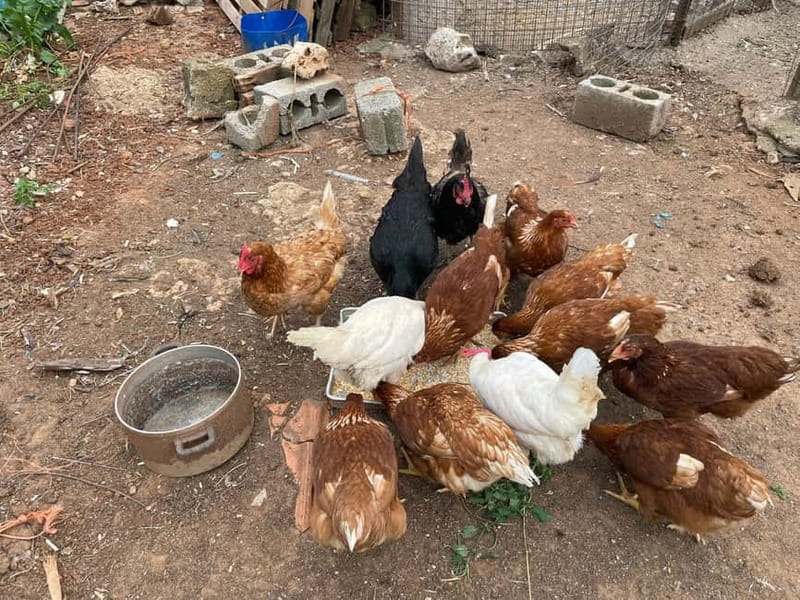
The animals are not just decoration. The goats supply milk for the homemade cheese, and the chickens lay the eggs used in the kitchen. You may also meet the farm dogs, which accompany people around the property.
For many people, the goats will be the surprise highlight. One participant particularly loved them, and another described meeting and milking the animals as part of the day. The chance to connect food with the animals and daily work behind it makes this feel more grounded than a standard cooking class.
You should be comfortable around animals before booking. The activity is not suitable for people with animal allergies, and it is not designed as a passive petting visit. You may walk around the farm, interact with the animals, and take part in the work connected to them.
The animal portion also helps children and adults understand an important point about rural Greek life: cheese, eggs, meat, vegetables, and bread are not separate ideas on a menu. They are connected to the farm, the season, and the labor needed to prepare them.
Making Sfela and Anthotyro by hand
The cheesemaking workshop takes place in a rustic outdoor kitchen. Here you learn to make Sfela, a semi-hard cheese preserved in brine and associated with the region, along with Anthotyro, a soft cheese with a delicate, creamy character.
This is one of the strongest parts of the day because you get two different examples of Greek cheese in one session. Sfela shows how a firmer, saltier cheese fits local cooking, while Anthotyro offers a softer style that works well with bread or other fresh ingredients.
The point is not to turn you into a professional cheesemaker in one afternoon. Instead, you learn the basic process and see how milk from the farm animals becomes something served at the table. The hosts also explain the cultural importance of the foods you prepare, so the workshop has more purpose than simply following a recipe.
The cooking space is rustic, not a polished teaching kitchen. That is part of the charm, but it also means you should expect a hands-on farm setting rather than restaurant-level comfort. If you prefer watching from a distance, this may feel active. If you like learning by doing, it is a strong match.
More Farm Tours around Greece:
- Mykonos: Farm, Ano Mera Village, and Beaches Guided Tour
★ 4.4 · 1,283 reviews - Crete: Road-trip to Lasithi, Zeus Cave & Olive Mill Farm
★ 4.4 · 451 reviews - Heraklion: Olive Farm Tour with Tasting of Local Delicacies
★ 4.9 · 411 reviews - Lassithi, Zeus Cave, Olive Mill Farm & Knossos Combo Tour
★ 4.6 · 404 reviews
Cooking Kagianas, salad, beef patties, and tzatziki
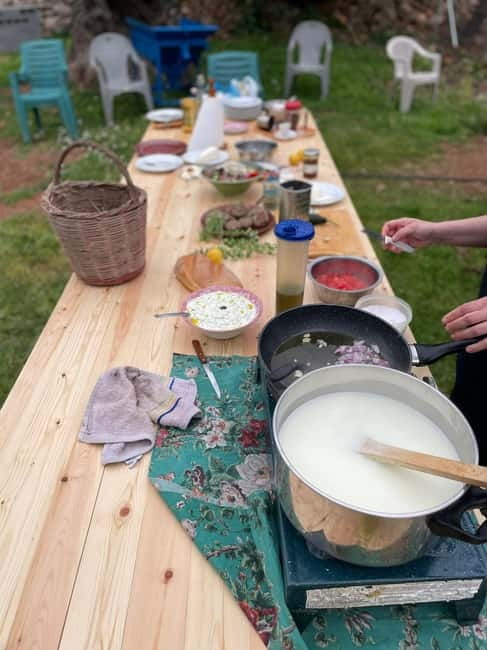
Once the ingredients are gathered, you help prepare a traditional Greek meal. The menu includes Kagianas, a rustic dish made with eggs, fresh tomatoes, and local cheese.
Kagianas is a particularly useful dish to learn because it depends on familiar ingredients and straightforward technique. The hosts explain how the eggs, tomatoes, and cheese come together, along with the cultural meaning behind the dish. You can recreate it at home without needing specialist equipment.
You also prepare beef patties and serve them with garden greens and homemade tzatziki. The menu then adds a Greek salad made with tomatoes, cucumbers, onions, olives, and feta, finished with extra virgin olive oil.
This variety gives the class a good balance. You are not spending the entire day on one complicated recipe. Instead, you work across eggs, meat, vegetables, dairy, and bread. I like that the meal feels complete, yet the techniques remain approachable.
Fresh bread is baked with local flour in a traditional wood-fired oven. Bread from a wood-fired oven brings a sense of place that is hard to reproduce in a city kitchen, and it rounds out the meal in a satisfying way. The supplied information does not specify that you personally bake the bread, so think of it as part of the farm meal rather than a guaranteed separate bread-making lesson.
Eating under the olive trees
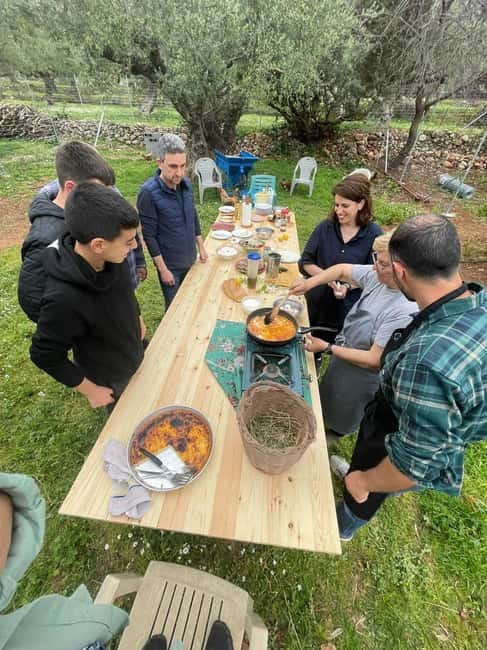
The final meal is served at a beautifully set table among the olive trees. You eat outdoors with the sounds of nature around you, rather than in a dining room separated from the farm.
This setting is more than a pretty finish. By the time you sit down, you have seen the animals, picked ingredients, made cheese, and helped cook. The meal lets you connect those pieces. You know where some of the ingredients came from and why particular dishes belong to the local food tradition.
The food is designed around freshness and simplicity. Tomatoes, eggs, cheese, greens, bread, olive oil, and herbs do not need heavy decoration when they are handled well. That is the lesson you take away from the table.
The experience has received a top rating from all four supplied verified bookings, with praise focused on the warm welcome, clear teaching, local ingredients, and the pleasure of preparing and eating the food together. One French-language account describes the day as a beautiful experience in nature with a very warm welcome and helpful instruction. A German account highlights the full sequence of meeting the animals, milking, harvesting, cooking, and eating.
What $141 includes, and what it does not
At $141 per person, this is not a bargain cooking class. It is also more than a meal. The fee covers a guided farm tour, the cheesemaking workshop, the cooking class, the farm-to-table meal, ingredients, and cooking equipment.
That package gives the price reasonable value if you enjoy hands-on activities and want a full food experience rather than a short demonstration. You are paying for access to the farm, the hosts’ time, the food, the instruction, and the chance to take part in several stages of preparation.
The value is weaker if you mainly want to eat a traditional Greek lunch. In that case, a local taverna will cost less and require less time and effort. This experience makes sense when you want context and participation, especially if learning how dishes are made matters as much as the final plate.
The group limit of 10 helps protect the value. A smaller group makes it easier to ask Nicole or Porta questions, get involved in the kitchen, and see what is happening during the cheesemaking. It should also make the shared meal feel more personal than a large commercial excursion.
Timing, transport, and comfort
The activity is described as lasting one day, with the available starting time shown when you check dates. Individual accounts refer to both a morning and an evening experience, so do not assume it always runs at one fixed hour.
Plan your route to the farm in advance. Transport is not included, and no pickup details are provided. If you are staying in Kalamata, confirm the meeting location and travel time before booking another activity on the same day.
The farm is not suitable for wheelchair users or people with back problems. Uneven surfaces and walking are part of the setting. Wear shoes that can handle dirt and irregular ground, and choose clothes you will not mind wearing around animals, soil, and food preparation.
Smoking is not allowed. You should also tell the hosts about dietary restrictions or allergies in advance. The meal includes dairy, eggs, meat, bread, and other common ingredients, so early notice is especially important if you need substitutions or have a serious allergy.
Bad weather can lead to rescheduling. Much of the appeal comes from working outside, so the weather rule is sensible. Keep some flexibility in your itinerary if the forecast looks uncertain.
Who will enjoy this farm experience most
I would recommend Mama Gaia to people who want to understand Greek food through action. It suits couples, families with older children, food-focused visitors, and anyone who prefers a small local activity to a large sightseeing group.
It is especially good for you if you enjoy:
- Picking ingredients instead of simply receiving them
- Learning simple dishes that you can cook at home
- Meeting farm animals
- Eating outdoors in a rural setting
- Asking questions in a small group
- Understanding the local meaning behind everyday foods
It may not suit you if you want a short, polished cooking demonstration, dislike animals, have difficulty walking on uneven ground, or need wheelchair access. It is also a poor fit if you have only a narrow schedule and cannot adjust around weather or a variable start time.
The language options are English, Greek, and Spanish. That gives the experience useful flexibility, though you should confirm the language available for your chosen date.
Should you book Mama Gaia?
Book this experience if you want the food of Messinia connected to the soil, animals, and people who produce it. The best parts are the garden harvest, the cheese workshop, the friendly teaching from Nicole and Porta, and the long meal that brings everything together.
I would skip it if you only want a low-cost lunch or if transport and uneven ground create problems. For everyone else, $141 is a fair price for a full day of participation, instruction, and food in a setting that feels personal rather than packaged. Tell the hosts about dietary needs before you go, wear sturdy shoes, and leave enough time for the farm to set the pace.
FAQ
Where does the farm-to-table experience take place?
It takes place at Mama Gaia in the heart of Messinia, in the Peloponnese region of Greece, near Kalamata.
How much does the experience cost?
The listed price is $141 per person.
How long does the activity last?
It is listed as a one-day experience. Starting times vary, so check availability for the date you want.
What food will I prepare?
You may prepare Kagianas with eggs, tomatoes, and local cheese, beef patties with garden greens, tzatziki, Greek salad, and other traditional dishes. Fresh bread made with local flour in a wood-fired oven is also part of the meal.
Will I make cheese?
Yes. The workshop covers Sfela, a semi-hard brined cheese, and Anthotyro, a soft and creamy cheese.
Is transportation to the farm included?
No. Transportation to and from the farm is not included.
What languages are available?
The host or greeter may speak English, Greek, or Spanish.
Is the experience suitable for people with allergies or mobility concerns?
It is not suitable for people with animal allergies, people with back problems, or wheelchair users. Tell the hosts about dietary restrictions or food allergies in advance.
Just added around Greece
- Volos: Cook Like a Local at a Greek Farm★ 5.0 · 7 reviews
- Traditional Greek Cooking Class @ Lefkada Micro Farm★ 4.7 · 32 reviews
- Visit a Farm and Horseback Riding in Nature★ 5.0 · 10 reviews
- Insightful Pistachio Orchard and Factory Tour★ 4.5 · 27 reviews
- Flavors of Santorini: Farm-to-Table Meal Wine & Authentic Village★ 5.0 · 12 reviews
- Private Olive Oil tasting & Liqueur experience★ 5.0 · 17 reviews
- Santorini 5 Hour Private Oia Tour & Lunch/Dinner at a Local Farm★ 5.0 · 40 reviews
- Cooking Class Sunset Dinner and Tour in Paros Farm★ 5.0 · 5 reviews
Cooking Classes, farm by farm.
Half-Day Thai Cooking Class at Organic Farm in Chiang Mai
Read our review →
Cooking Class and Lunch at a Tuscan Farmhouse with Local Market Tour from Florence
Read our review →
Authentic Cooking Class with Market & Farm Visit
Read our review →
Hands-On Cooking Class & Farmhouse Tour on the Amalfi Coast
Read our review →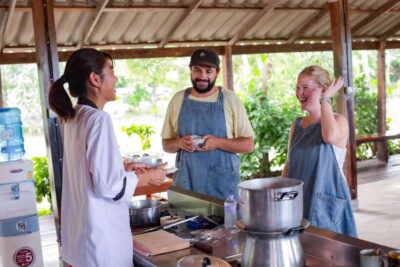
Other lists this farm sits on