
REVIEW · GREECE
Traditional Greek Cooking Class @ Lefkada Micro Farm
Good food starts in the soil. At Lefkada Micro Farm, you harvest organic produce, learn about regenerative farming, and turn those ingredients into a traditional Greek meal in an open-air kitchen. The four-hour class is built around simple food, slow cooking, and shared conversation at the Farmer’s Table.
I especially like the direct connection between garden and plate, and the chance to cook with a traditional wood-burning oven and high-polyphenol olive oil. The small group limit of 10 also gives the class a friendly, personal feel. The main consideration is price: at $123 per person, you need to value the farm visit, instruction, meal, and setting, not just the recipes.
Key Points at a Glance
- Harvest before you cook: Pick seasonal organic ingredients directly from the farm, then use them in your meal.
- Greek dishes with real roots: Prepare bread, briami, tzatziki, and Greek salad rather than relying on complicated restaurant-style techniques.
- A wood-burning oven sets the pace: Cooking happens slowly and traditionally in an open-air kitchen.
- Andreas brings the farm to life: His warmth and passion for food, gardening, and healthy local produce are central to the experience.
- The meal is part of the lesson: Everyone gathers at the Farmer’s Table to eat together, turning cooking into a social Greek experience.
- Small and accessible: The class is conducted in English, limited to 10 people, and wheelchair accessible.
Starting in the Soil at Lefkada Micro Farm
The class begins not with a chopping board, but with the farm itself. You learn how the soil is cared for, how regenerative methods support the wider ecosystem, and why seasonal produce matters in Greek cooking.
That opening gives the class more meaning than a standard kitchen lesson. You are not simply handed a basket of vegetables. You see where the food begins and gain a clearer sense of why Greek recipes often use only a few ingredients.
The farm is part of the Slow Food International farms network, which puts attention on responsible farming, local food, and traditional methods. You do not need a background in gardening to enjoy this part. The explanations are meant to connect everyday cooking with the health of the soil.
You then harvest the ingredients for the meal. The exact produce depends on the season, so the experience has a natural rhythm rather than a fixed supermarket-style menu. That is a strength if you like food tied to place and time. It is less ideal if you want to choose from a long list of dishes or know every ingredient in advance.
The farm itself is also part of the pleasure. One particularly charming detail is that friendly cats may wander through the grounds. They are not the main attraction, of course, but they add a relaxed, lived-in feel to the setting.
More Cooking Classes around Greece:
- Naxos Perivoli Farm Experience & Wood-fire Cooking Class
★ 5.0 · 339 reviews - Cretan Cooking Class and Olive Oil Tasting
★ 5.0 · 178 reviews - Melanes: Naxos Perivoli Farm & Cooking Class with Wood Fire
★ 5.0 · 177 reviews
Cooking Greek Classics in the Open Air
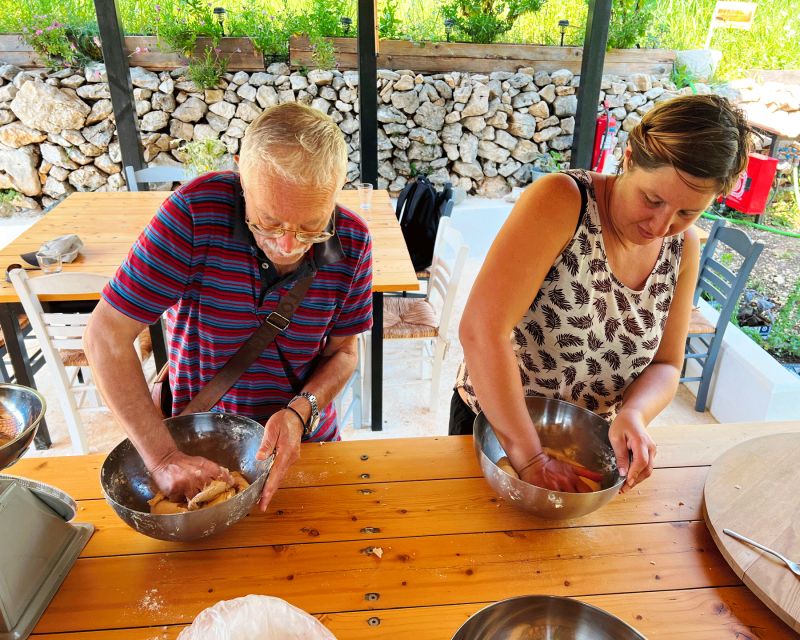
Once the ingredients are gathered, the class moves to the open-air kitchen. The focus is on the basic pillars of Greek gastronomy: freshness, seasonality, and simplicity.
This is not a technical chef’s course. You are unlikely to spend four hours learning elaborate knife cuts or restaurant plating. Instead, you work with familiar ingredients and traditional methods, learning how good produce can carry a dish with very little fuss.
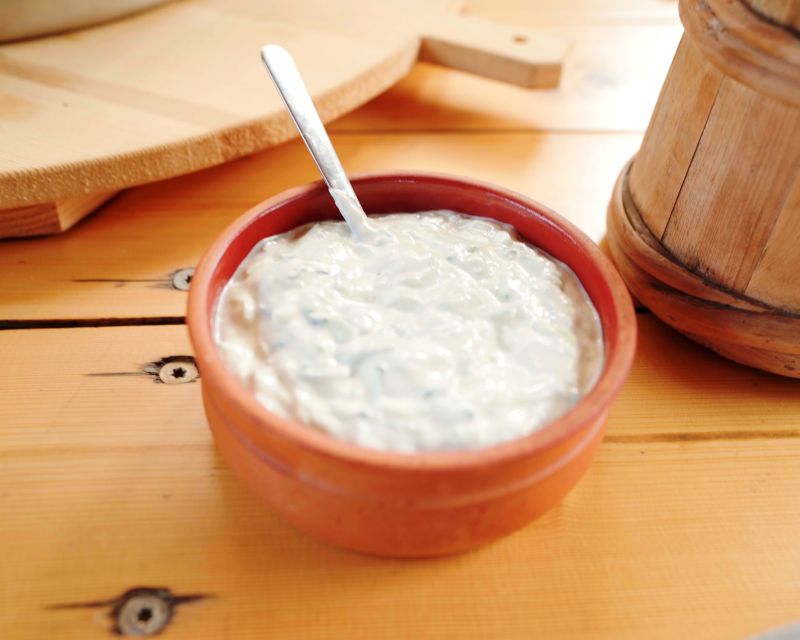
The dishes prepared can include bread, briami, tzatziki, and Greek salad. Briami is a Greek vegetable bake, and it is a fine choice for showing how seasonal vegetables, herbs, olive oil, and patient cooking work together. Tzatziki gives you a cooler, sharper contrast, while Greek salad keeps the meal fresh and direct.
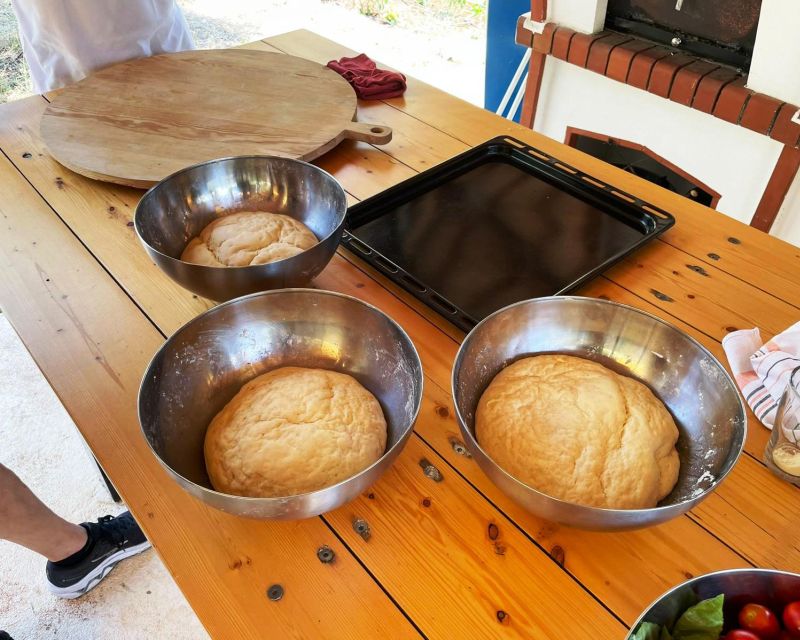
Bread adds another useful lesson. It makes the class feel more like a full meal preparation session than a quick demonstration. You are involved in several parts of the menu, and you can see how Greek cooking balances baked, roasted, creamy, and fresh elements.
The recipes are traditional, but the appeal is not only historical. These are practical dishes you can recreate at home. You leave with a better feel for using herbs, fresh vegetables, olive oil, and simple seasoning without covering up the main ingredients.
The Slow Heat of the Wood-Burning Oven
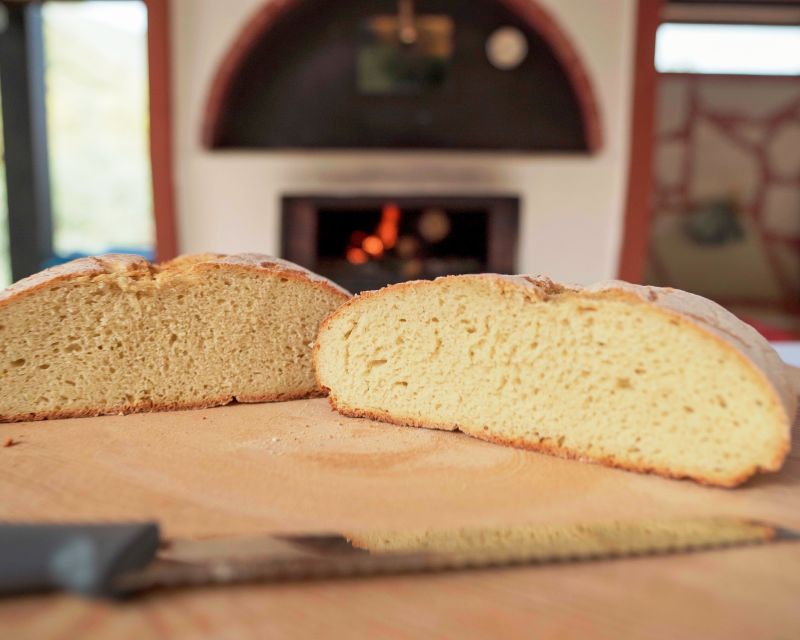
The traditional wood-burning oven is one of the most memorable parts of the class. It changes the pace of cooking. Instead of rushing dishes through a modern kitchen, you watch the fire and allow the food time to develop.
That slower rhythm fits the farm’s philosophy. It also helps you understand why the meal is designed as a shared process. The oven is not simply a piece of scenery. It shapes how the food is prepared and gives the session a more old-fashioned character.
The class also highlights the farm’s award-winning, high-polyphenol olive oil. Olive oil is not treated as a minor finishing touch here. It is one of the main links between the garden and the finished meal, especially with vegetables, salad, bread, and dips.
I like this approach because it shows you what makes Mediterranean cooking work. You do not need a cupboard full of sauces. You need sound ingredients, good oil, herbs, and enough time.
Still, keep your expectations in check. The class is about honest food and farming rather than luxury dining. If you are paying $123 mainly for a large gourmet meal, the value may feel less convincing. If you are paying for the full experience, including instruction, farm access, and the chance to cook with fresh produce, the price makes more sense.
Learning with Andreas and a Small Group
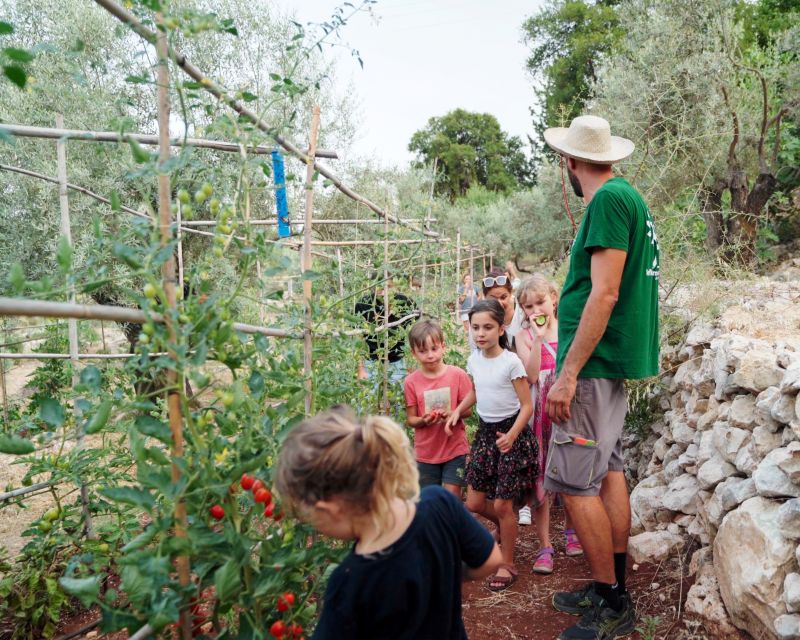
Andreas is a key part of the experience. He brings an easy, friendly manner to conversations about food, gardening, and daily life. His enthusiasm for organic produce comes through without making the class feel like a lecture.
That personal connection matters in a small group. With a maximum of 10 participants, you should have a better chance to ask questions, take part in the preparation, and follow what is happening at the oven and work surfaces.
The class is taught in English. The group may include people from several countries, which adds a social layer to the meal. One session included a Maltese couple and an Austrian couple, and the shared cooking helped strangers settle into a common rhythm quickly.
This is a good fit if you enjoy meeting people while traveling. You are not placed in a silent demonstration room. You cook, talk, and eat together. The social side may be one of the strongest reasons to book.
The small-group format also has a possible downside. If you prefer to work alone or want a private cooking lesson, this may not be the right setup. The experience is built around cooperation and conversation, not personal kitchen space.
More Workshops around Greece:
- Santorini Family Farm Food & Wine Tour with Cooking Class
★ 5.0 · 107 reviews - Moires: Cooking Class and Olive Oil Tasting at a Family Farm
★ 5.0 · 93 reviews - Mykonian Farm and Bakery Class with Brunch in Greece
★ 4.5 · 39 reviews - From Mykonos: Mykonian Farm Baking Class with Brunch
★ 4.7 · 29 reviews
The Farmer’s Table and the Finished Meal
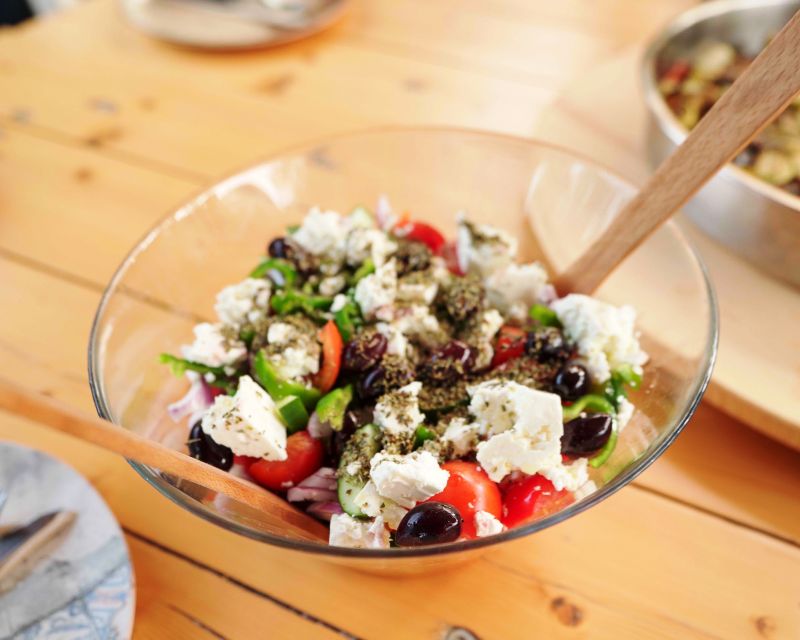
After the cooking is complete, everyone sits down at the Farmer’s Table to eat what the group has prepared. This is the point where the different parts of the class come together: the soil, the harvest, the recipes, the oven, and the people around the table.
Food tastes different when you have just picked the ingredients and helped prepare them. Even simple dishes can feel more satisfying because you understand the work behind them. The meal is also filling, according to the experience offered, so you are not merely sampling a few bites before leaving.
The shared table reflects the social side of Greek food culture. Instead of rushing away after the final task, you have time to talk and enjoy the meal as a group. That makes the experience feel less like a lesson and more like being welcomed into a local food tradition.
The meal also gives you a chance to judge the cooking in practical terms. The food is praised for its fresh ingredients, especially the garden produce and olive oil. At the same time, the menu is intentionally simple. You should expect rustic Greek cooking, not a multi-course tasting menu.
What the $123 Price Really Buys
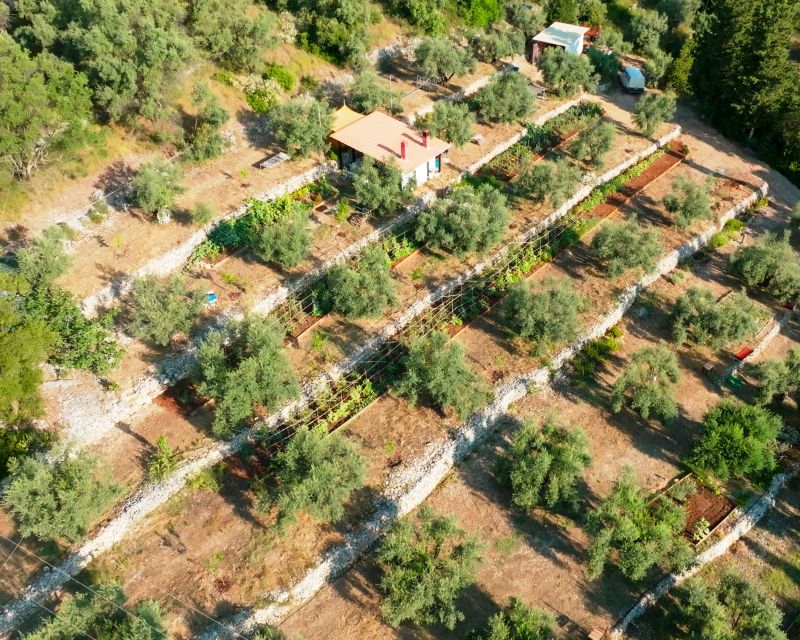
The listed price is $123 per person. That is a serious cost for a four-hour activity, especially if you compare it with a casual Greek meal or a shorter cooking demonstration.
The value comes from the full chain of the experience. Your fee covers time on the farm, an introduction to regenerative organic practices, seasonal harvesting, hands-on preparation, cooking utensils, an apron, guidance in English, and the shared meal.
You are also paying for a small group rather than a crowded class. That matters when you want to handle ingredients, ask questions, and take part in the cooking instead of watching from the back.
The farm setting and traditional oven add something that an indoor cooking school cannot easily copy. So does the direct use of produce grown on the property. The ingredients are not simply chosen to sound local. You take part in collecting them.
Still, the price will not suit every budget. One participant felt that more should have been included for the cost. I think that is a fair warning. Book this for the connection to the farm and the quality of the time, not because it is the cheapest way to eat Greek food.
The experience is a better value for people who enjoy food education, small groups, and a slower pace. It is a weaker value for anyone seeking a fast activity, a large menu, or a polished restaurant-style meal.
Who Will Enjoy This Class Most
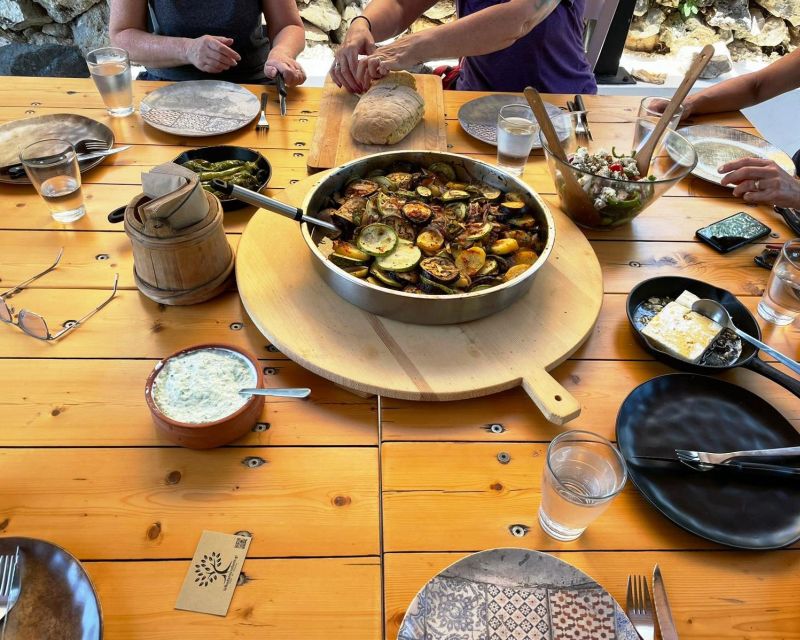
I would recommend this class to curious cooks who want to understand Greek food beyond the usual restaurant dishes. You do not need advanced skills. The recipes are accessible, and the emphasis is on ingredients and method.
It also suits couples, families, and solo visitors who like meeting people from different places. The shared Farmer’s Table gives the class a warm, social finish.
Gardeners and sustainability-minded visitors will get extra value from the farming section. The regenerative approach is not just a label attached to the activity. It is part of the explanation of how the farm operates and why seasonal food matters.
The class may also suit people looking for a gentler four-hour activity. There is no suggestion of a packed schedule or constant movement. The pace follows the farm, the preparation, and the oven.
You may want to think twice if you dislike group activities, have a very restricted diet, or expect a highly technical culinary course. Food allergies and dietary restrictions should be shared in advance so the farm can understand your needs.
The experience is wheelchair accessible, which makes it available to a wider range of visitors. Since accessibility needs can vary, you should still communicate any specific requirements when booking.
Timing, Language, and Practical Details
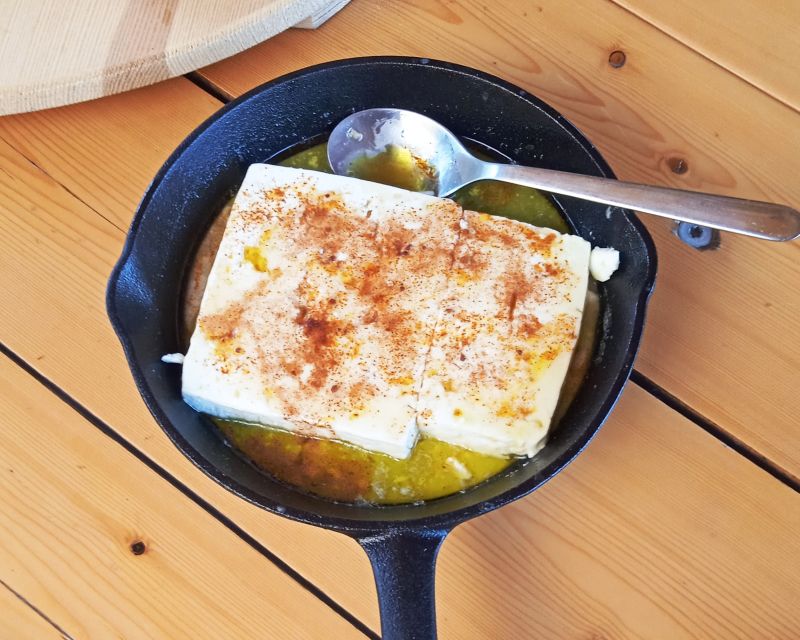
The activity lasts four hours, with starting times based on availability. That is long enough to include the farm introduction, harvesting, preparation, cooking, and meal without turning the day into an exhausting marathon.
The class is conducted in English. The small group limit of 10 helps keep explanations manageable, particularly when everyone is working around the same kitchen and oven.
Cooking utensils and an apron are included. You do not need to bring your own kitchen equipment.
The activity allows free cancellation up to 24 hours before the scheduled time for a full refund. You can also reserve your place and pay later, which helps if your Lefkada plans are still changing.
The most useful preparation step is simple: tell the farm about food allergies or dietary restrictions before you arrive. Do not leave that conversation until the first chopping board comes out.
Should You Book the Lefkada Micro Farm Class?
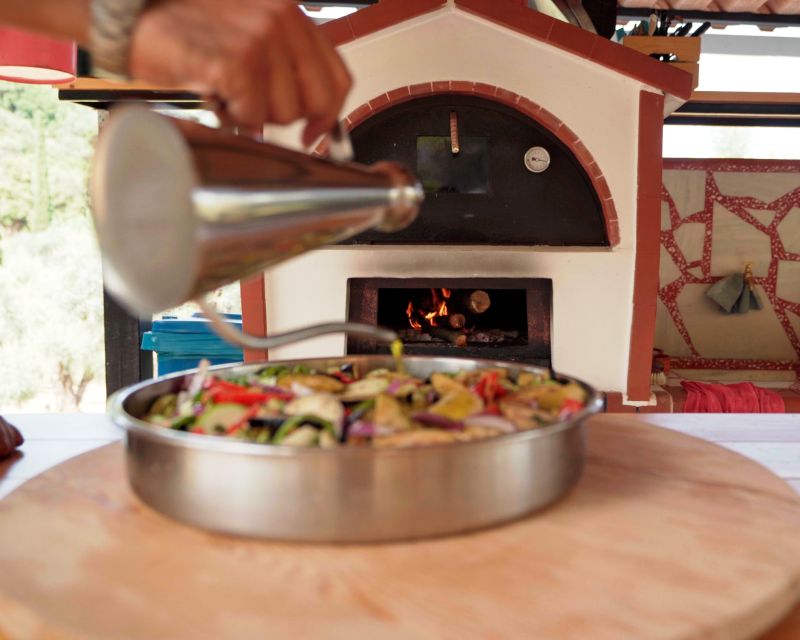
Book it if you want a farm-based food experience, not just a recipe lesson. The strongest parts are the harvest, the open-air kitchen, the wood-burning oven, the fresh produce, and the shared meal with a small international group.
I especially like the way the class makes simple Greek food feel connected to real work in the soil. Andreas adds warmth, and dishes such as bread, briami, tzatziki, and Greek salad give you useful recipes to remember.
Skip it if $123 feels too high for a four-hour activity or if you want a private, technical cooking course. The class is rustic, social, and rooted in slow food. For the right person, that is exactly what makes it worth the time and money.
FAQ
How long does the Traditional Greek Cooking Class last?
The class lasts four hours. The time includes the farm introduction, harvesting organic ingredients, cooking, and sharing the finished meal.
What dishes might I prepare?
The cooking can include bread, briami, tzatziki, and Greek salad. The recipes focus on traditional Greek food and seasonal ingredients.
Is the class taught in English?
Yes. The instructor language is English.
How many people can join the class?
The class is limited to 10 participants, making it a small-group experience.
Is the cooking class wheelchair accessible?
Yes, the activity is listed as wheelchair accessible.
Can I cancel or pay later?
You can cancel up to 24 hours in advance for a full refund. You can also reserve your place and pay later, with no payment required at the time of booking.
Just added around Greece
- Volos: Cook Like a Local at a Greek Farm★ 5.0 · 7 reviews
- Visit a Farm and Horseback Riding in Nature★ 5.0 · 10 reviews
- Insightful Pistachio Orchard and Factory Tour★ 4.5 · 27 reviews
- Flavors of Santorini: Farm-to-Table Meal Wine & Authentic Village★ 5.0 · 12 reviews
- Private Olive Oil tasting & Liqueur experience★ 5.0 · 17 reviews
- Santorini 5 Hour Private Oia Tour & Lunch/Dinner at a Local Farm★ 5.0 · 40 reviews
- Cooking Class Sunset Dinner and Tour in Paros Farm★ 5.0 · 5 reviews
- Olympia Shore Ex: Olympic site, Honey Farm & Olive Oil Tasting★ 4.5 · 57 reviews
Cooking Classes, farm by farm.
Half-Day Thai Cooking Class at Organic Farm in Chiang Mai
Read our review →
Cooking Class and Lunch at a Tuscan Farmhouse with Local Market Tour from Florence
Read our review →
Authentic Cooking Class with Market & Farm Visit
Read our review →

Hands-On Cooking Class & Farmhouse Tour on the Amalfi Coast
Read our review →
Other lists this farm sits on