
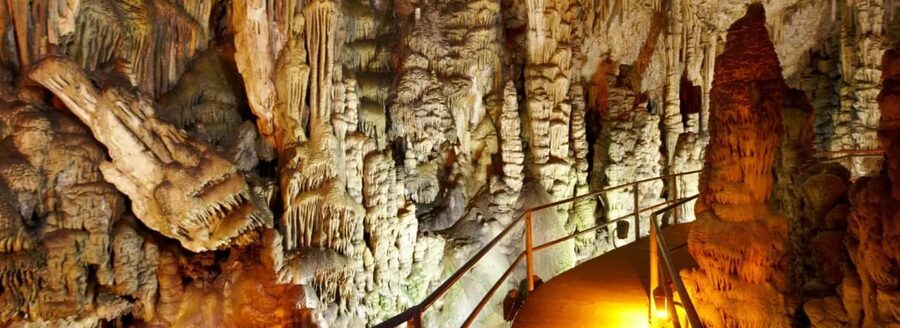
REVIEW · CRETE
Crete: Road-trip to Lasithi, Zeus Cave & Olive Mill Farm
Crete rewards you beyond the beach. This full-day trip pairs Zeus Cave with mountain villages, a quiet monastery, and an olive mill overlooking the Aegean. I like the mix of mythology and everyday Cretan life, and I like that pickup, guiding, and transport are included for $47. The tradeoff is a long day on winding roads, with extra charges for the cave and lunch.
The tour is a smart choice if you do not want to rent a car or tackle Crete’s mountain roads yourself. Guides such as Soula, Tania, Elena, Eirini, and Karine have earned praise for clear explanations and good humor, while drivers like Nikos and George are praised for handling tight bends. Still, the schedule can feel packed, and the climb to the cave is harder than the short itinerary description suggests.
Key points to know before booking
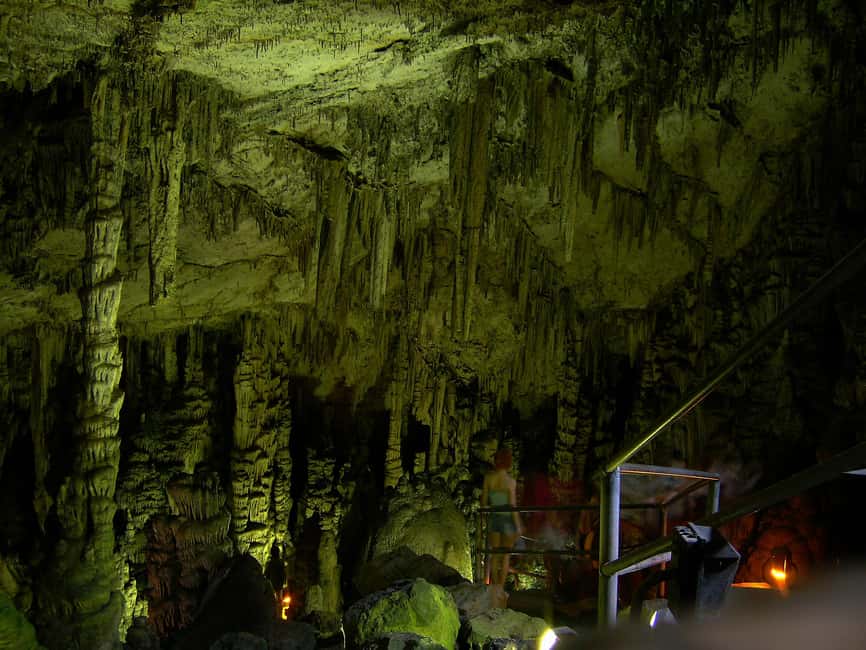
- The cave requires real effort: Expect a steep uphill walk and about 406 steps inside the cave.
- The tour covers four different sides of Crete: You visit a monastery, a mythic cave, a traditional village, and an olive farm.
- The bus ride is part of the day: Transfers can take hours, but you get mountain views without driving.
- Lunch and entry fees cost extra: The Zeus Cave entrance fee is €15, and lunch at the olive farm is optional.
- The olive mill is more than a tasting stop: You learn about olive oil, honey, and handmade olive products.
- Mountain weather can change: Bring a light layer, even in summer, along with water and sturdy shoes.
Why this Lasithi Plateau day trip works
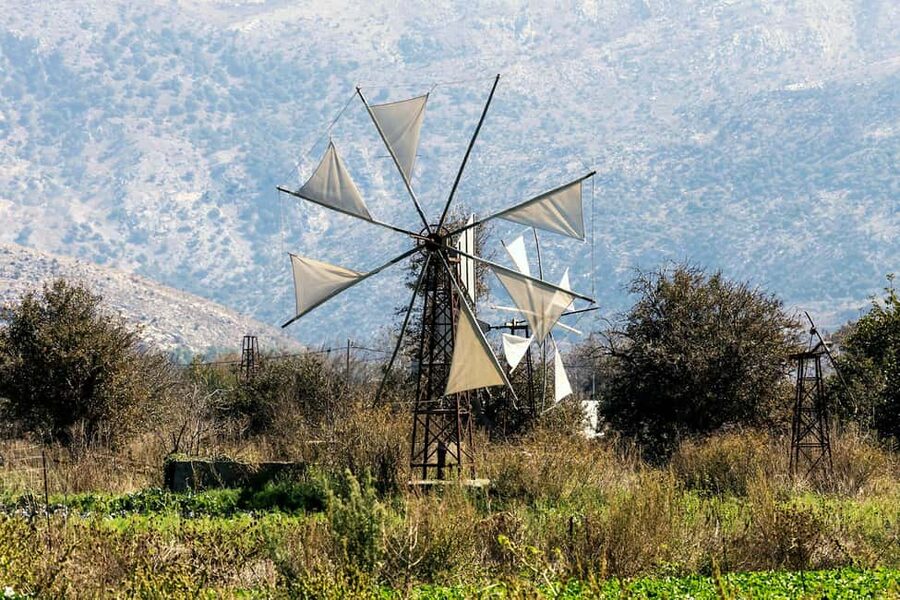
The Lasithi Plateau gives you a different view of Crete. Along the north coast, it is easy to spend your whole holiday beside the sea. This trip carries you inland, up toward Mount Louloudaki and the high plateau, where the roads narrow, the air can feel cooler, and the pace becomes more rural.
The route is especially useful if you are staying around Malia, Stalida, Hersonissos, Gouves, Heraklion, Agia Pelagia, Sisi, or nearby resorts. Pickup and drop-off are included from designated points in those areas, but your exact meeting place and time arrive by email after booking. Check your spam folder if that message does not appear.
You should expect a long day. The advertised duration is 450 to 630 minutes, or roughly seven and a half to ten and a half hours. That range depends on your pickup location, traffic, and the time needed to return everyone to separate resorts. An early start and a late return are normal.
The price is strong for what is included. For $47, you receive transportation in an air-conditioned coach, a professional driver, a guide, and liability insurance. The main costs left out are the €15 Zeus Cave admission and lunch at the olive farm. Add those before judging the final price.
More Farm Tours around Greece:
- Mykonos: Farm, Ano Mera Village, and Beaches Guided Tour
★ 4.4 · 1,283 reviews - Heraklion: Olive Farm Tour with Tasting of Local Delicacies
★ 4.9 · 411 reviews - Lassithi, Zeus Cave, Olive Mill Farm & Knossos Combo Tour
★ 4.6 · 404 reviews
Vidiani Monastery starts the morning quietly
After the first long bus ride, the group reaches Vidiani Monastery, also called the Monastery of the Mother Mary Vidiani. It sits at the base of Mount Louloudaki and is dedicated to the Virgin Mary.
This is a small Eastern Orthodox monastery, not a huge architectural complex. That is part of its appeal. You get a short pause in a calm courtyard, with mountain scenery, frescoes, and a chance to see a place of worship still connected to local life.
The stop lasts about 25 minutes, so you will not have time for a slow, private visit. Think of it as a gentle introduction to the region rather than the main event. If a service is taking place, you may quietly enter the back of the church, but respectful clothing and behavior matter.
Women should cover their legs to the knee. Scarves or coverings are available, but wearing suitable clothing from the start is more comfortable and respectful. A skirt or trousers below the knee will save you from borrowing a covering.
Psychro Cave is the physical high point
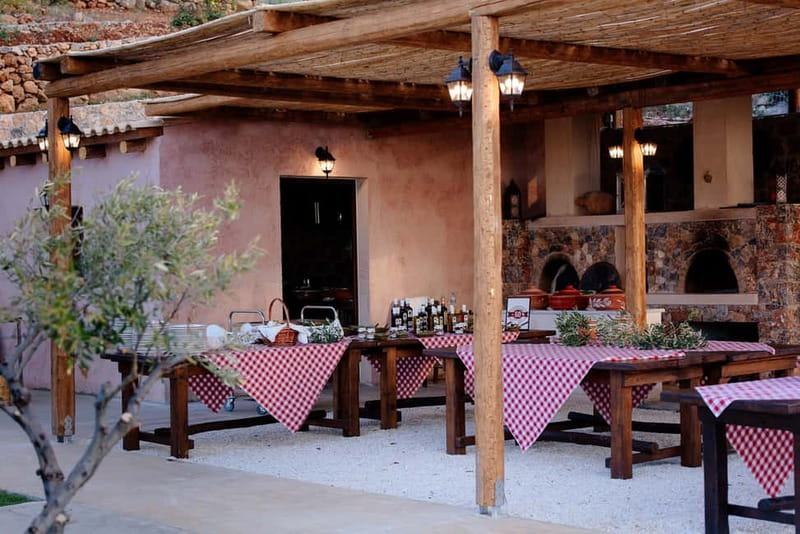
The main reason many people book this excursion is Psychro Cave, also known as the Cave of Zeus or Diktaion Andron. Ancient mythology places the birth of Zeus here, making the cave one of Crete’s most famous mythological sites.
The approach deserves serious attention. You first walk uphill from the coach area, and the path is steep enough to trouble children, people with breathing problems, and anyone unused to hills. Water is essential. Good walking shoes are not optional if you want a steady footing.
Inside, the cave is lit and filled with stalactites and stalagmites formed over thousands of years. The route includes roughly 406 steps, and some surfaces can be slippery. You will see dramatic rock chambers, but you will also be working your legs. The one hour and 40 minutes allotted here includes the walk up, the cave visit, and time to return.
There are snack bars near the cave, which can be useful because lunch may not happen until much later. One practical complaint about the schedule is the gap between an early pickup and the afternoon meal. Bring a small snack if breakfast alone will not carry you through.
Donkey rides may be offered for the uphill section at an additional cost of about €10. You should consider the animal welfare issue before choosing that option. If mobility is a major concern, this is not an easy stop, and the cave is not suitable for a wheelchair according to the practical conditions described for the excursion.
The entrance fee is €15 and is not part of the tour price. That extra charge is worth planning for, since the cave is the most distinctive sight on the route. If you dislike steep paths, many steps, or enclosed spaces, you may prefer to remain near the entrance while the rest of the group continues.
Krasi brings the tour back to village life
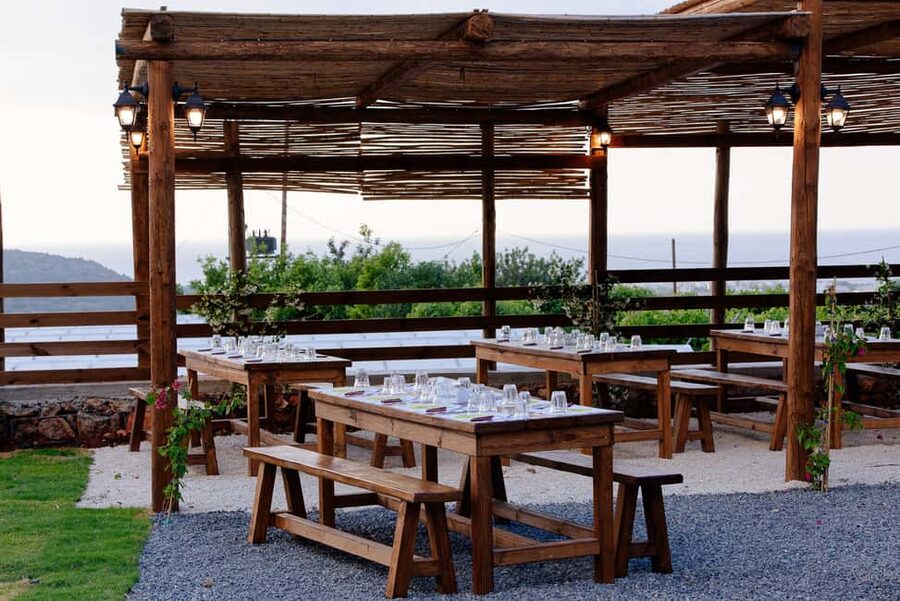
After the cave, the coach drives to Krasi, a traditional Cretan village known for its freshwater springs and its huge old plane tree. The stop lasts about 20 minutes, so this is a quick look rather than a full village visit.
Krasi offers a useful change of mood. The cave is tied to gods and ancient stories. Krasi is about shade, water, stone buildings, and ordinary village life. You can take photographs, stretch your legs, walk around, or make a quick purchase if something catches your eye.
Do not expect a long café break or enough time to explore every lane. The value lies in the contrast. After the physical work at the cave, the village gives you a short, easy stop among greenery and local architecture.
Same fields, a different sort of morning:
- Naxos Perivoli Farm Experience & Wood-fire Cooking Class
★ 5.0 · 339 reviews - Cretan Cooking Class and Olive Oil Tasting
★ 5.0 · 178 reviews - Melanes: Naxos Perivoli Farm & Cooking Class with Wood Fire
★ 5.0 · 177 reviews - Traditional Olive Grove and Dragon Fruit Farm Tour
★ 4.8 · 118 reviews
The olive mill explains Crete’s daily staple
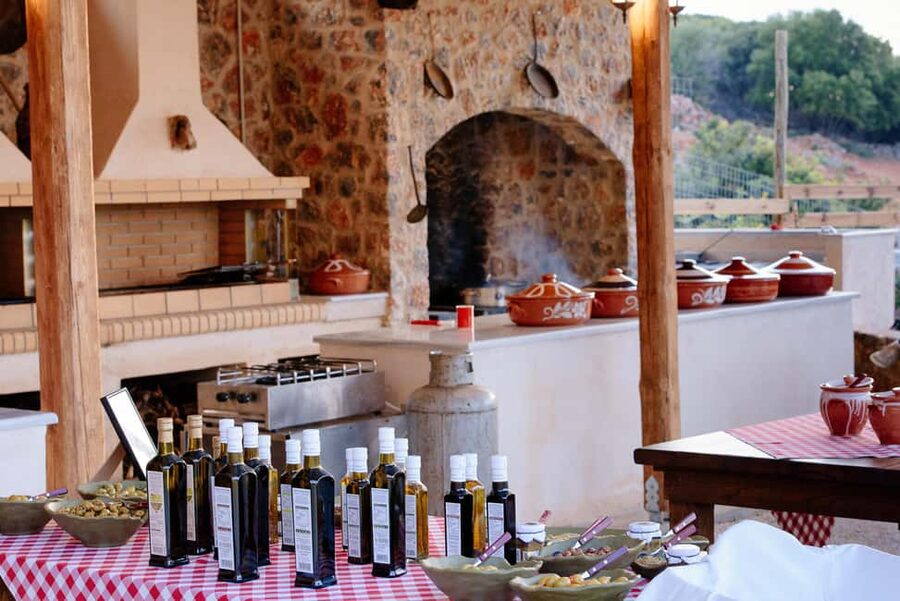
The final major stop is Lyrakis Family S.A., an Olive Mill Farm set among mountain views with sightlines toward the Aegean Sea. The visit lasts about two hours, making it the most relaxed part of the day.
You receive a guided look at how local olive oil is produced, along with information about honey and handmade olive-based soap and other products. This adds useful context to something you see on nearly every Cretan table. Instead of treating olive oil as just a souvenir, you learn how it connects farming, food, household goods, and the local economy.
There is also a tasting and time to browse. The farm shop offers local products and handmade items, so this is a better place for a useful food gift than a generic roadside souvenir stand. Keep your spending in check, though. Tasting rooms are designed to make you want to take home a bottle, a bar of soap, honey, or several of each.
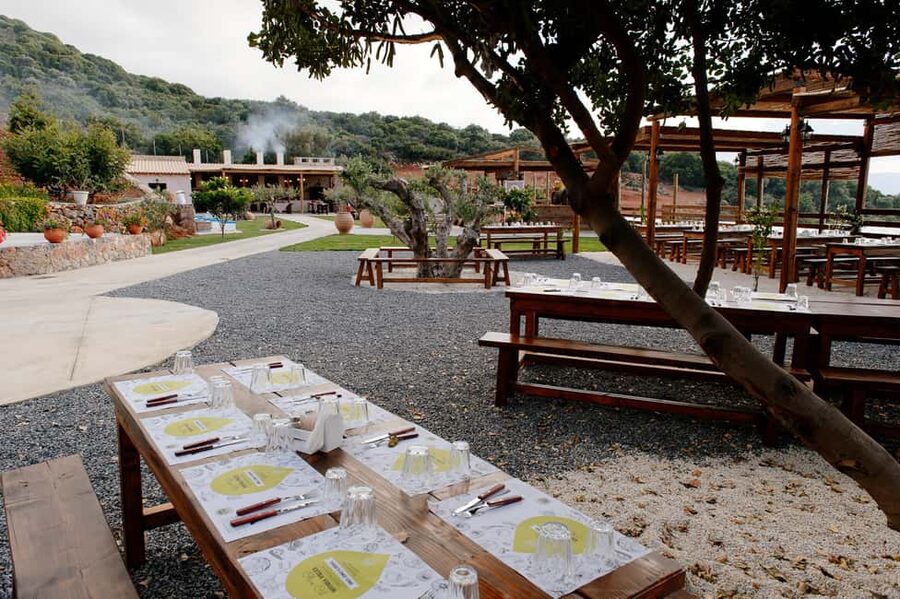
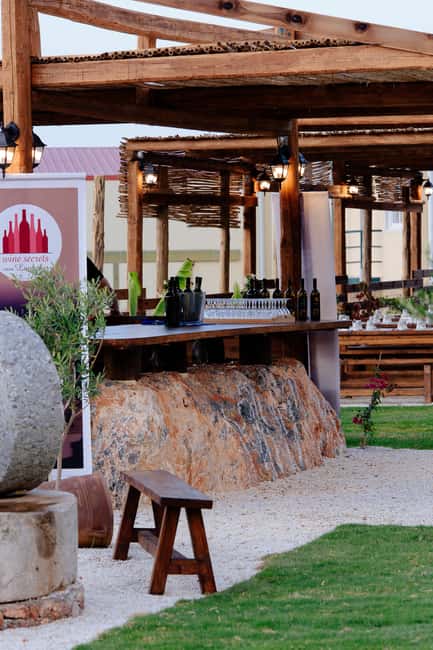
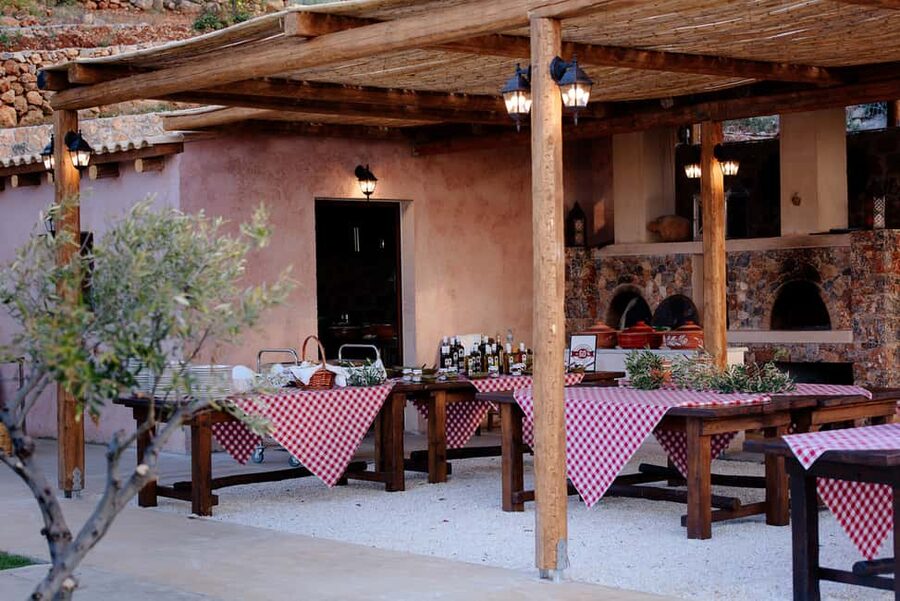
Lunch is optional and costs extra. The meal is made with local ingredients, and a buffet-style meal of traditional dishes has been available on some departures. The setting is a strong part of the appeal: mountain air, views, local aromas, and a slower final stop after a demanding morning.
The olive mill may feel less exciting if you expect a large working factory or a hands-on production class. It is better understood as a guided farm visit with food, product tasting, and a look at local production. For many people, the meal is the real reward.
The coach makes difficult roads manageable
The bus is not just a way to move between sights. It is what makes the route practical for people who do not want to drive. The trip includes narrow village streets, mountain bends, and a climb toward the plateau that one account places at around 900 meters.
Several drivers, including Nikos, George, and Faih, have received strong praise for handling the large coach carefully. That matters here. Renting a small car gives you freedom, but it also leaves you responsible for hairpin bends, unfamiliar roads, parking, and navigation.
The downside is time. You can spend about an hour on the first transfer, then another hour returning from the olive farm before the final drop-offs. Depending on your resort, the full bus day may approach ten and a half hours.
Motion sickness is worth considering. The winding roads can make some people feel unwell, especially on the way up and down the mountains. Sit as far forward as possible, bring water, and carry any personal remedy you normally use.
Air conditioning has generally been a major comfort in hot weather, but one departure had a problem with the bus cooling system and loud multilingual announcements. Guides may speak English, French, or German, and a multilingual tour can mean repeated explanations. That is useful for access, though it can make the ride noisier.
The guides add real value between stops
The strongest part of the tour is often what happens on the bus between destinations. Guides explain Cretan mythology, local customs, olive production, village life, and the story of the places you are passing.
A good guide turns the drive into part of the trip. Names praised across different departures include Soula, Tania, Elena, Eirini, Karine, and Carine. Their styles differ, but the recurring strengths are clear: humor, organization, easy language switching, and plenty of context.
Because this is a group excursion, the quality of the day depends partly on how clearly the guide manages time. Instructions about meeting points and departure times matter. Be back at the coach when asked, especially at the cave, where the uphill return can take longer than expected.
What to pack for this particular route
Pack for both heat and cooler mountain air. Summer departures can be hot at lower elevations, while the plateau may feel chilly, particularly in the morning or when the coach stops.
Bring:
- Comfortable walking shoes with a firm sole
- A full bottle of water
- Sunglasses, sun protection, and a hat
- Clothing that covers the knees for the monastery
- A light layer for the mountains
- A snack for the long gap before lunch
- Cash or a payment method for the €15 cave fee and optional lunch
Do not wear delicate shoes for this day. The cave path and internal steps are the most demanding part of the route. A stroller or wheelchair will not make the cave visit practical.
Who should book this Crete excursion?
I would recommend it to first-time visitors who want to see inland Crete without renting a car. It also suits solo visitors, families with older children, and anyone who likes a day with several different subjects rather than one long museum visit.
It is a good fit if you enjoy mythology, churches, food production, village stops, and mountain scenery. The guides add enough explanation to make the day educational without turning it into a lecture.
I would think twice if you need a slow pace, dislike coach rides, or have trouble with steep climbs and many steps. The cave is not a casual stroll, and the long travel time can feel tiring. Families with very young children should judge the climb carefully, even though some visitors have managed it with older children.
If your priority is a leisurely lunch, choose this only if you are happy with the cave and mountain stops coming first. The meal takes place late, and it is an optional extra rather than part of the $47 price.
Should you book the Lasithi Plateau tour?
Book it if you want a well-priced way to connect Crete’s myths, mountain villages, religious culture, and olive farming in one day. The cave is the centerpiece, but the monastery, Krasi, and olive farm give the outing useful variety.
Skip it if you want long visits at each place or an easy-access sightseeing day. The best value comes from accepting the full package: early pickup, winding roads, a steep cave walk, extra admission and food costs, and a guide who fills the journey with local context.
For the right person, this is one of the better ways to see the interior of Crete without the stress of driving. Pack water, wear proper shoes, and treat the $47 fare as the starting price rather than the final bill.
FAQ
How much does the Crete Lasithi Plateau tour cost?
The listed price is $47 per person. The €15 entrance fee for Zeus Cave and lunch at the Olive Mill Farm are not included.
How long does the tour last?
The full experience lasts between 450 and 630 minutes, or about seven and a half to ten and a half hours. The exact length depends on your pickup point, traffic, and the return route.
Is hotel pickup included?
Pickup and drop-off are included from specific points around Sisi, Malia, Stalida, Hersonissos, Anissaras, Gouves, Kokkini Hani, Karteros, Amoudara, Agia Pelagia, and central Heraklion. You receive the exact meeting place and time by email after booking.
What languages are available?
The live guide service is available in English, French, and German.
How difficult is the walk to Zeus Cave?
The walk includes a steep uphill section and about 406 steps inside the cave. Comfortable shoes and water are strongly recommended.
Is lunch included at the olive farm?
No. Lunch is optional and available for an additional cost. The meal uses local ingredients and may be served as a buffet of traditional dishes.
What should I wear for the monastery?
Wear clothing that covers your knees. Coverings may be available at the monastery, but suitable clothing is the simpler choice.
Just added around Greece
- Volos: Cook Like a Local at a Greek Farm★ 5.0 · 7 reviews
- Traditional Greek Cooking Class @ Lefkada Micro Farm★ 4.7 · 32 reviews
- Visit a Farm and Horseback Riding in Nature★ 5.0 · 10 reviews
- Insightful Pistachio Orchard and Factory Tour★ 4.5 · 27 reviews
- Private Olive Oil tasting & Liqueur experience★ 5.0 · 17 reviews
- Flavors of Santorini: Farm-to-Table Meal Wine & Authentic Village★ 5.0 · 12 reviews
- Santorini 5 Hour Private Oia Tour & Lunch/Dinner at a Local Farm★ 5.0 · 40 reviews
- Cooking Class Sunset Dinner and Tour in Paros Farm★ 5.0 · 5 reviews
Crete Farm Tours, farm by farm.
Moires: Cooking Class and Olive Oil Tasting at a Family Farm
Read our review →
Kleanthi Olive Farm: Guided Tour with Local Delicacies Tasting
Read our review →
Chania Area: Cooking Class at a Farm in Stylos Village (organic)
Read our review →
Cretan Farm Tour with Cheese-Making, Olive Oil Tasting & Picnic
Read our review →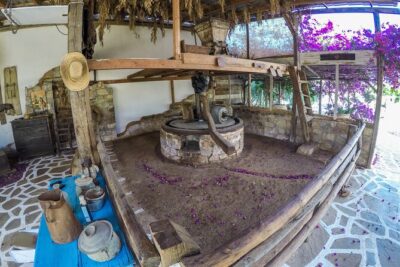
Traditional Olive Oil Making at Spiridi Olive Oil Farm – Crete
Read our review →
Cretan Cooking Class at a Farm with Hotel Pickup and Drop-Off
Read our review →Other lists this farm sits on