
REVIEW · CRETE
Kleanthi Olive Farm: Guided Tour with Local Delicacies Tasting
Olive oil is Crete’s edible history. At Kleanthi Family Olive Farm in Skalani, you walk among old olive trees, learn how the fruit becomes oil, and sit down to taste it with bread, cheese, fruit, honey, and other local foods. I like the family-run setting and the friendly guides, including Mary, George, Yannis, and Theodora. I also like that the tasting is more than a sip from a tiny glass. It shows you how Cretan olive oil works with everyday food.
The main caution is timing. Outside the harvest season, the production line is not running, so you may see equipment but not live milling. The farm can feel quiet then. At $25.34 for about 1 hour and 15 minutes, this is still a good-value outing, especially if you want a short food experience near Heraklion rather than a long formal tour.
Key points to know before booking
- Walk through the olive grove first: The tour begins among the trees, with an explanation of olive growing and Cretan farming traditions.
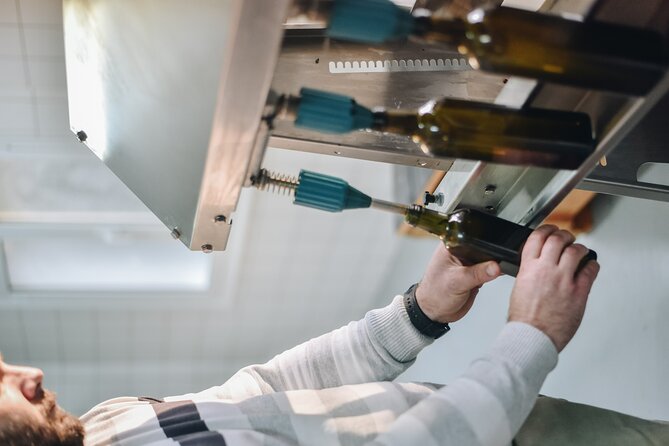
- See the mill and production equipment: You learn how olives move from harvest to bottle, with demonstrations and explanations of the machinery.
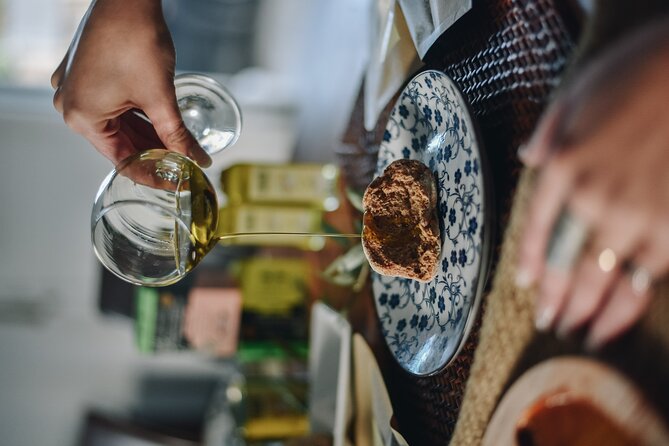
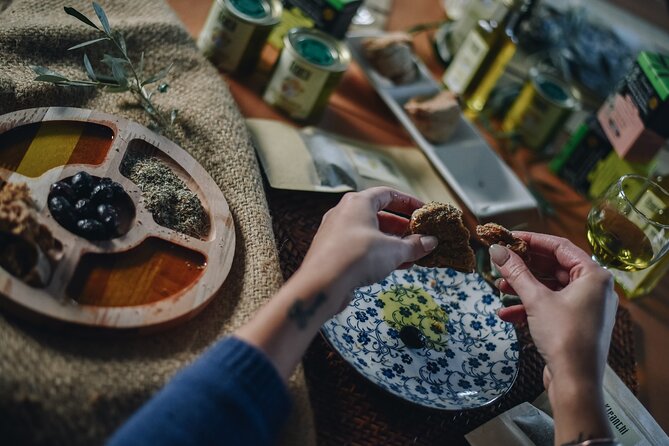
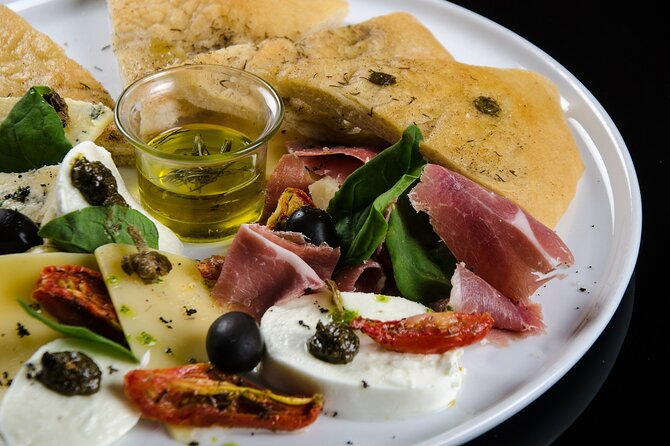
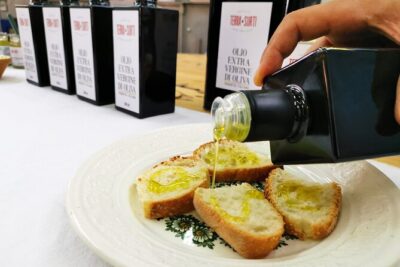
- The tasting is the real payoff: Try extra virgin olive oils with bread, cheeses, tomatoes, fruit, yogurt, honey, herbs, olives, and smoked meat.
- Harvest season changes the experience: During milling, the production area is active. In the off-season, the visit focuses more on history, farming, and tasting.
- Family-friendly and easy to fit into a day: The tour lasts about 75 minutes, children have enjoyed it, and the farm is a short taxi ride from Heraklion according to one detailed account.
- There is no hard-sell shop visit: You can buy olive oil, honey, and other products afterward, but the sales approach is described as relaxed.
A short trip from Heraklion to Skalani
Kleanthi Olive Farm is at Skalani 715 00, Greece, and the activity begins and ends at the farm. Its location near public transportation makes it practical for a short outing, although the supplied information does not specify a particular bus route or timetable.
If you are staying in Heraklion, the farm can work well as a quick taxi trip outside the city. One account describes it as easy to find and close enough for a short ride. If you are staying farther away, plan the drive with care. One family based in Plakias drove about two hours each way and felt the visit was worth it, but that is a serious commitment for a 75-minute activity.
The farm accepts mobile tickets, offers group discounts, and allows service animals. The maximum group size is 40 people. That is large enough for a lively visit, but the family operation and small tasting focus may feel less intimate if the group is full.
Because the average booking time is 19 days ahead, it is sensible to reserve before your trip, especially if you need a particular date. The exact meeting time and transport arrangements should be checked when booking.
More Olive Grove Tours around Greece:
- Heraklion: Olive Farm Tour with Tasting of Local Delicacies
★ 4.9 · 411 reviews - Traditional Olive Grove and Dragon Fruit Farm Tour
★ 4.8 · 118 reviews - Private Traditional Olive Grove and Dragon Fruit Farm Tour
★ 5.0 · 29 reviews
Starting among the olive trees
The tour begins with a walk through the grove. This is a useful first step because olive oil makes more sense when you see the trees that produce it. You get a look at the farm setting and hear about olive cultivation, the role of olives in Crete, and the care involved before the fruit reaches the mill.
Several guides have been praised for making this part lively and clear. George is described as enthusiastic and comfortable in English. Mary is noted for her warm manner and strong command of the language. Yannis and Theodora have also led visits, with Yannis described as friendly and professional.
You should expect an easy walk rather than a strenuous hike. The supplied details do not give a route length or say how uneven the ground is, so comfortable shoes are a wise choice. The tour is offered in English, which makes it useful for English-speaking families and couples who want more than a quick farm photo.
The grove also gives the visit a sense of place. This is not only a lesson about a bottle on a shop shelf. You are looking at the trees, the source of one of Crete’s most important foods, while hearing how a family farm connects cultivation, production, and hospitality.
Seeing the olive mill and the route from fruit to bottle
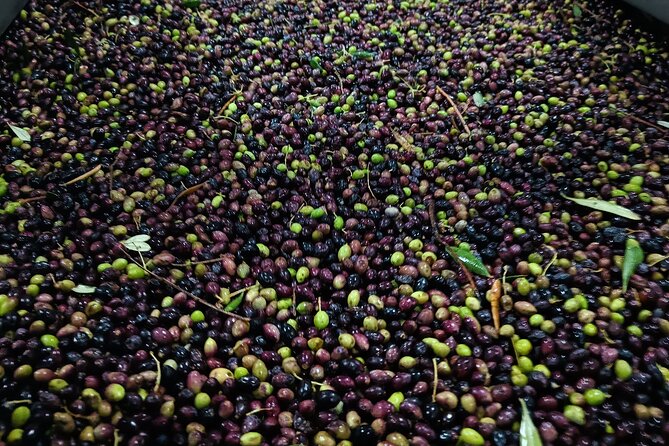
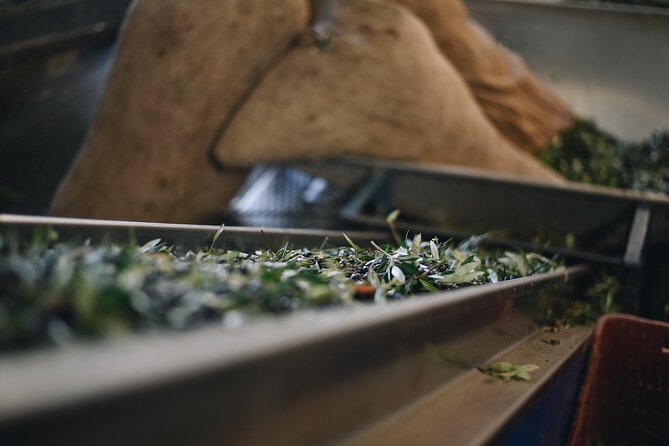
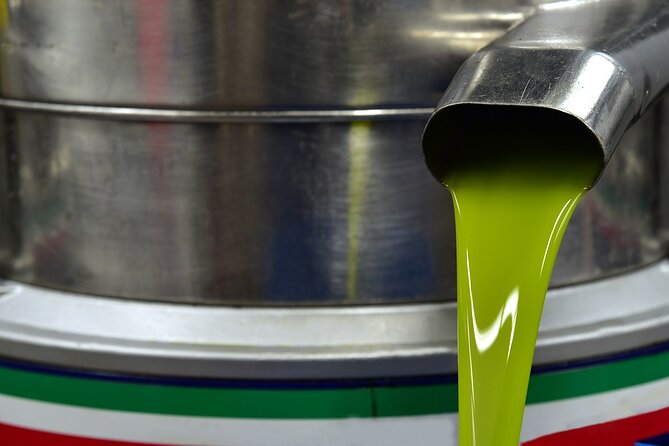
After the grove, the group moves to the mill and production area. The guide explains the equipment and the steps used to turn harvested olives into olive oil. Some visits include a short video, along with demonstrations of the machines.
This section is strongest when the mill is operating. During harvest season, you may be able to see the production process live, which gives the visit more energy and makes the route from tree to bottle easier to understand. The farm team has made clear that the production line is not in operation outside the harvest months.
That seasonal limit matters. If you visit in the quiet period, you will still receive an explanation of olive farming, the mill, and the oil, but you should not expect a working factory. One person found the off-season visit dull because the site was empty. That is the fairest warning to keep in mind.
I would not reject the tour because of this. The tasting remains a major part of the experience, and the grove and equipment still provide useful context. But if watching olive oil being made is your main reason for booking, aim for harvest season and confirm the expected activity before you go.
The educational level also depends on your guide and your own questions. The strongest accounts describe guides who explain the process carefully and answer questions about olive growing, production, and sustainable practices. You will get more from this stop if you ask about what you are seeing instead of simply following the group from machine to machine.
The tasting table is more than a sample cup
The tasting follows the farm and mill visit, usually at a table where the group can sit and eat. This is where the $25.34 price begins to look especially fair. You are not just sampling one oil on a piece of bread. The spread can include several local foods and different ways to combine them with olive oil.
The foods named in the experience include:
- Artisanal bread
- Local cheeses
- Tomatoes
- Olives
- Fruit
- Yogurt
- Honey
- Herbs
- Smoked meat
- Figs or grapes in syrup
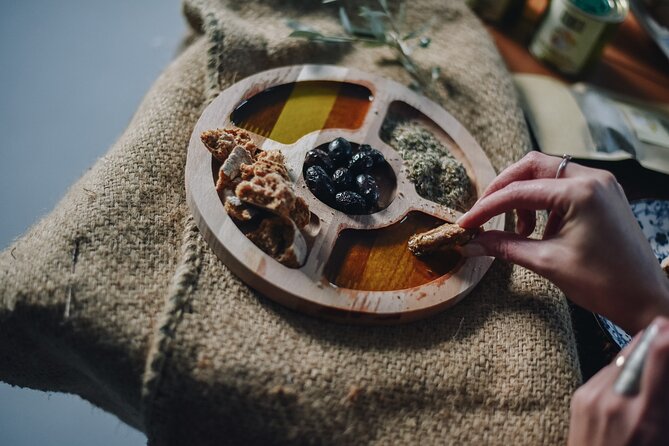
The exact selection may vary, but the idea is consistent: taste the oil with foods that show how it fits into Cretan meals. Some tastings place different pairings around the plate, including oregano, thyme, honey, and syrup. This lets you compare simple combinations rather than treating olive oil as a product you only drizzle over salad.
That approach is useful for beginners. Extra virgin olive oil can taste peppery, grassy, fruity, or bitter, and food changes how those qualities come through. You may leave with a better sense of which oil you like and how to use it at home.
The tasting also gives the tour a social feel. Families sit together, share food, and ask questions. Children have reportedly enjoyed the activity, which makes it a good choice when you want an educational stop that does not feel like a museum lecture.
Some people describe the final spread as lunch or a generous lunchtime snack. It is best to think of it as a substantial tasting rather than a guaranteed full meal. The supplied details do not promise a set menu or a specific quantity.
More Food and Drink Tours around Greece:
- Cretan Cooking Class and Olive Oil Tasting
★ 5.0 · 178 reviews - Wine Tasting Tour at a traditional farm in Mykonos
★ 4.5 · 114 reviews - Crete: Farm Visit with Cheese Tasting and Milking Experience
★ 4.9 · 109 reviews - Santorini Family Farm Food & Wine Tour with Cooking Class
★ 5.0 · 107 reviews
Cretan family culture without the formal polish
The family ownership is one of Kleanthi’s strongest features. The experience connects the farm, the mill, the tasting room, and the small shop in one place. Accounts describe meeting members of the family and getting a glimpse of everyday life around olive production.
That personal quality can make the tour feel warmer than a large commercial attraction. Guides are praised for being friendly, caring, and happy to answer questions. Some also offer suggestions about places to visit in the local area, though that should be treated as an extra rather than a formal part of the tour.
The setting is welcoming, but do not expect a high-production show. This is a working family farm with a short guided visit. The presentation may feel simple, especially outside harvest season. That simplicity is part of the appeal for some people and a weakness for anyone expecting a busy attraction with many activities.
The English-language guiding is a clear advantage. Mary, George, Yannis, and Theodora are specifically praised in different accounts, though the guide assigned to your time can vary. Their approach seems to be conversational, with explanations supported by the actual trees and machinery around you.
Is $25.34 good value?
For $25.34 per person, you receive a guided farm visit, an explanation of olive production, a tasting with multiple local foods, and access to the on-site shop. That is strong value if you are interested in Cretan food and want an activity that fits into a morning or afternoon.
The price is easier to justify for families and small groups because the experience combines learning and food. Group discounts may improve the value further, though the available information does not give the discount amount.
The tour is less compelling if you are only looking for a full-scale mill demonstration. The 75-minute duration is short, and off-season visits may not include active production. You are paying for the whole package, not simply a factory tour.
I also like the relaxed buying arrangement. You can purchase Kleanthi olive oil and other products at the end, but the sales approach is not described as aggressive. That matters because a tasting can quickly become uncomfortable when the shop feels like the main purpose. Here, the shop is a natural final stop, not an obligation.
When to visit for the liveliest experience
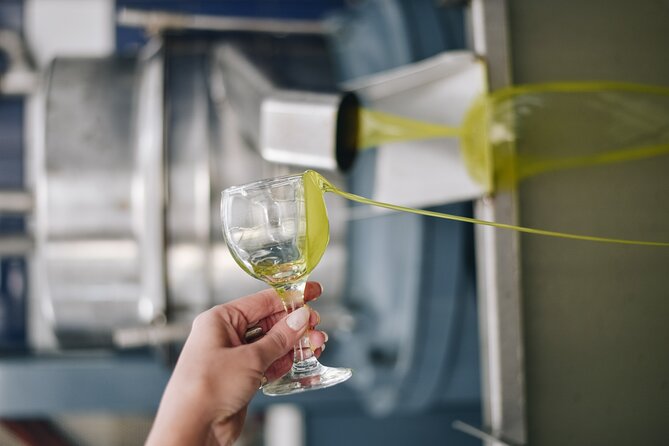
Harvest season is the best choice if your priority is seeing olive oil production in action. The mill operates during that period, and the machinery gives the tour a stronger sense of movement and purpose.
Outside harvest, the visit shifts toward the grove, the history of olive cultivation, the equipment, and the tasting. You can still learn a lot and enjoy the food, but the atmosphere may be quiet. If you prefer peaceful visits and care more about tasting than machinery, the off-season may suit you.
Weather also matters because the tour requires good conditions. If poor weather cancels the activity, you will be offered another date or a full refund. For a full refund after changing your own plans, cancel at least 24 hours before the start time. Changes or cancellations within 24 hours are not accepted for a refund.
Who will enjoy Kleanthi Olive Farm most?
I would recommend this experience to:
- Families looking for a short, food-centered activity
- Couples interested in Cretan cooking and local products
- Olive oil fans who want to compare pairings
- Visitors staying in or near Heraklion
- People who prefer a personal family farm to a large attraction
- Anyone wanting an easy introduction to olive cultivation and milling
It is also a good choice for children. The walk is short, the machines add visual interest, and the tasting offers plenty to try. Children have reportedly called it a favorite activity in Crete, which is a strong sign for parents planning a mixed-age itinerary.
I would be more cautious if your main aim is a long agricultural tour, a formal food class, or a guaranteed working mill. The experience is compact and focused. Its strength is the combination of grove, production explanation, and generous table tasting.
Practical tips for a better visit
Book ahead if your schedule is tight, since the activity is commonly reserved well before the visit date. Check the meeting point carefully: Kleanthi Olive Farm, Skalani 715 00, Greece.
Wear shoes suitable for a walk through an olive grove. The available information does not specify the exact ground conditions, so avoid treating this as a polished indoor-only tour.
Ask whether the mill will be operating on your date if live production matters to you. This one question can help you decide if the timing matches your expectations.
Come ready to taste. The food pairings are a major part of the experience, and you may discover combinations such as olive oil with herbs, honey, yogurt, fruit, or cheese that you would not normally try.
Leave room in your luggage if you want to buy oil at the farm shop. You can also find honey and other local products there. The farm team does not appear to pressure visitors into purchasing, so you can browse at your own pace.
Should you book Kleanthi Olive Farm?
Yes, if you want a friendly, affordable introduction to one of Crete’s defining foods. The combination of the grove walk, mill explanation, and generous tasting is hard to beat at $25.34, especially for families and anyone based near Heraklion.
Book during harvest season if you want to see active milling. Choose another time if your priority is a calm visit, good food, and a clear explanation of olive oil rather than a working production line.
For most people, this is a worthwhile short stop with real local character. Just keep your expectations realistic: it is a compact family-farm experience, not a full-day agricultural tour.
FAQ
Where does the Kleanthi Olive Farm tour begin?
The tour begins at Kleanthi Olive Farm in Skalani 715 00, Greece.
Where does the tour finish?
The activity ends back at the meeting point at Kleanthi Olive Farm.
How long does the experience last?
The tour lasts approximately 1 hour and 15 minutes.
How much does the tour cost?
The listed price is $25.34 per person. Group discounts are available.
What language is the tour offered in?
The experience is offered in English.
Will I see the olive oil production line operating?
That depends on the season. During harvest, the mill is in full activity. Outside harvest, the production line is not operating, and the visit focuses on olive cultivation, the equipment, the production process, and tasting.
What food is included in the tasting?
The tasting can include Kleanthi olive oils with bread, cheeses, tomatoes, fruit, yogurt, honey, herbs, olives, smoked meat, and figs or grapes in syrup. The exact selection is not specified as a fixed menu.
Can I cancel for a full refund?
Yes. You can cancel at least 24 hours before the start time for a full refund. Cancellations or changes made less than 24 hours before the start time are not refunded. If poor weather cancels the activity, you will be offered another date or a full refund.
Just added around Greece
- Volos: Cook Like a Local at a Greek Farm★ 5.0 · 7 reviews
- Traditional Greek Cooking Class @ Lefkada Micro Farm★ 4.7 · 32 reviews
- Visit a Farm and Horseback Riding in Nature★ 5.0 · 10 reviews
- Insightful Pistachio Orchard and Factory Tour★ 4.5 · 27 reviews
- Flavors of Santorini: Farm-to-Table Meal Wine & Authentic Village★ 5.0 · 12 reviews
- Private Olive Oil tasting & Liqueur experience★ 5.0 · 17 reviews
- Santorini 5 Hour Private Oia Tour & Lunch/Dinner at a Local Farm★ 5.0 · 40 reviews
- Cooking Class Sunset Dinner and Tour in Paros Farm★ 5.0 · 5 reviews
Olive Grove Tours, farm by farm.
Olive Farm Tour with Tasting of Local Delicacies
Read our review →
Traditional Olive Grove and Dragon Fruit Farm Tour
Read our review →
Visit to the olive grove, oil tasting and lunch at the farm
Read our review →
Snail and olive farm tour with table olives & homemade sweet
Read our review →
Olive harvest, visit to the oil mill and typical lunch
Read our review →
Partinico: Olive Harvest with Wine Tasting and Brunch
Read our review →Other lists this farm sits on