
REVIEW · GREECE
Heraklion :Olive & Dragon Farm Tour & Cretan Farmers Brunch
Good food makes farming lessons memorable. This two-hour private visit combines olive cultivation and dragon fruit farming with a generous Cretan brunch served beneath the olive trees. I like the personal setting, run by Alexis and his family, and the chance to see a working grove with more than four generations of family care behind it. The main consideration is that this is a short farm visit, not a full-day countryside outing.
I also like the food. The meal includes sfouggato, ntolmadakia, greens-filled fried pies, salad with dakos, olives, and water. Portions are large enough that you may have food to take away, but alcoholic drinks, sodas, and purchases cost extra.
Key things to know before you go
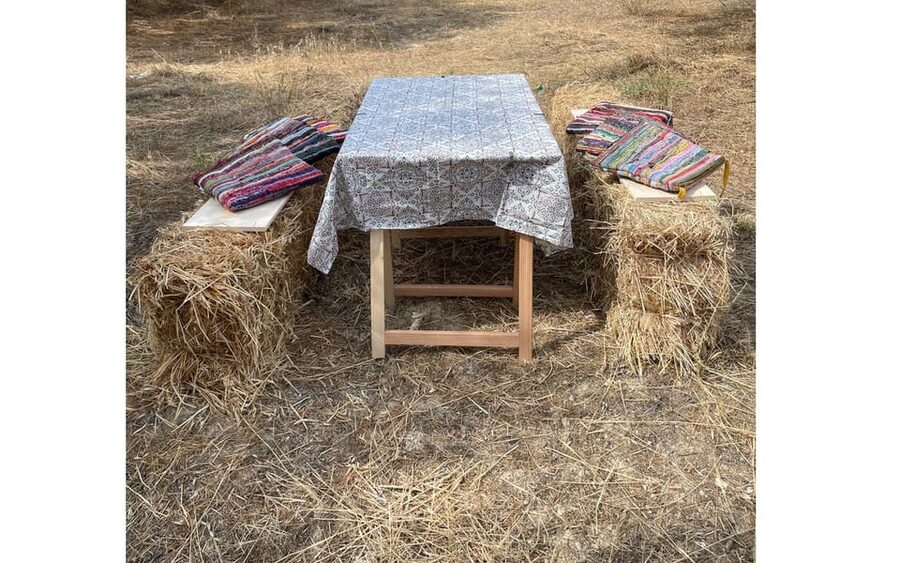
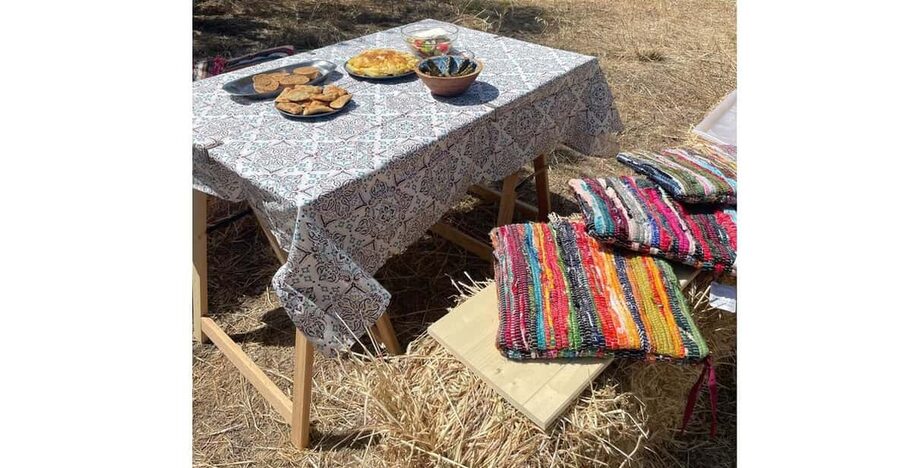
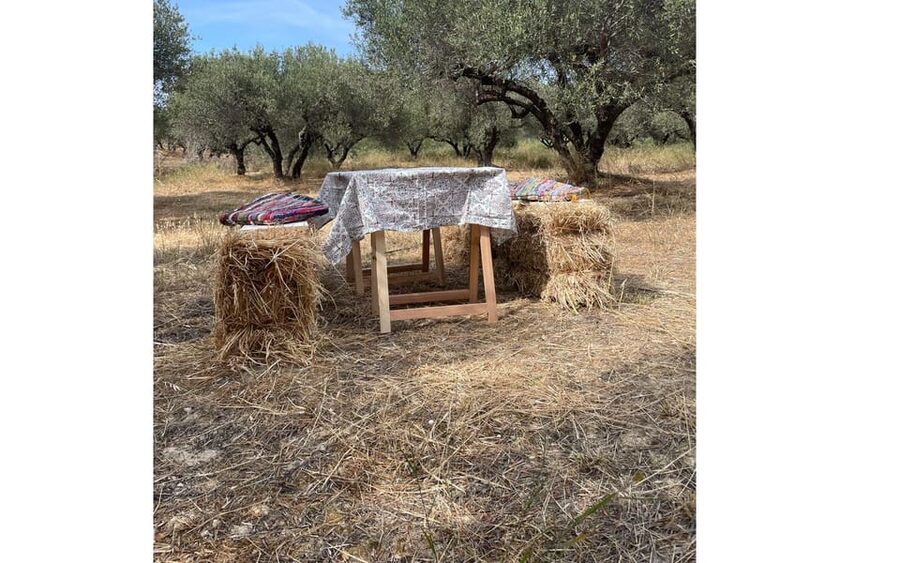
- The brunch is served inside the olive grove: You eat beneath the trees in a setup inspired by Cretan farmers’ traditional rest breaks.
- Alexis and his wife host the visit: The family connection gives the tour a friendly, personal feel rather than a formal agricultural presentation.
- You learn about two crops: Olive farming is the main subject, while dragon fruit adds an unusual modern farming angle.
- The harvest is simulated outside winter: You can see how olives are collected even when the seasonal harvest is not taking place.
- The meal is substantial: Expect a full traditional spread, not a small tasting plate.
- The tour is private and lasts two hours: It suits couples, families, and small groups wanting a focused local experience.
A family olive grove above Heraklion
The meeting point is at Evangelismou 135, where you look for the sign on the right as you drive uphill toward Cretan Dragon Farm. The tour returns to the same location, making the plan simple if you are arranging other Heraklion activities around it.
The farm is family-owned and has been cared for by the same family for more than four generations. That matters because olive farming here is presented as lived work, not as a museum display. You are shown the trees, the methods, and the practical choices involved in keeping an olive grove productive.
I like this kind of visit because the subject becomes easier to understand when you are standing among the trees. Olive oil is often described as Crete’s liquid gold, but a farm tour explains the work behind that phrase. You get a better sense of the patience, seasonal timing, and physical effort involved before the oil reaches a kitchen table.
The setting also includes a view toward Dia Island from the patio. The information does not promise a long scenic walk or a broad countryside excursion, so keep your expectations focused. This is a compact farm visit with time to sit, eat, ask questions, and enjoy the grove.
More Farm Tours around Greece:
- Mykonos: Farm, Ano Mera Village, and Beaches Guided Tour
★ 4.4 · 1,283 reviews - Crete: Road-trip to Lasithi, Zeus Cave & Olive Mill Farm
★ 4.4 · 451 reviews - Heraklion: Olive Farm Tour with Tasting of Local Delicacies
★ 4.9 · 411 reviews
Olive farming, from tree to harvest
The olive portion begins with an explanation of cultivation and harvesting. You can learn how the trees are cared for and what happens during the harvest season. The visit includes a simulation of olive collection, designed to show the process during the winter months when the actual harvest is not occurring.
That seasonal adjustment is useful. If you visit outside harvest time, you will not simply hear that the work happens in winter and move on. Instead, the simulation gives you a practical picture of how olives are collected. It also helps you understand why a farm visit in another season can still be worthwhile.
The details provided do not specify every tool or technique used in the demonstration, so I would not expect a full technical workshop. Think of it as a clear introduction to the process, with the host explaining the work in the grove and showing you how collection takes place.
The private format is a real advantage here. You can ask questions in English or Greek, and the pace can feel more conversational than a large group tour. Alexis is described as happy to answer questions and clearly fond of the work. That personal connection is one of the strongest reasons to choose this experience over a basic olive oil tasting.
Dragon fruit adds a surprising second crop
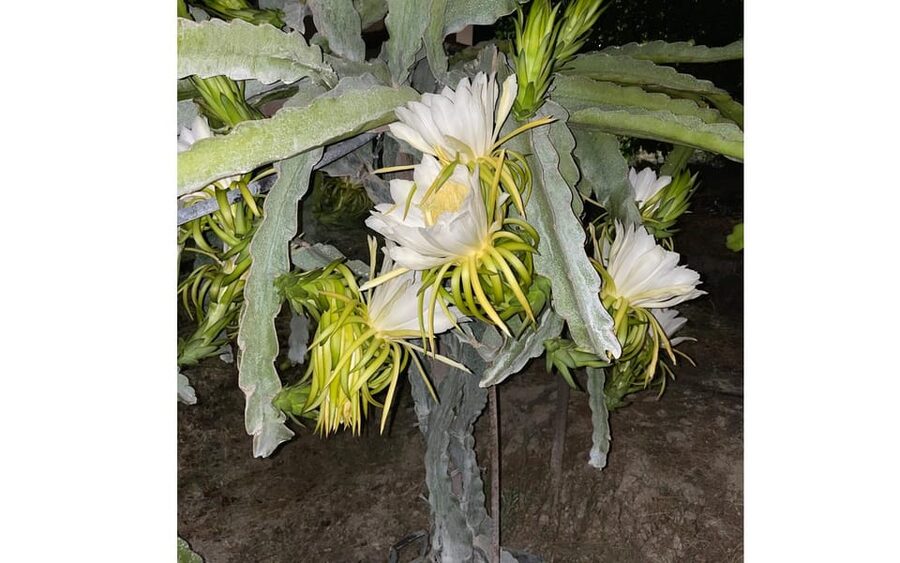
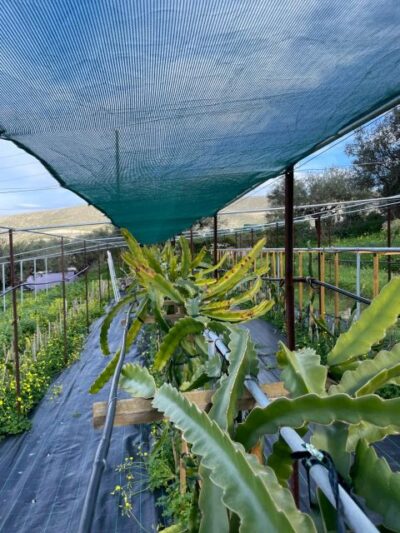
Dragon fruit is an unusual companion to an olive grove tour in Crete. The farm visit shows how the owners have adapted their agricultural work to fit changing market needs. That gives the experience a useful modern angle.
You are not only looking at an old farming tradition. You are also seeing how a family farm experiments with another crop and responds to demand. The supplied information does not provide a detailed botanical lesson or a list of dragon fruit varieties, so the focus remains on the farm and its cultivation rather than on a formal horticulture class.
Still, this second crop helps keep the experience from feeling one-note. Olive farming is familiar to many visitors in Crete, but dragon fruit makes the visit more distinctive. If you are interested in local produce, small-scale agriculture, or the way farms adapt, you will find this part especially worthwhile.
Resting under the trees, the Cretan way
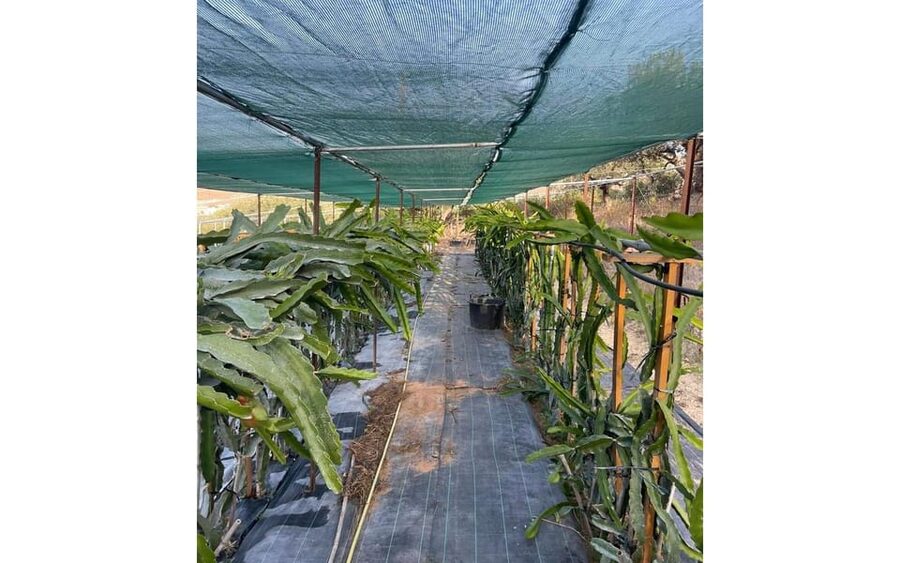
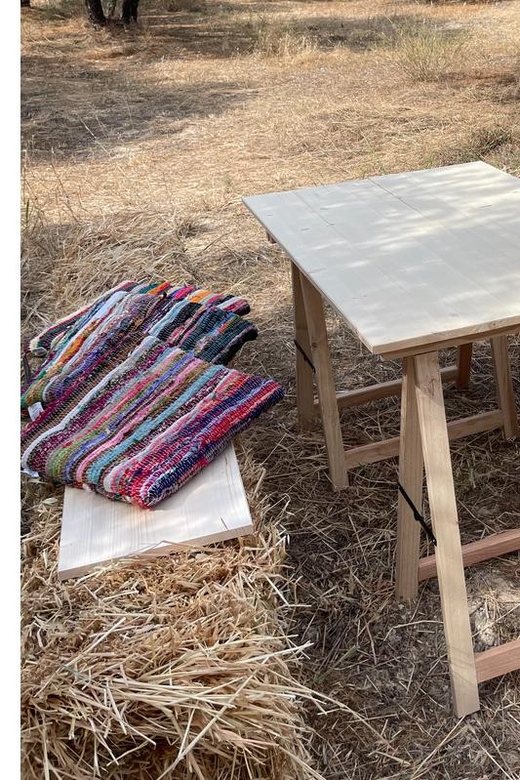
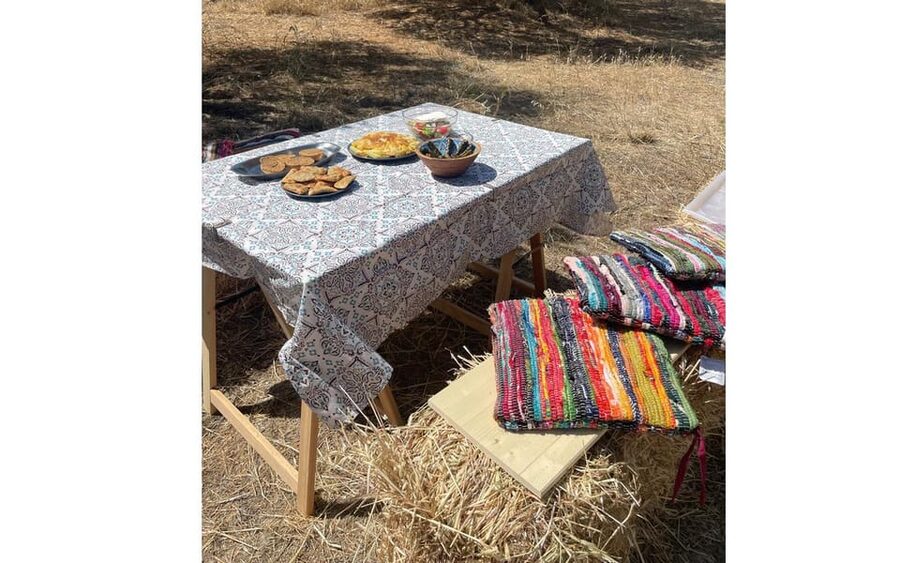
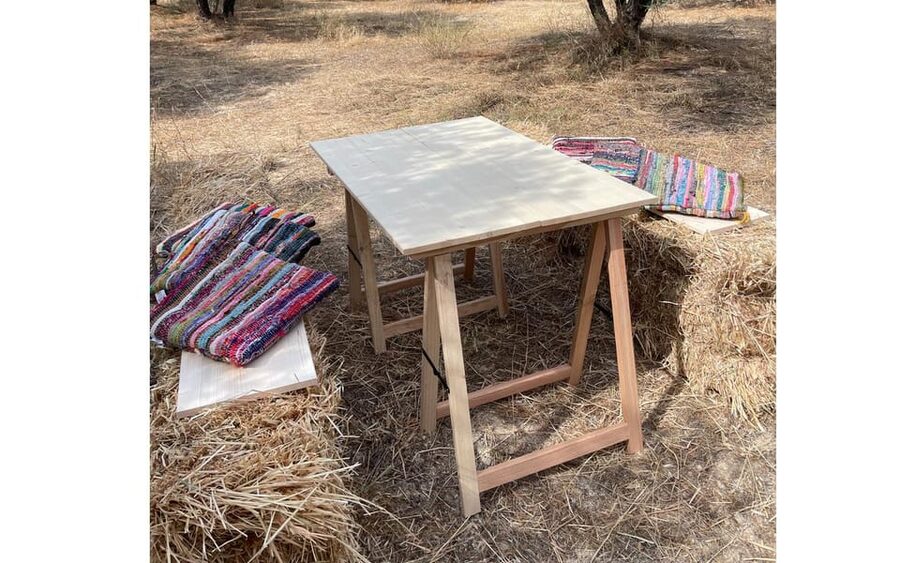
After the farm explanation and harvest demonstration, you have time to rest on the patio and inside the olive grove. In the middle of the grove, the hosts have created a setup based on how Cretan farmers traditionally took a break from hard labor.
This is more than a table placed outdoors for convenience. The arrangement connects the meal to the work you have just seen. You are not eating in a separate restaurant after the farm visit. You are sitting among the trees, in the same setting that gives the food its meaning.
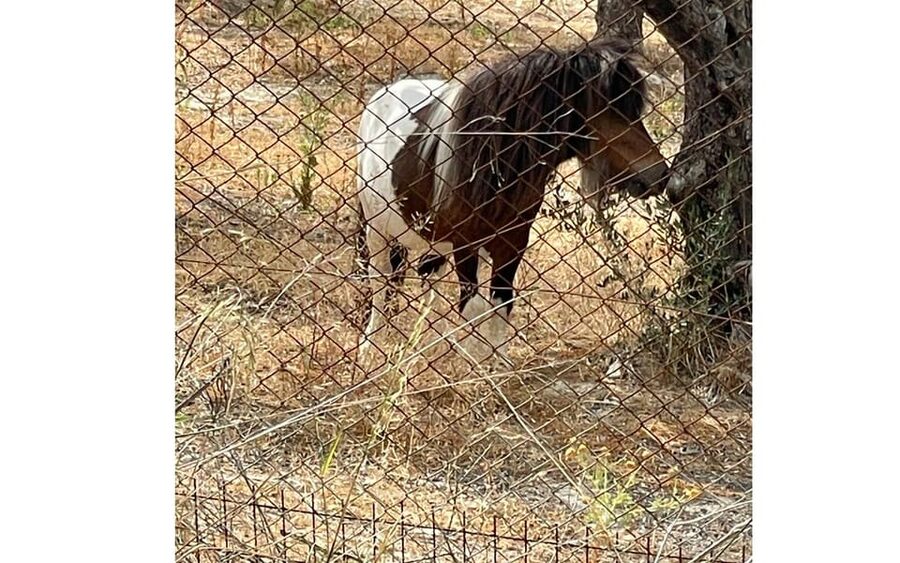
The grove can also include cats, adding a relaxed farm touch. The setting is informal and close to the family’s working environment. It is best suited to you if you like meals with a sense of place and do not need polished restaurant service.
The patio offers a view toward Dia Island, while the grove provides shade and a quieter place to eat. Bring a hat, as requested for the activity. Even with shade available under the trees, a hat is a sensible choice for an outdoor visit in Crete.
Same fields, a different sort of morning:
- Lassithi, Zeus Cave, Olive Mill Farm & Knossos Combo Tour
★ 4.6 · 404 reviews - Naxos Perivoli Farm Experience & Wood-fire Cooking Class
★ 5.0 · 339 reviews - Cretan Cooking Class and Olive Oil Tasting
★ 5.0 · 178 reviews - Melanes: Naxos Perivoli Farm & Cooking Class with Wood Fire
★ 5.0 · 177 reviews
What arrives on the brunch table
The meal is the heart of the experience. It is described as a typical Cretan farmers brunch, but the portions sound closer to a full traditional meal than to a light mid-morning snack.
For two people, the spread includes:
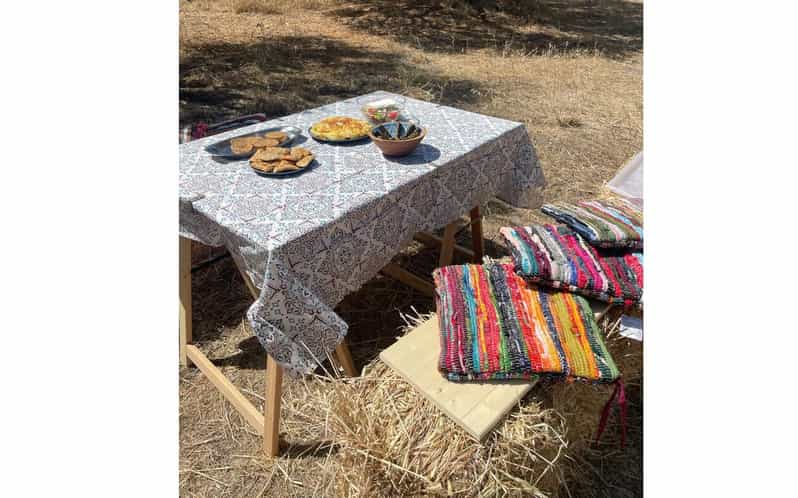
- Sfouggato, a local omelette with potatoes, made with local organic eggs
- About 10 ntolmadakia, small rice rolls wrapped in vine leaves
- Fried pies filled with different greens
- Salad for two with fresh tomato, cucumber, dakos rusk, olives, and olive oil
- Small olives from the trees around the farm
- Still local water
Sfouggato gives you a warm, filling centerpiece. The potatoes make it more substantial than a plain omelette, while the local eggs connect the dish to the farm setting.
The ntolmadakia bring a familiar Greek flavor in small portions. They are cooked slowly and wrapped in vine leaves, offering a softer, more delicate contrast to the crisp fried pies.
The salad includes dakos, the twice-baked barley rusk often associated with Crete. It adds texture and makes the tomatoes, cucumber, olives, and olive oil more filling. This is not simply a bowl of vegetables placed beside the main food. The dakos helps turn it into a proper Cretan plate.
The greens-filled pies add another texture and show how simple local ingredients can make a satisfying meal. The small olives come from the surrounding trees, which gives you a direct connection between the grove and the table.
A practical point: the food may be more than you can finish during the visit. One meal was described as so generous that leftovers were packed to take away without an additional charge. That is not listed as a formal inclusion, so I would treat it as a kindness rather than a guarantee, but you should arrive prepared for a very filling meal.
Why the $35 price makes sense
At $35 per person, the value is strong if you want both a guided activity and a traditional meal. The price includes the private farm tour, the olive and dragon fruit visit, the harvesting demonstration, and the brunch.
A separate meal in Heraklion could easily take a large part of that budget, while this price also gives you a two-hour hosted experience and a setting you cannot reproduce in a city restaurant. The private format adds further value, especially for couples or families who prefer to ask questions at their own pace.
The value is less clear if you only want a quick olive oil tasting. This experience is not built around buying bottles or sampling a long list of oils. Purchases are not included, and alcoholic drinks and sodas cost extra.
I would also keep the two-hour length in mind. You receive a focused introduction rather than an entire day of farm work, cooking, or rural touring. For $35, that compact format works well as a morning or afternoon stop, especially if you want food included and do not want to spend half a day away from Heraklion.
Who will enjoy this farm visit most
I would recommend this tour to you if you enjoy:
- Family-run experiences with direct contact with the host
- Traditional Greek food served in an informal setting
- Learning how local produce is grown
- Small private groups instead of crowded excursions
- Outdoor meals beneath trees
- A short activity that fits easily into a Heraklion itinerary
It is particularly appealing for couples. The grove setting, generous meal, and relaxed pace make it suitable for a special occasion, including an anniversary.
Families may also enjoy it, especially if children are curious about farms and unusual fruit. The dragon fruit section offers something different from the usual olive-focused visit. Still, the activity is primarily a guided agricultural tour and meal, so it may not suit children who need constant movement.
You should think twice if you want a long walk, a demanding outdoor activity, or a formal cooking class. The supplied details describe a tour, a harvest simulation, rest time, and brunch. They do not promise extensive hiking or hands-on food preparation.
The activity is listed as not suitable for people over 95. That restriction is unusually specific, but it is part of the stated conditions. If mobility or age-related concerns affect your group, ask the provider before booking.
Timing, language, and practical details
The tour lasts two hours and is offered as a private group experience. English and Greek are available, so you can ask for the language that works best for your group.
The exact start times depend on availability. I would plan around the meal rather than treat it as a quick stop between unrelated activities. You will want enough time to find the uphill meeting point, settle into the grove, and enjoy the food without rushing.
Bring a hat. You should also wear clothing that works for an outdoor farm setting, although the supplied information does not specify a dress code or footwear requirements.
The meeting point is marked by the farm’s sign on the right as you drive uphill. Since the meeting and return point are the same, the logistics are straightforward once you locate Evangelismou 135.
Alcohol and drugs are not allowed. Alcoholic drinks and sodas are also not included, while still local water is provided.
You can cancel up to 24 hours ahead for a full refund, and the reserve-now, pay-later option gives you flexibility. These terms are useful if your Heraklion plans may change, but I would still check the available start time before committing to the booking.
The most praised part: hospitality and homemade food
The strongest pattern in the available feedback is the warmth of Alexis and his wife. The experience is repeatedly described as welcoming, generous, and personal. That is important because a farm visit depends heavily on the hosts. The trees and food matter, but the conversation is what turns a simple stop into a memorable meeting.
The homemade meal receives equally strong praise. The food is described as beyond delicious, very generous, and closer to a traditional meal than a small tasting. You should arrive hungry, especially if you want to try every dish.
The farm setting also receives special attention. Eating among the olive trees, with cats nearby and a view toward Dia Island, gives the brunch a relaxed sense of place. You are not just sampling Cretan dishes. You are eating them in the agricultural setting that produced many of the ingredients.
The high score of 4.8 from eight ratings supports the idea that the experience is consistently well received, though the sample is small. I would put more weight on the repeated details about hospitality and portion size than on the number alone.
Should you book the Cretan Dragon Farm visit?
Book it if you want a friendly private farm experience, a large traditional brunch, and a clear introduction to olive cultivation in about two hours. The combination of a four-generation olive grove, dragon fruit farming, harvest simulation, and food beneath the trees gives you a lot for $35.
I would especially choose it for a couple, a small family group, or anyone who values local contact over a polished commercial attraction. The personal hosting by Alexis and his wife is central to the experience.
Skip it if you are looking for a long rural excursion, a serious olive oil tasting, or a hands-on cooking course. This is a compact visit built around farming, conversation, and a generous meal. For the right kind of afternoon, it offers an easy and memorable taste of working Crete.
FAQ
Where does the olive and dragon farm tour meet?
The meeting point is at Evangelismou 135. Look for the farm’s sign on the right as you drive uphill toward Cretan Dragon Farm.
How long does the experience last?
The guided experience lasts two hours.
Is the tour private?
Yes. The activity is offered for a private group.
Which languages are available?
The tour is available in English and Greek.
What food is included?
The brunch includes a local sfouggato omelette for two people, about 10 ntolmadakia, fried pies filled with greens, salad for two with tomato, cucumber, dakos, olives and olive oil, small local olives, and still water.
Are drinks included?
Still local water is included. Alcoholic drinks and sodas are not included.
Can I cancel the booking?
You can cancel up to 24 hours in advance for a full refund.
What should I bring?
Bring a hat for the outdoor farm visit. Alcohol and drugs are not allowed.
Just added around Greece
- Volos: Cook Like a Local at a Greek Farm★ 5.0 · 7 reviews
- Traditional Greek Cooking Class @ Lefkada Micro Farm★ 4.7 · 32 reviews
- Visit a Farm and Horseback Riding in Nature★ 5.0 · 10 reviews
- Insightful Pistachio Orchard and Factory Tour★ 4.5 · 27 reviews
- Flavors of Santorini: Farm-to-Table Meal Wine & Authentic Village★ 5.0 · 12 reviews
- Private Olive Oil tasting & Liqueur experience★ 5.0 · 17 reviews
- Santorini 5 Hour Private Oia Tour & Lunch/Dinner at a Local Farm★ 5.0 · 40 reviews
- Cooking Class Sunset Dinner and Tour in Paros Farm★ 5.0 · 5 reviews
Greece Farm Tours, farm by farm.
Farm, Ano Mera Village, and Beaches Guided Tour
Read our review →
Road-trip to Lasithi, Zeus Cave & Olive Mill Farm
Read our review →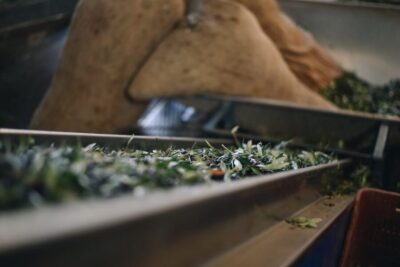
Olive Farm Tour with Tasting of Local Delicacies
Read our review →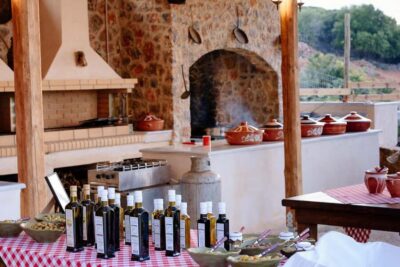
Lassithi, Zeus Cave, Olive Mill Farm & Knossos Combo Tour
Read our review →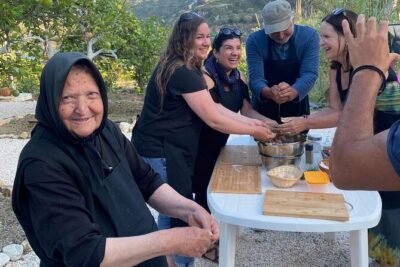
Naxos Perivoli Farm Experience & Wood-fire Cooking Class
Read our review →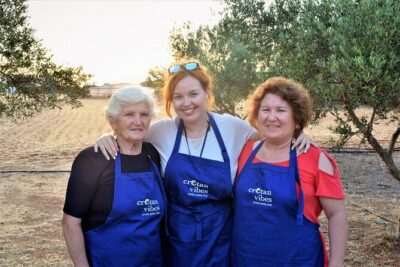
Traditional Olive Grove and Dragon Fruit Farm Tour
Read our review →
Wine Tasting Tour at a traditional farm in Mykonos
Read our review →Other lists this farm sits on