
REVIEW · COSTA RICA
Chocolate and Farm Tour with local Tico family
Cacao begins as a flower, not a candy bar. This family-run farm tour near La Fortuna turns that small fact into a hands-on lesson, with fresh cacao fruit, traditional drinks, and chocolate you shape yourself. I like the personal setting, where you meet a local Tico family instead of moving through a large commercial attraction. I also like the small-group format, capped at 12 people. The main consideration is that one part of the experience may vary: chocolate bars were not prepared during at least one visit, so ask about that activity when you arrive.
The tour lasts about two hours and costs $45. That leaves most of your day open for another La Fortuna activity, while still giving you a taste of farming, food, and local culture. You will need to reach Finca La Esperanza, about 25 minutes outside La Fortuna, and the tour ends at the same farm.
Key points at a glance
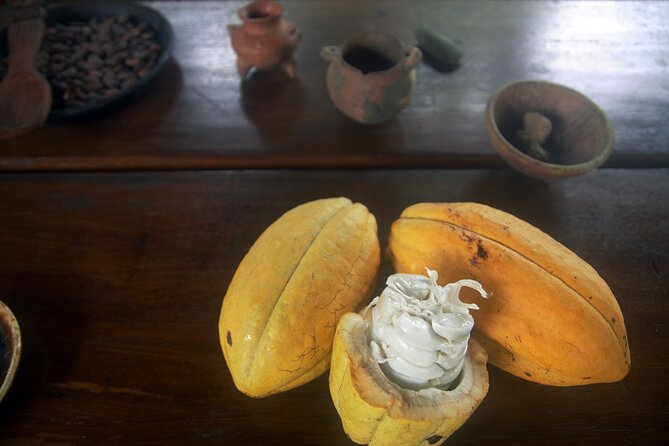
- Fresh cacao fruit straight from the plantation: Walk among the cacao trees, harvest ripe fruit, and taste the sweet pulp around the seeds.
- A working family farm: Meet the local family and see cacao growing alongside other crops, including coffee and fruit.
- Two very different cacao drinks: Prepare a traditional indigenous-style drink, then make a sweeter hot chocolate with fresh ingredients.
- Chocolate-making is hands-on: Mold your own bars and add toppings, although this part may not happen on every visit.
- Small groups keep the visit personal: The maximum group size is 12, with many sessions feeling much smaller.
- A useful two-hour stop: You get a focused farm experience without giving up a full afternoon in La Fortuna.
A small farm visit outside La Fortuna
Finca La Esperanza, also associated with the Coffee and Chocolate Tour, is in San Juan, San Isidro, in Alajuela Province. The farm is about 25 minutes from La Fortuna, making it an easy half-day addition to a day built around Arenal-area activities.
The meeting point is listed as Finca La Esperanza, Cabaña Blue Jeans. You start and finish there, so you do not need to manage separate drop-off and pick-up points. A mobile ticket is accepted, confirmation is provided when you book, and the site is near public transportation. The available information does not give a detailed transport plan, so check how you will reach the farm before setting out.
I like the simple rhythm here. You arrive, meet the family, and begin walking through their plantation rather than waiting for a long staged presentation. The visit is designed to feel participatory. You are not only watching someone prepare cacao. You are invited to taste, mix, shape, and ask questions.
The group limit of 12 matters. A farm tour can become awkward when a large crowd gathers around one tree or one worktable. Here, the smaller scale gives you a better chance to see what is happening and take part. Some visits have been especially small, including one with only four people.
More Cocoa and Chocolate Farm Tours around the world:
- Amazing Yarra Valley Wine Tour + Chocolate, Farm Fresh, Gin
★ 5.0 · 1,566 reviews - Lahaina: Maui Ku’ia Estate Guided Cacao Farm Tour and Tasting
★ 5.0 · 1,103 reviews - Kauai Chocolate Farm Tasting Tour
★ 5.0 · 666 reviews
Seeing cacao before it becomes chocolate
The walking portion begins in the cacao plantation. Your guide explains how the plant changes from a tiny flower into a full fruit, which is a useful reminder that chocolate begins as farm work, not a factory product.
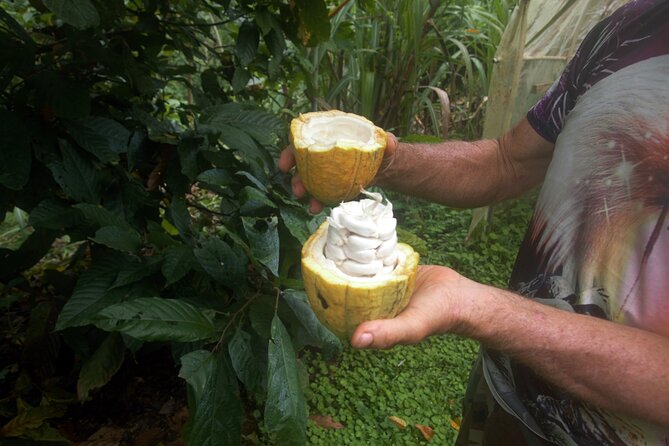
You will harvest and taste fresh cacao fruit. The fruit itself is not the finished chocolate you know from a shop. The tour lets you experience the fresh flavor and texture before the beans are turned into drinks or bars. That makes this part more than a quick tasting. It gives you a clear sense of how far the raw fruit is from a familiar chocolate square.
The farm also grows other food. The visit can include local fruit and a look at what the family produces beyond cacao. One account describes the property as a cacao and coffee farm, with a range of crops growing there. That variety helps explain how a family farm works. Cacao is the star, but it is part of a larger food system.
The walking route is also a chance to learn about farming methods. One particularly interesting topic is organic fungus control. Cacao plants can face fungal problems, and the family explains how they manage those challenges without relying on a heavily commercial approach. The information available does not specify every technique used, so expect a practical introduction rather than a formal agricultural course.
Wear shoes you can walk in comfortably. The supplied details do not promise a paved route, and this is a working plantation rather than a polished museum. Bring water and sun protection as you would for any outdoor activity in the La Fortuna area.
Ancient-style cacao drinks and Costa Rican hot chocolate
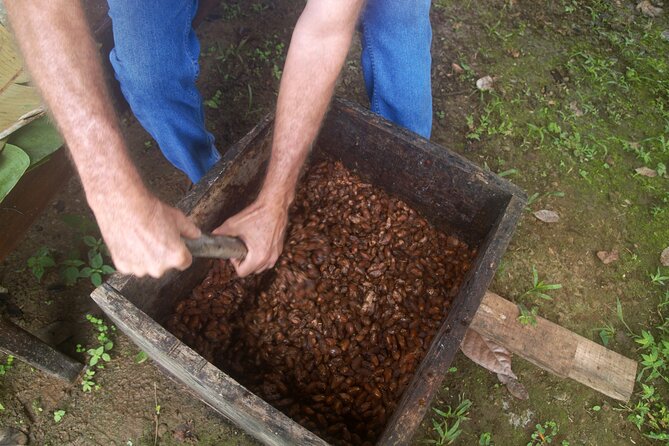
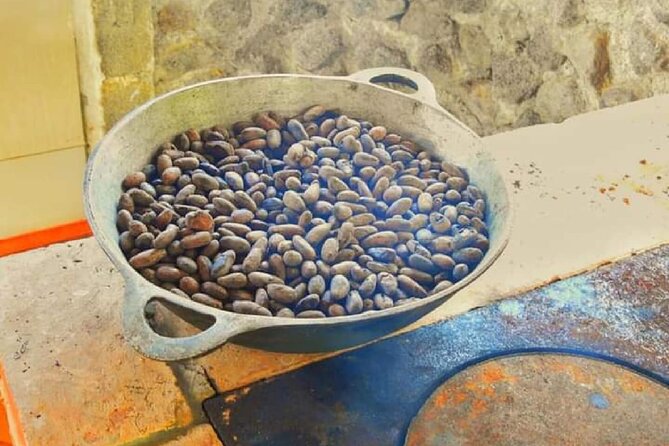
After the plantation walk, the focus shifts to cacao preparation. You will help make and taste an older style of cacao drink associated with indigenous groups. Your guide explains how this preparation differs from modern hot chocolate and connects the drink with balance, nature, body, and mind.
That contrast is the heart of the tasting. Modern hot chocolate usually brings to mind a sweet, smooth drink. The traditional preparation offers a different way to think about cacao, with the flavor and character of the ingredient more clearly in view. You get to try the drink rather than simply hear about it.
The tour then moves to a sweeter hot chocolate made with fresh ingredients, closer to the way many people drink it in Costa Rica. Tasting the two versions side by side helps you notice the difference between an older ceremonial or cultural preparation and a familiar sweet beverage.
The guide also discusses cacao’s medicinal properties and its importance as a sacred food. Treat these points as cultural and historical context, not as medical advice. The value is in hearing how cacao has been understood and used by different communities, then tasting the ingredient in forms that are not limited to a packaged candy bar.
This section suits people who enjoy food experiences with a story attached. You do not need specialist knowledge. The preparation is described as participatory, so you can take part instead of sitting through a long lecture.
Making a chocolate bar to take home
The final planned activity is molding chocolate bars from the farm’s own cacao. You can add toppings and experiment with the look of your bar, giving the session a playful finish. It is a good small souvenir because you make it during the visit rather than buying an ordinary bar from a shop.
This is also where you should keep your expectations flexible. One person enjoyed the farm walk and cacao drinks but did not get to make chocolate bars. The reason is not provided, so I would not assume the activity is guaranteed on every date. If making a bar is the main reason you want to book, confirm the plan with the operator before arrival.
When it does happen, the chocolate-making portion gives the tour a satisfying structure. You first see the plant, then taste the fresh fruit, then drink cacao in two styles, and finally shape a finished product. The sequence connects farm, culture, flavor, and craft in one short visit.
The topping option adds a little fun for children and adults alike. You can treat it as a simple food activity rather than a professional chocolatier class. The phrase about showing off your chocolatier skills is playful, not a promise of technical instruction.
More Farm Tours around the world:
- Half-Day Thai Cooking Class at Organic Farm in Chiang Mai
★ 5.0 · 19,087 reviews - Florence Pizza or Pasta Class with Gelato Making at a Tuscan Farm
★ 5.0 · 6,801 reviews - From Porto: 2 Wine Regions, Farm-to-Table Lunch & Boat
★ 4.9 · 5,724 reviews - Cooking Class and Lunch at a Tuscan Farmhouse with Local Market Tour from Florence
★ 5.0 · 4,831 reviews
What the family setting adds
The strongest part of this experience is the contact with the family that runs the farm. The atmosphere is described as personal and welcoming, with time to learn about the property and the family’s way of life. That changes the tone from a standard tasting stop to a conversation about work, food, and place.
I value this kind of visit because it gives you context that a shop cannot. A commercial chocolate tasting might explain flavor notes and production steps. Here, you also see the plants and hear about the people who care for them. You get a clearer link between the food in your hand and the land where it began.
The setting is not designed to imitate a farm. It is a real family property with working crops. That can mean fewer polished displays and less predictable timing. It also means the experience feels less manufactured, which is exactly what many people want after a few busy sightseeing stops.
The tour is conducted in English according to the available details. Service animals are allowed, and the site is near public transportation. The information does not describe restroom arrangements, walking distances, weather procedures, or full accessibility details, so contact the operator if any of those points affect your plans.
Is $45 a fair price?
At $45 for about two hours, this is not the cheapest way to buy chocolate in Costa Rica. It is also not simply a chocolate tasting. The price covers a plantation walk, fresh fruit, local fruit, two cacao drink preparations, time with a farming family, and possibly your own molded chocolate bars.
I think the cost is fair if you value the personal setting and hands-on activities. The small group helps justify the price. You are paying for an experience built around direct contact with the farm, not only for a drink and a snack.
The value is weaker if you want a formal factory tour, a long chocolate-making workshop, or a guaranteed finished bar. The visit is short, family-run, and flexible. Those are strengths for some people and limits for others.
The tour also works well as a compact addition to your schedule. At roughly two hours, it will not take over your day. You can visit the farm in the morning or afternoon and still have time for other plans around La Fortuna. Just allow enough time to reach the meeting point outside town.
Who will enjoy this farm tour most?
I would recommend it to you if you like food, small groups, local culture, and activities where you do something with your hands. Families may enjoy the fruit tasting and topping the chocolate, while adults can focus on farming methods and the cultural role of cacao.
It is also a good choice if you want a quieter break from the larger attractions around La Fortuna. The farm setting offers a slower pace, and the visit is centered on conversation and observation rather than a packed schedule.
Coffee fans may find extra interest here because the property also includes coffee farming. The main theme remains cacao, so do not book it expecting a full coffee tour. Instead, treat coffee as part of the broader picture of what the family grows.
You may want to choose another activity if you dislike outdoor walking, prefer a highly polished attraction, or need every scheduled step to be guaranteed. The bar-making activity may not take place, and the route and facilities are not described in detail.
The tour has a 4.9 rating from 35 reviews, with 97 percent recommending it. Those numbers suggest a strong record, but the one weaker account is useful because it points to the only clear uncertainty: the final chocolate-bar activity.
Booking details and cancellation
You receive confirmation at the time of booking, and you can use a mobile ticket. The experience has a maximum of 12 people, though the actual group may be smaller.
Free cancellation is available if you cancel at least 24 hours before the start time. Canceling within 24 hours, or requesting changes during that period, does not qualify for a refund. Cut-off times follow local time in Costa Rica.
Plan your arrival carefully. The meeting point is outside La Fortuna, and the activity ends back at Finca La Esperanza. Since no detailed transfer service is listed, make sure your transportation plan covers both directions.
Should you book the Chocolate and Farm Tour?
Book this tour if you want a personal farm visit, fresh cacao tasting, and a chance to meet a local family. The best parts are the plantation walk, the two contrasting drinks, and the chance to take part instead of simply watching.
Before paying, ask one practical question: will chocolate-bar molding be included on your date? If the answer is yes, the $45 price offers a well-rounded two-hour experience. If the answer is no, decide if the family setting, farm visit, and cacao tastings are enough for you.
For most food-loving visitors with room for a short outing outside La Fortuna, I think it is a good pick. It gives you a clearer understanding of cacao and a more personal connection to local farming than a quick shop visit can provide.
FAQ
Where does the Chocolate and Farm Tour take place?
The tour begins at Finca La Esperanza: Coffee and Chocolate Tour, Cabaña Blue Jeans, in San Juan, San Isidro, Alajuela, Costa Rica.
How far is the farm from La Fortuna?
The meeting point is about 25 minutes outside La Fortuna.
How long does the tour last?
The experience lasts approximately two hours.
How much does the tour cost?
The listed price is $45.
What will I do during the plantation walk?
You will walk through the cacao plantation, learn how cacao develops from a flower into fruit, and harvest and taste fresh cacao fruit.
Will I taste cacao drinks?
Yes. You will prepare and taste a traditional-style cacao drink, then prepare a sweeter hot chocolate with fresh ingredients.
Will I make chocolate bars?
The planned activity includes molding chocolate bars with toppings. However, this activity may not take place on every visit, so confirm it with the operator if it is important to you.
How large is the group?
The tour has a maximum of 12 participants.
Is the tour available in English?
The experience information states that the tour is in English.
Can I cancel for a refund?
Yes. You can receive a full refund by canceling at least 24 hours before the experience start time. Cancellations within 24 hours are not refunded.
Just added around the world
- Zanzibar:Jozani forest, Spice farm with Swahili Cuisine clas★ 4.2 · 3 reviews
- Zanzibar: Spice farm tour with Zanzibar fruits tasting★ 3.8 · 7 reviews
- ZANZIBAR, Stone town tour, Prison Island & Spice farm★ 5.0 · 11 reviews
- Zanzibar: Walking Spice Farm with Local Cooking Class★ 4.4 · 9 reviews
- Zanzibar: Stone Town City Tour and Spice Farm with Lunch★ 3.7 · 33 reviews
- Zanzibar: Spice Farm Tour with Traditional Cooking Class★ 5.0 · 2 reviews
- Zanzibar: Spice Farm Tour with Traditional Cooking Class★ 4.8 · 6 reviews
- Zanzibar: Spice Farm Tour with Traditional Cooking Class★ 4.6 · 16 reviews
Cocoa and Chocolate Farm Tours, farm by farm.
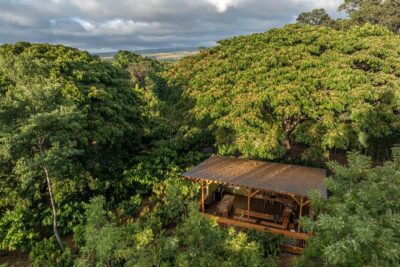
Amazing Yarra Valley Wine Tour + Chocolate, Farm Fresh, Gin
Read our review →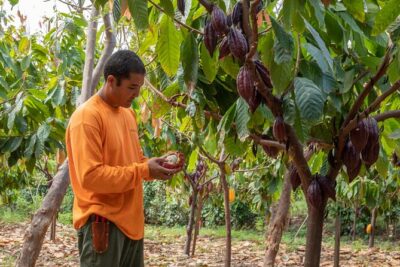
Maui Ku’ia Estate Guided Cacao Farm Tour and Tasting
Read our review →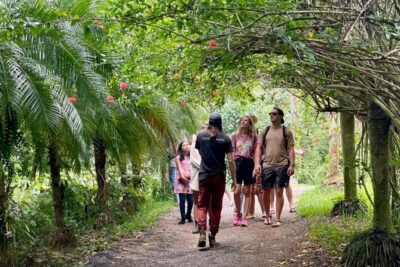
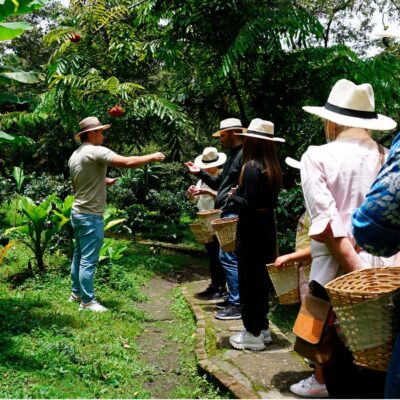
Award Winning Farm Tour: Coffee, Chocolate and Unique Gifts
Read our review →
Basel Farmer’s Market, Cheese, Chocolate & Pastry Tour
Read our review →
Craft Chocolate Tasting and Farm Experience on the Big Island
Read our review →Other lists this farm sits on