
REVIEW · BIG ISLAND
Craft Chocolate Tasting and Farm Experience on the Big Island
Chocolate begins in the orchard. This small-group cacao tour near Hilo follows chocolate from flower and pod to fermented bean and finished bar, with ocean views, fresh fruit, and plenty of tasting along the way. I especially like the farm walk and the relaxed teaching style of Wrenn, Colin, Jude, and Ren. The main drawback is location: if you are staying near Kona, the drive can take about two hours each way.
The tasting is unusually broad, moving beyond chocolate bars to fresh cacao pulp, cacao juice, roasted beans, cacao tea, drinking chocolate, sugarcane, and seasonal fruit. At $135 per person, it is not a cheap snack stop, but the three-and-a-half-hour visit feels like a full agricultural and food lesson rather than a quick tasting.
Why this Big Island chocolate tour is worth your time
- Cacao begins in the orchard: Walk among the trees and see pods, seedlings, grafting, harvest stages, and the farm’s approach to disease and production.
- A dozen or more flavors may appear: Tastings can include Hawaiian craft chocolate, single-origin bars, cacao tea, drinking chocolate, roasted beans, and fresh cacao pulp.
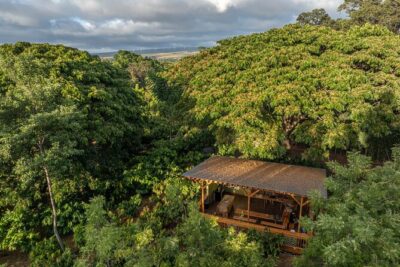
- The setting does half the work: Honolii Orchards’ tasting room sits above the canopy with views toward the ocean and valley.
- It connects Hawaii to world chocolate: You learn about cacao’s origins in ancient Mesoamerica and the modern craft movement.
- The group stays small: A maximum of 15 people allows time for questions and a slower pace.
- The Kona drive matters: The farm is about five minutes from Hilo, but roughly two hours from Kona, making this much easier for a Hilo-based itinerary.
Arriving at Honolii Orchards near Hilo
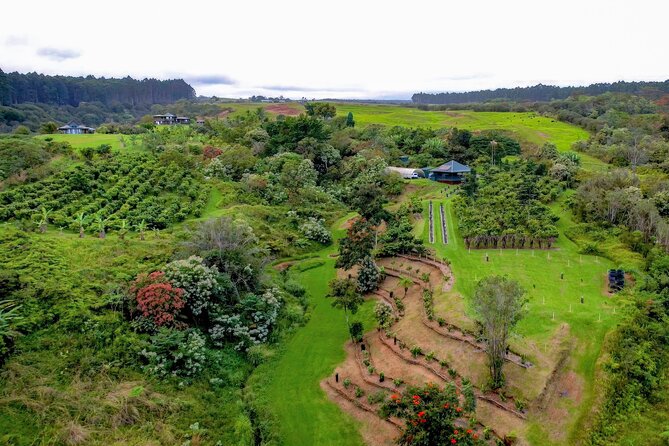
The tour begins at 10 a.m. at 1533 Puia Road, about 1.7 miles up the road from the main route. The farm is only about five minutes from Hilo, yet the setting feels far removed from town. You pass through back roads associated with historic ulu, sugarcane, macadamia, and cattle land.
That short rural approach is part of the appeal. This is not a polished storefront in a shopping district. You are heading to working agricultural land, where cacao fits into a broader story about farming on the Hamakua Coast.
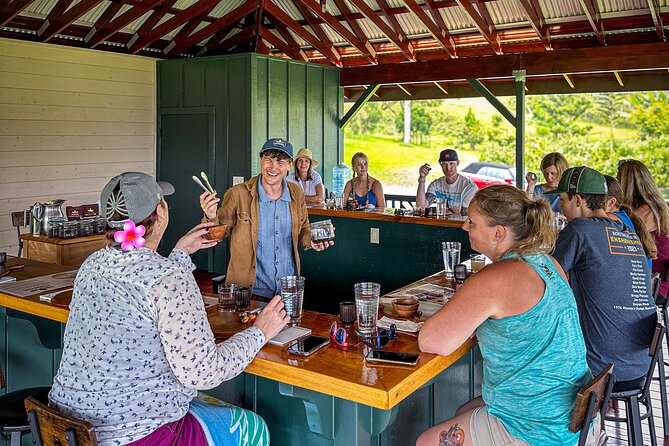
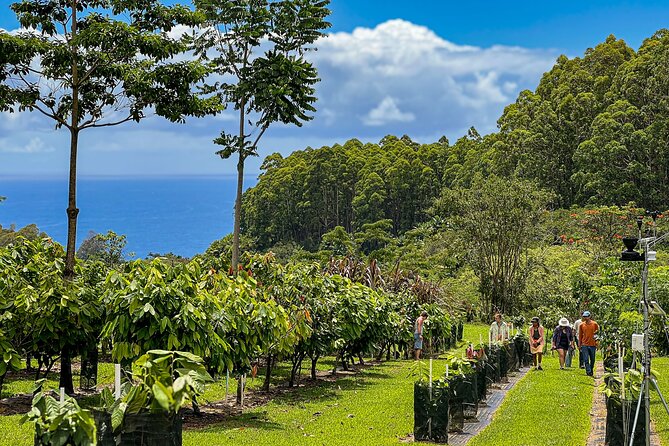
On arrival, you settle into the Honolii Orchards Tasting Room. The room sits above the tree canopy, giving you broad ocean and valley views while the hosts explain the farm and the area’s agricultural past. It is a good opening because you get your bearings before walking among the cacao trees.
The setting also gives the tour a calm rhythm. You are not rushed from one display to another, and the conversation can feel informal. The tradeoff is that this is a farm visit, not an amusement attraction. The appeal comes from the people, the setting, and the subject itself.
More Cocoa and Chocolate Farm Tours around Big Island:
- Award Winning Farm Tour: Coffee, Chocolate and Unique Gifts
★ 5.0 · 484 reviews - Amazing Yarra Valley Wine Tour + Chocolate, Farm Fresh, Gin
★ 5.0 · 1,566 reviews - Lahaina: Maui Ku’ia Estate Guided Cacao Farm Tour and Tasting
★ 5.0 · 1,103 reviews
Walking through the cacao orchard
The orchard walk is the part I would not skip. You can book a chocolate tasting, but the farm portion explains why the finished samples taste so different from one another.
Wrenn Bunker guides the orchard portion, while Colin and other hosts may contribute their own farming and chocolate knowledge. The teaching covers the cacao plant’s life cycle, from seedlings and grafting to flowering, pod development, harvesting, fermentation, and drying.
You also learn why growing cacao is not as simple as planting a tree and waiting for chocolate. The farm work includes dealing with disease, low production, and differences among cacao varieties. Genetics matter, but so do soil, weather, cultivation choices, and the place where the tree grows.
That idea is called terroir in the food world. You may know it from wine, but it applies to cacao as well. Two beans can produce noticeably different flavors because of their genetics and growing conditions. The tour helps you connect those abstract ideas to actual trees and pods.
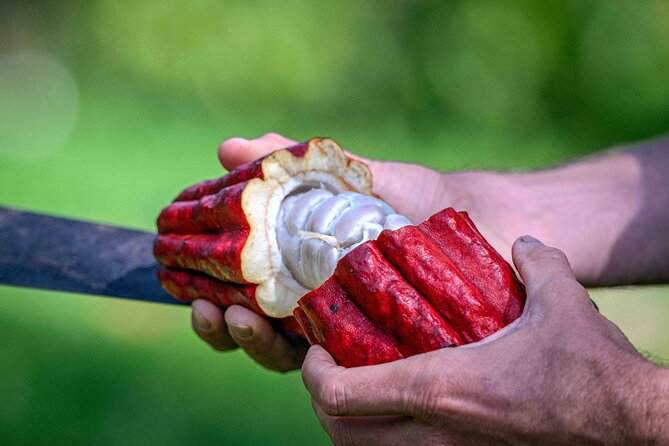
The orchard also gives you a chance to taste cacao in forms you may never have tried. Depending on the season, you might sample the sweet pulp from a fresh pod, raw cacao beans, sugarcane, apple bananas, or lychee. The fresh pulp is especially useful for understanding that cacao fruit is not simply a bitter bean inside a pod. The fruit has its own flavor and texture, and the bean becomes chocolate only after several carefully controlled steps.
The walking portion is not described as strenuous, but you should still be ready for an outdoor farm visit. Weather can affect the schedule, and one person noted feeling tired after the orchard walk before the tasting restored their energy. Bring sensible footwear and do not arrive expecting to remain seated for the entire three and a half hours.
Fermentation is where cacao changes character
For many people, fermentation is the most surprising part of the tour. A cacao pod does not contain ready-to-eat chocolate. The beans must be removed, fermented, dried, roasted, and processed before they become the bar you know.
The farm visit shows how fermentation affects flavor and quality. This stage is not a minor technical footnote. It helps determine whether the finished chocolate tastes fruity, nutty, earthy, floral, or harsh.
You may see or discuss active fermentation as part of the farm’s work. Colin is especially focused on cultivation and the science behind the crop, while Wrenn brings historical context and energy to the presentation. Their different interests make the subject easier to follow. One explains what happens in the field, while the other connects the process to chocolate’s wider story.
The tour also touches on the relationships between Hawaiian cacao growers and chocolate makers. That matters because Hawaii’s craft chocolate scene is still developing, and local production depends on careful growing, processing, and collaboration.
You should not expect every step of commercial chocolate manufacturing to happen on site. The emphasis is on understanding the farm-to-bar chain and seeing how growing and post-harvest decisions shape the final product.
From ancient Mesoamerica to Hawaiian craft chocolate
After the orchard, the tour turns toward chocolate’s long cultural story. You learn about cacao’s roots in ancient Mesoamerica, then move forward to the modern craft movement and Hawaii’s place in it.
This section adds needed context to the tasting. Without it, sampling several bars can become a blur of dark, darker, sweet, and slightly less dark. With the background, you have a better idea why cacao has mattered for centuries and why small producers care so much about origin and processing.
Wrenn leads the history and tasting portions with an animated style. Several comments about the tour point to his theatrical enthusiasm, while Colin brings a strong interest in research, farming, and cultivation. Jude, Ren, and other hosts help create the friendly, conversational atmosphere.
The tone is educational without feeling like a classroom lecture. You can ask questions, compare impressions, and follow the story from plant to finished chocolate. I like that the tour does not treat chocolate as a simple luxury. It presents it as an agricultural product with cultural, scientific, and economic layers.
More Food and Drink Tours around Big Island:
- Kona Coffee Farm Tour from Tree to Tasting Room
★ 5.0 · 36 reviews - Hamakua Coast Farm Small-Group Walking and Tasting Tour
★ 5.0 · 4 reviews - Sorrento Farm and Food Experience including Olive Oil, Limoncello, Wine tasting
★ 5.0 · 2,524 reviews - Pizza School with Wine and Limoncello Tasting in a Local Farm
★ 5.0 · 845 reviews
The tasting goes far beyond chocolate bars
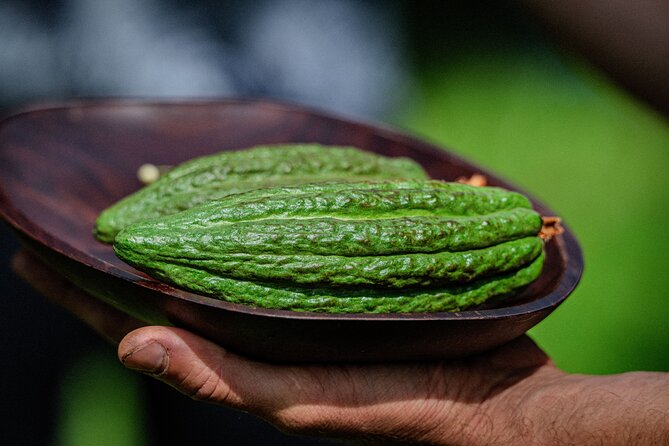
The tasting is generous. Depending on the day’s selections, you may try around 10 to 12 chocolates, along with several cacao products and local fruits.
A typical progression can include:
- Fresh cacao pulp from the pod
- Cacao juice
- Roasted cacao beans
- Cacao tea
- Drinking chocolate
- Craft chocolate from Hawaii
- Single-origin chocolate with different flavor notes
- Seasonal fruit such as apple bananas or lychee
The point is not simply to eat as much chocolate as possible, though you will not leave short on samples. You are shown how to taste slowly and notice differences in aroma, texture, acidity, bitterness, sweetness, and finish.
This is where the tour’s wine comparison makes sense. Just as grapes from different places can produce different wines, cacao from different genetics and growing conditions can create different chocolate. You may discover fruit, spice, nuts, flowers, or earthy notes that you previously missed.
The drinking chocolate can be a pleasant change of pace, especially if you prefer a softer and warmer style. One person found it grew on them after the initial tasting, which is a useful reminder that not every sample will suit every palate.
If you already love dark chocolate, you will probably get the most out of the tasting. Still, the range of fruit, tea, juice, and lighter samples keeps it from becoming a long parade of similar bars. Families can also enjoy it, and older children and teenagers have stayed engaged for the full three-plus hours.
The setting adds real value
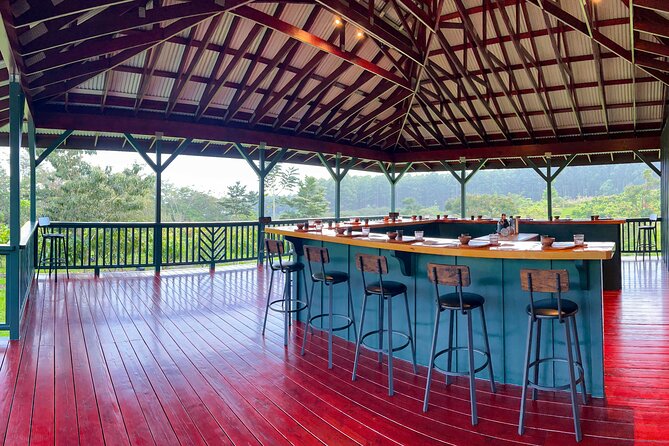
The ocean and valley views from the tasting room are not a decorative extra. They give you a restful place to talk through what you have seen in the orchard and tasted at the table.
The farm’s location also makes the tour feel connected to Hilo’s agricultural side. You are not just buying a local product in town. You are seeing trees, pods, fermentation work, and the people trying to build a Hawaiian craft chocolate industry.
That authenticity is one of the strongest reasons to book. The hosts speak with obvious enthusiasm about sustainable practices, research, and the future of cacao in Hawaii. Their excitement is infectious, but the tour still leaves room for questions and a relaxed pace.
You may also meet Darwin, a friendly farm dog mentioned fondly by several visitors. He is an added bit of farm character, not a scheduled part of the program, so do not book this as an animal encounter.
Is $135 a fair price?
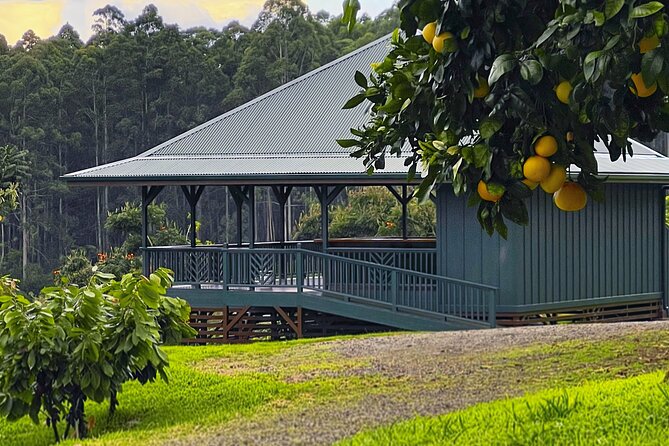
At $135 per person, this costs more than a short tasting or a standard farm stop. The value comes from the length and range of the visit: orchard time, agricultural instruction, chocolate history, local context, multiple drinks and foods, and an extended tasting.
You are paying for more than the ingredients. The tour offers access to a working cacao farm, views, small-group attention, and hosts who spend several hours explaining the process. If you only want a few samples and a souvenir bar, the price may feel high.
If you enjoy food production, agriculture, Hawaii’s local economy, or serious chocolate, the cost is easier to justify. The visit also gives you a better basis for choosing craft chocolate later, since you learn how origin, genetics, fermentation, and roasting affect flavor.
Products may be available for purchase at the end, including Manoa chocolate made in Hawaii. That gives you a chance to take home a favorite, but purchases are separate from the tour price.
Who should book this farm experience?
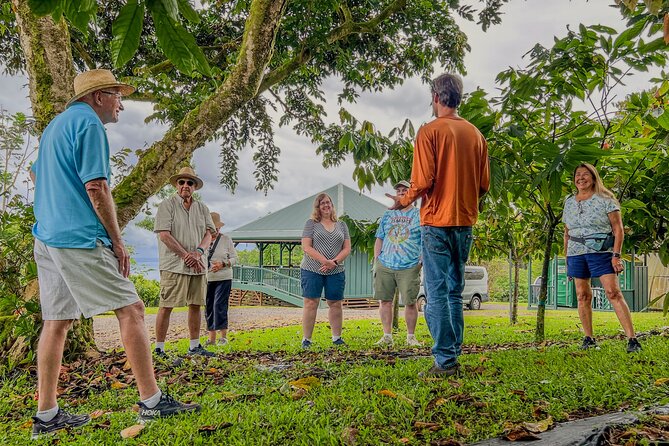
I would recommend it most strongly for:
- Chocolate lovers who want more than a standard tasting
- Couples looking for a relaxed half-day activity
- Families with older children or teenagers
- Solo visitors who enjoy food, farming, and conversation
- People staying in Hilo who want a local activity close to town
- Anyone curious about Hawaii’s small craft food producers
It is less suitable if you dislike chocolate, want a fast activity, or are building a packed day of sightseeing. The tour lasts about three and a half hours, and the relaxed format means you should not plan a tight appointment immediately afterward.
The Kona distance is the biggest planning issue. The drive can take about two hours each way, so I would not make this a casual side trip from the west side unless chocolate is a major priority. If you are dividing your stay between Kona and Hilo, schedule it on your Hilo days.
The tour is offered in English, uses mobile tickets, allows service animals, and has a maximum of 15 people. It ends back at the starting point. Free cancellation is available up to 24 hours before the 10 a.m. start time. Weather or minimum group requirements can also lead to a cancellation, with another date or a full refund offered in those cases.
My call: book it if chocolate is part of your Hawaii plan
This is one of those activities that can surprise you by being much broader than its title suggests. You are not simply eating chocolate. You are learning how cacao grows, why fermentation matters, how Hawaii fits into the craft movement, and how to taste the finished product with more attention.
I would book it if you are staying near Hilo, have half a day available, and want a personal food experience rather than a large commercial attraction. The orchard, the views, the fresh cacao pulp, and the hosts’ enthusiasm make the $135 price easier to accept.
If you are based near Kona and would need a four-hour round trip, make the decision more carefully. For serious chocolate fans, it can still be worth the drive. For everyone else, save it for a Hilo day.
FAQ
Where does the cacao farm tour begin?
It begins at 1533 Puia Road, Hilo, Hawaii 96720. The farm is about five minutes from Hilo and 1.7 miles up Puia Road.
What time does the tour start?
The tour starts at 10 a.m.
How long does the experience last?
It lasts approximately three hours and 30 minutes.
How much does the tour cost?
The listed price is $135 per person.
What is included in the experience?
The tour includes coffee or tea, bottled water, and chocolate. The tasting also includes cacao products and seasonal fruit as part of the farm visit.
How large is the group?
The experience has a maximum of 15 travelers.
Is the tour offered in English?
Yes. The experience is offered in English and uses a mobile ticket.
What happens if I need to cancel?
You can cancel at least 24 hours before the start time for a full refund. Cancellations or changes made within 24 hours are not accepted for a refund. If poor weather or an insufficient number of participants causes the tour to be canceled, you will be offered another date or a full refund.
Just added around Big Island
- Sunset Kona Salt Farm Tour★ 5.0 · 55 reviews
- Hala Tree Coffee Farm Tour★ 5.0 · 44 reviews
- Edible Hibiscus Guided Farm Tour (Big Island)★ 5.0 · 31 reviews
- Farm to Table Cooking Class at Kulaniapia Falls★ 4.5 · 36 reviews
- Hamakua Coast Farm Small-Group Walking and Tasting Tour★ 5.0 · 4 reviews
- Big Island Family Off Road Farm Adventure at Ohana Ranch★ 5.0 · 43 reviews
- Bottle Feed & Cuddle Baby Goats at Ohana Ranch (Big Island)★ 5.0 · 29 reviews
- Farm-to-Table Chef’s Dinner at Kulaniapia Falls★ 4.5 · 42 reviews
Cocoa and Chocolate Farm Tours, farm by farm.
Amazing Yarra Valley Wine Tour + Chocolate, Farm Fresh, Gin
Read our review →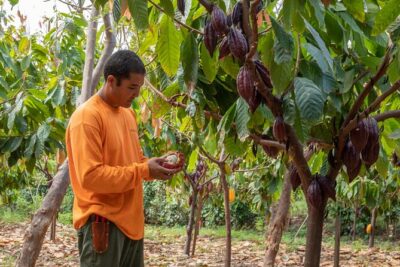
Maui Ku’ia Estate Guided Cacao Farm Tour and Tasting
Read our review →
Award Winning Farm Tour: Coffee, Chocolate and Unique Gifts
Read our review →
Basel Farmer’s Market, Cheese, Chocolate & Pastry Tour
Read our review →
Boti Falls, Umbrella Rock, Aburi Gardens & Cocoa Farm Tour
Read our review →Other lists this farm sits on