
REVIEW · GUAYAQUIL, ECUADOR
Cacao Farm Excursion Day Trip from Guayaquil
Chocolate begins with a fruit. This private Guayaquil excursion takes you from hotel pickup to a family cacao farm near Naranjal, where you can see the crop, process beans, make chocolate, and eat lunch made with farm ingredients. I like the hands-on chocolate work and the warm, personal welcome from guides such as Jaime and Jamil. I also like that the farm grows far more than cacao, including rice, mango, papaya, dragon fruit, avocado, and breadfruit.
The main drawback is the road time. The farm sits about 32 miles from Guayaquil, and traffic can make the trip feel longer than expected. Bring bug repellent and sunscreen, and understand that this is a rural working farm, not a polished chocolate museum.
Key points to know before you book
- Make chocolate from cacao beans: Toast, husk, grind, and turn the beans into a thick paste before tasting chocolate and hot chocolate.
- Eat a true farm lunch: Organic ingredients grown on the property are used in a traditional Ecuadorian meal.
- Meet a working family farm: The 30-acre property includes cacao, rice, tropical fruit, vegetables, and a cacao greenhouse.
- Enjoy a private outing: Only your group takes part, with hotel pickup and return in Guayaquil.
- Plan for insects and heat: Long sleeves, light clothing, sunscreen, and bug spray will make the visit more comfortable.
- Expect a strong guide-led day: Jaime, Eddie, Adrian, and other local guides have been praised for their stories about Ecuador and the city.
Why this cacao trip is worth your time
Guayaquil is a useful base for seeing Ecuador’s coast, but the city itself does not show you much about how rural food reaches the table. This excursion fixes that. In about four hours, you leave the city, visit a family-run farm, learn how cacao is grown and processed, and sit down to a fresh meal.
I like the way the experience links farming, food, and local family life. You do not simply look at cacao trees and take a few pictures. You handle the fruit, work with the beans, and see why chocolate takes more effort than opening a wrapper.
The setting also gives the day a wider purpose. The farm lies near the hills of the Churute ecological reserve and the Churute River, with fields and fruit trees around it. You are not signing up for a major attraction with crowds and display cases. You are visiting a countryside property where cacao is one part of daily work.
The price is $205.72 per person, which is not cheap for a four-hour outing. Still, the cost includes private transportation from your Guayaquil hotel, a guide, farm instruction, tastings, and lunch. For a couple or family that wants a private experience without arranging a driver, the price can make sense. Solo visitors should think harder about the value, since the price is charged per person.
More Cocoa and Chocolate Farm Tours around the world:
- Amazing Yarra Valley Wine Tour + Chocolate, Farm Fresh, Gin
★ 5.0 · 1,566 reviews - Lahaina: Maui Ku’ia Estate Guided Cacao Farm Tour and Tasting
★ 5.0 · 1,103 reviews - Kauai Chocolate Farm Tasting Tour
★ 5.0 · 666 reviews
Leaving Guayaquil at 10am
Your guide collects you at a centrally located hotel at 10am. The drive to the farm takes about 40 minutes under normal conditions, though traffic leaving Guayaquil can slow things down. That short transfer is useful because it gives the guide time to explain the city, Ecuadorian life, and the route ahead.
Several guides have been singled out for making the drive part of the experience. Jaime is praised for his humor, stories, and clear explanations. Eddie and Adrian have also received warm approval for their friendly manner. Guide quality can vary by date, and the tour may operate with a multilingual guide, but the operator has a strong record of pairing the farm visit with local commentary.
You ride in a private group rather than joining a large bus. That matters here. A small group makes it easier to ask questions, handle the cacao, and talk with the farm family. It also gives you more flexibility in how much time you spend tasting fruit or watching a particular step.
The trip is listed as about four hours. Keep in mind that rural traffic may stretch the schedule. One past outing that included extra mangrove and wildlife stops took much longer and involved rough roads and a basic boat, but those activities were not part of the standard cacao excursion described here. Confirm that you are booking the cacao farm trip alone if you want the shorter program.
Arriving at the 30-acre family farm
The Cacao y Mango Farm is a family property of about 30 acres, or 12 hectares. Its name gives you a hint of the variety. Cacao shares space with mango, papaya, dragon fruit, avocado, breadfruit, rice, tomatoes, green peppers, lemongrass, and other crops.
That variety is one of the best parts of the visit. Cacao does not grow in isolation, and the farm helps you see how a rural property may produce ingredients for both sale and household use. You might move from cacao trees to other fruit trees, then notice that some of the vegetables and herbs will appear on your lunch plate.
The property also has a cacao greenhouse and sits near the Churute area. You may see tropical plants and small animals along the way, but this is not a wildlife tour, so do not book it expecting guaranteed animal sightings. The focus is food production and the people who do the work.
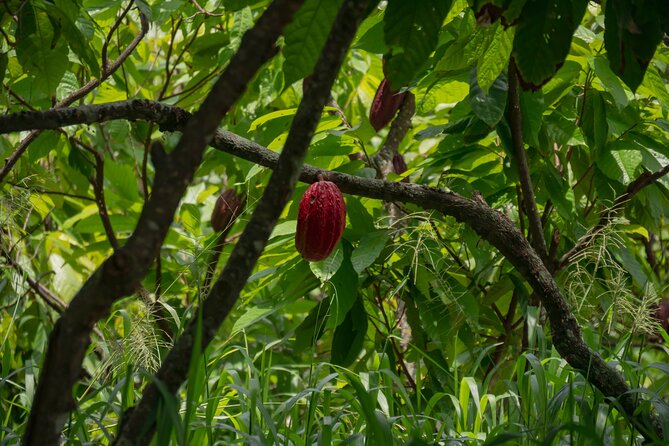
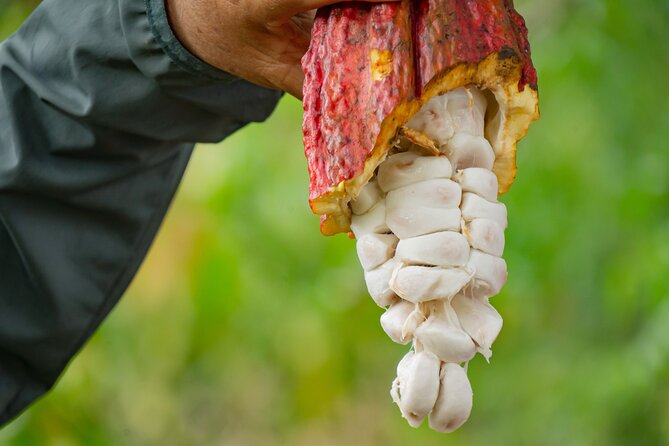
The farm owners and guides explain the growing cycle from seeds to mature trees and harvested pods. You see the fresh cacao fruit before it becomes anything like the chocolate sold in shops. That first look is important: the beans come inside a large pod surrounded by sweet white pulp, a form very different from a finished bar.
From cacao seed to chocolate paste
The farm demonstration follows the crop through its main stages. You learn how the seeds are sown, how trees are cared for, and how the fruit is harvested. Then the process becomes hands-on.
You can help toast the cacao seeds, remove their husks, and grind the beans. The grinding produces a thick cacao paste, which is the base for chocolate before sugar, milk, and flavorings are added. This is the moment when the tour becomes more than a farm walk. You are doing part of the work yourself, and the final taste makes more sense because you have seen each step.
Some outings include making your own chocolate bars to take home. You may also prepare hot chocolate from the ground cacao, with sugar and water. The experience can include tasting the beans in several forms, from raw or freshly processed cacao to a drink and finished chocolate.
I appreciate this sequence because it corrects a common misunderstanding. Cacao is not naturally a candy bar. It is a farm crop that needs careful handling, processing, and added ingredients before it becomes the sweet food most of us know.
The farm guides, including Jamil, Simon, and farm owner Shirley in different visits, have been praised for explaining the process in a friendly and lively way. You will likely get more from the tour if you ask about labor, farming methods, and the family’s history rather than simply waiting for the next tasting.
More One-Day Trips around the world:
- Gaucho Day Trip from Buenos Aires: Santa Susana Ranch
★ 4.0 · 272 reviews - Amsterdam: Day trip to Tulip Farm, Keukenhof + Windmill Cruise
★ 4.5 · 211 reviews - Gaucho Experience: A Day Trip to Don Silvano Ranch
★ 4.0 · 148 reviews - Appenzell Alps Day Trip from Zurich – Farm Life & Cheese Tasting
★ 4.5 · 148 reviews
A farm lunch that earns its place
After the cacao work, you sit down for a typical Ecuadorian meal prepared with ingredients grown on the property. Lunch is included, along with food tastings, but drinks are not included, so plan to pay separately for those if needed.
The menu can change. One meal included crab empanadas, fried fish with rice, and frozen chocolate cake. Other descriptions mention a three-course lunch and traditional Ecuadorian dishes. The important point is freshness rather than a fixed menu. Ingredients are sourced from the farm when possible, and the meal is prepared as part of the family’s hospitality.
Lunch is repeatedly praised as a high point of the outing. Some visitors have found it better than meals at expensive city hotels. That is not a promise about every menu, but it tells you what makes this experience special: the meal feels connected to the place you have just toured.
Guides may eat with you, which creates a relaxed chance to ask about Ecuador, Guayaquil, and rural life. If you enjoy conversation over a long meal, this will add a lot to the day. If you prefer a quick visit, the lunch may make the four-hour schedule feel full.
The farm also sells chocolate and coffee in some instances. Buying directly from the family can be a pleasant way to take home something tied to the visit, though the supplied details do not specify product prices or payment methods.
What the transport and timing are really like
Hotel pickup and drop-off simplify the day. You do not need to find a rural bus, arrange a taxi, or negotiate a driver for the return trip. This is especially useful if you have only a short stay in Guayaquil or are traveling with children.
The property is about 32 miles from the city, but distance on a map does not tell the full story. Road conditions and traffic can affect the schedule. One account of a different, upgraded outing described heavy traffic, a long bus ride, and rough unpaved roads near the mangroves. The standard cacao tour is more focused, but you should still expect a country drive rather than a fast highway transfer.
The tour is private, meaning only your group participates. That is a major benefit at this price. You get direct contact with the guide and farm family, and you are not waiting for a large group to finish each stage.
The experience is suitable for most people, and children can take part when accompanied by an adult. The child rate applies only when sharing with two paying adults. Families with young children and teenagers have found the educational content manageable, with enough tasting and making to keep the visit active.
Heat, insects, and practical comfort
This is a tropical farm. Bring bug repellent, even if the operator sometimes has some available. One useful clothing tip is to wear long trousers and sleeves, and avoid black clothing if mosquitoes bother you. Sunscreen is also essential.
Wear clothes that can handle a little dust or food contact. You will be handling cacao and moving around a working property, so this is not the place for delicate outfits. Comfortable shoes will help, though no special hiking equipment is listed.
The available information does not promise air conditioning or special facilities at the farm. A past excursion that added other stops raised concerns about basic rural facilities, but those comments relate to the extra mangrove and swamp portion, not the cacao visit itself. You should still expect a simple countryside setting rather than a fully equipped visitor center.
Children must be accompanied by an adult. Most people can participate, but if anyone in your group has mobility concerns, ask the operator about the walking surfaces and farm setup before booking. The supplied information does not give detailed accessibility specifications.
Who will enjoy this most
I would choose this excursion for families, couples, food lovers, and anyone who wants a rural counterpoint to Guayaquil. Children and teenagers get a clear activity, not just a lecture, because they can touch, grind, taste, and make chocolate.
It also suits solo visitors who value a private guide and do not mind the per-person cost. The farm hosts and guides have a reputation for welcoming individual visitors and making the day conversational.
You may want to skip it if you have very little patience for road traffic, tropical insects, or a simple farm setting. It is also not the right choice if your main goal is a polished chocolate factory tour, a long wildlife outing, or a full-day visit to Churute. The standard program is about cacao, farming, lunch, and local contact.
The best fit is someone who sees food as a way to understand a place. You leave with more than chocolate. You learn how a crop grows, how a family uses its land, and how much work sits behind a familiar sweet.
Booking advice and cancellation terms
The experience costs $205.72 per person and is often reserved about 13 days ahead. Since it is private and the farm needs to prepare for your visit, booking early is sensible, especially for families or a specific date.
Confirmation is provided when you book. Free cancellation is available up to 24 hours before the 10am start time. A cancellation made less than 24 hours before departure is not refundable, and changes inside that window are not accepted. If a missed flight or sudden schedule change could affect your plans, do not wait until the last day to contact the operator.
Should you book the Guayaquil cacao farm excursion?
Book it if you want a personal, food-centered look at Ecuador beyond the city. The strongest reasons are the hands-on bean processing, the family welcome, the private transport, and the generous farm lunch.
I would be cautious only if four hours feels too short for a countryside trip or if you dislike heat, insects, and possible traffic delays. Bring repellent, sunscreen, and an appetite. For families and curious food lovers, this is one of the more meaningful ways to spend a half-day near Guayaquil.
FAQ
How long is the cacao farm excursion?
The experience lasts approximately four hours, including the journey from Guayaquil, the farm visit, lunch, and return hotel transfer.
What time does the tour begin?
Hotel pickup is scheduled for 10am from a centrally located Guayaquil hotel.
Is hotel transportation included?
Yes. Hotel pickup and drop-off in Guayaquil are included in the price.
Is lunch included?
Yes. A farm lunch made with organic ingredients grown on the property is included. Drinks are not included.
Can children join the tour?
Yes. Children must be accompanied by an adult, and the child rate applies only when sharing with two paying adults.
What should I bring?
Bug repellent and sunscreen are recommended. Long sleeves and long trousers can also help with mosquitoes and sun exposure.
Just added around the world
- Zanzibar:Jozani forest, Spice farm with Swahili Cuisine clas★ 4.2 · 3 reviews
- Zanzibar: Spice farm tour with Zanzibar fruits tasting★ 3.8 · 7 reviews
- Zanzibar: Stone Town City Tour and Spice Farm with Lunch★ 3.7 · 33 reviews
- ZANZIBAR, Stone town tour, Prison Island & Spice farm★ 5.0 · 11 reviews
- Zanzibar: Walking Spice Farm with Local Cooking Class★ 4.4 · 9 reviews
- Zanzibar: Spice Farm Tour with Traditional Cooking Class★ 5.0 · 2 reviews
- Zanzibar: Spice Farm Tour with Traditional Cooking Class★ 4.8 · 6 reviews
- Zanzibar: Spice Farm Tour with Traditional Cooking Class★ 4.6 · 16 reviews
Cocoa and Chocolate Farm Tours, farm by farm.
Amazing Yarra Valley Wine Tour + Chocolate, Farm Fresh, Gin
Read our review →
Maui Ku’ia Estate Guided Cacao Farm Tour and Tasting
Read our review →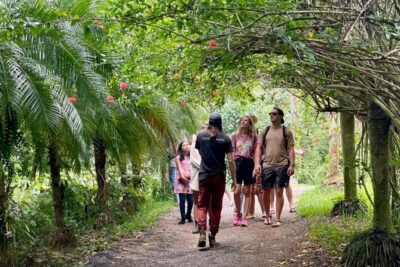
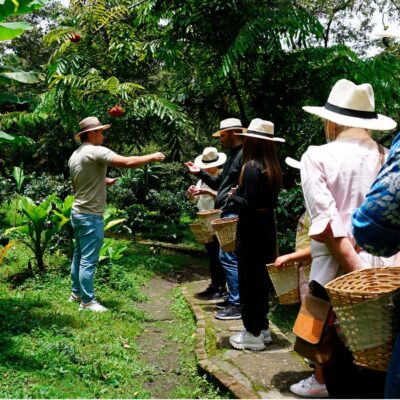
Award Winning Farm Tour: Coffee, Chocolate and Unique Gifts
Read our review →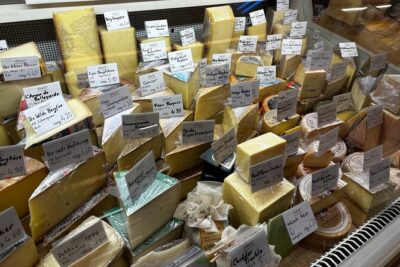
Basel Farmer’s Market, Cheese, Chocolate & Pastry Tour
Read our review →
Craft Chocolate Tasting and Farm Experience on the Big Island
Read our review →Other lists this farm sits on