
REVIEW · BIG ISLAND
Big Island Farms Tour in Hawaii
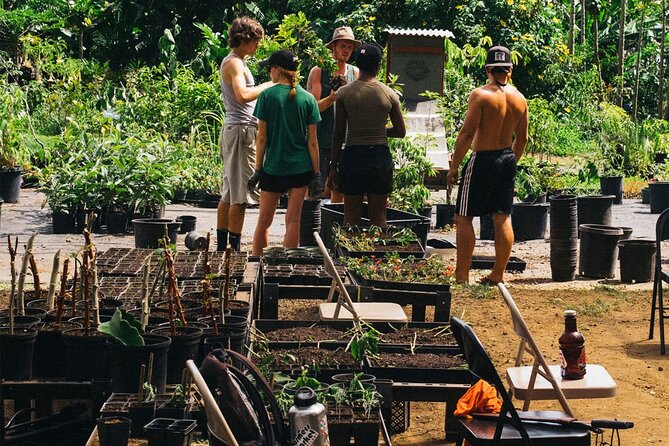
Fresh fruit makes a fine classroom. This one-hour Big Island Farms Tour takes you through a working farm near Honokaa, where you can taste tropical produce, smell unusual leaves, and learn how regenerative farming works. I like the hands-on tasting and the way the guide keeps children involved with short quizzes. I also like the small-group limit of 10 people, which should make questions easier.
The main consideration is the short running time. You get a lively introduction to the farm, not a full day of agricultural study, and the moderate fitness requirement means you should be comfortable walking around a farm. Weather can also affect the outing, so keep your plans flexible.
Key things to know before you go
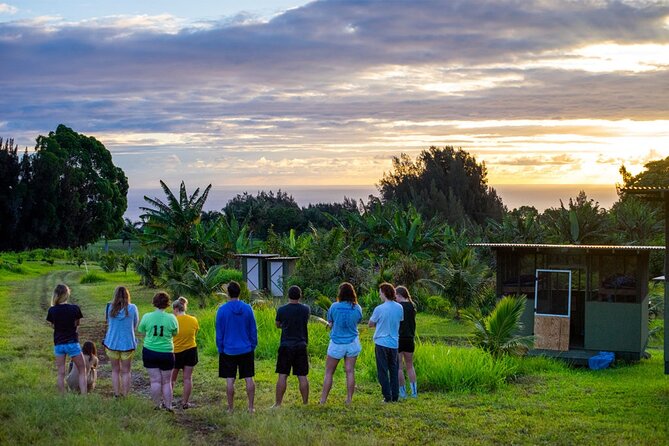
- You taste plants straight from the farm: Tropical fruits and leaves such as curry leaf, cranberry hibiscus, and neem are part of the experience.
- The tour is built for families: Guides use interaction and occasional spot quizzes to keep young children and adults involved.
- You learn more than plant names: The focus includes regenerative design, permaculture, farming, and possible medical uses of local plants.
- The group stays small: A maximum of 10 people gives the tour a personal feel and leaves room for questions.
- The farm store is your meeting point: You can meet the guide at 47-4667 Honokaa-Waipio Road in Honokaa.
- The hour ends where it begins: You return to the same meeting point, with free cancellation up to 24 hours before the start time.
A one-hour farm walk with plenty to taste
Big Island Farms Tour is a compact agricultural outing in Honokaa, on Hawaii Island. The format is simple: meet at the farm store, walk with a guide, learn about the farm’s plants and design ideas, and sample produce along the way.
That simplicity is part of its appeal. You do not need to commit half a day to reach a remote farm or sit through a long lecture. In about an hour, you get a close look at plant-based farming and a chance to taste ingredients that may be unfamiliar even if you already know Hawaii’s better-known fruits.
I especially like the way the tour uses several senses. You are not only told about plants. You may taste fresh fruit, rub or smell leaves, and notice how different plants vary in scent and flavor. Curry leaves, cranberry hibiscus, and neem are specifically included, giving the walk a wider range than a basic fruit-picking stop.
The experience is offered in English and uses a mobile ticket. Admission is listed as free in the tour details, though you should check the final booking screen for the exact terms of your reservation and any separate purchases at the farm store.
More Farm Tours around Big Island:
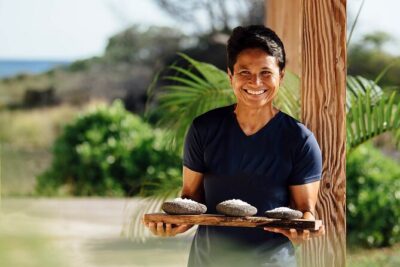
- Hawaiian Salt Farm Tour in Kona
★ 5.0 · 767 reviews - Award Winning Farm Tour: Coffee, Chocolate and Unique Gifts
★ 5.0 · 484 reviews - Small-Group Big Island Tour: Hawaii Volcanoes National Park and Kona Coffee Farm
★ 5.0 · 343 reviews
Meeting your guide at the Honokaa farm store
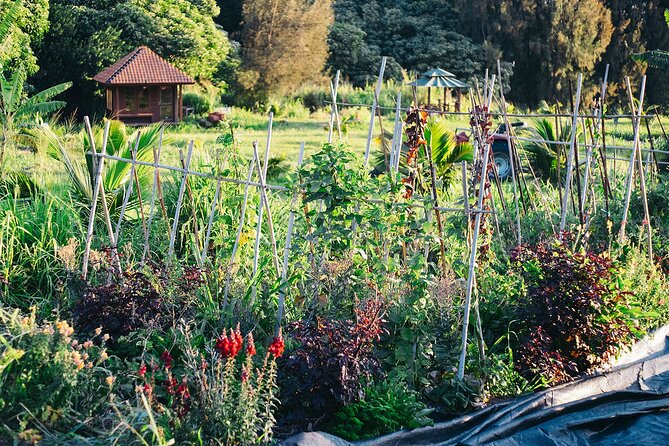
The tour starts at 47-4667 Honokaa-Waipio Road, Honokaa, Hawaii 96727. You meet the guide at the farm store, which makes the starting point easy to identify and gives you a practical place to get oriented before walking.
The activity ends at the same location. That matters if you are fitting the tour into a larger day of sightseeing because you do not need to arrange a separate pickup point at the end.
The available information does not describe public transportation, parking, or driving times, so you should plan those details before setting out. The meeting point is the part you can rely on: arrive at the farm store address and be ready for an outdoor walk.
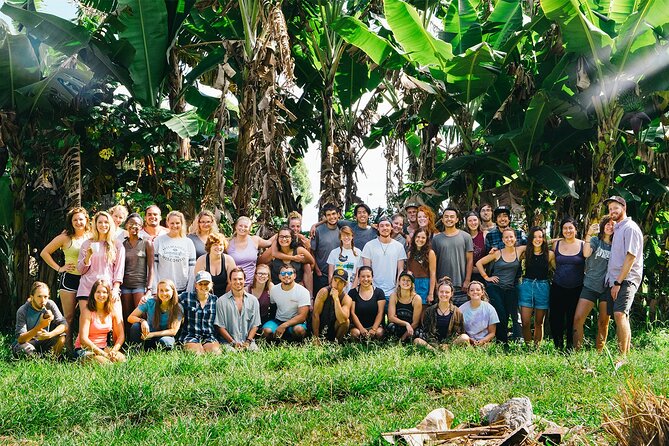
The small maximum of 10 people is a real advantage. A farm tour can become frustrating when a large group gathers around one plant and only the people in front can hear. With fewer people, you should have a better chance to see samples, ask questions, and keep younger family members close to the action.
What happens during the one-hour tour
The walk centers on regenerative design concepts. In plain terms, you will hear about ways of planning and working with a farm so that the system supports healthy soil, useful plants, and long-term growing rather than simply producing one crop as quickly as possible.
The tour does not present this as a classroom lesson. The guide shares information while moving through the farm and stopping to point out plants. That format keeps the hour active and gives the concepts a real setting.
You can expect fresh tropical fruit picked from the trees or plants during the walk. The precise fruit selection can change, so you should think of this as a tasting experience rather than a guaranteed menu. The same is true of the plant samples. What is available may depend on the farm and the season.
The tasting is one of the strongest parts of the experience. A fruit sample gives you an immediate connection to the place, while a leaf such as curry or neem adds an entirely different smell and flavor. Cranberry hibiscus brings another point of comparison. The result is less like looking at a garden from a path and more like learning through small, edible discoveries.
The guide also uses occasional spot quizzes. This may sound minor, but it is useful for families. Children have a reason to listen, and adults are less likely to drift into passive sightseeing. You can expect questions and interaction rather than a nonstop speech.
Why the plant tasting matters
Hawaii is often presented through beaches, volcanoes, and scenic drives. A farm tour gives you a different way to understand the island. Plants become food, medicine, fragrance, and part of a wider growing system.
The farm’s products receive plenty of attention. You learn what is grown and how different leaves and fruits can be used. One past experience specifically praised the information about the medical benefits of several local plants. That does not mean you should treat the tour as medical advice, but it does suggest that the discussion reaches beyond simple identification.
The farm store adds another useful layer. Baked goods and tinctures are available for sale, along with farm products. This gives you a chance to continue exploring after the walk, though purchases are separate from the tour itself.
I would keep your expectations practical. You may learn interesting uses for plants, but the tour is not described as a formal herbal medicine class. Think of it as a guided introduction to plant uses, farming ideas, and local produce.
For people interested in vegan or plant-based food, the tour has extra appeal. You can ask questions about growing and using plant foods while tasting them in their original setting. It is also a good choice if you enjoy farmers markets and want more context behind the produce.
Same fields, a different sort of morning:
- Big Island ATV Tour at Ohana Ranch
★ 5.0 · 254 reviews - Waipi’o on Horseback: Mountain Ocean Views Working Cattle Ranch
★ 5.0 · 252 reviews - Big Island Mountain Biking on Anna Ranch
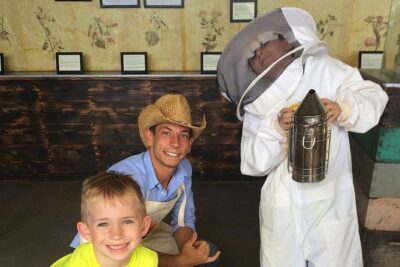
★ 5.0 · 171 reviews - Experience Our Honey Farm And Beekeeping Tour
★ 5.0 · 167 reviews
A strong choice for families
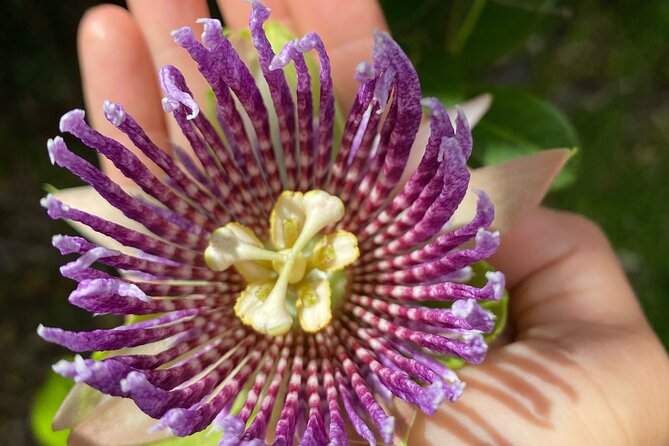
The tour is designed to work for children and adults together. That is not always easy. Farm talks can be too technical for young children, while family activities can feel thin for adults. The quiz format and sampling help bridge that gap.
I would choose this for a family that likes to touch, smell, taste, and ask questions. It is especially suitable for children who enjoy learning by doing. The one-hour length also helps. You can introduce a farm visit without asking a child to stay focused for an entire morning.
The activity still requires a moderate level of physical fitness. The details do not give a walking distance or describe the ground surface, so you should be ready for an outdoor farm walk rather than a fully seated presentation. If someone in your group has mobility concerns, contact the operator before booking and ask for current conditions.
Service animals are allowed. The tour is conducted in English, so English comprehension is important for getting the most from the guide’s explanations and quizzes.
The guide can shape the experience
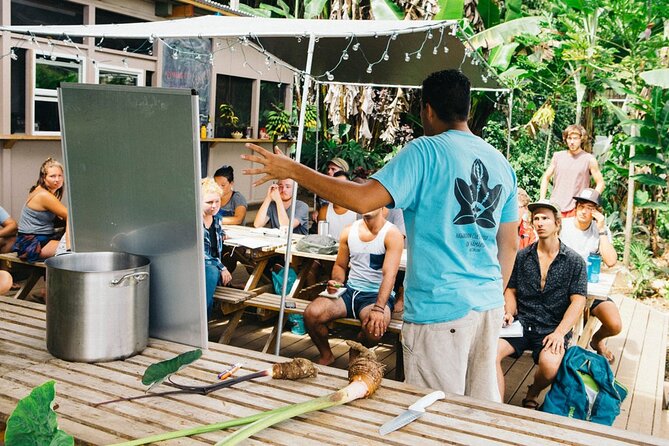
Good guiding matters on a small farm tour. The plants may be interesting, but the guide determines whether you remember them or simply pass by.
One review praised Amy by name and described her as a great guide for explaining farming, especially for people interested in vegan and plant-based living. Another praised the guide as very friendly and said the group planned to return with family. These details point to a warm, interactive approach rather than a stiff formal talk.
Since guide assignments can change, I would not book solely on the expectation of meeting one particular person. Still, the feedback supports the idea that the human side of the tour is one of its strengths. A friendly guide who invites questions can make unfamiliar plants feel approachable.
The small group also helps here. A guide can interact more naturally with 10 people than with a busload. You can ask what a leaf smells like, how a fruit is used, or how regenerative design differs from conventional farming.
How the tour compares with other Big Island activities
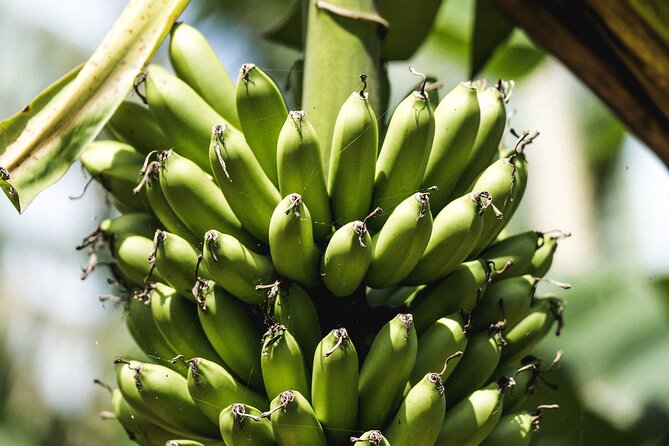
This is not a substitute for a major Hawaii attraction. It does not promise a long scenic route, a volcano visit, or a full meal. Its value comes from close contact with a farm and a short period of focused learning.
That makes it useful between larger activities. If your day already includes long drives or major sightseeing stops, an hour at the farm can offer a change of pace. You get out of the vehicle, meet a guide, and focus on small details that are easy to miss during a road trip.
The setting near Honokaa and the Honokaa-Waipio Road meeting point may also fit well into a day in that part of Hawaii Island. The tour information does not provide driving directions or nearby attractions, so do not assume the farm is convenient from every resort area. Check the route before booking.
I would not choose this if you want a large, polished attraction with a set show. The experience is more personal and practical. You should be comfortable with a farm setting, changing produce availability, and an hour built around conversation and sampling.
Value, timing, and what you actually receive
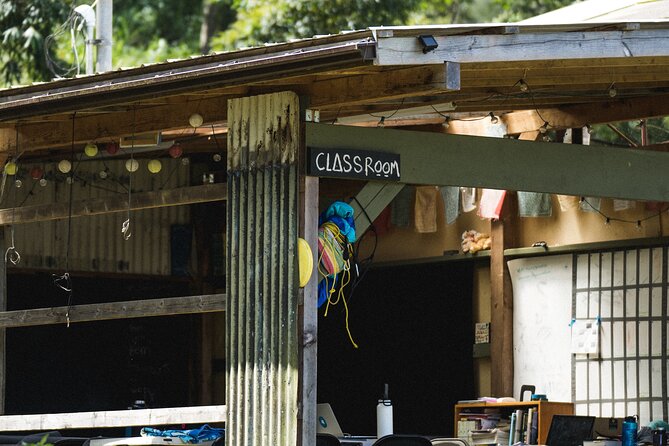
The listed admission is free, which makes the experience easy to consider as a low-cost addition to your plans. Its value is not in the length. One hour is brief. The value comes from the guide, the chance to taste unusual farm produce, and the direct look at regenerative farming.
The small group improves that value. A personal farm walk can be worthwhile when you can hear clearly and ask questions. If the group reaches the 10-person maximum, it should still remain manageable, though the exact feel will depend on how the guide organizes the stops.
Remember that products at the farm store, including baked goods and tinctures, may cost extra. You should treat those as optional purchases rather than part of the tour itself.
The experience requires good weather. If poor weather forces a cancellation, you can choose another date or receive a full refund. The operator also requires a minimum number of people. If that minimum is not reached, you will be offered another date or experience, or a full refund.
For your own plans, the key rule is the 24-hour cancellation window. Cancel at least 24 hours before the start time for a full refund. Changes or cancellations inside that window are not accepted and are not refunded.
What to bring and how to prepare
The supplied details do not list a packing checklist, so I would keep it simple. Wear clothing suitable for an outdoor farm walk and shoes you can walk in comfortably. Bring a phone with your mobile ticket available.
Arrive with a little time to find the farm store and meet the guide. Since the tour lasts only about an hour, a late arrival could cut into a meaningful part of the experience.
You should also approach the tasting with an open mind. Some leaves may be familiar, while others may have sharp, bitter, herbal, or unusual flavors. The point is to compare and learn, not to expect every sample to taste like a sweet tropical fruit.
If you have food allergies or dietary concerns, ask the operator before the tour. The experience includes plant samples, but the provided details do not list ingredients, allergy procedures, or substitutions.
Who should book Big Island Farms Tour?
I would recommend this tour to families, plant-based eaters, gardeners, curious food lovers, and anyone who wants a quieter activity away from the standard sightseeing circuit. It is also a good fit for visitors who enjoy asking questions and trying unfamiliar foods.
You will get the most from it if you like learning through direct experience. Tasting a leaf and smelling a plant can make the subject stick in a way that a sign or brochure cannot.
I would be more cautious if you need a fully accessible, seated activity, since the tour requires moderate physical fitness and the walking conditions are not described. I would also skip it if you want a long farm stay, a substantial meal, or a guaranteed list of specific fruits.
Should you book this farm tour?
Book it if you want a short, friendly, family-ready introduction to Hawaiian farming. The strongest reasons are the fresh samples, unusual plant smells, small group size, and practical discussion of regenerative design and plant uses.
Skip it if your schedule cannot handle the drive to Honokaa, if you want a major attraction rather than a small farm experience, or if an outdoor walk is difficult for your group. For everyone else, the low-cost, one-hour format makes it an easy addition to a Big Island day, especially when you want to learn something useful and taste something you may not find at home.
FAQ
Where does the Big Island Farms Tour start?
The tour starts at the farm store at 47-4667 Honokaa-Waipio Road, Honokaa, Hawaii 96727.
Where does the tour finish?
The activity ends back at the same meeting point where it begins.
How long does the tour last?
The farm tour lasts approximately one hour.
Is the tour suitable for children?
Yes. The experience is designed for children and adults, with interactive explanations, plant samples, and occasional spot quizzes.
How many people can join the tour?
The tour has a maximum of 10 travelers.
What happens if I need to cancel?
You can receive a full refund if you cancel at least 24 hours before the experience start time. Cancellations or changes made within 24 hours are not accepted and are not refunded.
Just added around Big Island
- Sunset Kona Salt Farm Tour★ 5.0 · 55 reviews
- Edible Hibiscus Guided Farm Tour (Big Island)★ 5.0 · 31 reviews
- Hala Tree Coffee Farm Tour★ 5.0 · 44 reviews
- Farm to Table Cooking Class at Kulaniapia Falls★ 4.5 · 36 reviews
- Hamakua Coast Farm Small-Group Walking and Tasting Tour★ 5.0 · 4 reviews
- Big Island Family Off Road Farm Adventure at Ohana Ranch★ 5.0 · 43 reviews
- Bottle Feed & Cuddle Baby Goats at Ohana Ranch (Big Island)★ 5.0 · 29 reviews
- Farm-to-Table Chef’s Dinner at Kulaniapia Falls★ 4.5 · 42 reviews
Big Island Farm Tours, farm by farm.
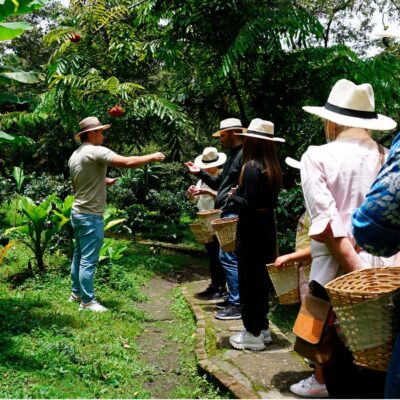
Award Winning Farm Tour: Coffee, Chocolate and Unique Gifts
Read our review →
Small-Group Big Island Tour: Hawaii Volcanoes National Park and Kona Coffee Farm
Read our review →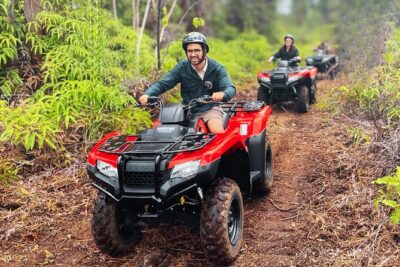
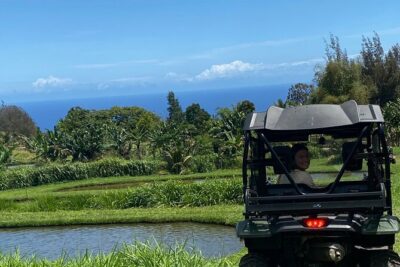
Waipi’o on Horseback: Mountain Ocean Views Working Cattle Ranch
Read our review →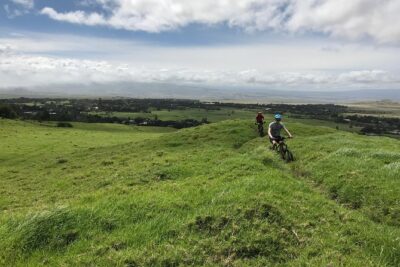
Other lists this farm sits on