
REVIEW · BIG ISLAND
Hawaiian Salt Farm Tour in Kona
Salt has a story here. At Kona Sea Salt, you see how seawater becomes a local food, learn about the ocean source and Hawaiian traditions, and finish with a tasting. I like the oceanfront setting and the chance to watch salt production at close range. I also like that this is a short, easy activity that adds something different to a Big Island trip.
The main drawback is that the tour depends heavily on the guide. Most visitors praise the clear explanations and friendly hosts, but one recent experience found the presentation too fast and the tasting labels unclear. At $27 per person, I consider it a fair buy for curious food lovers, families, and anyone with an hour to fill near Kona.
Key points to know before you go
- Watch salt form from ocean water: You are shown the water source, harvesting areas, drying stages, and finished products.
- Taste a wide selection: The closing tasting may include around 15 varieties with fruit and vegetables, giving you a chance to notice real differences.
- Expect an oceanfront setting: The seven-acre farm sits at 73-907 Makako Bay Drive in Kailua-Kona, with views that add pleasure to an otherwise practical working visit.
- Plan on about 45 to 60 minutes: The guided portion is listed at 45 minutes, while the overall experience is described as about an hour.
- Ask questions early: Guides such as Candee, Mari, and Ipolani have been praised for their clear explanations, but one report found the pace too quick.
- Add the foot soak only if available and appealing: It is a separate option mentioned by visitors, and the deep seawater can be surprisingly cold.
Why a salt farm makes a good Kona stop
Kona has no shortage of beaches, scenic drives, volcano stories, and water activities. A salt farm offers a welcome change of pace. Instead of simply looking at the Pacific, you learn how seawater becomes a useful product through a careful process of collection, evaporation, drying, and finishing.
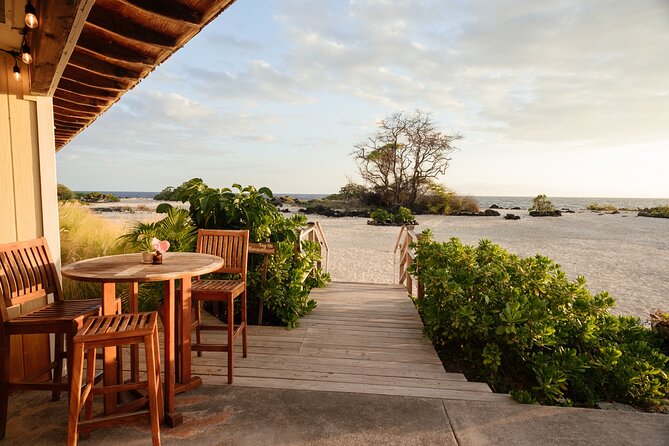
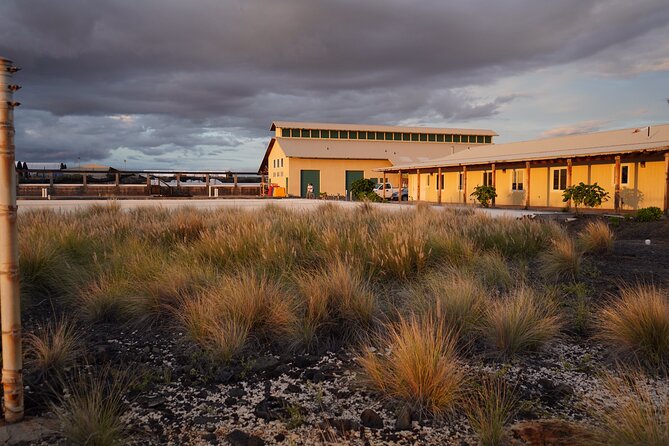
The farm works on a seven-acre oceanfront site. That setting matters. You are not sitting in a classroom hearing an abstract explanation. You are walking around the actual operation, seeing the water source and the places where salt is harvested and dried.
I like the directness of the experience. Salt is a familiar ingredient, but most of us rarely think about where it comes from. Here, the process becomes visible. You see the material in different stages, hear how the operation developed, and taste the result at the end.
The tour also connects salt making with the area around Keahole Point and with Hawaiian life. Guides explain how early Hawaiians harvested salt, along with details about Hawaiian language and culture. That gives the visit more meaning than a simple look at a food product.
More Salt Farm Tours around Big Island:
- Sunset Kona Salt Farm Tour
★ 5.0 · 55 reviews - Kampot: Pepper Farm Tour, Salt Field, Cave & Secret Lake
★ 4.9 · 283 reviews - Kampot Countryside include Pepper farm, Salt field & Lake
★ 4.9 · 100 reviews
Arriving at 73-907 Makako Bay Drive
The tour begins at the Kona Sea Salt office at 73-907 Makako Bay Drive, Kailua-Kona. Your Salt Farm Manager meets you there and leads the group around the property before bringing you back to the same point.
The group can include up to 20 people. That is small enough for a guided walk rather than a crowd moving through a large attraction, though the quality of the visit depends partly on how well the guide manages questions and the pace.
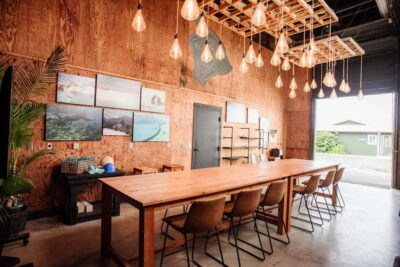
Arrive a little early if you want time to look around the shop. You can see different salt varieties and other deep ocean mineral products before or after the walk. This also gives you a useful preview of the tasting and a chance to consider souvenirs without rushing at the end.
The farm is near the airport, which makes it especially handy on your final day. One visitor used it as a last stop before a flight and found it easy to linger afterward. Do not cut the timing too close to your departure, though. The official experience takes about an hour, and you may want time for the shop or a tasting purchase.
The water source and the first part of the walk
The tour starts with the water source. This is one of the most important parts because the whole operation depends on the quality and origin of the seawater. Your guide explains how the source relates to the farm and to the products made there.
The presentation also covers the history of the company and the surrounding research facility. You learn how the operation began and how the process has changed over time. I find this useful because it explains why the farm does things in a particular way instead of treating salt making as a simple novelty.
The guide may also discuss other deep ocean mineral products. These are part of the wider operation, so the tour is not limited to table salt. You get a sense of how ocean water can support several kinds of products, while the guide keeps bringing the focus back to the salt itself.
This is a good point to ask questions. Guides Candee, also spelled Candy in some guest experiences, Mari, and Ipolani have each been praised for sharing information beyond the basic script. Ipolani was particularly noted for remembering names and speaking with care about sustainable harvesting and environmental work.
One caution: pace can vary. If your guide speaks quickly, stop the group and ask for a point to be repeated. One poor experience came from having too much information delivered too fast, not from a lack of material. You will get more from the tour if you speak up when something is unclear.
Seeing the salt harvesting and drying stages
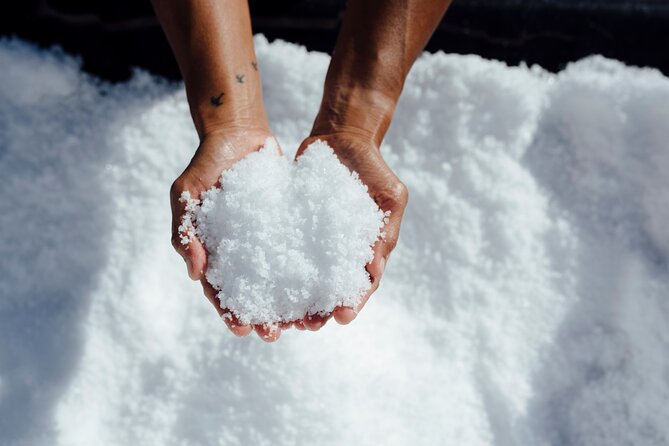
The working areas are the heart of the visit. Your guide shows you where salt is harvested and explains how seawater is handled through the production stages. You may see salt drying and the finished product before it is packaged.
The process is fairly straightforward once it is explained, but the details make it interesting. You begin to notice how much care goes into separating, drying, refining, and preparing the salt. The visit also shows that hand harvesting is slower and more deliberate than simply buying a container at a supermarket.
The farm’s deep ocean water is part of the story too. Several explanations focus on mineral content, including magnesium. The company presents its products as a way to add minerals to the diet, while the tour gives you a chance to understand the source and production method for yourself.
Keep your expectations in check. This is a working farm tour, not a large museum with elaborate displays or a long list of attractions. The appeal comes from seeing a real operation and understanding an everyday ingredient in a new way.
You will spend time outdoors around the oceanfront grounds. Sunscreen and a hat are sensible choices. Umbrellas are available to help with the sun, which is useful because even a short walk can feel bright and exposed.
More Farm Tours around Big Island:
- Award Winning Farm Tour: Coffee, Chocolate and Unique Gifts
★ 5.0 · 484 reviews - Small-Group Big Island Tour: Hawaii Volcanoes National Park and Kona Coffee Farm
★ 5.0 · 343 reviews - Big Island ATV Tour at Ohana Ranch
★ 5.0 · 254 reviews - Waipi’o on Horseback: Mountain Ocean Views Working Cattle Ranch
★ 5.0 · 252 reviews
The salt tasting is the payoff
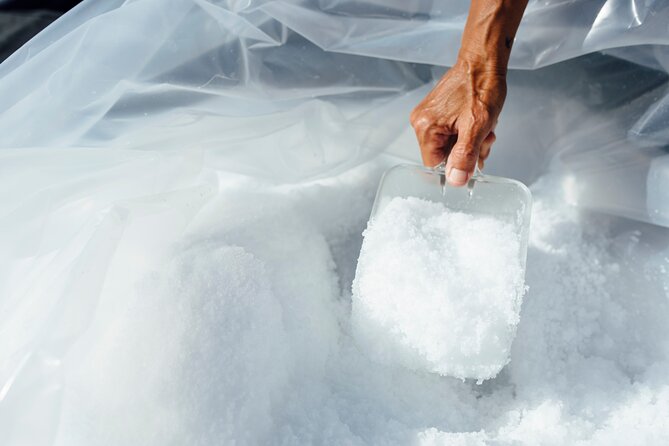
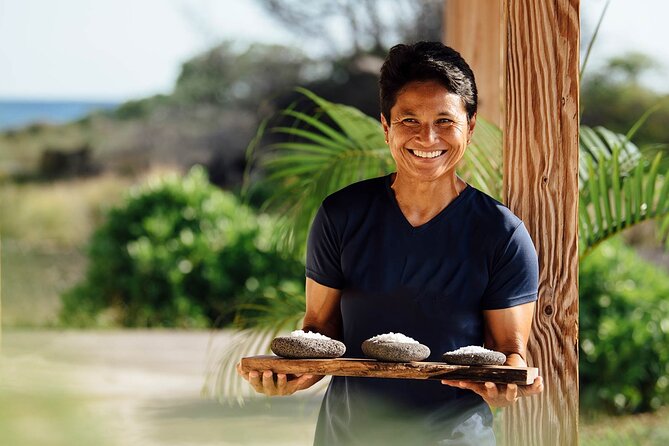
The tour ends with a tasting, and this is where the information becomes tangible. You can sample several kinds of hand-harvested salt, often around 15 varieties, with fruit and vegetables used to show how each one tastes.
Do not expect every sample to taste identical. The tasting helps you notice differences between varieties, flavors, and mineral products. It also turns the tour into a small food experience rather than a technical talk about evaporation and packaging.
I like that the tasting comes after the walk. By then, you understand more about the source and process, so the samples have context. You are not just trying flavored salt. You are connecting the taste to what you have seen on the farm.
Pay attention to which samples are from the farm. One person found it unclear which salts at the tasting were actually produced there and felt uncomfortable asking. A simple question at the beginning of the tasting should help: ask the guide to identify the farm-made varieties and explain the differences.
The shop is useful here. You can buy salt or other products as a souvenir, and these are more meaningful than a generic item from a resort shop. A small jar also travels easily and gives you a practical reminder of Kona after you return home.
The optional deep ocean foot soak
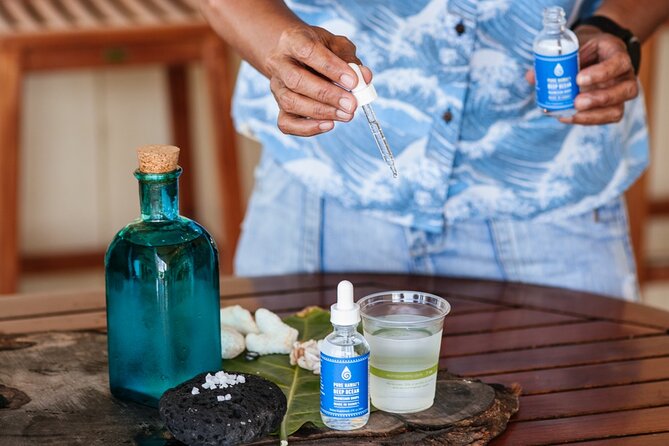
Some people add a deep ocean foot soak to the visit. It is not part of the basic $27 tour description, and the supplied information does not give a separate price or a guaranteed schedule, so ask the farm about current availability before planning around it.
The water is cold. Several people specifically warn that it is much colder than expected, though they also describe it as refreshing and invigorating. If you like unusual spa-style activities, it may be a fun extra. If you dislike cold water, the regular tour and tasting are enough.
One account describes receiving a jar of magnesium product after the foot soak. Treat that as a detail that may depend on the package or current offering, not as something guaranteed with every booking.
The foot soak can be a good choice when you have extra time and want a more hands-on experience. It is not necessary to appreciate the farm itself.
How much value do you get for $27?
At $27 per person, the price is reasonable for a guided visit, a look at an operating salt farm, an oceanfront setting, and a tasting. It is not the cheapest way to spend an hour in Kona, but it offers more substance than a quick shop stop.
The value is strongest if you enjoy food, local production, Hawaiian culture, or environmental subjects. Cooks will likely appreciate the tasting most, but you do not need to be a serious food enthusiast. The process is easy to understand, and the walk is short enough for a family schedule.
The price also works well when you need a compact activity. The tour is approximately one hour, with the guided portion listed at 45 minutes. That makes it easier to fit between other plans than a half-day excursion.
I would not book it expecting a dramatic adventure. You will not be hiking, snorkeling, or watching wildlife. You are paying for explanation, access to a working site, and a tasting. If that sounds appealing, the cost is fair. If you need constant action, the visit may feel too quiet.
Who will enjoy this farm most?
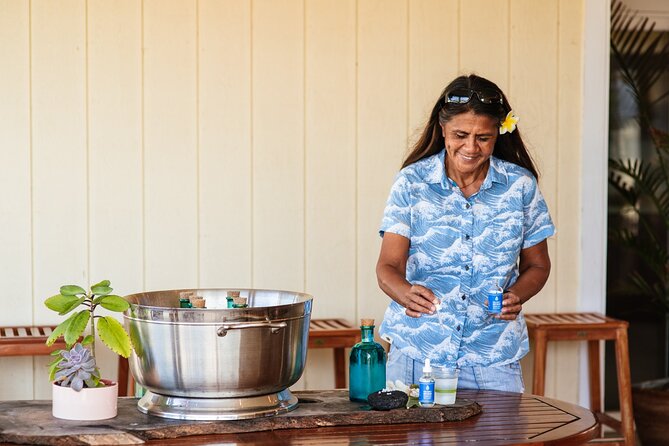
This is a strong pick for food lovers. The tasting gives you a chance to compare flavors, and the shop offers edible souvenirs that are easy to take home.
Families can also make good use of the hour. Children may enjoy seeing the salt in different stages and trying samples, while adults get a short lesson in local production. A family with boys aged 11 and 14 found the tour and tasting held their interest.
The farm also suits older relatives and people who do not want a strenuous activity. The grounds have been described as accessible, with perhaps one small level change, and most people can participate. Service animals are allowed. If anyone in your group has specific mobility needs, contact the farm before booking so you can confirm the current conditions.
Couples and solo visitors can fit it into a Kona day without giving up much time. It is also useful before an airport departure, provided you leave a proper buffer for traffic, luggage, and check-in.
The tour may be less satisfying for someone who wants a fully hands-on workshop. You watch and taste, but the supplied details do not indicate that you make or harvest salt yourself.
Practical advice for a better visit
Wear sunscreen and a hat. The setting is beautiful, but the sun can be strong, and much of the experience takes place outside.
Arrive early enough to find the office and look through the shop. You may also want a few minutes after the tour to choose a souvenir without holding up the group.
Ask questions during the walk, especially about the water source, the difference between salt varieties, and which products are made on the farm. The guides generally have plenty to share, and a question can slow the pace if the explanation starts moving too quickly.
If you have a flight later that day, the farm’s location near the airport is convenient. Still, do not treat the one-hour length as a complete door-to-door estimate. Add time for arrival, the shop, and any optional foot soak.
The experience requires good weather. If poor weather causes cancellation, you are offered another date or a full refund. For your own cancellation, you need to cancel at least 24 hours before the start time for a full refund. Changes or cancellations inside that window are not refunded.
Should you book the Kona salt farm tour?
I would book it if you want an easy, distinctive Kona activity with a local product at its center. The strongest reasons are the oceanfront setting, the clear look at the harvesting and drying process, and the tasting at the end.
Book it especially if you are a cook, a family looking for a low-effort outing, or someone who enjoys learning how ordinary products are made. It also makes sense as a short stop near the airport.
I would skip it only if your schedule is packed with outdoor adventures or if a quiet educational walk sounds dull. Otherwise, $27 buys a pleasant hour, a useful bit of Hawaiian context, and a souvenir you can actually eat.
FAQ
Where does the Hawaiian Salt Farm Tour begin?
The tour begins at Kona Sea Salt, located at 73-907 Makako Bay Drive, Kailua-Kona, Hawaii 96740. It ends back at the same meeting point.
How long does the tour last?
The experience is described as approximately one hour. The guided portion is listed at about 45 minutes, followed by the salt tasting.
What happens during the tour?
A Salt Farm Manager guides you to the water source and salt harvesting areas, explains the harvesting process and deep ocean mineral products, and shows the production stages before the tasting.
Is food included?
The tour includes a salt tasting. Samples may be served with fruit and vegetables, and the tasting can include around 15 different varieties.
How many people can join?
The activity has a maximum group size of 20 people.
Can I cancel for a refund?
Yes. You can cancel at least 24 hours before the local start time for a full refund. Cancellations or changes made less than 24 hours before the start time are not refunded. If poor weather cancels the tour, you are offered another date or a full refund.
Just added around Big Island
- Sunset Kona Salt Farm Tour★ 5.0 · 55 reviews
- Edible Hibiscus Guided Farm Tour (Big Island)★ 5.0 · 31 reviews
- Hala Tree Coffee Farm Tour★ 5.0 · 44 reviews
- Farm to Table Cooking Class at Kulaniapia Falls★ 4.5 · 36 reviews
- Hamakua Coast Farm Small-Group Walking and Tasting Tour★ 5.0 · 4 reviews
- Big Island Family Off Road Farm Adventure at Ohana Ranch★ 5.0 · 43 reviews
- Bottle Feed & Cuddle Baby Goats at Ohana Ranch (Big Island)★ 5.0 · 29 reviews
- Farm-to-Table Chef’s Dinner at Kulaniapia Falls★ 4.5 · 42 reviews
Salt Farm Tours, farm by farm.
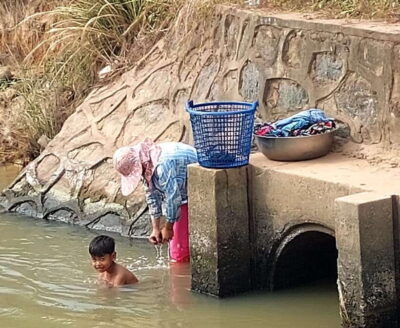
Pepper Farm Tour, Salt Field, Cave & Secret Lake
Read our review →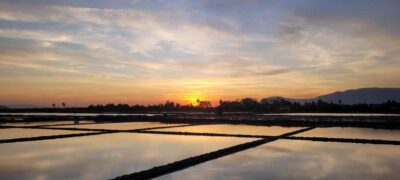
Kampot Countryside include Pepper farm, Salt field & Lake
Read our review →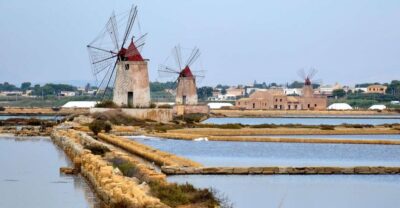
Guided tour of the Marsala Salt Pans and salt harvesting
Read our review →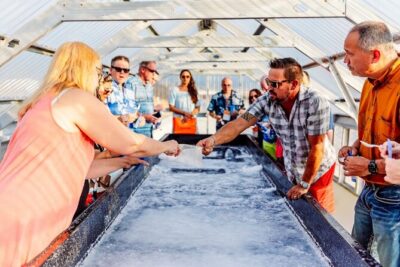
Traditional Villages, Salt Farm & Tirta Gangga Tour
Read our review →
Kampot Private Tour: Pepper Farm, Salt Field & Secret Lake
Read our review →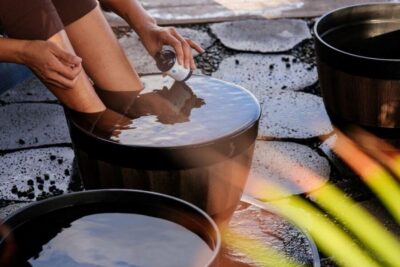
Kona Salt Farm: Deep Ocean Cold Water Mineral Foot Soak
Read our review →Other lists this farm sits on