
REVIEW · ITALY
Guided tour of the Marsala Salt Pans and salt harvesting
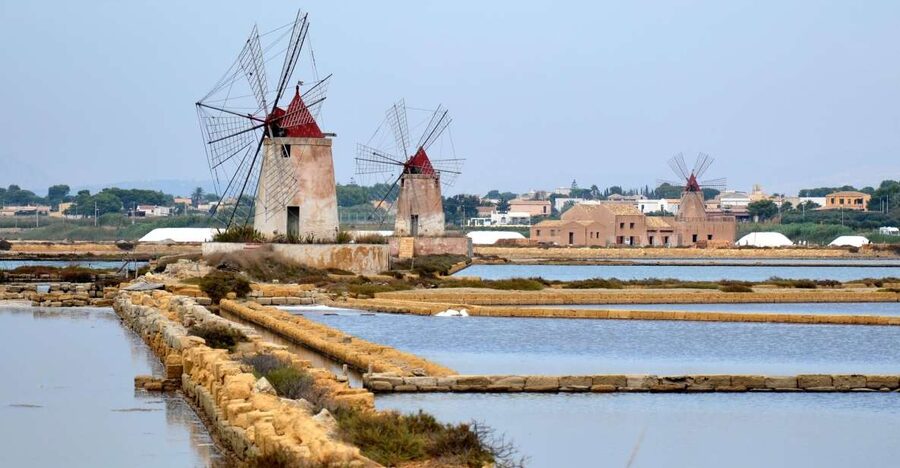
Salt tells Marsala’s story. This one-hour visit to the Stagnone Islands Nature Reserve brings you among shallow salt tanks, narrow canals, windmills, and bright heaps of drying salt, then lets you take part in the harvest. I like the mix of striking scenery and hands-on work, especially the chance to gather salt yourself rather than only watch a demonstration. I also like that the visit explains salt beyond the kitchen, including its use in cosmetics.
The main drawback is the short running time. One hour gives you a clear introduction, but not a slow, expansive outing across the reserve. The experience can also change with bad weather, and food and drinks are not included. At $41 per person, the value depends on how much you enjoy a focused local experience rather than a long sightseeing tour.
Key points at a glance
- Salt harvesting is hands-on: You can help collect salt, including crystals and fior di sale, rather than simply view the pans.
- The Infersa Mill anchors the visit: A multimedia presentation explains how sea salt has been produced here for centuries.
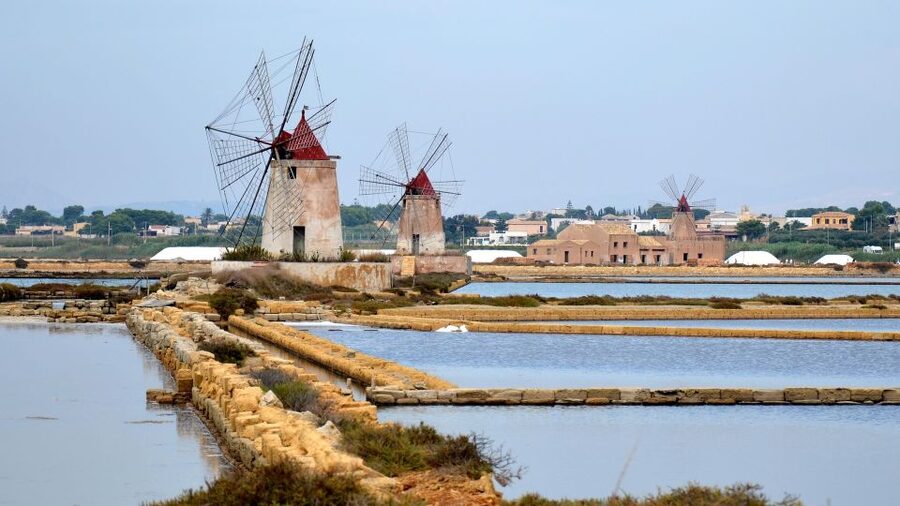
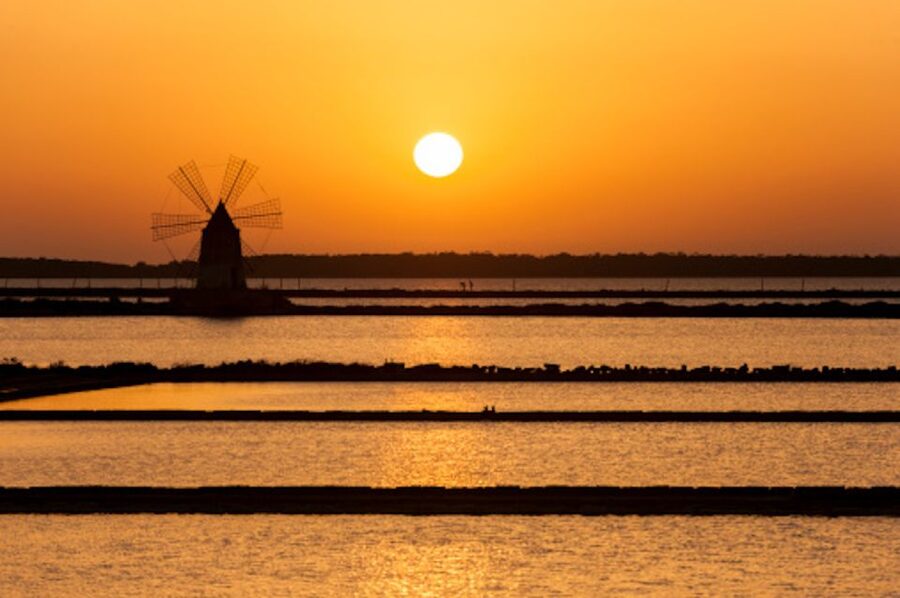
- The scenery is distinctly Sicilian: Shallow tanks, little canals, windmills, and white salt piles create an unusual setting.
- Boots are supplied: Give your shoe size when booking so the correct footwear is ready.
- Salt tasting adds a useful finish: You can discover different varieties, including hand-picked whole salt and flavored fior di sale.
- English and Italian are available: The guide or greeter speaks one of these two languages.
Why Marsala’s salt pans are worth your time
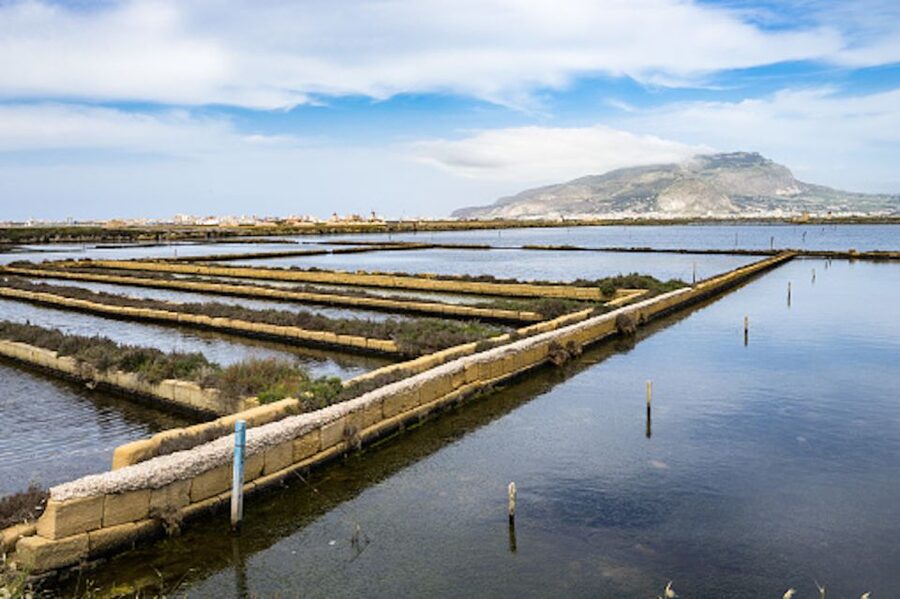
The salt pans are not just pretty pools beside the sea. They are a working part of Marsala’s identity, with salt production in the area dating back to the 1500s. That long connection gives the visit more weight than a quick photo stop.
You see how the setting depends on simple elements: seawater, shallow tanks, small channels, sun, wind, and human labor. The windmills are especially important to the character of the area. They give the scene an old-fashioned, almost storybook look, but they also belong to the practical history of moving water and processing salt.
I find this kind of visit valuable because it connects the view in front of you with something people still make and use. You are not just looking across a pretty stretch of Sicily. You are seeing how a local product takes shape.
The Stagnone Islands Nature Reserve gives the experience its broader setting. The visit focuses on the salt works rather than on a full nature excursion, so keep your expectations in check. You get a close look at the pans and their working environment, not an extended tour of every corner of the reserve.
More Salt Farm Tours around Italy:
- Hawaiian Salt Farm Tour in Kona
★ 5.0 · 767 reviews - Kampot: Pepper Farm Tour, Salt Field, Cave & Secret Lake
★ 4.9 · 283 reviews - Kampot Countryside include Pepper farm, Salt field & Lake
★ 4.9 · 100 reviews
Starting inside the Infersa Mill
Your guide waits inside the mill, which makes the meeting point simple once you arrive. The Infersa Mill is the main indoor stop and provides useful context before you go outside.
A multimedia presentation explains the old methods of sea salt production. This matters because the salt pans can look quiet and self-explanatory at first. The video helps show the process behind the tanks, channels, and piles, so the outdoor portion becomes easier to understand.
The presentation has received especially strong praise for its quality. One Italian visitor compared its clarity and production value to a high-quality educational television program. That is a helpful sign for anyone who likes facts presented clearly rather than delivered as a long lecture.
The mill also introduces several kinds of salt. You can learn about whole salt, which is hand-picked, and fior di sale, a delicate salt collected from the surface. Flavored varieties are also part of the presentation and tasting experience.
This is not a large museum visit. The mill functions as a compact introduction, and the short tour format means the indoor portion will not take up your entire day. If you want a detailed technical study of traditional salt production, you may find it too brief. If you want a clear explanation before seeing the pans, it does the job well.
Walking among tanks, canals, windmills, and salt piles
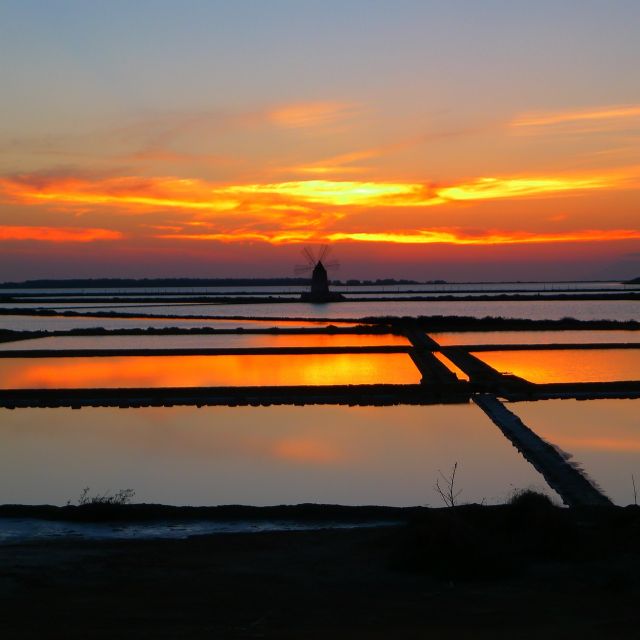
After the mill, the tour continues on a nature trail through the salt works. The scenery is the star here. Shallow rectangular tanks, little canals, working areas, windmills, and piles of white salt create a setting unlike the usual Sicilian city, church, or beach visit.
The changing shapes and colors of the pans give you plenty to look at, but the appeal is not only visual. Your guide explains what you are seeing and how the different parts fit together. The walk is also where the scale of the operation becomes clearer. From inside the mill, salt production is an idea. Among the tanks, it becomes a physical process.
Boots are included, a practical touch for walking near the pans. You must provide your shoe size when you book so the correct footwear can be prepared. That detail is worth handling early, since the right boots make the outdoor portion more comfortable and protect your own shoes.
The tour lasts one hour, so this is a compact trail rather than a lengthy hike. You should expect a guided walk with stops for explanation, not a full-day outing. The supplied information does not give a distance or difficulty rating, so anyone needing specific mobility details should ask the provider before booking.
Getting your hands dirty with the salt harvest
The most memorable part is the chance to participate in the harvest. You can collect salt yourself, including crystals and the delicate fior di sale. This small task changes the feel of the visit. You are no longer only looking at a working site. You are handling the product and seeing how much care goes into gathering it.
Several bookings describe the harvest as the part that made the experience feel special. One participant liked being able to leave with salt collected by hand. Another praised the chance to make direct contact with the salt and gather both fior di sale and crystals.
That activity should suit families especially well. Children can take part in something concrete, and adults get a better sense of the work involved. It is also a good choice if you prefer local crafts and food traditions to passive sightseeing.
The exact harvest conditions depend on the weather and the operation on the day. Adverse weather can lead to changes or modifications, so the hands-on portion should not be treated as an absolute guarantee under every condition. Still, the opportunity to participate is a central reason to choose this visit.
You may also be able to taste several salt types. The tasting gives you a direct way to notice differences between ordinary salt, hand-picked whole salt, fior di sale, and flavored versions. It is a small detail, but it helps explain why specialty salt costs more than a basic supermarket product.
More Guided Tours around Italy:
- Catania: Pozzo di Gaspare Farm Guided Tour with Tastings
★ 5.0 · 34 reviews - Alberobello: Guided e-bike tour + mill & donkey farm
★ 5.0 · 32 reviews - Catania: Guided Tour of Etna with Farm Visit & Food Tasting
★ 4.6 · 30 reviews - Private Guided Tour to Pisa and local Wine Farm from Livorno port
★ 5.0 · 19 reviews
Salt beyond the kitchen
Cooking is the easiest use of salt to understand, but the tour also explains its role in cosmetics. Salt’s moisturizing power is linked here to products intended for skin well-being.
That added topic gives the visit a wider purpose. You learn that salt is not simply something sprinkled over pasta or fish. It is also used in personal-care products, which helps explain the variety of items connected with the mill.
Do not expect a full cosmetics workshop or a long product demonstration. The supplied details point to an explanation of these uses rather than a separate treatment. Still, it is a useful addition, especially if you are interested in local products and want to buy something more distinctive than a standard souvenir.
The salt tasting and cosmetics discussion work well together. One shows the product on the table, and the other shows how it can be used for the body. Both make the local industry feel practical rather than frozen in the past.
The guide makes the short format work
The guide is important because the visit packs several parts into one hour: the mill, multimedia explanation, trail, harvesting, salt types, and cosmetic uses. A clear guide keeps those pieces from feeling rushed or disconnected.
English and Italian are available. The guide waits inside the mill, and the experience is led in one of those languages. English-language feedback has been especially positive, with praise for clear explanations and friendly service.
One particularly warm account names Antonetta and describes a very personal visit in which she encouraged participation, helped with the harvest, and even suggested a restaurant for lunch afterward. That does not mean Antonetta will lead every departure, but it gives you a sense of the friendly, local character this experience can have.
Another account describes the guide as both prepared and kind. That combination matters here. The subject is not hard to understand, but a rushed or vague explanation would make the salt pans seem like little more than a photogenic setting.
Group size is not specified. One booking happened to have a private-feeling visit, but you should not assume every departure will be private. If personal attention is essential, ask the provider before booking.
Is $41 a fair price?
At $41 per person, this is not the cheapest quick stop in western Sicily. You are paying for a guide, entry to the Infersa Mill, multimedia interpretation, supplied boots, a guided nature trail, and the chance to participate in the salt harvest.
I think the price is reasonable if you value the active element. A simple look at the windmills and pans would cost you less in time and perhaps nothing in admission, but it would not explain the production process or give you a chance to collect salt.
The one-hour length makes the cost easier to assess. You are not committing half a day, so the visit fits neatly into a schedule that also includes Marsala or other sights around the Stagnone area. On the other hand, if you want a long walk, a large museum, or a meal based around local salt products, the price may feel high for the time provided.
Food and drinks are not included. Plan to eat separately, especially since the tour itself is too short to function as a meal stop. The guide may offer local suggestions, as happened in one case, but restaurant arrangements are not part of the stated experience.
Free cancellation up to 24 hours before the start and the option to reserve now and pay later reduce the risk of adding it to a changing itinerary. Bad weather remains the main practical concern.
Who will enjoy this salt-pan visit most?
I would choose this for several types of visitors:
- Families: The salt collection gives children something real to do.
- Food-minded visitors: The tasting and different salt types add flavor to the story.
- Photographers: Windmills, channels, white salt heaps, and shallow tanks create strong visual variety.
- Short-stay visitors: One hour is easy to fit between other plans.
- People who prefer local work to standard sightseeing: You see a real product being made and help with part of the process.
You may want to skip it if you dislike outdoor conditions, have no interest in salt production, or want a long, relaxed walk. The visit is focused and practical. It is not designed as a broad tour of every attraction in the reserve.
The supplied information does not give detailed accessibility guidance, trail measurements, or exact harvest conditions. If you have mobility, footwear, or weather concerns, contact the provider before reserving. The included boots help with the setting, but they do not answer every accessibility question.
Practical tips for a smoother visit
Bring your shoe size when booking. This is the most important preparation detail because boots are supplied and the outdoor portion takes place around salt tanks and canals.
Allow time to find the mill before the scheduled start, since the guide waits inside rather than at a separate roadside meeting point. The exact starting times vary, so check availability for the day you want.
Bring protection from the weather. The visit can be changed if conditions are poor, and much of the experience takes place outside. The information provided does not specify what happens in every weather situation, so keep your schedule somewhat flexible.
Do not expect refreshments during the tour. Food and drinks are not included, and the one-hour format is built around interpretation and harvesting rather than dining.
If you speak English or Italian, you can select the language that suits you. If you need another language, it is not listed among the available options.
Should you book the Marsala salt-pan tour?
Book it if you want a short, distinctive experience that combines scenery, local work, and a small hands-on activity. The strongest reasons are the salt harvest, the clear mill presentation, the unusual setting, and the chance to taste several types of salt.
I would be more cautious if your main goal is a long nature walk or a full museum visit. One hour passes quickly, and the plan can change in bad weather. But for $41, this is a worthwhile addition to a Marsala itinerary when you want to understand a local product instead of simply taking another scenic photograph.
FAQ
Where does the salt-pan tour meet?
The guide waits inside the Infersa Mill.
How long does the experience last?
The tour lasts one hour.
What languages are available?
The experience is available in Italian and English.
Are boots provided?
Yes. Boots are included, and you should provide your shoe size when booking so the correct footwear can be prepared.
Can I take part in harvesting the salt?
Yes. The experience includes the opportunity to participate in the salt harvest and collect salt crystals and fior di sale.
What types of salt can I discover?
You can learn about different types, including hand-picked whole salt and fior di sale. Flavored salt is also included in the experience.
Are food and drinks included?
No. Food and drinks are not included.
Can the visit change because of weather?
Yes. In adverse weather, the reservation may be subject to changes or modifications.
Just added around Italy
- Volterra: Fresh Pasta Cooking Class at a Tuscan Farmhouse★ 5.0 · 33 reviews
- Volterra: Pizza Cooking Class in a tuscan farmhouse★ 4.6 · 11 reviews
- Visit Siena and San Gimignano with lunch at a family farm★ 5.0 · 8 reviews
- Vico Equense: Tour in the dairy “Mozzarella Experience”★ 5.0 · 19 reviews
- Turin: Meet the Monviso Alpacas at the Educational Farm with a Guide★ 5.0 · 5 reviews
- Bardolino: Garda Lake Pasta Cooking Class at the Agritourism★ 5.0 · 32 reviews
- Rialto Farmers & Fish Market Food Tour in Venice with Wine Tasting & Sightseeing★ 5.0 · 3 reviews
- Rialto Market Food Tour: Wine Tasting and Sightseeing in Venice★ 5.0 · 57 reviews
Salt Farm Tours, farm by farm.

Pepper Farm Tour, Salt Field, Cave & Secret Lake
Read our review →
Kampot Countryside include Pepper farm, Salt field & Lake
Read our review →

Traditional Villages, Salt Farm & Tirta Gangga Tour
Read our review →
Kampot Private Tour: Pepper Farm, Salt Field & Secret Lake
Read our review →
Kona Salt Farm: Deep Ocean Cold Water Mineral Foot Soak
Read our review →
Kampot Pepper Farm, Salt Fields, Crab Market from Phnom Penh
Read our review →Other lists this farm sits on