
REVIEW · BIG ISLAND
Abalone Farm Tour
Abalone is more fascinating than it looks. At Big Island Abalone, you get a close look at a working seafood farm, learn how these slow-growing shellfish are raised in Hawaii, and handle live abalone and other sea creatures. I like the hands-on contact and the way the tour connects food with conservation. I also like the tasting at the end, especially for anyone who has never tried abalone before.
The main drawback is that this is a simple one-hour farm visit, not a large attraction with lots of exhibits. The tour takes place outdoors, so bring water and a hat. Still, at $35 per person, it offers a useful lesson, a memorable food sample, and an easy activity near Kona Airport.
Key points to know before you go
- Touch live abalone: You can hold abalone and inspect features such as the shell, foot, eyes, and radula.
- Taste the farm’s products: Abalone and seaweed are included, with samples that may include sea grapes, dulse, sea peas, fresh abalone, or steamed abalone.
- A one-hour working-farm visit: The tour stays at Big Island Abalone and returns to the same meeting point.
- Good for mixed-age groups: Children, older adults, and people looking for low physical activity can all take part.
- Guides make the difference: Carlos, Kai, and Diana have been praised for making the science clear, friendly, and fun.
- Convenient Kona location: The farm is at 73-357 Makako Bay Drive, a short drive from the Kailua-Kona area and close to the airport.
Arriving at Big Island Abalone on Makako Bay Drive
The tour begins at Big Island Abalone, located at 73-357 Makako Bay Drive in Kailua-Kona. It is a useful stop if you have time before a flight, since the farm is close to Kona Airport. One couple fit it into the middle of their day, while another used it as a final Kona activity before leaving the island.
You do not need to arrange a separate transfer as part of the activity. You meet at the farm, take the tour there, and finish back at the same place. If you are coming from Kailua Pier, allow time for the drive. One recent estimate put the trip at about half an hour by Uber, though actual travel time can vary.
The setting is functional rather than polished. That is part of the appeal. You are visiting a working operation, not a themed attraction built only for sightseeing. Expect tanks, farm activity, and a practical look at how seafood is raised.
The tour can include up to 20 people. Smaller groups are especially helpful here because the best parts involve looking closely, asking questions, and handling live creatures. A group of about 12 was described as a comfortable size, but the maximum is larger.
More Farm Tours around Big Island:
- Hawaiian Salt Farm Tour in Kona
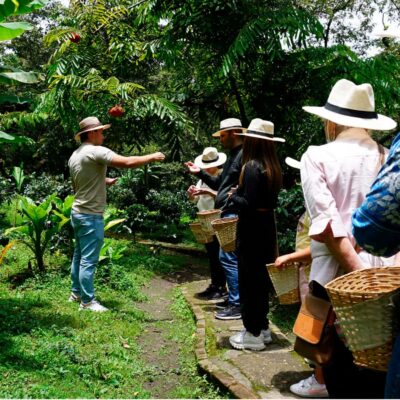
★ 5.0 · 767 reviews - Award Winning Farm Tour: Coffee, Chocolate and Unique Gifts
★ 5.0 · 484 reviews - Small-Group Big Island Tour: Hawaii Volcanoes National Park and Kona Coffee Farm
★ 5.0 · 343 reviews
Learning why abalone farming matters in Hawaii
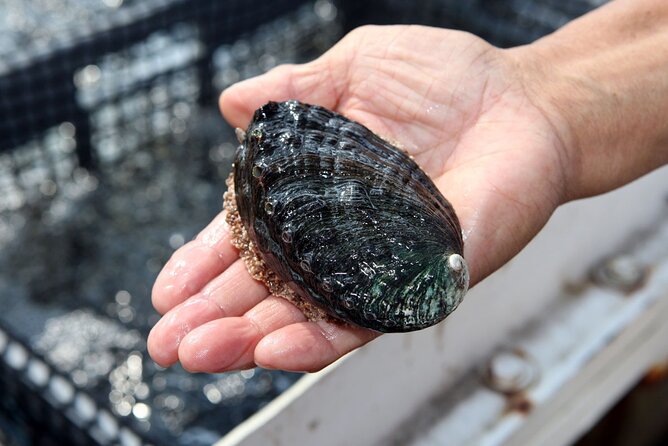
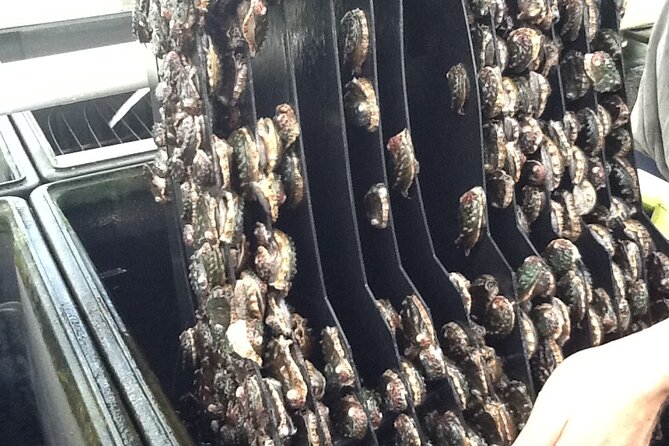
The guide begins with the basic question: What exactly is an abalone? You learn about its life cycle, how it mates, how it grows, and when it reaches maturity. If you know little about abalone, the explanations give you a clear starting point without requiring a background in marine biology.
The tour also explains why it is possible to raise abalone on a tropical island. That is one of the more interesting parts of the visit. Hawaii may seem better known for reef fish, poke, and coastal seafood, but this farm has developed a way to raise abalone in the island environment.
Sustainability is not just a slogan here. The farm explains why controlled raising matters for an animal facing conservation concerns. The International Union for Conservation of Nature lists abalone among endangered species, and the farm presents responsible aquaculture as one way to produce food while helping protect wild populations.
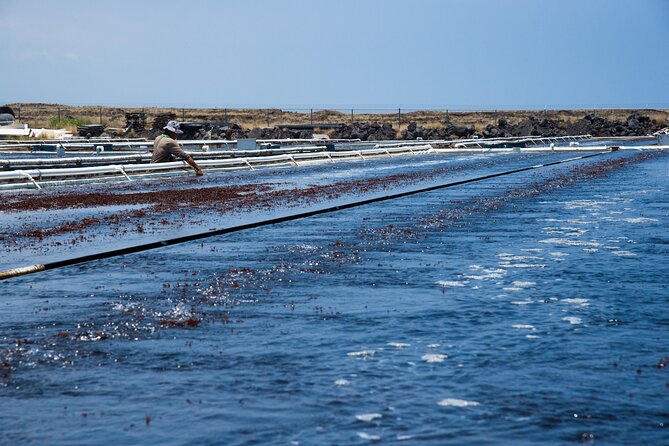
You also learn about the farm’s seaweed production. That broadens the lesson beyond one shellfish. The guide connects abalone, seaweed, and other sea creatures to the larger marine system, giving you a better sense of how food production and ocean care can overlap.
The tone is informal and participatory. Carlos has been especially praised for his humor and clear explanations. Kai is another guide who brings energy to the science, while Diana has been described as warm and enthusiastic. The strongest part of the presentation is that guides invite questions rather than simply reciting facts.
Holding abalone and seeing the details up close
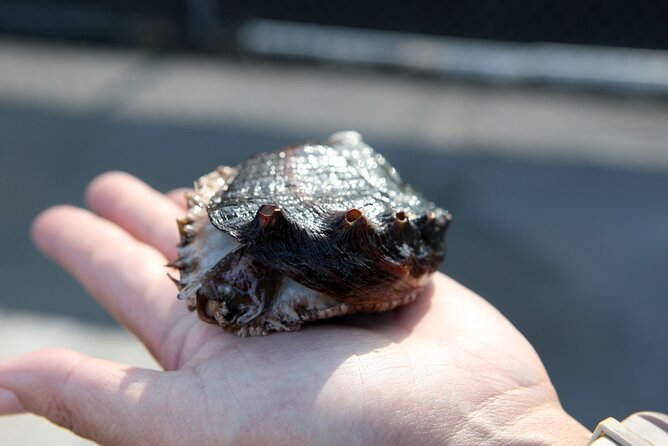
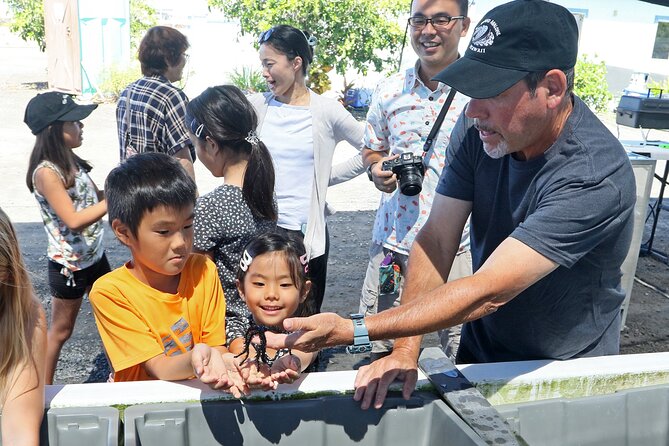
The farm visit becomes more memorable when you can touch live abalone. This is not just a quick look through glass. You may hold one and examine the shell, foot, eyes, and radula, the rough feeding structure inside its mouth.
That hands-on moment helps you understand the animal as something more than an expensive menu item. Abalone can seem plain from the outside, but the close view reveals a surprisingly complex creature. You may also handle or see other sea creatures during the tour, depending on what is available.
This part works well for children because it turns a biology lesson into something physical. A ten-year-old enjoyed the hour-long visit, and a toddler was also able to take part with retired family members. The activity gives adults something to discuss while kids get a real object to inspect.
You should still handle everything carefully and follow the guide’s directions. The farm is sharing living animals, not setting up a touch pool designed for unlimited handling. The experience is best when you treat the creatures with patience and respect.
Sampling seaweed, sea grapes, and abalone
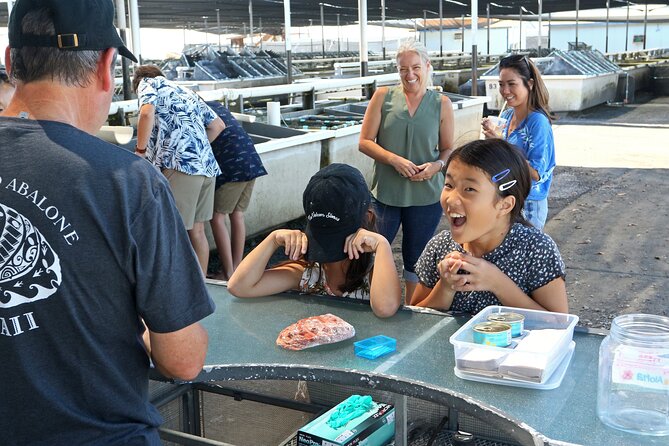
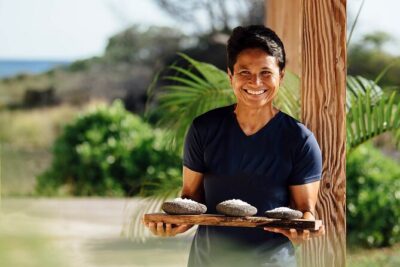
The tasting is the payoff. Abalone and seaweed are included, and the sample gives you a direct connection between the farm’s work and your plate.
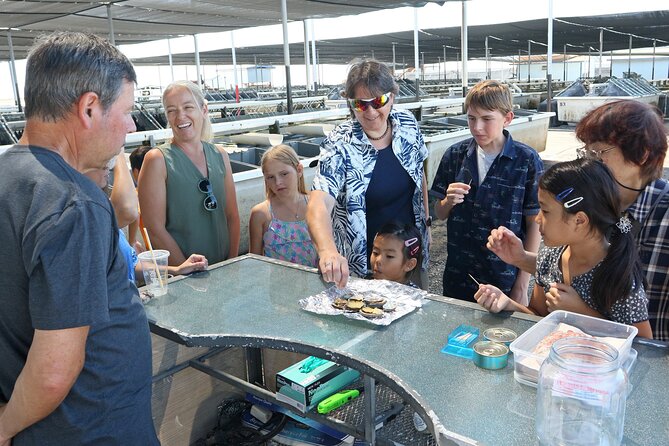
The exact assortment can vary, but the tasting has included steamed abalone, fresh or canned abalone, sea grapes, dulse, sea peas, and other seaweed products. The seaweed gives you a chance to compare textures and flavors. One sample was described as tasting somewhat like kale, while sea grapes offer a different, pleasantly unusual experience.
For first-time abalone eaters, the sample is useful because it removes some of the mystery. You can try it in a small portion before deciding if you want more. The farm has also provided a steamed shell of abalone at the end of the tour, and some visits have included a shell to keep.
The tasting is not a full meal. One person felt the sampler could have been more generous and preferred the idea of spending the tour money on abalone next door. That is a fair point if your main goal is eating rather than learning.
For most people, though, the tasting works because it follows the explanation. You first learn how the animal is raised, then you taste the result. That simple order makes the food more interesting.
Same fields, a different sort of morning:
- Big Island ATV Tour at Ohana Ranch
★ 5.0 · 254 reviews - Waipi’o on Horseback: Mountain Ocean Views Working Cattle Ranch
★ 5.0 · 252 reviews - Big Island Mountain Biking on Anna Ranch
★ 5.0 · 171 reviews - Experience Our Honey Farm And Beekeeping Tour
★ 5.0 · 167 reviews
Adding lunch at the on-site food truck
You can extend the visit with food from the truck on the property or next door. Options mentioned in connection with the farm include abalone poke, sushi dishes, and other cooked abalone foods. Fresh abalone may also be available for purchase by the piece.
This is where you can turn a short educational stop into a longer lunch break. The food truck gives you a chance to try abalone in a more substantial form, rather than treating the tour sample as your entire meal.
Keep the two experiences separate in your planning. The one-hour tour includes tasting, but a larger meal and additional purchases are extra. If you are watching your budget, take the tour for the farm lesson and included sample. If food is your priority, you may prefer to spend more at the truck after seeing how the abalone is raised.
How much value do you get for $35?
At $35 per person, the price is reasonable if you want a guided activity with something to taste and touch. You are paying for more than a walk around tanks. The guide explains the farming process, conservation issues, the animal’s life cycle, seaweed production, and the food itself.
The value is strongest for families and mixed-age groups. A child gets a marine biology lesson, an adult gets a look at a local food business, and everyone gets a sample at the end. That is a better use of an hour than a generic sightseeing stop.
The value is weaker if you only want a large portion of abalone. The included tasting is modest, and you may want to buy more food afterward. In that case, think of the admission as the price of the farm education, with lunch handled separately.
The tour also earns points for its small time commitment. One hour is short enough to fit between other Kona plans. It can work on a busy day, before a flight, or as a rainy-day activity. Much of the tour is under shade, though you should still prepare for outdoor conditions.
Comfort, walking, and weather
The farm tour involves walking around the site, but the physical demands appear low. A couple in their 70s completed it with a cane, and the experience has worked well for people seeking a gentle activity.
It is not a fully indoor visit. Bring water, a hat, and comfortable shoes. Shade is available for much of the tour, but you should not assume every moment will be protected from the sun.
The activity requires good weather. If poor weather forces cancellation, you can choose another date or receive a full refund. The tour is also free to cancel up to 24 hours before the start time. Cancellations made less than 24 hours ahead are not refunded, and changes inside that period are not accepted.
Service animals are allowed, and most people can participate. The operator offers the tour in English, and confirmation is provided when you book.
Who will enjoy this farm tour most?
I would recommend this experience to families with curious children, couples looking for something different from beach time, and anyone interested in sustainable food. It also suits people who have already visited Kona and want a new kind of local activity.
It is a good choice if you like short tours with a guide who talks directly with the group. The strongest accounts of the experience center on Carlos, Kai, and Diana making the visit lively and easy to follow.
You may enjoy it less if you expect a large museum, a long farm visit, or a substantial seafood meal included in the admission. The farm is practical and educational. Its appeal comes from access, explanation, and tasting, not from elaborate presentation.
The tour is also useful for people with limited energy. You can learn, touch live animals, and sample local products without committing to a long hike or a full-day excursion.
Should you book the Big Island Abalone Farm Tour?
Yes, if you want a short, affordable Kona activity that gives you something real to see, touch, and taste. The combination of sustainable farming, live abalone, seaweed sampling, and friendly instruction makes the hour more memorable than its modest setting suggests.
Book it especially if you are traveling with children, have extra time near the airport, or want to understand where a local delicacy comes from. Go in expecting a working farm and a small tasting, not a full meal or major attraction. Add lunch at the food truck if you want to make the stop more substantial.
At $35, this is a sensible choice for an educational food experience with low physical demands. Bring water and sun protection, leave room for questions, and treat the tasting as the final lesson rather than the whole reason to go.
FAQ
Where does the Abalone Farm Tour begin?
The tour begins at Big Island Abalone, 73-357 Makako Bay Drive, Kailua-Kona, Hawaii 96740.
Where does the tour end?
The activity ends back at the same meeting point where it begins.
How long does the tour last?
The tour lasts approximately one hour.
How much does the tour cost?
The listed price is $35 per person.
Is abalone tasting included?
Yes. Abalone tasting is included as part of the experience.
Is seaweed tasting included?
Yes. Seaweed tasting is included. Samples mentioned during the experience include sea grapes, dulse, and sea peas.
Can you touch live abalone?
Yes. You can touch live abalone and may also handle or see other sea creatures during the visit.
Is the tour suitable for children?
Yes. The tour is designed for all ages, and children as young as 2.5 have taken part with older family members.
Is the tour accessible for people with limited mobility?
Most people can participate, and the walking is described as low activity. One couple completed the tour with a cane.
What happens if bad weather cancels the tour?
You will be offered another date or a full refund if the experience is canceled because of poor weather.
Just added around Big Island
- Sunset Kona Salt Farm Tour★ 5.0 · 55 reviews
- Edible Hibiscus Guided Farm Tour (Big Island)★ 5.0 · 31 reviews
- Hala Tree Coffee Farm Tour★ 5.0 · 44 reviews
- Farm to Table Cooking Class at Kulaniapia Falls★ 4.5 · 36 reviews
- Hamakua Coast Farm Small-Group Walking and Tasting Tour★ 5.0 · 4 reviews
- Big Island Family Off Road Farm Adventure at Ohana Ranch★ 5.0 · 43 reviews
- Bottle Feed & Cuddle Baby Goats at Ohana Ranch (Big Island)★ 5.0 · 29 reviews
- Farm-to-Table Chef’s Dinner at Kulaniapia Falls★ 4.5 · 42 reviews
Big Island Farm Tours, farm by farm.
Award Winning Farm Tour: Coffee, Chocolate and Unique Gifts
Read our review →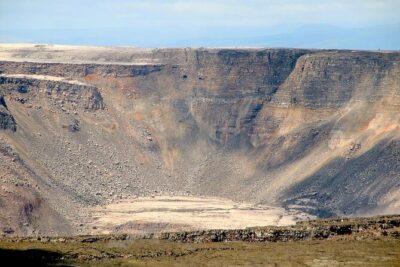
Small-Group Big Island Tour: Hawaii Volcanoes National Park and Kona Coffee Farm
Read our review →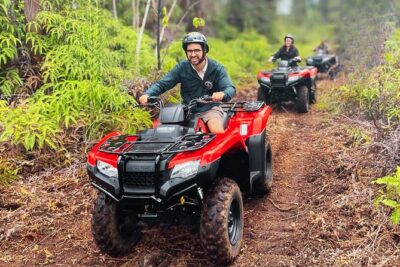
Waipi’o on Horseback: Mountain Ocean Views Working Cattle Ranch
Read our review →
Other lists this farm sits on