
REVIEW · GREECE
Makrigialos-Ierapetra: Hidden Villages & Olive Oil Farm Tour
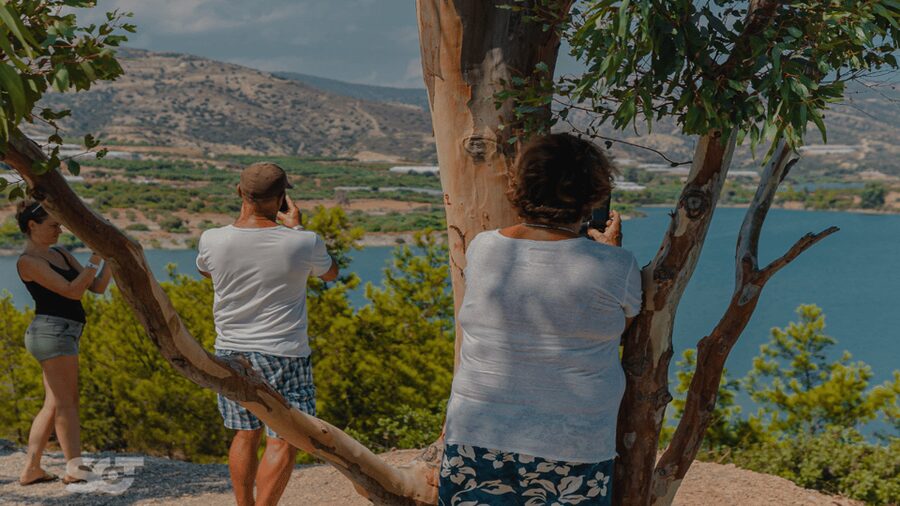
Village roads tell Crete’s quieter story. This seven-hour outing combines an olive oil tasting near Agios Nikolaos with walks through old villages, and I like the way it pairs food with everyday heritage. I also like the strong guiding, especially when Tanja or Ulla is leading. The main drawback is pace: some stops may feel short, while Kalamafka receives a long visit that not everyone will find equally rewarding.
You’ll travel by air-conditioned bus from hotels around Makrigialos and Ierapetra, with pickup and return included. The tour costs $51 per person, but you should add €2 for the olive oil farm and budget separately for lunch. It is a good introduction to inland Crete, though independent explorers may want more time in Kritsa and Prina.
Key points to know before booking
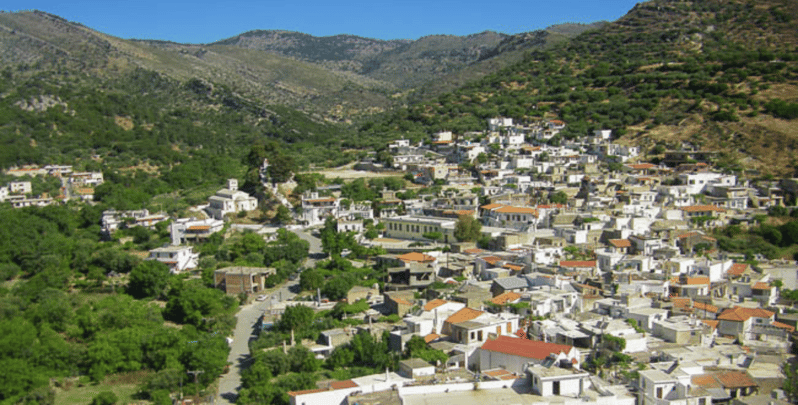
- Fresh olive oil near Agios Nikolaos: A 45-minute stop explains production and includes a taste of local virgin olive oil, but the €2 entrance fee is extra.
- Kritsa offers the strongest village visit: You get 75 minutes for coffee, narrow streets, an old church, and browsing local shops.
- Prina adds a quieter mountain village: The guided walk lasts 45 minutes and gives the day a more local feel.
- Kalamafka takes 105 minutes: This is the longest stop, with lunch, a guided visit, and hiking, but lunch is optional and not included.
- Guides are a major strength: Tanja and Ulla have received particular praise for explaining Cretan food, customs, culture, and daily life.
- Best for first-time Crete visitors: The route gives you a broad taste of village life without requiring you to drive unfamiliar mountain roads.
What this Crete village tour is really about
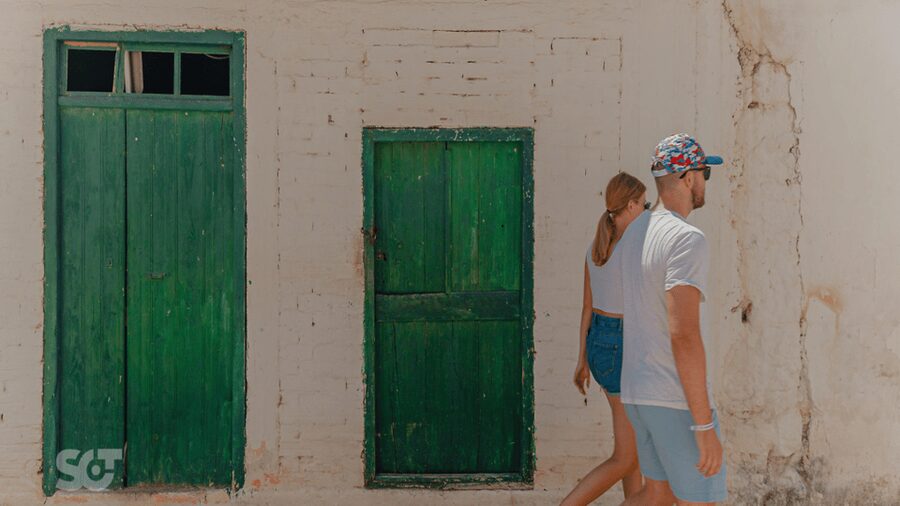
This is not a museum-heavy history excursion or a strenuous walking trip. It is a guided look at inland Crete through ingredients, village streets, old buildings, traditional tools, and the pace of small-town life.
The route begins and ends at a long list of hotels in Makrigialos and Ierapetra. That makes it useful if you are staying along the southeast coast and do not have a rental car. You receive the exact pickup time and meeting point by message, so watch your phone before departure.
The bus transfer matters here. The villages and olive-growing areas are spread inland, and you can enjoy the views instead of concentrating on winding roads. The tradeoff is that a shared bus cannot stop every time you see an appealing hillside or village square.
At $51, the outing offers solid value if you want transport, a guide, and a full day of organized sightseeing. It is less of a bargain if you expect lunch, entry fees, or a small private group to be included. Group size is not specified, so you should be prepared for a standard shared excursion rather than an intimate custom tour.
More Farm Tours around Greece:
- Mykonos: Farm, Ano Mera Village, and Beaches Guided Tour
★ 4.4 · 1,283 reviews - Crete: Road-trip to Lasithi, Zeus Cave & Olive Mill Farm
★ 4.4 · 451 reviews - Heraklion: Olive Farm Tour with Tasting of Local Delicacies
★ 4.9 · 411 reviews
The olive oil farm: a useful start with one extra charge
The first stop lasts about 45 minutes at a Cretan olive oil farm near Agios Nikolaos. You learn how olives become oil and taste fresh virgin olive oil at the source.
That tasting gives the rest of the day a helpful frame. Olive oil is not just a souvenir ingredient in Crete. It is part of the island’s cooking and household traditions, and tasting it before lunch helps you notice how central it is to the food you eat later.
The visit is practical rather than lengthy. You will not spend hours touring every stage of production. Instead, you get a compact introduction, a sample, and a chance to buy something if you wish.
There is a €2 entrance fee per person, not included in the tour price. Keep that small extra cost in mind. One point of caution is that the farm may feel more commercial than deeply local. If you are hoping to work beside olive farmers or see a working family operation in detail, this stop may seem polished and brief.
Still, I think it works well for people who have not visited an olive farm before. You get context without using half the day on one subject.
Kritsa gives you the best village time
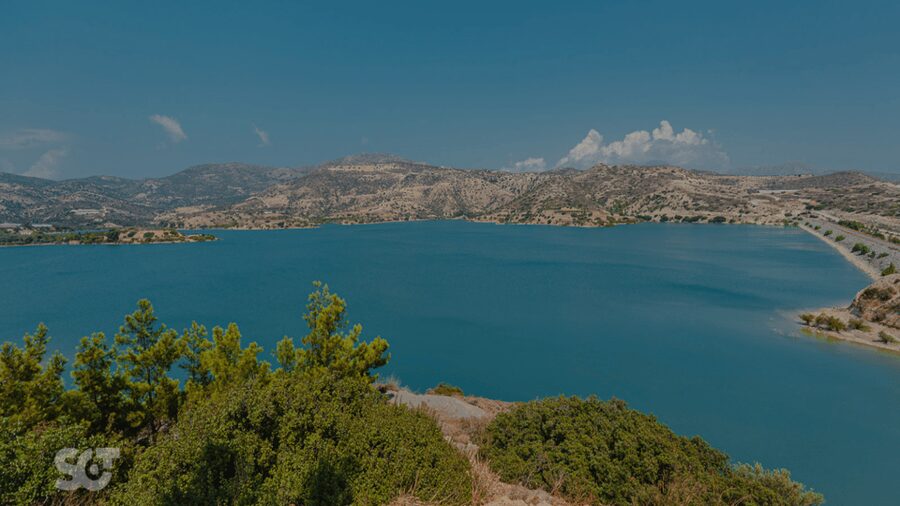
Kritsa receives about 75 minutes, making it one of the more satisfying stops. You have time for a guided walk, a coffee, and a look at one of Crete’s most picturesque traditional villages.
Expect narrow streets, old stone buildings, small shops, and a village square where you can stop for Greek coffee. An old church with frescoes adds a cultural reason to look beyond the shop windows. Wear shoes with a firm sole, since village streets and steps may be uneven.
Kritsa is also the place where the guide’s storytelling can make the largest difference. Ulla and Tanja have been especially praised for explaining Cretan culture, food, customs, and local life in clear detail. Their contribution appears to be a major part of the experience, not just background noise on the bus.
The timing is reasonable, but it is not generous. You can walk through the main lanes, see the church, have coffee, and browse. You probably will not have time to linger everywhere or shop at a slow pace.
If you prefer photographs and local atmosphere to organized sightseeing, stay aware of the clock. If you stop for a long coffee, you may have less time for the streets. I would use the first part of the visit for the guided orientation, then keep the remaining time flexible.
Prina adds a quieter change of pace
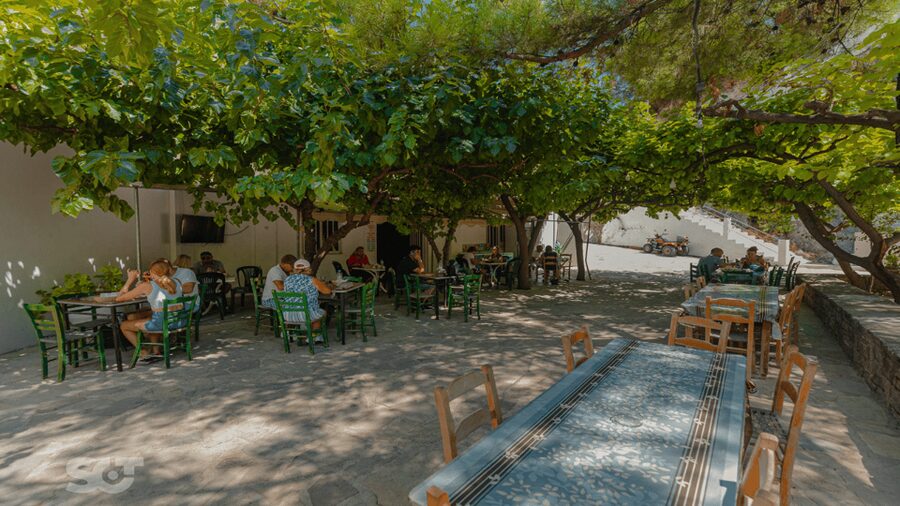
The next village is Prina, with about 45 minutes for a guided tour and walk. This stop breaks up the day nicely because it is not simply another tasting or shopping visit.
The value of Prina lies in seeing a smaller settlement and noticing how the built environment changes as you leave the better-known village route. You get a closer look at traditional architecture and village lanes, with the guide explaining what you are seeing.
The short visit also creates a limitation. Forty-five minutes can pass quickly, especially if the group stays together for much of the walk. You may get a good introduction without having enough free time to wander.
For that reason, I would think of Prina as a guided snapshot rather than an independent exploration. It suits you if you want structure and context. It may disappoint if you hoped to sit quietly, meet local residents, or spend a long time photographing details.
The tour information also refers to a short 15-minute photo stop at a scenic point. That is enough for a quick look and a few pictures, but not enough to build your day around. Keep your camera ready and do not expect a long break.
Same fields, a different sort of morning:
- Lassithi, Zeus Cave, Olive Mill Farm & Knossos Combo Tour
★ 4.6 · 404 reviews - Naxos Perivoli Farm Experience & Wood-fire Cooking Class
★ 5.0 · 339 reviews - Cretan Cooking Class and Olive Oil Tasting
★ 5.0 · 178 reviews - Melanes: Naxos Perivoli Farm & Cooking Class with Wood Fire
★ 5.0 · 177 reviews
Kalamafka is the longest stop, and the most debatable
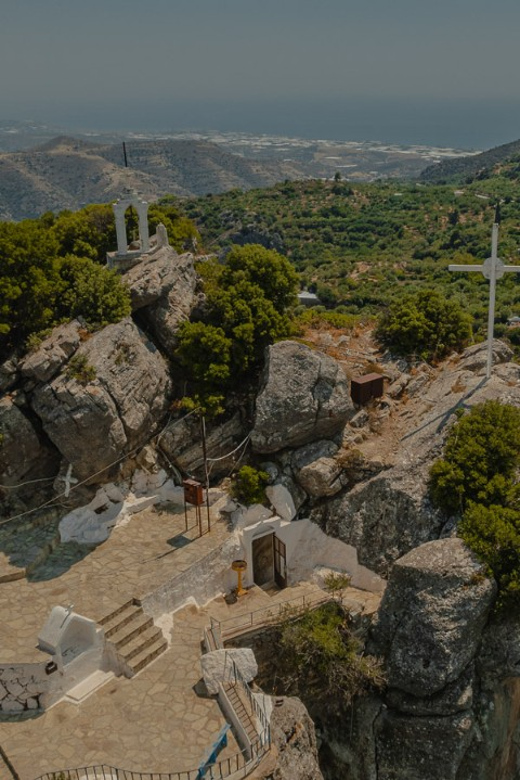
Kalamafka receives about 105 minutes for lunch, a guided visit, and hiking. This is the longest stop on the route, so it has real weight in the day.
Lunch is arranged on request and is not included in the $51 price. Ask about the meal when booking or before departure so you know what to expect and what extra cost to allow. The food is described as freshly cooked Cretan cuisine using local ingredients, which makes this an appealing chance to eat something tied to the region rather than rely on a standard tourist menu.
The extended stop should give you time to eat without rushing and then walk. Comfortable shoes, a hat, sunscreen, and water are sensible choices, especially if the sun is strong. The tour specifically recommends comfortable footwear and sun protection.
The balance issue is simple: some people would prefer this time in Kritsa or Prina. Kalamafka may feel less essential if your main goal is picturesque village streets and local shopping. On the other hand, the longer meal stop can be welcome after several guided visits, and the walk gives the day some physical movement.
There is also a difference between seeing a village and meeting its people. The route offers traditional settings, but it does not promise hands-on work with a local cooperative or extended conversations with residents. If personal contact is your top priority, you may find the experience more observational than participatory.
Food, coffee, and shopping are part of the experience
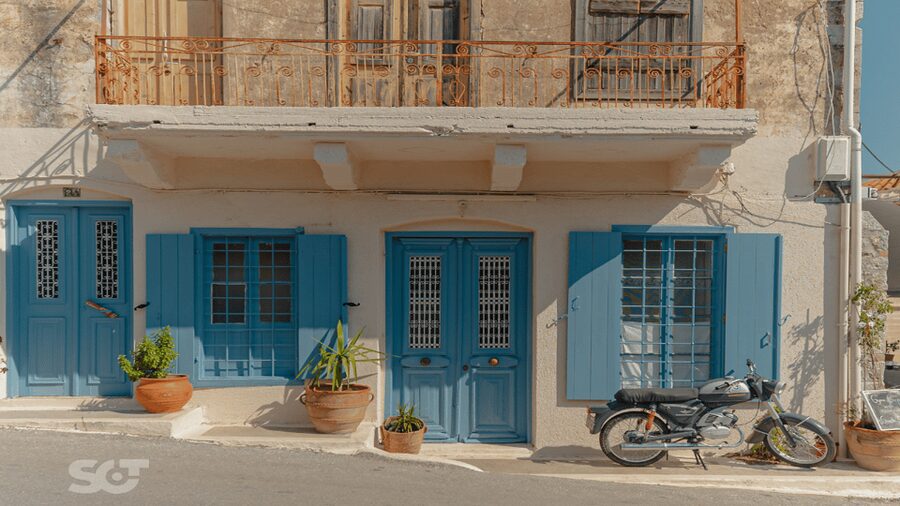
This tour uses food sensibly as a window into Cretan life. The olive oil tasting starts the theme, Greek coffee in Kritsa gives you a village-square pause, and the Cretan lunch in Kalamafka lets you try local cooking in a more substantial way.
Do not treat the shopping stops as the main event. You will have opportunities to browse souvenirs and local products, but the village visits are not built around a large market or a long shopping session.
Some people appreciate having time to buy olive oil or small gifts. Others may feel that free time turns into browsing because the villages are compact. I would book this tour for the food and setting first, and treat shopping as a useful extra.
The meal is especially important to budget for. Because it is optional and excluded, the headline price does not represent the full cost of the day. Add lunch and the €2 farm entry when comparing this trip with other excursions.
What the guides add to the day
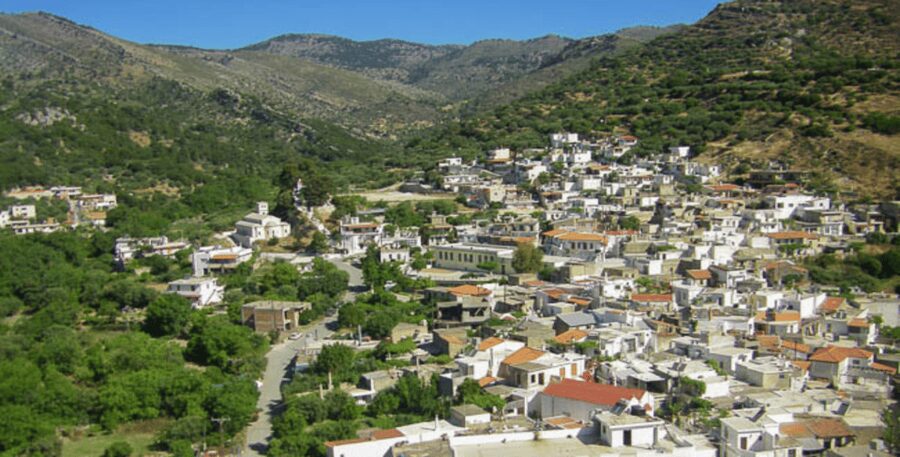
The strongest part of this experience is the guiding. Tanja and Ulla have been singled out for giving clear, generous explanations about Crete, its food, its people, and its customs.
That matters because village streets can look attractive without telling you much. A good guide explains why a building, church, tool, food, or farming practice matters. The best moments here are likely to come from those explanations rather than from ticking off a list of stops.
The tour is available with live guides in Czech, German, and French. Confirm that your preferred language is available before booking, since the listed languages do not include English.
The guides also help with the practical rhythm of the day. They keep the group moving, explain where to meet, and provide context during transfers. The downside is that a shared schedule leaves little room to change the plan if you fall in love with one village.
Transport, walking, and what to pack
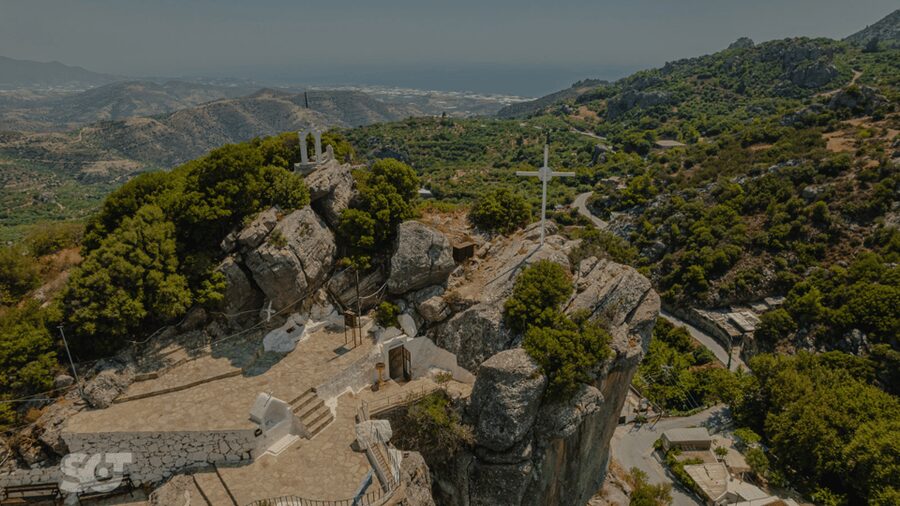
Hotel pickup and drop-off are included in an air-conditioned bus. Pickup is available from many properties around Makrigialos and Ierapetra, including Sunwing Makrigialos Beach, Atlantica Mikri Poli Crete, Astron Hotel, Petra Mare Hotel, Numo Ierapetra Beach Resort Crete, and others.
Because there are many pickup points, the exact start time may vary. Wait for the message confirming your pickup time and meeting place rather than relying on a general departure time.
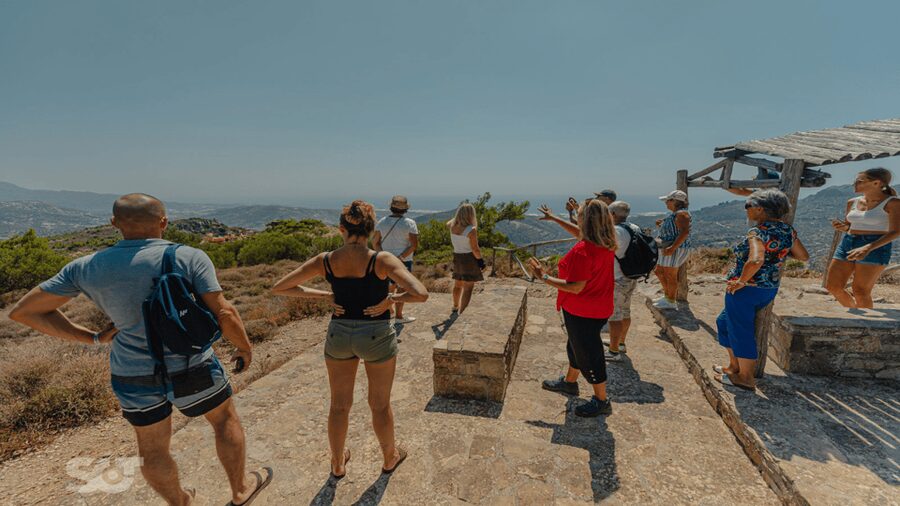
Walking is part of the day at Kritsa, Prina, and Kalamafka. The outing is not presented as a demanding hike, but it is not suitable for wheelchair users, and electric wheelchairs are not allowed. You should wear comfortable shoes, bring a hat and sunscreen, and carry a camera if you want to capture the village lanes and scenic stops.
Smoking is not allowed in the vehicle. Pets are not allowed, except assistance dogs. The trip also excludes party groups, bachelor and bachelorette groups, and various unsafe items and activities.
Who will enjoy this tour most
I would recommend it to you if you:
- Are staying in Makrigialos or Ierapetra and do not want to drive
- Are visiting Crete for the first time
- Want village life, food, and culture in one organized day
- Prefer a guide to explain what you are seeing
- Enjoy short walks, coffee stops, and local meals
- Want a broad introduction rather than one long visit to a single village
I would hesitate if you:
- Want long, unstructured time in each village
- Prefer small private tours
- Expect lunch and every entrance fee to be included
- Are looking for extensive hiking
- Want hands-on contact with farmers or local cooperatives
- Need wheelchair access
The overall rating of 4.4 from 16 reviews fits the experience well. The best feedback centers on the guides, especially Ulla and Tanja, and on the useful introduction to Cretan life. The less positive comments focus on commercial elements, short village visits, and Kalamafka taking time that some people would rather spend elsewhere.
Should you book the Makrigialos village tour?
Book it if you want an easy, affordable way to connect several inland stops without arranging transport yourself. At $51, it is good value for a seven-hour guided day, provided you allow extra money for lunch and the olive oil farm.
The real reason to choose it is the guide. A strong guide can turn a coffee stop, an old church, and a village lane into a meaningful look at Crete. If you are lucky enough to have Tanja or Ulla, expect the explanations to be one of the day’s highlights.
Skip it if you already have a car and enjoy setting your own pace. You may prefer to spend longer in Kritsa or Prina and choose your own taverna. For everyone else, this is a practical first look at southeast Crete, with enough food, walking, and local detail to make the inland villages feel more than a passing view.
FAQ
How long is the Makrigialos and Ierapetra village tour?
The experience lasts about seven hours, including hotel pickup, transfers, village visits, the olive oil farm, and the return journey.
Is hotel pickup included?
Yes. Hotel pickup and drop-off are included from many accommodations in the Makrigialos and Ierapetra areas. The exact pickup time and meeting point are sent by message.
Is lunch included in the tour price?
No. Lunch in Kalamafka is available on request and is not included in the $51 price.
Is there an extra fee at the olive oil farm?
Yes. Entrance to the olive oil farm costs €2 per person and is not included.
Which languages are available for the live guide?
The listed guide languages are Czech, German, and French.
Is the tour suitable for wheelchair users?
No. The experience is not suitable for wheelchair users, and electric wheelchairs are not allowed.
What should I bring?
Bring comfortable shoes, a hat, sunscreen, and a camera. Walking takes place in the villages and during the Kalamafka stop.
Just added around Greece
- Volos: Cook Like a Local at a Greek Farm★ 5.0 · 7 reviews
- Traditional Greek Cooking Class @ Lefkada Micro Farm★ 4.7 · 32 reviews
- Visit a Farm and Horseback Riding in Nature★ 5.0 · 10 reviews
- Insightful Pistachio Orchard and Factory Tour★ 4.5 · 27 reviews
- Flavors of Santorini: Farm-to-Table Meal Wine & Authentic Village★ 5.0 · 12 reviews
- Private Olive Oil tasting & Liqueur experience★ 5.0 · 17 reviews
- Santorini 5 Hour Private Oia Tour & Lunch/Dinner at a Local Farm★ 5.0 · 40 reviews
- Cooking Class Sunset Dinner and Tour in Paros Farm★ 5.0 · 5 reviews
Greece Farm Tours, farm by farm.
Farm, Ano Mera Village, and Beaches Guided Tour
Read our review →
Road-trip to Lasithi, Zeus Cave & Olive Mill Farm
Read our review →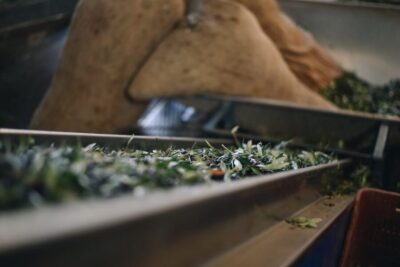
Olive Farm Tour with Tasting of Local Delicacies
Read our review →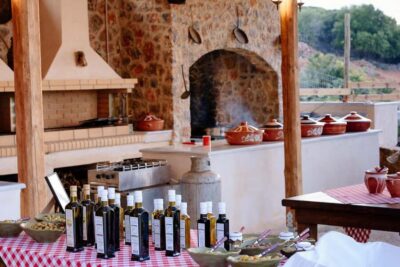
Lassithi, Zeus Cave, Olive Mill Farm & Knossos Combo Tour
Read our review →
Naxos Perivoli Farm Experience & Wood-fire Cooking Class
Read our review →
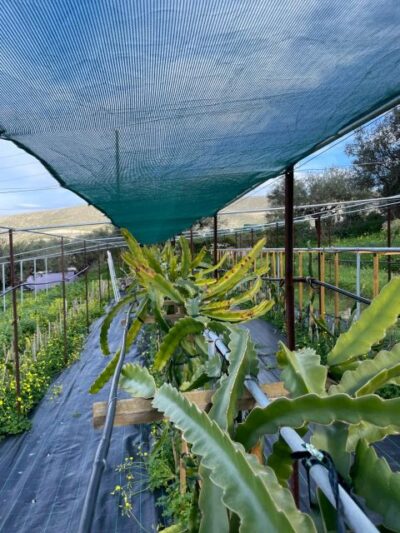
Traditional Olive Grove and Dragon Fruit Farm Tour
Read our review →
Wine Tasting Tour at a traditional farm in Mykonos
Read our review →Other lists this farm sits on