
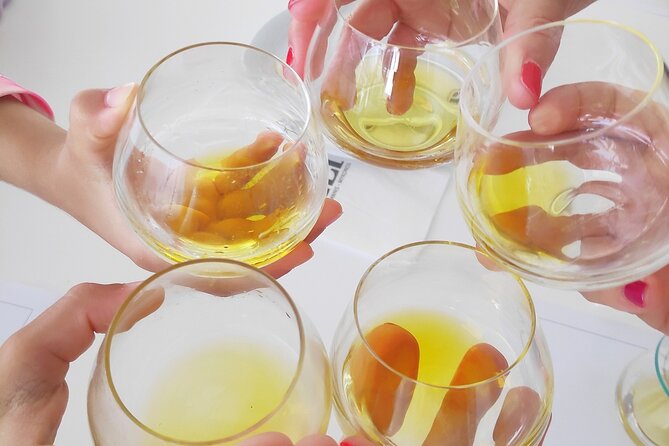
REVIEW · MYKONOS
Olive Oil Tasting at the Mykonian Farm
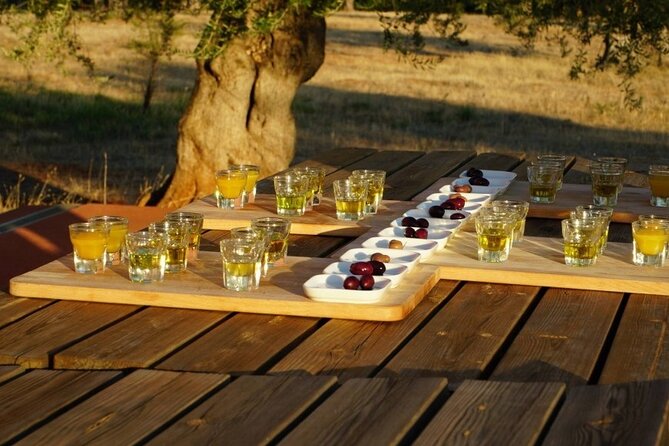
Fresh bread is not the main event here. The real treat is learning why Greek olive oil tastes the way it does, from its fruity aroma to its peppery finish. At Mykonian Farm, an expert olive oil taster leads you through a practical session that compares two award-winning Greek extra virgin olive oils with two oils showing negative qualities.
I like the clear sensory lesson and the chance to taste good and flawed oil side by side. I also like the small group, limited to 15 people, which should make it easier to ask questions. The main drawback is the price, $104.28 per person, especially since food is not clearly included in the stated program and one account found the dinner portion disappointing.
Key points about the Mykonian Farm tasting
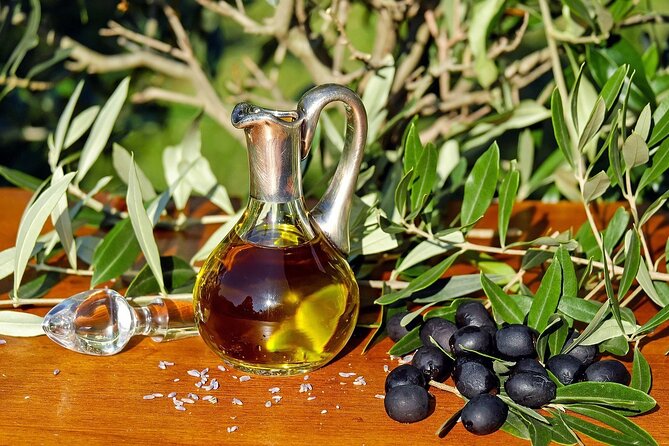
- Four oils make the lesson practical: You taste two high-quality Greek extra virgin oils alongside two oils with faults.
- The 5:00 pm start suits a relaxed evening: The session lasts about two hours and takes place in a specially designed tasting area.
- An expert leads the sensory work: You learn how to smell, taste, and describe oil using terms such as fruity, bitter, and spicy.
- The group is capped at 15 people: This is small enough for personal questions without making the session feel private or exclusive.
- Pickup is offered: You should check the exact pickup details before booking, since the supplied information does not specify the pickup area.
- The program focuses on olive oil, not a full farm dinner: Food and wine received praise in one account, but dinner is not listed among the official inclusions.
Why this Mykonos activity is more than a tasting
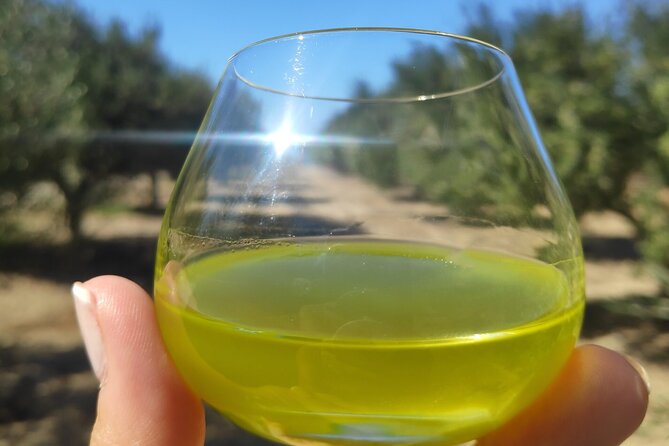
Mykonos is best known for whitewashed villages, beach clubs, and late nights. This activity offers a quieter look at a food that has shaped Greek cooking for thousands of years. Olive oil is not just a finishing touch in Greece. It is part of everyday meals, farming, family customs, and the broader Mediterranean Diet.
I like that the session does not simply pour oil into little dishes and ask you to declare a favorite. You are taught how to smell and taste with purpose. That gives you a useful skill for the rest of your trip, whether you are ordering a salad, buying a bottle, or trying to judge the oil served with bread at a taverna.
The lesson also explains the meaning of extra virgin. That term is often used casually, but here you learn that it refers to a high standard of quality and sensory condition. The tasting helps you connect the label with what you actually smell and feel in your mouth.
More Food and Drink Tours around Greece:
- Heraklion: Olive Farm Tour with Tasting of Local Delicacies
★ 4.9 · 411 reviews - Cretan Cooking Class and Olive Oil Tasting
★ 5.0 · 178 reviews - Wine Tasting Tour at a traditional farm in Mykonos
★ 4.5 · 114 reviews
Arriving at 5:00 pm for the two-hour session
The activity begins at 5:00 pm and lasts about two hours. That timing is useful if you want to keep the middle of your day open for beaches, sightseeing, or a walk through Mykonos Town. It also gives the visit an evening feel without taking up an entire night.
Pickup is offered, which can be valuable on Mykonos. The exact pickup arrangements are not provided, so I would confirm the meeting details before you pay. If you are staying away from the farm, do not assume that every hotel or neighborhood is covered.
The activity takes place in a specially designed area of the Mykonian Farm. The supplied details do not promise a full farm tour, a long olive-grove walk, or a cooking class. You should think of this primarily as a guided tasting and food lesson held at a farm, not as a broad sightseeing tour.
The group maximum is 15 people. I consider that a good size for a sensory activity. A group of two or three can feel more personal, but a large crowd would make it harder to smell in peace, compare impressions, and hear the host.
Learning the basic language of olive oil

The first part of the session covers a short history of the Greek olive tree and olive oil. This gives the tasting a useful setting. You learn why olive oil has such a strong place in Greek life instead of treating it as another specialty product on a shelf.
The host then introduces the basic principles of tasting and sensory analysis. You are shown how to use your nose as well as your palate. Smell matters because much of an oil’s character comes through its aroma, not just its texture or bitterness.
You learn terms including:
- Fruity: Aromas and flavors linked with fresh olives and other positive notes.
- Bitter: A taste that can be a normal and desirable part of a good extra virgin oil.
- Spicy: The peppery sensation that can appear in the throat, often giving the oil energy and bite.
- Negative attributes: Unwanted smells or flavors that point to a defective oil.
This vocabulary is one of the strongest parts of the program. It helps you move beyond saying that an oil tastes good or bad. You can begin to describe what is happening and why one oil feels fresher, cleaner, or more balanced than another.
Comparing two award-winning oils with two flawed oils
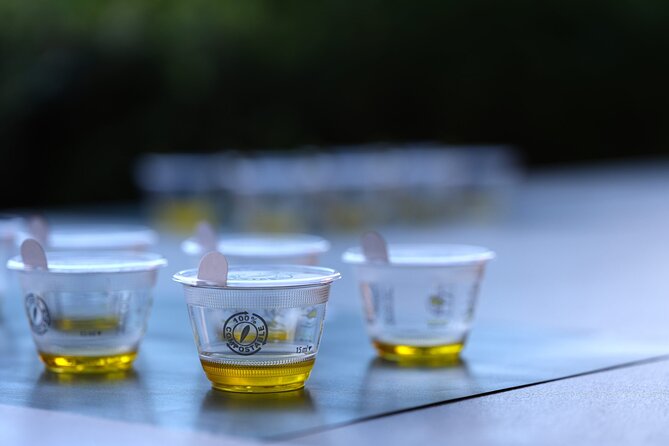
The tasting includes two award-winning Greek extra virgin olive oils and two oils with negative attributes. This side-by-side comparison is the heart of the activity.
Many tastings present only excellent products. That can be pleasant, but it does not always teach you how to recognize quality. Here, the less successful oils serve as a contrast. You can compare the aroma, flavor, and finish of each sample rather than relying only on the host’s description.
I particularly like this format for first-time tasters. It makes the lesson concrete. You are not expected to memorize technical definitions. You can notice that one oil smells fresh and lively while another has an unpleasant quality, then connect those sensations to the terms being taught.
The activity also explains the elements that characterize an extra virgin olive oil. The focus is not only on personal taste. You learn that quality involves both positive sensory traits and the absence of defects.
That said, tasting preferences remain personal. A peppery oil may feel too strong to you, while another person may prize that bite. The class should help you identify quality and defects, but it should not make you feel that there is only one acceptable flavor profile.
More Farm Tours around Greece:
- Mykonos: Farm, Ano Mera Village, and Beaches Guided Tour
★ 4.4 · 1,283 reviews - Crete: Road-trip to Lasithi, Zeus Cave & Olive Mill Farm
★ 4.4 · 451 reviews - Lassithi, Zeus Cave, Olive Mill Farm & Knossos Combo Tour
★ 4.6 · 404 reviews - Naxos Perivoli Farm Experience & Wood-fire Cooking Class
★ 5.0 · 339 reviews
What the Mediterranean Diet lesson adds
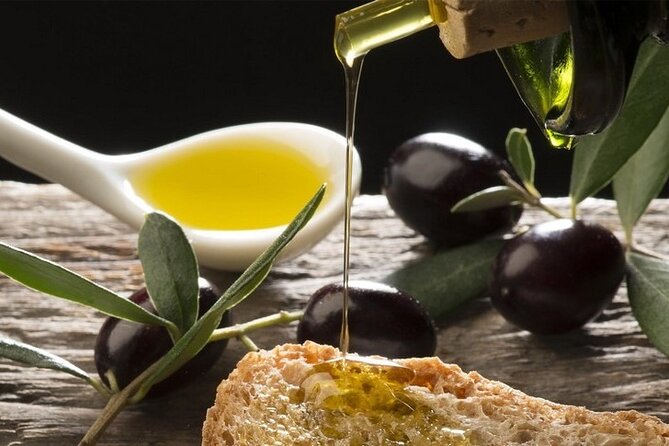
The olive oil tasting includes a discussion of the Mediterranean Diet and the health benefits of extra virgin olive oil. The material highlights antioxidants, fatty acids, and vitamins, and explains why olive oil is often treated as the central fat in Mediterranean cooking.
This part gives the tasting a wider purpose. You are not just learning how to choose a bottle for your kitchen. You are learning how one ingredient fits into a food tradition built around simple, everyday use.
I would keep expectations sensible. The session offers basic health information, not a medical consultation or nutrition course. The supplied program does not promise personalized diet advice. Still, it can help you understand why olive oil appears so often in Greek meals and why the term extra virgin matters beyond marketing.
The beauty benefits of extra virgin olive oil are also mentioned. Consider this a general introduction rather than a treatment session. The main value remains the tasting itself and the explanation of how quality is judged.
The farm setting and the question of food
The Mykonian Farm setting adds a local food connection that you would not get from a shop counter or hotel tasting room. It places the lesson in a working farm environment, though the details do not confirm exactly how much of the farm you will see.
One account praised the owner as friendly and well informed, which fits the personal nature of a small farm activity. A good host matters here. Olive oil tasting can sound technical, but a clear and welcoming presenter keeps the session approachable.
Food and wine were also praised in one account. Another account expected more from the dinner and felt the overall value was weak, while describing the olive tasting itself as acceptable. This is important: do not book this mainly for dinner. Food and wine may be part of the broader visit or an associated offering, but they are not listed among the official inclusions provided here.
The confirmed program includes the olive oil lesson, four oils, biodegradable tasting glasses, and the expert-led presentation. Anything beyond that should be confirmed before booking. If you want a full meal, ask exactly what is served, how much is included, and whether it is part of your paid package.
Is $104.28 a fair price?
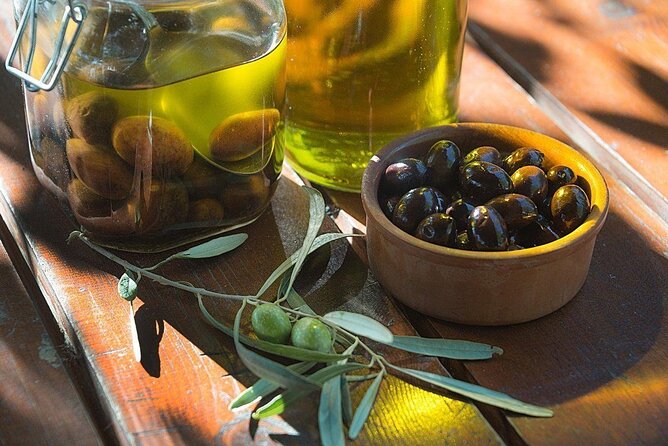
At $104.28 per person, this is not a casual add-on for a budget day in Mykonos. You are paying for a specialist-led lesson, four tastings, a farm setting, and the convenience of possible pickup. The price may feel reasonable if you care about Greek food and want more than a standard sightseeing stop.
The value is strongest for people who will use the lesson. If you enjoy cooking, shop for olive oil at home, or want to understand Mediterranean food traditions, the information can stay with you long after the holiday. The chance to compare excellent and defective oils is more useful than a simple tasting of four similar products.
The value is weaker if you expect a substantial meal, a long farm tour, or a full evening of entertainment. Those features are not clearly promised. One negative account specifically found the price high for what was received, so I would treat the cost as a serious consideration.
A good rule is simple: book it for the instruction first. Regard food, wine, and any animal-related activity as extras only if the provider confirms them.
Who will enjoy this tasting most?
I would recommend the activity to:
- Food-focused visitors: You will gain useful language for ordering, tasting, and buying olive oil.
- Couples and small groups: The two-hour format leaves room for conversation without requiring a full-day commitment.
- People interested in Greek culture: Olive oil offers a direct link to ancient traditions and modern daily life.
- Home cooks: The comparison between good and defective oil can improve how you judge bottles at home.
- Visitors seeking a quieter Mykonos activity: The 5:00 pm start gives you a break from the island’s louder attractions.
I would be more cautious if you are looking for a farm-to-table dinner, extensive animal encounters, or a major sightseeing experience. The tasting is the confirmed focus, and the program is fairly narrow.
Most people can participate, according to the provided information. The tour uses biodegradable tasting glasses, which is a small but welcome detail for a food activity built around single-use tasting equipment.
Booking, cancellation, and practical planning
Confirmation is provided at the time of booking, and mobile tickets are accepted. Pickup is offered, but you should confirm where and when it takes place rather than relying on a general hotel pickup assumption.
The experience is non-refundable and cannot be changed for any reason. That makes timing important. I would not book until your Mykonos plans are firm, especially because ferry delays, weather, and changing island schedules can affect an evening.
The activity is normally booked about 46 days in advance. That suggests you should reserve ahead during busy periods, particularly if you want the 5:00 pm session and need pickup. The group maximum of 15 people is helpful, but it also means spaces may not be unlimited.
Should you book the Mykonian Farm olive oil tasting?
Book it if you want a focused, educational food activity and are willing to pay for specialist instruction. The strongest features are the comparison of two award-winning oils with two flawed oils, the expert-led sensory lesson, and the chance to connect olive oil with Greek history and the Mediterranean Diet.
Think twice if your main goal is a large dinner or a full farm excursion. Food and wine may be available in some form, but they are not clearly included in the confirmed program, and expectations about the meal have not always matched the price.
My call: this is a good fit for curious food lovers, but not a bargain experience. Confirm the pickup and meal details, then book only if the tasting itself is worth $104.28 to you.
FAQ
How long does the olive oil tasting last?
The activity lasts approximately two hours.
What time does the experience begin?
The stated start time is 5:00 pm.
How many olive oils will I taste?
You will taste four oils: two award-winning Greek extra virgin olive oils and two oils with negative attributes.
Is pickup available?
Yes. Pickup is offered, but the specific pickup locations and arrangements are not provided.
How many people can join the activity?
The maximum group size is 15 people.
Can I cancel or change my booking?
No. The experience is non-refundable and cannot be changed for any reason.
Just added around Greece
- Volos: Cook Like a Local at a Greek Farm★ 5.0 · 7 reviews
- Traditional Greek Cooking Class @ Lefkada Micro Farm★ 4.7 · 32 reviews
- Visit a Farm and Horseback Riding in Nature★ 5.0 · 10 reviews
- Insightful Pistachio Orchard and Factory Tour★ 4.5 · 27 reviews
- Flavors of Santorini: Farm-to-Table Meal Wine & Authentic Village★ 5.0 · 12 reviews
- Private Olive Oil tasting & Liqueur experience★ 5.0 · 17 reviews
- Santorini 5 Hour Private Oia Tour & Lunch/Dinner at a Local Farm★ 5.0 · 40 reviews
- Cooking Class Sunset Dinner and Tour in Paros Farm★ 5.0 · 5 reviews
Mykonos Farm Tours, farm by farm.

Farm, Ano Mera Village, and Beaches Guided Tour
Read our review →
Wine Tasting Tour at a traditional farm in Mykonos
Read our review →
Mykonian Farm and Bakery Class with Brunch in Greece
Read our review →

Traditional Barbecue Experience at Traditional Farm in Mykonos
Read our review →
Other lists this farm sits on