
REVIEW · GREECE
Be A Farmer for A Day in Arevitis Farm!
Roll up your sleeves in rural Crete. Arevitis Farm gives you a close look at country life through milking, animal care, vegetable gardening, and traditional food-making. Guided by Iro and/or John, you spend two hours learning how the farm’s animals, crops, and kitchen work fit together.
I like the hands-on animal encounters, especially the chance to feed and milk goats and sheep rather than simply look at them. I also like the farm-to-table side of the visit, where milk becomes yogurt, mizithra, and cheese, and fresh produce becomes part of the meal. The main consideration is time: two hours goes quickly, so you may sample several farm tasks rather than complete every activity listed.
Key things to know before you go
- Milking becomes part of the meal: Milk from the goats and sheep is used for traditional yogurt, mizithra, and cheese.
- The garden follows the seasons: Summer vegetables and potatoes are planted from early April, while autumn crops begin in August.
- Animal care is practical work: Feeding, milking, and seasonal shearing show the daily effort behind farm products.
- Traditional tastes are included: You can try malotira tea, raki, homemade dairy products, and traditional pies.
- Small groups keep it personal: The experience is limited to 10 people and is conducted in English.
- The price is reasonable for a hands-on visit: At $33.88 per person, the cost covers a guided farm experience and food tastings, not just a walk around the property.
A short visit with a real working-farm feel
Arevitis Farm is not presented as a polished theme park with staged animal shows. The focus is ordinary rural work: caring for animals, tending vegetables, making dairy products, and using what the farm produces.
That is the appeal. You get a clearer idea of the labor behind a simple Cretan breakfast or a wedge of fresh cheese. Milking a goat may sound charming, but it also takes patience and effort. The farm makes that point without turning the visit into a lecture.
The experience lasts about two hours. I would think of it as a compact introduction to farm life, not a full workday. The exact order of activities may depend on the season, the animals, and what needs doing that day. If you expect to milk animals, garden, shear sheep, make cheese, and prepare a complete meal all within two hours, adjust your expectations.
Your guide is Iro and/or John, who explain the animals, crops, and sustainable practices. The English-language format suits international visitors, and the group limit of 10 people should make it easier to ask questions and take part.
More Farm Tours around Greece:
- Mykonos: Farm, Ano Mera Village, and Beaches Guided Tour
★ 4.4 · 1,283 reviews - Crete: Road-trip to Lasithi, Zeus Cave & Olive Mill Farm
★ 4.4 · 451 reviews - Heraklion: Olive Farm Tour with Tasting of Local Delicacies
★ 4.9 · 411 reviews
Meeting the goats, sheep, chickens, and cats
The animal portion gives the visit its warmest moments. You can interact with chickens, goats, and sheep, while learning how they are fed and cared for. This is a good fit for children, animal lovers, and anyone who wants something more personal than a museum visit.
Feeding animals is simple but memorable. You see how quickly the animals respond to food, how much attention they need, and how farm work depends on a regular routine. The experience can also help children understand that dairy products do not begin in a supermarket refrigerator.
Milking is one of the main activities. The farm uses the milk to make yogurt, mizithra, and cheese, so this is not a one-off demonstration with no purpose. The work connects directly to what you may taste later.
I would prepare for the animals to behave like animals. They may be eager, noisy, or unpredictable. That is part of the charm, but it also means you should follow the guide’s instructions and stay calm around them. The experience is friendly and close-up, not a chance to handle every animal in any way you choose.
The farm’s animal care also includes shearing twice a year. The first shearing takes place at the end of April, partly to clean the animals and fit them with bells before they graze in the mountains. The second comes at the end of June, helping keep them cooler during summer.
If your visit does not take place during one of those periods, shearing may be explained rather than demonstrated. Even so, the detail gives you a useful sense of the farm calendar. The animals are not simply there for visitors. Their care follows the seasons and the practical demands of life outdoors.
The vegetable garden changes with the calendar
The garden adds another layer to the experience. Arevitis Farm plants its vegetable garden from the beginning of April through October, starting with summer vegetables and potatoes. From August, the farm begins planting autumn crops.
That seasonal rhythm matters. A garden visit in spring will not look or feel the same as one in late summer. You might see different plants, different tasks, and different stages of growth. The farm’s work is shaped by weather and timing, not by a fixed display prepared for every arrival.
You can take part in vegetable gardening and learn how much daily care the crops require. The work may seem modest, but the farm explains that the garden needs long hours of attention. That contrast is worth noticing: a basket of organic vegetables may look effortless on the table, but it comes from repeated watering, planting, tending, and harvesting.
I like this part of the experience because it balances the animal encounters. You are not only meeting farm creatures. You are also seeing how the land supplies food for the household and the farm-to-table meals.
Do not expect a large commercial farm tour with rows of machinery or a long agricultural presentation. The information provided centers on hands-on tasks and the farm’s everyday routine. That makes the garden most useful for visitors who enjoy practical work and seasonal food, rather than those looking for a formal botany lesson.
From fresh milk to yogurt, mizithra, and cheese
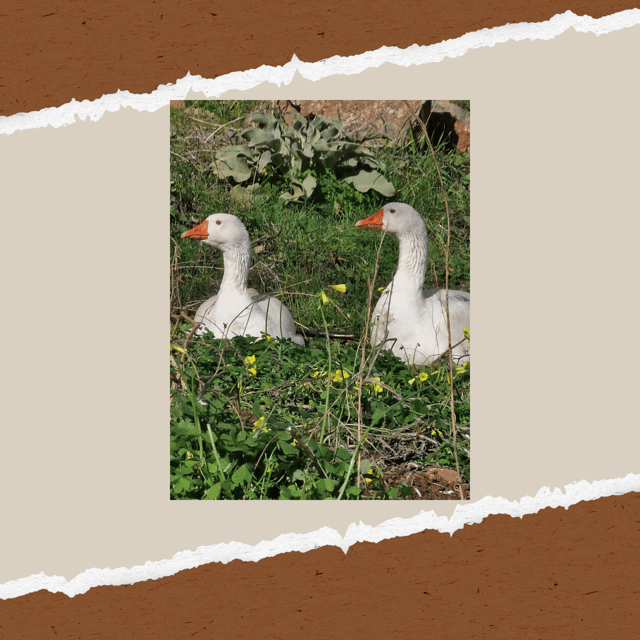
The dairy-making portion is where the visit feels most connected to Cretan food. After milking, the milk can be turned into traditional Greek yogurt, mizithra, and cheese.
You may not produce a full batch of each item during a two-hour visit, but you can learn how the process works and take part where the schedule allows. The value is in seeing the link between animal care and the food on your plate.
Greek yogurt is familiar to many people, but making it on a farm changes your understanding of it. Mizithra, a traditional fresh cheese, is less familiar to many international visitors. Tasting these products at the place where the milk is produced gives them a clear sense of origin.
The farm also includes traditional pies among the activities. This is a nice addition because it shifts the focus from raw ingredients to home cooking. The exact pie-making steps and amount of participation are not specified, so I would treat it as a possible hands-on cooking activity rather than assume you will prepare an entire pie from start to finish.
The food is not an unrelated snack added at the end. It reflects the farm’s central idea: animals, garden, kitchen, and table all belong to one system. That makes the meal more meaningful than a standard tasting.
Same fields, a different sort of morning:
- Lassithi, Zeus Cave, Olive Mill Farm & Knossos Combo Tour
★ 4.6 · 404 reviews - Naxos Perivoli Farm Experience & Wood-fire Cooking Class
★ 5.0 · 339 reviews - Cretan Cooking Class and Olive Oil Tasting
★ 5.0 · 178 reviews - Melanes: Naxos Perivoli Farm & Cooking Class with Wood Fire
★ 5.0 · 177 reviews
Malotira, raki, and a taste of Cretan hospitality
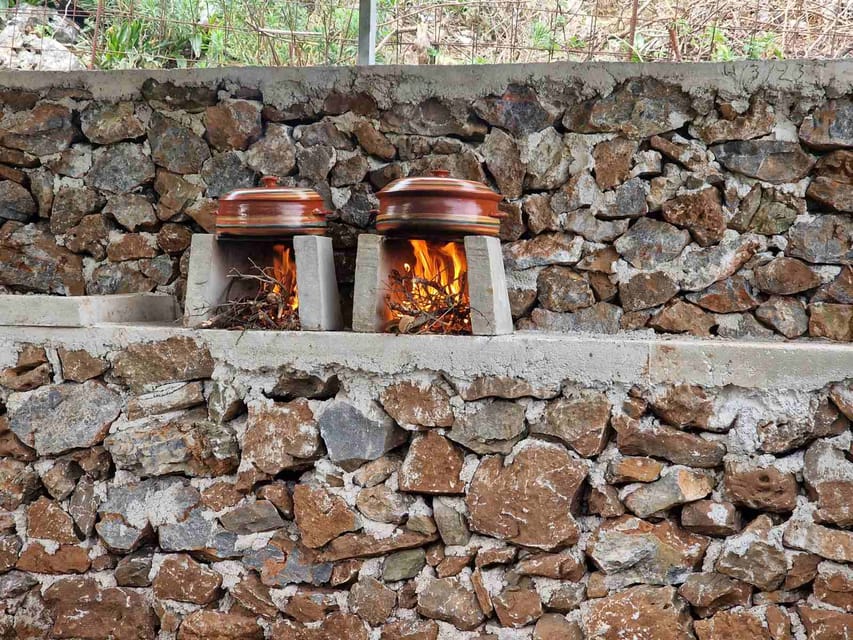
The tasting includes traditional tea known as malotira and raki, the clear spirit commonly associated with Crete. These drinks give the visit a local flavor without requiring a long food tour around the island.
Malotira is especially interesting because it comes from the mountain-herb tradition of Crete. At the farm, you can taste it as part of the wider introduction to local food and rural life. Raki offers a sharper finish and may not suit every palate, so take it slowly.
The farm-to-table meal is another major part of the experience. Ingredients are locally sourced, with the farm’s own dairy and vegetables playing an important role. The supplied details do not specify a fixed menu, so you should expect the food to reflect what is available rather than a restaurant-style list of courses.
That can be a strength. A seasonal meal tells you more about the farm than a menu built around imported ingredients. It can also mean that the meal varies, so anyone with strict dietary needs should confirm arrangements before booking.
What the two-hour schedule really means
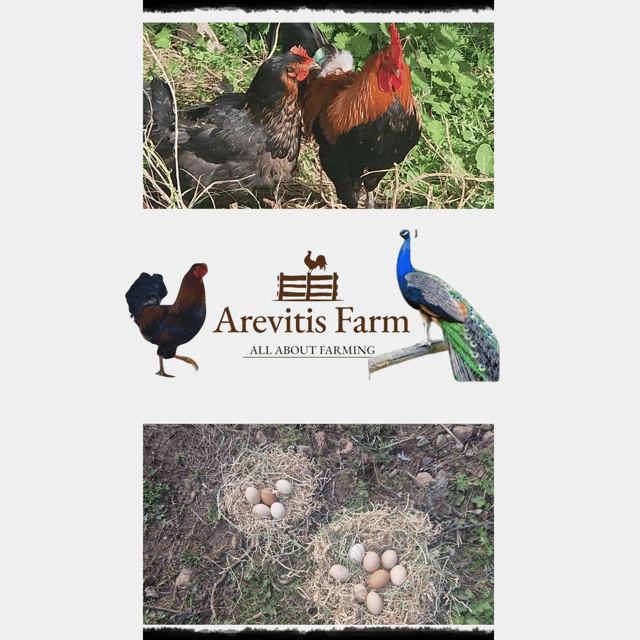
Two hours is long enough to get a useful introduction, but short enough to fit into a busy day in Crete. You can visit the farm in the morning or at another available starting time, then continue to another activity afterward.
The schedule is likely to move between explanation and participation. A typical visit may include:
- An introduction to the farm and its animals
- Feeding or meeting chickens, goats, and sheep
- A look at milking and dairy production
- Time in the vegetable garden
- Traditional food preparation, such as yogurt, cheese, or pies
- Tasting malotira, raki, and farm products
This is a practical outline, not a guaranteed minute-by-minute program. Farm work does not always follow a clock. The animals, weather, season, and current jobs may shape the order.
I would arrive ready to participate rather than watch from the edge. Wear clothes and shoes that can handle contact with soil and animals. The supplied details do not state a specific dress code, but a working farm is not the place for your best city outfit.
The meeting point is Arevitis Farm at 9524+JV Kryonerida. The activity begins and ends there, so you need to arrange your own way to the farm. No transport from a hotel or another Cretan town is included in the information provided.
Is $33.88 good value?
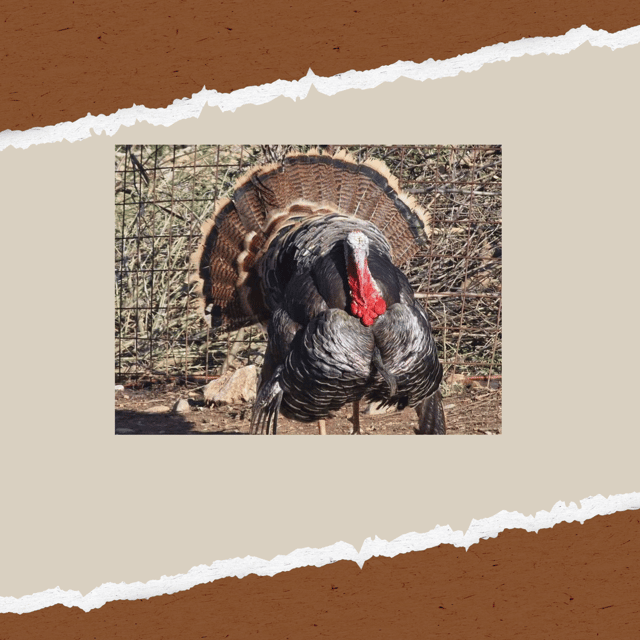
At $33.88 per person, this is fairly priced for a small-group activity that combines a guided tour, animal encounters, farm work, and tastings. You are paying for direct access to a working farm and for a guide who explains how the pieces connect.
The value is strongest if you take part. If you only want photographs of goats or a quick look at a garden, you may find the price less compelling. If you enjoy food, animals, and local customs, the combination gives you more than a standard sightseeing stop.
The group limit of 10 is important. A small group should give you more room to ask Iro or John questions and more time at the animals or garden. It also makes the visit more comfortable for families, though children should be supervised around livestock.
The experience also offers free cancellation up to 24 hours before the start time, plus a reserve-now and pay-later option. Those terms are useful if your Cretan plans are still shifting. Check the available starting times before booking, since the duration is fixed at two hours but the departure schedule can vary.
Who will enjoy Arevitis Farm most?
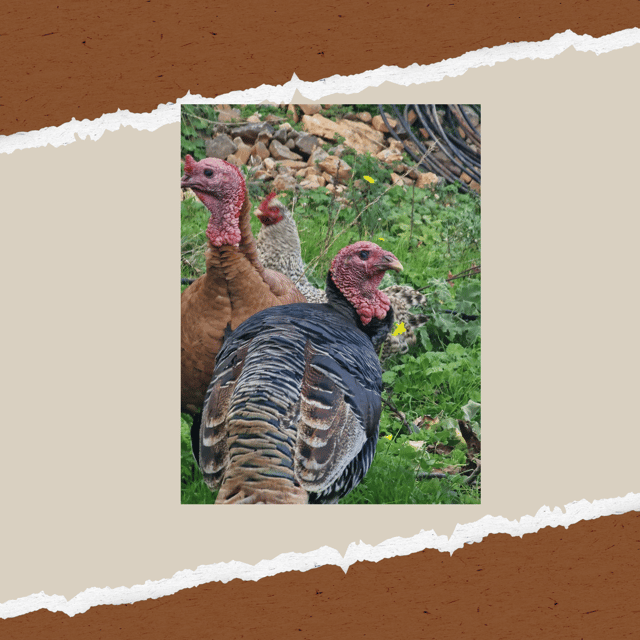
I would recommend this activity to people who want a human-scale view of Crete. It suits families, couples, solo visitors, food lovers, and anyone interested in country life.
Children may especially enjoy feeding the animals and seeing milk become food. Adults often appreciate the harder side of the story: milking takes work, the garden needs daily care, and shearing is tied to animal health and seasonal weather.
Food-focused visitors will like the yogurt, cheese, mizithra, pies, tea, raki, and farm-fresh meal. The experience gives you context for Cretan ingredients instead of presenting them as anonymous dishes.
It may not be the right choice if you want a long, relaxed meal with plenty of time at the table. It also may disappoint visitors expecting every listed activity to happen in full during one two-hour session. The farm offers many services and seasonal tasks, but the actual visit will have limits.
Small details that make the visit memorable
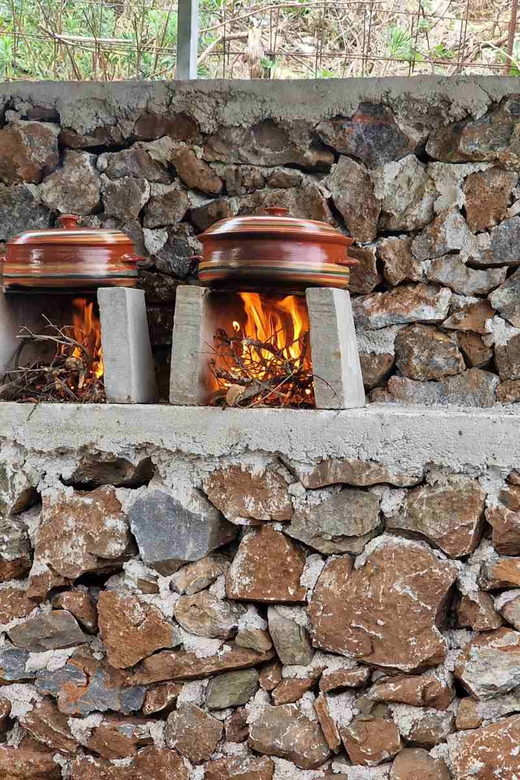
The most appealing part of Arevitis Farm is its plain connection between work and food. A goat is not just an animal encounter. It provides milk. The milk is not just a sample. It becomes yogurt, cheese, or mizithra. The garden is not just scenery. It supplies vegetables for the table.
The family’s attitude toward rural life comes through clearly. The farm describes its daily life as a mix of nature, animals, earth, and what those things can provide for the family and its children. That sense of purpose gives the experience more weight than a simple activity stop.
One especially personal detail is the presence of a stray cat that visitors may encounter. It is a small moment, but it hints at the informal, lived-in character of the farm. You are entering a place where animals are part of daily life, not only part of a program.
The strongest praise for the experience centers on the people, the animals, and the chance to understand rural life on the island. That is exactly where the visit has its greatest value. You come away with a better idea of how much effort sits behind a few simple Cretan foods.
Should you book Arevitis Farm?
Book it if you want a friendly, hands-on introduction to farming in Crete, especially if you enjoy animals and traditional food. The $33.88 price is sensible for a small group with guided activities and tastings, and the two-hour length fits neatly into a larger day.
I would book with realistic expectations. You are not signing up for a full agricultural workday, and the exact mix of milking, gardening, cooking, and shearing can depend on the season. You are signing up for a close look at how a Cretan farm works, with a chance to get your hands involved.
For families, food lovers, and curious visitors, Arevitis Farm is an easy recommendation. It offers the kind of direct local experience that stays with you after the larger sights begin to blur.
FAQ
Where is Arevitis Farm located?
Arevitis Farm is at 9524+JV Kryonerida in Crete.
How long does the experience last?
The activity lasts two hours.
What language is the tour conducted in?
The live tour guide provides the experience in English.
How many people can join the group?
The group is limited to 10 participants.
What activities are included?
Activities include milking animals, vegetable gardening, animal shearing, making traditional pies, and preparing traditional Greek yogurt and cheese. Tasting malotira tea, raki, and other farm products is also included.
Does the activity begin and end at the farm?
Yes. The meeting point is Arevitis Farm, and the activity ends back at the same meeting point.
Can I cancel the booking?
You can cancel up to 24 hours in advance for a full refund. A reserve-now and pay-later option is also available.
Just added around Greece
- Volos: Cook Like a Local at a Greek Farm★ 5.0 · 7 reviews
- Traditional Greek Cooking Class @ Lefkada Micro Farm★ 4.7 · 32 reviews
- Visit a Farm and Horseback Riding in Nature★ 5.0 · 10 reviews
- Insightful Pistachio Orchard and Factory Tour★ 4.5 · 27 reviews
- Flavors of Santorini: Farm-to-Table Meal Wine & Authentic Village★ 5.0 · 12 reviews
- Private Olive Oil tasting & Liqueur experience★ 5.0 · 17 reviews
- Santorini 5 Hour Private Oia Tour & Lunch/Dinner at a Local Farm★ 5.0 · 40 reviews
- Cooking Class Sunset Dinner and Tour in Paros Farm★ 5.0 · 5 reviews
Greece Farm Tours, farm by farm.
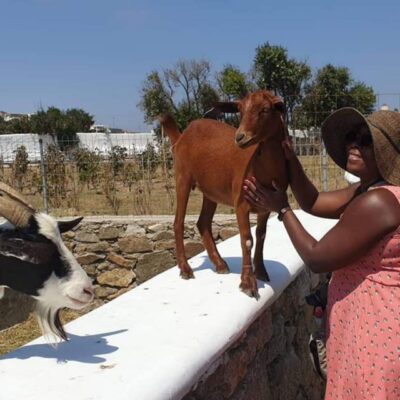
Farm, Ano Mera Village, and Beaches Guided Tour
Read our review →
Road-trip to Lasithi, Zeus Cave & Olive Mill Farm
Read our review →
Olive Farm Tour with Tasting of Local Delicacies
Read our review →
Lassithi, Zeus Cave, Olive Mill Farm & Knossos Combo Tour
Read our review →
Naxos Perivoli Farm Experience & Wood-fire Cooking Class
Read our review →
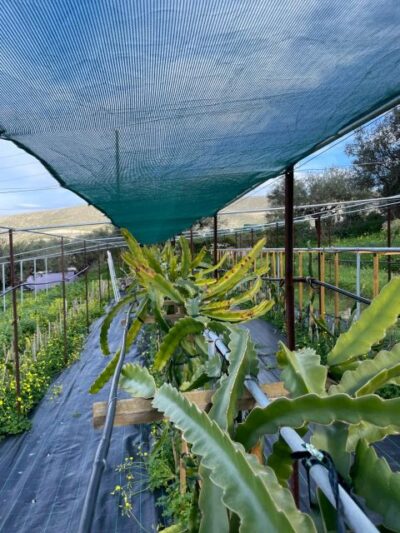
Traditional Olive Grove and Dragon Fruit Farm Tour
Read our review →
Wine Tasting Tour at a traditional farm in Mykonos
Read our review →Other lists this farm sits on