
REVIEW · MOROCCO
Cooking Classes Farm to Table Marrakech
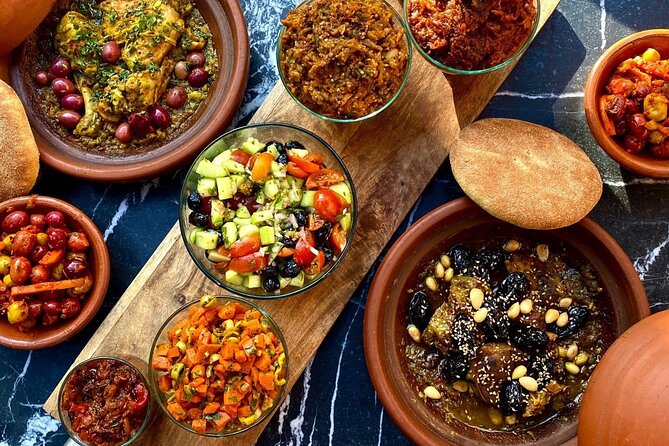
A market morning can change your dinner. This five-hour Marrakech experience takes you from the lanes near Koutoubia Mosque to a local food market, then out to a peaceful farm for hands-on Moroccan cooking. I like the direct link between shopping and cooking, since you see the vegetables, meat, herbs, and spices before they reach your tajine. I also like the relaxed farm setting, where tea, sweets, and an outdoor kitchen turn a basic lesson into a social half-day.
The class costs $75.60 per person, which is fair if you value a meal, instruction, market visit, and cultural context in one outing. The main consideration is that the day depends on weather and a minimum number of bookings. The group can reach 12 people, so you should not expect a private lesson unless you arrange or pay for one separately.
Key points to know before booking
- Market shopping comes first: You help select fresh vegetables, proteins, fruit, herbs, and spices before cooking.
- The farm setting changes the pace: After Marrakech’s medina, the garden and outdoor kitchen offer a calmer place to work and eat.
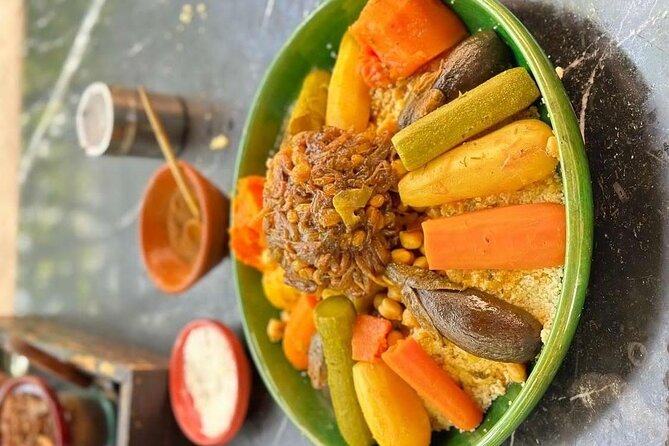
- Tajine is only part of the meal: Depending on the group and choices, the cooking can include salads, couscous, bread, meatballs, and several tajines.
- Chef Abdel receives high praise: He is described as funny, patient, organized, and fluent in English.
- The class is genuinely hands-on: You prepare food yourself rather than simply watching a chef demonstrate.
- Plan ahead: The experience is booked an average of 37 days in advance, suggesting that popular dates can fill early.
From Koutoubia to a working Marrakech market
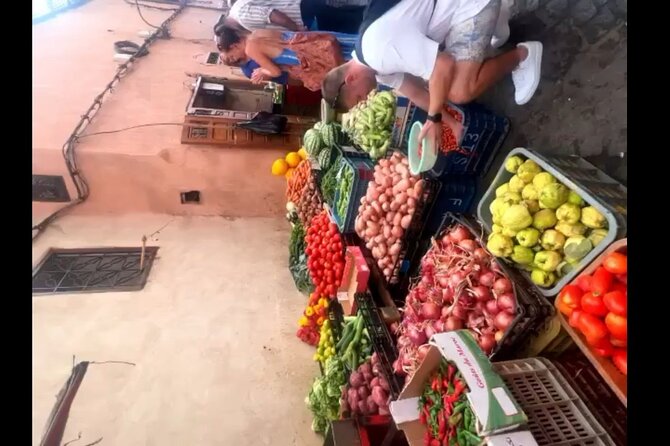
The meeting point is at Koutoubia in central Marrakech. From there, the class begins with a walk through the old medina toward a local market. This is not just a quick stop to collect ingredients. The market visit helps you understand how Moroccan cooking starts, with decisions made at the stalls rather than from a fixed supermarket list.
You may buy vegetables, meat or other proteins, herbs, fruit, and spices for the meal. The exact ingredients can vary, but the important point is that you see and handle them before cooking. That makes later instructions easier to understand. When the chef explains preserved lemons, ras el hanout, fresh herbs, or the best ingredients for a tajine, you have already seen those items in their everyday setting.
You are also free to take photographs and videos during the market visit. Still, remember that this is a working food market, not a staged attraction. Keep your camera friendly and discreet, and let the guide handle conversations with sellers.
The medina walk adds useful cultural context. You are moving through the same narrow lanes used for daily shopping, rather than being taken straight to an isolated cooking studio. For me, that connection is one of the strongest parts of the experience. You learn that Moroccan food is tied to shopping habits, local produce, family meals, and the rhythm of the market.
The drawback is that medina streets can be crowded and confusing. Wear comfortable shoes, stay close to the guide, and arrive at Koutoubia with enough time to find the meeting point. Pickup is listed as available, but the stated start point is Koutoubia, so confirm the exact pickup arrangement before setting out.
More Cooking Classes around the world:
- Half-Day Thai Cooking Class at Organic Farm in Chiang Mai
★ 5.0 · 19,087 reviews - Cooking Class and Lunch at a Tuscan Farmhouse with Local Market Tour from Florence
★ 5.0 · 4,831 reviews - Chiang Mai: Authentic Cooking Class with Market & Farm Visit
★ 4.9 · 4,546 reviews
The trip from city lanes to farm calm
After shopping, the group goes to the farm and cooking site. The description refers to a tour of the farm among trees and vegetation, followed by tea and sweets. Several accounts also describe traveling from the market to the farm by vehicle.
This change of setting gives the class its character. You begin with the sounds and movement of the medina, then shift to an open-air kitchen surrounded by greenery. It is a useful contrast to the usual Marrakech sightseeing schedule, especially if you have spent the morning around Jemaa el-Fna and the souks.
The farm is not presented as a grand attraction. Its value is simple: you have space to cook, sit, talk, and eat. The garden setting also makes the food feel connected to the ingredients you just purchased. Instead of preparing dishes in a polished indoor classroom, you work in a more relaxed outdoor setting.
Tea and sweets are served before cooking begins. This is a small but important Moroccan welcome. It gives you a chance to settle in, meet the chef and other class members, and ask questions before handling food.
One practical point is weather. This activity requires good weather, so a hot, rainy, or otherwise unsuitable day can affect the schedule. If the operator cancels for weather, you are offered another date or a full refund. Marrakech can be very hot in summer, and one person chose a private class during July partly because fewer people were booking then. If you dislike heat, check the forecast and consider the season carefully.
Preparing your own Moroccan tajine
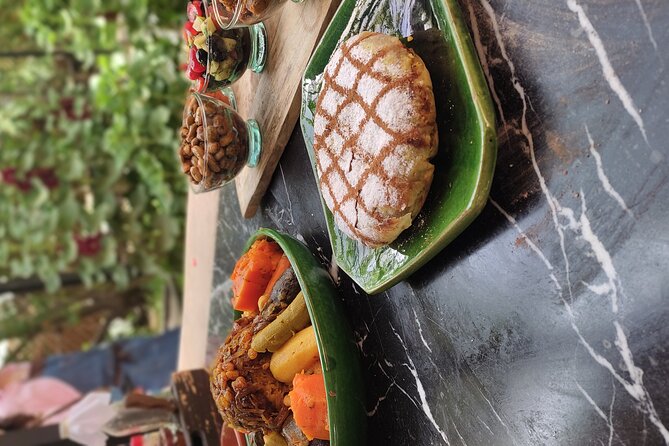
The central cooking task is making a tajine with your own hands. You receive an apron, which is a useful touch for both cleanliness and photographs. The class is designed around participation, not a demonstration followed by a plate appearing in front of you.
The chef guides you through preparation and traditional methods. You may choose from sweet or savory options, with chicken, beef, lamb, or vegetables mentioned among the possible choices. Couscous, bread, meatballs, and several salads may also be part of the menu, depending on the class arrangement.
That variety matters. A class promising only one tajine can become repetitive if everyone follows the same recipe. Here, the available choices can give you a more personal meal and let you compare different Moroccan flavors. Some class members have prepared individual tajines while working together on a large selection of salads.
The salad course seems to be a particular strength. Past menus have included as many as six or nine Moroccan salads, with different textures, colors, herbs, and seasonings. This gives you a better sense of everyday Moroccan cooking than a single main dish would. It also shows how a Moroccan meal can be built around many small preparations rather than one large plate.
You may also work with ingredients such as preserved lemons and ras el hanout. These are not decorative extras. Preserved lemon adds a salty, sharp flavor to many Moroccan dishes, while ras el hanout is a complex spice blend that can vary from one cook or shop to another. Learning how to use these ingredients is more useful than simply hearing their names on a food tour.
The class is suitable for beginners. Chef Abdel is praised for being patient, organized, entertaining, and able to explain the food clearly in English. The teaching style appears to combine practical instruction with stories about Moroccan food and culture. You can ask questions as you work, which is often the best way to understand why a dish is prepared in a particular order.
Eating what you prepared
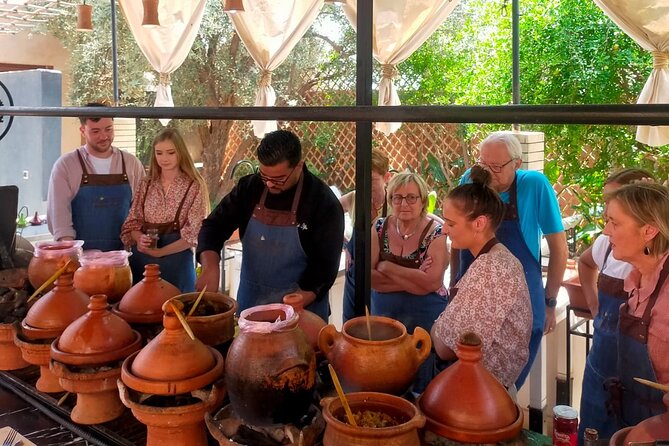
Once the cooking is finished, you eat the meal at the farm. This is where the effort pays off. You are not sampling a small portion at a restaurant. The food is described as generous, and the meal can include your tajine along with salads, couscous, bread, or other dishes prepared during the session.
The setting adds to the meal. You eat in the same place where you cooked, with the garden and outdoor kitchen around you. That creates a slower finish than a typical restaurant lunch. You can talk with the chef, compare dishes, and enjoy the food without rushing off to the next sight.
Several particularly strong points come through in the experience. Chef Abdel and his assistant, Fathima, are often praised for their hospitality and organization. Fathima’s behind-the-scenes work is important in a class with many dishes, since preparation, timing, serving, and cleanup all have to be coordinated.
The food itself receives unusually strong praise. One person who had already eaten several tajines in Morocco considered this the best of the trip. Another described the dishes as equal to, or better than, meals at high-quality restaurants. That does not mean every dish will suit every palate, but it suggests that the class is not treating the meal as an afterthought.
If you are hoping to take the recipes home, ask how they will be sent. One participant received recipes by email and initially found the message in the junk folder. That is a useful small tip: check spam or junk mail after the class.
More Workshops around the world:
- Florence Pizza or Pasta Class with Gelato Making at a Tuscan Farm
★ 5.0 · 6,801 reviews - Ubud: Balinese Cooking Class at an Organic Farm
★ 5.0 · 1,786 reviews - Sorrento: Pizza Lesson, Wine, and Limoncello at a Local Farm
★ 5.0 · 1,513 reviews - Florence: Pizza or Pasta Class with Gelato at a Tuscan Farm
★ 4.9 · 1,181 reviews
How the five hours fit into your Marrakech plans
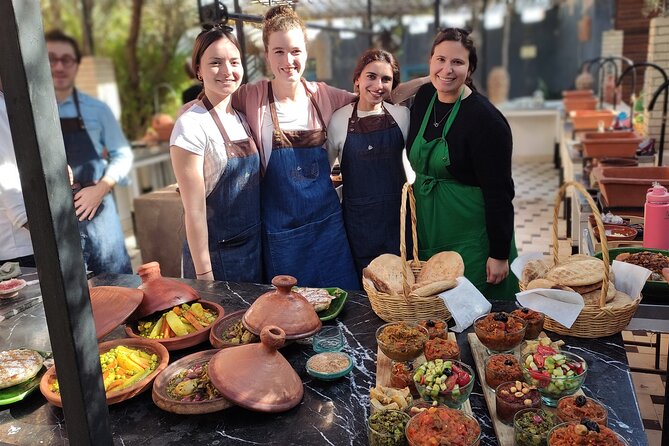
The activity lasts about five hours, so it takes roughly half a day. That leaves the rest of your day open for a museum, palace, hammam, garden, or evening food walk.
I would avoid scheduling a major timed attraction immediately afterward. The market, transfer, cooking, and meal may move at a relaxed pace, and a hands-on class can run differently from a strict sightseeing tour. Give yourself breathing room, especially if you have a dinner reservation across town.
The maximum group size is 12 people. That keeps the class small enough for questions and personal cooking space, but it is not the same as a one-on-one lesson. If you want complete control over the menu or more individual attention, ask about a private option. A private class has been available at an extra cost.
The group format can be a benefit. Cooking gives people something to do together, even when they arrive as strangers. Families, couples, and mixed-age groups have all found ways to take part, including a family with six children and teenagers between eight and fifteen. Younger children may need close supervision around knives, heat, and outdoor cooking equipment, but the class can work well for families who want an activity beyond sightseeing.
Is $75.60 good value?
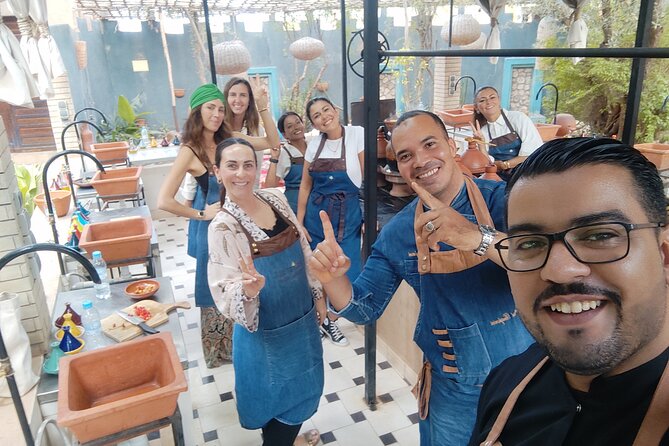
At $75.60 per person, this is not the cheapest meal you will find in Marrakech. But the price covers much more than lunch. You receive a market visit, transportation to the farm as arranged, tea and sweets, an apron, instruction, ingredients, the cooking session, and a substantial meal.
The value is strongest if you enjoy food enough to want context. You are learning how ingredients are selected, how Moroccan spices work, and how a tajine is prepared. You also get a direct look at Moroccan hospitality and meal customs.
The value is less clear if you only want a quick cooking demonstration or a polished restaurant meal. Five hours is a serious block of time, and the experience includes walking, shopping, preparation, and waiting for food to cook. That slower pace is part of the appeal, but it will not suit someone looking for a fast activity.
Because the experience is booked an average of 37 days ahead, I would reserve early if your Marrakech dates are fixed. Group discounts are offered, which may help families or larger parties. Confirmation is provided at booking, and free cancellation is available up to 24 hours before the start time. Cancellations or changes inside that 24-hour window are not refunded or accepted.
Who will enjoy this class most?
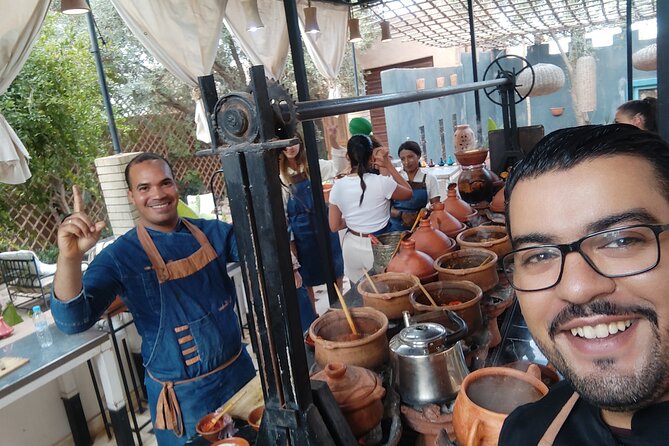
I would choose this class if you want to do something active and food-focused in Marrakech. It is especially good for you if:
- You like learning by doing rather than watching.
- You want to see a local market before cooking.
- You enjoy Moroccan food and want to understand the spices.
- You prefer a garden setting to another indoor activity.
- You are traveling with family or a small group of friends.
- You want a half-day activity that leaves the afternoon or evening free.
It may not suit you if you dislike outdoor cooking, hot weather, group activities, or unhurried meals. The farm setting is a major part of the appeal, but it also means the experience depends on the weather. And while the group limit is reasonable, the class can include up to 12 people.
Should you book Farm to Table Marrakech?
Yes, if you want a practical introduction to Moroccan food with a real meal at the end. The best feature is the full chain from market to plate. You see the ingredients in the medina, learn how they fit into Moroccan cooking, prepare your own food, and eat it in a quiet farm setting.
I would book this early, confirm the pickup details, and leave the rest of the day flexible. Chef Abdel, Fathima, the generous menu, and the choice of tajines make this more than a standard cooking demonstration. Just remember that weather can change the plan, and a 12-person class will feel social rather than private.
FAQ
Where does the cooking class start?
The stated meeting point is Koutoubia, Marrakech 40000, Morocco.
Where does the activity end?
The activity ends back at the meeting point.
How long does the experience last?
The class lasts approximately five hours.
What food will I cook?
You will prepare a traditional Moroccan tajine. Depending on the class arrangement, choices can include chicken, beef, lamb, vegetable, sweet, or savory tajines, along with salads, couscous, bread, or meatballs.
Will I visit a market?
Yes. You walk through the medina to a local market to help buy vegetables, proteins, fruit, herbs, and spices.
Is the cooking class hands-on?
Yes. You prepare the food yourself at your cooking station and wear a provided apron.
How many people can join the class?
The maximum group size is 12 people.
Is pickup available?
Pickup is offered, but the stated start point is Koutoubia. Confirm the exact pickup details when booking.
What happens if the class is canceled?
If poor weather causes cancellation, you are offered another date or a full refund. If the minimum number of participants is not reached, you are offered another date or experience, or a full refund.
Just added around the world
- Zanzibar:Jozani forest, Spice farm with Swahili Cuisine clas★ 4.2 · 3 reviews
- Zanzibar: Spice farm tour with Zanzibar fruits tasting★ 3.8 · 7 reviews
- Zanzibar: Stone Town City Tour and Spice Farm with Lunch★ 3.7 · 33 reviews
- ZANZIBAR, Stone town tour, Prison Island & Spice farm★ 5.0 · 11 reviews
- Zanzibar: Walking Spice Farm with Local Cooking Class★ 4.4 · 9 reviews
- Zanzibar: Spice Farm Tour with Traditional Cooking Class★ 5.0 · 2 reviews
- Zanzibar: Spice Farm Tour with Traditional Cooking Class★ 4.8 · 6 reviews
- Zanzibar: Spice Farm Tour with Traditional Cooking Class★ 4.6 · 16 reviews
Cooking Classes, farm by farm.
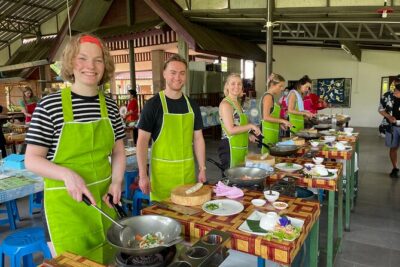
Half-Day Thai Cooking Class at Organic Farm in Chiang Mai
Read our review →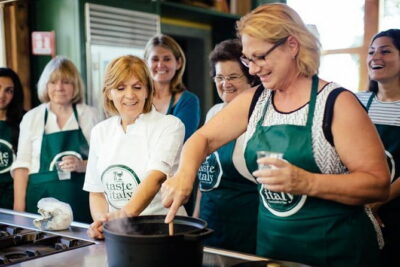
Cooking Class and Lunch at a Tuscan Farmhouse with Local Market Tour from Florence
Read our review →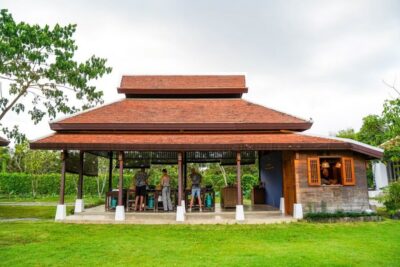
Authentic Cooking Class with Market & Farm Visit
Read our review →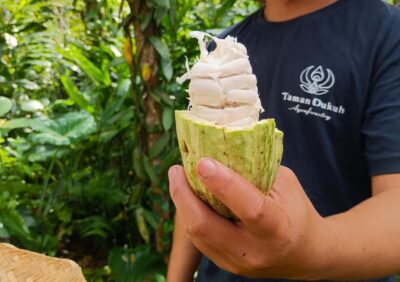
Hands-On Cooking Class & Farmhouse Tour on the Amalfi Coast
Read our review →
Other lists this farm sits on