
REVIEW · PORTUGAL
Azores: Dairy Farm Tour
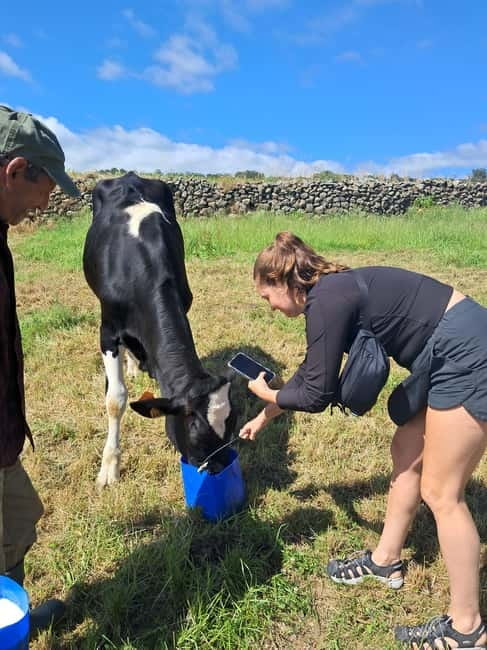
Cows make good tour guides. This four-hour Azores dairy farm tour gives you a close look at everyday farm life near Terceira, with time to meet cows, feed calves, watch milking, and learn how milk reaches the bottle. I especially like the personal touch from guide Carolina and the chance to taste local bread and cheese at the end.
I also like the calm pace, the green pasture views, and the chance to see a working family farm rather than a staged attraction. The main consideration is practical: farm work can be muddy, animal contact may not suit anyone with allergies, and some parts of the outing include scenic stops that may feel less useful if your only goal is milking.
Key points to know before you book
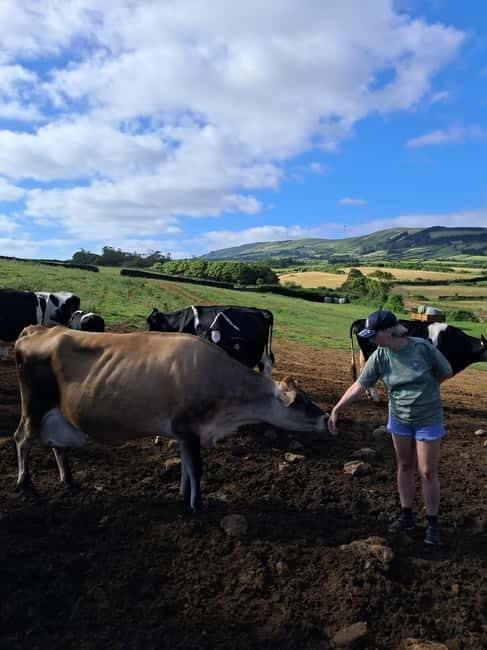
- Carolina gives the tour a warm, personal feel, explaining both farm routines and life on Terceira.
- You can interact with cows and calves, help with feeding, and take part in the milking experience.
- The farm cares for about 30 dairy cows, giving you a real sense of the daily work involved.
- The final local tasting is a highlight, with bread and cheese made locally.
- Transport is included from your accommodation, and the tour may use a private or small-group format.
- Wear clothes that can get dirty, since this is a working farm, not a polished indoor exhibit.
Why this dairy farm visit feels different
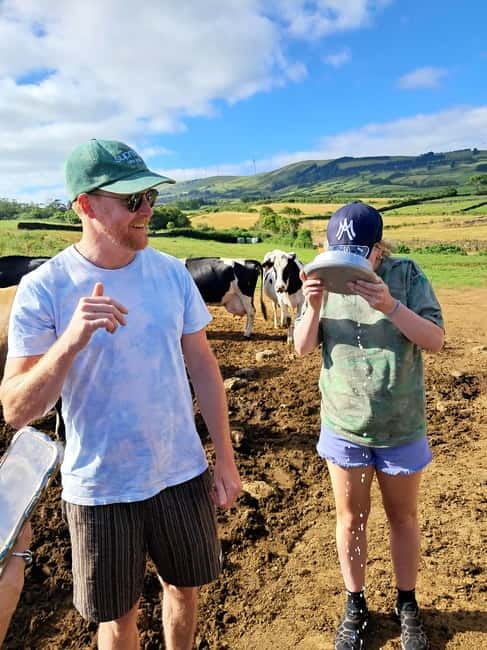
Terceira is often praised for its volcanic scenery, historic Angra do Heroísmo, and coastal viewpoints. But the island’s rural life is just as important. Cattle graze on fresh grass, dairy production supports local families, and milk forms part of the food culture you encounter at the table.
This experience lets you see that chain up close. You are not simply shown a cow from behind a fence. You learn how the animals are fed, how calves are cared for, how milking works, and how milk moves from the farm toward collection and bottling.
I like that the focus is practical. You are invited to help, but the animals remain the priority. The tour is built around respectful contact, not forced tricks or noisy entertainment. That makes it a good fit for families and animal lovers who want something gentle and educational.
The experience is also small enough to feel personal. Private groups and small groups are available, and Carolina has received especially strong praise for giving her full attention to the people in her care. She speaks English, Portuguese, and Spanish, so you can ask questions without feeling rushed.
More Dairy Farm Tours around Portugal:
- Dairy farm Visit and Cow Milking Experience in Azores
★ 5.0 · 18 reviews - Half-Day Farm Visit and Cow Milking Experience
★ 5.0 · 16 reviews - Tour Parmigiano Reggiano dairy and Parma ham
★ 5.0 · 601 reviews
Starting in Angra do Heroísmo
Pickup is included from any accommodation on the island. You should wait at the main entrance of your hotel or at the meeting point arranged when you book.
The drive from Angra do Heroísmo begins in a van and takes about 30 minutes. One recent group traveled in a new all-electric van, which made the ride especially comfortable. The vehicle matters here because the tour includes several stops, and you do not need to arrange your own transport or worry about finding a rural farm.
The ride also gives you time to shift gears from town sightseeing to the slower rhythm of the countryside. If you have spent your morning among Angra’s streets and monuments, this change of pace is welcome.
There is one small point to keep in mind. Pickup is available across the island, but the exact driving time from your accommodation is not given. If you are staying far from Angra, ask for the pickup timing before booking so you know how much of the four-hour period will be spent on the road.
Views from the first viewpoint
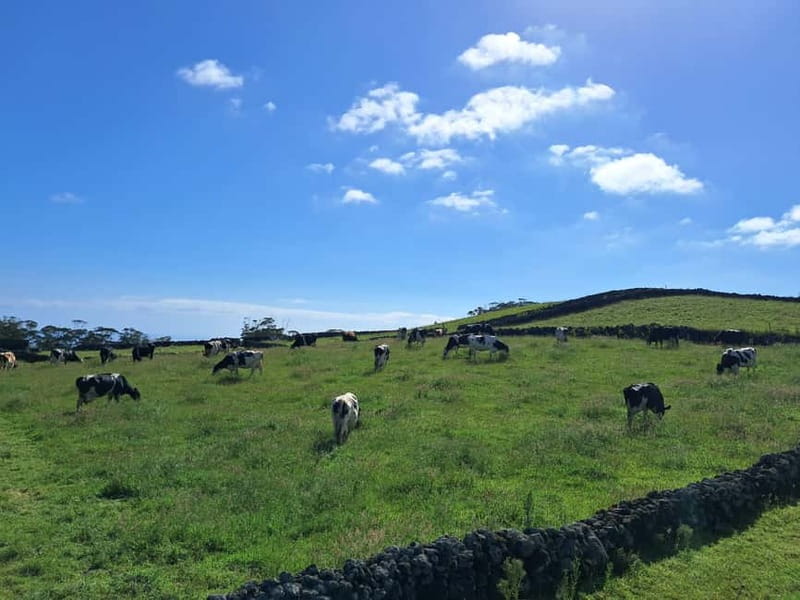
After the van ride, the route includes a viewpoint with a guided visit lasting about an hour. The exact viewpoint is not named, so you should not book this expecting one particular famous lookout.
Still, the stop fits the farm theme. The cows live among Terceira’s open green pastures, and seeing those broad rural views helps explain why dairy farming is such a natural part of island life. The scenery is not just decoration. It is the setting that supports the animals and the farms.
A full hour at a viewpoint may feel long if you prefer constant activity. On the other hand, it gives you time to listen, ask questions, and take in the surroundings without being pushed from one photo stop to the next. If you enjoy slow travel, this is a plus. If you want four straight hours of hands-on farm work, this portion may test your patience.
A traditional village and the rhythm of island life
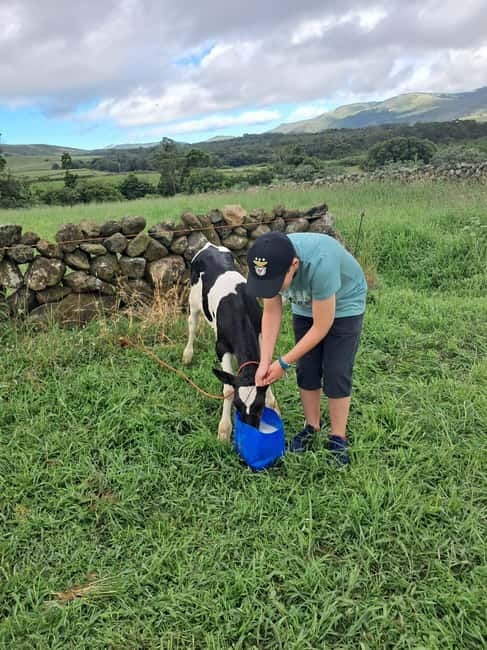
The next stop is a traditional village, where you have time to visit, walk, and explore independently for about an hour. This is a useful addition because the outing is not limited to the barn. You get a sense of the rural communities that surround the farms and the local way of life connected to agriculture.
The self-guided format gives you freedom. You can walk at your own pace, look around, and enjoy a break from explanations. Families may appreciate the chance to let children stretch their legs before the next stop.
At the same time, this hour is not described in detail, so the village may be more about atmosphere than a structured cultural visit. I would treat it as breathing room in the schedule rather than the main reason to book.
More Farm Tours around Portugal:
- From Porto: 2 Wine Regions, Farm-to-Table Lunch & Boat
★ 4.9 · 5,724 reviews - From Porto: 2 Wine Regions, Farm Lunch, and Boat Ride
★ 4.8 · 233 reviews - “Re-Canto” Farm-to-Table with Stunning Views at Madeira
★ 5.0 · 87 reviews - Join In On Our Farmers Table
★ 4.5 · 65 reviews
Meeting the herd and learning their personalities
The heart of the tour is the time spent with the dairy cows. You learn how the herd is fed and cared for, and you may hear about the different personalities of the animals.
That detail matters. A working herd is not a row of identical farm props. Each cow has its own habits and temperament, and learning to observe those differences makes the visit more engaging. You also get a clearer idea of the routine behind a bottle of milk.
One particularly useful detail is the scale of the farm. You can see the daily work involved in feeding and milking about 30 dairy cows. That is enough animals to make the operation feel genuine, but still small enough for the guide to explain what is happening.
The tour is suitable for people who want contact with animals, but it is not suitable for anyone with animal allergies. You should also expect the normal smells and mess of a working farm. Comfortable clothes are required, and clothes that can get dirty are strongly recommended.
Watching the milking process
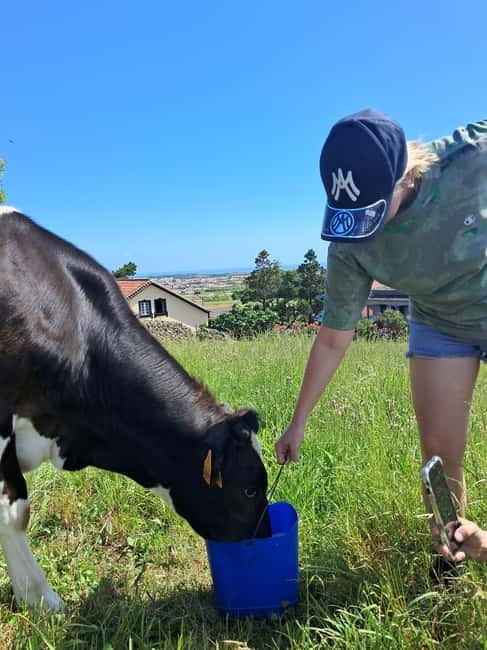
The milking session gives the tour its clearest lesson. You see how milk is collected and learn about the process that carries it from pasture to bottle. Depending on the conditions and the farm routine, you can help with parts of the process while respecting animal welfare.
This is a good place to ask practical questions. How often are the cows milked? How are they handled? What happens to the milk after it leaves the farm? The tour is designed to explain these links rather than leave you with only a quick look at the animals.
I like that the focus is not on turning farm work into a performance. Milking is a necessary job, and the tour helps you understand the care and repetition behind it. That makes the experience more valuable than a simple photo opportunity.
The timing can affect the session. Farming follows the animals and the farm schedule, not a museum timetable. You should expect a guided demonstration rather than a guarantee that you will operate every piece of equipment or complete every task yourself.
Caring for calves in their first weeks
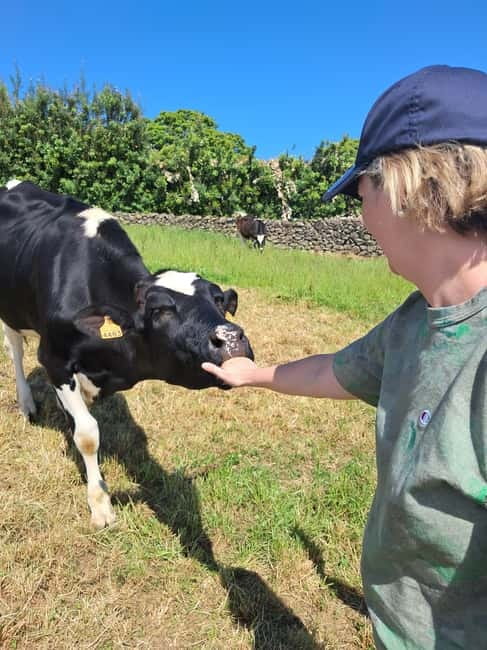
The calves are likely to be a favorite stop, especially for children. You can spend time with the youngest animals, learn how they are cared for, and help feed them.
This part adds a useful contrast. The adult cows show the scale and routine of dairy work, while the calves make the care side more obvious. You see that the farm has different needs for animals at different stages of life.
The French family who brought a three-year-old found this part especially suitable for a young child. That does not mean every child will react the same way, but the gentle contact and short practical tasks should appeal to children who like animals.
Parents should still prepare children for a real farm environment. There may be mud, strong smells, and animals that do not behave on command. Comfortable footwear and clothes that can get dirty are not optional extras here.
The milk collection station and local food
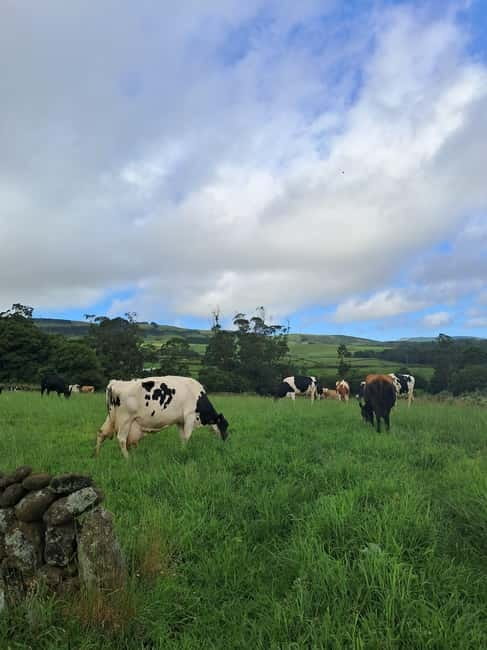
A visit to the milk collection station helps complete the story. You have already seen the cows, the milking, and the care routines. Now you learn what happens after the milk leaves the farm.
This step gives the experience a useful local-food angle. You can connect the work of one family farm with the wider dairy system on the island. It also helps explain why buying local products is more than a slogan: it supports the people and farms that keep this food tradition going.
The tour ends with a complimentary taste of local flavors. Local bread and cheese have been singled out as a particularly enjoyable part of the morning, and the cheese is associated with Carolina’s family.
That small picnic-style finish is a smart touch. After time outside and around animals, a bite of local food feels earned. It also gives you a chance to ask final questions and talk with the guide in a relaxed setting.
Viewpoints and the final scenic stop
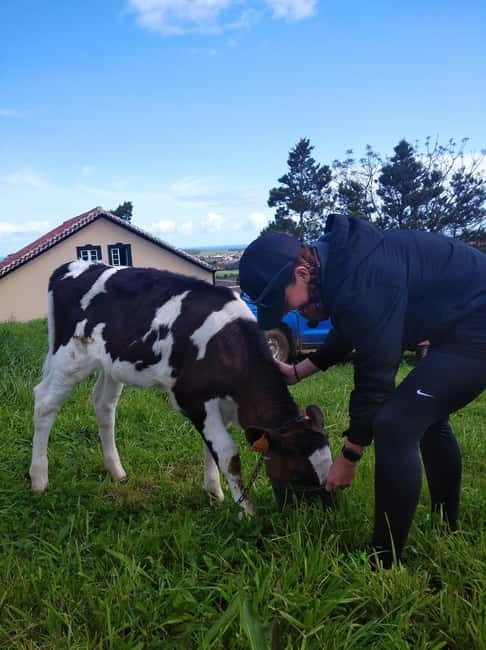
The route includes another viewpoint for a self-guided hour, followed by a final viewpoint visit with a guided explanation lasting about 20 minutes. Since the exact locations are not named, the appeal depends on your interest in scenery and open-air stops.
I would see these as supporting parts of the experience rather than separate attractions. They create a fuller morning around the farm and give you more views of Terceira’s countryside. They also mean the tour does not feel like four hours in a barn.
Still, some people may find the schedule a little spread out. If you want a tightly focused farm workshop, ask how much time is normally spent at the animals and how much is spent at the viewpoints and village. That question is especially useful if you are booking a private tour and hope to shape the pace.
Is $70 a good value?
At $70 per person, this is not the cheapest way to see rural Terceira. The value depends on what you want from the morning.
You are paying for four hours, hotel pickup, transportation, a guide in English, Portuguese, or Spanish, a farm visit, animal interaction, a milking demonstration, calf care, a milk collection stop, scenic visits, and local food at the end. Private and small-group options may also make the price more appealing if you value personal attention.
The guide is an important part of the calculation. Carolina has been praised for her warmth, clear explanations, and attention to each group. A farm visit without a good interpreter could be pleasant but confusing. Here, the human side appears to be a major part of the experience.
I think the price is fair for families, animal lovers, and visitors who would otherwise struggle to reach a working farm. It is less compelling if you only want scenic viewpoints, since Terceira offers other ways to see those without paying for a farm-centered tour.
Who should book this experience?
I would recommend it most strongly to:
- Families with children who enjoy animals
- Visitors curious about food production
- People who prefer small-scale, personal tours
- Animal lovers who are comfortable around farm conditions
- Travelers seeking a quiet alternative to a standard sightseeing trip
- Anyone interested in local agriculture and island food
It may not suit people with animal allergies, anyone looking for a luxury or spotless environment, or visitors who dislike flexible rural schedules. You also need to be comfortable wearing clothes and shoes that may pick up mud or farm smells.
The tour is gentle rather than thrilling. Its reward is understanding. You leave with a better sense of how cows are cared for, how much work goes into dairy production, and why local milk and cheese matter in Azorean life.
Practical tips for a smoother morning
Wear sturdy, comfortable shoes and clothes that can get dirty. You do not need to dress for a formal sightseeing tour.
Tell the operator about your preferred language when booking. The guide can conduct the tour in English, Portuguese, or Spanish.
If you are traveling with young children, bring patience along with your camera. The calves and picnic are likely to be highlights, but the viewpoint and village portions move at a slower pace.
Ask about the pickup time and expected route if you are staying outside Angra do Heroísmo. Pickup is included, but the island-wide driving time can vary.
Alcoholic drinks are not allowed in the vehicle. Cancellation is free up to 24 hours before the tour, and you can reserve now and pay later, which helps if your island plans are still shifting.
Should you book the Azores Dairy Farm Tour?
Book it if you want a personal, hands-on look at Terceira’s farming life, especially if cows, calves, local food, and quiet countryside sound better than another standard sightseeing circuit. Carolina’s friendly guiding, the chance to see about 30 dairy cows at work, and the local bread-and-cheese tasting give the experience real character.
Skip it if you have animal allergies or want nonstop farm activity. The scenic viewpoints and village stop are part of the four-hour rhythm, and the exact balance between sightseeing and farm work may vary.
For most families and curious food-minded visitors, this is a thoughtful use of half a day. You get close to the animals, meet the people behind the milk, and see a side of Terceira that is easy to miss from the main roads.
FAQ
Where does the Azores Dairy Farm Tour begin?
Pickup begins in Angra do Heroísmo, with pickup also available from any accommodation on the island.
How long does the tour last?
The experience lasts four hours, including transportation and the scheduled farm, village, and viewpoint stops.
What languages are available?
The live guide can conduct the tour in English, Portuguese, or Spanish.
Can I interact with the cows and calves?
Yes. The experience includes interaction with cows and calves, along with opportunities to feed and care for the calves.
Will I see the milking process?
Yes. A milking demonstration is included, and you may help with parts of the process while respecting animal welfare.
What should I wear?
Wear comfortable shoes and comfortable clothing that can get dirty. The tour takes place on a working farm.
Is the tour suitable for people with animal allergies?
No. The experience is not suitable for people with animal allergies.
Can I cancel or pay later?
You can cancel up to 24 hours in advance for a full refund. Reserve now and pay later is also available.
Just added around Portugal
- Half-Day Farm Visit and Cow Milking Experience★ 5.0 · 16 reviews
- Alpaca Farm MamaAdama Meet & Feed★ 5.0 · 39 reviews
- Ecotourism: Organic Farm & Animal Tour near Serra da Estrela★ 5.0 · 8 reviews
- Meditation Experience at a Lovely Farm in Porto★ 5.0 · 19 reviews
- Braga/Guimarães: 1 Day with Lunch + farm and wine tasting★ 5.0 · 3 reviews
- Douro Valley Private Tour: 2 Farms, Lunch & Boat Trip★ 4.5 · 13 reviews
- Algarve wine tour and farmer’s lunch at wine estate★ 5.0 · 14 reviews
- Wine Class Portugal wines in a small farm with a visit to the winery★ 5.0 · 2 reviews
Dairy Farm Tours, farm by farm.
Experience Chianti & Cheese w/ 3 wineries & dairy visit—max 8 pp
Read our review →
Farm Visit with Cheese Tasting and Milking Experience
Read our review →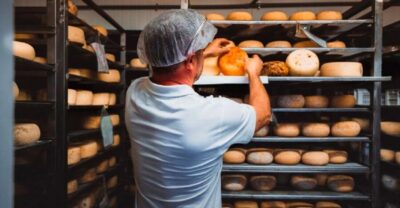
Pienza: Dairy Farm Tour with Pecorino Cheese Tasting
Read our review →
Windmill, Dairy Farms & Countryside Electric Bike Tour
Read our review →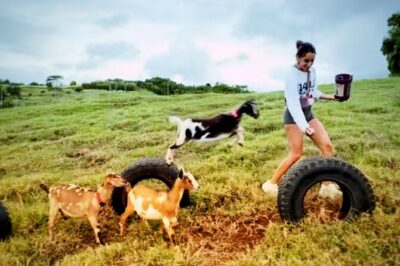
Kauai Private Baby Farm Animal Experience & Micro Dairy Immersion
Read our review →
Kota Kinabalu ATV Riding and Dairy Farm at Mountain Kinabalu
Read our review →
Vico Equense: Tour in the dairy “Mozzarella Experience”
Read our review →Other lists this farm sits on