
REVIEW · PORTUGAL
Ecotourism: Organic Farm & Animal Tour near Serra da Estrela
Slow down and meet farm life up close. This two-and-a-half-hour visit near Serra da Estrela takes you among horses, sheep, goats, chickens, dogs, and cats, then leads through gardens, an orchard, an olive grove, and a vineyard. It is a hands-on look at organic food, animal care, permaculture, and self-sufficiency rather than a quick countryside photo stop.
I especially like the small maximum group of 15, which should make it easier to ask questions and spend time with the animals. The farm-produce tasting is another strong point, with cheese, olive oil, olives, fruit, vegetables, and homemade jams included. The main consideration is transport: you must make your own way to the farm, and the $71.04 price is best justified if you value the teaching and food as much as the two-and-a-half-hour visit.
- Feed and meet farm animals: Horses, sheep, goats, chickens, dogs, and cats are part of the opening section.
- Walk through working gardens: Learn about vegetable and medicinal plants, with simple planting or harvesting activities possible.
- See 250 ancient olive trees: The olive grove gives the visit a strong connection to traditional Portuguese farming.
- Taste seasonal farm produce: Expect a platter with cheese, olive oil, olives, fruit, vegetables, and homemade jams, depending on the season.
- Learn practical self-sufficiency: The focus includes permaculture, natural medicine, biodiversity, and eco-friendly daily habits.
- Enjoy a family-run setting: Laeritia and Yannick are praised for their warm welcome and willingness to share their way of life.
A Two-and-a-Half-Hour Look at Working Farm Life
This experience is built around participation and conversation. You are not simply shown a few animals and sent on your way. The visit connects the animals, plants, food, and household habits into one picture of rural self-sufficiency.
The farm sits at R. do Marco 6, 6420-341, Portugal. It is described as being near Trancoso and in the wider Serra da Estrela area, so it fits best into a rural day rather than an urban sightseeing plan. You finish at the same meeting point where you begin.
The small group limit matters here. A farm visit loses much of its charm when everyone is crowded around a pen or unable to hear the guide. With no more than 15 people, you should have a better chance to take part, ask about organic growing, and watch how the animals are handled.
The activity is offered in English. Confirmation comes at booking, and most people can participate. Service animals are allowed, which is useful information for anyone planning a wider Portuguese itinerary with an assistance animal.
Starting With Horses, Goats, and Other Farm Animals
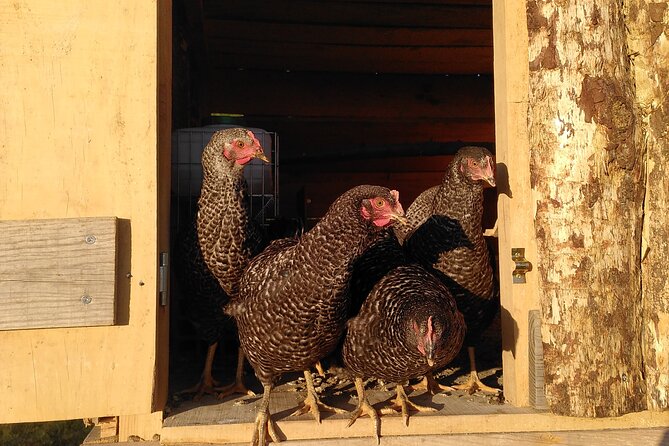
The visit begins with the farm animals. You can meet horses, sheep, goats, chickens, dogs, and cats, help feed them, and learn about their daily care under guidance.
That opening gives the experience an easy rhythm for families. Children have something immediate to see and do, while adults can ask about feeding, handling, and the work required to keep animals healthy. The guided setting also matters because farm animals are not props. You are given a safe way to interact rather than being encouraged to chase or crowd them.
The goats receive particular attention in the farm’s food story. The experience can include information about goat cheese production, and the tasting platter may feature cheese made on the farm. That creates a useful connection between the animal you meet and the food you later eat.
I like this approach because it turns a familiar rural scene into a practical lesson. You see that cheese, eggs, vegetables, and fruit do not simply appear on a shop shelf. They depend on daily care, seasonal work, and decisions about how land and animals are managed.
The animals are also a good reason to choose this visit if you are traveling with children. Still, the experience is not presented as a petting zoo. The emphasis is on care and farming, so the best fit is a family that is happy to listen as well as interact.
More Organic Farm Visits around Portugal:
- Organic Orange Picking & Jam Making with Farm-to-Table Lunch
★ 5.0 · 15 reviews - Half-Day Thai Cooking Class at Organic Farm in Chiang Mai
★ 5.0 · 19,087 reviews - Ubud: Balinese Cooking Class at an Organic Farm
★ 5.0 · 1,786 reviews
Garden Paths Filled With Food and Medicinal Plants
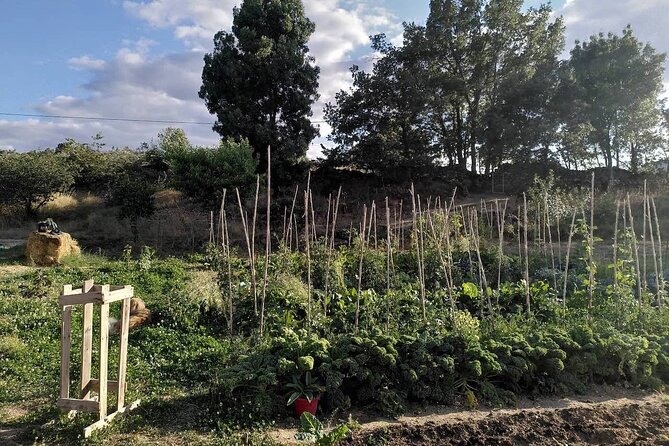
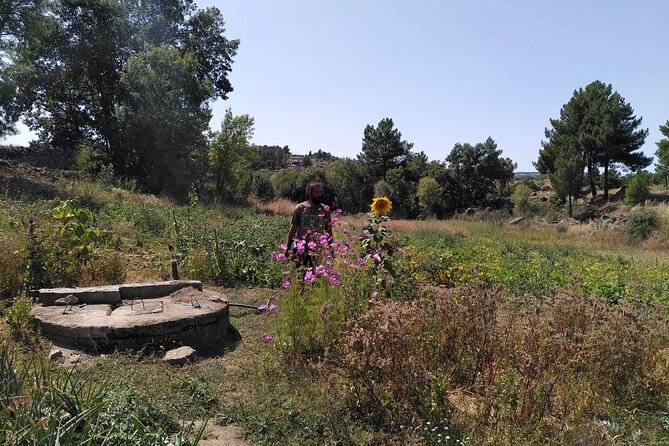
After the animals, you explore the vegetable and medicinal gardens. The focus is on how plants are grown using eco-friendly methods, along with their everyday uses.
Depending on the season and the work taking place that day, you might help with a simple planting or harvesting task. This is a useful detail to keep in mind: hands-on work is possible, but it is not guaranteed in a fixed format. The farm’s activities naturally follow the growing season.
The medicinal garden adds another layer. The visit can introduce you to plants used in natural medicine, which gives the tour more depth than a standard produce garden walk. You may leave with ideas for recognizing plant uses and reducing dependence on heavily processed products, though the specific plants and demonstrations can vary.
The lessons also connect to the farm’s broader interest in biodiversity and food autonomy. The point is not simply to show organic vegetables. It is to explain how a household can make thoughtful choices about soil, food, plants, and daily consumption.
For you, the garden section will be most rewarding if you enjoy asking questions. A quick look at rows of vegetables is pleasant, but the real value comes from learning why certain methods are used and how they might work at home. It is also a good place to see how the hosts turn farming into education.
Ancient Olive Trees, Traditional Grapes, and Seasonal Fruit
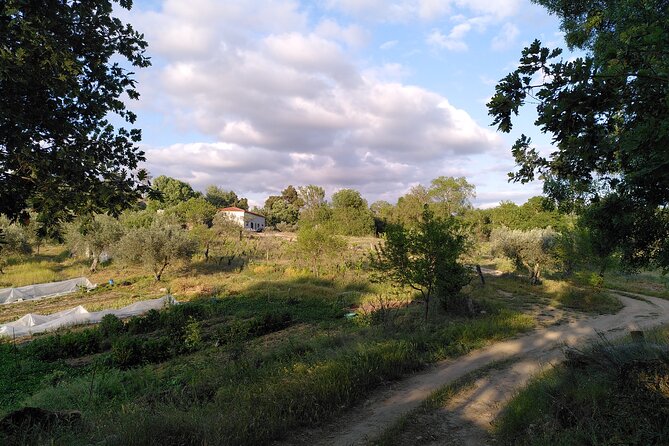
The orchard, olive grove, and vineyard provide the visit’s strongest sense of place. The farm includes 250 ancient olive trees, along with traditional grape varieties and seasonal fruit.
Ancient olive trees are not just decorative. They point to the long agricultural continuity of the region and show how olive growing can remain part of a working rural property. You can learn about the role of olive oil in local food and then taste it on the farm-produce platter.
The vineyard adds another traditional crop. The grape varieties may be especially interesting if you want to understand Portuguese agriculture beyond famous wine estates. This is a smaller-scale, practical view of grape growing, tied to the farm rather than a formal wine tour.
Seasonal fruit may include grapes, peaches, apples, raspberries, tomatoes, and other garden produce. The exact selection depends on the time of year, so you should not book expecting one particular fruit. That uncertainty is part of the appeal, since the food reflects what is growing rather than a fixed restaurant menu.
The scenery also helps slow the pace. Instead of moving between separate attractions, you are walking through one connected agricultural setting. The farm’s animals, trees, vines, gardens, and tasting table all belong to the same working system.
A Farm-to-Table Tasting Worth Building Into Your Plans
The included snacks are more substantial than a token biscuit and drink. You receive a tasting platter with cheese, olive oil, olives, fresh fruit and vegetables from the garden when available, and homemade jams.
The food may also include homemade bread and honey, based on the farm’s broader food offering. Goat cheese is a particular highlight for anyone interested in how the farm produces its own food. A breakfast or lunch-style spread has also included bread, jams, honey, and farm products, but you should treat the confirmed inclusion as the listed tasting platter rather than assume a full meal.
This is where the price becomes easier to assess. At $71.04 per person, the experience costs more than a basic countryside walk. You are paying for a guided visit, access to a working farm, direct teaching about sustainable living, animal interaction, and a tasting of farm products.
For a family, the food gives everyone a shared moment after the walking and activities. For a couple or solo visitor, it provides a chance to discuss the farming methods with the hosts. It also makes the visit feel connected from beginning to end: you meet the animals, see the plants and trees, then taste the results.
The seasonal nature of the platter is important. Fresh produce may change, and some items will not be available throughout the year. I see that as a positive for authenticity, but anyone looking for a carefully standardized tasting should choose a formal food tour instead.
More Farm Tours around Portugal:
- From Porto: 2 Wine Regions, Farm-to-Table Lunch & Boat
★ 4.9 · 5,724 reviews - From Porto: 2 Wine Regions, Farm Lunch, and Boat Ride
★ 4.8 · 233 reviews - “Re-Canto” Farm-to-Table with Stunning Views at Madeira
★ 5.0 · 87 reviews - Join In On Our Farmers Table
★ 4.5 · 65 reviews
Practical Lessons on Permaculture and Self-Sufficiency
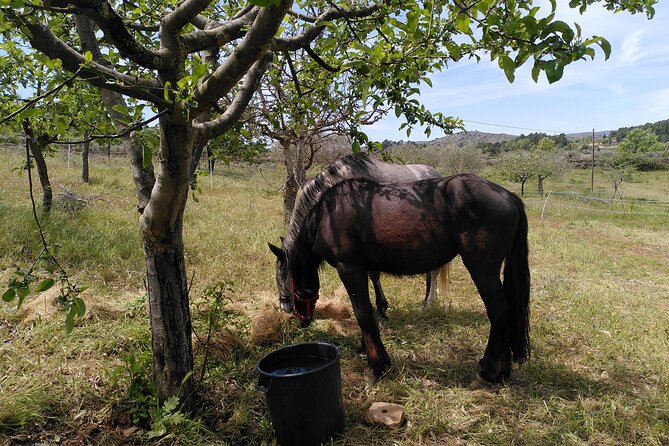
The farm visit goes beyond organic labels. It introduces permaculture, self-sufficiency, eco-friendly daily habits, and ways to live with fewer outside resources.
The educational side has been especially well received. Laeritia and Yannick are described as welcoming hosts who enjoy explaining gardening, farming, animal care, alternative lifestyles, biodiversity, and food autonomy. Their approach seems personal and direct, with the farm serving as both home and classroom.
You may also hear about natural medicine and ways to produce organic food. The useful part is that these subjects are tied to visible examples around you. Instead of discussing sustainability only in abstract terms, the visit shows animals, gardens, olive trees, vines, and food production in one place.
This can be inspiring, but it is not a technical farming course. The available information does not promise detailed instruction in building a permaculture system or making goat cheese from start to finish. If you want an intensive workshop, confirm the day’s exact activities before booking.
For most people, the value is simpler. You can return home with practical ideas about seasonal food, planting, reducing waste, supporting biodiversity, and thinking more carefully about where food comes from. The experience works well for anyone who wants a thoughtful break from standard sightseeing.
The Warm, Family-Run Feel
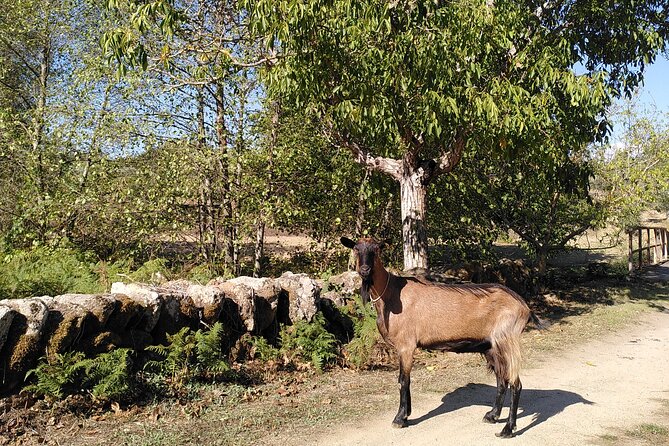
The atmosphere is one of the farm’s strongest assets. Laeritia and Yannick are repeatedly described as welcoming, passionate, and generous with their time. The property is presented as peaceful, relaxed, and friendly to families.
That personal touch changes the character of the visit. You are not moving through a large commercial attraction with a fixed script and a gift shop at the end. The experience seems shaped by the hosts’ own work and their wish to pass on what they know.
Several details reinforce that feeling: homemade food, a patio meal or breakfast-style spread, direct contact with animals, and conversations about changing your daily habits. The farm’s aim is not only to show you what it does, but to suggest that another way of living is possible.
You should still allow for the informal nature of a small farm. Conditions, seasonal work, food availability, and the exact hands-on tasks may change. That flexibility is part of the charm, but it means the visit may not feel as tightly timed as a museum tour.
Who Will Get the Most From This Visit
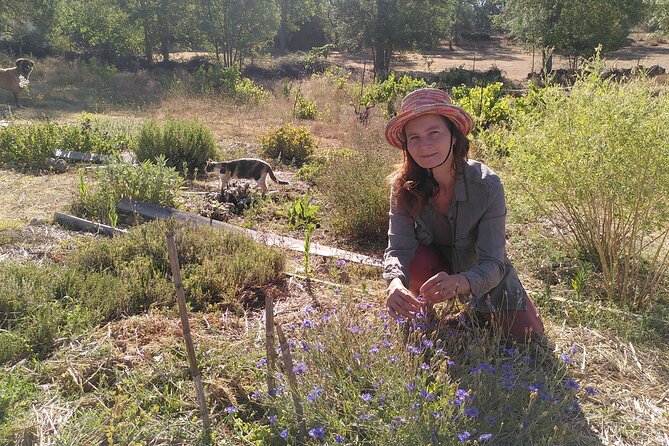
I would recommend this experience to families who want an educational outing with real animals and food. Children can feed animals and see gardens, while adults can focus on organic farming, natural medicine, and sustainable habits.
It also suits couples and solo visitors who prefer local contact over a packed sightseeing schedule. If you enjoy farm food, traditional agriculture, and quiet rural settings, the two-and-a-half-hour format gives you enough time to learn without taking up an entire day.
The tour is less suitable if you want a polished wine tasting, a full meal, or a long technical workshop. Transport is not included, and you need to reach the farm independently. Build that drive into your day and check the route before setting out.
The group limit of 15 should appeal to anyone who dislikes large organized outings. The English-language option makes the visit more accessible for international visitors, while the service-animal policy removes one possible planning concern.
Booking, Price, and Cancellation Details
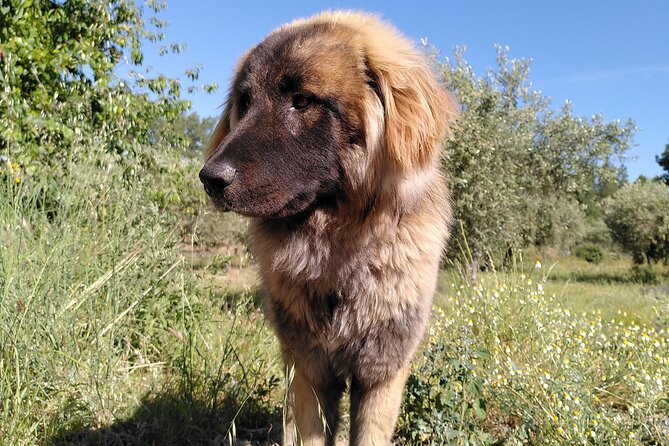
The price is $71.04 per person, with group discounts available. For that amount, I would judge the experience by the full package rather than the duration alone: animal interaction, guided farm education, gardens, ancient olive trees, vineyard, and a seasonal tasting are all included.
Transportation to and from the farm is not included. The starting point is R. do Marco 6, 6420-341, Portugal, and the activity ends back there. Plan to arrive with enough time to find the meeting point, especially because this is a rural address.
Free cancellation is available if you cancel at least 24 hours before the local start time. Cancellations or changes made less than 24 hours ahead are not refunded or accepted. The activity also requires a minimum number of participants, and if that minimum is not met, you are offered another date or experience, or a full refund.
Should You Book the Organic Farm Visit?
Book it if you want a personal, food-focused look at rural Portugal and enjoy learning through direct contact with animals, plants, and hosts. The strongest reasons are the small group, the farm-made tasting, the peaceful setting, and the practical discussion of self-sufficiency.
Think twice if your priority is a low-cost walk, a formal wine tour, or a guaranteed menu and fixed schedule. The $71.04 price makes the most sense when you take part in the teaching and conversation, not just the scenery.
For families, food lovers, and anyone curious about organic farming near Serra da Estrela, this is a thoughtful choice. Bring an open mind, allow time for the rural setting, and expect the exact produce and activities to follow the season.
FAQ
Where does the farm tour begin?
The tour begins at R. do Marco 6, 6420-341, Portugal.
Where does the activity end?
The activity ends back at the meeting point.
How long does the experience last?
The visit lasts approximately 2 hours and 30 minutes.
How much does the tour cost?
The listed price is $71.04 per person. Group discounts are available.
What animals can I meet?
You can meet horses, sheep, goats, chickens, dogs, and cats.
Is food included?
Yes. Snacks include a farm-produce tasting platter with cheese, olive oil, olives, fresh fruit and vegetables when available, and homemade jams.
Is transportation included?
No. Transportation to and from the farm is not included.
Can I cancel for a full refund?
Yes, if you cancel at least 24 hours before the experience start time. Cancellations made less than 24 hours ahead are not refunded.
Just added around Portugal
- Half-Day Farm Visit and Cow Milking Experience★ 5.0 · 16 reviews
- Alpaca Farm MamaAdama Meet & Feed★ 5.0 · 39 reviews
- Braga/Guimarães: 1 Day with Lunch + farm and wine tasting★ 5.0 · 3 reviews
- Douro Valley Private Tour: 2 Farms, Lunch & Boat Trip★ 4.5 · 13 reviews
- Meditation Experience at a Lovely Farm in Porto★ 5.0 · 19 reviews
- Algarve wine tour and farmer’s lunch at wine estate★ 5.0 · 14 reviews
- Wine Class Portugal wines in a small farm with a visit to the winery★ 5.0 · 2 reviews
- Moliceiro boat trip, with experience in bivalves harvesting★ 5.0 · 5 reviews
Organic Farm Visits, farm by farm.
Half-Day Thai Cooking Class at Organic Farm in Chiang Mai
Read our review →
Evening Cooking Class in Organic Farm with Local Market Tour
Read our review →
ATV to Macao Beach and Water Cave with Organic Farm
Read our review →
Buggy Tour with Organic Farm, Macao Beach Visit from Punta Cana
Read our review →
Authentic Bali Farm Cooking School & Organic Farm
Read our review →
Farm To table Experience on an organic hilltop estate in Tuscany
Read our review →Other lists this farm sits on