
REVIEW · INDIA
North Goa: Mulgao Village and Coconut Farming Experience
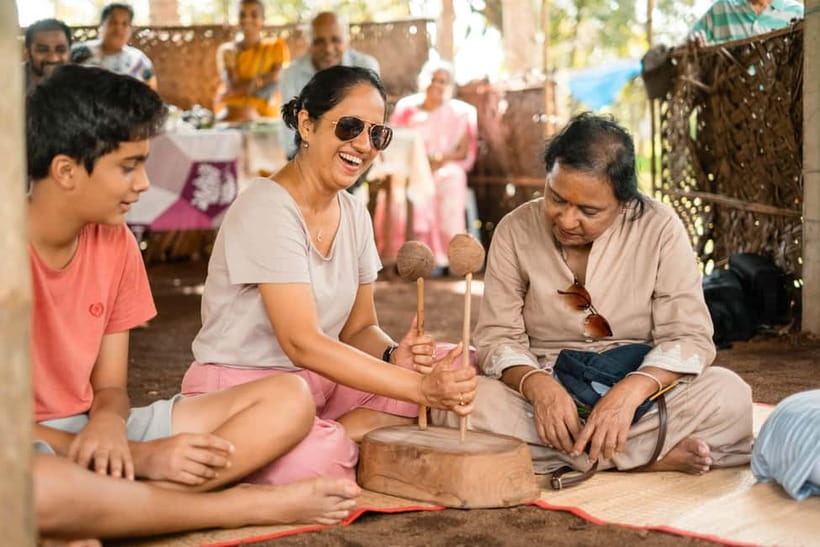
Goa has more than beaches. This three-hour experience takes you into Mulgao village, where old shrines, local stories, coconut farming, and daily rural life come together. I like the mix of culture and practical farming, especially the visit to Mulgão Verde and its work with virgin coconut oil. I also like that the meal is prepared by local villagers rather than served as a generic restaurant lunch.
The main catch is transport. This is not a walking trail, and you must arrange your own vehicle or another transport option during the experience. The route returns to Kelbai Temple, and the village stops are linked by road, so this matters more than it might at first seem.
Key points at a glance
- More than fifty shrines and temples: Mulgao offers a close look at local worship and old Goan folk traditions.
- A working organic coconut farm: At Mulgão Verde, you learn how coconuts become virgin coconut oil and other useful products.
- A meal under the palms: The vegetarian Goan lunch adds real local flavor and gives the visit a relaxed finish.
- A practical sustainability focus: Farming methods, zero waste ideas, and the many uses of the coconut palm are part of the story.
- Your own transport is required: You need to reach Kelbai Temple and move between village stops yourself.
- A gentle three-hour pace: The experience suits you if you prefer conversation, stories, and hands-on learning over a packed sightseeing schedule.
Why Mulgao makes a good change from coastal Goa
North Goa is often treated as a string of beaches, bars, and resort roads. Mulgao offers a different picture. Here, the focus shifts to village customs, agricultural work, sacred places, and the stories tied to local guardian deities.
The village is known for more than fifty temples and shrines. You will not see every one of them in three hours, but the selected stops give you a useful introduction to the religious life of the community. The emphasis is on ancient folk culture and pre-Portuguese heritage, subjects that can be easy to miss if you stay on the main sightseeing circuit.
I particularly like the way the experience connects belief with ordinary life. A shrine is not treated as an isolated monument for a quick photograph. Instead, the local storyteller explains its place in the village and the importance of the deities worshipped by the community.
The pace should suit you if you enjoy asking questions and listening to stories. It is less suitable if you want a long, strenuous walk or a rapid tour of major monuments. Since the experience requires transportation, you also need to think of it as a small village circuit rather than a single trail.
More Farm Tours around the world:
- Half-Day Thai Cooking Class at Organic Farm in Chiang Mai
★ 5.0 · 19,087 reviews - Florence Pizza or Pasta Class with Gelato Making at a Tuscan Farm
★ 5.0 · 6,801 reviews - From Porto: 2 Wine Regions, Farm-to-Table Lunch & Boat
★ 4.9 · 5,724 reviews
Starting at Kelbai Temple
The experience begins at Kelbai Temple in Mulgao. This is both the meeting point and the place where you return at the end, making it a clear anchor for the visit.
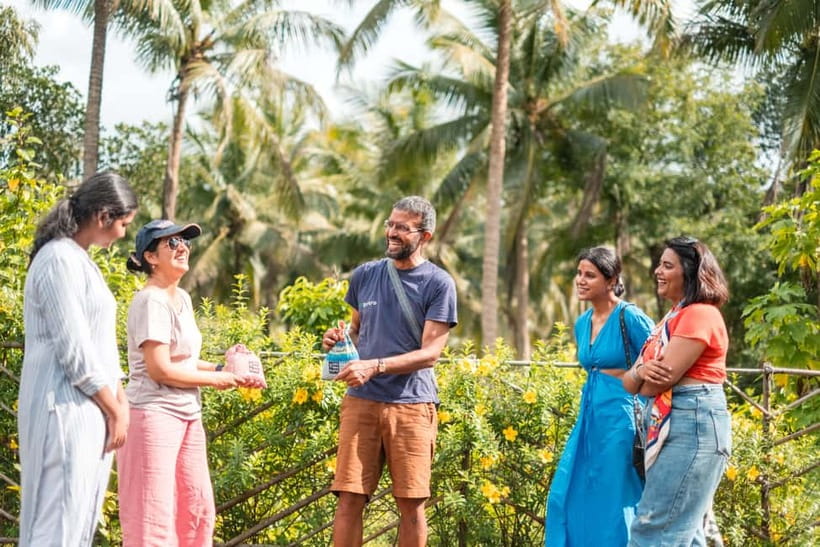
The temple stop introduces you to the village’s sacred side. Your guide leads you through selected holy sites and explains local beliefs, folk customs, and the role of guardian deities. The value here depends heavily on the storytelling, and that is why a local guide matters. A guide familiar with the village can explain why a place is respected, not simply point out its doorway or sculpture.
Rachana received especially warm praise for her friendly manner and the stories she shared about the village. Another account describes a young temple guide who explained the history of the temples in an open and approachable way. The exact guide may vary, but you can expect the experience to be led in English by someone connected with the local setting.
Dress and behavior deserve care. This is a visit to active religious places, not just heritage sites. Comfortable clothing is advised, and smoking, alcohol, and drugs are not allowed. The supplied information does not give a formal dress code, so modest clothing is the sensible choice.
Shrines, stories, and pre-Portuguese traditions
The guided village portion lasts about an hour, followed by another guided segment of roughly twenty minutes. The timing suggests a focused visit rather than an exhaustive survey of Mulgao.
This is where you get the most cultural context. The stories concern revered local deities, village traditions, and the old customs that existed before Portuguese influence. You may find the material more personal and less polished than a museum tour, which is part of its appeal. The subject is not presented as a set of dates to memorize. It is tied to places that still matter to the community.
I like that the experience gives folk culture equal billing with formal temple history. In many parts of Goa, grand churches and well-known beaches receive most of the attention. Mulgao offers a closer look at local Hindu traditions and the village networks around them.
Keep your expectations realistic. The information provided does not promise entry into every shrine, a ritual performance, or a full tour of all fifty-plus sacred sites. What you receive is a selected route with explanations, stories, and time to notice the setting.
Because transport is required, you should confirm how you will move between the sites before arriving. You can use your own vehicle or arrange another transport mode at your end. This is one of the most important practical points, especially if you are relying on public transport or traveling without a car.
Mulgão Verde and the work behind coconut oil
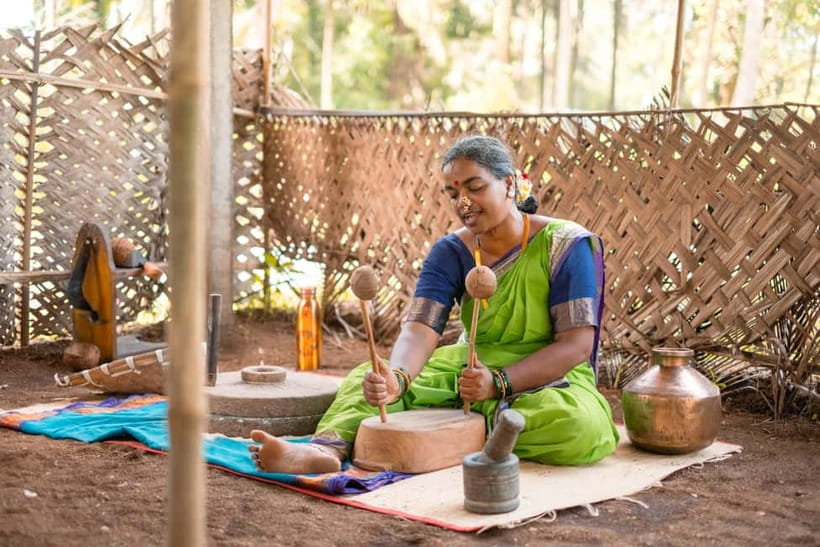
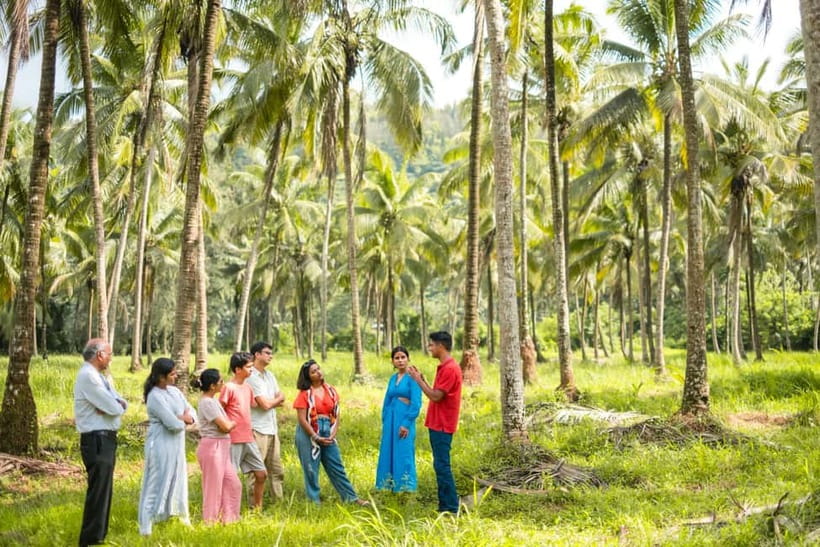
The farm visit takes about an hour and a half, making it the longest part of the experience. At Mulgão Verde, you learn about organic coconut farming, sustainable methods, and the production of virgin coconut oil.
This is not simply a scenic stop among palm trees. The farm visit explains how the coconut palm supports daily life in Goa and how different parts of the plant can be used. The focus includes farming processes, product development, and ways to reduce waste.
The production of virgin coconut oil gives the visit a clear practical hook. You are shown how coconuts move from farm production toward a finished product, along with other items made through the same kind of resource-conscious approach. The supplied details do not specify every stage or piece of equipment, so you should expect an educational introduction rather than a full technical workshop.
The sustainability message is strongest when it becomes practical. You learn about zero waste ideas and how a farm can make fuller use of its resources. That gives the stop more substance than a simple plantation photo opportunity. You can ask questions about the products, the farming process, and how the coconut palm fits into household life.
The farm is also the setting for the meal. After the cultural stops and farming explanation, sitting among the palms with a gentle breeze gives the experience an easy finish. This is a good example of how the visit links food, farming, and place.
Same fields, a different sort of morning:
- Cooking Class and Lunch at a Tuscan Farmhouse with Local Market Tour from Florence
★ 5.0 · 4,831 reviews - Chiang Mai: Authentic Cooking Class with Market & Farm Visit
★ 4.9 · 4,546 reviews - Maui Pineapple Farm Tour in Haliimaile
★ 5.0 · 2,855 reviews - Sorrento Farm and Food Experience including Olive Oil, Limoncello, Wine tasting
★ 5.0 · 2,524 reviews
A Goan vegetarian meal among the palms
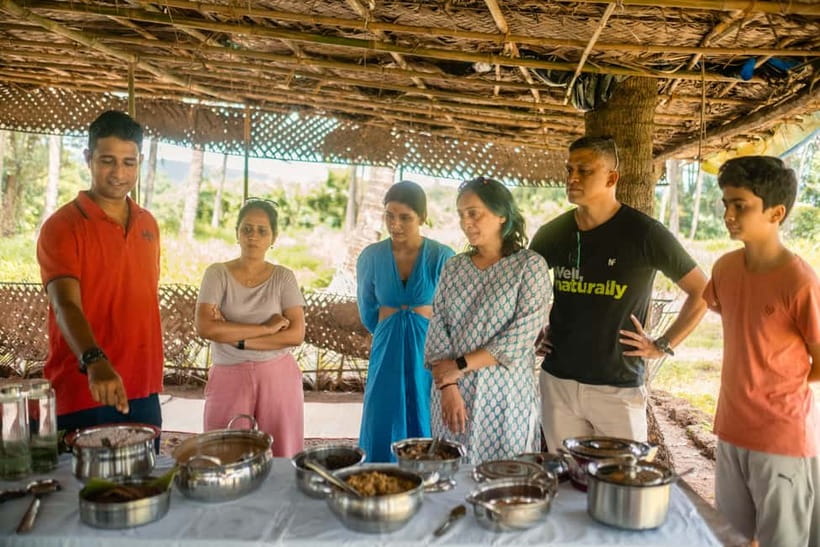
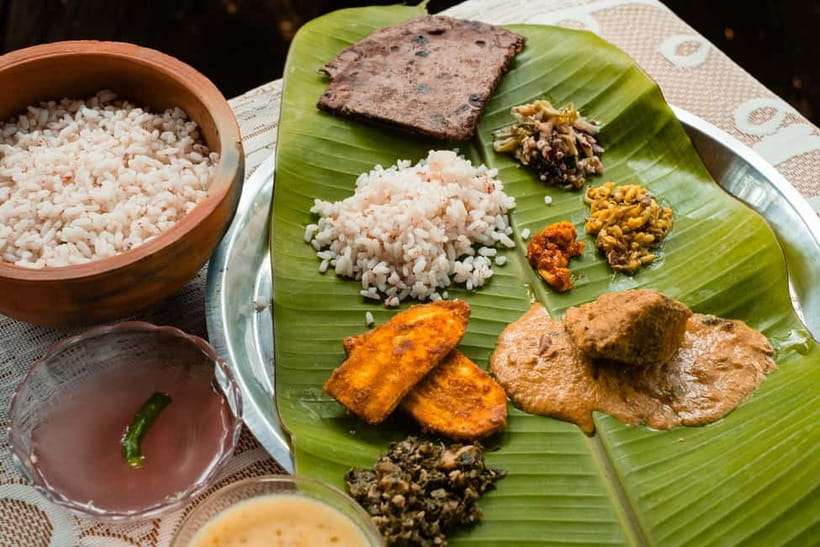
The meal is a traditional Goan farm-to-table vegetarian spread prepared by local villagers. For many people, this will be the most memorable part of the visit, not because it is elaborate, but because it connects directly to the village and farm setting.
One meal was described as both fantastic and authentic, which fits the purpose of the experience. You should expect local vegetarian food rather than a menu designed around international tastes. The available information does not list individual dishes, so anyone with allergies or strict dietary needs should ask for details before booking.
The meal adds value to the $30 price. You are not paying only for transport between sights or a short talk. The fee also includes local guiding, the farm visit, the oil-production explanation, and a prepared meal. Compared with a standard sightseeing stop, the combination gives you more contact with local work and food.
Still, keep the price in perspective. Transportation is not included, and you must arrange it both to Mulgao and during the route. If you need to hire a vehicle separately, your total cost will be higher than the advertised $30 per person.
The meal also gives you time to slow down. The schedule is only three hours, but the farm setting and food prevent the experience from feeling like a checklist. You get a chance to talk, eat, and look around before returning to Kelbai Temple.
What the three-hour schedule feels like
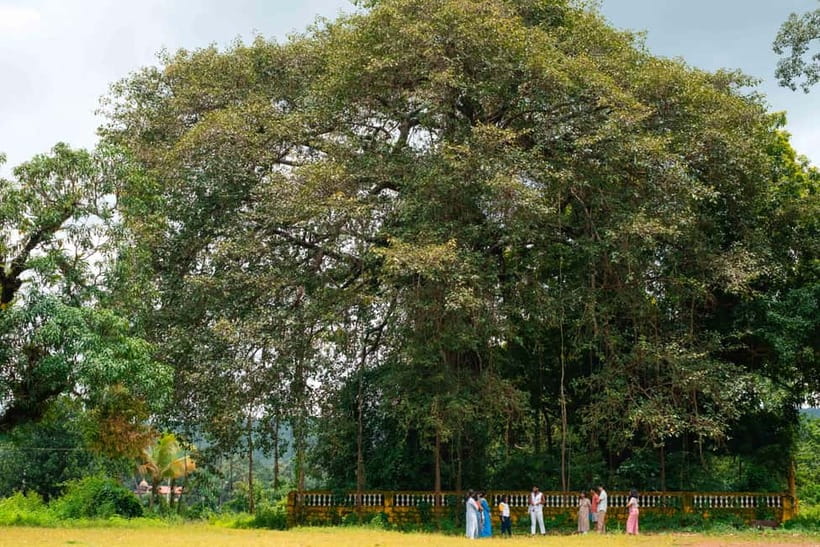
The schedule is compact but balanced. About eighty minutes are assigned to guided village and shrine visits, while approximately ninety minutes are reserved for the farm, food, and related activities.
That split makes sense. The sacred sites need enough time for explanation, but the farm is the more hands-on part of the experience. If you are interested in sustainability, agricultural work, or local products, you will probably appreciate having the longest stop there.
The pace has been described as easy, which is useful if you do not want a rushed outing. You will still need to walk at the individual sites and take part in farm activities, so comfortable shoes are important. The experience is not suitable for wheelchair users, and the transport between locations may create additional difficulty for anyone with limited mobility.
Bring water, sunscreen, and a hat. Goa’s sun can make even a short outdoor visit tiring, and the farm portion takes place in an open agricultural setting. Comfortable clothes are also a good idea, especially if you plan to handle or examine farm materials.
An umbrella, raincoat, hat, face mask, and sanitizer are not provided. The information specifically advises you to bring your own hat and sunscreen, so do not assume that basic sun protection will be available at the meeting point.
The value of the experience at $30
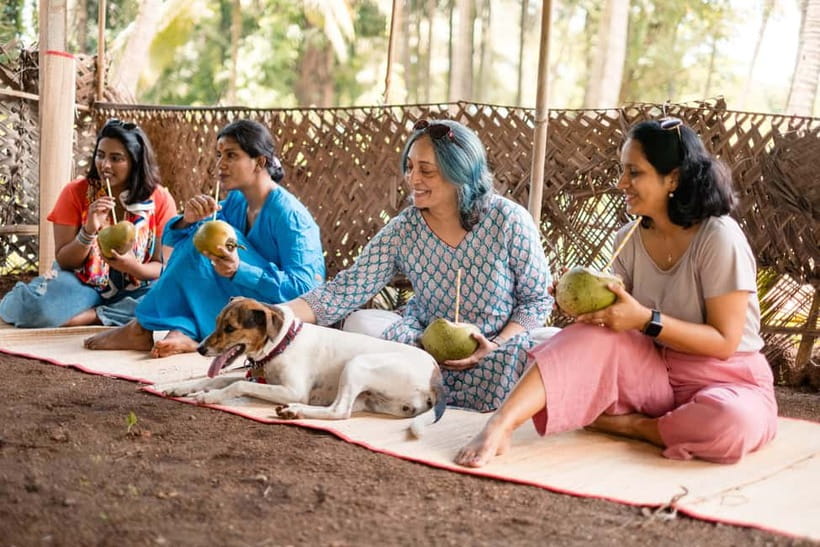
At $30 per person, this is fairly priced if you want a local culture experience with food and a farm visit. The combination is the key value. A temple tour alone might feel brief, while a farm stop alone might feel too narrow. Together, they show how belief, food, land, and village work connect.
The meal and personal guiding make the price easier to justify. You also receive an introduction to virgin coconut oil production and sustainable farming rather than only a view of the palms. The experience has educational value for adults and older children who like seeing how everyday products are made.
The price becomes less attractive if you need expensive private transport. Since the activity does not include travel to Mulgao or between the stops, ask yourself how you will manage the vehicle before you book. If you already have a car, driver, or suitable transport arrangement, the package makes better financial sense.
The three-hour length is another value point. You can fit it into a North Goa day without giving up a full morning or afternoon. It works well as a cultural break between other plans, though the start time should be checked when booking.
Free cancellation up to twenty-four hours in advance and the option to reserve now and pay later add useful flexibility. These policies do not change the experience itself, but they help if your Goa schedule is still shifting.
Who should book this Mulgao experience?
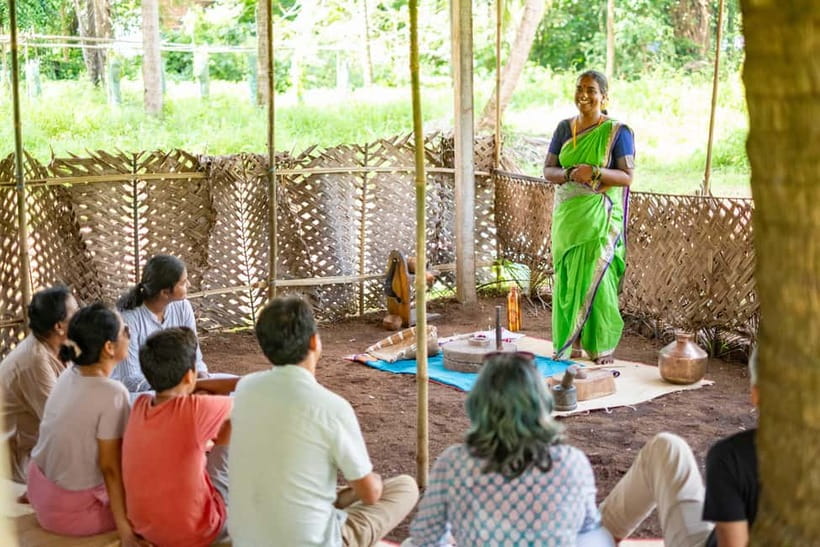
I would recommend it to you if you want to see a quieter side of Goa and prefer a local storyteller to a large sightseeing circuit. It is especially well suited to people interested in folk religion, farming, food traditions, and practical sustainability.
Families with older children may also find it worthwhile, provided everyone is comfortable with temple visits, outdoor conditions, and farm activities. The coconut oil process gives the experience a concrete subject that can hold attention better than a long lecture about history.
Food-focused visitors should take note of the village meal. It is vegetarian, locally prepared, and served at the farm. If you want a better understanding of Goan food beyond restaurants, this is a useful setting.
I would hesitate if you want a fully walking-based tour, need wheelchair access, or prefer a major monument with extensive formal interpretation. You should also think twice if arranging transport is difficult. That is not a minor footnote here. It shapes the whole outing.
Should you book it?
Book this experience if you want three calm, useful hours built around Mulgao’s shrines, coconut farming, and a local vegetarian meal. The strongest parts are the human storytelling, the farm’s practical sustainability focus, and the chance to see how the coconut palm supports everyday life.
Before booking, arrange your transport and confirm the meeting details at Kelbai Temple. Bring water, sunscreen, a hat, and shoes that can handle village paths and farm ground.
If you want beaches, nightlife, or a major sightseeing landmark, spend your time elsewhere. If you want a thoughtful look at North Goa’s village culture with food and farming included, this $30 experience is a strong choice.
FAQ
Where does the experience begin and end?
It begins at Kelbai Temple in Mulgao and returns to Kelbai Temple at the end.
How long does the experience last?
The experience lasts three hours. Starting times vary, so you need to check availability when booking.
Is transportation included?
No. Transportation to and from Mulgao is not included, and you must also arrange transportation required during the experience.
Is this a walking tour?
No. It is not a walking trail. You need your own vehicle or another transport option to move between the village stops.
What language is the tour conducted in?
The live tour guide speaks English.
Is a meal included?
Yes. A traditional Goan vegetarian meal prepared by local villagers is included at the coconut farm.
What should I bring?
Bring comfortable shoes, a hat, sunscreen, water, and a camera. Umbrellas, raincoats, hats or caps, face masks, and sanitizers are not provided.
Is the experience suitable for wheelchair users?
No. The experience is not suitable for wheelchair users.
Just added around the world
- Zanzibar:Jozani forest, Spice farm with Swahili Cuisine clas★ 4.2 · 3 reviews
- Zanzibar: Spice farm tour with Zanzibar fruits tasting★ 3.8 · 7 reviews
- Zanzibar: Stone Town City Tour and Spice Farm with Lunch★ 3.7 · 33 reviews
- ZANZIBAR, Stone town tour, Prison Island & Spice farm★ 5.0 · 11 reviews
- Zanzibar: Walking Spice Farm with Local Cooking Class★ 4.4 · 9 reviews
- Zanzibar: Spice Farm Tour with Traditional Cooking Class★ 5.0 · 2 reviews
- Zanzibar: Spice Farm Tour with Traditional Cooking Class★ 4.8 · 6 reviews
- Zanzibar: Spice Farm Tour with Traditional Cooking Class★ 4.6 · 16 reviews
India Farm Tours, farm by farm.
Mulgao Folk Village & Coconut Farming Experience – Make It Happen
Read our review →


Farm stay in Sikkim to explore monasteries and villages over 5 days
Read our review →
Nandi hills trek sunset or sunrise drive from Bangalore
Read our review →
Coorg: Mercara Gold Estate Coffee/Spice Farm and Museum Tour
Read our review →Other lists this farm sits on