
REVIEW · GREECE
Melanes: Naxos Perivoli Farm & Cooking Class with Wood Fire
A farm lunch beats another beach meal. At Perivoli Naxian Farm near Melanes, you spend four hours meeting farm animals, gathering eggs and produce, and cooking traditional Naxian food over a wood fire. I especially like the farm-to-table setting and the chance to learn from hosts such as Nikos and Constantina, who explain how the family farm works rather than simply handing you a plate.
I also like the generous, social meal: omelet, zucchini balls, potatoes, cheese, briam or gemista, bread, dessert, and local wine. The main drawback is practical: transportation is not included, so you must arrange your own way to the farm entrance. The cooking is hands-on, but you will also spend time walking and helping with food preparation, not just sitting at a stove.
Key points to know before booking
- Egg collecting is part of the farm tour: You can gather freshly laid eggs from the chickens before using farm ingredients in the meal.
- The olive grove provides real local context: You learn how the trees are cultivated and how olives become oil.
- Naxian potatoes are part of the story and the feast: You visit the potato fields and later eat potatoes prepared at the farm.
- The meal is far larger than a simple cooking lesson: Expect several dishes, bread, dessert, fruit, cheese, and wine.
- The group is limited to 10 people: That small size makes it easier to ask questions and take part in the preparation.
- A late dinner is wise: The portions are generous enough that you may not want a full meal afterward.
Arriving at Perivoli Farm near Melanes
The experience begins at the entrance to Perivoli Naxian Farm Experience, near the village of Melanes in the South Aegean region of Greece. Staff meet you there, so pay attention to the stated meeting point when arranging your day. Since transportation is not provided, allow time to reach the farm on your own.
The setting is a working family farm rather than a polished culinary school. That distinction matters. You see animals, trees, fields, vines, and gardens before cooking, which gives the meal a clear connection to the place where you are eating.
The activity lasts about four hours. That is long enough for a proper farm walk, food preparation, lunch, and plenty of conversation, but short enough to fit comfortably into a Naxos sightseeing day. Starting times vary, so check availability when you book.
The group size is capped at 10 participants, and the live instruction is in English. That is a useful combination for a hands-on class. You are less likely to be lost in a crowd, and there is room to ask why a particular ingredient is used or how a dish is prepared.
More Cooking Classes around Greece:
- Naxos Perivoli Farm Experience & Wood-fire Cooking Class
★ 5.0 · 339 reviews - Cretan Cooking Class and Olive Oil Tasting
★ 5.0 · 178 reviews - Santorini Family Farm Food & Wine Tour with Cooking Class
★ 5.0 · 107 reviews
Chickens, rabbits, pigs, and peacocks first
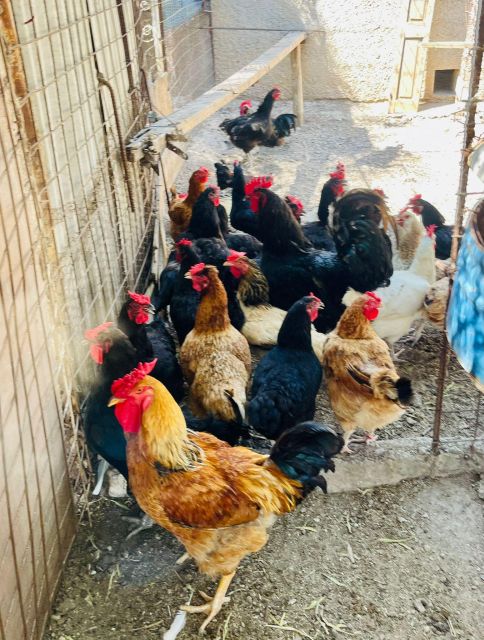
The opening farm tour introduces you to the animals, including chickens, rabbits, pigs, peacocks, and other farm residents. For children, this may be the most immediately exciting part. Families have found that children from about age seven upward can take part comfortably, while younger children can come along and watch.
Egg collecting gives the tour a simple but memorable task. You are not just hearing that the food is fresh. You can gather eggs and later see them used in the cooking. That small connection makes the farm meal feel less like a demonstration and more like a shared household routine.
The farm also has cats, according to the experience details shared by participants, so animal lovers may find plenty to notice along the way. Still, keep your expectations sensible. This is a small farm, not a large animal park. The appeal comes from seeing ordinary rural life and meeting the family behind it.
The pace is relaxed. You walk, stop, listen, and ask questions. If you want a fast cooking class with little walking, this may feel slower than expected. If you enjoy seeing where food begins, the opening hour gives the rest of the visit its purpose.
Olive trees and the making of Naxian oil
After the animals, you walk through the olive grove. The guide explains how the trees are cultivated and how olives are turned into oil. This is one of the most useful parts of the experience because olive oil is not just a garnish in Greek cooking. It is a basic ingredient, a farming product, and a major part of the island’s food culture.
Some of the olive trees on the family property are connected to older generations of the family. That detail helps you understand that farming here is not a new theme added for tourists. The farm reflects traditions passed through the family, including the care of trees, seasonal work, and the practical use of what the land produces.
You also learn about local herbs and plants. Information shared during the farm walk has included thyme, oregano, almonds, figs, pomegranates, lemons, limes, and other seasonal growth. The exact plants you see will depend on the time of year, but the point is consistent: Naxian cooking depends on what is growing now.
Bring a hat, sunglasses, sunscreen, and comfortable clothes. Much of the experience takes place outdoors, and the walk includes open farm areas. Comfortable shoes are especially important because you move between the grove, fields, orchard, vineyard, and garden.
Naxian potatoes, fruit trees, vineyards, and gardens
The walk continues to the potato fields. Naxian potatoes are a familiar local food, and you hear why they grow well in this area, thanks to the climate and fertile soil. This makes the later potato dish more meaningful. You are not simply eating a generic side dish labelled Greek. You have seen the crop and heard why it matters on Naxos.
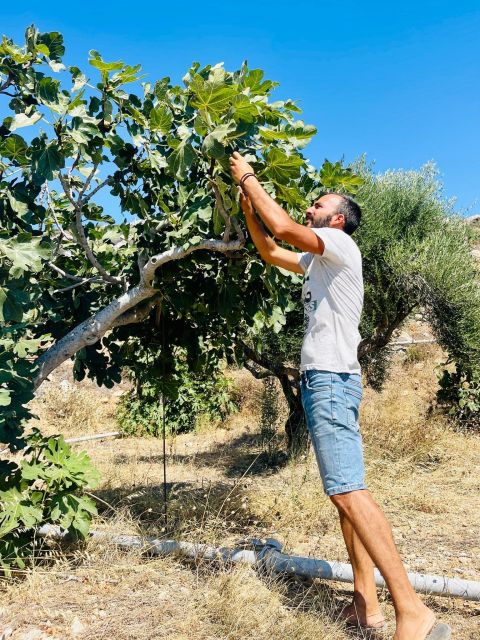
Next comes the fruit area, where you may sample seasonal fruit picked from the trees. Depending on the season, that can include fruit such as oranges, figs, pomegranates, or other produce found around the farm. Freshly picked fruit is a modest pleasure, but it gives you a better sense of the farm’s rhythm than a formal lecture would.
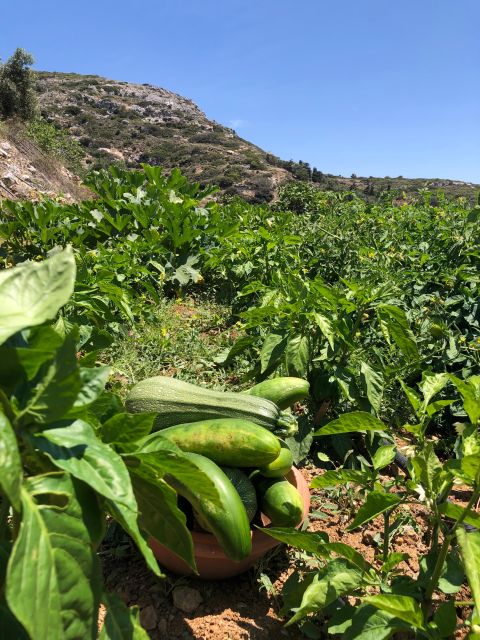
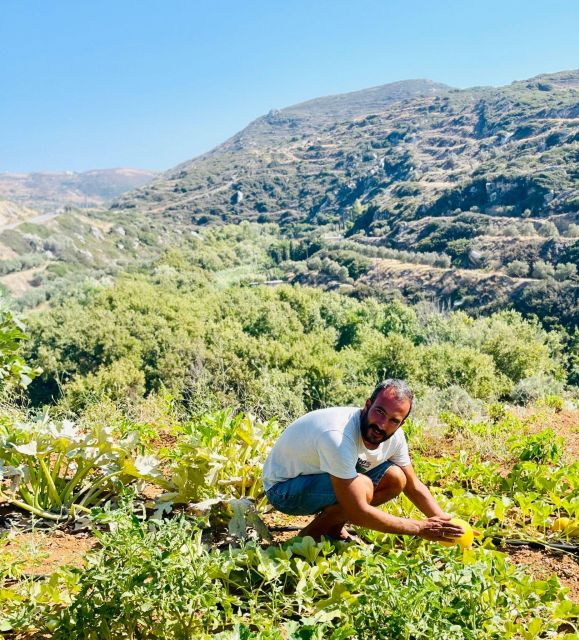
The vineyard and vegetable garden complete the tour. You gather seasonal vegetables for the cooking session, and the ingredients become part of the meal served later. That direct path from garden to table is the strongest idea running through the entire experience.
The farm walk is not a strenuous hike, but it is still a walk. Anyone who has limited mobility should consider the outdoor setting and uneven farm surfaces before booking, since no specific accessibility details are provided. The organizers do provide practical comfort advice: wear sensible shoes, light clothes, sun protection, and a hat.
More Workshops around Greece:
- Moires: Cooking Class and Olive Oil Tasting at a Family Farm
★ 5.0 · 93 reviews - Mykonian Farm and Bakery Class with Brunch in Greece
★ 4.5 · 39 reviews - Traditional Greek Cooking Class @ Lefkada Micro Farm
★ 4.7 · 32 reviews - From Mykonos: Mykonian Farm Baking Class with Brunch
★ 4.7 · 29 reviews
Preparing Greek food beside a wood fire
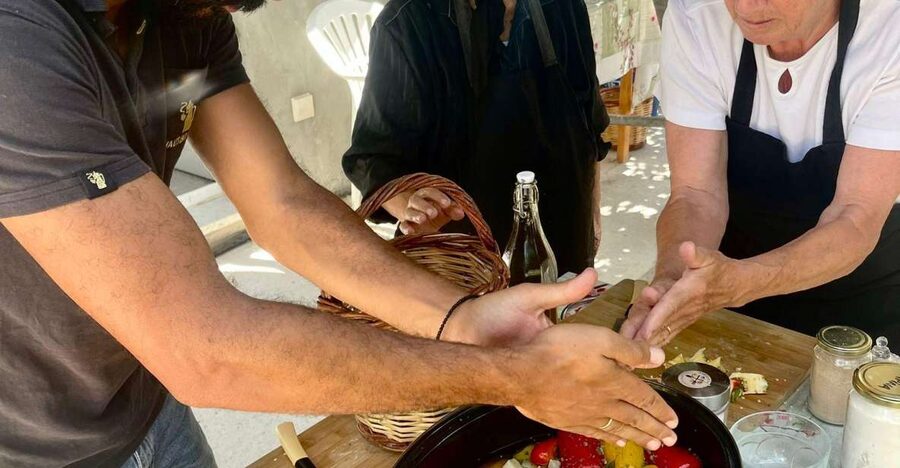
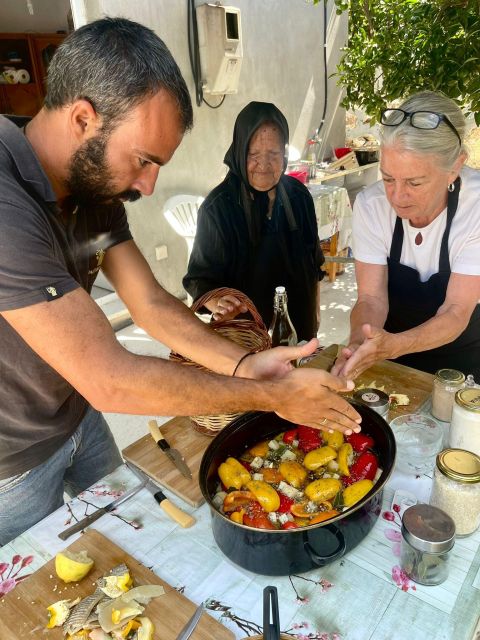
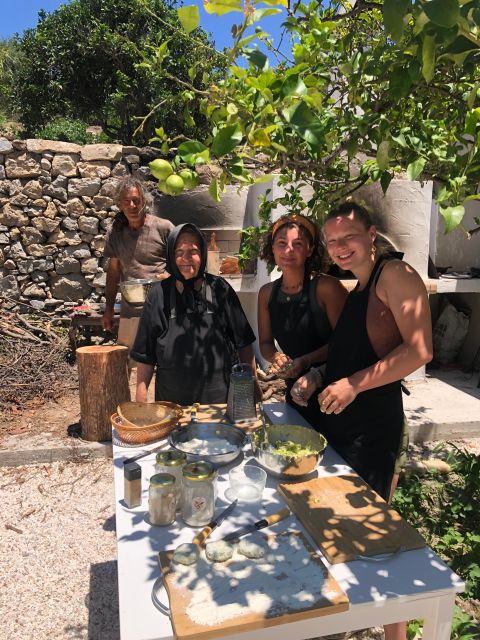
Once the farm tour ends, you move to the cooking area. You receive aprons and utensils, then work together on a series of traditional dishes. The cooking is collaborative, so do not expect each person to make an individual plate from start to finish.
Typical preparation includes cracking and preparing eggs, grating cucumber for tzatziki, shredding zucchini for fritters, cutting vegetables, and working with potatoes and cheese. You may prepare an omelet, zucchini balls, potatoes, and cheese as starters or shared dishes. A main course may be briam, a baked vegetable dish, or gemista, vegetables prepared with a filling.
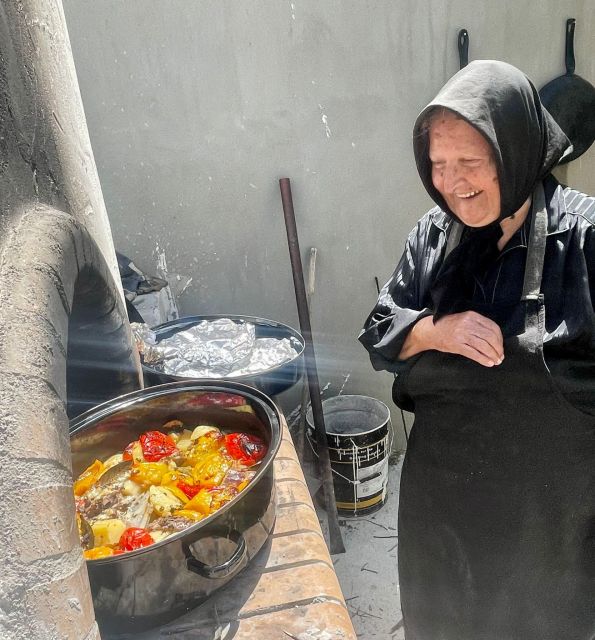
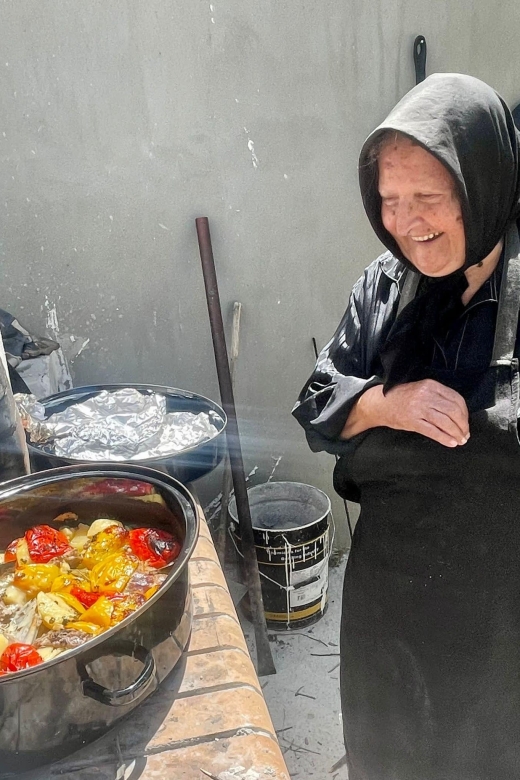
The wood fire is central to the character of the class. Food is cooked in a traditional wood-fired oven or over the fire, often with a family member handling the heat while participants prepare the ingredients. That division works well. You learn the preparation without having to manage a hot oven you do not know, while still seeing how the cooking method affects the finished food.
Briam is particularly suited to this setting. It uses vegetables, olive oil, and slow cooking, so the quality of the produce matters. The result is homestyle food, not a showy restaurant performance. That is exactly why the class appeals to people who want to understand everyday Greek cooking.
The lesson is practical rather than technical. You learn useful methods that can be repeated at home with ordinary grocery-store ingredients. One participant even used the recipes to make Greek food for family after returning home. The farm’s Naxian cheese and potatoes may be harder to copy, but the basic approach is accessible.
A long lunch with local wine and family recipes
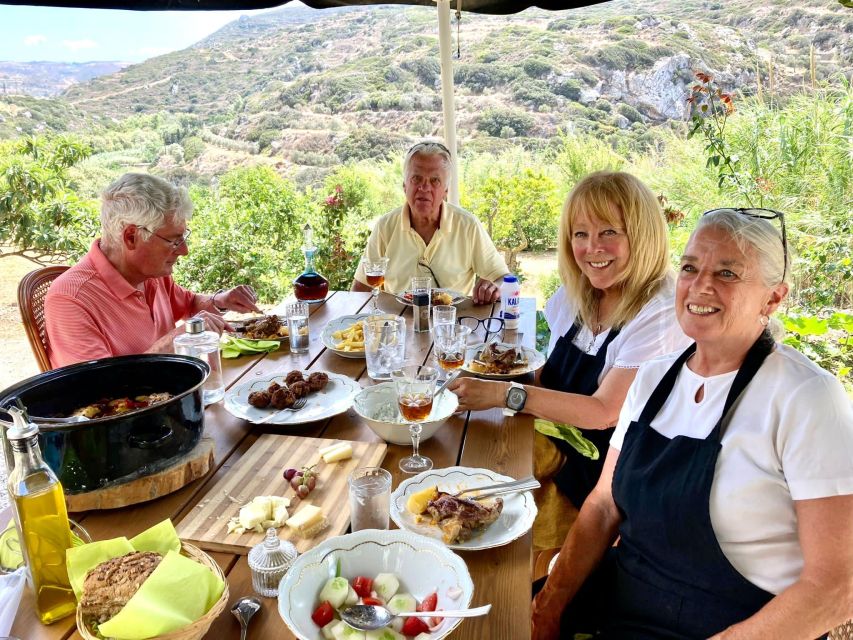
The meal is the payoff, and you should arrive hungry. Alongside the dishes you help prepare, the table may include bread, tzatziki, Greek salad, Naxian cheeses, fried cheese with honey, fruit, homemade preserves, and other food prepared by the family.
The portions are generous. If you plan to eat dinner afterward, make it a late one. The menu can feel closer to a full family feast than a small tasting lunch, and the steady flow of food is one reason the $117 price feels reasonable for many people.
Local wine is included, along with water or lemonade in some sessions. The wine gives the meal a social feel, and the family’s own produce keeps the focus on Naxos rather than on imported or prepackaged ingredients. Dessert and bread are also included, so you are not paying extra for the basic meal after the class.
The food is largely vegetarian in the dishes described, with vegetables, eggs, cheese, potatoes, and fruit taking center stage. A vegan version has been accommodated during at least one session. If your diet is important to the booking, confirm the available menu in advance, since the standard description includes eggs, cheese, and wine.
Recipes are shared after the class, which adds lasting value. You can recreate dishes such as zucchini fritters, briam, tzatziki, or Greek salad at home. The recipes will not reproduce the exact farm setting, but they help turn a pleasant afternoon into something you can use later.
Greek dancing and the human side of the visit
After lunch, you may take part in a traditional dance. It is optional, so you can join in if the mood feels right or simply enjoy the closing moments at the table.
The family welcome is a major part of the experience. Nikos is often the main host, while Tina or Constantina may lead the tour, depending on the session. Other family members, including Nikos’s father, may help with the cooking and wood-fired oven.
That family involvement gives the visit its warm, informal tone. The hosts explain farming, cooking, and local customs while keeping the mood light. Participants have described the hosts as kind, funny, and generous, and the small group makes it easier for strangers to start talking to one another.
This is not the right pick if you want a tightly timed professional kitchen class where an instructor demonstrates every technique and you work alone at a station. It is better for people who enjoy conversation, shared tasks, a big meal, and a little uncertainty about exactly who will chop what.
Is $117 a good value?
At $117 per person, the price is higher than a basic restaurant meal or a short cooking demonstration. But you are paying for about four hours of activity, a farm tour, a small group, instruction in English, lunch, bread, dessert, and local wine.
The value improves if you care about food culture rather than only eating. You see the animals, collect eggs, walk among olive trees, learn about Naxian potatoes, pick seasonal produce, and then eat food connected to those places. A restaurant can serve you briam, but it cannot give you the same path from garden to plate.
The price also covers a social experience led by a family rather than a large commercial operation. That personal element is central to the appeal. On the other hand, visitors mainly interested in beaches, ruins, or a quick meal may not find four hours and $117 worthwhile.
The meal itself is substantial enough to replace lunch. Add the included wine and dessert, and the cost becomes easier to justify, especially for anyone who would otherwise book a separate food tour and restaurant meal. You still need to arrange transportation, so include that extra cost in your planning.
Who will enjoy this Naxos cooking class?
This experience suits you if you enjoy:
- Traditional home cooking rather than formal fine dining
- Farm animals, gardens, orchards, and olive trees
- Hands-on preparation in a relaxed group
- Generous portions and shared meals
- Learning about Naxian food from a family with farming ties
- Family activities where children can help with simple tasks
- Vegetarian-friendly Greek food
It is especially good for couples, families, and small groups of friends. The group limit of 10 keeps the setting personal without making it private.
You may want another activity if you dislike outdoor walking, hot weather, communal cooking, or long meals. The class involves chopping, grating, gathering, tasting, and talking. It is not a passive sightseeing stop.
Book with realistic timing. Wear comfortable shoes and sun protection, and avoid scheduling a large dinner soon afterward. If you have one free day on Naxos, this experience gives you food, agriculture, family life, and a taste of the countryside in one outing.
Should you book Perivoli Farm?
I would book this if you want a warm, food-centered look at rural Naxos. The strongest reasons are the family setting, the wood-fired cooking, the fresh ingredients, and the sheer amount of food included.
You should skip it if your main goal is a short class with individual cooking stations or if arranging your own transport is difficult. For everyone else, $117 buys more than lunch. It buys a useful look at how Naxian ingredients are grown, prepared, and shared.
Free cancellation is available up to 24 hours before the activity, and you can reserve now and pay later. That gives you some flexibility while you decide how this four-hour farm visit fits into your Naxos plans.
FAQ
Where does the Perivoli Farm cooking class take place?
It takes place at the entrance of Perivoli Naxian Farm Experience near the village of Melanes in the South Aegean region of Greece.
How long does the activity last?
The farm tour and cooking class last about four hours.
Is transportation included?
No. Transportation is not included, so you need to arrange your own way to the farm meeting point.
What language is the tour conducted in?
The live tour guide speaks English.
How large is the group?
The activity is limited to 10 participants.
What food do you prepare?
The class may include an omelet, zucchini balls, potatoes, cheese, briam or gemista, and other traditional Greek dishes prepared with seasonal farm produce.
Are lunch and drinks included?
Yes. Lunch, bread, dessert, and local wine are included.
What should you bring?
Bring comfortable shoes, sunglasses, a sun hat, sunscreen, and comfortable clothing.
Just added around Greece
- Volos: Cook Like a Local at a Greek Farm★ 5.0 · 7 reviews
- Traditional Greek Cooking Class @ Lefkada Micro Farm★ 4.7 · 32 reviews
- Visit a Farm and Horseback Riding in Nature★ 5.0 · 10 reviews
- Insightful Pistachio Orchard and Factory Tour★ 4.5 · 27 reviews
- Private Olive Oil tasting & Liqueur experience★ 5.0 · 17 reviews
- Flavors of Santorini: Farm-to-Table Meal Wine & Authentic Village★ 5.0 · 12 reviews
- Santorini 5 Hour Private Oia Tour & Lunch/Dinner at a Local Farm★ 5.0 · 40 reviews
- Cooking Class Sunset Dinner and Tour in Paros Farm★ 5.0 · 5 reviews
Cooking Classes, farm by farm.
Half-Day Thai Cooking Class at Organic Farm in Chiang Mai
Read our review →
Cooking Class and Lunch at a Tuscan Farmhouse with Local Market Tour from Florence
Read our review →
Authentic Cooking Class with Market & Farm Visit
Read our review →

Hands-On Cooking Class & Farmhouse Tour on the Amalfi Coast
Read our review →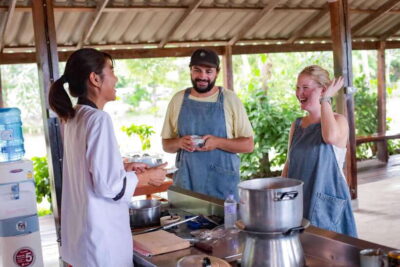
Other lists this farm sits on