
REVIEW · USA
Kona: Hawaiian Salt Farm Tour
Salt starts with seawater here. Kona Salt Farm offers a rare look at Hawaii Island’s only working salt farm, set on a seven-acre oceanfront site where salt is produced from deep ocean water. I like the mix of science and Hawaiian cultural history, and I especially like that the tour ends with samples of flavored and smoked salts.
The $25 price feels fair for a 45-minute guided visit that includes salt tasting and deep ocean magnesium mineral water. The main consideration is time: the tour is short, so anyone hoping for a long farm visit or a full meal should adjust expectations. Food and other drinks are not included.
Key details before you go
- Deep ocean water powers the process: You learn why this Kona site can draw mineral-rich water from below the surface.
- Salt tasting is part of the visit: The final samples include flavored and smoked varieties, not just plain salt.
- The setting adds real appeal: The farm sits beside striking turquoise water, with ocean views throughout the property.
- Local history comes into the tour: Guides connect salt production with Hawaiian culture, geography, ecology, and the story of the area.
- The pace is manageable: The walk is described as slow and easy, including for someone using a cane.
- A foot soak may be available: Some people add this extra after the tour, especially on a hot Kona day.
A working salt farm beside Kona’s ocean
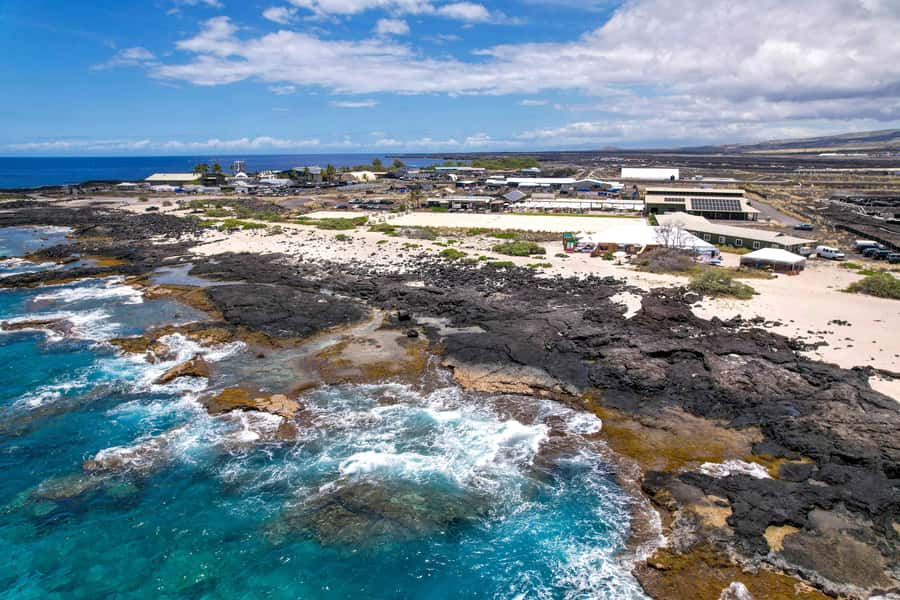
Kona Salt Farm by Sea Salts of Hawaii occupies a seven-acre oceanfront property. That matters because this is not a display built only for tourists. You are visiting an active operation where ocean water is turned into a product you can taste and take home.
The farm’s unusual claim is that it harvests salt from deep ocean water. That gives the tour a stronger story than a simple explanation of evaporation ponds. You learn about the water source, how the salt is produced, and why Hawaii Island’s geography makes this operation possible.
The ocean setting also changes the mood. Instead of spending 45 minutes in a shop or indoor tasting room, you move through a working property with waves and open water nearby. One person even spotted whales during a visit, though that should be treated as a lucky extra rather than part of the tour.
To arrive, enter the Kona Sea Salt Farm driveway and check in at the office. The stated meeting point is at 19.7262318, -156.0586245. You will meet the Salt Farm Manager or another English-speaking guide there.
More Salt Farm Tours around the USA:
- Hawaiian Salt Farm Tour in Kona
★ 5.0 · 767 reviews - Sunset Kona Salt Farm Tour
★ 5.0 · 55 reviews - Kona Salt Farm: Deep Ocean Cold Water Mineral Foot Soak
★ 4.7 · 23 reviews
What happens during the 45-minute visit
The tour begins with an introduction to the farm and its setting. Your guide explains the source of the water and gives the basic story of salt production before taking you farther into the operation.
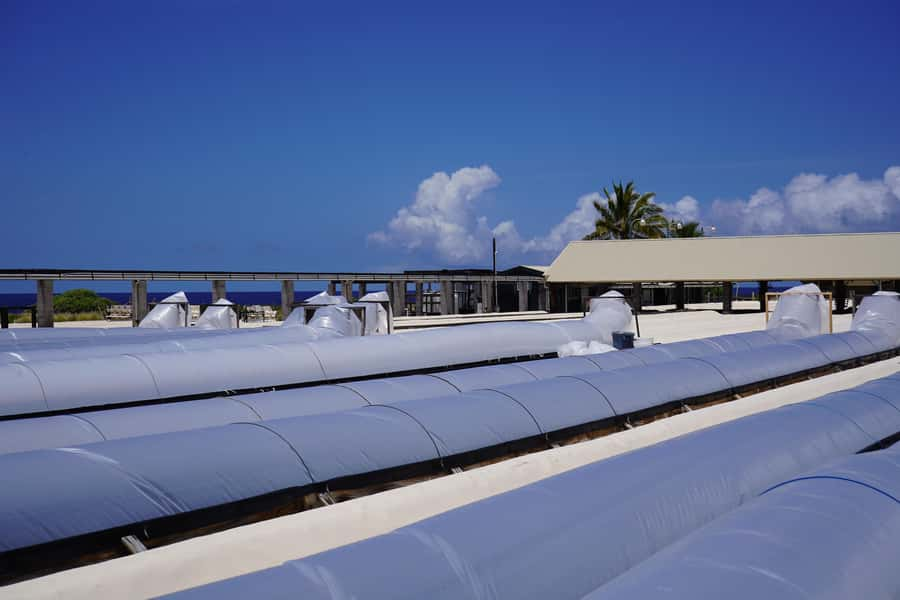
The route includes views of the salt tunnels and hot houses, details that help make the process easier to picture. The hot houses are part of the drying and evaporation work, while the tunnels offer another look at how the farm handles the water and salt.
The tour is not only about equipment. Guides also explain the science behind ocean salt, including the role of ocean currents, mineral content, and Hawaii Island’s volcanic shelf. One particularly useful point is that the farm can reach deeper salt currents more easily because of the island’s underwater geography.
That explanation gives the visit some depth without turning it into a classroom lecture. You see how a local food product connects to geology, ocean science, solar power, and ecology.
The pace appears unhurried. A May visit was described as easy walking for someone with a cane, which is useful information if your group includes anyone who needs a gentler route. Still, the property is outdoors, so comfortable shoes and protection from the Kona sun make sense.
The Hawaiian history and cultural side
The strongest guides add more than production facts. Ipo, for example, has been praised for connecting Hawaiian cultural history, including Pele, with geography, science, and ecology. That kind of storytelling gives the farm a clear sense of place instead of making it feel like a generic food factory.
Ipalani has also been singled out for being warm, personal, and well informed. Taking time to learn names can make a short tour feel less mechanical, and that small gesture was especially appreciated.
You should not expect a full cultural program or a long historical walk. The visit remains focused on salt. But the cultural references help explain why the farm belongs in Kona rather than simply being a business that could operate anywhere.
The farm’s history includes a period of reinvention, which gives the site another layer of interest. You hear how the operation developed and how it continues to work with its natural setting. The guide’s own knowledge and enthusiasm matter here, so the tone may vary slightly by departure.
Why the water source matters
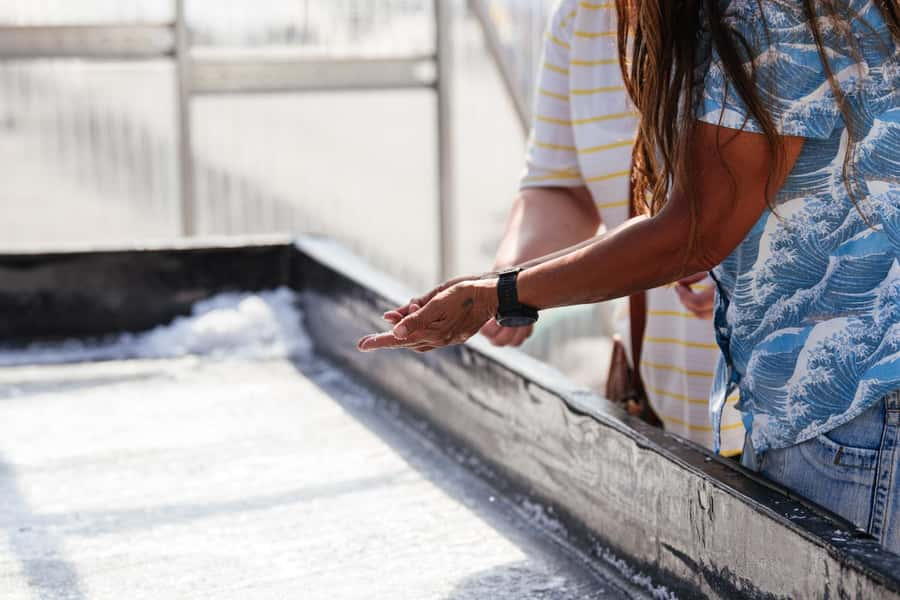
Salt is easy to take for granted. It sits on restaurant tables and in kitchen cupboards, so it can be surprising to learn how much research and engineering go into producing a distinctive local version.
At this farm, the water begins in the deep ocean. The explanation includes ocean currents and the greater mineral content associated with deeper water compared with surface seawater. The farm’s access to those currents is tied to Hawaii Island’s volcanic shelf.
This is one of the most valuable parts of the tour because it answers a basic question: why make salt here? The answer is not simply that Hawaii has an ocean. The location, underwater geology, and access to the water source all matter.
The operation also makes use of solar power and efficient drying and evaporation houses. That does not mean the process is effortless or impact-free, but it does show an effort to keep production more self-sustaining. If you care about how food is made, this practical side of the story may be more interesting than the tasting itself.
The farm also harvests magnesium from the deep ocean water. You receive a sample of its deep ocean magnesium mineral water, which gives you a direct taste of one of the byproducts of the process.
More Farm Tours around the USA:
- Maui Pineapple Farm Tour in Haliimaile
★ 5.0 · 2,855 reviews - Half-Day Thoroughbred Horse Farm Tour in Kentucky
★ 5.0 · 1,924 reviews - Premium Amish Country Tour including Amish Farm and House
★ 4.5 · 1,306 reviews - Unique Horse Farm Tours with Insider Access to Private Farms
★ 5.0 · 1,192 reviews
Salt tasting is the payoff
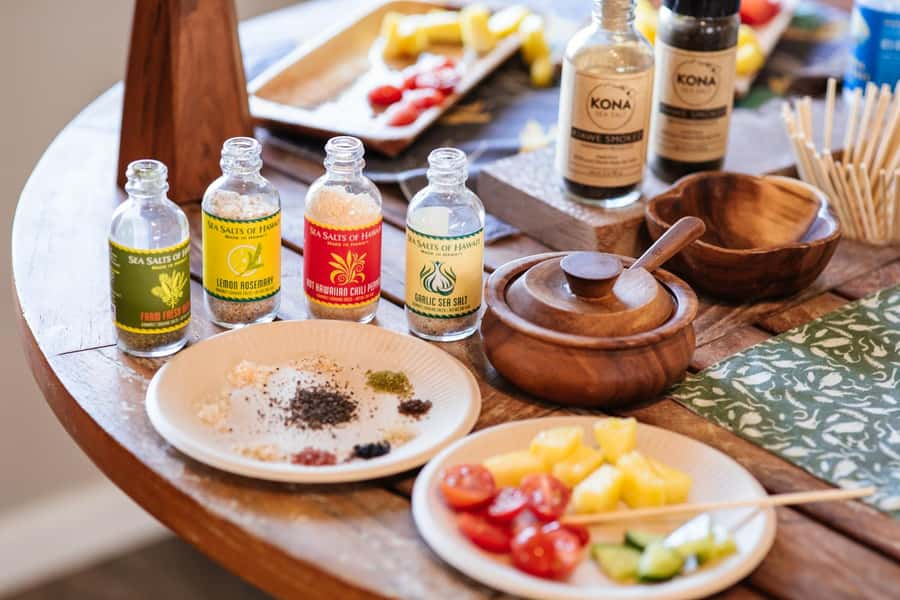
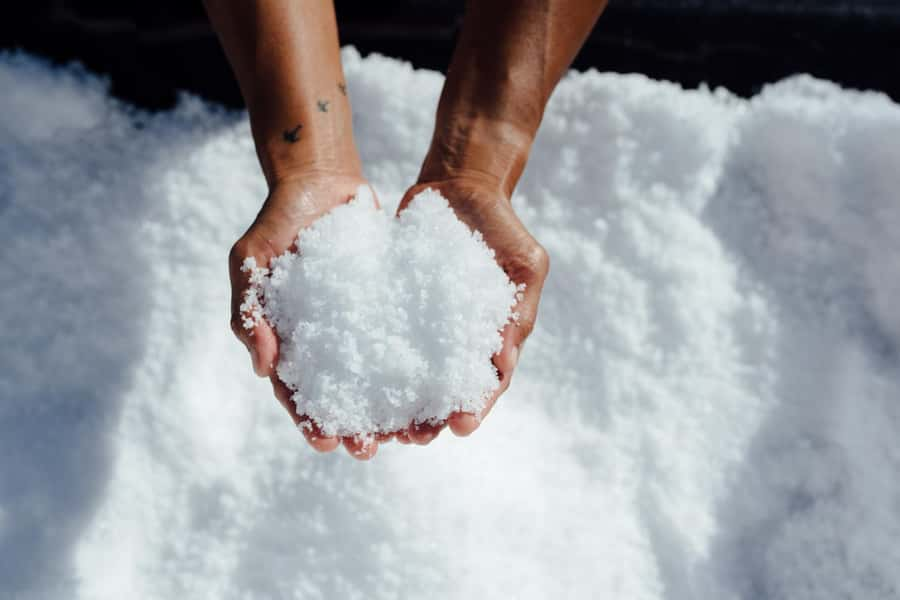
The tasting comes at the end, and it is more varied than a pinch of plain salt. You can sample the farm’s flavored and smoked salt varieties and compare their different profiles.
This is where the $25 price begins to make strong sense. You are not merely watching a demonstration. You get to test the finished products and decide which ones have a place in your own kitchen.
The tasting also turns the earlier science into something concrete. After hearing about water, evaporation, minerals, and drying, you can notice differences in the final product. That makes the process easier to remember.
Several people arrived without planning to buy salt and left with multiple flavors. I can understand the temptation. The products are compact, useful, and easier to pack home than a bulky souvenir.
Keep in mind that the tour price includes the tasting, but food and other drinks are not included. The magnesium mineral water is part of the experience. If you need more than a sample, plan accordingly.
Ocean views, photographs, and the optional foot soak
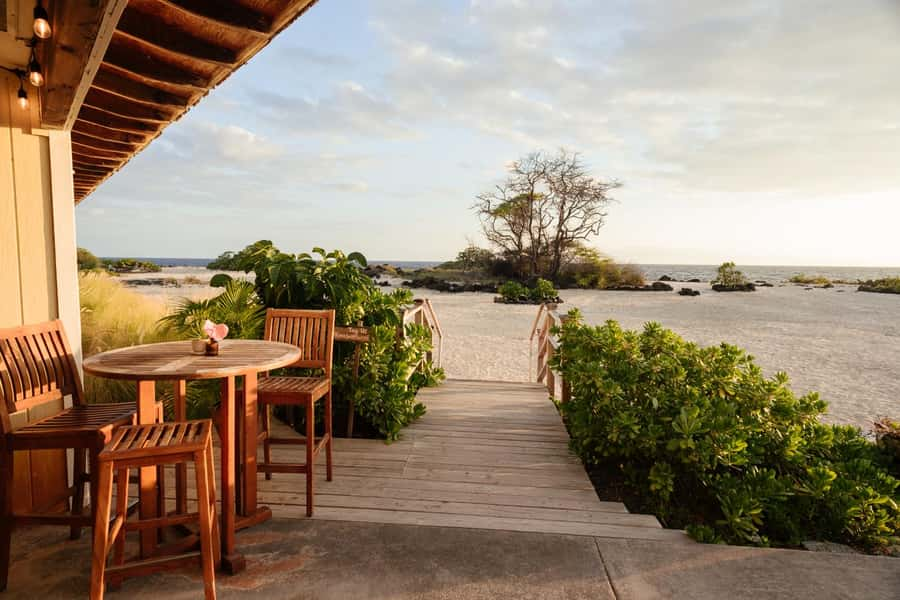
The ocean is not background decoration here. The turquoise water gives the farm a scenic setting, and one guide took an especially good photograph with waves behind the group.
That can be a nice bonus for couples, families, or anyone who wants a small record of the visit. It is not a formal photography tour, so the value comes from the setting and the guide’s willingness to help rather than from planned photo stops.
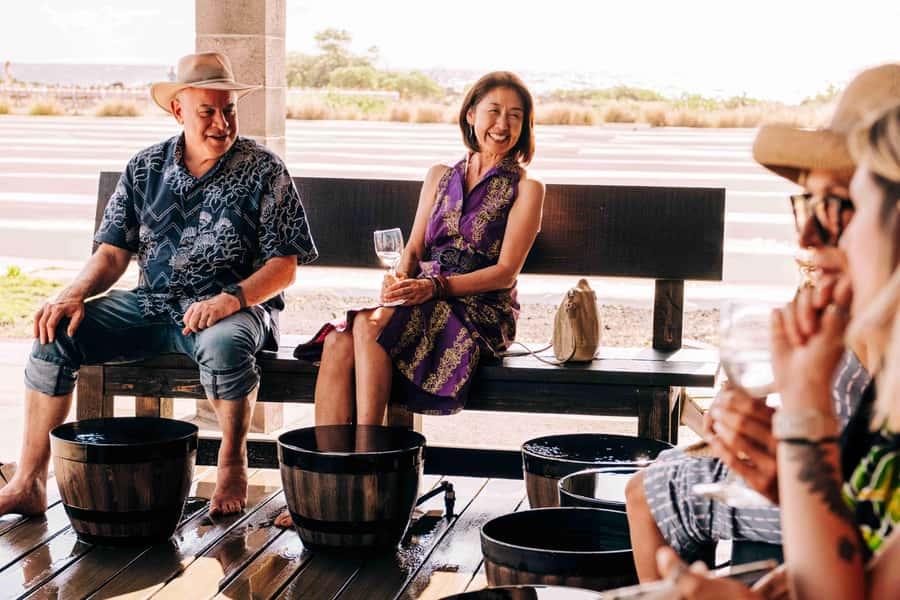
A foot soak has also been available as an add-on. It is not part of the $25 tour inclusion, so confirm the current arrangement when booking. On a hot Kona day, that extra can be appealing after walking around the property.
Because the foot soak is not included in the stated tour details, I would treat it as optional rather than build your schedule around it. The salt tour itself remains the main activity.
Is $25 good value for 45 minutes?

For a short activity, $25 per person is reasonable. The price includes a live English-speaking guide, access to the working farm, the educational walk, samples of the flavored and smoked salts, and magnesium mineral water.
The value is strongest if you are curious about food production or local geography. You receive a clear explanation of how the salt is made, see parts of the operation, hear about Hawaiian history and ecology, and taste the finished product.
The value is weaker if you are looking for a long farm excursion, a large meal, or a hands-on workshop. Forty-five minutes passes quickly, and there is no indication that you harvest salt yourself or prepare a dish during the visit.
Still, the short length can work in your favor. You can fit the farm into a busy Kona day without giving up half a morning or afternoon. It suits a stop before another activity, provided you allow enough time to arrive at the driveway and check in.
The gift shop can also add value if you want an edible souvenir. Several people found the tasting persuasive enough to buy salt for home, but purchases are separate from the tour price.
Who will enjoy this Kona activity most?
I would recommend the tour to food lovers who want to understand an ingredient rather than simply buy it. You get the story behind the salt, not just a tasting counter.
It also suits people who enjoy small-scale production, renewable energy, ocean science, and local agriculture. The links between volcanic geology, seawater, solar power, and food production give the visit more substance than its 45-minute length might suggest.
Families with curious older children may find the process easy to follow, although the supplied information does not specify a minimum age or a special children’s program. The tasting can give younger visitors a simple, memorable ending.
The tour works well for couples and groups who want a quieter Kona activity. The ocean views and possible whale sighting add scenic interest, while the guide-led format keeps the experience focused.
I would be more cautious if you dislike outdoor heat, have no interest in food production, or expect a large cultural attraction. The tour is compact and specialized. Its appeal depends on being willing to spend time learning how salt is made.
Practical advice for planning your visit
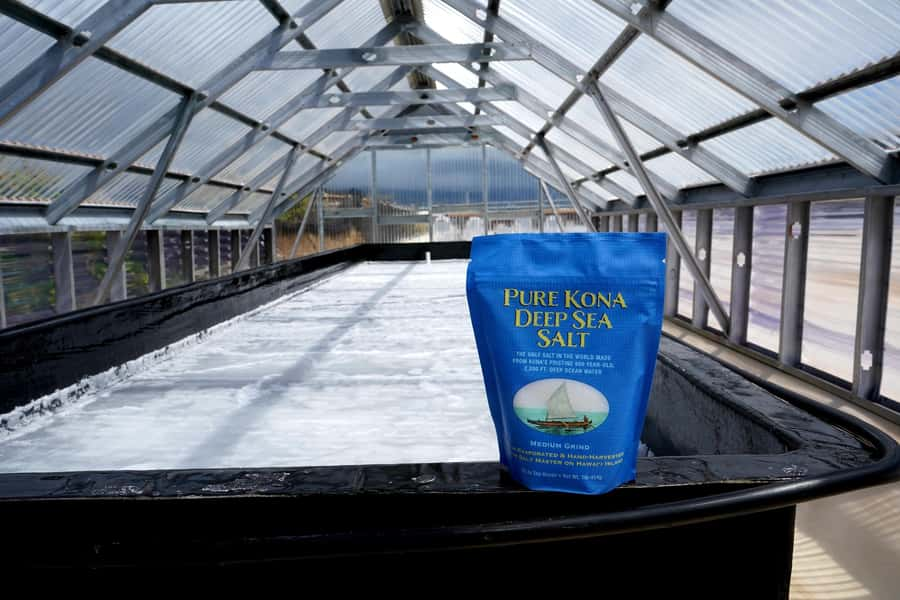
Book a starting time that leaves room for a relaxed arrival. The check-in point is the office at the end or entrance of the Kona Sea Salt Farm driveway, and the listed coordinates are more useful than relying on a vague place name.
Wear shoes suitable for a slow walk around a working property. The route has been described as easy for people using canes, but that does not mean it is an indoor, climate-controlled visit.
Bring sun protection and water for your wider day in Kona. The farm provides magnesium mineral water during the tour, but other drinks and food are not included.
If salt interests you, leave room in your luggage. The tasting covers several flavored and smoked options, and you may find yourself choosing more than planned.
You can cancel for a full refund up to 24 hours in advance, and the reserve-now, pay-later option keeps the booking flexible. Check the available starting times because the duration is fixed at 45 minutes.
My verdict on the Kona Salt Farm Tour
I would book this if you want a short, original Kona experience with a clear local connection. The combination of deep ocean water, volcanic geology, Hawaiian cultural context, ocean views, and salt tasting gives the visit more substance than its simple subject suggests.
The best reason to go is the guide-led explanation. Ipo and Ipalani have been praised for making the information personal, clear, and enjoyable, and a good guide can connect the farm’s science to the wider story of Hawaii Island.
The main limitation is the brief schedule. You are getting a focused introduction, not a full-day farm visit or a meal. But at $25, the tasting and working-farm access make it a fair buy, especially for food lovers, curious families, and anyone seeking something beyond the usual Kona stops.
FAQ
Where is the Hawaiian Salt Farm Tour located?
The meeting point is the Kona Sea Salt Farm driveway. Check in at the office using the coordinates 19.7262318, -156.0586245.
How long does the tour last?
The guided tour lasts 45 minutes.
How much does the tour cost?
The listed price is $25 per person.
What is included in the tour?
The tour includes tasting all of the farm’s flavored and smoked salt varieties, along with deep ocean magnesium mineral water.
What language is the tour offered in?
The live guided tour is offered in English.
Can I cancel the booking?
Yes. You can cancel up to 24 hours in advance for a full refund. A reserve-now, pay-later option is also available.
Just added around the USA
- Yolo: Vineyards, Farms & Cultural Gems – Audio Driving Tour★ 4.3 · 5 reviews
- Ventura: Rail Bike Guided Tour with Farm Stand Stop★ 4.1 · 18 reviews
- Alpaca Ranch and Fiber Processing Mill Tour★ 5.0 · 24 reviews
- Small-Group Vineyard and Orchard Tour with Wine Tasting in Muscoda★ 5.0 · 2 reviews
- Farm Tour at Clover Brooke Llama/Alpaca/Goat Farm★ 4.5 · 6 reviews
- Connect with Rescue Animals on a Private Farm Tour in Catskills★ 5.0 · 27 reviews
- Gourmet Mushroom Farm Tour in Tennessee★ 5.0 · 5 reviews
- Cozy Farm Experience with Wagon Wheels and Acoustic Meal★ 5.0 · 2 reviews
Salt Farm Tours, farm by farm.
Pepper Farm Tour, Salt Field, Cave & Secret Lake
Read our review →
Kampot Countryside include Pepper farm, Salt field & Lake
Read our review →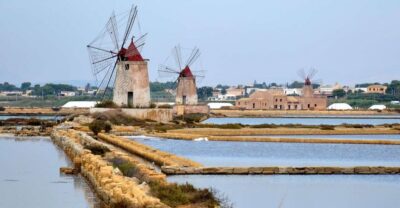
Guided tour of the Marsala Salt Pans and salt harvesting
Read our review →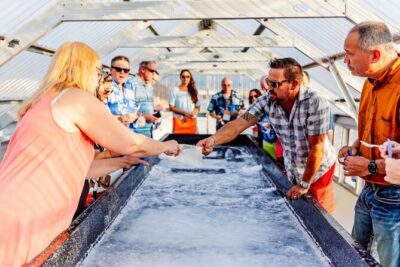
Traditional Villages, Salt Farm & Tirta Gangga Tour
Read our review →
Kampot Private Tour: Pepper Farm, Salt Field & Secret Lake
Read our review →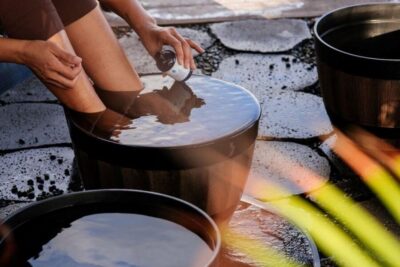
Kona Salt Farm: Deep Ocean Cold Water Mineral Foot Soak
Read our review →Other lists this farm sits on