
REVIEW · HERAKLION
Traditional Olive Grove and Dragon Fruit Farm Tour
Crete tastes better at the source. This small farm visit combines two unusual sides of local agriculture: the island’s long-established olive growing tradition and its newer dragon fruit crop. I like the personal, family-run feel, and I like that the $9 price includes a guided farm walk, coffee or infused tea, bread with olive oil, and tastings.
The main consideration is timing. Although the advertised visit lasts 90 minutes, some sessions finish closer to an hour once the farm walk and tasting are complete. That is not a serious problem if you want a compact outing, but you should not book it expecting a half-day farm stay.
Key things to know before you go
- Five generations of farming: The Alexakis family has cultivated olives for more than five decades, with around 2,500 olive trees on the property.
- Two crops in one visit: You learn about traditional olive production and the newer dragon fruit cultivation now taking root in Crete.
- A generous tasting: Expect olive oil with local bread, olives, and depending on the day, products such as honey, marmalade, tomatoes, yogurt, and dragon fruit.
- A friendly guide named Alex: Alex leads the visit in English or Greek and is happy to answer questions about the family farm and its products.
- Small private groups: The setting suits visitors who prefer a quiet, personal introduction to rural Crete over a large commercial attraction.
- Good value at $9: The farm walk, guided explanation, drink, and tasting make this one of the more affordable food experiences on the island.
A small family farm with two very different crops
The farm gives you a useful look at both old and new Crete. Olive trees have shaped the island’s food, trade, and daily life for centuries, while dragon fruit is a much newer addition. Here, the two crops share the same setting, giving you a chance to compare a deeply rooted tradition with an agricultural experiment that has found a promising place on the island.
The olive side of the visit is the heart of the experience. The family has worked the farm for generations, and Alex explains how the trees are cultivated, how olives are harvested, and what happens before the fruit becomes oil. You can see and handle the tools used in the work, and you may get the chance to try them yourself.
That practical touch matters. Instead of hearing only a polished talk about olive oil, you get a clearer sense of the labor behind it. Olive growing can look simple from a roadside view, but the process involves seasonal work, careful harvesting, and extraction soon after picking. The farm walk connects the trees to the food on your plate.
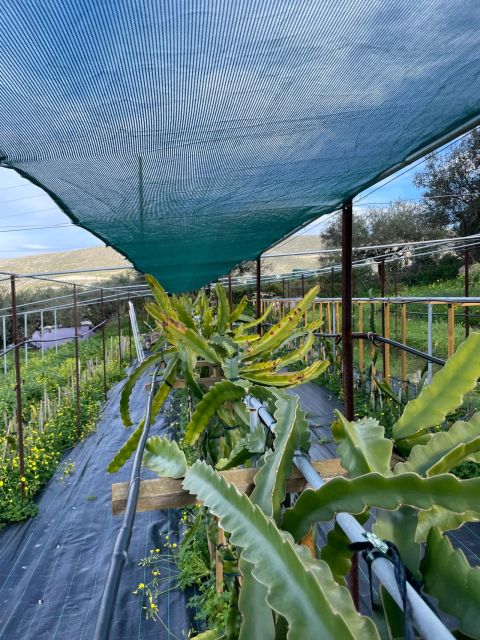
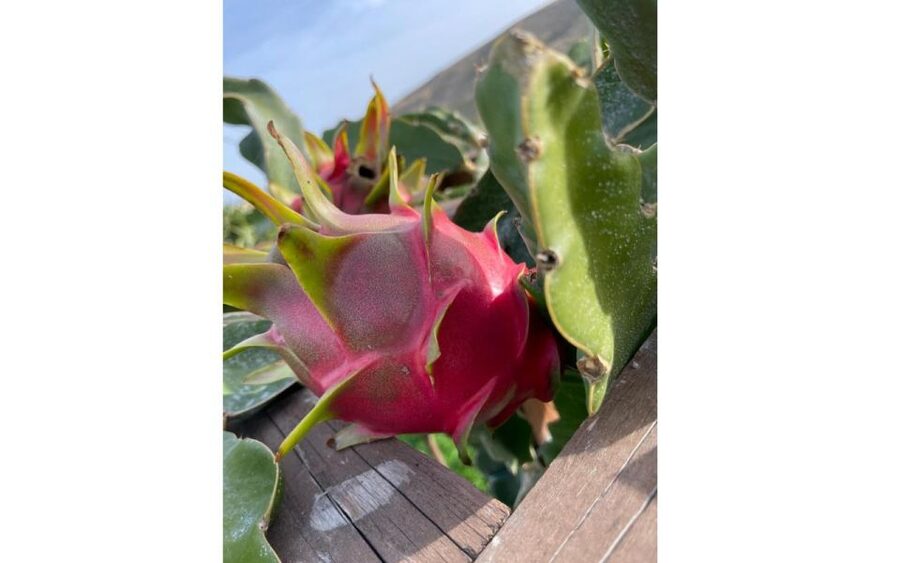
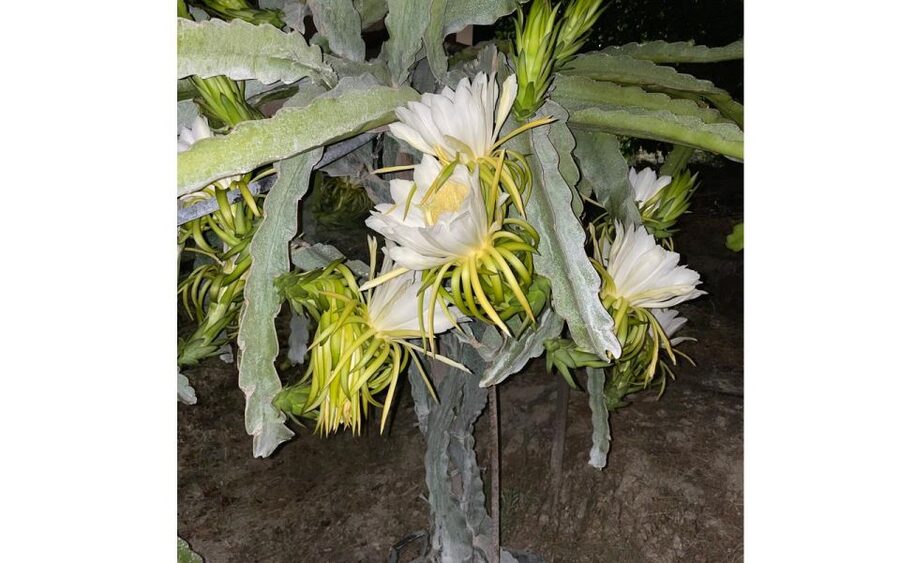
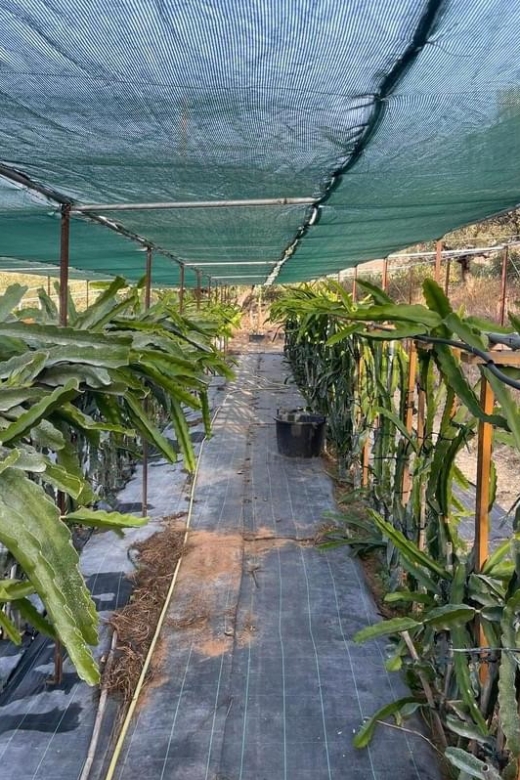
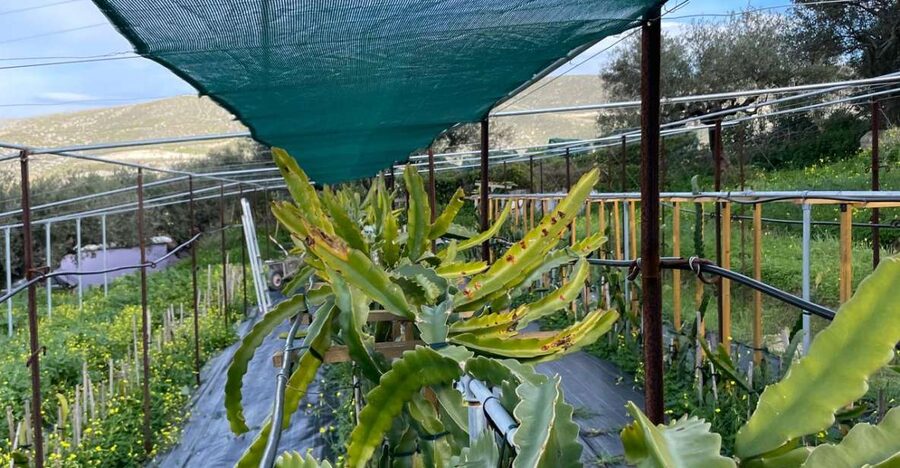
The dragon fruit section adds a surprise. This is not the crop most people expect to find in Crete, and Alex explains how the oriental fruit has been introduced to the island. You can see the plants up close, learn about their cultivation, and, when fruit is available, harvest some yourself.
Availability depends on the season, so do not treat picking your own dragon fruit as guaranteed. The chance to see the plants and understand how this new crop fits into local farming is the reliable part.
More Olive Grove Tours around Greece:
- Heraklion: Olive Farm Tour with Tasting of Local Delicacies
★ 4.9 · 411 reviews - Kleanthi Olive Farm: Guided Tour with Local Delicacies Tasting
★ 5.0 · 51 reviews - Private Traditional Olive Grove and Dragon Fruit Farm Tour
★ 5.0 · 29 reviews
The one-hour farm walk at Agiou Alexandrou
The guided portion takes place around the farm at Agiou Alexandrou and is planned as roughly one hour, though the full visit is generally described as 90 minutes. The pace is informal. You walk among the olive trees, stop to hear how the farm works, and move on to the dragon fruit plantings.
This is not a museum with signs at every turn. The value comes from asking questions and looking closely. Alex has a warm, easy manner and explains the work clearly in English or Greek. Several people have especially praised his humor, enthusiasm, and ability to make the information easy to follow.
You should be comfortable walking around an agricultural property. The rules are simple: no alcohol or drugs, no littering, no explosive substances, and no bare feet. The farm is not suitable for babies under one year or people over 95, according to the activity information.
The setting also adds to the appeal. The farm offers views across the orchard, and the outdoor surroundings provide a pleasant change from town streets and organized sightseeing stops. Bring sensible footwear, even though the supplied information does not specify a dress code beyond the ban on bare feet.
Olive harvesting explained in plain terms
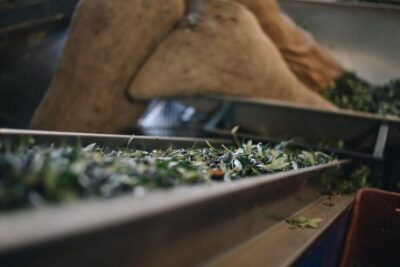
The olive portion goes beyond naming the trees. You learn about cultivation, harvesting, and extraction, including the tools used by the family. If you have only tasted olive oil from a supermarket bottle, this helps explain why fresh oil can have such a different flavor.
The tasting is deliberately simple. Local bread is dipped into the farm’s olive oil, allowing you to notice its taste without a complicated tasting ritual. You also sample olives, and the relaxed format makes it easy to ask about flavor, storage, and the connection between the fruit and the finished oil.
I like this part because it treats olive oil as everyday food, not a luxury product that requires a lecture and a score sheet. In Crete, oil is part of the table. Bread, tomatoes, yogurt, olives, and oil make the lesson feel connected to ordinary local eating.
The exact tasting spread can vary. The farm has served bread with oils and jams, honey, marmalade, tomatoes, yogurt, and olives, along with a large platter of dragon fruit. Do not assume every item appears at every visit, but you can expect more than a token sip and one cracker.
Dragon fruit makes this farm visit unusual
The dragon fruit segment is what sets this outing apart from a standard olive farm tour. You get to see a crop that is new to Crete and hear how it has gained a place on the island. For many people, this will be their first close look at how the fruit is grown.
The fruit itself is served as part of the tasting when available. You might also be able to pick your own, although the farm makes clear that this depends on supply. That is a useful distinction: the activity offers the opportunity, not a promise that every visitor will leave with a freshly harvested fruit.
The farm also produces dragon fruit tea. You can choose it as your included drink, sometimes infused with local Cretan herbs, instead of espresso or Greek coffee. The tea gives the visit a clear local-food angle and adds another way to try the crop beyond eating the fresh fruit.
This combination works well for families and mixed-age groups. Children and teenagers have something visual to look at, while adults can focus on farming methods, food production, and the family business. One group ranging from ages 14 to 79 found the visit a good fit, and another group with children aged 11 and 15 enjoyed the informal format.
More Fruit Picking Farms around Greece:
- Insightful Pistachio Orchard and Factory Tour
★ 4.5 · 27 reviews - Aegina: Organic Pistachio Orchard Tour with Factory Visit
★ 4.6 · 22 reviews - Heraklion:Olive & Dragon Fruit Farm Tour & Cretan Farmers Brunch
★ 4.0 · 2 reviews - Valencia: Orange Farm and Orchard Trip with Tastings
★ 4.9 · 702 reviews
The patio tasting is the social part
After the walk, you have about 30 minutes to sit and taste the farm products. The patio is shaded, and it overlooks the orchard, making this the most relaxed part of the visit. It is also where the farm feels least like a formal attraction and most like a family welcome.
Your included drink is one espresso, Greek coffee, or dragon fruit and local herb infused tea. The choice is modest but well judged. Coffee suits a short morning stop, while the fruit tea gives you another taste of what makes this farm different.
The food can be surprisingly generous for a $9 admission. Expect bread for dipping into olive oil, olives, and a selection of homemade or farm-linked foods. Past tastings have included honey, marmalade, jam, tomatoes, yogurt, and dragon fruit.
I would plan to eat a little before arriving, but you should not think of the tasting as a mere sample. It is enough to make the visit feel like a food experience rather than a short walk through trees. You can also purchase farm products afterward, but those purchases are not part of the admission.
Why the $9 price offers strong value
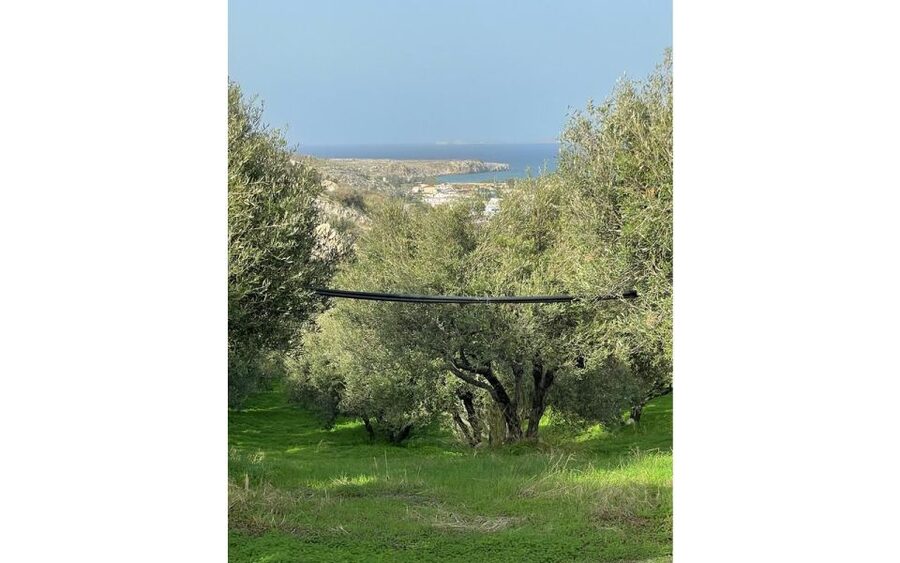
At $9 per person, this is an inexpensive way to add a rural food stop to a Crete itinerary. The price includes the farm tour, the explanation of olive cultivation and dragon fruit, a drink, and an olive oil tasting with local bread. The food served afterward can make the value even better.
The private-group format is another plus. You are not being moved through a large crowd or rushed from one display to the next. The visit feels personal, and Alex can respond to questions about his family’s farming methods and products.
There is one point to keep in mind. The duration can be shorter than the stated 90 minutes. Some visits take around an hour because the farm is compact and the key areas can be covered efficiently. If you want a long agricultural workshop, this may feel brief. If you want a friendly, low-cost stop between other Crete activities, the shorter length is useful.
The farm also sells olive oil, olives, dragon fruit, dragon fruit tea, and specially packed products. You are free to buy something, but there is no pressure built into the admission. That makes it easier to treat the shop as optional rather than as the main purpose of the visit.
Getting there and finding the entrance
The meeting point is the Traditional Olive Grove and Dragon Fruit Farm. Look for the farm sign on the right side of the road as you drive up. Free parking is next to the sign.
The exact driving distance and transfer details are not provided, so you will need your own route information before setting out. After booking, you may receive additional directions, which can help if the entrance is not obvious from the main road.
The visit is best suited to people already exploring the surrounding part of Crete by car. Free parking removes one common hassle, but the experience does not list hotel pickup or public transport. Plan to arrive at the signed entrance rather than trying to navigate directly to an orchard without clear road guidance.
The activity offers a separate entrance and live guiding in English or Greek. It is designed as a private group, which is helpful if you want to keep your visit within your own family or traveling party.
Who will enjoy this experience most
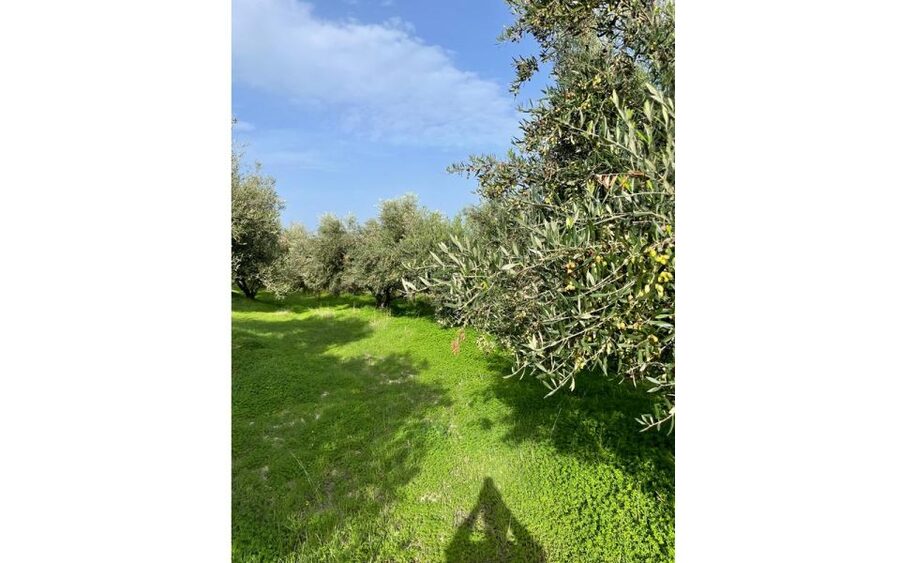
I would recommend this farm visit to you if you want a low-key taste of local life. It suits food lovers, families, curious gardeners, and anyone who wants to see something beyond beaches and ancient sites.
It is particularly good for:
- Families with older children and teenagers
- Couples looking for a short rural outing
- Visitors curious about olive oil production
- People interested in new crops and small-scale farming
- Anyone who enjoys tastings without a formal restaurant setting
- Visitors who prefer small groups and personal conversation
You may want to skip it if you have limited mobility and are unsure about walking around an orchard, since the experience takes place among the trees and plantings. You may also find it too short if your main aim is a detailed agricultural course.
The age restrictions are unusually specific. Babies under one year and people over 95 are not considered suitable for the activity. The farm also requires visitors to keep their feet covered and follow the basic conduct rules.
Practical tips for a better visit
Book with the short format in mind. Allow 90 minutes in your day, but do not be surprised if the active part takes closer to one hour.
Wear comfortable shoes with covered feet. You will be walking around an operating farm rather than sitting indoors for the entire visit.
Ask questions. Alex is especially good at explaining the family business, the olive harvest, and the newer dragon fruit crop. The visit gains much of its value through conversation.
If you hope to pick dragon fruit, ask about availability when you arrive. The farm offers harvesting when fruit is ready, but seasonal supply controls what you can take from the plants.
Save time for the patio. The tasting is not just an extra nibble at the end. For many people, the bread, oil, olives, fruit, coffee, or tea become the most memorable part of the outing.
Bring room for purchases if you want them. Olive oil, olives, dragon fruit tea, and harvested fruit can be bought separately, but the price of the tour does not include any products to take home.
Should you book the olive and dragon fruit farm tour?
Yes, if you want an affordable and personal food experience in Crete. The combination of a five-generation olive farm, a newer dragon fruit crop, a friendly English-speaking guide, and a generous tasting gives you plenty for $9.
I would especially choose it for a family, a small private group, or a visitor who wants a break from the usual sightseeing circuit. The only real caution is the variable length. Expect a compact farm introduction, not an all-day agricultural program.
Book it if you value conversation, local food, and a quiet setting. Skip it only if you need a fully accessible indoor attraction, hotel transport, or a long structured tour. For most people with a car and 90 minutes to spare, it is an easy, good-value addition to a Crete itinerary.
FAQ
How much does the Traditional Olive Grove and Dragon Fruit Farm Tour cost?
The listed price is $9 per person.
How long does the farm visit last?
The advertised duration is 90 minutes. The guided farm walk takes about one hour, followed by around 30 minutes of tasting and break time. Some visits may finish closer to one hour.
What is included in the admission?
Admission includes the farm tour, an espresso, Greek coffee, or dragon fruit and local herb infused tea, plus an olive oil tasting with local bread.
Can I pick my own dragon fruit?
You may be able to harvest dragon fruit yourself, but this depends on availability.
Are food products included to take home?
No. Products and purchases are not included in the admission. You can buy olive oil, olives, dragon fruit, dragon fruit tea, and other available items separately.
What languages does the guide speak?
The live guide speaks English and Greek.
Where do I meet the guide?
Meet at the Traditional Olive Grove and Dragon Fruit Farm. Look for the farm sign on the right side of the road as you drive up. Free parking is next to the sign.
Can I cancel the booking?
You can cancel up to 24 hours in advance for a full refund. The activity also offers reserve now and pay later booking.
Just added around Greece
- Volos: Cook Like a Local at a Greek Farm★ 5.0 · 7 reviews
- Traditional Greek Cooking Class @ Lefkada Micro Farm★ 4.7 · 32 reviews
- Visit a Farm and Horseback Riding in Nature★ 5.0 · 10 reviews
- Insightful Pistachio Orchard and Factory Tour★ 4.5 · 27 reviews
- Flavors of Santorini: Farm-to-Table Meal Wine & Authentic Village★ 5.0 · 12 reviews
- Private Olive Oil tasting & Liqueur experience★ 5.0 · 17 reviews
- Santorini 5 Hour Private Oia Tour & Lunch/Dinner at a Local Farm★ 5.0 · 40 reviews
- Cooking Class Sunset Dinner and Tour in Paros Farm★ 5.0 · 5 reviews
Olive Grove Tours, farm by farm.
Olive Farm Tour with Tasting of Local Delicacies
Read our review →
Visit to the olive grove, oil tasting and lunch at the farm
Read our review →
Private Traditional Olive Grove and Dragon Fruit Farm Tour
Read our review →
Snail and olive farm tour with table olives & homemade sweet
Read our review →
Olive harvest, visit to the oil mill and typical lunch
Read our review →
Partinico: Olive Harvest with Wine Tasting and Brunch
Read our review →Other lists this farm sits on