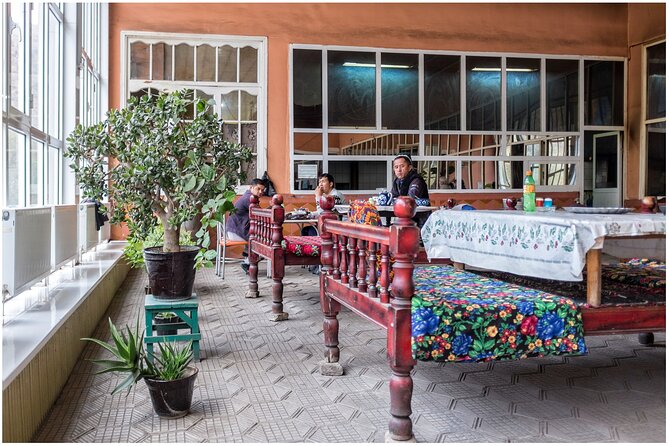
REVIEW · SAMARKAND, UZBEKISTAN
Kolkhoz: Private visit to the cotton farmers’ village
Rural Uzbekistan comes alive beyond the city. This private day trip takes you from Samarkand to a former Soviet collective farm, where you meet village families, walk beside the Zeravchan River, see cotton production, and share palov in a local home. I especially like the family lunch and the chance to see how irrigation shapes daily life in one of Central Asia’s driest regions.
I also like the seasonal character of the day. Depending on when you go, you may see silkworm breeding in April and May or cotton picking in September and October. The main consideration is the long day, with about 10 to 11 hours overall and roughly 7 kilometers of walking.
Key points at a glance
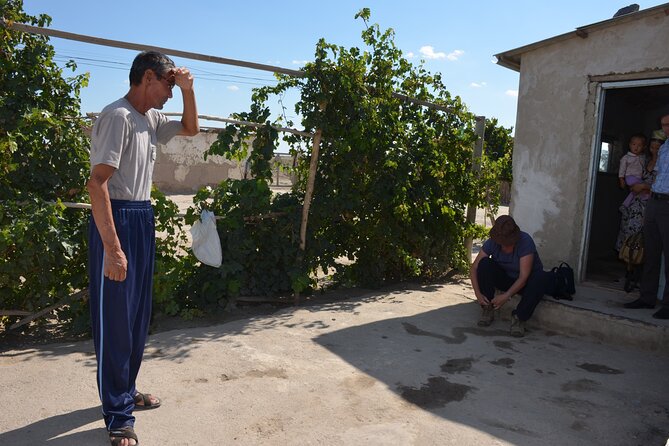
- A former Soviet kolkhoz: See how a collective farm area now functions as a rural village and agricultural community.
- A family lunch with palov: Share Uzbekistan’s famous rice dish in a local home, with time to observe how the meal is prepared and served.
- A dry Zeravchan River basin: Walk beside land where river water is used for irrigation, then see crops and a fish farm in the riverbed.
- Cotton through the seasons: April brings planting, June brings flowering, and September and October bring the harvest.
- Local production beyond cotton: Visit a fish farm and a beekeeper producing cotton honey.
- Optional French connection: With advance permission, visit a countryside school where students learn French.
Why this day adds something Samarkand does not
Samarkand gives you grand monuments, tiled courtyards, and the polished remains of Silk Road power. This trip points in another direction. You spend time with people whose lives are tied to fields, irrigation channels, livestock, school lessons, bees, and the changing work of the agricultural year.
That contrast is the main reason I find the experience worthwhile. You are not simply looking at rural Uzbekistan through a car window. You walk through the fields, sit down for tea, eat in a family home, and see how farming depends on water that is already under heavy pressure.
The private format helps. Your own group travels with a French- or English-speaking guide and private transportation, so the pace can suit your interests within the fixed schedule. A private trip also makes the family visit feel less like a quick photo stop and more like a real meeting.
Still, this is not a light half-day outing. The drive from Samarkand, the walking sections, and the extended lunch make it a full commitment. If you want an easy day centered on monuments, this is the wrong choice. If you want a closer look at modern village life, it offers something the city cannot.
More Farm Tours around the world:
- Half-Day Thai Cooking Class at Organic Farm in Chiang Mai
★ 5.0 · 19,087 reviews - Florence Pizza or Pasta Class with Gelato Making at a Tuscan Farm
★ 5.0 · 6,801 reviews - From Porto: 2 Wine Regions, Farm-to-Table Lunch & Boat
★ 4.9 · 5,724 reviews
Payshanba Market: a Thursday start with real local color
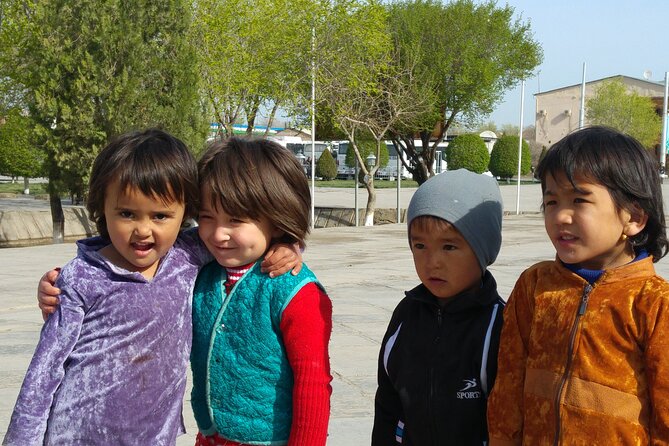
If your trip falls on Thursday, the first stop can be Payshanba Bazar. The market runs from about 6 a.m. to 2 p.m., so timing matters. It is a broad local market selling livestock, clothes, and food rather than a market built mainly for sightseeing.
This can be one of the most memorable parts of the morning because it gives you an early look at everyday commerce. You may see people buying practical goods, arranging animals, and shopping for food before the road continues to the village.
The visit is listed as optional on the way, and admission is free. The main limitation is simple: the market takes place only on Thursdays. If your tour runs on another day, this stop will not be part of the experience.
Tea with a village family around 10 a.m.
Arrival at the village is planned for about 10 a.m. The first hour is set aside for welcome tea with a local family. That slow beginning is useful. It gives you time to settle in, meet the people who will help host the day, and get a sense of village hospitality before the walking begins.
The warmth of this meeting is central to the tour. You are not being rushed from one attraction to the next. The village family provides a human connection that puts the farm work and water issues into context.
There is also a practical point here. Communication may take patience, particularly if you do not speak French, English, Uzbek, or another shared language. A review of the experience praised the kindness of the children and teachers during the school visit, but also noted a language barrier. Your guide is important for helping conversations along.
The 4.5-kilometer walk beside the Zeravchan
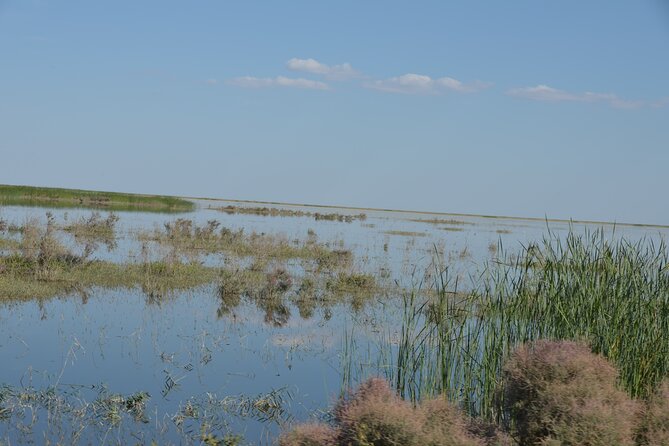
After tea, you walk toward the Zeravchan River for about 4.5 kilometers over roughly two and a half hours. The river’s water is used entirely for irrigation, so the walk is not only scenic. It shows you the system that keeps the surrounding crops alive.
You will see a dry river basin and crops growing in the riverbed, along with a fish farm. This is where the day gains its strongest educational point. Central Asia has serious water pressures, and the contrast between a dry basin and productive farmland makes the issue easier to understand than a short explanation in a museum ever could.
I like this part because it connects food production to water management. Cotton, fish, and other crops do not appear by magic. They depend on channels, river use, farm decisions, and seasonal conditions.
The distance deserves attention. Four and a half kilometers is manageable for most people, but the tour does not describe the route as a paved city walk. Good walking shoes and protection from the sun are sensible choices. The tour requires good weather, and poor conditions can lead to a new date or a full refund.
Same fields, a different sort of morning:
- Cooking Class and Lunch at a Tuscan Farmhouse with Local Market Tour from Florence
★ 5.0 · 4,831 reviews - Chiang Mai: Authentic Cooking Class with Market & Farm Visit
★ 4.9 · 4,546 reviews - Maui Pineapple Farm Tour in Haliimaile
★ 5.0 · 2,855 reviews - Sorrento Farm and Food Experience including Olive Oil, Limoncello, Wine tasting
★ 5.0 · 2,524 reviews
Palov in a local home
Lunch lasts about two hours and centers on palov, Uzbekistan’s traditional rice dish. Eating it in a local home is one of the day’s strongest features. The setting gives you time to see the social side of food, not just the finished plate.
The preparation and sharing of palov were singled out as a high point of the experience. That makes sense. A meal in a family setting often tells you more about local life than a restaurant menu does, especially when you have time to sit, talk, and watch the meal take shape.
Lunch is included in the price, as are meals in the family setting. Personal expenses are not included, so you should bring money for anything extra you may want to buy during the day.
Do not expect a quick lunch between stops. The two-hour break is part of the experience, not wasted time. It creates room for conversation and lets the visit feel social rather than staged. Still, visitors who prefer a tightly packed sightseeing schedule may find the pace slow.
Cotton fields and the work of the agricultural year
The afternoon returns to the cotton fields. You walk about 2.5 kilometers for another two and a half hours, with fields stretching as far as the eye can see.
The timing of your visit changes what you see:
- Cotton is sown in April.
- The plants flower in early June.
- Picking takes place in September and October.
This seasonal detail matters. A spring visit will show fields at an earlier stage, while an autumn visit may bring you closer to harvest work. The experience can also include seasonal activities such as silkworm breeding in April and May or cotton picking in September.
The tour says you may have the possibility of assisting with farm work. That should be understood as a seasonal opportunity, not a guaranteed activity. The precise work depends on the month and on what is happening in the fields that day.
The cotton stop gives the former kolkhoz its clearest meaning. You are seeing how an old Soviet agricultural system relates to present-day village work. The visit is not presented as a museum exhibit. It is a working rural area, and the value comes from seeing production in place.
Cotton honey, bees, and small-scale production
The walk includes a stop with a beekeeper who produces cotton honey. You can see the farm and learn about this local product.
This is a welcome change of focus after the long discussion of cotton. The same agricultural setting supports other forms of work, including beekeeping and fish farming. The cotton fields are not the whole rural economy.
The fish farm near the river also helps show how local producers make use of available water. Taken together, these visits give you a broader view of village livelihoods than a cotton field alone could offer.
There is no promise of a formal tasting or a specific product purchase, so treat this as a farm visit rather than a shopping stop. The supplied details confirm the production of cotton honey, but not prices or what may be available for sale.
The countryside school and its French connection
An optional school visit can add a surprising cultural link. The rural school still teaches French as a foreign language, and you may be able to meet students and their teachers.
This stop requires advance notice and permission from the school administration. The visit must not interfere with classes, so it is not something to request at the last minute. For French-speaking visitors, the operator can arrange a meeting with students who are learning French.
The school was described as a particularly meaningful part of the day, with a warm welcome from the children and teachers. I can see why. It adds a personal connection between visitors and a village institution, and it shows that language learning reaches far beyond major cities.
The limitation is that this visit depends on approval. It should be treated as an optional addition, not as a guaranteed part of every departure. Ask for it when booking if it matters to you.
What the $90 price includes
At $90 per person, the cost is best judged against the amount of time and the private services involved. The price includes private transportation, a French- or English-speaking guide, and lunch with a family.
For a full day outside Samarkand, those inclusions make the price reasonable, especially for a small private group. You are paying for transport into the countryside, local coordination, guiding, and a meal that is part of the cultural experience rather than a separate restaurant expense.
Group discounts may be available, which improves the value for families or friends traveling together. The booking information also indicates that the experience is often arranged well ahead of time, with an average booking lead of about 61 days. That suggests planning early is wise, particularly if you want the school visit or a specific seasonal activity.
Personal expenses are not included. The visit to Payshanba Bazar is free, but you may still want money for purchases or small extras.
Who will enjoy this rural day trip
I would recommend this experience to you if you want to:
- Meet people in a rural setting rather than only visit monuments.
- Learn how irrigation affects farming and daily life.
- Eat a traditional meal in a family home.
- See cotton production during a specific stage of the growing year.
- Travel privately with a French- or English-speaking guide.
- Add a school visit to your Uzbekistan itinerary.
It is less suitable if you dislike walking, need a short outing, or want a day filled with major architectural sights. The two walking sections total about 7 kilometers, and the overall tour lasts 10 to 11 hours.
The seasonal question is also important. In April and May, ask about silkworm breeding. In September and October, ask about cotton picking. A June visit may show cotton flowering. The experience changes with the calendar, so the same tour can feel different at different times of year.
Booking details and cancellation terms
Confirmation is sent within 48 hours of booking, subject to availability. The activity is private, so only your group participates, and most people can take part.
You can cancel for a full refund up to 24 hours before the local start time. Changes or cancellations inside that 24-hour window are not accepted for a refund. The tour needs good weather and a minimum number of participants. If poor weather or insufficient participation causes cancellation, you can choose another date or receive a full refund.
Should you book the Kolkhoz visit?
Book it if you want to understand Uzbekistan through ordinary rural life, not just its famous cities. The family tea, two-hour palov lunch, cotton fields, beekeeper, fish farm, and dry river basin form a varied day with a clear connection between food, farming, water, and people.
I would give special weight to the school visit if you speak French or have an interest in education. Request permission well ahead of time, and plan your date around the farm activity you most want to see.
Skip it if your time in Samarkand is very short or if a long day with 7 kilometers of walking sounds tiring. For the right visitor, though, this is a thoughtful and unusually personal way to see the countryside around Samarkand.
FAQ
Where does the tour begin?
The tour is based in Samarkand and includes pickup.
How long does the experience last?
The full experience takes approximately 10 to 11 hours.
Is this a private tour?
Yes. Only your group participates in the activity.
What languages does the guide speak?
The accompanying guide speaks French or English.
Is lunch included?
Yes. Lunch is served in a family setting and includes palov, the traditional Uzbek dish.
How much walking is involved?
The itinerary includes about 4.5 kilometers of walking near the Zeravchan River and about 2.5 kilometers through the cotton fields, for roughly 7 kilometers in total.
Can I visit Payshanba Bazar?
You can visit the market when the schedule allows. It operates every Thursday from about 6 a.m. to 2 p.m., and admission is free.
Can I visit the countryside school?
A school visit may be arranged, but you must notify the school authority in advance. Permission from the school administration is required.
What seasonal activities may be available?
Silkworm breeding may be seen in April and May. Cotton is sown in April, flowers in early June, and is picked in September and October.
What happens if the tour is canceled because of weather?
You will be offered a different date or a full refund if poor weather causes cancellation.
Just added around the world
- Zanzibar:Jozani forest, Spice farm with Swahili Cuisine clas★ 4.2 · 3 reviews
- Zanzibar: Spice farm tour with Zanzibar fruits tasting★ 3.8 · 7 reviews
- Zanzibar: Stone Town City Tour and Spice Farm with Lunch★ 3.7 · 33 reviews
- ZANZIBAR, Stone town tour, Prison Island & Spice farm★ 5.0 · 11 reviews
- Zanzibar: Walking Spice Farm with Local Cooking Class★ 4.4 · 9 reviews
- Zanzibar: Spice Farm Tour with Traditional Cooking Class★ 5.0 · 2 reviews
- Zanzibar: Spice Farm Tour with Traditional Cooking Class★ 4.8 · 6 reviews
- Zanzibar: Spice Farm Tour with Traditional Cooking Class★ 4.6 · 16 reviews
Farm Tours, farm by farm.
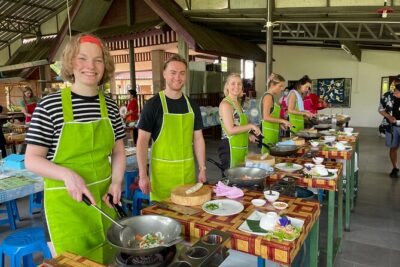
Half-Day Thai Cooking Class at Organic Farm in Chiang Mai
Read our review →
Florence Pizza or Pasta Class with Gelato Making at a Tuscan Farm
Read our review →
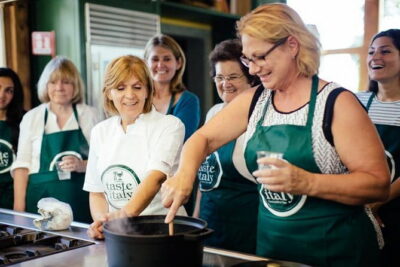
Cooking Class and Lunch at a Tuscan Farmhouse with Local Market Tour from Florence
Read our review →
Authentic Cooking Class with Market & Farm Visit
Read our review →
Sorrento Farm and Food Experience including Olive Oil, Limoncello, Wine tasting
Read our review →