
REVIEW · NEW ZEALAND
Bullswool Heritage Farm General Entry Ticket
Feed a sheep, then step into New Zealand’s past. Bullswool Heritage Farm combines friendly farm animals, working museum displays, native bush, and hands-on fun near Karangahake Gorge. I like the chance to hand-feed animals and the way the farm connects everyday rural life with early New Zealand history. The main thing to consider is that this is an outdoor visit, so poor weather can affect the experience.
I also like the relaxed pace. You get roughly two to three hours, but there is no tight schedule forcing you from one display to the next. Families should note that the animals, walking tracks, museums, and play areas can easily fill an afternoon, especially if you add a picnic.
Key things to know before you go
- Feed friendly rare-breed animals: Hand-feeding is a central part of the visit, with animals ranging from small farm creatures to larger stock.
- Explore 100 acres: Walking tracks pass through native bush and hill country near Karangahake Gorge.
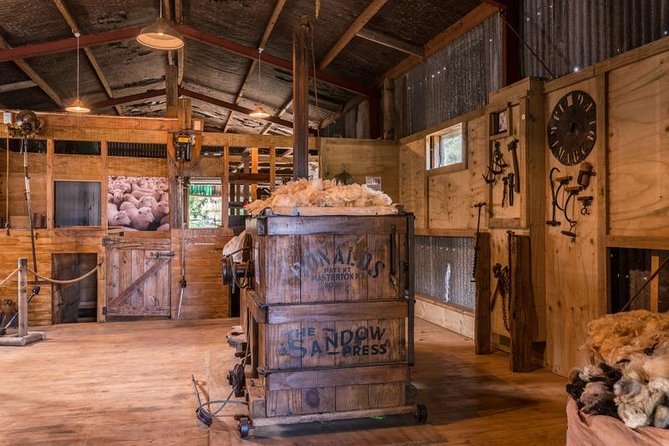
- See working farm museums: The Sheepshed Museum and Early New Zealand Milking Shed Museum connect the farm visit with rural history.
- Look for native birds: The Karangahake Native Bird Reserve adds a conservation focus to the animal experience.
- Plan two to three hours: Children may want longer because of the play areas, animal feeding, and wooden toys.
- Use the flexible cancellation policy: You can cancel up to 24 hours before the start time for a full refund.
A hands-on farm visit near Karangahake Gorge

Bullswool Heritage Farm sits in the Southern Coromandel, only minutes from the famous Karangahake Gorge. It is set across 100 acres of mature native bush and hill country, so this is not simply a small petting farm with a few pens beside a car park.
The visit gives you several different experiences in one place. You can walk the tracks, feed farm animals, look through historic buildings, see conservation work, and give children space to play. That mix is the reason I would allow more time than the low ticket price might suggest.
The farm has been named among the AA’s 101 Must Dos for Kiwis, received recognition as one of the Coromandel’s best attractions, and won a Pride of New Zealand Award for conservation work. Those awards do not replace your own judgment, but they help explain why this family-run attraction has become a local institution.
The setting matters, too. A short stop here feels different from a standard indoor museum or a quick animal encounter. You are moving between open farm areas, bush, historic displays, and play spaces. The experience has a useful sense of place because it shows how farming, native wildlife, and local history sit side by side in this part of New Zealand.
More History and Heritage Tours around New Zealand:
- Tromsø: Reindeer Camp and Sami Cultural Tour with Lunch
★ 4.7 · 3,326 reviews - Kona Tour: Bee Farm, Kona Coffee, and National Historical Parks
★ 4.5 · 78 reviews - Full-Day Tour Exploring History, Nature and Aloe Vera Farm
★ 4.5 · 40 reviews
Feeding the animals and meeting the farm residents
For most people, the animals are the main event. The farm’s animals are described as friendly and hand-feedable, which gives you more to do than simply look through a fence. You can take your time and move from one enclosure to another at your own pace.
The range includes rare-breed farm animals, sheep, and larger stock. One account of a visit specifically recalls feeding sheep, while another describes enjoying animals from the small to the large. That variety helps keep the visit interesting for children who might lose focus at a smaller animal park.
You should still treat hand-feeding as an active farm experience, not a staged photo opportunity. Young children need supervision around animals, especially when several children are feeding at once. The attraction is suitable for most people, but the experience is more rewarding if you are comfortable walking outdoors and getting close to farm animals.
The animals also give children a simple lesson in rural life. They see what livestock look like, how people interact with them, and why farms remain part of New Zealand’s identity. It is an easy way to turn a day out into something educational without making it feel like a school visit.
The farm’s owner, Sue, is specifically praised for her personal hospitality. That detail is useful because it suggests a hands-on, family-run atmosphere rather than a large commercial attraction. If you enjoy places where the people behind the operation are visible, Bullswool should feel welcoming.
The Sheepshed Museum and early farming displays
The Sheepshed Museum tells the story of New Zealand’s early farming pioneers. It adds context to the animals outside. After feeding sheep, you can see the tools, spaces, and working traditions that helped shape rural life.
The word working is important here. This is not only a collection of framed information. The farm includes working museum displays, including the Sheepshed and the early milking shed. That makes the history easier to understand because the buildings relate directly to the land and animals around you.
The Early New Zealand Milking Shed Museum offers another look at practical farm life. Milking sheds were once central to many rural communities, and the display gives you a clearer sense of the routines that supported farming families. It is especially useful for anyone who wants more than animal feeding from the day.
You can also visit the Working Horses of New Zealand Stable Museum. Horses played a major role in farming before modern machinery became common, and this display adds another piece to the story. Together, the museums cover sheep, dairy work, horses, and early rural technology.
There is also a Historic Kauri and Gold Museum. These subjects connect Bullswool with wider New Zealand history, including the materials and industries that shaped the country. The collection means you can move beyond the farm itself and see how local life connected with forestry and gold.
The museums are not described as vast, so I would not book this experience solely for a full-day museum visit. Their value comes from the combination. You can spend time outdoors, then step inside for a short historical display, then return to the animals or tracks.
Native birds and conservation work
The Karangahake Native Bird Reserve gives the farm a different purpose. It is not only about entertaining families. The reserve reflects the attraction’s conservation work and adds a native wildlife element to the farm setting.
The reserve has received an award for its work, which gives it particular importance within the visit. You may arrive expecting livestock and children’s play areas, then find that the bird reserve becomes one of the more meaningful parts of the day.
The location near Karangahake Gorge makes this focus feel appropriate. The area is known for native bush and historic mining connections, and the reserve adds another layer to that local character. It also gives you a reason to slow down and pay attention to the natural setting rather than rushing from enclosure to enclosure.
The information provided does not specify which bird species you will see or how long the reserve takes to visit. I would treat it as one part of a broader farm visit, not a guaranteed specialist birding outing. Its strength is the contrast with the livestock and museums.
More Tickets around New Zealand:
- Skip the Line: Highgate Ostrich Farm Tour Ticket
★ 4.5 · 110 reviews - Lion Habitat Ranch Admission Ticket in Las Vegas
★ 4.5 · 106 reviews - Old Phuket Farm Ticket – Countryside Local Life Culture
★ 4.9 · 88 reviews - Maui: Interactive Butterfly Farm Entrance Ticket
★ 4.9 · 62 reviews
Play areas that keep children happy

Bullswool works well for families because children are not limited to looking at exhibits. The farm includes fantastic kids’ play areas and wooden toys, giving younger children a chance to burn off energy between animal encounters.
That matters more than it might sound. A farm visit can lose its appeal if children are expected to walk quietly and look at displays for hours. Here, the play spaces break up the day and make it easier for adults to spend time with the museums and walking tracks.
A family with children aged four and seven described being able to spend hours feeding animals and playing with the wooden equipment. That gives you a practical guide: two to three hours is a reasonable plan, but a family with young children could easily stay longer.
The play areas also make a picnic worthwhile. One family wished they had brought lunch and stayed longer, while another group included a picnic at the farm. If food is permitted during your visit, bringing a picnic can turn a short attraction stop into a relaxed half-day outing. The supplied information does not confirm picnic facilities or food sales, so check current arrangements before relying on this plan.
Walking tracks through bush and hill country
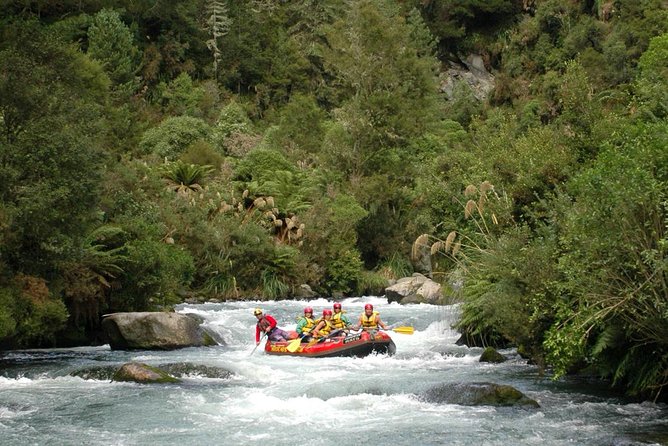
The farm covers 100 acres, with walking tracks through mature native bush and lush hill country. This gives the visit breathing room and makes it feel more like a country property than a compact animal park.
You should expect some walking between the different parts of the farm. The information does not provide track lengths, gradients, or detailed surface conditions, so I would avoid assuming that every path is flat or suitable for every mobility need. The general participation note says most people can take part, and service animals are allowed.
The setting is one of the farm’s strongest features. One account describes the grounds as beautiful at every turn, and another praises how clean and well cared for the property is. Those comments point to a place where the outdoor areas are part of the attraction, not just the route between buildings.
Give yourself time to stop. You can watch the animals, take in the bush, and let children explore the play areas without treating the visit like a timed tour. The lack of a strict sequence is a real advantage for families and independent visitors.
How much time should you allow?
The suggested duration is about two to three hours. That is enough for a purposeful visit covering animal feeding, several museums, the native bird reserve, and the play areas.
I would plan closer to three hours if you have children, enjoy farm history, or want to eat a picnic on-site. A quick stop could work if you are passing between Waihi and the Coromandel, but rushing would miss the point. The farm rewards a slow pace.
One useful feature is the lack of a fixed time limit once you are inside. You can decide how long to spend with the animals, museums, and tracks. That flexibility is especially valuable for families, since children rarely follow an adult’s carefully planned schedule.
The farm is open Tuesday through Sunday from 10 a.m. to 4 p.m. It is closed on Mondays according to the supplied schedule. Check the date you plan to visit because the published opening period runs through February 16, 2027.
Is the $11.17 admission good value?

At $11.17 per person, the admission is inexpensive for a two to three-hour attraction, especially when you count the number of separate elements included. You are not paying only for animal viewing. The ticket covers access to the farm, walking tracks, museums, native bird reserve, and play areas.
The value is strongest if you use the whole property. A short animal-feeding stop may still be enjoyable, but the price makes more sense when you spend time with the historic displays and outdoor areas. Families can also benefit because the children’s play spaces may extend the visit without another paid activity.
The price does not include transport, food, or any extras not listed in the admission. There is no group-size information provided, and the ticket is described as a mobile ticket. You receive confirmation at booking, which keeps the arrival process simple.
I would compare the price with what else you plan to do near Karangahake Gorge. If you want a low-cost activity that suits mixed ages, Bullswool offers a lot for the money. If you want a polished, heavily guided attraction with a detailed schedule, this relaxed farm may feel too informal.
Who will enjoy Bullswool Heritage Farm?
I would recommend it most strongly to families with young children, animal lovers, people interested in New Zealand’s farming past, and anyone driving through the Southern Coromandel who wants an easy half-day stop.
It also suits small group tours. A small group once combined the farm with a picnic and found the mix of animals, grounds, and displays worked well for different ages. The property gives a group room to spread out rather than requiring everyone to follow one narrow route.
Adults without children can enjoy it too, particularly if you like historic farm buildings, native wildlife, and rural settings. The museums give the visit more substance than a basic petting farm.
I would be more cautious if you dislike outdoor walking, need detailed accessibility information, or want a guaranteed specialist wildlife encounter. Most people can participate, and service animals are allowed, but the available details do not describe path surfaces, accessible facilities, or specific bird species.
The experience also depends on the weather. If poor weather forces cancellation, you can choose another date or receive a full refund. For your own comfort, check the forecast and wear suitable outdoor clothing.
Should you book Bullswool Heritage Farm?
Yes, if you want an affordable, flexible, family-friendly stop with real local character. The combination of hand-feeding animals, working farm museums, native birds, walking tracks, and play areas gives you much more than a quick photo stop.
Book it if you can spare two to three hours and are happy to explore at your own pace. I would especially recommend it during a Coromandel road trip, when the farm can pair neatly with a visit to Karangahake Gorge or the Waihi area.
Skip it if you are looking for a highly structured tour, a short indoor attraction, or detailed specialist bird watching. For everyone else, $11.17 buys a generous slice of rural New Zealand, with plenty for children and enough history to keep adults interested.
FAQ
Where is Bullswool Heritage Farm?
Bullswool Heritage Farm is in the Southern Coromandel on New Zealand’s North Island, only minutes from Karangahake Gorge.
How much does general entry cost?
The listed price is $11.17 per person.
How long does a visit take?
A visit takes approximately two to three hours, although families may choose to stay longer because of the animals, walking tracks, museums, and play areas.
What are the opening hours?
The farm is open Tuesday through Sunday from 10 a.m. to 4 p.m. The supplied schedule lists these hours through February 16, 2027.
Can I feed the animals?
Yes. The farm has friendly animals that can be hand-fed, including rare-breed farm animals.
What museums are at the farm?
The site includes the Sheepshed Museum, Early New Zealand Milking Shed Museum, Working Horses of New Zealand Stable Museum, and Historic Kauri and Gold Museum.
Does the farm have a native bird area?
Yes. Bullswool includes the Karangahake Native Bird Reserve, which is recognized for its conservation work.
Is the experience suitable for children?
Yes. The farm has children’s play areas and wooden toys, as well as animals and walking tracks. Most people can participate.
Can I cancel my booking?
You can cancel up to 24 hours before the experience starts for a full refund. Cancellations or changes made less than 24 hours before the start time are not refunded. If poor weather causes the farm to cancel, you can receive a full refund or choose another date.
Just added around New Zealand
- Private, via beaches, Kiwi farm to Rotorua 8 lakes & Geothermal★ 5.0 · 20 reviews
- Boutique tour , Mt Maunganui, NZ farm, Rotorua lakes/geothermal★ 4.5 · 50 reviews
- Queenstown Lake Cruise to Walter Peak Farm with BBQ Buffet★ 4.5 · 25 reviews
- Queenstown: Walter Peak Farm Tour and Lake Cruise★ 5.0 · 5 reviews
- Wool Sheep Farm Experience with Handmade Wool Hat in New Zealand★ 5.0 · 9 reviews
- Mt. Hay Farm Experience Genuine Country Farming(Carbon Positive)★ 4.0 · 2 reviews
- Lyttelton Cruise Excursions: Christchurch Sightseeing with Sheep Farm★ 3.5 · 20 reviews
- Christchurch Sheep Farm Visit★ 4.0 · 10 reviews
Historical Tours, farm by farm.
Reindeer Camp and Sami Cultural Tour with Lunch
Read our review →
Kona Tour: Bee Farm, Kona Coffee, and National Historical Parks
Read our review →
Full-Day Tour Exploring History, Nature and Aloe Vera Farm
Read our review →
Zanzibar Stone Town Historical Tour and Spice Farm Tour
Read our review →
Private Traditional Cooking Class on a Historic Farm near Porto
Read our review →
Ocala: Gypsy Gold Horse Farm Horses & History Tour
Read our review →
Other lists this farm sits on