
REVIEW · NEW ZEALAND
Wool Sheep Farm Experience with Handmade Wool Hat in New Zealand
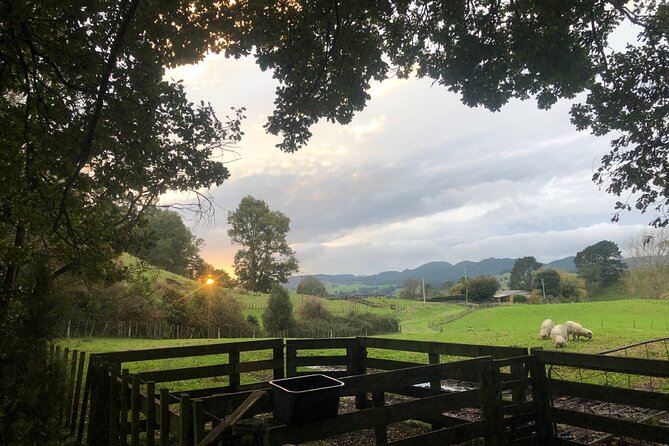
A wool hat can carry a whole farm story. This one-hour visit near Ātiamuri brings you close to Corriedale sheep, chickens, ducks, horses, Scottish Highland cows, and the farm dog, Joey. I like the personal feel, with owner Angie explaining daily farm care, and I like that the visit connects live animals with the full wool process, from fleece to finished hat. The main point to consider is the short running time, since animal visits, farming stories, wool demonstrations, and hat selection make for a busy hour.
The experience costs $31.03 per person, which is fair if you value a personal farm visit and a handmade souvenir rather than a quick photo stop. It is especially appealing for families and anyone curious about New Zealand wool, though muddy or wet weather may affect the outdoor part of the visit.
Key points at a glance
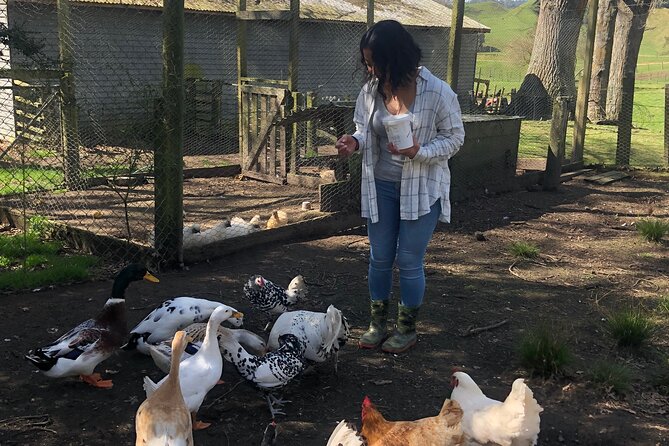
- Feed a full mix of farm animals: You may hand feed chickens, ducks, Corriedale sheep, horses, and Scottish Highland cows.
- Meet Angie and hear the farm story: The owner leads the visit and explains how she cares for the animals and environment.
- Follow wool from fleece to clothing: You learn about organic processing, hand dyeing, hand spinning, and knitting.
- Try wool spinning yourself: This is not only a talk. You get a chance to handle the material and try the craft.
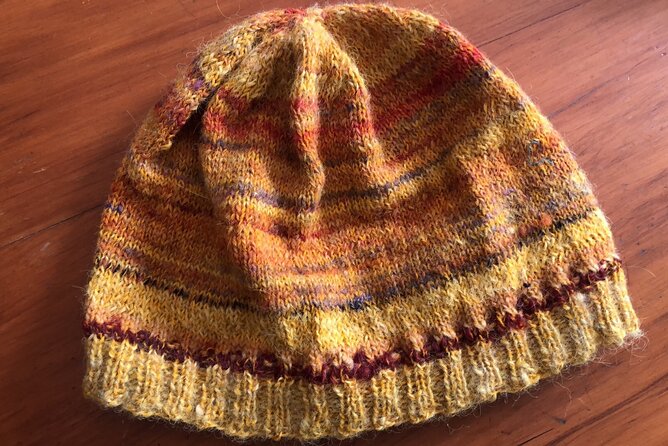
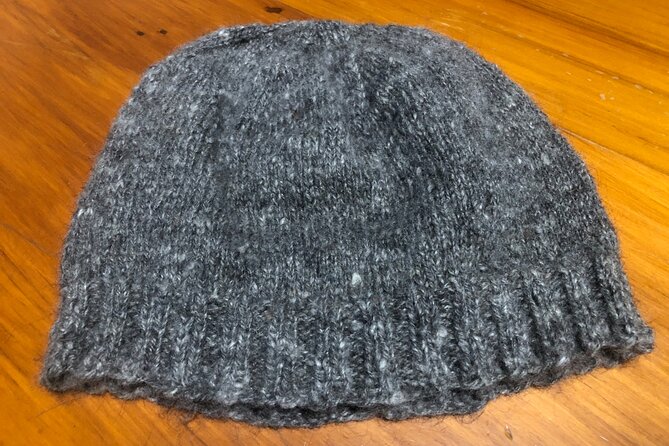
- Choose a handmade wool hat: Your take-home hat is made from natural wool, with hand-dyed and home-spun work involved.
- Small-group setting: The maximum group size is 20, helping keep the visit more personal than a large farm attraction.
Meeting the animals at 291 Parsons Road
The visit begins at 291 Parsons Road in Ātiamuri, on New Zealand’s North Island, and returns to the same point. Since the activity lasts about an hour, you should arrive ready to make the most of each part rather than expecting a long farm walk.
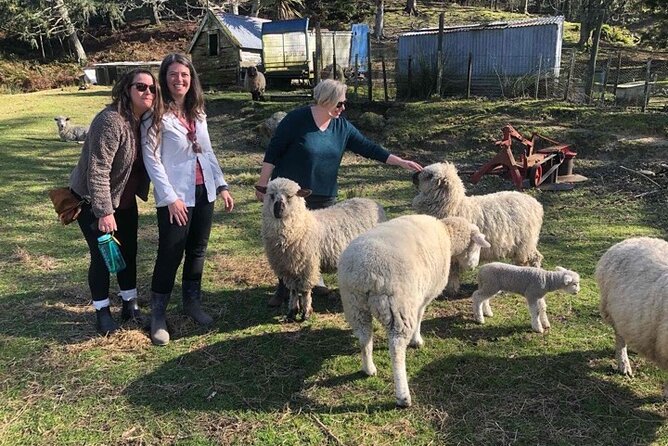
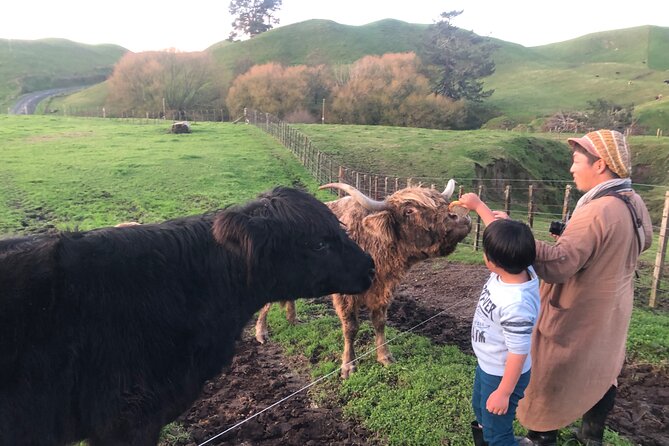
The animal portion is hands-on. You can hand feed chickens and ducks, then spend time with Corriedale wool sheep, horses, and Scottish Highland cows. This mix gives the visit more variety than a sheep-only stop. You might be watching the sheep one moment and admiring the long-haired cattle the next.
I like this approach because it shows farm life as a working routine, not just a staged animal encounter. You can ask Angie how the animals are cared for and hear about the practical side of running the property. The visit also includes attention to the environment, giving the farm story a wider focus than wool production alone.
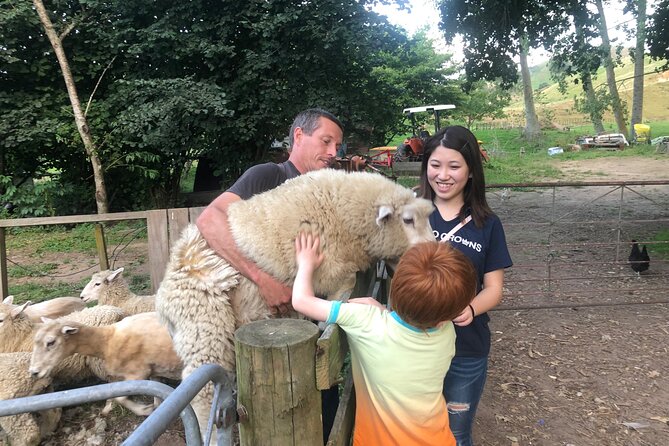
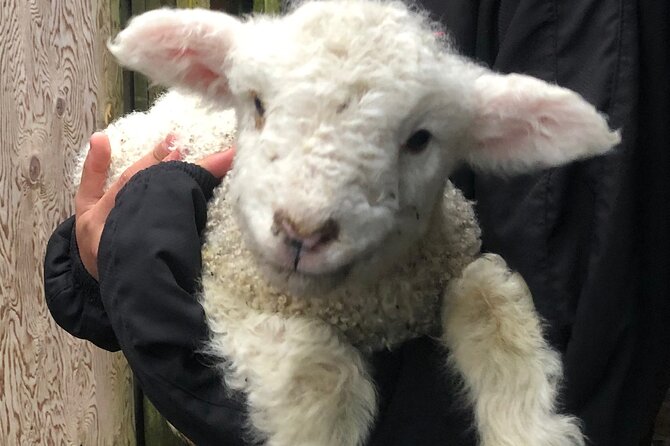
Families should find plenty to hold a child’s attention. A reported family experience included holding baby sheep and bottle feeding them, but animal access can depend on what is available on the day. You should treat that as a possible bonus, not a guaranteed part of every booking.
The chickens also sound like part of the charm. One portion of the visit includes seeing Angie’s attractive chickens, while the horses and cattle add larger animals for children and adults to enjoy. Joey the dog may also be around, adding another friendly farm character to the scene.
More Sheep Farm Tours around New Zealand:
- Sheep Farm Day Trip from Christchurch + Lunch and Winery visit.
★ 5.0 · 51 reviews - From Christchurch: Sheep Farm Experience with Lunch & Winery
★ 4.9 · 24 reviews - Lyttelton Cruise Excursions: Christchurch Sightseeing with Sheep Farm
★ 3.5 · 20 reviews
Why Corriedale sheep matter here
The sheep are not simply there for photographs. Corriedale wool is central to the visit, and the animals help you understand where the final hat begins.
You learn about the role sheep farming has played in New Zealand and how wool helped shape the country. That context gives the animal encounter more meaning. Instead of seeing a sheep as just a cute farm animal, you begin to connect it with clothing, rural work, trade, and local identity.
The tour does not require prior knowledge. Angie explains the story in a friendly, personal way, and you can ask questions as you go. That makes this a good choice if you want an introduction to New Zealand farming without committing to a long educational program.
The setting also makes the subject easier to understand. A wool explanation in a classroom can feel abstract. Here, you are near the sheep themselves before seeing what their fleece can become. The link between animal, material, craft, and finished item is clear.
From shorn fleece to usable wool
The second half of the visit focuses on processing wool after shearing. You see how the wool is handled organically, then learn about hand dyeing, hand spinning, and knitting it into clothing.
This is the part I would pay close attention to. Many wool products look simple once they are finished, but the route from fleece to hat involves several skilled steps. The demonstration helps you see the labor behind a handmade item and understand why natural wool goods can cost more than mass-produced souvenirs.
You also get the chance to try some wool spinning. That hands-on moment matters. Watching a demonstration tells you what happens, but handling the fiber gives you a better sense of how much care and control the process needs.
The wool is described as natural, home-spun, and hand dyed. The final hat is made from wool from the farm’s sheep, giving the souvenir a direct connection to the place you have just visited. You are not simply buying a generic New Zealand-themed item from a shop.
The demonstration may be brief because the full activity lasts only about an hour. Still, it covers an unusually complete chain: sheep, fleece, processing, color, yarn, knitting, and finished clothing. If you have an interest in traditional crafts, this part may be more valuable than the animal feeding.
Choosing your handmade wool hat
The final step is selecting your own woolly hat. This gives you a practical keepsake, not just a ticket stub or small trinket.
I like the way the souvenir fits the experience. You have learned about the sheep and wool, then you choose something made from that same story. The hat also has everyday value. You can wear it after the tour and remember the farm through its warmth and texture.
The hats are described as soft and warm, with the quality associated with handmade, hand-dyed wool. Exact colors, styles, and sizes are not specified, so you should not book expecting a particular design. The important point is that the choice happens as part of the farm experience.
For many people, the hat changes the price calculation. At $31.03 per person, the cost covers more than access to animals. It includes the guided visit, the wool demonstration, a chance to try spinning, and a handmade hat to take home. That makes the price easier to justify than a basic one-hour animal viewing stop.
Still, value depends on what you want. If your main goal is a long farm tour, extensive walking, or a large museum-style presentation, this is not that kind of activity. If you want a personal introduction to sheep farming with a useful handmade souvenir, the price is more convincing.
More Farm Tours around New Zealand:
- Queenstown: Queenstown Lake Cruise and Walter Peak Farm Tour
★ 4.8 · 950 reviews - Dinner at Walter Peak High Country Farm and Cruise from Queenstown
★ 4.5 · 576 reviews - Queenstown Lake Cruise and Walter Peak Farm Adventure
★ 4.5 · 439 reviews - Rotorua: Authentic Kiwi Farm Experience at the Agrodome
★ 4.8 · 270 reviews
Angie’s personal style of guiding
Angie is the owner and leads the visit herself. That matters because the tour is built around her own farm, animals, and wool work rather than a standard script delivered by a rotating staff member.
Her role seems to shape the tone of the experience. She shares her own story, talks about her love for the animals, and answers questions about farm life. That personal contact is one of the strongest reasons to choose this visit over a more commercial attraction.
The small maximum of 20 people helps, though 20 is still large enough to feel busy around animals. If the group fills, you may need to wait briefly for a turn feeding or handling something. The advantage is that you still have a clear structure and a host who can explain what is happening.
The tour is also suitable for people who have already encountered sheep elsewhere. A previous sheep experience does not cover the same ground here, since this visit adds the chickens, ducks, horses, Highland cows, wool processing, spinning, and hat selection.
Weather, timing, and practical expectations
The activity requires good weather. If poor weather causes cancellation, you can receive a different date or a full refund. That policy is useful, but you should still check the forecast before setting aside a tight travel schedule.
Rain does not necessarily ruin the experience. One visit was enjoyed on a rainy day, with the animal contact and farm discussion still making the outing worthwhile. Even so, weather can affect comfort and how much time you spend outside, so sensible outdoor clothing is a good idea.
The tour ends back at the meeting point, so you do not need to arrange a separate return transfer. The ticket is mobile, and confirmation is provided at booking. Service animals are allowed, and most people can participate.
The one-hour length is both a strength and a limitation. It fits neatly into a North Island driving day and works well for families who do not want a half-day commitment. On the other hand, you should expect a compact experience with several elements rather than long, leisurely time with each animal.
The activity is booked, on average, 49 days ahead. That suggests planning early, especially if your North Island itinerary has fixed dates. The operator also requires a minimum number of people, so a cancellation is possible if that minimum is not reached. In that case, you are offered another date or experience, or a full refund.
You can cancel for a full refund up to 24 hours before the start time. Changes made inside that 24-hour window are not accepted, and the amount paid is not refunded for a late cancellation.
Who will enjoy this farm visit most
I would recommend this experience most strongly to families with children, craft lovers, and visitors who want a small-scale meeting with New Zealand farm life.
Children have several ways to stay involved: feeding birds, meeting sheep, seeing larger cattle and horses, and possibly handling young animals. The wool work gives older children and adults something to focus on after the first excitement of the animals.
It also suits anyone who wants a souvenir with a real connection to the place. The handmade hat is more personal than a shop-bought item, and the demonstration helps you understand its making.
You may want to choose another activity if you dislike animal contact, have very limited tolerance for outdoor weather, or want a long and detailed agricultural tour. The experience is friendly and informative, but it is short and informal rather than a full day on a working farm.
Should you book the Wool Sheep Farm Experience?
You should book it if you want direct animal contact, a personal host, and a handmade wool hat in one compact visit. The combination is unusual: you meet the animals, learn how wool is processed, try spinning, and leave with a practical souvenir.
The best value comes from seeing the full connection between New Zealand sheep farming and traditional wool craft. Book early if your dates are fixed, allow for weather changes, and keep your expectations focused on a warm one-hour farm visit rather than a major attraction.
For families, first-time visitors curious about New Zealand wool, and anyone who enjoys handmade goods, this is an easy recommendation. For people seeking a longer farm tour or guaranteed access to a particular young animal, check your expectations before booking.
FAQ
Where does the Wool Sheep Farm Experience begin?
It begins at 291 Parsons Road, Ātiamuri 3077, New Zealand.
Where does the experience finish?
The activity ends back at the meeting point at 291 Parsons Road.
How long does the farm experience last?
The experience lasts approximately one hour.
What animals can I meet?
You can hand feed chickens, ducks, Corriedale wool sheep, horses, and Scottish Highland cows. Joey the farm dog may also be part of the visit.
Will I learn how wool is made into clothing?
Yes. The visit includes a demonstration covering organic processing, hand dyeing, hand spinning, and knitting wool into clothing.
Do I receive a wool hat?
Yes. You can choose a handmade woolly hat made from wool from the farm’s sheep.
Can I cancel for a full refund?
Yes. You can cancel at least 24 hours before the experience start time for a full refund. If poor weather or an insufficient number of bookings causes cancellation, you are offered another date or experience, or a full refund.
Just added around New Zealand
- Private, via beaches, Kiwi farm to Rotorua 8 lakes & Geothermal★ 5.0 · 20 reviews
- Boutique tour , Mt Maunganui, NZ farm, Rotorua lakes/geothermal★ 4.5 · 50 reviews
- Queenstown Lake Cruise to Walter Peak Farm with BBQ Buffet★ 4.5 · 25 reviews
- Queenstown: Walter Peak Farm Tour and Lake Cruise★ 5.0 · 5 reviews
- Bullswool Heritage Farm General Entry Ticket★ 5.0 · 6 reviews
- Mt. Hay Farm Experience Genuine Country Farming(Carbon Positive)★ 4.0 · 2 reviews
- Lyttelton Cruise Excursions: Christchurch Sightseeing with Sheep Farm★ 3.5 · 20 reviews
- Christchurch Sheep Farm Visit★ 4.0 · 10 reviews
Sheep Farm Tours, farm by farm.
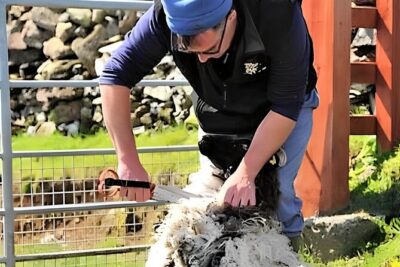
Visit traditional working sheep farm with sheepdog demo. Galway.
Read our review →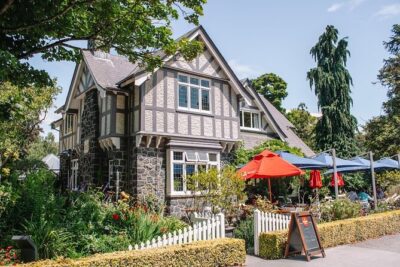
Sheep Farm Day Trip from Christchurch + Lunch and Winery visit.
Read our review →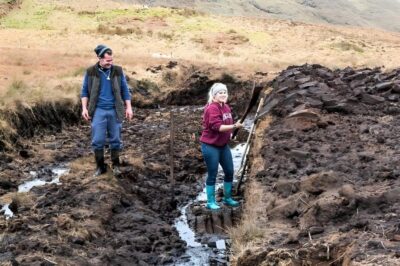
Sheepdog herding demo on working sheep farm. Galway. Guided.
Read our review →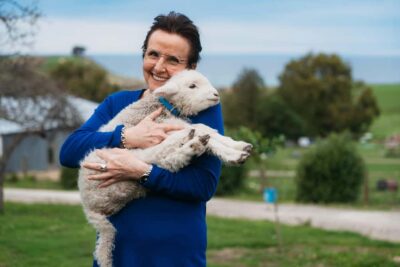
From Christchurch: Sheep Farm Experience with Lunch & Winery
Read our review →
Lyttelton Cruise Excursions: Christchurch Sightseeing with Sheep Farm
Read our review →
Akaroa Shore Excursion: Akaroa Harbour and Sheep Farm Local Tour
Read our review →
Connemara Sheep Farm experience & Kylemore Abbey by Lux Limousine
Read our review →Other lists this farm sits on