
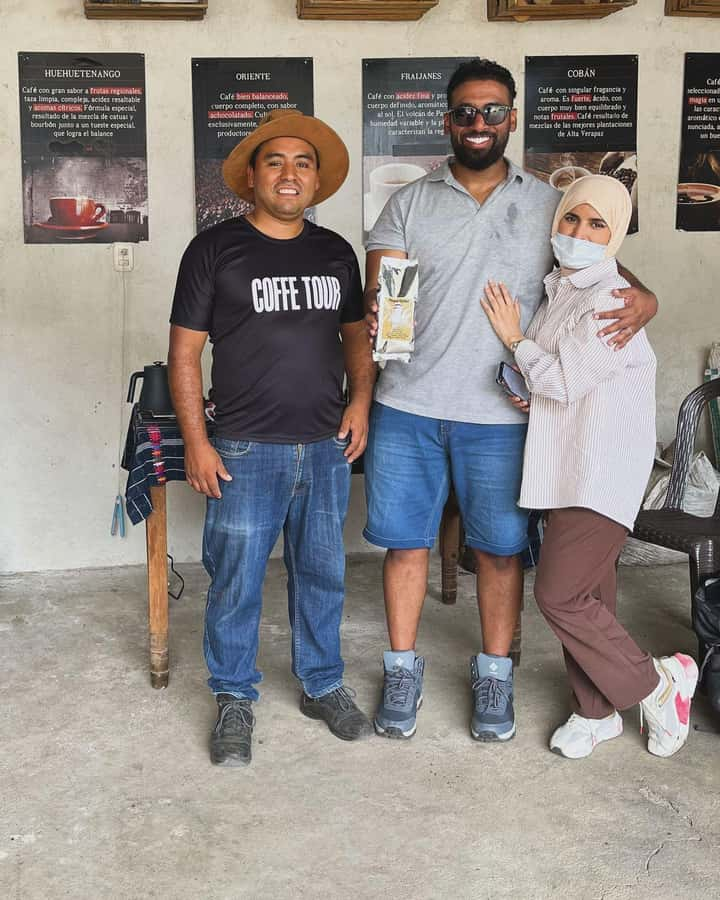
REVIEW · SACATEPéQUEZ DEPARTMENT, GUATEMALA
Coffee farm experience
Coffee tastes better when you meet its growers. This three-hour outing from Antigua takes you to Ciudad Vieja for a close look at a family coffee farm, where Baudilio and his wife explain how coffee is grown, processed, roasted, and sold. I like the personal welcome and the chance to see coffee as a family livelihood, not just a drink on a café menu. I also like that transportation, a guide, and a tasting are included.
The main consideration is that this is a learning-focused farm visit, not a grand plantation tour with a long list of attractions. The walking portion lasts about 105 minutes, and you should wear closed shoes, comfortable clothes, and a hat. If you have insect allergies or mobility concerns, ask for details before booking.
Five things to know before you go
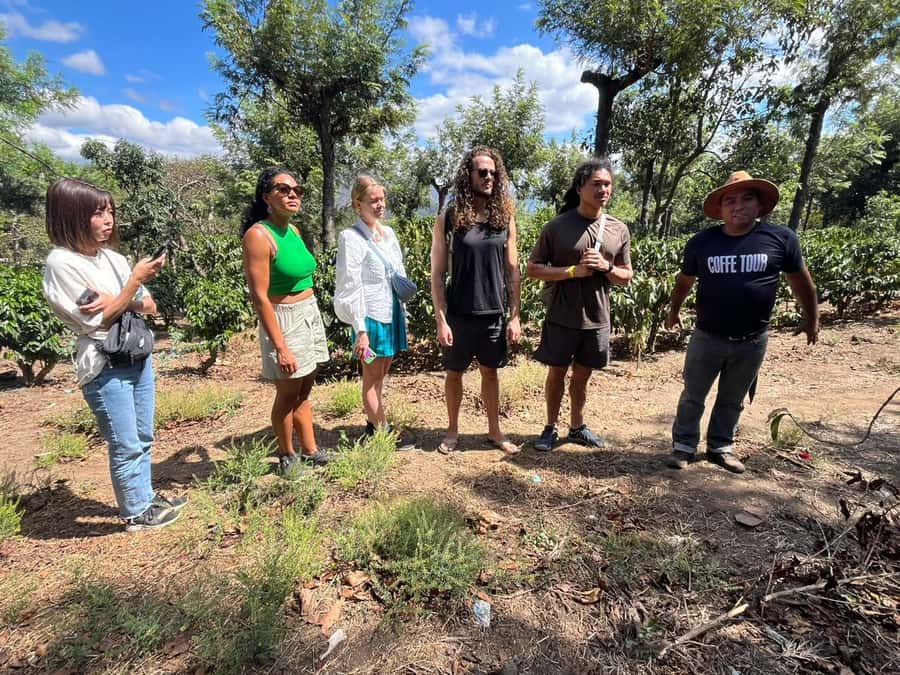
- Baudilio leads the experience: He handles the circuit and picks you up in his vehicle in Antigua Guatemala.
- You visit Ciudad Vieja: The main guided walk lasts about 105 minutes before returning to Antigua.
- You see coffee from plant to cup: The tour covers growing conditions, plant care, fertilization, processing, roasting, and tasting.
- It is a family-run farm: Baudilio and his wife welcome you onto a farm passed down through generations.
- Two coffee samples are included: Extra drinks, food, and bags of coffee cost more.
- The price is $55 per person: Transportation, guiding, and tasting make this a fair choice for a small, personal outing.
Why this coffee visit near Antigua feels different
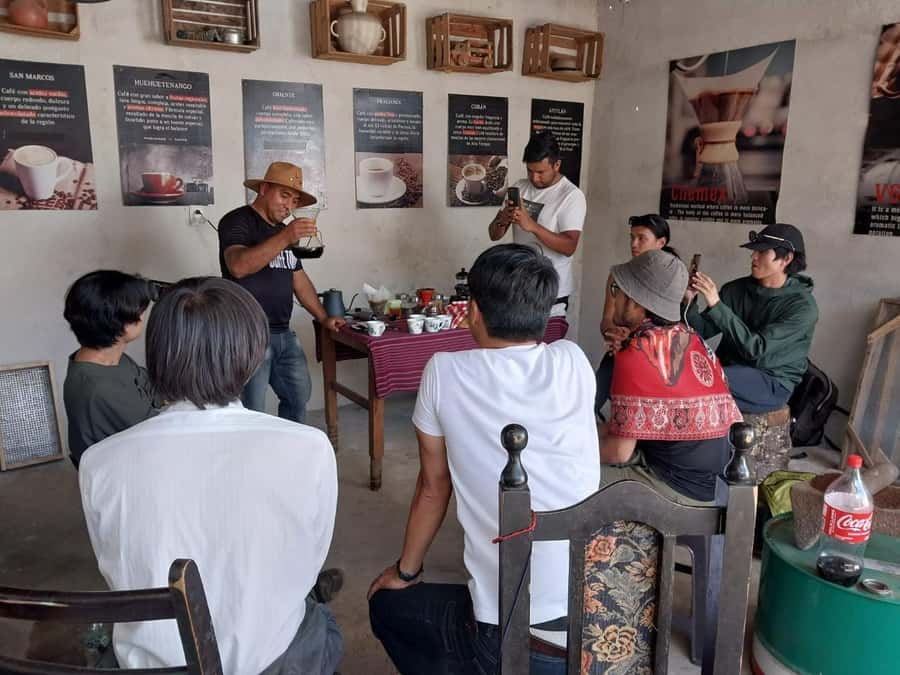
Many coffee tours stop at the tasting table. This one gives you more context first. You learn why Guatemala has eight coffee regions, what conditions coffee plants need, and how much daily work goes into producing the beans that reach your cup.
I like that the focus stays close to the people doing the work. Guatemala’s coffee industry is an important source of income, especially for small growers and their families. Seeing that connection helps you understand why coffee prices matter and why the final drink represents much more than roasting skill.
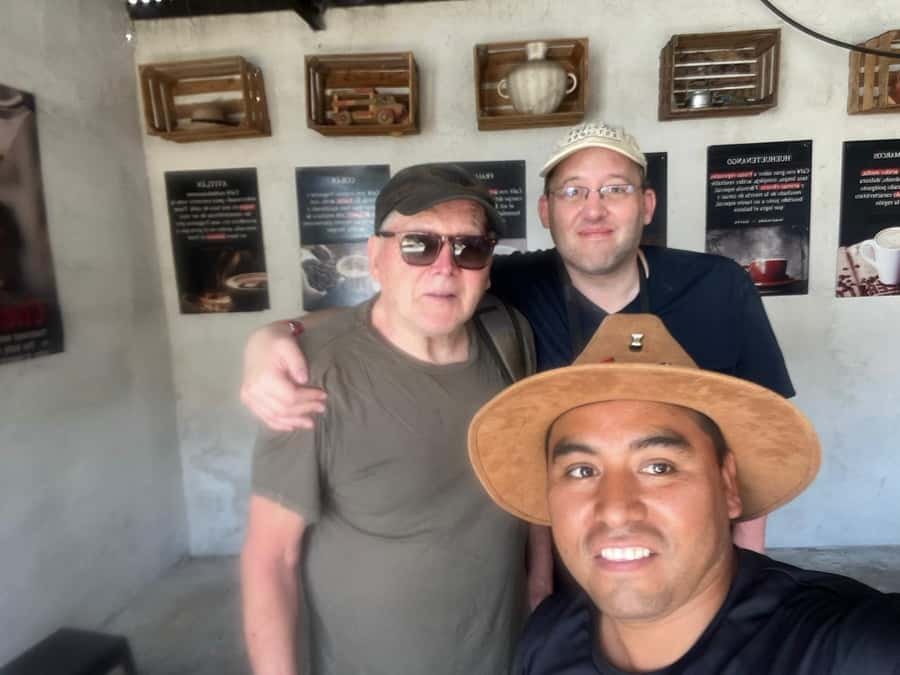
The experience also has a friendly, home-based feel. Baudilio and his wife welcome you to their family farm, explain the work in plain terms, and make time for questions. That personal contact is a big part of the appeal. You are not simply watching a demonstration. You are spending part of the day with people who grow, prepare, and sell coffee themselves.
More Coffee Farm Tours around the world:
- Award Winning Farm Tour: Coffee, Chocolate and Unique Gifts
★ 5.0 · 484 reviews - La Herradura Coffee Farm: tour in Europe’s only plantation
★ 4.8 · 430 reviews - Big Island: Volcanoes, Waterfalls, & Coffee Farm Day-Trip
★ 4.9 · 414 reviews
Pickup in Antigua and the short ride to Ciudad Vieja
Your day begins with pickup in Antigua Guatemala. Baudilio arrives in his vehicle, so you do not need to arrange a separate taxi or find your way to a rural meeting point. That matters in this area, where a simple trip outside town can otherwise take extra planning.
The drive takes you toward Ciudad Vieja, the setting for the farm visit and guided walk. The whole activity lasts three hours, which makes it easy to fit into a morning or afternoon around other plans in Antigua.
You should wear clothes that are comfortable for walking and suitable for sun. Closed-toe shoes are required, and a cap or hat is strongly recommended. Bring a charged smartphone and some cash. The cash may be useful if you want to buy coffee or pay for additional food and drinks, since those extras are not included.
Ciudad Vieja and the 105-minute farm walk
The main portion of the outing is a guided walk of about 105 minutes in Ciudad Vieja. This is where you get the clearest picture of coffee production and the people behind it.
You learn how coffee plants are cared for and what conditions they need to grow. The discussion includes fertilization methods used by growers, along with the stages involved in producing coffee. The goal is not only to show you plants but to explain the effort required at each step.
That makes the visit useful even if you already know a little about coffee. You can connect what you see in the field with the final cup. The experience covers the path from plant care to processing, then on to roasting and local distribution.
The farm is a family operation that has been passed down through generations. Baudilio’s family packages and roasts its coffee, and the coffee is distributed locally. You may also have the chance to purchase some of the farm’s coffee, though pounds of coffee are not part of the tour price.
A practical point: the walk is not described as difficult, but it is still an outdoor farm circuit. Expect sun and possible contact with insects. Closed shoes are a must, and people with insect allergies should think carefully before booking.
Guatemala’s eight coffee regions in one clear lesson
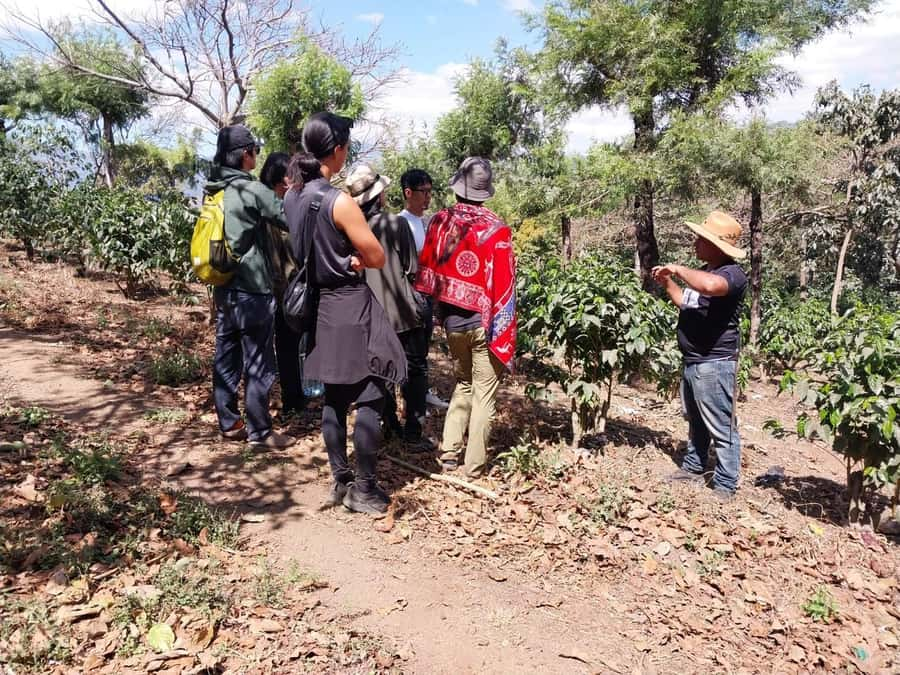
One of the most useful parts of the visit is the introduction to Guatemala’s eight coffee regions. You are not only tasting a local product. You are learning that coffee from Guatemala can vary by growing area, climate, and farming conditions.
The tour explains the basic needs of a coffee plant and the work required to keep it healthy. It also gives you a better sense of the skill involved in fertilization and ongoing plant care. These details can change how you taste coffee later. Instead of asking only if a cup is strong or mild, you may start thinking about where it came from and how it was produced.
I appreciate that this information is tied to the growers’ daily effort. The subject can easily become a technical lecture, but the family setting gives it a human scale. You learn about farming while standing in the place where the work happens.
The discussion also addresses the financial side of coffee. Coffee is one of Guatemala’s most important sources of income, and the tour points to the price paid by the industry’s growers. That is a valuable part of the experience because it shows the gap between a retail cup and the labor behind it.
More Farm Tours around the world:
- Half-Day Thai Cooking Class at Organic Farm in Chiang Mai
★ 5.0 · 19,087 reviews - Florence Pizza or Pasta Class with Gelato Making at a Tuscan Farm
★ 5.0 · 6,801 reviews - From Porto: 2 Wine Regions, Farm-to-Table Lunch & Boat
★ 4.9 · 5,724 reviews - Cooking Class and Lunch at a Tuscan Farmhouse with Local Market Tour from Florence
★ 5.0 · 4,831 reviews
From coffee plant to roasting and packaging
The farm visit covers more than cultivation. You also learn how coffee is processed and prepared for sale. The exact presentation can vary, but the experience includes an explanation of the stages between growing the beans and drinking the finished coffee.
The family’s own roasting and packaging add a useful local touch. You can see how a small producer handles coffee beyond the field and distributes it in the local market. That gives you a better idea of the work required to create a finished product.
This is also where the experience feels most authentic. You are not visiting a large commercial attraction designed around coffee. You are learning from a family that grows and prepares its own product. The scale is smaller, but the connection is stronger.
The tradeoff is that a small family farm may not offer polished exhibits, a large café, or a shop packed with souvenirs. If you want a highly produced presentation, this may feel simple. If you want direct contact with growers, that simplicity is a strength.
Tasting two coffees at the end
The tour finishes with a coffee tasting. Two types of coffee are sampled, giving you a chance to compare them after learning how the beans are grown and prepared.
I like the order of the experience. The tasting comes after the farm walk and explanations, so the cup has context. You can connect the flavor with the work you have just seen rather than treating it as a stand-alone drink.
Extra food and drinks are not included, and you should not assume that buying coffee is part of the $55 fee. If you want to take home beans, bring cash and confirm the available options during the visit.
For people who drink coffee every day, the tasting may be the highlight. For people who are less interested in flavor differences, the value lies more in the farm visit and the family conversation.
What the $55 price includes
At $55 per person, this is not the cheapest way to spend three hours near Antigua. It is also more than a basic café tasting. The price includes transportation from Antigua, a live guide in English or Spanish, the farm experience, and the tasting.
I think the value is strongest if you are traveling without a car or if you want a direct connection with local growers. Pickup removes transport trouble, and Baudilio’s personal guidance gives you access to a family operation that would be difficult to visit on your own.
The price also supports an experience centered on small producers rather than a quick commercial stop. You are paying for the time, transport, explanation, and local connection. If all you want is a good cup of coffee, a café in Antigua will cost less. If you want to understand how that coffee reaches the cup, this outing offers more.
Keep in mind that coffee by the pound, additional drinks, and food are separate expenses. The included tasting is enough to sample the product, but coffee lovers may want to budget for a purchase.
Who will enjoy this farm experience most
I would recommend this outing to coffee drinkers, food-minded visitors, and anyone who wants a personal activity outside Antigua. It works especially well for people who enjoy meeting local families and asking questions.
It is also a good choice for visitors who want a manageable half-day plan. Three hours is long enough to cover the farm and tasting without taking over the entire day. The English and Spanish guide options make it accessible to a wide range of visitors.
Families should check the age restrictions carefully. Babies under one year are not suitable for the activity, and the supplied information lists restrictions for people over 70 and over 95. Those age limits appear inconsistent, so I would confirm the correct policy before paying.
People with insect allergies should also avoid booking without asking for more information. The tour takes place around coffee plants and outdoor fields, so this is not the right choice for anyone who needs a tightly controlled indoor setting.
Small details that make the visit easier
Plan to bring:
- Closed-toe shoes
- Comfortable clothes
- A hat or cap
- Cash
- A charged smartphone
Do not bring alcohol or drugs. The tour is outdoors, so sun protection is practical even when the day feels mild in Antigua.
The activity offers free cancellation up to 24 hours before the start time for a full refund. You can also reserve now and pay later, which helps if your Antigua schedule may change.
Some information may be presented in its original language. English and Spanish are available, but if you need a particular language, select it carefully when booking.
Should you book this coffee farm tour?
Book it if you want to understand Guatemala coffee through the people who grow and prepare it. The strongest reasons are the family welcome from Baudilio and his wife, the clear explanation of farming and processing, the two-coffee tasting, and the included pickup from Antigua.
Skip it if you want a large plantation, a long list of formal exhibits, or a full meal included in the price. This is a simple, personal farm visit with an educational focus.
For most coffee lovers staying in Antigua, I think the $55 price is reasonable. You get transport, a three-hour guided experience, local conversation, and a tasting that gives the whole lesson a satisfying finish.
FAQ
Where does the coffee farm experience take place?
The experience takes place in Ciudad Vieja in Guatemala’s Sacatepéquez Department, with pickup and return in Antigua Guatemala.
How long does the experience last?
The full activity lasts three hours. The guided walk and sightseeing portion in Ciudad Vieja lasts about 105 minutes.
Is transportation included?
Yes. Pickup from Antigua Guatemala and transportation during the experience are included.
Who provides the tour?
Baudilio is responsible for the circuit and arrives in his pickup vehicle. His wife also helps welcome visitors at the family farm.
What languages are available?
The live tour guide is available in English and Spanish.
Is coffee tasting included?
Yes. A tasting is included, and the experience includes samples of two types of coffee.
Can I buy coffee during the visit?
You may be able to buy the farm’s coffee, but pounds of coffee are not included in the tour price. Bring cash if you want to make a purchase.
What should I wear and bring?
Wear comfortable clothes, closed-toe shoes, and a hat or cap for sun protection. Bring cash and a charged smartphone.
Can I cancel or pay later?
You can cancel up to 24 hours in advance for a full refund. The activity also allows you to reserve now and pay later.
Just added around the world
- Zanzibar:Jozani forest, Spice farm with Swahili Cuisine clas★ 4.2 · 3 reviews
- Zanzibar: Spice farm tour with Zanzibar fruits tasting★ 3.8 · 7 reviews
- Zanzibar: Stone Town City Tour and Spice Farm with Lunch★ 3.7 · 33 reviews
- ZANZIBAR, Stone town tour, Prison Island & Spice farm★ 5.0 · 11 reviews
- Zanzibar: Walking Spice Farm with Local Cooking Class★ 4.4 · 9 reviews
- Zanzibar: Spice Farm Tour with Traditional Cooking Class★ 5.0 · 2 reviews
- Zanzibar: Spice Farm Tour with Traditional Cooking Class★ 4.8 · 6 reviews
- Zanzibar: Spice Farm Tour with Traditional Cooking Class★ 4.6 · 16 reviews
Coffee Farm Tours, farm by farm.
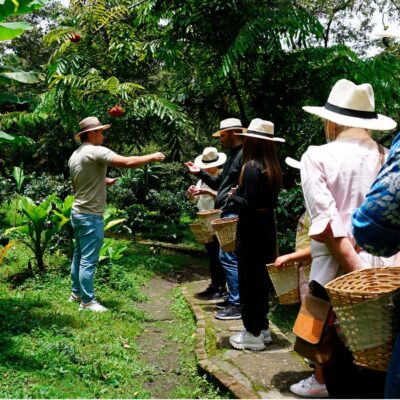
Award Winning Farm Tour: Coffee, Chocolate and Unique Gifts
Read our review →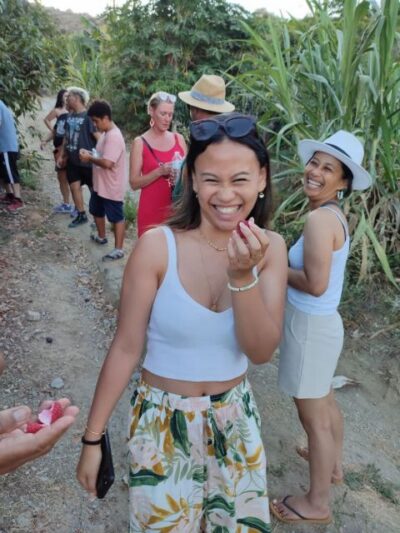
La Herradura Coffee Farm: tour in Europe’s only plantation
Read our review →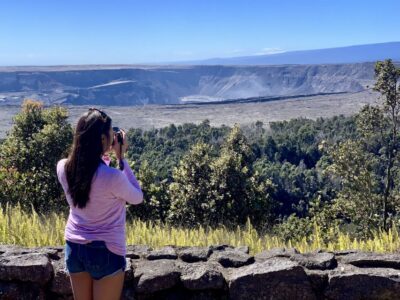

Small-Group Big Island Tour: Hawaii Volcanoes National Park and Kona Coffee Farm
Read our review →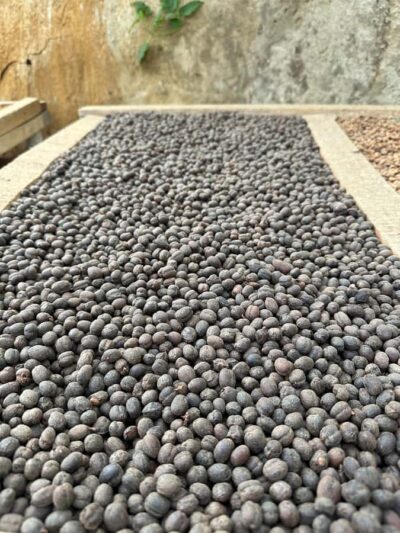
Medellín Coffee Farm Tour with Trolley and Cable Car Ride
Read our review →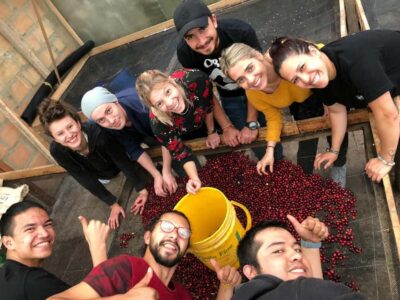
Private Cocora Valley, Salento & Coffee Farm Tour
Read our review →
Liamuiga Natural Farm Tour – St.Kitts’ Coffee Farm
Read our review →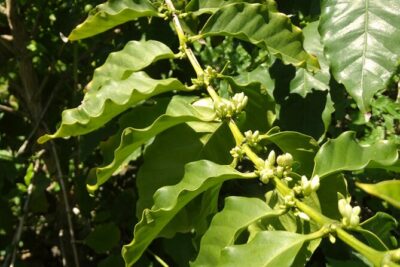
Other lists this farm sits on