
REVIEW · IRELAND
Oyster Farm and Tasting Experience
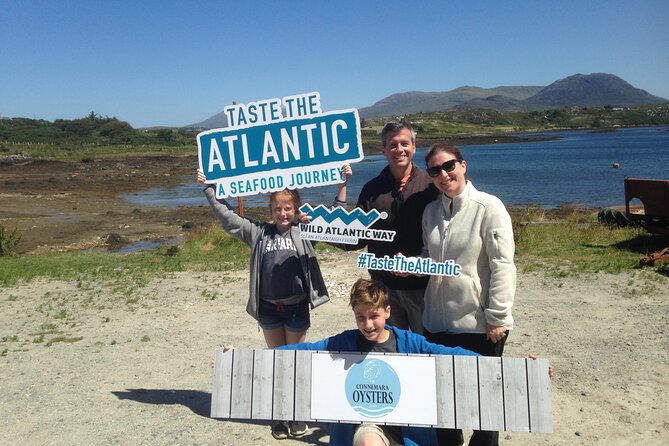
Forget the usual sightseeing for an hour. At DK Connemara Oysters, you visit a real working farm, meet the people who raise oysters in Galway Bay, and taste the result at the foot of Connemara National Park. I like the direct look at farming from seed to plate, and I like that the setting puts you close to Ireland’s wild Atlantic coast rather than inside a standard tasting room.
The tasting is the main draw, with about five or six oysters for each person according to the experience details. Guide Sinead is praised for her clear explanations, while David brings strong personal passion for the farm and its work. The main drawback is that oysters are an allergen, and the short activity is weather-dependent, so this is not the right pick if you dislike shellfish or need a fully weatherproof plan.
Key points to know before booking

- You visit a working oyster farm: See grading, packing, or bags being turned in the bay when farm work is underway.
- The tasting is hands-on: You learn how to shuck an oyster, then can try opening one yourself.
- The setting is a major part of the appeal: The farm sits at the foot of Connemara National Park, about 15 minutes by car from Kylemore Abbey.
- Expect a strong first taste: The oysters are described as sweet, creamy, earthy, and more enjoyable as your palate adjusts.
- The tour suits families with children aged six and up: It offers a practical activity rather than another round of monuments and viewpoints.
- Plan around the weather: Poor weather can lead to a rescheduled visit or full refund, and cancellations made less than 24 hours ahead are not refunded.
A working farm instead of another Galway attraction
Clifden is a good base for exploring Connemara, but a day here can easily turn into a string of drives, abbeys, photo stops, and scenic roads. This oyster visit gives you something different: a close look at a local food business and the people behind it.
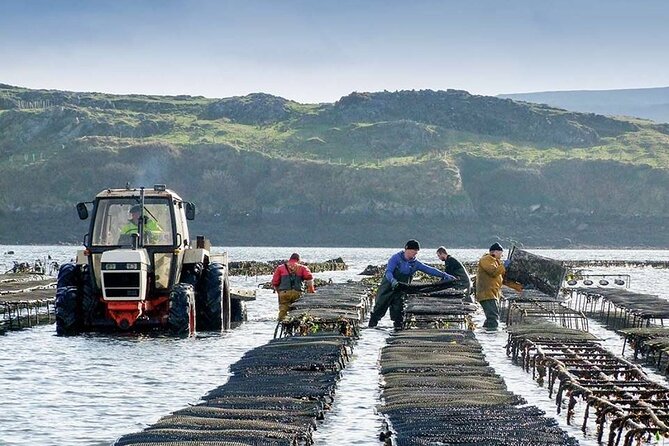
You are not simply handed a plate and told where the oysters came from. The activity explains the farming process from seed to plate, then shows how the farm operates day to day. Depending on what is happening during your visit, you might see the team grading oysters, packing them, or turning bags in the bay.
That detail matters. Oyster farming is easy to imagine as a quiet business where shellfish are lifted from the water and sent to restaurants. The farm visit makes the work more visible. You get a sense of the handling, sorting, and care needed before an oyster reaches your plate.
The tour lasts about one hour and 15 minutes. That is long enough for a proper introduction and tasting without taking over your day. You can comfortably pair it with another Connemara stop, especially Kylemore Abbey, which is about a 15-minute drive away.
More Oyster Farm Tours around the world:
- Experience Coffin Bay Oyster Farm and Bay Tour
★ 5.0 · 161 reviews - Broken Bay Pearl & Oyster Farm Tours
★ 5.0 · 150 reviews - Coffin Bay Oyster Farm Wading Tour & Tasting Experience
★ 5.0 · 142 reviews
Meeting Sinead and David at DK Connemara Oysters
The people leading the visit are a key part of its appeal. Sinead receives especially warm praise for her explanations and for making the tasting enjoyable for first-time oyster eaters. David is described as deeply committed to the business, with a strong grasp of oyster farming in Ireland and around the world.
I would choose this sort of small producer visit over a polished food presentation any day. You are meeting people who work with the product, not just someone repeating a prepared script. That gives the tour a more personal feel, particularly when the conversation turns to how the farm works with nature.
The group can include up to 30 people. That is not an intimate one-family visit, but it is still a manageable size for a short farm activity. The experience is offered in English, so you should be comfortable following spoken explanations and asking questions in English.
The current rating is 4.7 out of 5 from 33 ratings, with 94 percent of participants recommending it. Those numbers point to a consistently well-received activity, though the sample is not large enough to treat it as a guarantee for every visit.
Following the oyster from seed to plate
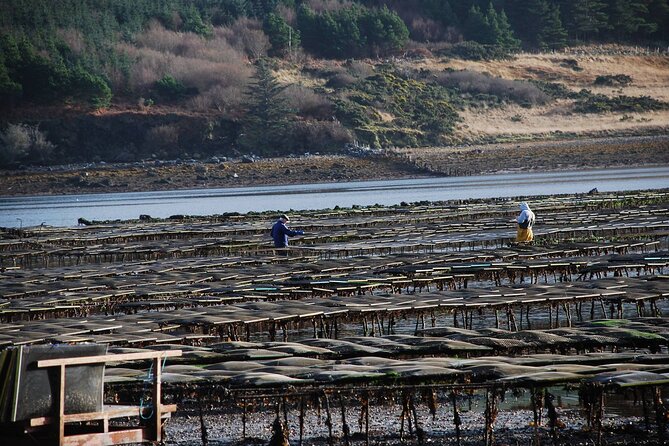
The educational part comes before the tasting. You learn how oysters are farmed and how the product moves through the operation. The phrase seed to plate is useful here because it covers the full journey, rather than focusing only on the final bite.
You may see the workers grading oysters, which means sorting them as part of the farm process. You may also see packing work or the handling of bags in the bay. These are ordinary jobs, but that is precisely what makes them interesting. You are watching a working routine rather than a staged demonstration built only for visitors.
Conditions on the farm can affect what you see. The team will be working on whatever task needs attention that day, so your visit is not a promise of one fixed display. That unpredictability is part of the authenticity, but it also means you should not expect a long, elaborate set of demonstrations.
The farm’s connection with nature is another important theme. One first-time oyster eater particularly liked how the operation worked with nature. That is a useful way to approach the visit. You are learning about a food source that depends on the bay, tides, weather, and careful handling, not a factory-made product with a uniform process.
The oyster tasting, from first bite to second thoughts
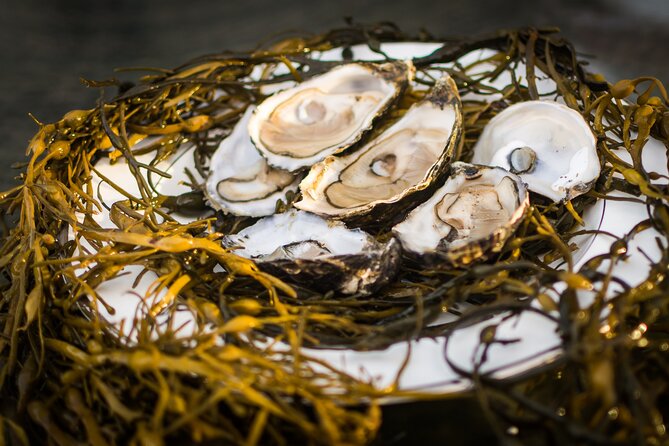
After the farm tour, you get a demonstration of oyster shucking. If you feel adventurous, you can shuck one yourself. This is the point where the visit becomes more than a guided walk. You are not just watching someone else prepare the food. You have a chance to handle the oyster and take part in the final step.
The first oyster can be a shock. The experience describes the opening taste as an explosion of flavor, followed by a more settled impression with the second and third. The oysters are described as sweet, creamy, and lightly earthy. A little lemon may help if the first bite feels too strong.
You should expect several oysters during the tasting. One account describes about five or six per person, enough for you to understand how the flavor develops rather than making a single cautious attempt and stopping there. If you have never eaten oysters, the progression is useful. Your palate may need time to adjust.
This is also where the activity becomes less suitable for some people. Oysters are an allergen, and no one should feel pressured to taste them. If you are unsure about shellfish, have a known allergy, or simply dislike the texture, the farm visit may not provide enough value on its own.
For an oyster fan, though, this is the heart of the experience. The product is not an afterthought added to a farm tour. The tasting gives you a clear reason to learn how the farm operates in the first place.
More Food and Drink Tours around the world:
- Sorrento Farm and Food Experience including Olive Oil, Limoncello, Wine tasting
★ 5.0 · 2,524 reviews - Lahaina: Maui Ku’ia Estate Guided Cacao Farm Tour and Tasting
★ 5.0 · 1,103 reviews - Ría de Arousa: Boat Ride to Mussel Farm with Tasting
★ 4.7 · 845 reviews - Pizza School with Wine and Limoncello Tasting in a Local Farm
★ 5.0 · 845 reviews
Connemara views at the foot of the national park
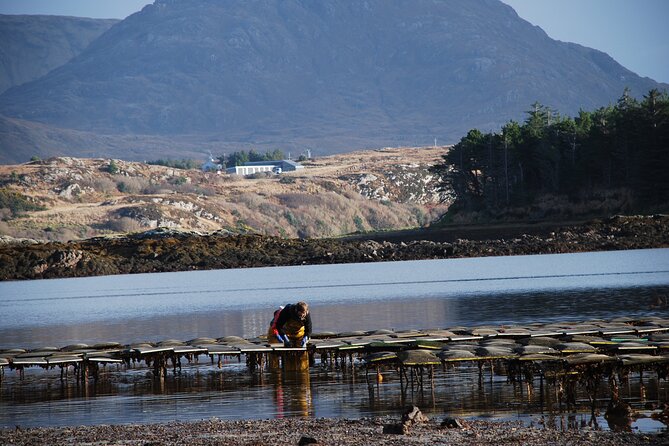
The setting gives the activity much of its character. The farm is at the foot of Connemara National Park, with views toward Ireland’s Atlantic coast. That puts the tasting in a setting that feels connected to the food on your plate.
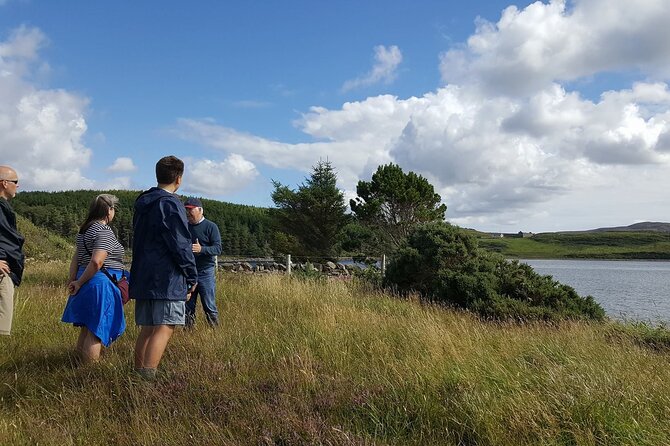
You do not need a long hike or a full day outdoors to enjoy the location. The activity itself is short, and the surroundings provide a strong change of pace from Clifden’s streets or a packed sightseeing schedule. You can make this a stop on a wider Connemara day.
The location also pairs naturally with Kylemore Abbey. At roughly 15 minutes by car, the two attractions can fit into the same outing if your timing works. I would treat the oyster farm as the more personal, working stop and Kylemore Abbey as the grander sightseeing stop. Together, they show two very different sides of the area.
The weather deserves careful thought. The activity is presented as something that can entertain children aged six and above even on a bad-weather day, but the operating information also says the experience requires good weather. If rain or poor conditions make the farm visit impossible, you are offered another date or a full refund.
That means you should not build a tightly packed schedule around this visit without a backup plan. If the forecast looks uncertain, leave room to shift the booking or change your plans.
Is $54.06 a fair price?
At $54.06 per person, this is not the cheapest short stop in Connemara. You are paying for more than a few oysters, though. The price covers a guided look at an operating farm, an explanation of the production process, a shucking demonstration, the chance to shuck your own oyster, and a tasting of several oysters.
Value depends on what you want from a food activity. If you only want to eat oysters, buying them at a restaurant may be simpler. If you want to understand how they are raised and handled, this visit gives the food more meaning and makes the price easier to justify.
The short duration helps with value in another way. At around 75 minutes, you do not lose half a day. You can fit the visit around other Connemara plans, and the location near Kylemore Abbey makes it a useful addition to a driving itinerary.
I would especially consider the price fair for someone new to oysters. You receive guidance before tasting, learn how to shuck safely, and get several chances to decide what you think of the flavor. For a family, the cost adds up quickly, so check that everyone is interested in the hands-on farm side, not just the idea of a scenic stop.
The activity is often booked about 34 days ahead. That suggests you should not assume you can wait until the last minute, particularly if your travel dates are fixed. Confirmation arrives when you book, and mobile tickets make the practical side straightforward.
Bringing children, first-time oyster eaters, and non-oyster fans
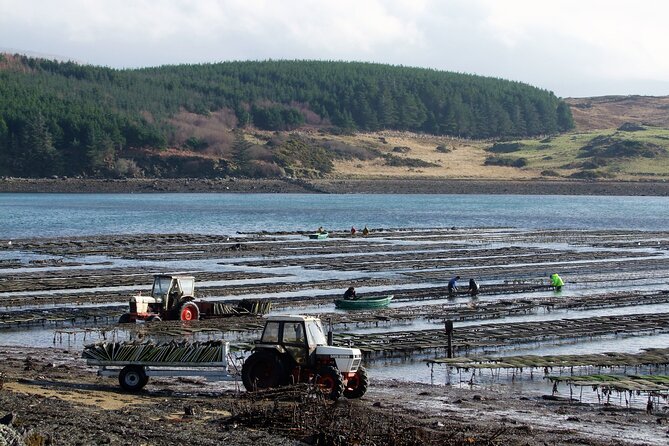
The experience is suitable for children aged six and above, and the working-farm format gives young visitors something concrete to watch. Seeing bags handled in the bay or oysters sorted and packed can be more engaging than listening to a long talk in a museum.
Still, children need to be comfortable around seafood and outdoor farm conditions. The tasting is optional in spirit, and nobody should be pushed to eat an oyster. Service animals are allowed, and most people can participate.
First-time oyster eaters may get the most from the tasting. The change from the first oyster to the second and third gives you a chance to understand your own reaction. Lemon can help if you find the first bite too intense, but the point is to notice the oyster’s natural flavor as your palate settles.
Experienced oyster lovers should also find something worthwhile in the farm process. David’s interest in oyster farming in Ireland and around the world adds useful context, and the local setting gives the tasting a clear sense of place.
If no one in your group wants to eat oysters, I would probably choose another Connemara activity. The views and farm explanation are appealing, but the tasting is the central payoff.
Meeting point, timing, and cancellation rules
The meeting point is at Dawros Beg, County Galway, H91 AC6K, Ireland. The activity starts at 11:00 a.m. and ends back at the same meeting point.
You should allow enough time to reach Dawros Beg without rushing. The supplied details do not include transport from Clifden, so you need to arrange your own way to the farm. The same applies if you are coming from Kylemore Abbey or another part of Connemara.
The experience is offered in English and uses a mobile ticket. Confirmation is provided at booking. The maximum group size is 30 people, and the activity requires a minimum number to operate.
You can cancel for a full refund up to 24 hours before the start time. Changes or cancellations made less than 24 hours before the 11:00 a.m. start are not refunded, so do not leave this decision until the morning of the visit. There is one important exception: if the provider cancels because of poor weather or because the minimum number is not reached, you are offered another date or experience, or a full refund.
One past booking problem involved a visitor who had no mobile service and missed the cancellation window by only a few hours. The practical lesson is simple: check the policy before booking, and arrange cancellation or changes while you still have reliable internet access.
Who should book this Clifden experience?
I would recommend this visit to food-minded visitors, families with children aged six and up, curious first-time oyster eaters, and anyone who wants to see how a local coastal product is made. It is also a smart addition to a day near Kylemore Abbey because the drive between the two is short.
You should think twice if you have a shellfish allergy, strongly dislike oysters, or need a guaranteed indoor activity. You should also allow flexibility around the weather, since poor conditions can affect the schedule.
For most suitable visitors, the appeal is the mix of real work, local food, personal guides, and Atlantic scenery. Sinead’s clear teaching and David’s commitment give the visit a human face, while the tasting turns an unfamiliar food into something you can understand one bite at a time.
Should you book the DK Connemara Oysters visit?
Book it if you want a short, hands-on activity that connects Connemara’s coast with what ends up on your plate. The farm-to-tasting format is the reason to choose it, not simply the chance to eat oysters.
I would book ahead, especially since the activity is commonly reserved more than a month in advance. Confirm that everyone in your party can safely eat oysters, check the forecast, and keep your wider itinerary flexible. If those points work for you, the $54.06 price buys a distinctive stop with strong local character and a tasting you are unlikely to forget.
FAQ
Where does the Oyster Farm and Tasting Experience begin?
It begins at Dawros Beg, County Galway, H91 AC6K, Ireland.
What time does the experience start?
The start time is 11:00 a.m.
How long does the oyster farm visit last?
The activity lasts approximately one hour and 15 minutes.
Where does the experience end?
It ends back at the same meeting point at Dawros Beg.
Is the experience offered in English?
Yes. The experience is offered in English.
Can children take part?
Yes. The activity is described as suitable for children aged six and above.
Can I shuck an oyster myself?
Yes. After a demonstration, you can shuck your own oyster if you feel comfortable doing so.
How many oysters will I taste?
The experience information indicates that you may try about five or six oysters.
What happens if bad weather cancels the visit?
You are offered a different date or a full refund if the provider cancels because of poor weather. The experience also requires a minimum number of participants, and the same options apply if that minimum is not reached.
Just added around the world
- Zanzibar:Jozani forest, Spice farm with Swahili Cuisine clas★ 4.2 · 3 reviews
- Zanzibar: Spice farm tour with Zanzibar fruits tasting★ 3.8 · 7 reviews
- Zanzibar: Stone Town City Tour and Spice Farm with Lunch★ 3.7 · 33 reviews
- ZANZIBAR, Stone town tour, Prison Island & Spice farm★ 5.0 · 11 reviews
- Zanzibar: Walking Spice Farm with Local Cooking Class★ 4.4 · 9 reviews
- Zanzibar: Spice Farm Tour with Traditional Cooking Class★ 5.0 · 2 reviews
- Zanzibar: Spice Farm Tour with Traditional Cooking Class★ 4.8 · 6 reviews
- Zanzibar: Spice Farm Tour with Traditional Cooking Class★ 4.6 · 16 reviews
Oyster Farm Tours, farm by farm.
Experience Coffin Bay Oyster Farm and Bay Tour
Read our review →
Loupian: Tour guide of our oyster farm and tasting
Read our review →
Coffin Bay: Oyster Farm Boat Tour with Wading & 12 Oysters
Read our review →
Oyster Farm & Complimentary Tasting Sea Kayak Tour in Casco Bay
Read our review →
Oyster farm experience / Private day trip from Dubrovnik
Read our review →
Other lists this farm sits on